HelloRoam is a global eSIM provider offering instant mobile data in 185+ countries. Buy prepaid travel eSIM plans with no extra fees, no contracts, and instant activation on any eSIM-compatible device.
Trying to decide between eSIM or SIM before your next overseas trip? An eSIM is a digital chip built into your phone that activates with a QR code scan. No plastic card, no SIM swap, no waiting. The difference between eSIM and SIM card is simple: eSIM is embedded in your phone hardware while a physical SIM card slides in manually. For Aussie travellers heading to Bali, Japan, or Europe, here's everything you need to know to make the right call.
Last updated:eSIM versus physical SIM: an e SIM (also written e-sim or eSIM) downloads a carrier profile to your phone when you scan a QR code, while a physical SIM card has to be bought in a shop or delivered to your door. eSIM vs sim card in plain terms: digital profile stored in your phone versus a removable plastic chip. Sim vs esim for travel? eSIM wins on speed and convenience every time. eSIM card vs sim card comparison: is esim better than physical sim for Australians heading overseas? For any modern phone made after 2018, eSIM is the better pick. eSIM or sim card: if your phone supports eSIM, there is no reason to queue at a SIM kiosk at Narita or Heathrow. The difference between eSIM and SIM is that eSIM is soldered into your phone at the factory, while a physical SIM card is a removable plastic chip you insert manually. eSIM advantages include instant QR code activation, no plastic to carry, and better security against SIM swap fraud. eSIM disadvantages are limited support on pre-2018 phones and non-transferability between devices. How to convert physical SIM to eSIM in Australia: contact Telstra, Optus, or Vodafone AU through their app or store, and they will issue a QR code to scan. How to convert eSIM to SIM: request a replacement nano SIM card from your carrier. Physical sim vs esim: physical SIM suits older handsets only. An eSIM activates instantly with no store visit and no delivery wait. HelloRoam offers prepaid eSIM plans from A$1.60 across 185+ countries with no SIM swap, no shipping fees, and no hidden charges. An eSIM-compatible phone lets you store multiple profiles and switch networks in seconds from your settings. Browse HelloRoam eSIM plans for 185+ countries, including popular Aussie holiday destinations like Bali, Japan, and Thailand.
Instant Activation
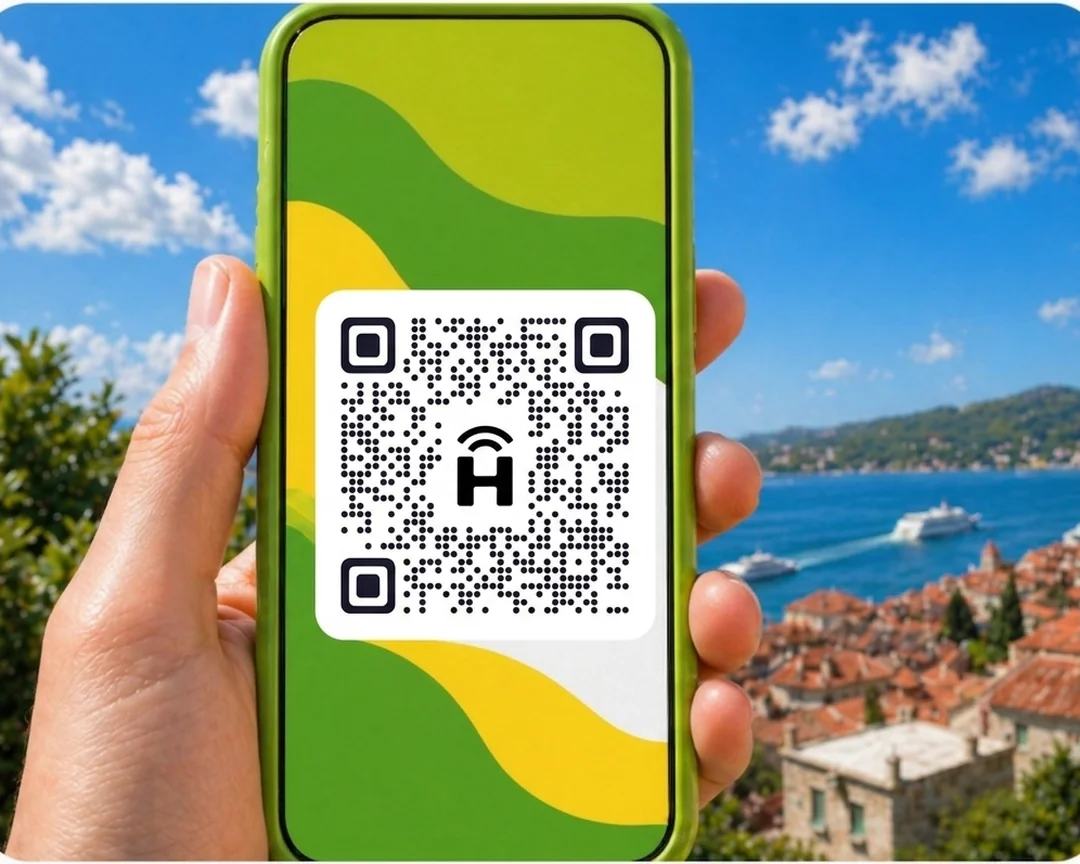
Scan a QR code and you're online in minutes. No waiting on delivery, no SIM ejector tool, no airport booth queue.
Cheaper Than Roaming
Plans start at A$1.60 with no shipping fees. Physical SIMs at an overseas airport often cost 15 AUD to 50 AUD before you add any data.
Switch Countries Easily
Keep several eSIM profiles on one phone and switch between countries without ever touching a physical card.
Stronger Security
An eSIM can't be physically removed or copied to another device. Your connection stays locked to your phone until you decide to move it.
Better for the Planet
No plastic card, no packaging, no shipping. Every eSIM keeps one more piece of plastic out of the bin.
Dual SIM Support
Keep your Aussie number on your primary SIM while HelloRoam handles overseas data. Reachable at home, connected on holiday.
An eSIM is ready to go the moment you scan the QR code. No waiting on delivery, no scrambling for a SIM kiosk after you land, no hunting for that tiny ejector tool in your carry-on. Physical SIM cards mean either ordering ahead or finding an airport booth on arrival, often with a queue. For Australians flying to Bali, Tokyo, or London, your eSIM has you online while everyone else is still waiting at the counter.
HelloRoam eSIM plans start at A$1.60 and that price includes everything. A physical SIM at Bali airport or a Narita terminal shop can run 15 AUD to 50 AUD before you've even added a data pack. With a travel eSIM, you pay one flat amount upfront and connect to local networks at local rates straight away. Over a two-week trip to Japan or Europe, the difference adds up to serious money.

Flying Sydney to Tokyo then over to Amsterdam? You can keep several eSIM profiles on your phone and flip between them in seconds from your settings. Physical SIMs mean carrying a different card for every country and finding somewhere safe to store the spares. Your eSIM-compatible phone keeps your Aussie number active while HelloRoam handles the data. No tools, no tiny cards, sorted before you even board.
Every physical SIM card needs plastic, blister packaging, and a delivery chain. Add that up across millions of travellers each year and the waste is real. A travel eSIM is completely digital. Nothing to manufacture, nothing to ship, nothing to bin when the trip is done. If you're trying to travel a bit lighter on the planet as well as your carry-on, switching to eSIM is one of the easiest changes you can make.
How a HelloRoam eSIM stacks up against a physical SIM, feature by feature, for Aussie travellers
| Feature | Physical SIM | |
|---|---|---|
| Instant Activation | ||
| No Physical Card Needed | ||
| 185+ Countries | ||
| Multiple Profiles on One Device | ||
| No Shipping or Handling Fees | ||
| Eco-Friendly (Zero Plastic) | ||
| Dual SIM Support |
Browse affordable eSIM plans for your next destination

Unlimited eSIM Plan
Stay connected across Mexico.
From

Unlimited eSIM Plan
Stay connected across Morocco.
From

Unlimited eSIM Plan
Stay connected across United States.
From

Unlimited eSIM Plan
Get connected in Japan in minutes.
From

Unlimited eSIM Plan
Get connected in Turkey in minutes.
From

Unlimited eSIM Plan
Stay connected across China.
From
Get connected in 4 easy steps
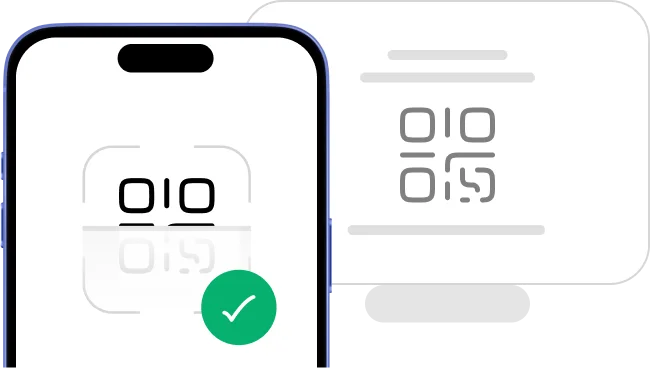
Set up your eSIM in seconds. Scan the QR code, confirm the install, and you're connected before you land.


Questions about eSIM vs SIM or getting set up? Our support team is available around the clock via live chat or WhatsApp.
The right choice comes down to your phone and how you travel. eSIM suits most modern phones because you skip the SIM swap, keep your Aussie number, and are online before you even clear customs. It's also the more secure option since no one can pull the chip out of your phone. If your phone doesn't support eSIM, a physical SIM card is still a reliable fallback.

Yes, switching from a physical SIM to an eSIM is straightforward with Telstra, Optus, and Vodafone AU. Open your carrier's app, find the eSIM setup option, and you'll get a QR code to scan. That scan installs your digital profile and your physical SIM stops working once it's done. Confirm everything is active before you take out the old card. To convert eSIM to SIM later, contact Telstra or Optus directly and request a replacement nano SIM card.
Is eSIM better than a physical SIM card? For most Australian travellers, yes. You can scan a QR code and be connected in minutes with no physical card to lose in the bottom of your bag. The esim vs physical sim comparison shows eSIM wins on speed, security, and multi-country convenience. HelloRoam eSIM plans start at A$1.60 and work across 185+ countries. A physical SIM still makes sense if your phone is older than 2018 or you're heading somewhere with limited eSIM coverage.
eSIM is more secure than a physical SIM because no one can pull it out of your phone and drop it into another device. Your connection stays tied to your phone until you actively transfer it. A physical SIM slides out in a few seconds and slips straight into any compatible handset, which is exactly the gap that SIM swap attackers exploit. HelloRoam eSIM profiles use GSMA encryption and are device-locked.
eSIM works well in Bali. Telkomsel covers the island with solid 4G coverage, and your HelloRoam eSIM connects to it automatically when you land. A local Bali SIM is a bit cheaper per gigabyte, but you'll need to visit a shop, show your passport, and wait for registration. For most Aussies on a week in Bali, the ease of activating an eSIM before you leave beats any small price difference.
eSIM advantages over a physical SIM are clear on three fronts: you activate instantly via QR code, there's no plastic card to misplace, and you can store multiple carrier profiles on one phone. In an esim card vs sim card comparison, eSIM wins on convenience and security every time. HelloRoam eSIM covers 185+ countries across 202+ networks. Set your plan up before you fly and switch destinations without visiting a single phone shop.
eSIM and physical SIM offer the same level of privacy. Both use identical protocols to connect to cell towers and the same network-level data applies to each. Where eSIM pulls ahead on security is physical resistance: nobody can remove the chip from your phone. HelloRoam eSIM profiles are device-locked with GSMA encryption and can't be removed or cloned.
Most modern smartphones handle two or more eSIM profiles at once. Apple iPhones from the XS (2018) onward support dual eSIM. The iPhone 13 and later run two eSIMs simultaneously without needing a physical SIM at all. Samsung Galaxy S21 and newer models also support multiple eSIMs. With HelloRoam, you can run a travel data plan alongside your Telstra or Optus eSIM so your Aussie number stays reachable wherever you are.
eSIM is harder to compromise than a physical SIM because no one can physically remove it and copy it to another device. The GSMA encryption standard covers all HelloRoam eSIM profiles across 185+ countries. SIM swap fraud relies on getting hands on your physical card, and eSIM removes that option entirely.
HelloRoam eSIM plans are data-only and don't give you a new phone number. Your existing Australian number stays on your primary SIM or carrier eSIM exactly as normal. That setup works perfectly for travel: your home number handles calls and texts while HelloRoam covers data across 185+ countries. If you want a number tied to your account, that comes from a carrier eSIM through Telstra or Optus.
Your phone number stays with your carrier, not with the SIM type. Moving from a physical SIM to an eSIM on Telstra, Optus, or Vodafone AU keeps your number exactly as it was. Adding a HelloRoam travel eSIM doesn't touch your existing number at all. Your Aussie line stays on for calls and texts while HelloRoam takes care of data in 185+ countries.

The Samsung M53 doesn't support eSIM. Samsung eSIM compatibility starts with the Galaxy S20 and newer flagship models, plus the Z Flip and Z Fold range. Budget and mid-range Samsung A-series and M-series handsets generally don't include eSIM hardware. To check your specific model, open Settings, tap Connections, then SIM Manager. You can also confirm compatibility at helloroam.com before you buy a plan.
HelloRoam eSIM plans start at A$1.60 for fixed data packages. You can choose anywhere from 3GB to 20GB, and unlimited daily plans are available too. Compare that to picking up a physical SIM at an overseas airport for 15 AUD to 50 AUD plus a separate data pack on top. Most travellers save 50% or more on international data by switching to a prepaid eSIM.
Adding a second eSIM to an iPhone takes about two minutes. Go to Settings, tap Cellular, then Add eSIM. Scan the QR code in your HelloRoam confirmation email and follow the prompts. iPhones from the XS (2018) onward support multiple eSIM profiles. The iPhone 13 and later can run two eSIMs at the same time, so your Telstra or Optus number and your HelloRoam travel plan both stay active.


eSIM is worth it for any Australian with a compatible phone who travels overseas or wants to switch carriers without waiting for a card in the post. HelloRoam eSIM saves travellers up to 84% compared to Telstra and Optus international rates. You skip the carrier store entirely, avoid any delivery wait, and your plan is activated in minutes. Easy as.
For travellers with a phone made after 2018, eSIM is the better pick every time. You get instant activation, no nano SIM card rattling around in your bag, and up to 20 profiles stored on one phone. HelloRoam eSIM plans cover 185+ countries from A$1.60. A physical SIM card still makes sense only for older phones that don't have eSIM hardware built in.
Dual SIM phones can drain battery a little faster with both lines running, and a handful of older models limit the second SIM to 4G speeds. You're also tracking two separate data balances. On some Android phones, only one SIM can use 5G at a time. For most Aussie travellers using dual SIM to keep their home number alive while HelloRoam handles overseas data, these trade-offs are pretty minor.
eSIM disadvantages include limited support on phones made before 2018, the fact you can't physically move the chip to another handset, and fewer carrier options in some less-travelled markets. Once an eSIM is installed, it's locked to that device, so you'll need a fresh profile if you switch phones. In the physical sim vs esim debate, physical SIM wins only for older phones. For HelloRoam customers with a compatible device, those are small compromises compared to the convenience of instant activation.
Compared to a physical SIM, the one real limitation of eSIM is that you can't pop it out and hand it to someone else or move it to a new phone. eSIM is hardware-locked to the device it was installed on. Physical SIM cards are still handy for older phones without eSIM hardware. For anything made after 2018, eSIM is faster to set up, more secure, and less fiddly than a physical card.
An eSIM is a chip that's built into your phone during manufacturing. Instead of slotting in a nano SIM card, you scan a QR code and a carrier profile downloads to your device in under five minutes. Your cellular connection is active straight away. HelloRoam uses this technology to connect travellers to 202+ networks across 185+ countries, all without any shipping or store trips.
The main risk with eSIM is losing access if you do a factory reset without removing the profile first. eSIM can't be transferred between devices once it's installed. Before you sell, trade, or reset your phone, remove or transfer your eSIM. Outside of that, eSIM carries no greater security risk than a physical SIM. HelloRoam applies the GSMA encryption standard to every eSIM profile.
The main disadvantage of eSIM is that you can't take it out and slot it into a different phone the way you can with a physical SIM. It's tied to the device it was installed on. You'll also need Wi-Fi or mobile data to download the profile initially. For most Aussie travellers with a compatible phone, the convenience of scanning a QR code and being online straight away is well worth it.
eSIM has no effect on signal strength or data speeds. Both eSIM and physical SIM connect to the same towers using the same technology. Your actual speeds come down to the carrier, your location, and your plan. The GSMA confirms eSIM meets identical technical standards to physical SIM cards on every network, including Telstra and Optus here in Australia.
For anyone with a phone made after 2018, eSIM is the better choice. You get instant activation, no physical card to lose at the bottom of your bag, and better security because the chip can't be pulled out. HelloRoam eSIM covers 185+ countries from A$1.60. A physical SIM is only the smarter pick for older phones that don't support eSIM.
The most common reason a second eSIM won't activate is that your phone or carrier doesn't support two active eSIMs at once. iPhones before the 13 series can run one active eSIM alongside one physical SIM. Check Settings then Cellular to see your available SIM slots. Also make sure your phone is unlocked, as carrier-locked devices may block third-party eSIM profiles like HelloRoam.
For international travel, eSIM wins over physical SIM for most Australian travellers. HelloRoam eSIM connects you to 202+ networks across 185+ countries from A$1.60, as of April 2026. Activate it before you board, skip the airport SIM kiosk queue, and land with data already running. Your Aussie number stays on your physical SIM or carrier eSIM, and HelloRoam handles everything else.
See exactly how much you can save over Telstra and Optus international day rates.
Two of the most popular eSIM providers compared honestly, no spin.
eSIM plans that won't blow your travel budget, from Bali to Barcelona.
Work from anywhere without paying Telstra's international rates.
Buy, activate, and track your eSIMs from anywhere, on any trip.