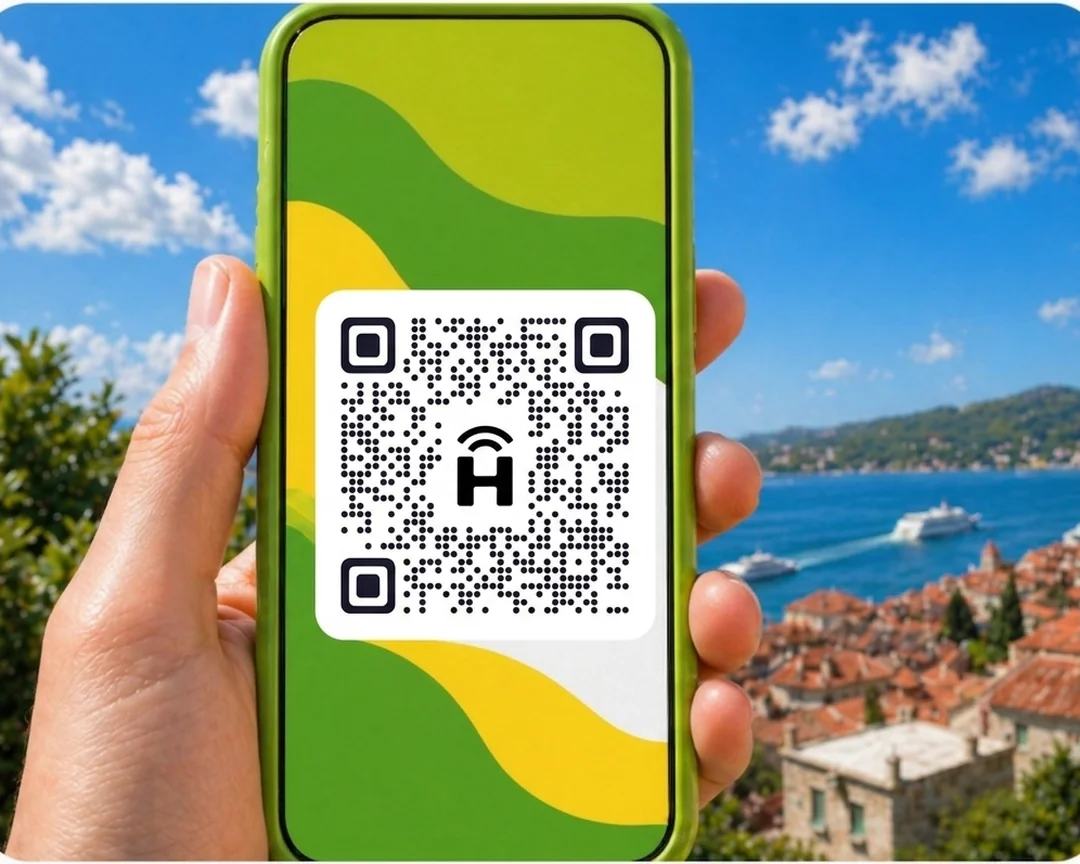

HelloRoam offers eSIM data plans for East Asia, starting from A$5.88 a day. Your e SIM links up with local 4G/5G networks the moment you land, no roaming fees. Activate by QR code in under two minutes and keep your Telstra, Optus, or Vodafone number for calls. No lock-in contract: one e-sim covers 185+ countries through 212+ carrier networks.
- networks
 212+
212+- 5G support
 5G and 4G LTE
- activation
 under 2 minutes
Updated
eSIM East Asia Plans for Every Trip Length
Cheap eSIM for East Asia, starting from A$5.88. Local 4G/5G data on trusted carrier networks in East Asia. Works on all eSIM compatible phones. Travel data for East Asia starts from A$5.88 on Local network provider 4G/5G networks. Choose from 1 GB to 20 GB plans to match your trip. All e SIM East Asia plans activate by QR code at home before you fly from Australia. No physical SIM needed, no lock-in contract, and your Australian number stays active.
East Asia eSIM with fast 5G and 4G LTE coverage
HelloRoam East Asia eSIM covers Japan, South Korea, Taiwan, Hong Kong, Macau, and Mongolia on one plan. Travellers doing the classic Tokyo-Seoul-Taipei circuit stay connected with instant data at every destination. Plans start at A$0.52 per day.
- Plans start at A$5.88 with 5G and 4G LTE speeds
- Coverage from local networks
- Instant activation in under 2 minutes
- 180-day money-back guarantee
- East Asia coverage across major cities
- Network
- 5G and 4G LTE
- Plans From
- A$5.88
- Activation
- Under 2 min
- Guarantee
- 180 days

How to Set Up an eSIM in East Asia
Follow these steps to set up your eSIM card on iPhone or Android. Works for any e-sim for international travel, no replacement SIM, no store visit.
Set up an eSIM on your iPhone with the HelloRoam app
Set up an eSIM on your Android with the HelloRoam app
- 1
Choose your plan and checkout online
Select a data plan for your destination and complete checkout.
 2
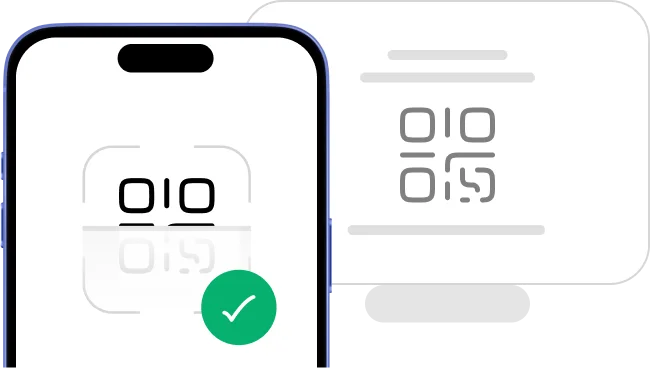
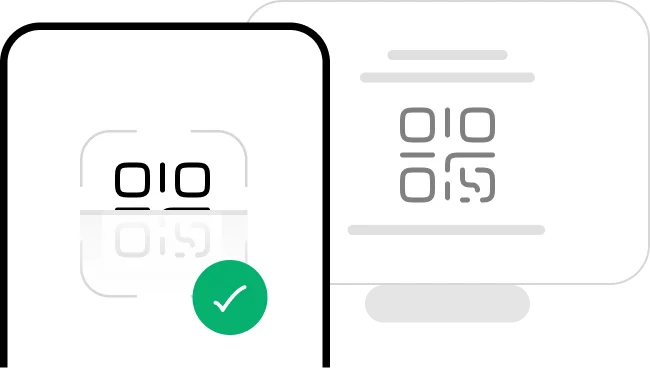
2Scan the QR code
Scan the QR code to install your eSIM straight away.
- 3
Activate in minutes: ready on arrival
Your eSIM installs instantly and activates when you land.
 4
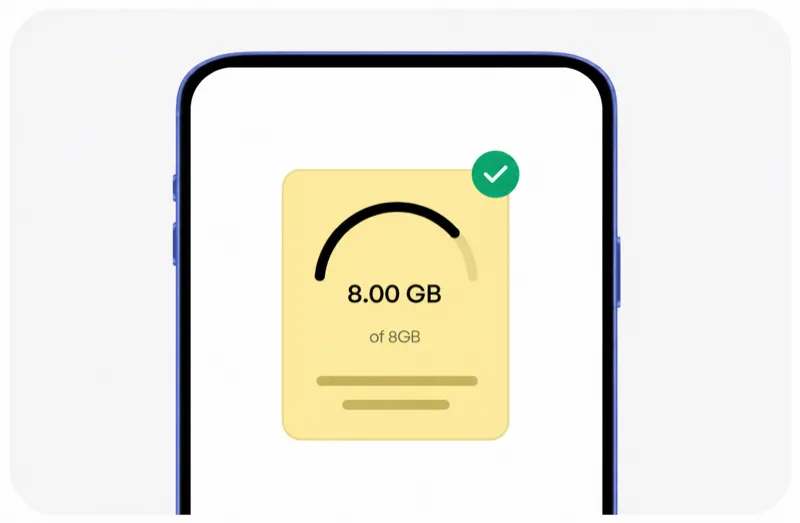
4Manage it all from our app
Track usage, top up data, and manage all your eSIMs in one place.




Trip changed? No worries, we've got you covered!
Plans can change anytime, and that's fine. With HelloRoam, you can request a refund on any unactivated eSIM within 180 days of purchase.
Learn more about our refund policyHelloRoam East Asia eSIM vs Telstra, Optus and Vodafone AU roaming
When comparing eSIM vs a travel SIM card for East Asia, HelloRoam wins on price. It beats Telstra International Day Pass (A$10/day), Optus Travel Pass (A$5/day), and Vodafone AU daily roaming fees. The cheapest eSIM plan starts from A$5.88, with no activation fee and a refund on unactivated eSIMs within 180 days.
| Feature comparison | HelloRoam | Telstra / Optus roaming add-on | Limited data eSIM |
|---|---|---|---|
| Refund on unactivated eSIMs |  Feature available Feature available |  Feature not available Feature not available | Feature not available |
| 24/7 live chat support | Feature available |  Feature available Feature available | Feature available |
| $0 activation fees | Feature available | Feature not available | Feature available |
| Free hotspot and data sharing | Feature available | Feature not available | Feature not available |
| No data overage charges | Feature available | Feature not available | Feature not available |
| Instant QR code delivery | Feature available | Feature not available | Feature available |
| Premium East Asia carrier networks | Feature available | Feature not available | Feature not available |
Why Aussie Travellers Pick an e-sim for East Asia

24/7 Round-the-clock chat support
Need a hand at 2am before a Bali flight? HelloRoam support is available 24/7. Message us and a real person responds in under 2 minutes. Whether you're troubleshooting mobile data mid-trip or need a top-up on your prepaid data package, help arrives fast.

The best eSIM for East Asia travel
Connect to local 4G/5G networks the moment you land in East Asia, at a fraction of what Telstra, Optus, or Vodafone AU charge for international roaming. Plans start from A$5.88 with no lock-in contract and no activation fees. It's the most affordable way to get internet abroad without a Telstra Day Pass eating into your travel budget.

Keep your Telstra, Optus, or Vodafone AU number
Keep your Telstra, Optus, or Vodafone AU number active for calls and texts. HelloRoam handles your data through a second eSIM line on any dual SIM compatible phone. Your wireless connectivity for data runs separately, so friends and family back home can still reach your usual number.

212+ partner networks worldwide
HelloRoam connects to 212+ carrier networks across 185+ countries. Fixed data and unlimited data plans available. Your phone switches to the strongest available 4G/5G signal automatically. With cellular coverage this broad, you get reliable internet abroad whether you're in a city centre or off the beaten track.

Usage alerts before you run out
HelloRoam alerts you at 80% usage so you're never caught short mid-trip. Top up instantly from the app without reinstalling your eSIM. Adding more mobile data takes under a minute, so your prepaid data package keeps up with your trip rather than the other way round.

Fast local network speeds
Connect on trusted local 4G/5G networks in East Asia. HelloRoam picks the strongest signal for calls, navigation, and streaming. Local network speeds mean you get the same fast mobile data as residents use every day.

Global and regional plans
Planning a multi-country trip? HelloRoam regional eSIMs cover Asia Pacific, Europe, and 185+ destinations in one purchase. eSIMs for Europe span 34+ countries. Japan, Bali, Thailand, and NZ all sorted. One prepaid data package covers your whole itinerary, with no SIM card to swap at each border.

Hotspot and data sharing in East Asia
Share your East Asia eSIM data with a laptop or tablet using your phone's hotspot. No extra fees, no setup. Works on all eSIM compatible phones. Your wireless connectivity extends to every device in the group, so the whole crew stays online from a single prepaid data package.
Best eSIM for East Asia: Prices and Plans
HelloRoam, the best eSIM East Asia. Compare plans and save versus Telstra, Optus, and Vodafone roaming.
| Number of days | Price (AUD) |
|---|---|
| 1 day | A$10.99 |
| 3 days | A$31.32 |
| 7 days | A$67.69 |
| 15 days | A$131.85 |
| 22 days | A$178.88 |
| 30 days | A$224.15 |
HelloRoam vs Other eSIM Providers for East Asia
For East Asia, HelloRoam offers a refund on unactivated eSIMs within 180 days, A$0 activation fees, and 24/7 live chat support. See how HelloRoam compares to Airalo, Holafly, Saily, and other eSIM providers on the features that matter most.
| Feature comparison | HelloRoam | Airalo | Holafly | Nomad | Saily | Ubigi |
|---|---|---|---|---|---|---|
| Refund on unactivated eSIMs | Feature available | Feature not available | Feature not available | Feature not available | Feature not available | Feature not available |
| 24/7 live chat support | Feature available | Feature available | Feature available | Feature not available | Feature available | Feature available |
| A$0 activation fees | Feature available | Feature not available | Feature available | Feature not available | Feature not available | Feature not available |
| Free hotspot and data sharing | Feature available | Feature not available | Feature not available | Feature not available | Feature not available | Feature not available |
| No data overage charges | Feature available | Feature not available | Feature available | Feature not available | Feature not available | Feature not available |
| Instant QR code delivery | Feature available | Feature available | Feature available | Feature available | Feature available | Feature available |
| Premium East Asia carrier networks | Feature available | Feature not available | Feature not available | Feature not available | Feature not available | Feature not available |
| Own branded carrier identity (SPN) | Feature available | Feature not available | Feature not available | Feature not available | Feature not available | Feature available |
What Is an eSIM Card? How e SIM Works for East Asia Travel
An eSIM card is a digital SIM built directly into your phone. No plastic chip and no SIM tray to deal with. Scan a QR code to activate your e SIM in under two minutes on any eSIM compatible iPhone or Android. It works as a prepaid mobile data plan for East Asia travel with no airport SIM shop queue, no replacement SIM card, and no carrier contract. Follow the step-by-step setup guide to get connected before your flight from Sydney Airport (SYD), Melbourne Airport (MEL), or Brisbane Airport (BNE). guide


eSIM coverage guide for East Asia travel
East Asia hosts three of the world's top five fastest mobile networks. Japan, South Korea, and Taiwan consistently rank at the top of global mobile network benchmarks. A HelloRoam East Asia regional eSIM connects you to these premium networks for the popular Tokyo-Seoul-Taipei travel circuit.
Japan has near-universal network coverage including on the Shinkansen bullet train network, subway systems, and in rural areas. NTT Docomo reaches remote mountain villages and most offshore islands. SoftBank and au (KDDI) compete in urban markets.
South Korea's SK Telecom, KT, and LG Uplus operate some of the world's fastest and most densely built 5G networks. Seoul's subway system has full underground 5G coverage. KTX high-speed rail has coverage along all main routes.
Taiwan's Chunghwa Telecom leads with the widest national coverage and 5G in Taipei, Taichung, and Kaohsiung. Hong Kong has near-perfect coverage across the entire city. Mongolia outside Ulaanbaatar has very limited coverage across the steppe and Gobi Desert.
- Japan, South Korea, and Taiwan rank among the world's top five fastest mobile networks
- Excellent subway and underground transit coverage in Tokyo, Seoul, and Taipei
- Japan's Shinkansen has in-carriage 4G and 5G coverage throughout
- Hong Kong has near-total coverage across the entire city
- Mongolia outside Ulaanbaatar has very limited coverage
- Mainland China requires a separate plan due to network restrictions
- GSMA 2026;
- Ookla Global Speedtest Index 2025
eSIM Travel Tips for East Asia
Japan's Shinkansen has in-carriage coverage
Japan's Shinkansen bullet train network has 4G and 5G coverage throughout most routes including tunnels on the Tokaido, Sanyo, and Tohoku lines. You can stream, navigate, and video call while travelling between Tokyo, Osaka, Kyoto, and Hiroshima at 300km/h. This is one of the best connected rail journeys in the world.
Seoul's subway has full underground coverage
Seoul Metro has full 4G and 5G coverage on all lines throughout underground sections. You can stream, navigate, and video call from any station or between stations. The coverage extends to the AREX airport express line from Incheon International Airport.
Taipei's night markets have heavy network demand
Taipei's famous night markets (Shilin, Raohe, Ningxia) draw massive crowds in the evenings, which can slow 4G speeds due to congestion. Download your food lists, maps, and recommendations before arriving at the markets. Google Maps offline mode works well for navigating the stall rows.
Hong Kong's MTR has perfect underground coverage
Hong Kong's MTR subway system has full 4G and 5G coverage on all lines including deep underground sections. HKT, PCCW, and CSL have installed repeaters throughout the network. Coverage extends to the Airport Express from Hong Kong International Airport.
Mongolia requires full offline preparation
Outside Ulaanbaatar and provincial capitals, Mongolia has no mobile coverage across the vast steppe, Gobi Desert, and mountain wilderness areas. For any ger camp tour, nomadic homestay, or overland trip, download offline maps of the entire route before leaving Ulaanbaatar. GPS works without signal.
Check if China is on your plan
Mainland China has separate and restricted network access due to the Great Firewall. Most East Asia regional plans do not include China or have very limited access. If your trip involves Beijing, Shanghai, or other mainland destinations, confirm China coverage before purchase or buy a separate China plan.
Emergency numbers in East Asia
East Asia emergency numbers: Japan uses 110 for police and 119 for fire and ambulance. South Korea uses 119 for fire and medical and 112 for police. Taiwan uses 110 for police and 119 for fire and ambulance. Hong Kong uses 999 for all emergencies. Macau uses 999. Save these before departure.
Network coverage across East Asia
East Asia
East Asia's mobile networks are consistently among the world's top performers in speed, coverage, and innovation.
Japan's NTT Docomo leads in coverage breadth. Docomo's network reaches remote mountain villages, small rural towns, and most offshore islands. SoftBank and au (KDDI) compete in urban markets with aggressive 5G deployment.
South Korea
South Korea's three major carriers (SK Telecom, KT, and LG Uplus) have the world's highest 5G penetration rates. 5G coverage extends to suburban areas and transport infrastructure including the Seoul subway and KTX trains.
Taiwan's Chunghwa Telecom is the dominant carrier with the widest national coverage. 5G is available in Taipei, Taichung, and Kaohsiung. The Taiwan High Speed Rail route is well-covered throughout.
Hong Kong's compact geography enables near-total network coverage. HKT, PCCW, SmarTone, and CSL operate extremely dense networks. Every MTR station, major shopping mall, and tourist area has full 4G and 5G.
Mongolia's Mobicom, Unitel, and G-Mobile cover Ulaanbaatar and provincial centres. The vast steppe, Gobi Desert, and mountain wilderness areas have no coverage.
- NTT Docomo (Japan)

- SK Telecom (South Korea)
- KT (South Korea)
- Chunghwa Telecom (Taiwan)
- PCCW (Hong Kong)
- Mongolia Telecom
Regional eSIM vs country-by-country plans
For the popular Tokyo-Seoul-Taipei circuit or a longer East Asia journey, a regional eSIM beats managing three separate SIMs.
| Category | HelloRoam East Asia eSIM Recommended | Individual country SIMs | Telstra, Optus, or Vodafone AU international roaming |
|---|---|---|---|
| Typical cost | — | — | — |
| Details | One plan for Japan, South Korea, Taiwan, Hong Kong, and Macau. Buy once before departure. No hunting for SIMs in Tokyo's crowded arrival halls. Consistent pricing for your entire East Asia circuit. | Japan's airport and convenience store SIMs are well-organised but require in-country purchase. South Korea requires passport registration. Buying and managing three separate SIMs for a multi-country circuit is cumbersome. | Australian carriers charge around $10 per day for Japan and South Korea. A 14-day Tokyo-Seoul-Taipei trip adds AU$140 in roaming fees. Most plans throttle speeds after a small daily cap. |
Prices approximate as of . Actual savings vary.
Best times for East Asian travel
Japan's peak travel seasons are cherry blossom (late March to early April) and autumn foliage (mid-October to November). Tokyo, Kyoto, and Osaka networks see heavy demand in popular viewpoint areas during these brief seasons. Download Kyoto's temple routes offline before peak blossom weekends.
South Korea's spring (April to May) and autumn (September to October) are peak seasons. Jeju Island is busiest in summer (July to August). Korean ski resorts (Pyeongchang area) are busy in January and February.
Taiwan is a year-round destination. Spring (March to May) and autumn (September to November) are the most comfortable months. Typhoon season runs July to October, which can temporarily affect coverage in eastern Taiwan.

Explore Countries in East Asia


Japan
From $3
HelloRoam covers Japan with 4G/5G plans across Tokyo, Osaka, and Kyoto. Stay connected without swapping SIM cards.

Activate before landing. NTT docomo 5G covers cities. Airport WiFi has 30-minute limits.


China
From $3
Get HelloRoam data in China covering Shanghai, Beijing, and more. Skip the hassle of local SIM cards.
China Mobile and Unicom run 5G in major cities. Download WeChat and maps offline before crossing.


South Korea
From $3
HelloRoam offers South Korea eSIM plans for Seoul, Busan, and Jeju Island. Connect on landing.
LG U+ and SKTelecom run 5G across South Korea. Seoul Metro has full underground coverage.
Showing slide 1 of 3
Reviews
What Our Customers Say
Real reviews from Trustpilot and the App Store, quoted as written.
40k+ travellers have used HelloRoam
Cat
On a trip to Europe, my hotel Wi-Fi was so slow and outside Wi-Fi was unreliable. I couldn’t take it anymore so I got helloroam for a few days. It was tricky to set up correctly because of the primary settings (with my original number). But I reached out to their customer service via WhatsApp. Super responsive and helpful, with specific and clear steps to troubleshoot. Appreciate having 4G roaming instead of being stuck with in and out Wi-Fi during my trip!!
Rated 5 out of 5 by this reviewer

Very good experience! The eSIM was easy to set up and worked great in London. It was much cheaper than it would have been to use my own operator there.
Ilona
Rated 5 out of 5 by this reviewer
metulker
Hard to set up but help was good
Rated 5 out of 5 by this reviewer
Reuben
Really happy with HelloRoam. Everything worked as expected, from messaging and Google Maps through to streaming without any issues. Easy to use, reliable and affordable. Would happily use them again when travelling.
Rated 5 out of 5 by this reviewer

Angeline
Reliable connection. Reasonable pricing.
Rated 4 out of 5 by this reviewer
FAQs About eSIM in East Asia
How much does an East Asia eSIM plan cost for Australians visiting Japan, Korea, and China?
HelloRoam offers e-sim East Asia plans starting from A$5.88 on Local network provider 4G/5G networks. Activate by scanning a QR code before you leave Australia. Data is live when you land. No physical SIM card required and no roaming charges from Telstra or Optus.
Does an East Asia e-sim plan cover Japan, South Korea, China, and Taiwan on the same plan?
A East Asia e SIM card plan on HelloRoam runs on Local network provider 4G/5G networks from A$5.88. Scan the QR code at home and arrive connected. Plans cover multiple data sizes from 1 GB to 20 GB. No contract required and a 180-day refund guarantee on unactivated eSIMs covers every order.
Does a HelloRoam East Asia eSIM cover rural Japan, Korean countryside trains, and regional Chinese cities?
HelloRoam's East Asia regional plan covers Local network provider 4G/5G networks across the major cities and most regional areas. Japan's 4G coverage is extensive including rural train routes. South Korea and China also have strong regional network build-out. Plans start from A$5.88 and activate by QR code at home before your Australian departure so you're online from the moment you land at Narita, Incheon, or Pudong.
Can Australians use one HelloRoam East Asia eSIM for back-to-back trips to Tokyo and Seoul without buying separate plans?
A HelloRoam East Asia regional plan covers multiple countries on a single subscription, so your data runs from Japan into South Korea and across to China without purchasing separate plans or swapping SIM cards at each border. Check the specific countries covered in your plan tier before purchase. Plans start from A$5.88 with a 180-day refund guarantee on unactivated eSIMs and no lock-in contract.
Does a HelloRoam East Asia eSIM work in Japan?
Japan is covered by HelloRoam East Asia plans with full access to NTT Docomo, SoftBank, and au 5G networks. Coverage is near-universal including on the Shinkansen, subway systems, and in rural areas. Japan is one of the best countries in the world for mobile connectivity.
Does a HelloRoam East Asia eSIM work in South Korea?
South Korea is covered by HelloRoam East Asia plans. SK Telecom, KT, and LG Uplus operate nationwide coverage with the world's highest 5G penetration rate. Seoul, Busan, Incheon, Gyeongju, and Jeju Island are all very well covered. Seoul's entire subway system has underground 5G.
Does a HelloRoam East Asia eSIM work in Taiwan?
Taiwan is covered by HelloRoam East Asia plans. Taipei, Kaohsiung, Taichung, and Hualien connect to Chunghwa Telecom, Taiwan Mobile, and Far EasTone. The Taiwan High Speed Rail route is covered throughout. Taipei MRT has full underground coverage. HelloRoam eSIM for HelloRoam East Asia eSIM connects to local network with 5G coverage across major tourist and urban areas. Plans start from A$5.88. Activate by scanning a QR code before departure. No physical SIM card or airport queue needed.
Does a HelloRoam East Asia eSIM work in Hong Kong?
Hong Kong is covered by HelloRoam East Asia plans with some of the world's densest network coverage. All MTR lines, major shopping malls, and tourist areas including Victoria Peak, Tsim Sha Tsui, and Mong Kok have excellent 4G and 5G. The Airport Express has full coverage.
Does a HelloRoam East Asia eSIM work in Mongolia?
Mongolia is partially covered by HelloRoam East Asia plans. Ulaanbaatar and main provincial capitals have 4G from Mobicom and Unitel. The vast steppe, Gobi Desert, and mountain wilderness have no mobile coverage. Full offline preparation including downloaded maps and emergency contacts is essential for any ger camp or overland tour.
Does a HelloRoam East Asia eSIM include China?
Mainland China has separate network access rules and the Great Firewall blocks many apps including Google Maps, Gmail, WhatsApp, and Facebook. Most East Asia regional plans do not include mainland China. Confirm coverage before purchase if your itinerary includes Beijing, Shanghai, or other mainland cities.