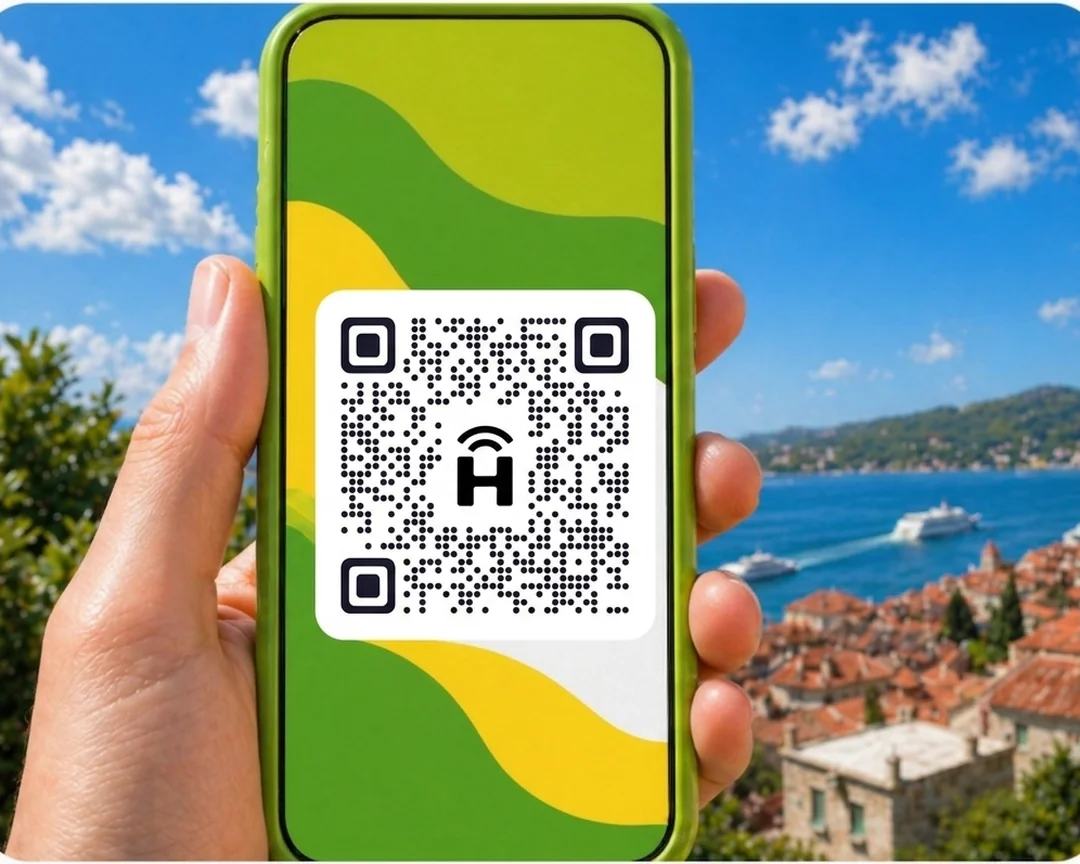

HelloRoam offers eSIM data plans for Global, starting from A$19.42 a day. Your e SIM links up with local 4G/5G networks the moment you land, no roaming fees. Activate by QR code in under two minutes and keep your Telstra, Optus, or Vodafone number for calls. No lock-in contract: one e-sim covers 185+ countries through 212+ carrier networks.
- networks
 212+
212+- 5G support
 4G/5G
4G/5G- activation
 under 2 minutes
Updated
Global eSIM Plans for Every Trip Length
Cheap eSIM for Global, starting from A$19.42. Local 4G/5G data on trusted carrier networks in Global. Works on all eSIM compatible phones. Australians doing long multi-continent trips through Europe, Asia, and the Americas need one plan that covers every stop without a SIM swap, Melbourne, or Perth. No Telstra or Optus roaming charges, fully prepaid with no lock-in.
Global eSIM with fast 4G/5G coverage
HelloRoam Global eSIM covers 185+ countries on one plan. Frequent travellers who visit multiple regions in one trip use a single global eSIM to stay connected without buying separate regional plans. Plans start at A$0.10 per day.
- Plans start at A$19.42 with 4G/5G speeds
- Coverage from local networks
- Instant activation in under 2 minutes
- 180-day money-back guarantee
- Global coverage across major cities
- Network
- 4G/5G
- Plans From
- A$19.42
- Activation
- Under 2 min
- Guarantee
- 180 days

How to Set Up an eSIM in Global
Follow these steps to set up your eSIM card on iPhone or Android. Works for any e-sim for international travel, no replacement SIM, no store visit.
Set up an eSIM on your iPhone with the HelloRoam app
Set up an eSIM on your Android with the HelloRoam app
- 1
Choose your plan and checkout online
Select a data plan for your destination and complete checkout.
 2
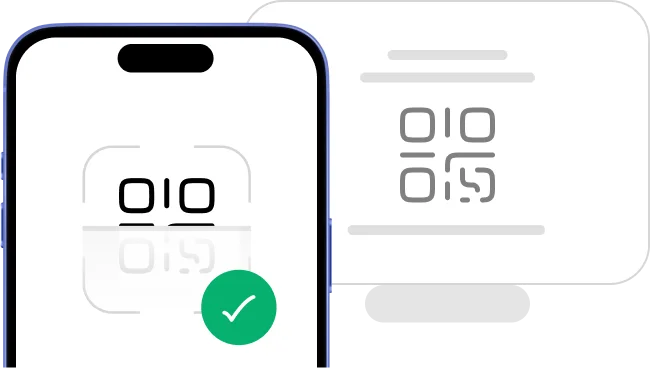
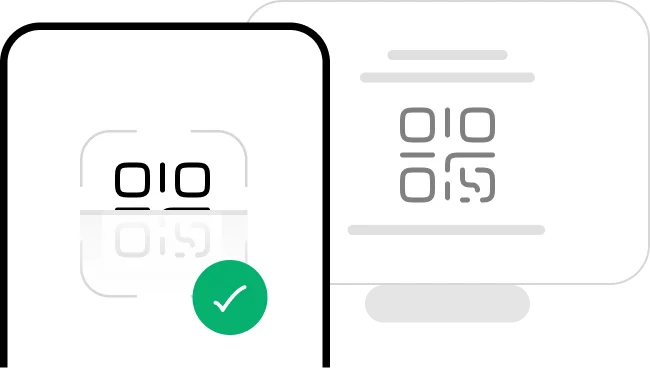
2Scan the QR code
Scan the QR code to install your eSIM straight away.
- 3
Activate in minutes: ready on arrival
Your eSIM installs instantly and activates when you land.
 4
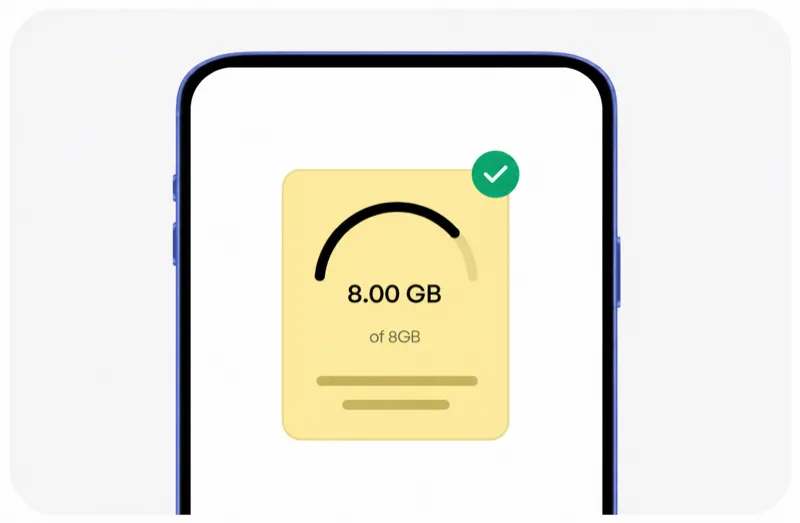
4Manage it all from our app
Track usage, top up data, and manage all your eSIMs in one place.




Trip changed? No worries, we've got you covered!
Plans can change anytime, and that's fine. With HelloRoam, you can request a refund on any unactivated eSIM within 180 days of purchase.
Learn more about our refund policyHelloRoam Global eSIM vs Telstra, Optus and Vodafone AU roaming
When comparing eSIM vs a travel SIM card for Global, HelloRoam wins on price. It beats Telstra International Day Pass (A$10/day), Optus Travel Pass (A$5/day), and Vodafone AU daily roaming fees. The cheapest eSIM plan starts from A$19.42, with no activation fee and a refund on unactivated eSIMs within 180 days.
| Feature comparison | HelloRoam | Telstra / Optus roaming add-on | Limited data eSIM |
|---|---|---|---|
| Refund on unactivated eSIMs |  Feature available Feature available |  Feature not available Feature not available | Feature not available |
| 24/7 live chat support | Feature available |  Feature available Feature available | Feature available |
| $0 activation fees | Feature available | Feature not available | Feature available |
| Free hotspot and data sharing | Feature available | Feature not available | Feature not available |
| No data overage charges | Feature available | Feature not available | Feature not available |
| Instant QR code delivery | Feature available | Feature not available | Feature available |
| Premium Global carrier networks | Feature available | Feature not available | Feature not available |
Why Aussie Travellers Pick an e-sim for Global

24/7 Round-the-clock chat support
Need a hand at 2am before a Bali flight? HelloRoam support is available 24/7. Message us and a real person responds in under 2 minutes. Whether you're troubleshooting mobile data mid-trip or need a top-up on your prepaid data package, help arrives fast.

The best eSIM for Global travel
Connect to local 4G/5G networks the moment you land in Global, at a fraction of what Telstra, Optus, or Vodafone AU charge for international roaming. Plans start from A$19.42 with no lock-in contract and no activation fees. It's the most affordable way to get internet abroad without a Telstra Day Pass eating into your travel budget.

Keep your Telstra, Optus, or Vodafone AU number
Keep your Telstra, Optus, or Vodafone AU number active for calls and texts. HelloRoam handles your data through a second eSIM line on any dual SIM compatible phone. Your wireless connectivity for data runs separately, so friends and family back home can still reach your usual number.

212+ partner networks worldwide
HelloRoam connects to 212+ carrier networks across 185+ countries. Fixed data and unlimited data plans available. Your phone switches to the strongest available 4G/5G signal automatically. With cellular coverage this broad, you get reliable internet abroad whether you're in a city centre or off the beaten track.

Usage alerts before you run out
HelloRoam alerts you at 80% usage so you're never caught short mid-trip. Top up instantly from the app without reinstalling your eSIM. Adding more mobile data takes under a minute, so your prepaid data package keeps up with your trip rather than the other way round.

Fast local network speeds
Connect on trusted local 4G/5G networks in Global. HelloRoam picks the strongest signal for calls, navigation, and streaming. Local network speeds mean you get the same fast mobile data as residents use every day.

Global and regional plans
Planning a multi-country trip? HelloRoam regional eSIMs cover Asia Pacific, Europe, and 185+ destinations in one purchase. eSIMs for Europe span 34+ countries. Japan, Bali, Thailand, and NZ all sorted. One prepaid data package covers your whole itinerary, with no SIM card to swap at each border.

Hotspot and data sharing in Global
Share your Global eSIM data with a laptop or tablet using your phone's hotspot. No extra fees, no setup. Works on all eSIM compatible phones. Your wireless connectivity extends to every device in the group, so the whole crew stays online from a single prepaid data package.
HelloRoam vs Other eSIM Providers for Global
For Global, HelloRoam offers a refund on unactivated eSIMs within 180 days, A$0 activation fees, and 24/7 live chat support. See how HelloRoam compares to Airalo, Holafly, Saily, and other eSIM providers on the features that matter most.
| Feature comparison | HelloRoam | Airalo | Holafly | Nomad | Saily | Ubigi |
|---|---|---|---|---|---|---|
| Refund on unactivated eSIMs | Feature available | Feature not available | Feature not available | Feature not available | Feature not available | Feature not available |
| 24/7 live chat support | Feature available | Feature available | Feature available | Feature not available | Feature available | Feature available |
| A$0 activation fees | Feature available | Feature not available | Feature available | Feature not available | Feature not available | Feature not available |
| Free hotspot and data sharing | Feature available | Feature not available | Feature not available | Feature not available | Feature not available | Feature not available |
| No data overage charges | Feature available | Feature not available | Feature available | Feature not available | Feature not available | Feature not available |
| Instant QR code delivery | Feature available | Feature available | Feature available | Feature available | Feature available | Feature available |
| Premium Global carrier networks | Feature available | Feature not available | Feature not available | Feature not available | Feature not available | Feature not available |
| Own branded carrier identity (SPN) | Feature available | Feature not available | Feature not available | Feature not available | Feature not available | Feature available |
What Is an eSIM Card? How e SIM Works for Global Travel
An eSIM card is a digital SIM built directly into your phone. No plastic chip and no SIM tray to deal with. Scan a QR code to activate your e SIM in under two minutes on any eSIM compatible iPhone or Android. It works as a prepaid mobile data plan for Global travel with no airport SIM shop queue, no replacement SIM card, and no carrier contract. Follow the step-by-step setup guide to get connected before your flight from Sydney Airport (SYD), Melbourne Airport (MEL), or Brisbane Airport (BNE). guide

Global eSIM connectivity guide for multi-region travellers
A global eSIM is designed for travellers who visit multiple continents or cross multiple regional boundaries on a single trip. Instead of buying a Europe plan, then a Southeast Asia plan, then a Middle East plan, a global eSIM covers all destinations on one purchase.
HelloRoam's global coverage spans 185+ countries across Europe, Asia, Africa, the Americas, the Middle East, and Oceania. When you land in a covered country, your phone connects to the local partner carrier automatically. The connection happens in seconds in most countries.
Data speeds reflect what is available locally. In Japan, you get 5G. In Ethiopia or Bolivia, you get 4G in cities. In national parks and remote wilderness areas, even a global eSIM has no signal because no network infrastructure exists there.
A global eSIM is the most practical choice for Australian business travellers visiting multiple regions, round-the-world holidays, and anyone doing a trip with three or more regional stops.
- Covers 185+ countries on one plan
- One purchase for multi-continent and round-the-world trips
- Automatic local carrier connection in each country
- Data speeds reflect local network quality in each destination
- Best for frequent flyers and multi-region travellers
- Offline map preparation is essential even with global coverage
- GSMA Mobile Connectivity Index 2026;
- ITU Global 2025
eSIM Travel Tips for Global
Download offline maps for every destination
Even with global coverage, specific locations have no signal. National parks, mountain trails, remote beaches, deserts, and ocean areas have no mobile infrastructure. Download offline maps for every destination before leaving the city. Google Maps and Maps.me both support offline map tiles that work without data.
Data speeds vary dramatically by country
Your global eSIM connects to local carrier networks. In Japan you get near-universal 5G. In Ethiopia or Bolivia you get functional 4G in cities. In rural Nepal or the Amazon basin you get no signal at all. Plan your data usage around where coverage is available rather than assuming constant connectivity.
Airports are usually the best connected points
International airports typically have the strongest mobile coverage of any point in a country. Your global eSIM activates and connects fastest at airports. Use airport arrival time to test your connection, download offline maps for your destination city, and confirm your accommodation address before leaving the terminal.
Some countries require separate plans or have restrictions
A small number of countries have specific restrictions. China's mainland has the Great Firewall blocking Google, WhatsApp, and most Western apps. Cuba has limited, state-controlled internet. North Korea is not covered by any commercial eSIM. Check coverage details before purchasing if any unusual destinations are on your itinerary.
Plan your data usage around coverage availability
Budget your global plan data around when you have coverage. A week in Tokyo uses data quickly because 5G is fast and reliable everywhere. A week in rural Nepal uses very little because you have no signal on the trails. Buy a plan that fits your actual connected time, not your total trip length.
Register with Smart Traveller for every country
The Australian Government's Smart Traveller service at smartraveller.gov.au lets you register your travel plans for every country on your itinerary. With a global eSIM covering multiple continents, this is especially important. The Department of Foreign Affairs can contact you or your emergency contact if a crisis occurs in any country you are visiting.
Time zone management affects when to buy data
Global travellers crossing many time zones can lose track of data plan expiry times. Buy your HelloRoam plan based on your trip start date and activate it before your first international departure from Australia. This gives you the most usable coverage window across all time zones.
How global network coverage works
A global eSIM works by establishing carrier agreements across all covered countries. When you land in a country, your phone scans for available networks and connects to the carrier that has a partnership with HelloRoam in that country.
The connection happens automatically in seconds in most countries. In some destinations, particularly less common markets, it may take a minute or two for the phone to find and register to the local network. Airplane mode off and back on again usually speeds this up if there is a delay.
Coverage quality varies significantly by country. In developed markets with competitive telecoms (Japan, South Korea, Germany, Australia, UAE), you get fast and reliable 4G or 5G. In developing markets, coverage is often strong in capital cities and tourist areas but drops off quickly in rural and remote areas.
A small number of countries have special access requirements. Mainland China requires separate arrangements due to the Great Firewall. Some countries have registration requirements that are handled by the eSIM activation process.
- Various global carriers across all regions
Global eSIM vs multiple regional plans
For a trip covering three or more regions, a single global eSIM is more practical and often cheaper than managing multiple regional plans.
| Category | HelloRoam Global eSIM Recommended | Multiple regional plans | Telstra, Optus, or Vodafone AU international roaming |
|---|---|---|---|
| Typical cost | — | — | — |
| Details | One plan for 185+ countries. One purchase for an entire multi-continent trip. No plan juggling between regions. Consistent coverage from your first destination to your last. | A Europe plan, Asia plan, and Middle East plan are three separate purchases. Managing plan expiry dates across multiple time zones and itineraries is complex. Some countries may be missing from regional plans and require additional purchases. | Australian carriers charge around $10 per day globally. A 30-day multi-continent trip adds AU$300 in roaming fees. Plans throttle speeds after a small daily cap. Roaming charges can catch you out in countries you did not expect to have coverage costs. |
Prices approximate as of . Actual savings vary.
Planning data for global travel
Global travel involves navigating many different regional seasons simultaneously. The Northern Hemisphere's peak summer (June to August) coincides with Southeast Asia's wet season, East Africa's short dry season, and the Caribbean's hurricane season. The Southern Hemisphere's summer (December to February) is peak time for South America's Patagonia and New Zealand.
For Australian travellers, the most common multi-region global trip periods are the winter school holidays (June to July) and the long summer holidays (December to January). Both of these periods overlap with European summer and Southern Hemisphere summer respectively.
Buy your global eSIM before your first departure. Activate it at home or at the Australian airport to confirm it is working before you board your international flight.

Explore Countries in Global


China
From $3
Get HelloRoam data in China covering Shanghai, Beijing, and more. Skip the hassle of local SIM cards.

China Mobile and Unicom run 5G in major cities. Download WeChat and maps offline before crossing.


France
From $3
Visit France with a HelloRoam eSIM and stay connected in Paris, Lyon, and across the country.
Free Mobile and SFR 5G cover Paris. Metro underground has no signal, so save maps offline.


Egypt
From $4
Stay connected in Egypt with HelloRoam eSIM data covering Cairo, Alexandria, and tourist areas.
Orange Egypt 5G covers Cairo. Activate at Cairo Airport to skip SIM card lines on arrival.


Brazil
From $2
Explore Brazil with HelloRoam eSIM data covering Rio de Janeiro, Sao Paulo, and major cities.
TIM 5G covers Sao Paulo and Rio. Coverage gets sparse in the Amazon, so save maps offline.


Åland Islands
From $2
Stay connected in the Aland Islands with a HelloRoam eSIM. Get data for Mariehamn and nearby areas.
Ålcom runs 5G across the Aland Islands. Activate before your ferry from Stockholm.


Albania
From $3
HelloRoam gives you eSIM data in Albania, covering Tirana, Durres, and the Albanian Riviera.
Vodafone Albania 5G covers Tirana and Durres. Signal weakens near Kosovo mountains.


Argentina
From $4
HelloRoam covers Argentina with eSIM data for Buenos Aires, Cordoba, and Patagonia. Connect instantly.
Movistar 4G covers Buenos Aires and major cities. Coverage drops in Patagonia and the Andes.


Australia
From $3
HelloRoam provides eSIM data across Australia, from Sydney and Melbourne to the Gold Coast.
Optus, Telstra, and Vodafone run 5G in cities. Coverage drops 200km beyond the coast.


Austria
From $2
Visit Austria with a HelloRoam eSIM and stay connected in Vienna, Salzburg, and Innsbruck.
3 Austria 5G covers Vienna and Graz. Coverage is reliable on main rail routes.


Azerbaijan
From $4
HelloRoam gives you mobile data in Azerbaijan, covering Baku and cities across the country.
Bakcell 5G covers Baku. Azercell handles rural 4G. Activate before landing at HYD Airport.


Bahrain
From $3
HelloRoam offers eSIM data in Bahrain, keeping you online in Manama and across the kingdom.
STC and Zain run 5G in Bahrain. Coverage is reliable nationwide. Activate before landing at BAH.


Bangladesh
From $3
Get HelloRoam eSIM data in Bangladesh covering Dhaka, Chittagong, and other major areas.
Banglalink 4G covers Dhaka and Chittagong. Signal can be congested in Dhaka at peak hours.


Belgium
From $2
HelloRoam provides reliable eSIM data in Belgium covering Brussels, Bruges, and Antwerp.
Base, Orange, and Proximus run 5G in Brussels. Coverage is strong on Thalys trains to Paris.


Bolivia
From $8
HelloRoam gives you mobile data in Bolivia covering La Paz, Cochabamba, and Santa Cruz.
Tigo 4G covers major Bolivian cities. Signal weakens on the Altiplano and drops in the Amazon.


Bosnia and Herzegovina
From $3
Visit Bosnia and Herzegovina with HelloRoam eSIM data for Sarajevo, Mostar, and more.
BH Mobile 4G covers Sarajevo and main cities. Coverage drops in mountain resort areas.


Botswana
From $8
HelloRoam provides eSIM data for Botswana, keeping you online in Gaborone and safari areas.
Orange 4G covers Gaborone and main roads. Coverage is sparse in the Kalahari. Download maps.


Brunei
From $8
HelloRoam keeps you online in Brunei with eSIM data covering Bandar Seri Begawan and Seria.
DST 4G covers Brunei. Bandar Seri Begawan has solid signal. Temburong jungle has limited coverage.


Bulgaria
From $2
Stay connected across Bulgaria with HelloRoam eSIM plans for Sofia, Plovdiv, and Varna.
Vivacom 5G covers Sofia, Plovdiv, and Varna. Black Sea coastal roads have good coverage.


Burkina Faso
From $8
HelloRoam offers eSIM data in Burkina Faso covering Ouagadougou and Bobo-Dioulasso.
Orange 4G covers Ouagadougou. Coverage drops significantly north toward the Sahel border.


Cambodia
From $3
Get HelloRoam data in Cambodia for Phnom Penh and Siem Reap. Connect on arrival, no SIM swap.
Metfone 4G covers Phnom Penh and Siem Reap. Coverage at Angkor Wat is reliable.
Showing slide 1 of 20
Reviews
What Our Customers Say
Real reviews from Trustpilot and the App Store, quoted as written.
40k+ travellers have used HelloRoam
Cat
On a trip to Europe, my hotel Wi-Fi was so slow and outside Wi-Fi was unreliable. I couldn’t take it anymore so I got helloroam for a few days. It was tricky to set up correctly because of the primary settings (with my original number). But I reached out to their customer service via WhatsApp. Super responsive and helpful, with specific and clear steps to troubleshoot. Appreciate having 4G roaming instead of being stuck with in and out Wi-Fi during my trip!!
Rated 5 out of 5 by this reviewer

Very good experience! The eSIM was easy to set up and worked great in London. It was much cheaper than it would have been to use my own operator there.
Ilona
Rated 5 out of 5 by this reviewer
metulker
Hard to set up but help was good
Rated 5 out of 5 by this reviewer
Reuben
Really happy with HelloRoam. Everything worked as expected, from messaging and Google Maps through to streaming without any issues. Easy to use, reliable and affordable. Would happily use them again when travelling.
Rated 5 out of 5 by this reviewer

Angeline
Reliable connection. Reasonable pricing.
Rated 4 out of 5 by this reviewer
FAQs About eSIM in Global
How much does a global eSIM plan cost for Australians travelling across multiple continents?
A global SIM card plan on HelloRoam starts from A$19.42 covering 120+ countries on local 4G networks. HelloRoam emails the QR code before you leave Australia so data is running from the moment you land anywhere. No SIM machine stop at the airport, no Telstra roaming charges.
Which global e-sim plan covers multi-continent trips through Europe, Asia, and the Americas?
A global e-sim plan on HelloRoam covers 120+ countries on one prepaid subscription from A$19.42. No mid-trip plan swaps needed as you move through Asia, Europe, and the Americas. No lock-in contract, a 180-day refund guarantee on unactivated plans.
Does a HelloRoam global eSIM plan cover all 120-plus countries or are there gaps Australians should know about?
HelloRoam's global plan covers 120-plus countries across Asia, Europe, the Americas, the Middle East, and Africa on local 4G/5G networks. Some very remote territories and countries with restricted network infrastructure may not be included. Check the full country list on the HelloRoam plan page before purchase. Plans start from A$19.42 and activate by QR code at home in Australia before you depart.
Is a HelloRoam global eSIM plan the right pick for Australian travellers doing a six-month world trip?
A HelloRoam global plan is built for exactly this scenario, one QR code covering 120-plus countries so you don't need to purchase and manage separate plans across every destination. Your data runs on local Local network provider 4G/5G networks from A$19.42. Your Australian mobile number stays active on your physical SIM. A 180-day refund guarantee applies to unactivated portions of the plan.
What is a global eSIM?
A global eSIM is a digital SIM plan that covers multiple countries on one purchase. HelloRoam's global eSIM covers 185+ countries. You buy it online, receive a QR code by email, scan it in your phone settings, and your phone connects to local networks in each covered country automatically.
How many countries does HelloRoam cover globally?
HelloRoam covers 185+ countries globally as of 2026. This includes all major travel destinations across Europe, Asia, Africa, North America, South America, the Middle East, and Oceania. Check the full country list on the plan purchase page for the most current coverage.
Does a global eSIM work everywhere?
A global eSIM works in all covered countries with network infrastructure. Remote wilderness areas, national parks, deserts, and ocean areas have no mobile signal regardless of which eSIM you use. Download offline maps for all remote sections of your itinerary before leaving city areas.
Is a global eSIM better than a regional eSIM?
A global eSIM is better for travellers visiting three or more regions in one trip. It eliminates the need to manage multiple regional plan purchases and expiry dates. For a single-region trip (Europe only, or Southeast Asia only), a regional eSIM is usually cheaper and covers the same destinations.
Does a global eSIM work in Japan?
Japan is covered by HelloRoam global plans with access to NTT Docomo, SoftBank, and au 5G networks. Japan has near-universal coverage including on the Shinkansen, subway systems, and in rural towns. It is one of the best-connected countries you will visit on any global itinerary.
Does a global eSIM work in Europe?
Europe is covered by HelloRoam global plans across 40+ European countries. Western and Northern Europe deliver excellent 4G and 5G in major cities. Eastern Europe has strong urban 4G. Rural mountain and island areas may have limited signal. Your phone switches carriers automatically at each border.