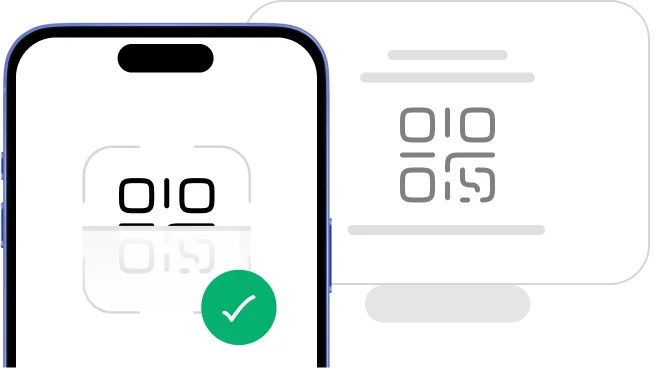
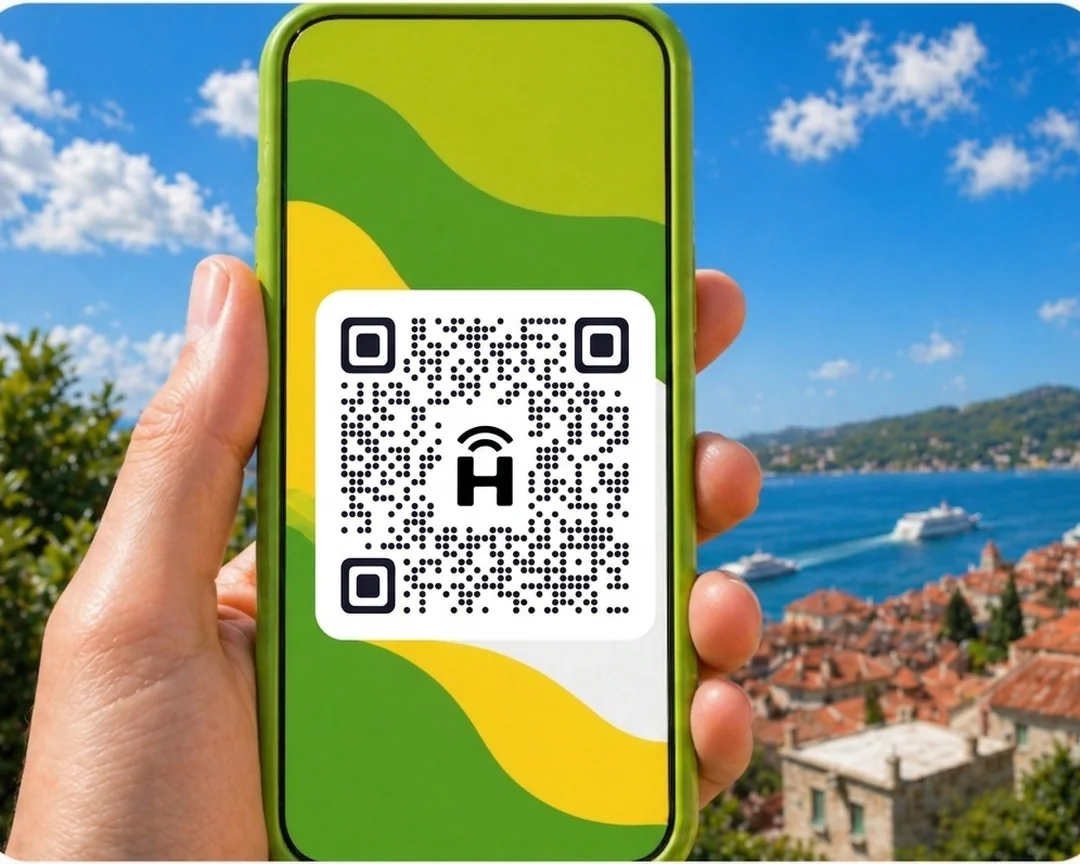
eSIM versus physical SIM: an eSIM downloads a carrier profile to your device by scanning a QR code, while a physical SIM card must be bought at a store or shipped to your address. An eSIM activates instantly with no store visit and no delivery wait. HelloRoam offers prepaid eSIM plans starting from ₹98.03 across 185+ countries with no SIM swap, no shipping, and no hidden charges. An e-sim compatible phone lets you store multiple profiles and switch networks in seconds from your settings. The difference between eSIM and SIM card for Indian travellers is that eSIM activates via QR code in minutes while a physical SIM must be inserted manually. Is eSIM better than physical SIM? For any Indian phone made after 2018, yes. Physical SIM vs eSIM: physical SIM still suits pre-2018 phones and Jio or Airtel locked handsets. eSIM card vs SIM card: eSIM card wins on instant activation, security, and multi-country switching. eSIM advantages include no plastic, instant activation, and protection against SIM swap attacks. eSIM disadvantages include no support on older phones and non-transferability between devices. How to convert physical SIM to eSIM in India: contact Jio or Airtel through their app, verify your identity, receive a QR code, and scan it in Settings. How to convert eSIM to SIM: contact Jio, Airtel, or Vi and request a replacement nano SIM card at any store. Browse HelloRoam eSIM cards for 185+ countries, including plans for Dubai, Singapore, Thailand, the UK, and the USA at local network speeds. The sim vs esim debate comes down to convenience: eSIM or sim card, the answer for most modern Indian phones is eSIM because it activates instantly without visiting a store. Prepaid phone SIM cards at the airport cost ₹1,000 to ₹2,000 extra compared to a HelloRoam eSIM.