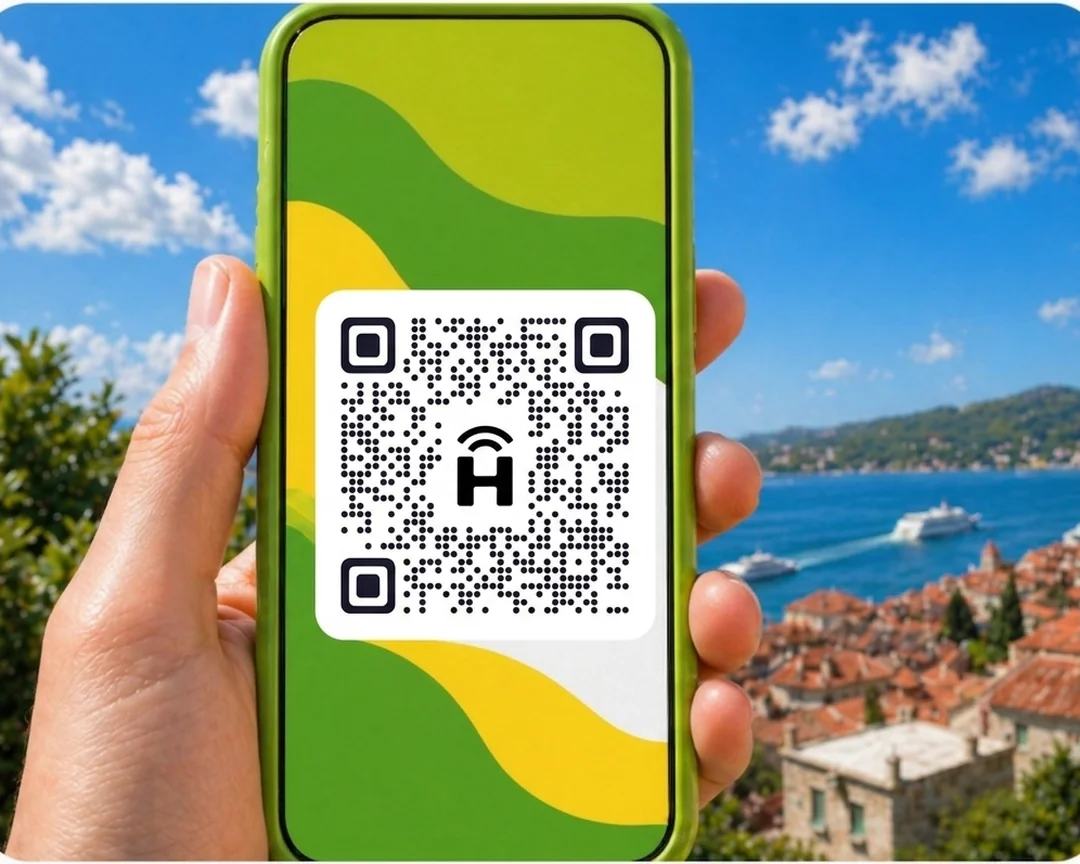

HelloRoam provides an eSIM for Europe, with plans from ₹379.75 per day. Your e SIM taps into local 4G/5G networks as soon as you land, ready to use. Scan the QR code before departure, and your Jio, Airtel, or Vi number stays active for calls. Your e-sim manages travel data at local rates, with no hidden charges from HelloRoam. Setup takes under two minutes, backed by 24/7 WhatsApp support.
- carrier networks
 212+
212+- 5G support
 4G/5G
4G/5G- QR activation
 under 2 minutes
Last updated
Europe sim Plans Across All Europe Countries
Affordable eSIM for Europe, starting from ₹379.75. Local 4G LTE and 5G data on top carrier networks in Europe. Works on all eSIM compatible phones including OnePlus, Samsung, and iPhone. Airport SIM counters charge tourist rates and waste your first hour after landing. Get an Europe travel sim from HelloRoam from ₹379.75 on Local network provider 4G/5G networks across Europe. Indian travellers scan a QR code before departure and arrive already connected. Every plan is fully prepaid with no hidden charges, no contract, and no Airtel or Jio roaming fees.
Europe eSIM with fast 4G/5G coverage
HelloRoam Europe eSIM covers 33 countries with one plan. Indian travellers crossing from France to Germany to Italy stay connected without buying a new SIM at each border. Plans offer value-for-money data with instant activation.
- Plans start at ₹379.75 with 4G/5G speeds
- Coverage from local networks
- Instant activation in under 2 minutes
- 180-day money-back guarantee
- Europe coverage across major cities
- Network
- 4G/5G
- Plans From
- ₹379.75
- Activation
- Under 2 min
- Guarantee
- 180 days

How to Set Up an eSIM in Europe
Follow these steps to start using an eSIM on your iPhone or Android before travelling abroad.
Set up an eSIM on your iPhone with the HelloRoam app
Set up an eSIM on your Android with the HelloRoam app
- 1
Choose your plan and checkout online
Pick a data plan for your destination and complete your purchase online.
 2
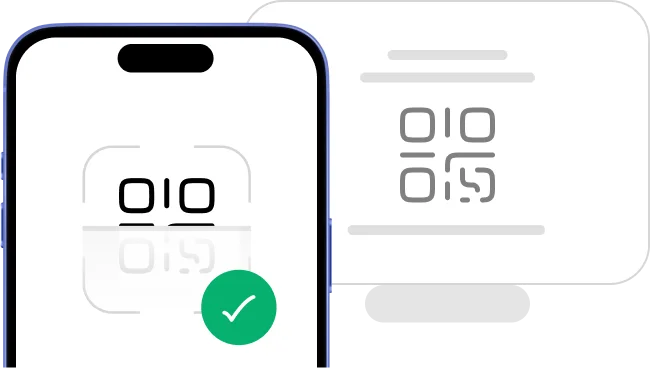
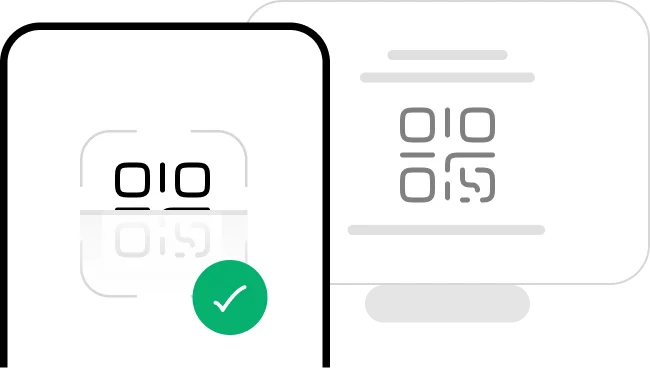
2Scan the QR code from your email
Scan the QR code from your confirmation email to install your eSIM.
- 3
Activate in minutes: ready when you land
Your eSIM installs in minutes and activates on arrival at your destination.
 4
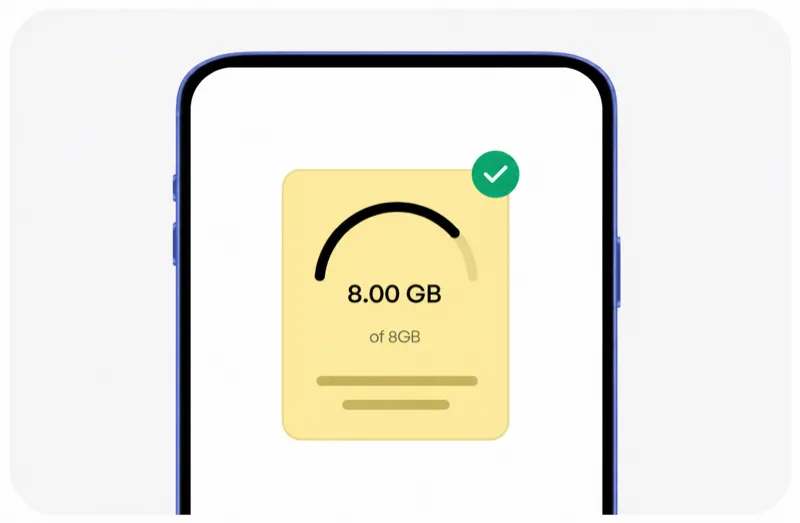
4Manage everything from the HelloRoam app
Monitor data usage, top up when needed, and manage all your eSIMs in one place.




Trip changed? No worries, we have got you covered!
Plans can change, and that is perfectly fine. With HelloRoam, you can request a full refund for an unactivated eSIM within 180 days of purchase. Once activated, the eSIM is not refundable.
Learn more about our refund policyHelloRoam Europe eSIM vs Jio, Airtel and Vi Roaming
When you compare a Europe eSIM against a travel SIM card or carrier roaming pack, HelloRoam delivers better value. Jio international roaming costs ₹575 per day. Airtel World Roaming costs ₹596 per day. Vi’s ₹2,999 pack covers just 24 days in select countries. For Indian travellers looking for the most affordable eSIM option, HelloRoam plans start from ₹379.75 with a 180-day refund window on unactivated eSIMs, zero activation fees, and no hidden charges. No airport SIM counter. No carrier contract.
| Feature comparison | HelloRoam | Jio / Airtel roaming | Limited data eSIM |
|---|---|---|---|
| 180-day refund policy |  Feature available Feature available |  Feature not available Feature not available | Feature not available |
| 24/7 live chat support | Feature available |  Feature available Feature available | Feature available |
| Zero activation fees | Feature available | Feature not available | Feature available |
| Keep your Jio or Airtel number active (dual SIM) | Feature available | Feature not available | Feature not available |
| No data overage charges | Feature available | Feature not available | Feature not available |
| Instant QR code delivery by email | Feature available | Feature not available | Feature available |
| Premium Europe carrier networks | Feature available | Feature not available | Feature not available |
Europe SIM card vs eSIM: which is better for Indian travellers?
A HelloRoam travel eSIM Europe plan works across multiple countries on one QR code on Local network provider 4G/5G networks from ₹379.75. No swapping SIM card for Europe at every border crossing. Indian travellers activate from home and stay connected throughout the Schengen zone.
A data sim card Europe from an airport kiosk covers one country at tourist rates. A multi-country Europe tour means buying multiple local SIMs or paying roaming fees. HelloRoam covers the full region on one plan with no hidden charges and no Airtel or Jio roaming.
Buy sim card for Europe options require you to queue at arrival halls and manage physical cards across borders. HelloRoam sends your QR code in seconds and your eSIM plan is active before your flight boards. One plan, one price, zero hassle for Indian passport holders.
A prepaid SIM card Europe from a local provider requires an EU address or proof of residency at many counters. HelloRoam accepts all Indian payment methods and delivers the QR to your email within seconds. No paperwork and no bureaucratic barriers for Indian travellers.
An Europe data sim from HelloRoam includes a 180-day refund guarantee on unactivated eSIMs and 24/7 WhatsApp support. Local prepaid options rarely offer any recourse when your data fails mid-trip in Paris or Rome. HelloRoam support reaches you in Indian time zones.
A travel eSIM Europe from HelloRoam means your Indian handset keeps its Jio or Airtel number active on one slot while the eSIM handles local data on the other. No need to remove your Indian SIM or risk missing important calls from home while touring Europe.
Why Indian Travellers Choose HelloRoam for Mobile Data in Europe

24/7 WhatsApp and live chat support
Our support team is available 24/7 on WhatsApp, live chat, and email. A real person responds in under 2 minutes. No automated bots, no long hold queues, no waiting on the Jio or Airtel helpline for an agent. Whether you are troubleshooting a data connection in a busy Dubai market or need a top-up reminder mid-trip, our agents handle it instantly so your travel stays uninterrupted.

The best SIM card for Europe travel
Buy your plan before departure, scan the QR code, and get local 4G LTE or 5G data the moment you land in Europe. No roaming charges from Jio, Airtel, or Vi, and no SIM swap needed. Works on any eSIM compatible phone. Indian travellers consistently rate it among the best prepaid mobile data options available for international trips, offering local network speeds at a fraction of carrier roaming costs.

Keep your Jio or Airtel number active
Use HelloRoam for travel data in Europe and keep your Jio, Airtel, or Vi SIM active for calls and messages back home. Both lines run at the same time on one phone at no extra cost. This dual SIM setup is especially useful for receiving OTPs, banking alerts, and family calls on your Indian number while your travel eSIM handles maps, WhatsApp video, and streaming abroad.

212+ carrier networks including Europe
HelloRoam connects to 212+ carrier networks across 185+ countries. Your phone selects the strongest 4G/5G or 5G signal on arrival, the same way a local resident's phone does. No manual network selection required. This automatic carrier switching means you get consistent mobile data whether you are at an international airport, a city hotel, or a highway rest stop far from the city centre.

Low-data alerts so you never run out
HelloRoam sends a notification when you reach 80% of your Europe data allowance. You can top up instantly from the app without reinstalling your eSIM or scanning a new QR code. No surprise data cut-offs mid-trip. This prepaid recharge system works the same way as topping up a Jio or Airtel prepaid account at home, just faster and with no store visit needed.

Local 4G/5G network speeds
Your Europe eSIM connects to local 4G LTE and 5G networks from the moment you land. Tourist areas, airports, and city centres all get the same fast, reliable speeds. HelloRoam picks the strongest available signal automatically so maps, WhatsApp video calls, and streaming work without manual setup. Unlimited data plans are available for longer stays. Business travellers benefit from consistent high-speed connectivity for video conferences and cloud applications, removing the risk of slow hotel Wi-Fi on critical workdays abroad.

Regional and global plans in one purchase
Planning to visit Dubai, Singapore, Thailand, the UK, or multiple countries in one trip? HelloRoam regional eSIM plans cover Southeast Asia, Europe, and the Middle East in a single purchase across 185+ countries. A single regional plan removes the need to buy a new eSIM at each border crossing, which makes multi-country itineraries far simpler and significantly cheaper than purchasing individual local SIM cards at every airport.

Hotspot sharing in Europe, no extra charge
Share your Europe eSIM data with a laptop or tablet via your phone hotspot at no additional charge. Works on all eSIM compatible phones including iPhone, Samsung Galaxy, OnePlus, and Xiaomi flagships. For families travelling together, one person with a larger data plan can share the connection with other devices, making it an economical option for group trips where everyone stays connected without each buying a separate plan.
Best SIM Card Prices for Europe
HelloRoam, the best SIM card Europe. Compare plans and save versus Jio, Airtel, and Vi roaming.
| Number of days | Price |
|---|---|
| 1 day | ₹363.57 |
| 3 days | ₹1,036.45 |
| 7 days | ₹2,239.47 |
| 15 days | ₹4,362.82 |
| 22 days | ₹5,918.93 |
| 30 days | ₹7,416.98 |
HelloRoam vs Other eSIM Providers for Europe
Indian travellers searching for the best eSIM for Europe consistently rate HelloRoam for its industry-leading refund policy, zero activation fees, and 24/7 WhatsApp support. See how HelloRoam compares to Airalo, Holafly, Saily, and other providers on the features that matter most when travelling abroad from India.
| Feature comparison | HelloRoam | Airalo | Holafly | Nomad | Saily | Ubigi |
|---|---|---|---|---|---|---|
| 180-day refund policy | Feature available | Feature not available | Feature not available | Feature not available | Feature not available | Feature not available |
| 24/7 live chat support | Feature available | Feature available | Feature available | Feature not available | Feature available | Feature available |
| ₹0 activation fees | Feature available | Feature not available | Feature available | Feature not available | Feature not available | Feature not available |
| Keep your Jio or Airtel number active (dual SIM) | Feature available | Feature not available | Feature not available | Feature not available | Feature not available | Feature not available |
| No data overage charges | Feature available | Feature not available | Feature available | Feature not available | Feature not available | Feature not available |
| Instant QR code delivery | Feature available | Feature available | Feature available | Feature available | Feature available | Feature available |
| Premium Europe carrier networks | Feature available | Feature not available | Feature not available | Feature not available | Feature not available | Feature not available |
| Own branded carrier identity (SPN) | Feature available | Feature not available | Feature not available | Feature not available | Feature not available | Feature available |
What Is an eSIM? How a Travel eSIM Works in Europe
An eSIM card is a digital SIM built directly into your mobile phone. There is no plastic chip and no SIM tray to open. Scan a QR code to activate your eSIM in under 2 minutes on any eSIM compatible iPhone or Android. It works as a prepaid mobile data plan for Europe travel with no airport SIM counter queue, no replacement SIM card, and no carrier contract. Keep your Jio, Airtel, or Vi number active in dual SIM mode while HelloRoam handles your international data. Follow the step-by-step setup guide to get connected before your flight from Delhi IGI or Mumbai CSIA. guide


eSIM Coverage Guide for Indian Travellers in Europe
Europe is the most popular long-haul destination for Indian travellers. A HelloRoam Europe regional eSIM covers 33 countries on one plan, eliminating the need to buy SIMs in London, Paris, Rome, and every other country on your itinerary.
When you enter a new European country, your phone automatically connects to the strongest available local carrier. The switch takes seconds. You do not need to change any settings, swap a SIM, or restart your phone.
Western Europe is almost universally covered with 4G LTE and fast 5G rollouts in major cities. The UK's EE, Vodafone UK, and O2 are among Europe's strongest carriers. France's Orange, SFR, and Bouygues Telecom cover the country thoroughly.
Germany's Deutsche Telekom, Vodafone Germany, and Telefonica cover all major cities.
Switzerland is a particularly popular destination for Indian travellers. Swisscom, Salt, and Sunrise provide excellent coverage throughout Switzerland. Major cities, ski resorts, and Alpine tourist areas all have strong 4G.
Italy's TIM, Vodafone Italy, and Wind Tre cover Rome, Milan, Florence, and Venice well. Mediterranean coastal areas, Tuscany, and the Amalfi Coast are well-served. Remote mountain areas in the Dolomites may have brief gaps.
Scandinavian countries (Norway, Sweden, Denmark, Finland) have some of Europe's fastest average mobile speeds. These are growing destinations for Indian travellers, particularly for Northern Lights experiences.
Eastern European cities including Prague, Budapest, Warsaw, and Krakow have excellent 4G and growing 5G. These are popular budget European destinations for Indian travellers.
- One plan works across 33 countries with automatic carrier switching
- No SIM swap or settings change needed at each border
- Western Europe has near-universal 4G with growing 5G in major cities
- Switzerland, Italy, France, and the UK are all covered
- Eastern European cities have strong 4G coverage
- Rural mountain and island areas may have limited signal
- GSMA Mobile Connectivity Index 2026;
- EU Roam Like At Home data
eSIM Travel Tips for Europe
Install Your eSIM in India Before Your Europe Trip
Install your HelloRoam Europe eSIM at home in India over Wi-Fi before your departure from Mumbai, Delhi, or Bangalore. Europe is a popular destination with long flights. Having your eSIM ready before you board means you step off the plane in London, Paris, or Zurich and your phone connects immediately.
Your Phone Switches Carriers Automatically
When you cross a border in Europe, your HelloRoam eSIM connects to the best available local carrier without any action on your part. You do not need to turn data off and on or search for networks manually. The switch typically takes under 30 seconds. If data does not work right after crossing a border, toggle airplane mode off and back on to force a fresh connection.
Switzerland and Norway Are Covered Too
Switzerland and Norway are not EU members but are covered by most Europe regional eSIM plans. Switzerland is one of the most popular European destinations for Indian travellers and has excellent Swisscom, Salt, and Sunrise coverage throughout the country including Alpine ski resort areas.
UK Is a Top Destination for the Indian Diaspora
The United Kingdom has large Indian diaspora communities in London, Leicester, Birmingham, and other cities. EE, Vodafone UK, O2, and Three UK provide strong 4G and 5G coverage throughout England, Scotland, Wales, and Northern Ireland. Your HelloRoam Europe eSIM covers the UK.
Schengen and Non-Schengen Countries Have Different Border Rules
The Schengen Area includes 27 countries with passport-free internal borders. However, the UK, Switzerland, Romania, Bulgaria, Cyprus, and Ireland are not fully Schengen but are covered by most Europe eSIM plans. Your eSIM plan covers network availability, not border-crossing rules. Check your specific plan for the exact country list before you travel.
Network Coverage Across Europe
Europe's mobile landscape is among the world's most developed, driven by EU Roam Like At Home regulations and intense carrier competition.
The UK has EE (part of BT), Vodafone UK, O2, and Three UK operating competitive 4G and 5G networks. EE has the widest geographic coverage. London and major UK cities have dense 5G.
France's Orange, SFR, and Bouygues Telecom cover the country with strong 4G. Paris has excellent 5G. French regions including Provence, Normandy, and the French Riviera are well-served.
Germany's Deutsche Telekom (T-Mobile), Vodafone Germany, and Telefonica/O2 Germany cover all major cities with 4G and growing 5G. Autobahn highways generally have good coverage. Rural Bavaria and Black Forest areas have some limited zones.
Italy's TIM, Vodafone Italy, and Wind Tre cover Rome, Milan, Venice, Florence, and Naples. The Amalfi Coast and Sicily are well-served in tourist areas.
Switzerland's Swisscom, Salt, and Sunrise deliver excellent coverage throughout the country. Alpine areas including Zermatt, Verbier, and St. Moritz have solid 4G.
Spain's Movistar, Vodafone Spain, and Orange Spain cover the peninsula and the Balearic Islands. The Canary Islands have good coverage.
Eastern European countries including Poland, Czech Republic, Hungary, and Romania have strong urban 4G with improving rural coverage.
- Various EU and EEA carriers
Regional eSIM vs Local SIMs vs Indian Carrier Roaming for Europe Travel
For multi-country Europe trips, a regional eSIM is the most cost-effective option for Indian travellers. Indian carrier international roaming rates for Europe are expensive per day, and buying SIMs in multiple European countries adds up in both cost and time.
| Category | HelloRoam Regional Europe eSIM Recommended | Individual country SIMs in Europe | Indian carrier international add-on (Jio/Airtel/Vi) |
|---|---|---|---|
| Typical cost | — | — | — |
| Details | One plan covers 33 European countries. Purchase before leaving India. Connects automatically at each border. No SIM hunting in London, Paris, or Rome. Better value than Jio, Airtel, or Vi international roaming rates for European countries. | You need a separate SIM for each non-Schengen country. UK SIM, Swiss SIM, and EU SIM may all be needed for a typical Indian traveller's Europe itinerary. Registration requirements vary. SIM shops may have limited hours in smaller cities. | Jio, Airtel, and Vi international roaming packs for Europe carry significant per-day charges. A 15-day Europe trip covering 6 countries can cost ten thousand rupees or more in roaming fees. A HelloRoam Europe regional eSIM offers substantially better value for money. |
Prices approximate as of . Actual savings vary.
Best Times for Indian Travellers to Visit Europe
Europe's best travel seasons for Indian travellers are spring (April to June) and summer (June to August). Summer is peak tourist season across Western Europe. School holiday periods in India align with European summer, making June to August the busiest and most expensive time to travel.
Spring (April to May) offers pleasant weather and smaller crowds with lower hotel prices than summer. Autumn (September to October) has excellent weather in Southern Europe including Italy, Spain, and Greece.
For Christmas markets in Germany, Austria, and Switzerland, late November through December is popular with Indian travellers. Swiss Alps and French Alps skiing is best from December through March.
Northern Europe including Scandinavia for Northern Lights is best visited from November through March when nights are long enough for aurora viewing.

Explore Countries in Europe


France
From $3
Visit France with a HelloRoam eSIM and stay connected in Paris, Lyon, and across the country.

Free Mobile and SFR 5G cover Paris. Metro underground has no signal, so save maps offline.


Switzerland
From $2
HelloRoam gives you data in Switzerland, from Zurich to Geneva. No extra charges or SIM swaps.
Swisscom and Sunrise run 5G across Switzerland. Getting data in Switzerland without an eSIM costs far more.


United Kingdom
From $2
HelloRoam connects you across the UK, from London to Edinburgh. Instant data, no physical SIM required.
O2, Vodafone, and 3 run 5G across London. The Underground has no signal between stations.


Austria
From $2
Visit Austria with a HelloRoam eSIM and stay connected in Vienna, Salzburg, and Innsbruck.
3 Austria 5G covers Vienna and Graz. Coverage is reliable on main rail routes.


Belgium
From $2
HelloRoam provides reliable eSIM data in Belgium covering Brussels, Bruges, and Antwerp.
Base, Orange, and Proximus run 5G in Brussels. Coverage is strong on Thalys trains to Paris.


Bulgaria
From $2
Stay connected across Bulgaria with HelloRoam eSIM plans for Sofia, Plovdiv, and Varna.
Vivacom 5G covers Sofia, Plovdiv, and Varna. Black Sea coastal roads have good coverage.


Croatia
From $2
Visit Croatia with HelloRoam eSIM data for Zagreb, Split, and Dubrovnik. Connect right away.
Tele2 and A1 run 5G in Croatia. The Split-to-Hvar ferry crossing has patchy signal.


Cyprus
From $2
Stay online in Cyprus with HelloRoam eSIM plans covering Nicosia, Limassol, and Larnaca.
Vodafone and PrimeTel run 5G in Cyprus. Signal drops near the UN buffer zone.


Czechia
From $2
HelloRoam offers eSIM data for the Czech Republic, keeping you connected in Prague and Brno.
Vodafone and O2 run 5G across Czech Republic. Prague metro has good underground signal.


Denmark
From $2
HelloRoam provides eSIM data in Denmark for Copenhagen, Aarhus, and across the country.
3, Telia, and TDC run 5G across Denmark. Copenhagen metro has signal on most platforms.


Estonia
From $2
Stay connected in Estonia with HelloRoam eSIM plans for Tallinn, Tartu, and nearby cities.
Telia and Elisa run 5G in Estonia. Tallinn and Tartu have excellent coverage.


Finland
From $2
HelloRoam offers Finland eSIM plans covering Helsinki, Tampere, and Lapland. No SIM card needed.
Telia, DNA, and Elisa run 5G in Finland. Coverage is solid as far north as Rovaniemi.


Germany
From $2
HelloRoam offers Germany eSIM plans for Berlin, Munich, and Frankfurt. Fast data, no SIM swap.
Vodafone and O2 run 5G in German cities. ICE train signal drops in tunnels on mountain routes.


Gibraltar
From $3
HelloRoam keeps you connected in Gibraltar with eSIM data for the Rock and surrounding areas.
GibTel 5G covers all of Gibraltar. Your eSIM also picks up Spanish networks at the border.


Greece
From $2
Visit Greece with HelloRoam eSIM data for Athens, Thessaloniki, and the Greek islands.
Vodafone and Wind run 5G on the mainland. Greek island ferries drop from 4G to 3G mid-crossing.


Hungary
From $2
Get HelloRoam data in Hungary for Budapest, Debrecen, and beyond. No SIM card swap required.
Telenor Hungary 5G covers Budapest. The metro has good underground signal.


Iceland
From $2
HelloRoam offers Iceland eSIM plans for Reykjavik and the Ring Road. Stay connected everywhere.
Vodafone Iceland 5G follows the Ring Road well. Highland areas like Landmannalaugar have no signal.


Ireland
From $2
HelloRoam provides eSIM data across Ireland, from Dublin and Cork to the Wild Atlantic Way.
Vodafone and 3 run 5G in Dublin and Cork. Coverage drops in Connemara and rural Donegal.


Italy
From $2
Visit Italy with HelloRoam eSIM data for Rome, Milan, and Venice. Get online without a SIM swap.
TIM 5G covers Italian cities. Rome Metro has signal. Coverage drops in southern Apennine mountains.


Latvia
From $2
HelloRoam offers Latvia eSIM data for Riga, Jurmala, and cities across the country.
LMT 5G covers Riga. Bite handles rural 4G. Activate before landing at Riga Airport.
Showing slide 1 of 20
Reviews
What Our Customers Say
Real reviews from Trustpilot and the App Store, quoted as written.
40k+ travellers have used HelloRoam
Cat
On a trip to Europe, my hotel Wi-Fi was so slow and outside Wi-Fi was unreliable. I couldn’t take it anymore so I got helloroam for a few days. It was tricky to set up correctly because of the primary settings (with my original number). But I reached out to their customer service via WhatsApp. Super responsive and helpful, with specific and clear steps to troubleshoot. Appreciate having 4G roaming instead of being stuck with in and out Wi-Fi during my trip!!
Rated 5 out of 5 by this reviewer

Very good experience! The eSIM was easy to set up and worked great in London. It was much cheaper than it would have been to use my own operator there.
Ilona
Rated 5 out of 5 by this reviewer
metulker
Hard to set up but help was good
Rated 5 out of 5 by this reviewer
Reuben
Really happy with HelloRoam. Everything worked as expected, from messaging and Google Maps through to streaming without any issues. Easy to use, reliable and affordable. Would happily use them again when travelling.
Rated 5 out of 5 by this reviewer

Angeline
Reliable connection. Reasonable pricing.
Rated 4 out of 5 by this reviewer
Europe eSIM Questions Answered
How much does a Europe eSIM cost for Indian travellers on a multi-country tour?
The cheapest eSIM for Europe from HelloRoam covers Europe on Local network provider 4G/5G networks from ₹379.75. HelloRoam sends the QR code to your email within seconds and activation takes two minutes on any compatible mobile. No hidden charges, no contract, and no Airtel or Jio roaming fees on any order.
Does an e SIM Europe plan cover UK, France, Italy, and Schengen countries on one code?
The cheapest eSIM for Europe from HelloRoam connects to Local network provider 4G/5G networks across Europe. HelloRoam activates by QR code in two minutes so you skip airport SIM counters. Every plan is fully prepaid with no hidden charges and no Airtel or Jio roaming fees.
Which eSIM is best for Europe travel from India?
HelloRoam is a top-rated eSIM for Europe for travellers departing from India. Plans start from ₹379.75, which is far below Jio international roaming at ₹575 per day or Airtel World Roaming at ₹596 per day. Before your flight from Delhi IGI (IGIA), Mumbai CSIA (BOM), Bengaluru Kempegowda (BLR), Hyderabad Rajiv Gandhi (HYD), Chennai (MAA), or Kochi (COK) airport, scan a QR code in your phone settings and the eSIM is ready the moment you land. You get local 4G/5G speeds, a 180-day refund window on unactivated eSIMs, and 24/7 WhatsApp support. No carrier contract, no hidden charges, no bill shock.
How much does a Europe eSIM cost compared to Jio and Airtel roaming?
eSIM plans for Europe start from ₹379.75. Compare that with Jio international roaming at ₹575 per day, Airtel World Roaming at ₹596 per day, or Vi's ₹2,999 pack for just 24 days in select countries. For a 7-day trip, Jio roaming costs around ₹4,025 and Airtel costs around ₹4,172. A HelloRoam plan for the same trip typically costs a fraction of that, with no daily billing and no BSNL international rates either. Pay by UPI, Google Pay, debit card, or credit card.
Which networks does a eSIM use in Europe?
eSIM in Europe connects to local 4G/5G carrier networks. Your phone selects the strongest available signal automatically on arrival, the same way a local resident's phone does. Coverage spans major cities, airports, highways, and popular tourist areas. No manual APN setup required. HelloRoam partners with hundreds of carrier networks across 185+ countries. For travellers used to Jio or Airtel coverage in India, the local network speeds in Europe are often comparable or better in urban areas.
How do I buy a Europe eSIM before flying from India?
Getting a Europe eSIM before your flight from India takes three steps. First, visit helloroam.com, search Europe, pick a plan, and pay by UPI, Google Pay, or card. Second, open your confirmation email and scan the QR code in your phone settings under Add eSIM. Third, your eSIM installs in under 2 minutes and activates automatically when you land. No airport kiosk, no SIM counter at Delhi IGI or Mumbai CSIA, no waiting in a queue after a long flight.
Does iPhone work with a Europe eSIM for Indian travellers?
Yes. iPhone XS and all newer models work with eSIM in Europe. Go to Settings, tap Cellular or Mobile Data, then Add eSIM, and scan the QR code from your HelloRoam email. Your Jio or Airtel number stays active through dual SIM while HelloRoam handles your travel data in Europe. No carrier unlocking is needed for iPhones purchased directly from Apple in India. For iPhones bought on a carrier plan, do check with Jio or Airtel for unlock eligibility.
Does a HelloRoam Europe eSIM cover the UK, France, Italy, and Switzerland?
A HelloRoam Europe regional eSIM covers the UK, France, Italy, Switzerland, and 36+ other European countries on one plan. These four countries are the most popular European destinations for Indian travellers. Your phone connects to local carriers automatically in each country.
Does the Europe eSIM work in the UK after Brexit?
The UK is covered on the HelloRoam Europe regional plan. Brexit changed border crossing rules for British citizens but does not affect your eSIM coverage. Your phone connects to EE, Vodafone UK, O2, or Three UK when you arrive in the UK.
Is there eSIM coverage in Switzerland?
Switzerland has excellent coverage from Swisscom, Salt, and Sunrise throughout the country. Swiss Alps tourist areas including Zermatt, Interlaken, and St. Moritz have solid 4G. Switzerland is not an EU member but is included in most Europe regional eSIM plans.