HelloRoam is a global eSIM provider offering instant mobile data in 185+ countries. Buy prepaid travel eSIM plans with no extra fees, no contracts, and instant activation on any eSIM-compatible device.
eSIM vs physical SIM comes down to setup speed, cost, and security. An eSIM is a digital SIM chip built into your phone that activates via QR code scan. A physical SIM is a removable card you slot in manually. The difference between eSIM and SIM card is clear: eSIM is embedded in hardware while a physical SIM slides in and out. Here is a full side-by-side so you can pick the right option before your next trip overseas.
Last updated:eSIM versus physical SIM: an e SIM downloads a carrier profile via QR code, while a physical SIM card ships to your address or requires a shop visit. The difference between eSIM and SIM card for NZ travellers is that eSIM activates via QR code in minutes while a physical SIM must be inserted manually. Is eSIM better than physical SIM? For any Kiwi phone made after 2018, yes. eSIM card vs SIM card: eSIM wins on instant activation, better security, and multi-country switching. Physical SIM vs eSIM: physical SIM still suits pre-2018 phones and Spark or 2degrees locked handsets. eSIM advantages include no plastic card, instant QR code activation, and better security against SIM swap fraud. eSIM disadvantages include no support on older phones and non-transferability between devices. How to convert physical SIM to eSIM in New Zealand: contact Spark, 2degrees, or One NZ, request a QR code, and scan it in Settings. How to convert eSIM to SIM: contact your carrier and request a replacement nano SIM card. HelloRoam prepaid e-sim plans start from NZ$1.95 across 185+ countries with no SIM swap and no shipping. Kiwi travellers keep their Spark, 2degrees, or One NZ number active for calls while the eSIM handles data abroad. Sim vs esim for travel from New Zealand: eSIM or sim card, the answer for modern phones is always eSIM because it activates before you board.
Instant Activation
Scan a QR code and connect in minutes. No delivery wait, no SIM ejector tool, no store queue to stand in.
Lower Cost
Plans start at NZ$1.95 with no shipping fees. Physical SIMs often cost NZD 15 to NZD 60 before you add a data plan.
Easy Country Switching
Store multiple eSIM profiles on one phone and switch between countries without ever swapping cards.
Better Security
An eSIM cannot be physically removed or cloned. Your connection stays locked to your device until you choose to transfer it.
Eco-Friendly
Zero plastic waste, no packaging, and no shipping footprint. Every eSIM keeps one more plastic card out of landfill.
Dual SIM Support
Keep your NZ number on your physical SIM while the eSIM handles travel data. Stay reachable at home and connected abroad.
An eSIM activates in minutes with a QR code scan. No delivery wait, no hunting for a phone shop after landing, no SIM ejector tool to dig out of your bag. Physical SIM cards require you to order in advance or find a carrier kiosk at your destination. For Kiwis flying to Australia, the UK, or Bali, a prepaid eSIM puts you online while everyone else is still standing in the arrivals queue.
HelloRoam eSIM plans start at NZ$1.95 with no shipping or handling fees. A physical SIM card from an airport carrier or travel shop can cost NZD 15 to NZD 60 before you add a data plan. With an eSIM, you pay one flat price upfront and connect to local networks at local rates. Over a two-week trip, that price difference adds up noticeably, as of April 2026.

Flying from Auckland to Tokyo, then on to Bangkok? Store multiple eSIM profiles on one phone and switch between them in seconds from your settings. Physical SIMs mean carrying a fresh card for each country plus finding somewhere safe to put the ones you are not using. An eSIM compatible phone keeps your NZ number active while a HelloRoam travel eSIM handles data. No tools, no tiny cards, no stress at the check-in desk.
Each physical SIM card requires plastic, packaging, and shipping. Multiply that across millions of travellers and the waste is substantial. An eSIM is entirely digital. No plastic card, no blister pack, and no shipping carbon footprint. For travellers who want to reduce their environmental impact, switching from a physical SIM to an eSIM is one of the simplest changes you can make.
How HelloRoam eSIM compares to a physical SIM card, feature by feature
| Feature | Physical SIM | |
|---|---|---|
| Instant Activation | ||
| No Physical Card Needed | ||
| 185+ Countries | ||
| Multiple Profiles on One Device | ||
| No Shipping or Handling Fees | ||
| Eco-Friendly (Zero Plastic) | ||
| Dual SIM Support |
Browse affordable eSIM plans for your next overseas destination

Unlimited eSIM Plan
Stay connected across Mexico.
From

Unlimited eSIM Plan
Stay connected across Morocco.
From

Unlimited eSIM Plan
Stay connected across United States.
From

Unlimited eSIM Plan
Get connected in Japan in minutes.
From

Unlimited eSIM Plan
Get connected in Turkey in minutes.
From

Unlimited eSIM Plan
Stay connected across China.
From
Get connected in 4 easy steps
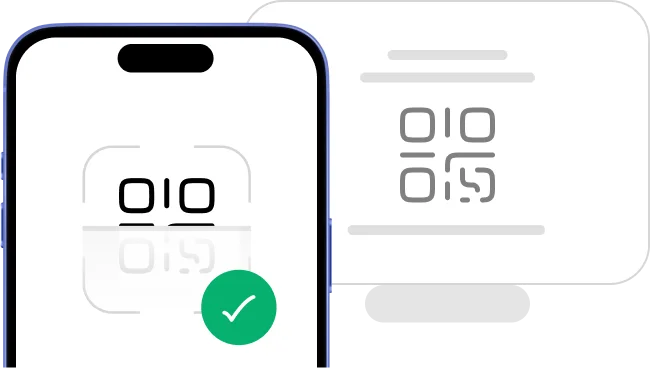
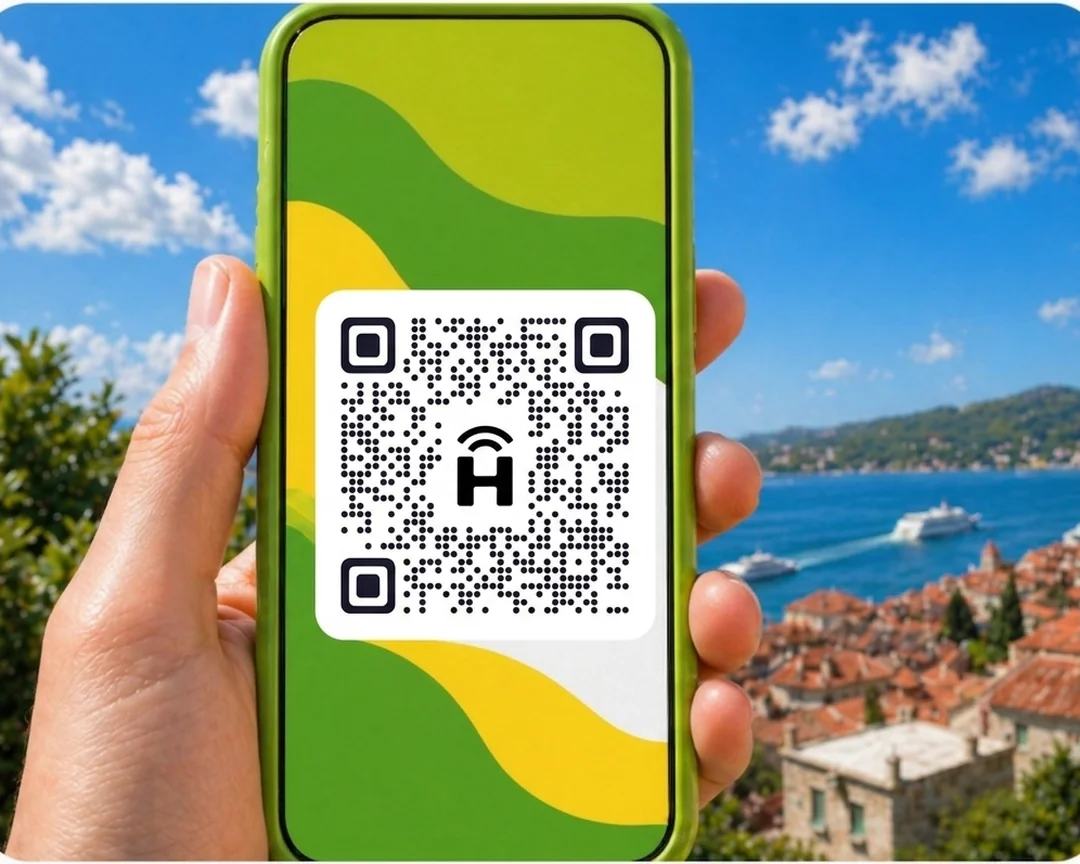
Install your eSIM in seconds with a QR code scan. Scan the code, confirm the install, and you are connected.


Got questions about eSIM vs SIM cards or setup? Our support team is here around the clock. Reach us via live chat or WhatsApp anytime.
The right option depends on your phone and how you travel. eSIM works better for most modern phones because you never need a store visit or a SIM card swap. It also carries stronger security: the chip cannot be removed from your device, which protects against SIM swap fraud. If your phone has no eSIM support, a physical SIM card is still a solid backup.

Switching from a physical SIM to eSIM is straightforward with major New Zealand carriers. Contact Spark or 2degrees through their app or customer service and request an eSIM transfer. You will receive a QR code to scan, which installs your digital profile. Your physical SIM stops working once the eSIM activates, so confirm the transfer is complete before removing your old card.
Is eSIM better than a physical SIM card? Yes, for most Kiwi travellers. It activates in minutes through a QR code scan with no delivery wait and no SIM card to lose. The esim vs physical sim comparison consistently favours eSIM on speed, cost, and security. HelloRoam eSIM plans start from NZ$1.95 and cover 185+ countries. Physical SIMs still make sense for phones made before 2018 or destinations with limited eSIM carrier support.
eSIM is more secure than a physical SIM because no one can remove it from your device or clone it by swapping it into another phone. Your connection stays locked to your device until you intentionally transfer it. A physical SIM slides out in under five seconds and fits into any compatible phone, which is exactly what SIM swap attackers rely on. The GSMA confirms eSIM meets the same encryption standards as physical SIM on every network.
eSIM works well for popular Kiwi travel destinations like Australia and Thailand. Major carriers in both countries support eSIM. A local physical SIM may cost less per GB, but it requires an in-person purchase and sometimes a wait for activation. A HelloRoam eSIM activates before you land and skips all of that. For most trips, the convenience of eSIM is worth it.
eSIM advantages over a physical SIM include instant activation via QR code, no plastic card to carry or lose, and the ability to store multiple carrier profiles on one device. In an esim card vs sim card comparison, eSIM wins on convenience, security, and multi-country flexibility. HelloRoam eSIM connects to 202+ networks across 185+ countries. Kiwis heading to Australia, Fiji, Thailand, or the UK can activate a plan before their flight and switch between countries without setting foot in a phone shop.
eSIM is as private as a physical SIM card. Both connect to cell towers using identical protocols and the same network-level location data applies to each. The main security advantage of eSIM is physical theft resistance: no one can pull the chip out of your phone. HelloRoam eSIM profiles are device-locked with GSMA encryption and cannot be removed or cloned.
Most modern smartphones support two or more eSIM profiles at once. iPhones from the XS (2018) onward support dual eSIM. The iPhone 13 and later can run two eSIMs simultaneously without a physical SIM. Samsung Galaxy S21 and newer also support multiple eSIMs. HelloRoam lets you add a travel data plan alongside your Spark or 2degrees carrier eSIM so your NZ number stays reachable while you travel.
An eSIM is harder to compromise than a physical SIM because no one can remove it and clone it into another device. The GSMA encryption standard protects all HelloRoam eSIM profiles across 185+ countries. SIM swap attacks that rely on physically handling a SIM face far higher barriers with an eSIM, giving Kiwi travellers stronger security on every trip.
HelloRoam eSIM plans provide data-only connectivity and do not assign a new phone number. Your existing NZ number stays active on your primary Spark or 2degrees SIM or carrier eSIM. This setup works well for travellers: your home number handles calls and texts while HelloRoam covers data across 185+ countries. Carrier eSIMs from Spark or 2degrees do come with a phone number tied to your account.
Your phone number stays with your carrier, not your SIM type. Switching from a physical SIM to an eSIM with the same carrier, whether that is Spark, 2degrees, or One NZ, keeps your number exactly as it was. Adding a HelloRoam travel eSIM does not affect your existing number at all. Your NZ line stays active for calls while HelloRoam handles your data abroad.

Tracking works the same way whether you use an eSIM or a physical SIM. Both connect to cell towers using the same cellular protocols. Your carrier and local networks can approximate your location through tower data regardless of SIM type. The GSMA confirms that eSIM meets identical security standards to physical SIM on every network, including Spark and 2degrees internationally.
HelloRoam eSIM plans start from NZ$1.95 for fixed data packages, as of April 2026. Options range from 3GB to 20GB, with unlimited daily plans also available. Compare that to buying a physical SIM at an airport shop for NZD 15 to NZD 60 plus a separate data plan on top. Switching to a prepaid eSIM typically saves Kiwi travellers 50% or more on international data costs.
Adding a HelloRoam eSIM to your iPhone takes about two minutes. Open Settings, tap Cellular, then tap Add eSIM. Scan the QR code from your HelloRoam confirmation email and follow the steps on screen. iPhones from the XS (2018) onward support multiple eSIM profiles. The iPhone 13 and later can run two eSIMs at the same time, keeping your Spark or 2degrees line and HelloRoam travel data active together.
An eSIM is worth it for any Kiwi traveller with a compatible phone who travels internationally or wants to switch carriers without waiting for a new card. HelloRoam eSIM saves travellers real money compared to Spark or 2degrees international roaming rates. You skip the store, avoid shipping delays, and activate your prepaid e-sim in minutes before your OE or holiday.
For Kiwi travellers with a phone made after 2018, eSIM is the better choice over a physical SIM. You get instant activation, no SIM card to lose, and up to 20 profiles stored on one device. HelloRoam eSIM plans cover 185+ countries starting from NZ$1.95. Physical SIM cards still make sense for older phones without eSIM support.
Dual SIM phones can drain battery slightly faster when both lines are active, and some older models cap the second SIM at 4G speeds. Managing two plans means tracking two separate data balances. On some Android devices, only one SIM can use 5G at a time. For most Kiwi travellers using dual SIM to keep their NZ number active while HelloRoam handles data abroad, these trade-offs are minor.
eSIM disadvantages include limited support on phones made before 2018, the inability to physically move the chip to another phone, and fewer carrier options in some markets. An eSIM is not transferable between devices once installed, so you need to set up a new profile if you change handsets. In the physical sim vs esim comparison for NZ travellers, physical SIM wins only for older phones. For HelloRoam customers with eSIM compatible phones, the advantages far outweigh these limitations.
Compared to a physical SIM, eSIM has one core disadvantage: you cannot remove it and hand it to someone else or slot it into a replacement phone. An eSIM is not transferable between devices once installed. Physical SIM cards are still useful for older phones that lack eSIM hardware. For any phone made after 2018, eSIM is faster, more secure, and simpler to set up than a physical SIM card.
An eSIM is a chip embedded directly into your phone during manufacturing. Instead of inserting a nano SIM card, you download a carrier profile by scanning a QR code, and the profile activates your cellular connection in under five minutes. The embedded SIM stores your carrier credentials the same way a physical SIM does, but it is soldered to the motherboard so it cannot be removed. HelloRoam uses this technology to connect Kiwi travellers to 202+ networks across 185+ countries without any shipping or store visits.
The biggest risk of eSIM is losing access if you factory reset your phone without first removing the eSIM profile. An eSIM is not transferable between devices once installed. Remove or transfer your eSIM before selling, trading in, or resetting your phone. Beyond that, eSIM carries no greater security risk than a physical SIM card. HelloRoam follows the GSMA encryption standard for all eSIM profiles.
The main disadvantage of eSIM is that you cannot physically remove it and slot it into a different phone the way you can with a SIM card. An eSIM is not transferable between devices once installed. You also need Wi-Fi or mobile data for the initial profile download. For most Kiwi travellers with eSIM compatible phones, the convenience of instant QR code activation outweighs these limits.

eSIM does not affect signal strength or data speeds at all. Both eSIM and physical SIM connect to the same cell towers using identical technology. Your actual speeds depend on the carrier network, your location, and your plan tier. The GSMA confirms that eSIM meets the same technical standards as physical SIM on every network worldwide, including Spark and 2degrees internationally.
For Kiwi travellers with a phone made after 2018, eSIM is the better choice. You get instant activation, no physical card to lose, and stronger security since the chip cannot be removed. HelloRoam eSIM plans cover 185+ countries from NZ$1.95. A physical SIM card is only the better pick for older phones that lack eSIM support.


The most common reason you cannot activate a second eSIM is that your phone or carrier does not support dual active eSIMs. iPhones before the 13 series support one active eSIM plus one physical SIM at a time. Check Settings, then Cellular to review your available SIM slots. Also confirm your phone is unlocked, since carrier-locked Spark or 2degrees devices may block third-party eSIM profiles like HelloRoam.
For Kiwi travellers with a phone made after 2020, eSIM is faster, cheaper, and easier than any physical SIM. The only real downsides are needing a compatible phone, requiring an internet connection for the initial profile download, and not being able to move the chip to another device. HelloRoam recommends checking device compatibility at helloroam.com before you buy. Some budget Android phones still lack eSIM support.
Find out how much you save by ditching carrier roaming fees altogether.
Two popular eSIM providers, one honest side-by-side comparison.
Affordable eSIM plans for travellers watching their holiday budget.
Stay connected while working remotely from anywhere in the world.
Buy, activate, and track your eSIMs from anywhere, on any trip.