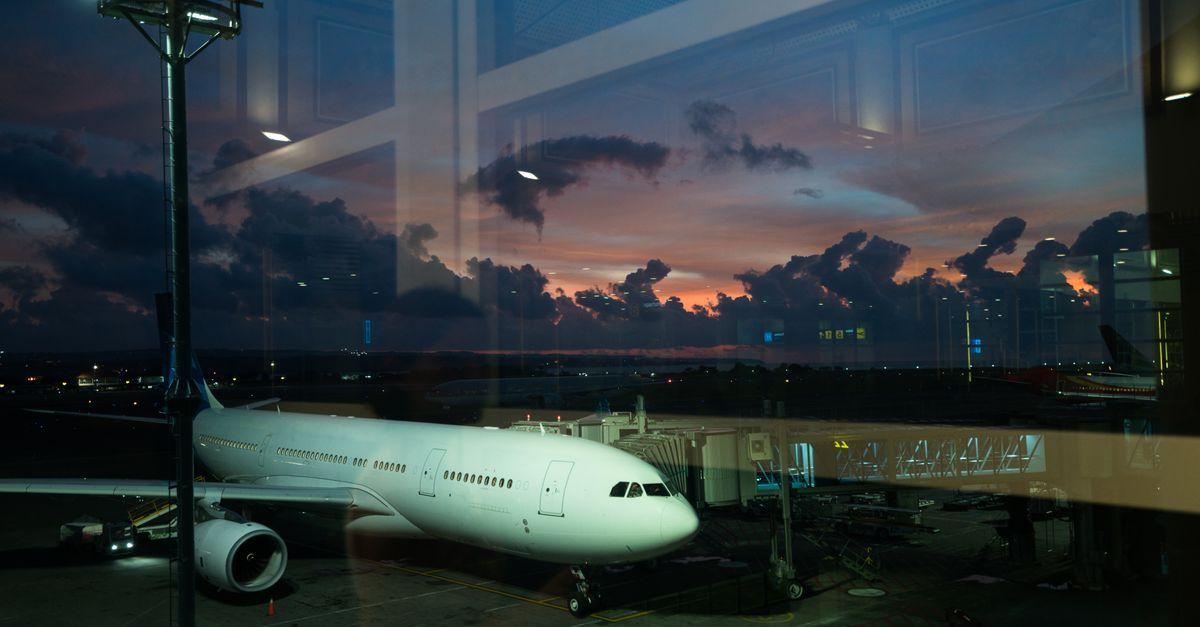
Layovers run on phone alerts. HelloRoam, which wrote this guide, sells UK travel eSIM plans and has no say in UK border decisions.
Every rule below comes from GOV.UK, the Home Office, Heathrow Airport and the Government of Canada, including its travel advice for the United Kingdom, checked on October 13, 2026. Rules and fees change, so run your own passport and route through the GOV.UK visa checker before you book.
Passing border control is what makes a layover landside
UK immigration splits every layover into two kinds. Airside means you stay in the international transfer area and never pass UK border control, such as landing at Heathrow Terminal 3 and leaving from Terminal 5. Landside means you pass through border control, then come back through it to leave the UK.
 Get your UK eSIM before you flyInstall it at home, then turn on data roaming for it when you land. From CA$3.97.See UK plans
GOV.UK's checker says you always pass through border control if you:
- leave the main airport building for any reason
- need to collect your bags and check them in to your onward flight
You also pass through it if your onward flight leaves on a different calendar day and there is nowhere for you to stay overnight in the airport, for example a transit hotel. Heathrow says there is nowhere to sleep overnight in its terminals, and that connecting passengers from overseas pass through UK border control to reach a hotel.
Separate tickets turn a connection into a landside layover. Heathrow's advice on connecting flights is plain: if you booked two separate flights, you are not a connecting passenger. You pass immigration, collect your bags, then check in, drop your bags and clear security again. A change of airport, such as Heathrow to Gatwick, means leaving the airport building, so that layover is landside too. If you are not sure which kind you have, ask your airline.
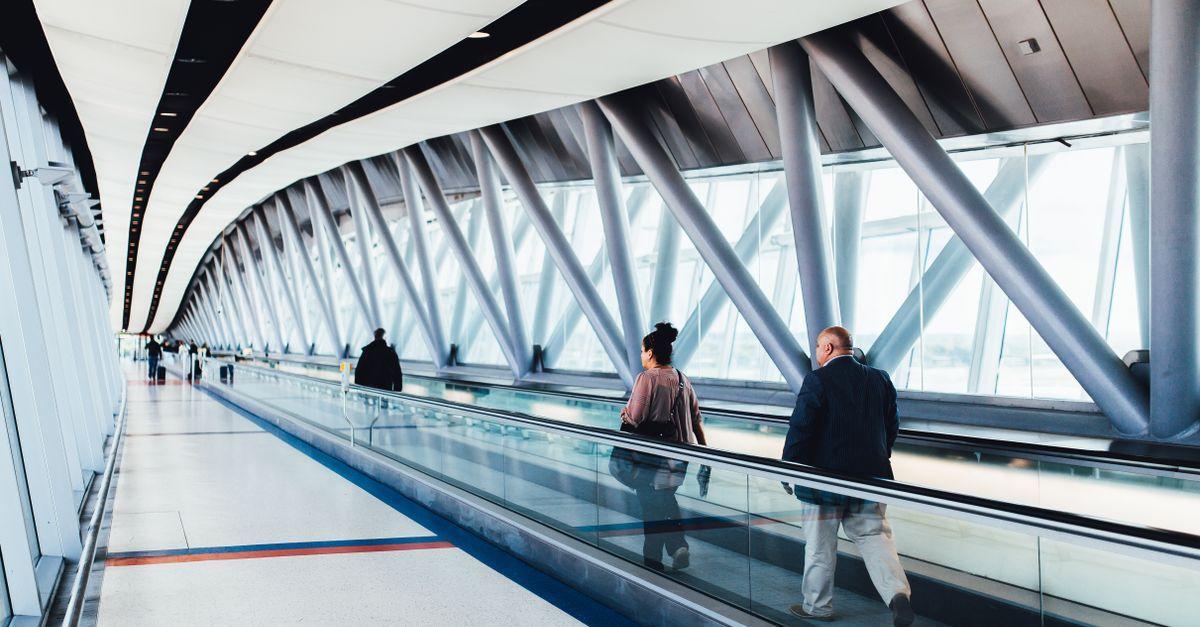
Canadian passports need an ETA only for landside layovers
On a Canadian passport, an airside connection needs no ETA and no visa. GOV.UK's checker only asks you to carry evidence of your onward journey, such as a ticket to your destination. Canada's own travel advice says the same: you do not need an ETA if you are transiting through a UK airport without passing border control.
A landside layover needs an ETA. It costs £20, and you can apply for a UK ETA online or in the UK ETA app. Most decisions arrive by email within a day, but they can take up to 3 working days. If 3 working days pass with no decision, GOV.UK says to check your spam or junk folder before you contact UK Visas and Immigration, which handles ETA questions by webchat, not by phone. You must have that confirmation email before you travel, so this is not something to sort out at the airport.
Your ETA is linked to the passport you applied with, and Canada's travel advice says you must travel on that same passport. It lasts 2 years or until the passport expires, whichever is sooner, and covers as many trips as you like. It also covers more than a layover: with an ETA you can visit the UK for up to 6 months, so a stopover of a few days in London needs no separate visa. If you turn the layover into a stopover, our London weather guide for Canadian travellers helps you pack for it.
Three situations change the answer:
- Dual citizens. If you are also a British or Irish citizen, you cannot get an ETA. GOV.UK says to travel on a valid British or Irish passport, or on another passport with a certificate of entitlement to the right of abode.
- Families. Each traveller needs their own ETA, including babies and children. You can apply for a family member in the UK ETA app while they are with you; if they are not, apply online with a photo of their passport and a photo of their face. Decisions for each person can arrive at different times.
- Past refusals or convictions. If you have a criminal record or were refused entry to the UK before, GOV.UK says you may want to apply for a transit visa instead.
Use only GOV.UK or the official UK ETA app. GOV.UK warns that other websites may charge more to apply and tells travellers to avoid sites that imitate government services.
UK transit documents and fees side by side
GOV.UK describes two transit visas. A Direct Airside Transit visa (DATV) is for changing flights in the UK without going through border control. A Visitor in Transit visa is for going through border control and leaving the UK within 48 hours, without working or studying. You need neither if you already hold a valid ETA, Standard Visitor visa, Marriage Visitor visa, EU Settlement Scheme family permit or Home Office travel document. The pound fees below come from the Home Office fee table. The Canadian dollar fees are what the Home Office fee tool lists for applications made from Canada.
| Document | Who needs it | Fee | Fee when applying from Canada | How long it lasts |
|---|---|---|---|---|
| Electronic travel authorisation (ETA) | Canadian passport holders on a landside layover | £20 | CA$39 | 2 years, or until your passport expires |
| Direct Airside Transit visa (DATV) | Passports such as India, China, Pakistan and Nigeria, changing planes airside without an exemption document | £41.50 | CA$81 | Any number of journeys: 3 months for first-time travellers, up to 2 years for regular ones |
| Visitor in Transit visa | Visa-required passports going through border control and leaving within 48 hours | £74.50 | CA$146 | Normally multiple entry for 6 months, 48 hours per visit |
| Standard Visitor visa (short term) | Visa-required passports staying longer than 48 hours | £135 | CA$265 | Up to 6 months, single or multiple entry |
Not every visa-required passport needs a DATV. GOV.UK's checker tells Philippine passport holders that an airside connection needs no visa, while a landside layover needs a Visitor in Transit visa unless the transit-without-visa rules below apply. There is no long-term version of the Visitor in Transit visa. If you pass through the UK often, GOV.UK points you to a long-term Standard Visitor visa that lasts 2, 5 or 10 years.
Some Canadian documents exempt you from a UK transit visa
If you live in Canada on a passport that normally needs a UK transit visa, check two GOV.UK lists before you pay for one. Canadian documents appear on both.
Airside connections without a DATV
GOV.UK's checker says you do not need a Direct Airside Transit visa if you hold one of several documents, including:
- a visa for Canada, Australia, New Zealand or the USA, whatever country you are flying on to
- a permanent resident card issued by Canada on or after June 28, 2002
- a valid US permanent residence card issued on or after April 21, 1998
- a common format residence permit, or a uniform format category D visa, issued by an EEA country or Switzerland
- an Irish biometric visa marked 'BC' or 'BC BIVS'
Every visa and permit must be valid. E-visas and e-residence permits do not count unless your airline can verify them with the country that issued them.
Landside layovers without a Visitor in Transit visa
The transit-without-visa route lets some visa-required travellers pass through border control with no UK visa. You must arrive and depart by air, hold a confirmed onward flight that leaves the day you arrive or before midnight the next day, and carry the right documents for your destination. One of these must also apply:
- you are travelling to Canada, or on part of a reasonable journey there, with a valid Canadian visa
- you are travelling from Canada with a valid Canadian visa
- you are travelling from Canada and last entered Canada with a valid entry visa less than 6 months ago
- you hold a permanent residence permit issued by Canada on or after June 28, 2002
- you meet the matching rules for Australia, New Zealand or the USA, or hold one of the EEA, Swiss, Irish or US documents GOV.UK lists
Watch the clock: on this route your onward flight must leave before midnight on the day after you land, while a Visitor in Transit visa allows up to 48 hours. E-visas and e-residence permits are not accepted for it. A Border Force officer can decide you do not qualify, and GOV.UK says you can apply for a transit visa before you travel if you are unsure.
Applying for a UK transit visa from Canada takes an appointment
If the checker says you need a transit visa, the process runs through GOV.UK and a visa application centre:
- Confirm the visa type in the checker: a DATV for an airside connection, a Visitor in Transit visa for a landside layover.
- Fill in the transit visa application on GOV.UK and pay the fee: CA$81 for a DATV or CA$146 for a Visitor in Transit visa when you apply from Canada.
- Book a visa application centre appointment. GOV.UK's centre finder links Canada to VFS Global. You give your fingerprints and photo there, bring your passport and collect it the same day.
- Wait for the decision by email. GOV.UK says it usually comes within 3 weeks, and your centre may offer faster services.
- Bring the visa and your supporting documents with you when you travel through the UK.
The documents GOV.UK asks for:
- a current passport or other valid travel document
- if you are not a national of your destination, proof you can enter it, such as a residence permit, green card or valid visa
- if you are not a resident or national of your destination, possibly a reason for going there and details of where you will stay
- proof your onward journey is booked or confirmed, such as a flight booking email, or a ticket or boarding pass printed or on your phone
Flights on to Ireland count as UK entry, not transit
A UK connection on the way to Ireland is not a transit. The Home Office's transit guidance for its staff says a person going to Ireland is not regarded as transiting the UK, because the UK applies immigration control at the first point of entry to the Common Travel Area.
On a Canadian passport, plan on an ETA for that trip, since GOV.UK's checker says you need one to pass through UK border control. Visa-required passports usually need a Standard Visitor visa, not a Visitor in Transit visa, unless they hold a valid Irish biometric visa marked 'BC' or 'BC BIVS'. If Ireland is your final stop, you can set up Irish mobile data before you leave Canada.
Each kind of layover takes its own route through Heathrow
Heathrow has four terminals, and your connecting flight may leave from a different one than the terminal you land at.
Airside connection
- Follow the purple signs in the terminal. They guide you through the connection.
- Go through security. All connecting passengers at Heathrow go through security checks.
- Leave your checked bags to the airline. Heathrow says most connecting passengers won't need to collect them, so ask your airline if you're not sure.
- Keep the boarding pass for your onward flight handy as proof of your onward journey.
Landside layover
- Head to UK border control with your passport out of any holder or wallet, and take off sunglasses or a face covering.
- Use the eGates if you qualify. GOV.UK's eGate rules list Canada among seven countries whose passport holders can use them when the passport has the biometric symbol, the traveller is 8 or older, and they hold a valid digital immigration status or a record of a digital exemption. Children aged 8 to 17 must be with an adult, and every user must be at least 120 cm tall.
- If you booked separate tickets, collect your bags at baggage reclaim. Heathrow says bags checked through to your final destination clear customs there instead.
- At customs, declare anything over your duty-free allowance, banned or restricted goods, and goods you plan to sell. GOV.UK says you must also declare cash of £10,000 or more carried between Great Britain and any country outside the UK. With separate tickets, then exit through Arrivals and check in again at Departures.
- Clear security again before your onward flight.
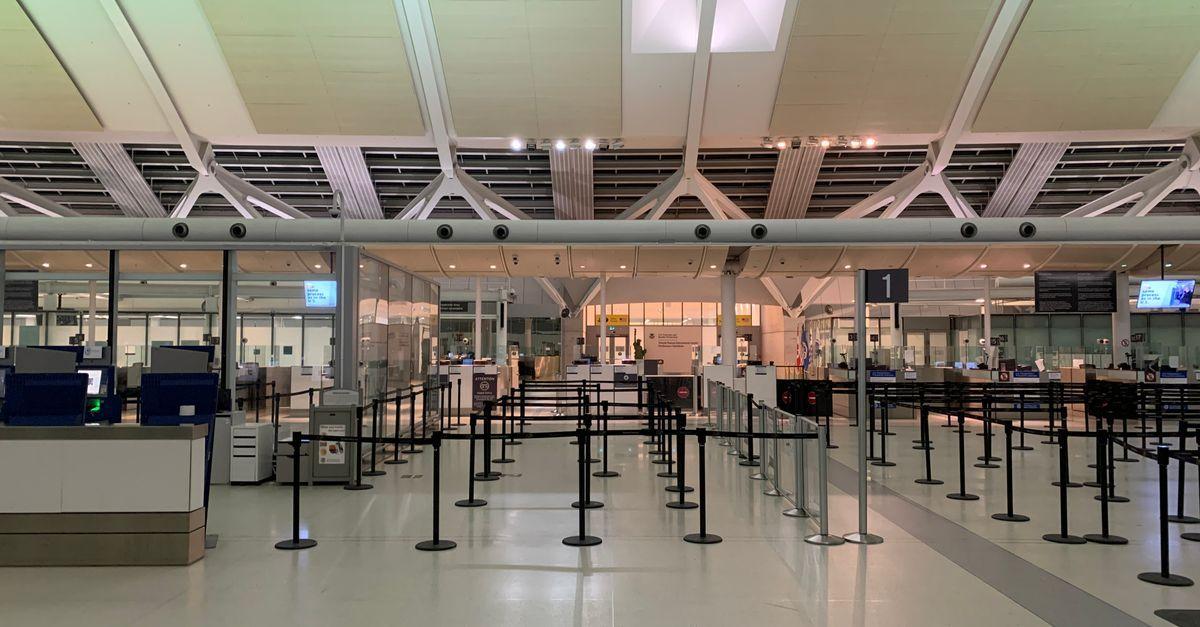
Heathrow Wi-Fi covers airside waits; mobile data takes over landside
For a short airside connection, Heathrow's free Wi-Fi may be all you need. Heathrow offers it in every terminal: you pick Heathrow Wi-Fi on your phone and register to start using it.
Mobile data matters more once you head landside. Rebooked flights, hotel confirmations and train times arrive by app and email, and the terminal Wi-Fi stays behind when you leave for the city. If you usually use your Canadian carrier's plan abroad, compare eSIM and roaming costs before this trip. Install the eSIM at home on your own Wi-Fi, before you leave for the airport. Our guide shows how to add a travel eSIM to your phone.
If you have not used one before, confirm your handset is eSIM-ready first. If London is one stop on a longer trip, a data plan that covers Europe includes the UK and Ireland, and with HelloRoam one eSIM works across the borders of a regional plan.
Questions travellers ask
Is the UK ETA the same as Canada's eTA?
No. Canada's eTA is a CA$7 authorization from Immigration, Refugees and Citizenship Canada that travellers from eTA-required countries need to fly to, or transit through, Canada. The UK ETA is a separate £20 permission from the UK Home Office. Canadian passport holders need the UK one only for layovers that take them through UK border control.
Can one UK transit visa cover my return trip too?
It can, if both flights fall inside its validity. Home Office guidance says a DATV covers any number of journeys while it is valid, with 3 months for first-time travellers, and a Visitor in Transit visa is normally issued for multiple entries over 6 months. Check your visa dates against both flights.
Sources
- Visa to pass through the UK in transitwww.gov.uk
- Visa to pass through the UK in transit: Applywww.gov.uk
- Check if you need a UK visawww.gov.uk
- Get an electronic travel authorisation (ETA) to visit the UKwww.gov.uk
- ETA: when you do not need an ETAwww.gov.uk
- Home Office immigration and nationality fees, 8 October 2026www.gov.uk
- Visa application fees: Transit, applying from Canada (CAD)visa-fees.homeoffice.gov.uk
- Transit: caseworker guidance (Home Office)www.gov.uk
- Entering the UK: at border controlwww.gov.uk
- Find a visa application centrewww.gov.uk
- Travel advice and advisories: United Kingdomtravel.gc.ca
- Connecting flights at Heathrowwww.heathrow.com
- Internet and Wi-Fi at Heathrowwww.heathrow.com
- Electronic Travel Authorization (eTA)www.canada.ca
- Apply for an electronic travel authorisation (ETA)www.gov.uk
- Visa to pass through the UK in transit: Visitor in Transit visawww.gov.uk
- Visa to pass through the UK in transit: Direct Airside Transit visawww.gov.uk
- ETA: what you can and cannot dowww.gov.uk
- Entering the UK: overviewwww.gov.uk
- Entering the UK: layovers and transiting through a UK airportwww.gov.uk
- Electronic travel authorization (eTA): Who can applywww.canada.ca
- UK Customs at Heathrowwww.heathrow.com
- Take cash in and out of the UKwww.gov.uk
- Visa application fees: Other, applying from Canada (CAD)visa-fees.homeoffice.gov.uk
- Common travel area: caseworker guidancewww.gov.uk
Written by
HelloRoam Team
The HelloRoam Team writes our guides on trip planning, visas and eSIMs. For every new or updated guide, we check each fact at its source. Sources include government, park and weather service pages. We note the date we read each one. A second review then checks every fact against its source before the guide goes live. If we cannot confirm a fact, we leave it out. We link those sources inside the guide, so you can check them.