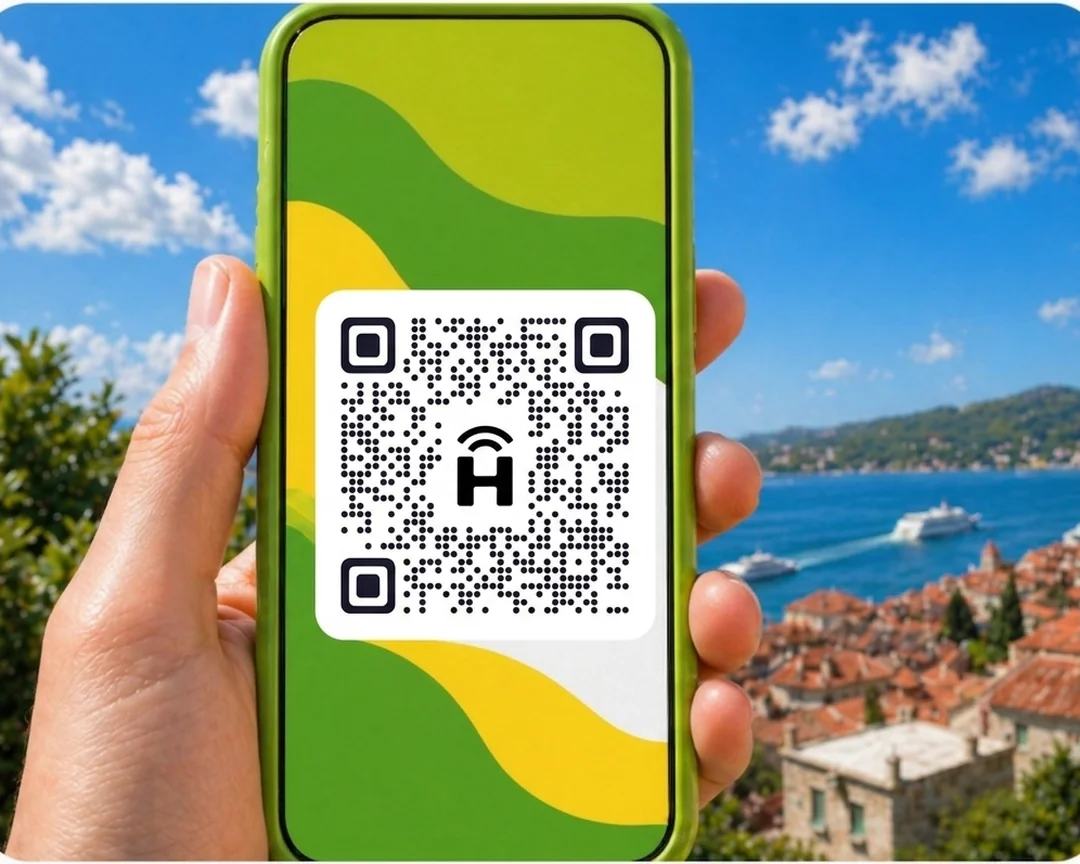

HelloRoam offers prepaid eSIM data plans for Africa from CA$22.35 and covers 185+ countries worldwide. Your eSIM connects to local 4G/5G networks the moment you land, ready to go. Set it up in under two minutes with a QR code before you fly. Keep your Bell, Rogers, or Telus number active on your primary SIM while your eSIM handles data.
- carrier networks
 212+
212+- network type
 4G LTE with expanding 5G in major cities
- to activate
 under 2 minutes
Last updated
Browse travel sim Africa plans for Canadians
Great-value eSIM for Africa, starting from CA$22.35. 4G/5G data on local partner networks in Africa. Works on any carrier-unlocked, eSIM-compatible phone. Plan your Africa trip with a travel sim Africa from HelloRoam starting at CA$22.35 on Local network provider 4G/5G networks. Activate by QR at home before your flight and land ready to go. No physical card, no contract, and no roaming fees from Bell or Rogers.
Africa eSIM with 4G LTE with expanding 5G in major cities coverage
HelloRoam Africa eSIM keeps Canadian travellers connected across African countries without buying a new SIM at each border. Plans start from CA$22.35 and connect to local 4G networks.
- Plans start at CA$22.35 with 4G LTE with expanding 5G in major cities speeds
- Coverage from local networks
- Instant activation in under 2 minutes
- 180-day refund on unactivated eSIMs
- Africa coverage across major cities
- Network
- 4G LTE with expanding 5G in major cities
- Plans From
- CA$22.35
- Activation
- Under 2 min
- Refund
- 180 days if unactivated

How to Set Up an eSIM in Africa
Follow these steps to set up your eSIM on iPhone or Android. Works for any eSIM for international travel, no replacement SIM, no store visit.
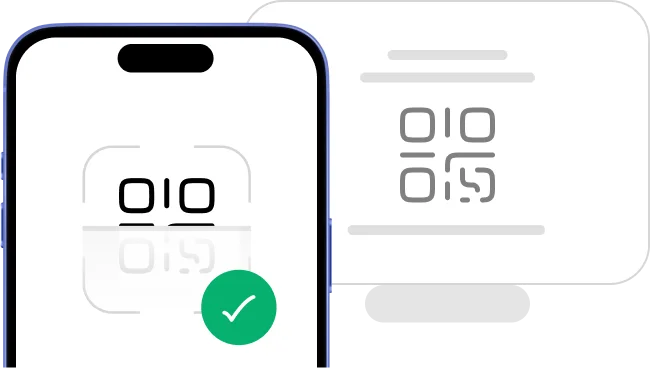
Set up an eSIM on your iPhone with HelloRoam
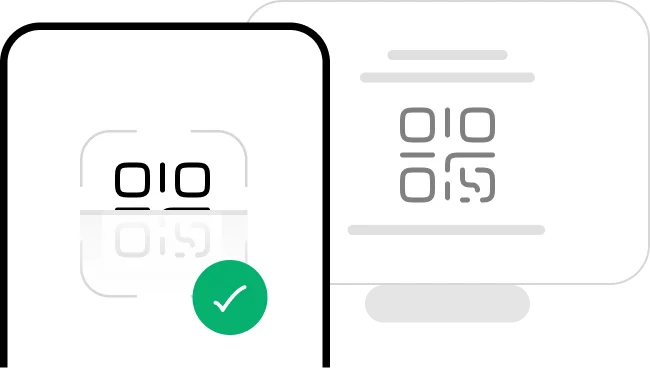
Set up an eSIM on your Android with HelloRoam
- 1
Choose your plan and check out
Pick a data plan for your destination and complete checkout in the HelloRoam app or on the website.
 2
2Scan the QR code
Scan the QR code from your confirmation email to install your eSIM right away.
- 3
Ready to use on arrival
Your eSIM installs in minutes and activates the moment you land at your destination.
 4
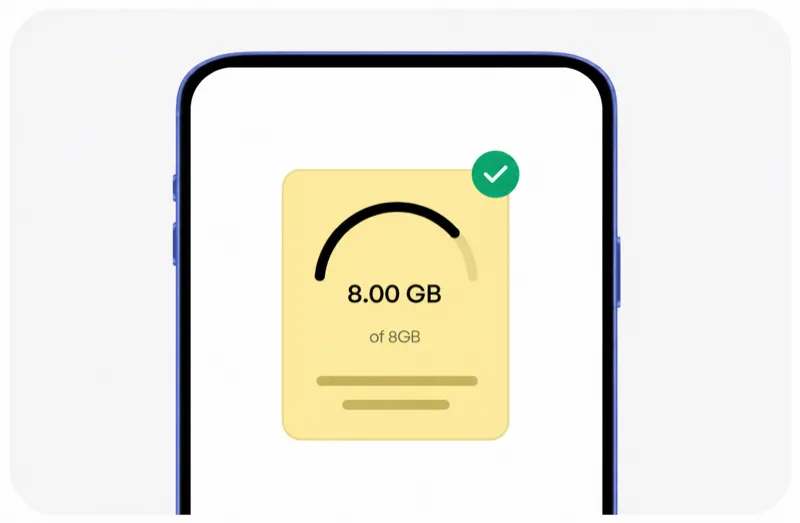
4Manage from the app
View usage, top up data, and manage all your eSIMs from the HelloRoam app.




Plans changed? No worries, we've got you covered.
Plans change, and that's okay. With HelloRoam, an eSIM that was never activated or scanned and used no data qualifies for a full refund within 180 days of purchase. No hassle.
Learn more about our refund policyHelloRoam Africa eSIM vs a travel SIM card or Bell, Rogers and Telus roaming
Comparing an eSIM vs a travel SIM card for Africa? The eSIM skips the airport SIM shop. Rogers Roam Like Home, Bell Roam Better, and Telus Easy Roam add a fee for every day you roam. HelloRoam sells a prepaid eSIM for Africa from CA$22.35, with a 180-day refund on unactivated eSIMs.
Why Canadian Travellers Choose an e SIM for Africa

24/7 live chat support
Need help at 2 AM in Tokyo or midnight in Cancun? HelloRoam support is available 24/7. Message us by live chat, WhatsApp, or email at help@helloroam.com. Mobile data problems don't wait for business hours, and neither do we.

Best Travel eSIM for Africa
Get data at 4G/5G speeds the moment you land in Africa. Skip roaming fees from Bell, Rogers, and Telus. HelloRoam connects you to local carrier networks in minutes, whether you're on holiday or working. Your connection starts before you clear customs.

Keep your Bell, Rogers, or Telus number
Keep your Bell, Rogers, or Telus number active for calls and texts. HelloRoam runs as a second eSIM line on any dual SIM compatible phone, so you never miss a call from home while travelling. Your cellular coverage for internet abroad runs on a separate line, so both SIMs work at the same time.

212+ carrier networks worldwide, connected in Africa
HelloRoam eSIMs connect to 212+ carrier networks across 185+ countries. Your phone joins a local partner 4G/5G network automatically, with no manual carrier selection needed. Speeds depend on the local network.

Data alerts before you run out
HelloRoam emails you as your data runs low on a fixed plan, so you can top up or buy a new plan in time. If your plan supports top-ups, add data from the app before it expires, with no need to reinstall your eSIM or visit a store. Adding a new prepaid data package takes under a minute from your account dashboard.

Local 4G/5G speeds
Your Africa eSIM connects to local 4G/5G networks. Your phone joins a local HelloRoam partner network for navigation, streaming, and video calls. Speeds depend on the local network and your location. Local data makes a real difference when you're finding your way around a new city or video calling family back home.

Regional and global eSIM plans
Travelling to multiple countries? HelloRoam regional eSIM plans cover many countries in Europe, the Caribbean, Asia, and more in one purchase. Fixed data plans in every destination, and unlimited plans in most. One account, no SIM swaps. A single international data plan with cross-border wireless connectivity saves you the hassle of buying a new prepaid data package at every border.

Free hotspot and data sharing in Africa
Share your Africa eSIM data with a laptop or tablet using your cell phone's built-in hotspot. No extra fees, no setup needed. Works on all eSIM compatible phones. Turning your phone into a mobile Wi-Fi hub means everyone on your trip gets internet abroad from the same prepaid data package.
HelloRoam vs Rogers, Bell, Telus, and Other eSIM Providers for Africa
See how HelloRoam compares with Airalo, Holafly, Nomad, Saily, and Ubigi for your trip. The table covers a 180-day refund on unactivated eSIMs, data overage charges, and instant QR code delivery.
| Feature comparison | HelloRoam | Airalo | Holafly | Nomad | Saily | Ubigi |
|---|---|---|---|---|---|---|
| 180-day refund (unactivated eSIMs) |  Feature available Feature available |  Feature not available Feature not available |  Feature available Feature available | Feature not available | Feature not available | Feature not available |
| No data overage charges | Feature available | Feature available | Feature available | Feature available | Feature available | Feature available |
| Instant QR code delivery | Feature available | Feature available | Feature available | Feature available | Feature available | Feature available |
What Is an eSIM? How eSIM Works in Africa
An eSIM is a digital SIM built directly into your cell phone. There is no plastic chip and no SIM tray to deal with. Scan a QR code to activate your eSIM in under 2 minutes on any eSIM compatible iPhone or Android. It works as a prepaid data plan for Africa travel with no airport SIM shop, no replacement SIM card, and no carrier contract. Canadians travelling from Pearson or Vancouver International can set everything up before their flight and arrive connected. Follow the step-by-step setup guide to get started. setup guide


eSIM Coverage Guide for Canadians Travelling Africa
Africa is a continent of enormous contrasts in mobile connectivity. Major East African capitals, North African cities, and South Africa's urban centres have strong 4G LTE networks. Remote national parks, desert regions, and rural areas across sub-Saharan Africa often have no signal at all.
A HelloRoam Africa regional eSIM lets you stay connected in covered areas without buying a SIM at each border crossing. When you cross from Kenya into Tanzania, from Uganda into Kenya, or from South Africa into Botswana, your phone automatically connects to the strongest local carrier available.
North Africa (Morocco, Tunisia, Egypt) has solid 4G in cities. Morocco's Marrakech, Casablanca, Fez, and the Atlantic coast are well-covered. Egypt's Cairo, Giza, Luxor, and Sharm El Sheikh have reliable 4G. Tunisia has good urban coverage.
East Africa (Kenya, Tanzania, Uganda) is a fast-growing mobile market popular with Canadian safari travellers. Kenya's Safaricom leads with strong 4G and a growing 5G rollout in Nairobi. Mount Kilimanjaro and Serengeti national park areas have limited signal.
In Southern Africa, the plan covers South Africa, Botswana, Zambia, Malawi, and Eswatini. Cape Town, Johannesburg, and Durban have solid 4G. The Kruger National Park has coverage at reception areas but not across the bush.
West Africa (Nigeria, Ghana, Senegal) has rapidly improving urban networks. MTN and Airtel are the dominant regional operators. Accra and Lagos are well-served. Rural and border areas have more limited coverage.
- Coverage varies from strong 4G in capitals to no signal in national parks
- East Africa has some of Africa's fastest-growing mobile markets
- South Africa leads in 4G infrastructure for Southern Africa
- Morocco and Egypt have strong urban 4G for North Africa travel
- Safari areas often have no coverage away from lodges and gates
- Always download offline maps before entering game reserves
- GSMA Mobile Economy Sub-Saharan Africa 2025;
- HelloRoam Partner Network Data 2025
eSIM Travel Tips for Africa
Download Offline Maps Before Game Reserves
African national parks and game reserves including the Serengeti, Kruger, Masai Mara, and Okavango Delta have no mobile coverage away from main gates and lodge areas. Download offline maps for Google Maps or Maps.me before you enter any national park. GPS in your phone works without signal, so offline maps will show your location on safari drives.
East Africa's Safari Corridor Has Patchy Coverage
The Kenyan-Tanzanian safari corridor from Nairobi to Mombasa to Dar es Salaam to Zanzibar has strong urban coverage. The Masai Mara and Serengeti national parks themselves have limited coverage away from main camps. Zanzibar town has good 4G, but remote parts of the island have weaker signal.
Morocco's Medinas Have Dense Coverage
Marrakech, Fez, Chefchaouen, and Casablanca have good 4G coverage throughout their medinas and tourist quarters. Marrakech Jemaa el-Fna square has reliable signal. The Atlas Mountain villages south of Marrakech have more limited coverage. Saharan desert areas near Merzouga and Zagora have very sparse signal.
South Africa's Cities Are Well-Connected
Cape Town, Johannesburg, Durban, and Pretoria all have strong 4G from Vodacom and MTN. The Garden Route tourist corridor is well-covered. The Winelands around Stellenbosch and Franschhoek have good signal. Kruger National Park has coverage at main gates and camps but not in the remote bush away from established roads.
Install Your eSIM at Home Before Flying
Install your HelloRoam Africa eSIM at home in Canada over Wi-Fi before your trip. This is far easier than trying to set it up at an African airport. Once installed, your eSIM activates automatically when you arrive. You step off the plane and your phone connects to the local carrier.
Emergency Numbers Vary by Country
Emergency numbers vary significantly across Africa. South Africa uses 10111 for police and 10177 for ambulance. Kenya uses 999 or 911. Morocco uses 19 for police and 15 for ambulance. Tanzania uses 112. Research the correct emergency numbers for every country you are visiting and save them before you travel.
Yellow Fever and Entry Requirements Can Affect Connectivity Plans
Some African border crossings require yellow fever vaccination certificates. Border delays can affect how long you are without coverage between countries. Download offline maps for border towns and have your key accommodation addresses saved offline in case you spend extended time at a crossing with no reliable signal.
Network Coverage Across Africa
Africa's mobile landscape is defined by a few dominant pan-African operators covering the continent alongside large areas with very limited infrastructure.
MTN Group operates across 22 countries and is one of the continent's two dominant operators. Airtel Africa covers 14 countries. Vodacom provides South Africa's largest network with regional presence in Tanzania and DRC. Safaricom is Kenya's market leader and one of Africa's most innovative carriers with M-Pesa financial services.
North Africa has the continent's best-developed networks. Morocco's Maroc Telecom, Orange Maroc, and Inwi operate competitive 4G. Egypt's Vodafone Egypt, Orange Egypt, and Etisalat Egypt have strong urban coverage.
East Africa is Africa's fastest-growing mobile market. Kenya's Safaricom leads in 4G quality and is running 5G pilots in Nairobi. Tanzania's Vodacom and Airtel serve main cities and tourist corridors.
Southern Africa has the continent's most mature infrastructure. South Africa's Vodacom and MTN South Africa compete aggressively in all major urban centres. Botswana and Zambia have reasonable urban coverage with large rural gaps matching their low population density.
West Africa has rapidly improving urban networks in Nigeria, Ghana, Senegal, and Ivory Coast. MTN Nigeria and Airtel Nigeria dominate Africa's most populous market. Accra's connectivity has improved dramatically in recent years.
- MTN Group

- Airtel Africa

- Vodacom

- Orange Africa

- Safaricom

Regional eSIM vs Local SIMs vs Canadian Carrier Add-Ons for Africa Travel
For multi-country Africa trips, a regional eSIM saves the hassle of hunting for a working SIM at every border crossing.
| Category | HelloRoam Regional Africa eSIM Recommended | Individual country SIMs | Carrier roaming |
|---|---|---|---|
| Typical cost | From CA$22.35 total | — | — |
| Details | One plan covers multiple countries. Buy before leaving Canada. Connects to MTN, Airtel, and Vodacom networks automatically. No SIM hunting at borders. No registration paperwork in each country. | New SIM required at each border. Registration is required in most African countries and can take 30-60 minutes per country. SIM vendors at border posts may not accept foreign cards. Total cost and time add up significantly across a multi-country overland trip. | Canadian carriers charge a daily fee for international add-ons, and it adds up fast. A 10-country Africa trip can generate hundreds of dollars in roaming fees. Coverage depends on local partner carrier agreements, which vary greatly across African markets. |
Prices approximate as of . Actual savings vary.
Best Times for Canadians to Visit Africa
Africa's travel seasons vary dramatically by region. For East African safaris (Kenya, Tanzania), the dry season from June through October is peak safari season. The wildebeest migration in the Masai Mara peaks July through September. Mobile networks in safari areas perform the same year-round since coverage does not depend on weather.
For Southern Africa including South Africa, Botswana, and Zambia, the dry season from May through October is optimal for wildlife viewing and overlanding. Victoria Falls is most dramatic from February through May when water flow peaks.
For North Africa including Morocco and Egypt, spring (March to May) and autumn (September to November) offer the best weather for Canadian travellers used to cooler climates. Summer heat in Cairo and Marrakech can exceed 40 degrees Celsius.
For West Africa including Ghana and Senegal, November through March is the driest and most comfortable season for travel.

Explore Countries in Africa


Morocco
From $4
HelloRoam gives you mobile data in Morocco, covering Marrakesh and Casablanca. No SIM swap needed on arrival.

Orange Morocco 5G covers Marrakech and Casablanca. Activate before landing.

Egypt
From $4
Stay connected in Egypt with HelloRoam eSIM data covering Cairo, Alexandria, and tourist areas.
Orange Egypt 5G covers Cairo. Activate at Cairo Airport to skip SIM card lines on arrival.

Botswana
From $8
HelloRoam provides eSIM data for Botswana, keeping you online in Gaborone and safari areas.
Orange 4G covers Gaborone and main roads. Coverage is sparse in the Kalahari. Download maps.
Burkina Faso
From $8
HelloRoam offers eSIM data in Burkina Faso covering Ouagadougou and Bobo-Dioulasso.
Orange 4G covers Ouagadougou. Coverage drops significantly north toward the Sahel border.

Central African Republic
From $7
HelloRoam offers eSIM data for the Central African Republic, covering Bangui and nearby areas.
Orange 3G covers Bangui. Coverage is limited across the Central African Republic.

Chad
From $6
Stay connected in Chad with HelloRoam eSIM data covering N'Djamena and major towns.
Airtel 4G covers N'Djamena. Coverage thins outside the capital. Plan offline maps before travel.

Côte d’Ivoire
From $9
HelloRoam gives you data in Ivory Coast covering Abidjan, Yamoussoukro, and major cities.
Orange 4G covers Abidjan and main cities. Coverage thins in the western rainforest regions.


DR Congo
From $6
Get HelloRoam eSIM data for the Democratic Republic of the Congo, covering Kinshasa.
Vodacom 5G covers Kinshasa. Coverage is very limited outside urban centers. Cache offline maps.


Eswatini
From $15
HelloRoam gives you eSIM data in Eswatini, covering Mbabane, Manzini, and nature reserves.
Swazi MTN covers Mbabane on 4G. Coverage follows main roads. Activate before landing.
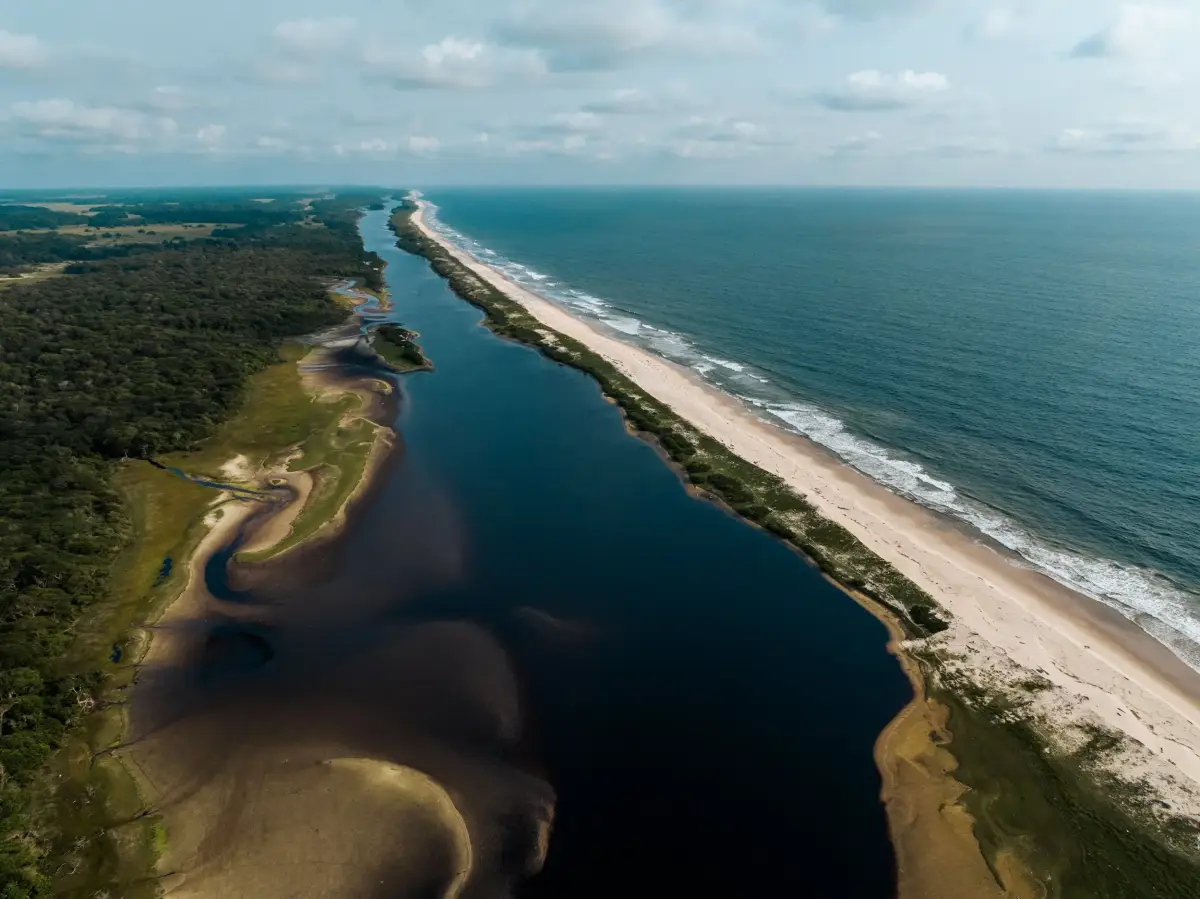
Gabon
From $6
Get HelloRoam eSIM data in Gabon covering Libreville, Port-Gentil, and surrounding areas.
Airtel 4G covers Libreville and Port-Gentil. Coverage drops in Gabon's national parks.

Ghana
From $3
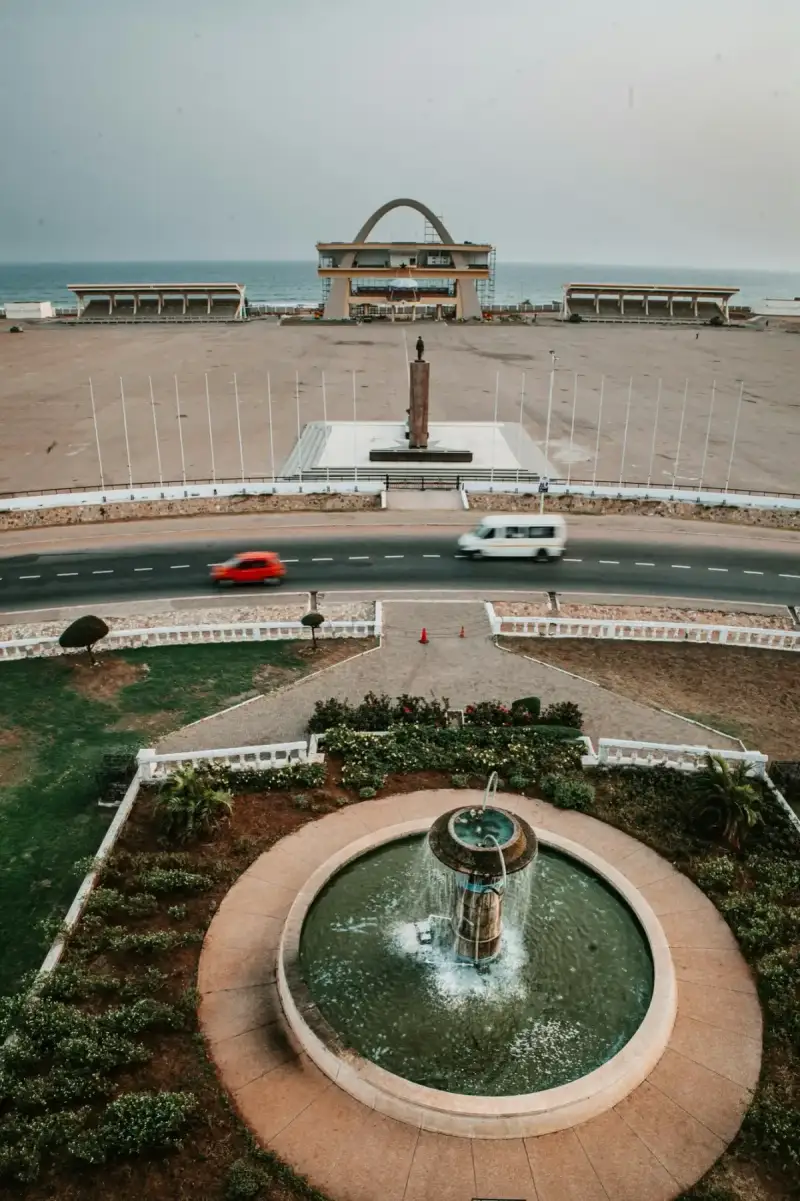
Get HelloRoam data in Ghana covering Accra, Kumasi, and other major cities across the country.
AirtelTigo 3G covers Accra and Kumasi. Signal is limited in northern regions. Activate at ACC.
Guinea-Bissau
From $7
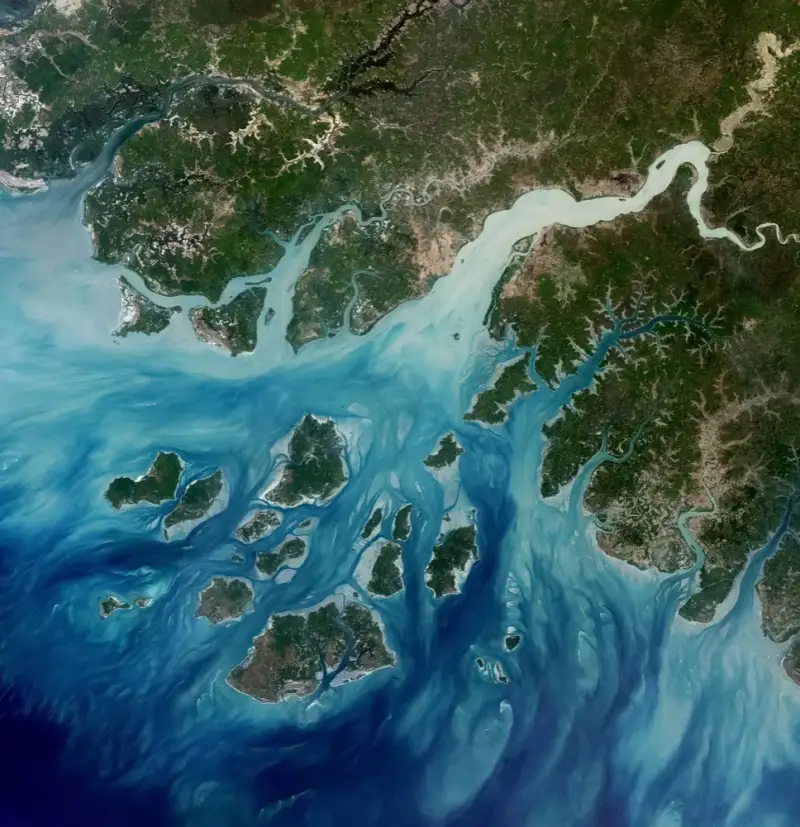
Get HelloRoam eSIM data for Guinea-Bissau covering Bissau and key areas across the country.
Orange 4G covers Bissau. Coverage is thin outside the capital. Bijagos Islands have no signal.

Kenya
From $3
HelloRoam provides eSIM data in Kenya for Nairobi, Mombasa, and safari regions. Get connected fast.
Airtel and yu run 5G in Nairobi and Mombasa. Maasai Mara safari areas have patchy signal.


Liberia
From $7
Get HelloRoam data in Liberia covering Monrovia and nearby areas. Connect without a SIM card.
Lonestar Cell MTN 4G covers Monrovia. Coverage is limited outside the capital. Download maps.

Madagascar
From $9
HelloRoam offers eSIM data for Madagascar, keeping you connected in Antananarivo and beyond.
Airtel 4G covers Antananarivo and coastal cities. Madagascar's highland interior is sparse.

Malawi
From $6
Get HelloRoam data in Malawi for Lilongwe, Blantyre, and Lake Malawi. No SIM swap needed.
Airtel 4G covers Lilongwe and Blantyre. Coverage is limited along Lake Malawi shores.
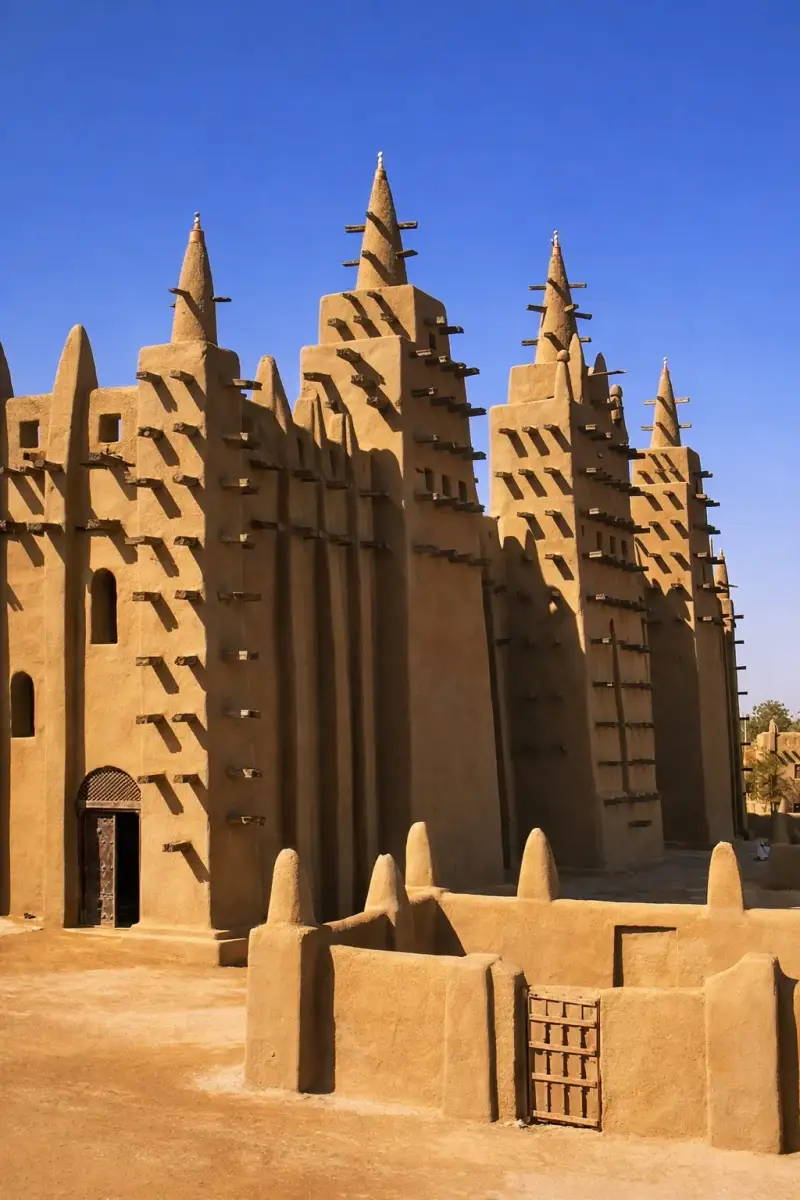
Mali
From $7
HelloRoam gives you mobile data in Mali covering Bamako and Sikasso. Get online on arrival.
Orange 5G covers Bamako. Coverage drops rapidly toward the Sahara. Download maps before travel.

Niger
From $6
HelloRoam provides eSIM data in Niger, keeping you online in Niamey and surrounding areas.
Airtel 4G covers Niamey. Coverage is limited outside the capital. Download maps for desert travel.


Nigeria
From $5
Get HelloRoam data in Nigeria covering Lagos, Abuja, and Port Harcourt. No SIM swap needed.
Glo 4G covers Lagos and Abuja. Signal can be congested in Lagos during peak hours.


Congo
From $7
HelloRoam offers eSIM data for the Republic of the Congo, covering Brazzaville and Pointe-Noire.
Airtel 4G covers Brazzaville. Coverage is limited outside the capital and main river routes.
Showing slide 1 of 20
Reviews
What Our Customers Say
Real reviews from Trustpilot and the App Store, quoted as written.
40k+ travellers have used HelloRoam
Cat
On a trip to Europe, my hotel Wi-Fi was so slow and outside Wi-Fi was unreliable. I couldn’t take it anymore so I got helloroam for a few days. It was tricky to set up correctly because of the primary settings (with my original number). But I reached out to their customer service via WhatsApp. Super responsive and helpful, with specific and clear steps to troubleshoot. Appreciate having 4G roaming instead of being stuck with in and out Wi-Fi during my trip!!
Rated 5 out of 5 by this reviewer

Very good experience! The eSIM was easy to set up and worked great in London. It was much cheaper than it would have been to use my own operator there.
Ilona
Rated 5 out of 5 by this reviewer
metulker
Hard to set up but help was good
Rated 5 out of 5 by this reviewer
Reuben
Really happy with HelloRoam. Everything worked as expected, from messaging and Google Maps through to streaming without any issues. Easy to use, reliable and affordable. Would happily use them again when travelling.
Rated 5 out of 5 by this reviewer

Angeline
Reliable connection. Reasonable pricing.
Rated 4 out of 5 by this reviewer
Africa eSIM Questions Answered
How much does an Africa SIM card plan cost for Canadians covering multiple countries?
A travel sim Africa plan from HelloRoam starts at CA$22.35 on Local network provider 4G/5G networks. HelloRoam delivers the QR to your inbox so you activate before boarding from Canada. No contract and no credit check required on any plan.
Does the cheapest eSIM for Africa plan cover South Africa, Kenya, Tanzania, and Morocco?
The cheapest eSIM for Africa plan from HelloRoam covers all major countries on Local network provider 4G/5G networks from CA$22.35. HelloRoam activates by QR before your trip with no physical card needed. Fully prepaid with a 180-day refund guarantee on unactivated eSIMs.
What is the best eSIM for Africa for Canadians?
HelloRoam is the best eSIM for Africa for travellers departing from Toronto Pearson YYZ, Vancouver YVR, Montreal YUL, Calgary YYC, or Ottawa YOW, with plans from CA$22.35 on 212+ carrier networks across 185+ countries. You connect to local 4G/5G partner networks, and speeds depend on the local network. You also get a refund within 180 days on eSIMs you never activate, and 24/7 live chat support in your own language. Bell Roam Better costs CAD 13 a day in the US and CAD 16 a day elsewhere, plus taxes. Rogers Roam Like Home costs CAD 16 a day in the US and CAD 18 a day elsewhere, plus taxes. HelloRoam costs far less for most trips. For travellers who want real savings on mobile data, it is the practical choice over a carrier roaming plan.
How much does a Africa eSIM cost compared to Bell or Rogers roaming?
HelloRoam eSIM plans for Africa start from CA$22.35 as a one-time prepaid purchase. Bell Roam Better costs CAD 13 a day in the US and CAD 16 a day internationally. Rogers Roam Like Home costs CAD 16 a day in the US and CAD 18 a day elsewhere. Telus Easy Roam costs CAD 16 a day in the US and CAD 18 a day internationally. All three add taxes on top. Ten days on Bell Roam Better in the US adds CAD 130, plus taxes, to your monthly bill. HelloRoam fixed plans have no daily billing cycle and no overage fees. When you compare a prepaid data package from HelloRoam against a daily carrier roaming plan, the savings on a two-week trip are significant.
Which networks does HelloRoam eSIM connect to in Africa?
HelloRoam eSIM in Africa connects to local 4G/5G partner networks. Your phone picks a partner network automatically when you arrive. Coverage depends on the local network: major cities, airports, and highways usually have service, while rural or remote areas may have limited coverage. HelloRoam partners with 212+ carrier networks globally. You use a local network without paying Bell, Rogers, or Telus daily roaming rates, and speeds depend on that network. That gives you mobile data for maps, messaging, and streaming throughout your trip.
How do I set up a HelloRoam eSIM before leaving a Canadian airport?
Setting up your HelloRoam eSIM before departure takes three steps. First, choose your plan at helloroam.com or in the app and complete checkout. Second, scan the QR code from your confirmation email in Settings under Add eSIM or Add Cellular Plan. Third, your eSIM installs in under 2 minutes. Buy and install at home or at Toronto Pearson YYZ, Vancouver YVR, Montreal YUL, Calgary YYC, or Ottawa YOW using the free airport Wi-Fi before your flight boards.
Does my iPhone work with a Africa eSIM if I am on Bell, Rogers, or Telus?
iPhone XS and all newer models work with HelloRoam eSIM in Africa as long as your device is carrier-unlocked. iPhones purchased directly from Apple are unlocked by default. To confirm, check Settings under General, then About, then Carrier Lock. Once confirmed, scan the QR code in Settings under Cellular, then Add eSIM, and your Canadian number stays active on dual SIM while HelloRoam handles travel data.
Does a HelloRoam Africa eSIM work across the continent?
A HelloRoam Africa regional eSIM works across covered African countries on one plan. Your phone switches to the local MTN, Airtel, Vodacom, or Safaricom partner network at each border automatically. Coverage quality varies widely from strong 4G in East African capitals to no signal in national parks and deserts.
Is there eSIM coverage in South Africa?
South Africa has the continent's most developed mobile infrastructure. Cape Town, Johannesburg, Durban, and Pretoria all have strong 4G from Vodacom and MTN. The Garden Route is well-covered. Kruger National Park has coverage at main gates and camps but not in the remote bush.
Does a HelloRoam eSIM work in Kenya and on safari?
Kenya's Safaricom provides some of Africa's best 4G, especially in Nairobi and along the coast. The Masai Mara national park has limited coverage away from main camps. Download offline maps before entering any game reserve. GPS works without signal for offline navigation on safari drives.