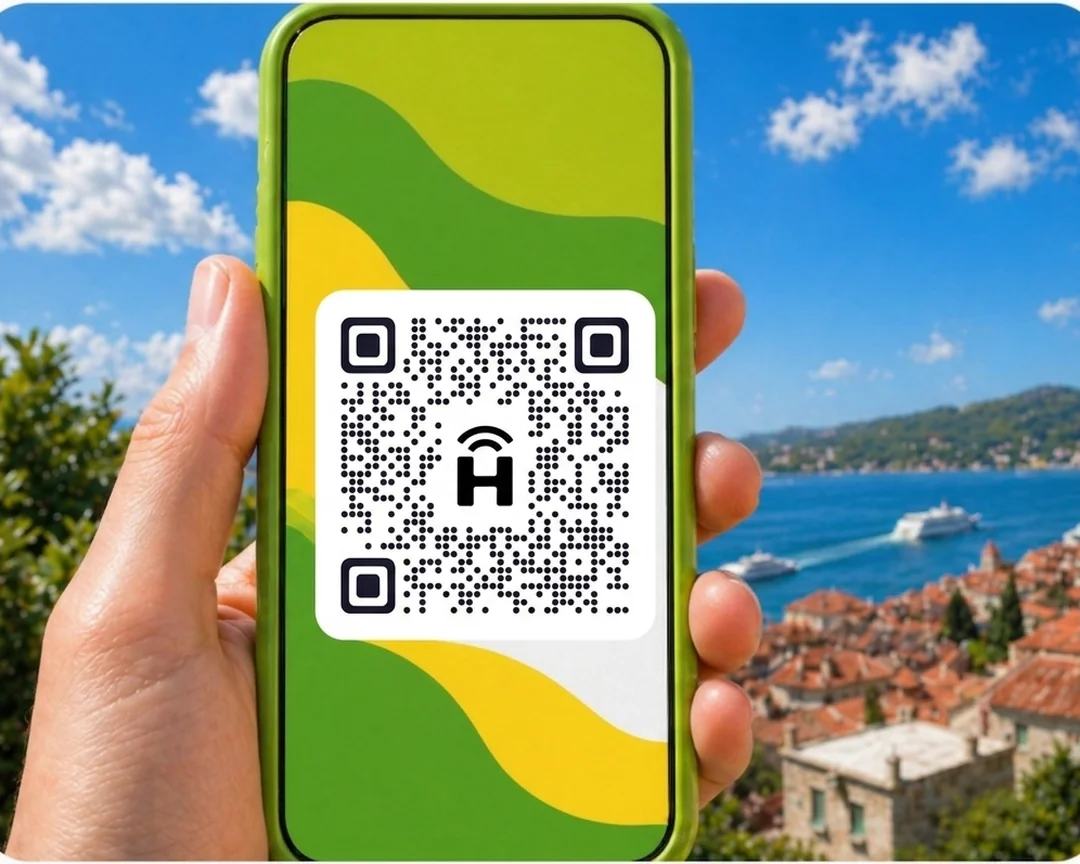

HelloRoam offers prepaid eSIM data plans for Southeast Asia from CA$5.58 and covers 185+ countries worldwide. Your eSIM connects to local 4G/5G networks the moment you land, ready to go. Set it up in under two minutes with a QR code before you fly. Keep your Bell, Rogers, or Telus number active on your primary SIM while your eSIM handles data.
- carrier networks
 212+
212+- network type
 4G LTE with 5G in capitals
- to activate
 under 2 minutes
Last updated
eSIM Southeast Asia data with QR activation before you fly
Great-value eSIM for Southeast Asia, starting from CA$5.58. 4G/5G data on local partner networks in Southeast Asia. Works on any carrier-unlocked, eSIM-compatible phone. Canadians visiting Southeast Asia can skip airport SIM kiosks entirely. HelloRoam offers an eSIM card Southeast Asia plan starting at CA$5.58 on Local network provider 4G/5G networks. Activate by QR at home before your flight and land ready to navigate. No physical card, no contract, and no roaming fees from Bell or Rogers.
Southeast Asia eSIM with 4G LTE with 5G in capitals coverage
HelloRoam Southeast Asia eSIM covers Thailand, Malaysia, and Singapore on one plan. Canadian island hoppers and backpackers stay connected as they cross borders. Plans start from CA$5.58.
- Plans start at CA$5.58 with 4G LTE with 5G in capitals speeds
- Coverage from local networks
- Instant activation in under 2 minutes
- 180-day refund on unactivated eSIMs
- Southeast Asia coverage across major cities
- Network
- 4G LTE with 5G in capitals
- Plans From
- CA$5.58
- Activation
- Under 2 min
- Refund
- 180 days if unactivated

How to Set Up an eSIM in Southeast Asia
Follow these steps to set up your eSIM on iPhone or Android. Works for any eSIM for international travel, no replacement SIM, no store visit.
Set up an eSIM on your iPhone with HelloRoam
Set up an eSIM on your Android with HelloRoam
- 1
Choose your plan and check out
Pick a data plan for your destination and complete checkout in the HelloRoam app or on the website.
 2
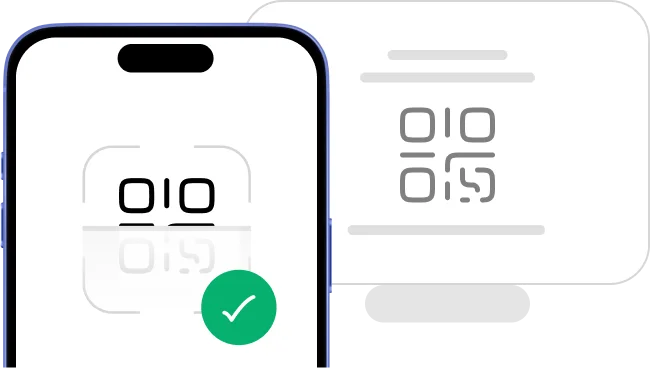
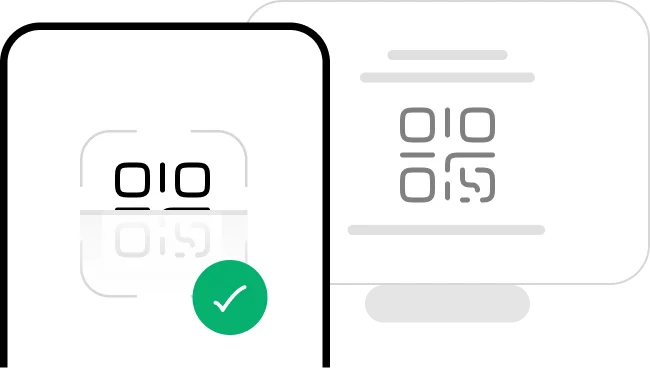
2Scan the QR code
Scan the QR code from your confirmation email to install your eSIM right away.
- 3
Ready to use on arrival
Your eSIM installs in minutes and activates the moment you land at your destination.
 4
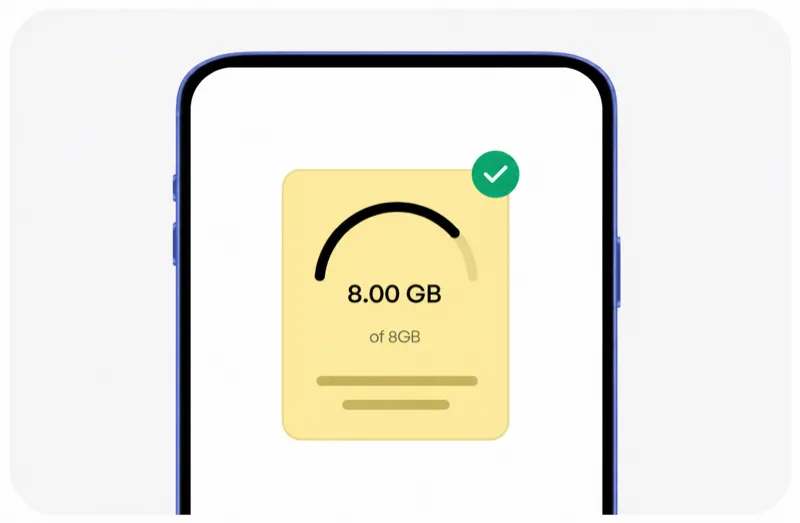
4Manage from the app
View usage, top up data, and manage all your eSIMs from the HelloRoam app.




Plans changed? No worries, we've got you covered.
Plans change, and that's okay. With HelloRoam, an eSIM that was never activated or scanned and used no data qualifies for a full refund within 180 days of purchase. No hassle.
Learn more about our refund policyHelloRoam Southeast Asia eSIM vs a travel SIM card or Bell, Rogers and Telus roaming
Comparing an eSIM vs a travel SIM card for Southeast Asia? The eSIM skips the airport SIM shop. Rogers Roam Like Home, Bell Roam Better, and Telus Easy Roam add a fee for every day you roam. HelloRoam sells a prepaid eSIM for Southeast Asia from CA$5.58, with a 180-day refund on unactivated eSIMs.
Why Canadian Travellers Choose an e SIM for Southeast Asia

24/7 live chat support
Need help at 2 AM in Tokyo or midnight in Cancun? HelloRoam support is available 24/7. Message us by live chat, WhatsApp, or email at help@helloroam.com. Mobile data problems don't wait for business hours, and neither do we.

Best Travel eSIM for Southeast Asia
Get data at 4G/5G speeds the moment you land in Southeast Asia. Skip roaming fees from Bell, Rogers, and Telus. HelloRoam connects you to local carrier networks in minutes, whether you're on holiday or working. Your connection starts before you clear customs.

Keep your Bell, Rogers, or Telus number
Keep your Bell, Rogers, or Telus number active for calls and texts. HelloRoam runs as a second eSIM line on any dual SIM compatible phone, so you never miss a call from home while travelling. Your cellular coverage for internet abroad runs on a separate line, so both SIMs work at the same time.

212+ carrier networks worldwide, connected in Southeast Asia
HelloRoam eSIMs connect to 212+ carrier networks across 185+ countries. Your phone joins a local partner 4G/5G network automatically, with no manual carrier selection needed. Speeds depend on the local network.

Data alerts before you run out
HelloRoam emails you as your data runs low on a fixed plan, so you can top up or buy a new plan in time. If your plan supports top-ups, add data from the app before it expires, with no need to reinstall your eSIM or visit a store. Adding a new prepaid data package takes under a minute from your account dashboard.

Local 4G/5G speeds
Your Southeast Asia eSIM connects to local 4G/5G networks. Your phone joins a local HelloRoam partner network for navigation, streaming, and video calls. Speeds depend on the local network and your location. Local data makes a real difference when you're finding your way around a new city or video calling family back home.

Regional and global eSIM plans
Travelling to multiple countries? HelloRoam regional eSIM plans cover many countries in Europe, the Caribbean, Asia, and more in one purchase. Fixed data plans in every destination, and unlimited plans in most. One account, no SIM swaps. A single international data plan with cross-border wireless connectivity saves you the hassle of buying a new prepaid data package at every border.

Free hotspot and data sharing in Southeast Asia
Share your Southeast Asia eSIM data with a laptop or tablet using your cell phone's built-in hotspot. No extra fees, no setup needed. Works on all eSIM compatible phones. Turning your phone into a mobile Wi-Fi hub means everyone on your trip gets internet abroad from the same prepaid data package.
Best eSIM Prices for Southeast Asia
HelloRoam, the best eSIM Southeast Asia. Compare plans and save versus Rogers, Bell, and Telus roaming.
| Number of days | Price |
|---|---|
| 1 day | CA$5.03 |
| 3 days | CA$14.34 |
| 7 days | CA$31.00 |
| 15 days | CA$60.38 |
| 22 days | CA$81.92 |
| 30 days | CA$102.65 |
HelloRoam vs Rogers, Bell, Telus, and Other eSIM Providers for Southeast Asia
See how HelloRoam compares with Airalo, Holafly, Nomad, Saily, and Ubigi for your trip. The table covers a 180-day refund on unactivated eSIMs, data overage charges, and instant QR code delivery.
| Feature comparison | HelloRoam | Airalo | Holafly | Nomad | Saily | Ubigi |
|---|---|---|---|---|---|---|
| 180-day refund (unactivated eSIMs) |  Feature available Feature available |  Feature not available Feature not available |  Feature available Feature available | Feature not available | Feature not available | Feature not available |
| No data overage charges | Feature available | Feature available | Feature available | Feature available | Feature available | Feature available |
| Instant QR code delivery | Feature available | Feature available | Feature available | Feature available | Feature available | Feature available |
What Is an eSIM? How eSIM Works in Southeast Asia
An eSIM is a digital SIM built directly into your cell phone. There is no plastic chip and no SIM tray to deal with. Scan a QR code to activate your eSIM in under 2 minutes on any eSIM compatible iPhone or Android. It works as a prepaid data plan for Southeast Asia travel with no airport SIM shop, no replacement SIM card, and no carrier contract. Canadians travelling from Pearson or Vancouver International can set everything up before their flight and arrive connected. Follow the step-by-step setup guide to get started. setup guide


eSIM Coverage Guide for Canadians Travelling Southeast Asia
Thailand, Malaysia, and Singapore form one of Southeast Asia's most popular travel routes. Staying connected across borders used to mean buying a new SIM in each country. A HelloRoam Southeast Asia regional eSIM covers all three on one plan.
It switches carriers automatically as you move from Thailand into Malaysia and on to Singapore.
Singapore leads the region with near-perfect 4G and 5G coverage from Singtel, StarHub, and M1. It is the region's most reliable data hub and works as a perfect test point before continuing to countries with weaker infrastructure.
Thailand is the region's top-performing network outside Singapore, led by AIS, DTAC, and True Move. Bangkok, Chiang Mai, Phuket, and Pattaya all have strong coverage. Popular islands like Koh Samui, Koh Phangan, and Koh Lanta have 4G in resort areas. Remote northern highlands have gaps.
Malaysia is well-connected in Kuala Lumpur, Penang, and Langkawi. East Malaysia on Borneo has coverage in coastal cities but limited signal in the inland jungle.
- Covers Thailand, Malaysia, and Singapore on one plan
- Singapore provides the region's most reliable 5G network
- Thailand's AIS is the region's second-strongest network
- Island ferry routes have no offshore mobile coverage
- East Malaysia's inland jungle has limited coverage
- Remote northern highlands in Thailand have coverage gaps
- GSMA 2026;
- GSMA Mobile Economy Southeast Asia 2025
eSIM Travel Tips for Southeast Asia
No Data on Island Ferry Routes
Inter-island ferry routes in Thailand (Ko Tao, Ko Pha Ngan, Ko Samui) have no mobile coverage once offshore. Download offline maps, ferry schedules, accommodation addresses, and booking confirmations for each island before you board. GPS works without signal for offline navigation on arrival.
Singapore Is the Region's Best Test Point
If your Southeast Asia trip starts in Singapore, use the excellent Singtel and StarHub 5G to install and test your HelloRoam eSIM and download offline maps for all subsequent destinations. Singapore's near-perfect coverage makes it the ideal setup point before continuing to countries with more variable networks.
Bangkok Has Excellent BTS and MRT Coverage
Bangkok's BTS Skytrain and MRT underground lines have strong 4G coverage throughout. Navigation, messaging, and streaming work normally across both transit systems. Above-ground streetways and all major tourist areas (Khao San Road, Chatuchak, Sukhumvit, Silom) are well-served by AIS and True Move.
Install Your eSIM Before Leaving Canada
Install your HelloRoam Southeast Asia eSIM at home in Canada over Wi-Fi before your trip. Once installed, your eSIM connects to local carriers the moment you land at Bangkok Suvarnabhumi, Singapore Changi, or your first Southeast Asia airport. No setup required at the terminal.
Emergency Numbers in Southeast Asia
Emergency numbers vary by country. Singapore: 999. Thailand: 191. Malaysia: 999. Research the correct numbers for every country you visit and save them before you travel.
Network Coverage Across Southeast Asia
Southeast Asia's mobile networks range widely in quality, and Singapore's world-class 5G sets the standard.
Singapore: Singtel, StarHub, and M1 operate some of Asia's fastest 5G networks. Coverage is near-perfect across this compact city-state including all MRT underground lines and outlying islands. Singapore is the region's connectivity benchmark.
Thailand: AIS, DTAC, and True Move provide competitive 4G across the country. Bangkok has 5G rollout underway. Coverage extends to most resort islands and northern mountain areas with some gaps in remote highland border regions. Thailand consistently ranks as the region's second-strongest network behind Singapore.
Malaysia: Celcom, Maxis, and U Mobile cover Peninsula Malaysia well. Kuala Lumpur, Penang, and Langkawi are all well-connected. East Malaysia (Sabah and Sarawak in Borneo) has coverage in coastal cities but limited inland jungle coverage.
- AIS (Thailand)

- Singtel (Singapore)

- Celcom (Malaysia)
Regional eSIM vs Local SIMs vs Canadian Carrier Add-Ons for Southeast Asia
For the classic Southeast Asia backpacker or resort circuit, a regional eSIM removes the need to buy a local SIM at each country border.
| Category | HelloRoam Regional Southeast Asia eSIM Recommended | Individual country SIMs | Carrier roaming |
|---|---|---|---|
| Typical cost | From CA$5.58 total | — | — |
| Details | One plan covers Thailand, Malaysia, and Singapore. Buy before leaving Canada. Instant connection at each destination airport. Automatic carrier switching at land borders and on arrival at each island. No SIM hunting at Bangkok or Singapore airports. | Thailand and Singapore both have local SIM options at airports. But buying a separate SIM at each stop takes time. SIMs often require passport registration. Managing multiple physical SIMs and keeping track of each balance is frustrating on a long trip. | Canadian carrier day passes make a Southeast Asia circuit very expensive. On a 4-week trip covering Thailand, Cambodia, Vietnam, Indonesia, and Singapore at 5 days per country, those daily fees add up fast. Most plans throttle speeds after a daily data cap. |
Prices approximate as of . Actual savings vary.
Best Times for Canadians to Visit Southeast Asia
Thailand's dry season runs from November through April. This is when most Canadians visit, escaping the Canadian winter for warm, dry weather. Popular destinations like Chiang Mai are at their best during this period.
The monsoon season from May through October brings heavy rain to most of mainland Southeast Asia and Thailand's Andaman Coast (Phuket, Krabi). The Gulf of Thailand side (Koh Samui) has a different wet season from September through December. Plan island visits based on the specific coast and season.
Singapore is good year-round as a transit hub and city destination. The rainy season from November through January brings heavy afternoon showers but does not significantly affect travel plans or mobile network performance.

Explore Countries in Southeast Asia
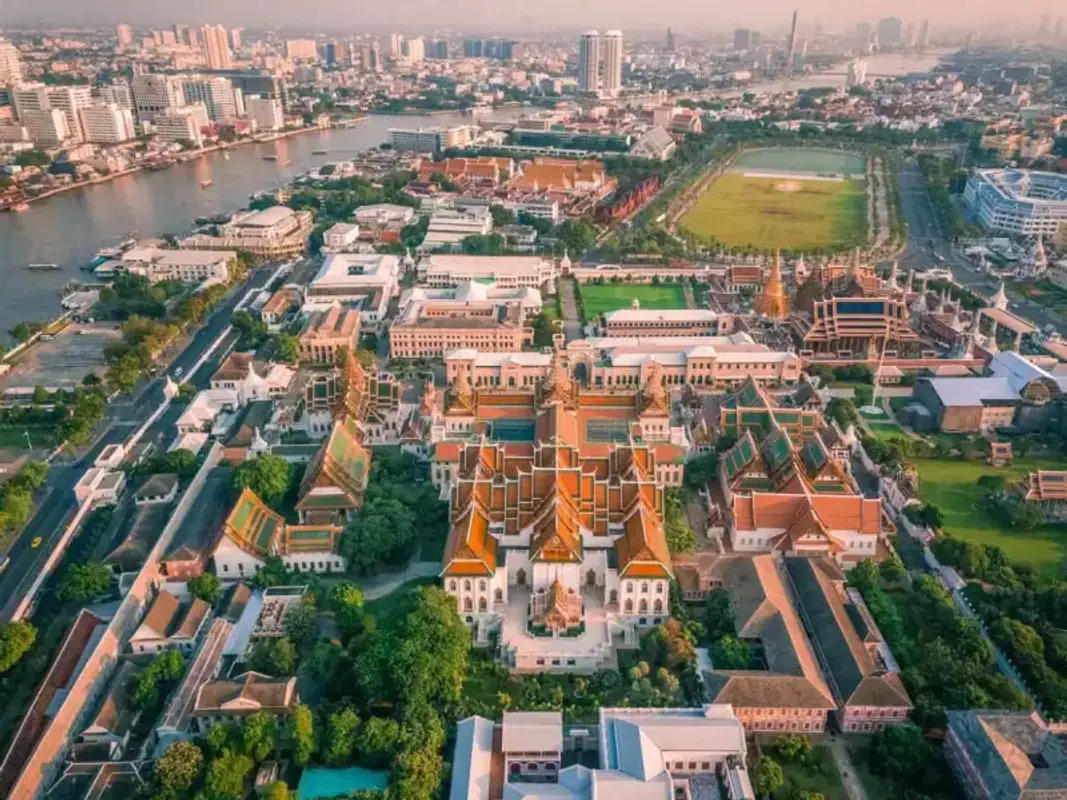
Thailand
From $3
HelloRoam offers Thailand eSIM plans for Bangkok, Phuket, and Chiang Mai. Connect the moment you land.

AIS and TrueMove H run 5G in Bangkok. Coverage reaches Thai islands but drops in rural areas.
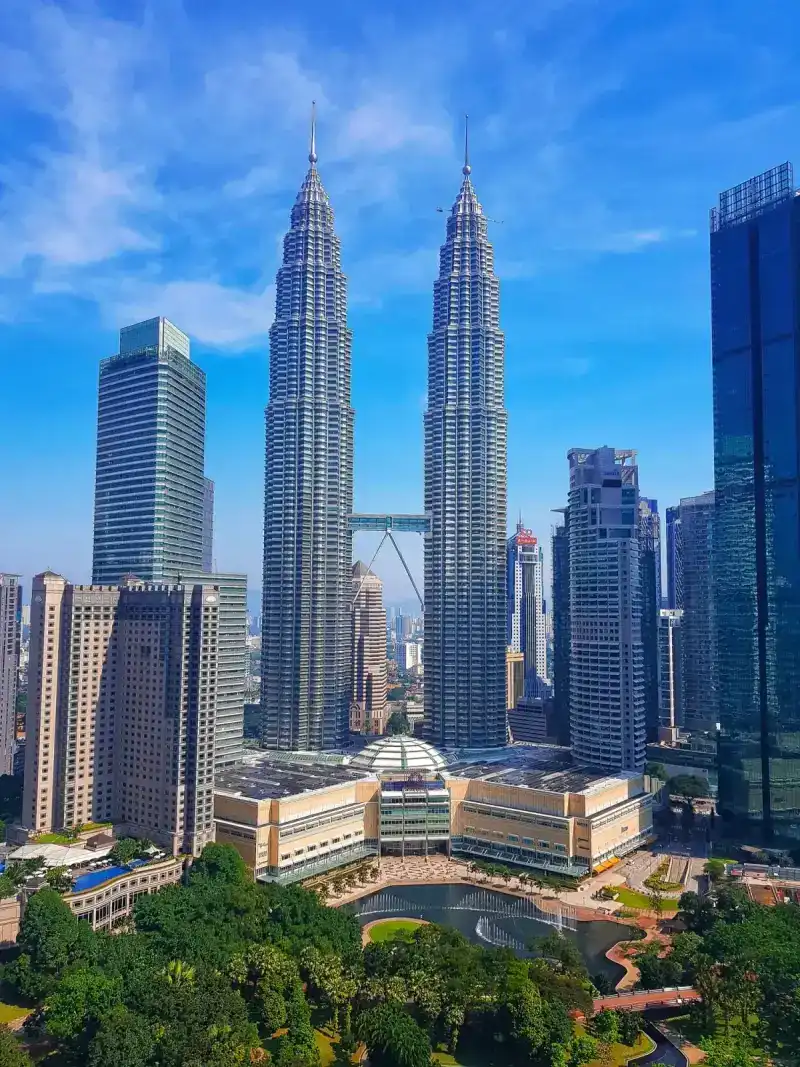

Malaysia
From $3
HelloRoam provides eSIM data across Malaysia, from Kuala Lumpur to Penang and Langkawi.
CelcomDigi and U Mobile run 5G in Kuala Lumpur. Signal thins in Borneo's interior.
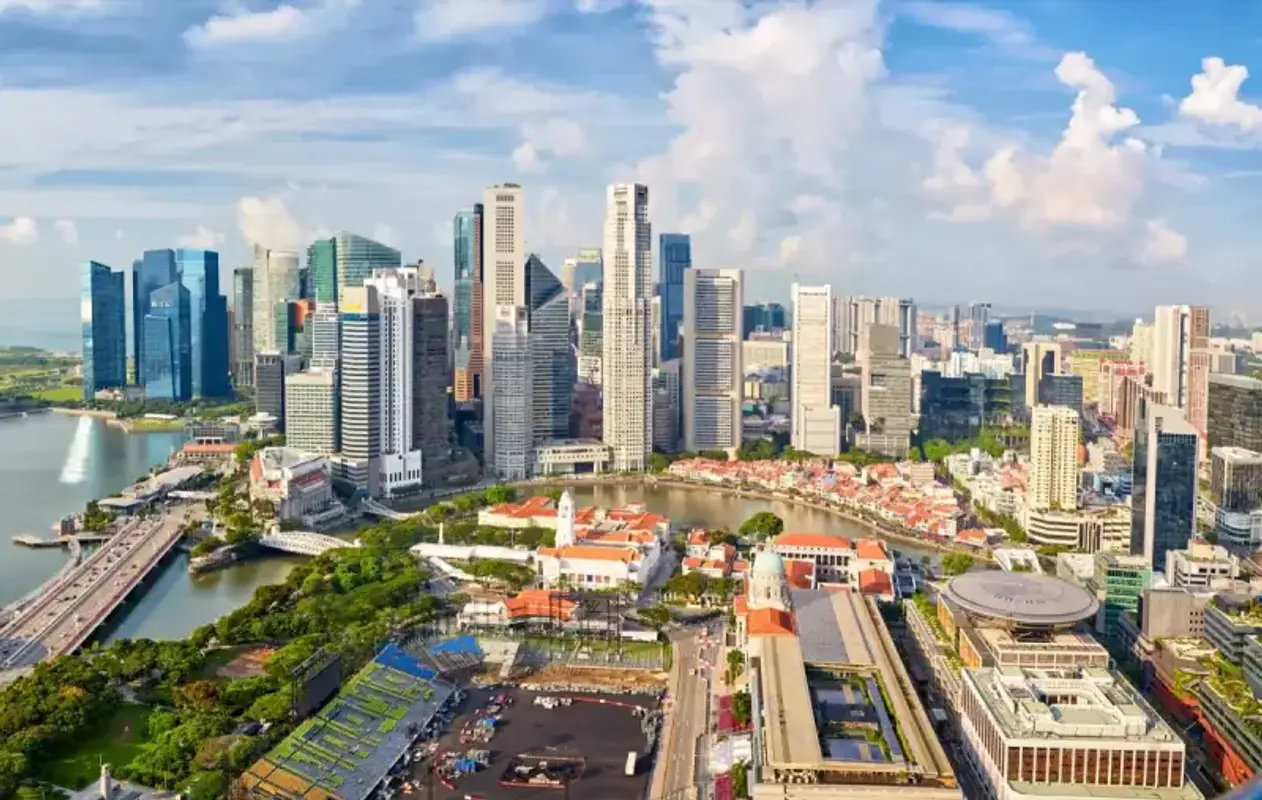
Singapore
From $3
HelloRoam provides eSIM data for Singapore. Get fast coverage across the entire city-state.
StarHub, M1, and SingTel run 5G in Singapore. MRT has full underground coverage.
Showing slide 1 of 3
Reviews
What Our Customers Say
Real reviews from Trustpilot and the App Store, quoted as written.
40k+ travellers have used HelloRoam
Cat
On a trip to Europe, my hotel Wi-Fi was so slow and outside Wi-Fi was unreliable. I couldn’t take it anymore so I got helloroam for a few days. It was tricky to set up correctly because of the primary settings (with my original number). But I reached out to their customer service via WhatsApp. Super responsive and helpful, with specific and clear steps to troubleshoot. Appreciate having 4G roaming instead of being stuck with in and out Wi-Fi during my trip!!
Rated 5 out of 5 by this reviewer

Very good experience! The eSIM was easy to set up and worked great in London. It was much cheaper than it would have been to use my own operator there.
Ilona
Rated 5 out of 5 by this reviewer
metulker
Hard to set up but help was good
Rated 5 out of 5 by this reviewer
Reuben
Really happy with HelloRoam. Everything worked as expected, from messaging and Google Maps through to streaming without any issues. Easy to use, reliable and affordable. Would happily use them again when travelling.
Rated 5 out of 5 by this reviewer

Angeline
Reliable connection. Reasonable pricing.
Rated 4 out of 5 by this reviewer
Southeast Asia eSIM Questions Answered
How much does a Southeast Asia SIM card plan cost for Canadians on a multi-country trip?
A travel SIM card for Southeast Asia from HelloRoam starts at CA$5.58 on Local network provider 4G/5G networks. HelloRoam delivers the QR to your inbox before you board from Canada. No contract and no credit check required.
Does a Southeast Asia plan cover Indonesia, the Philippines, and Malaysia in one plan?
A HelloRoam plan covers all major areas in Southeast Asia on Local network provider 4G/5G networks from CA$5.58. Activate by QR before your trip with no physical card needed. Fully prepaid with a 180-day refund guarantee on unactivated eSIMs.
What is the best eSIM for Southeast Asia for Canadians?
HelloRoam is the best eSIM for Southeast Asia for travellers departing from Toronto Pearson YYZ, Vancouver YVR, Montreal YUL, Calgary YYC, or Ottawa YOW, with plans from CA$5.58 on 212+ carrier networks across 185+ countries. You connect to local 4G/5G partner networks, and speeds depend on the local network. You also get a refund within 180 days on eSIMs you never activate, and 24/7 live chat support in your own language. Bell Roam Better costs CAD 13 a day in the US and CAD 16 a day elsewhere, plus taxes. Rogers Roam Like Home costs CAD 16 a day in the US and CAD 18 a day elsewhere, plus taxes. HelloRoam costs far less for most trips. For travellers who want real savings on mobile data, it is the practical choice over a carrier roaming plan.
How much does a Southeast Asia eSIM cost compared to Bell or Rogers roaming?
HelloRoam eSIM plans for Southeast Asia start from CA$5.58 as a one-time prepaid purchase. Bell Roam Better costs CAD 13 a day in the US and CAD 16 a day internationally. Rogers Roam Like Home costs CAD 16 a day in the US and CAD 18 a day elsewhere. Telus Easy Roam costs CAD 16 a day in the US and CAD 18 a day internationally. All three add taxes on top. Ten days on Bell Roam Better in the US adds CAD 130, plus taxes, to your monthly bill. HelloRoam fixed plans have no daily billing cycle and no overage fees. When you compare a prepaid data package from HelloRoam against a daily carrier roaming plan, the savings on a two-week trip are significant.
Which networks does HelloRoam eSIM connect to in Southeast Asia?
HelloRoam eSIM in Southeast Asia connects to local 4G/5G partner networks. Your phone picks a partner network automatically when you arrive. Coverage depends on the local network: major cities, airports, and highways usually have service, while rural or remote areas may have limited coverage. HelloRoam partners with 212+ carrier networks globally. You use a local network without paying Bell, Rogers, or Telus daily roaming rates, and speeds depend on that network. That gives you mobile data for maps, messaging, and streaming throughout your trip.
How do I set up a HelloRoam eSIM before leaving a Canadian airport?
Setting up your HelloRoam eSIM before departure takes three steps. First, choose your plan at helloroam.com or in the app and complete checkout. Second, scan the QR code from your confirmation email in Settings under Add eSIM or Add Cellular Plan. Third, your eSIM installs in under 2 minutes. Buy and install at home or at Toronto Pearson YYZ, Vancouver YVR, Montreal YUL, Calgary YYC, or Ottawa YOW using the free airport Wi-Fi before your flight boards.
Does my iPhone work with a Southeast Asia eSIM if I am on Bell, Rogers, or Telus?
iPhone XS and all newer models work with HelloRoam eSIM in Southeast Asia as long as your device is carrier-unlocked. iPhones purchased directly from Apple are unlocked by default. To confirm, check Settings under General, then About, then Carrier Lock. Once confirmed, scan the QR code in Settings under Cellular, then Add eSIM, and your Canadian number stays active on dual SIM while HelloRoam handles travel data.
Does one eSIM work across all of Southeast Asia?
No. The HelloRoam Southeast Asia eSIM covers Thailand, Malaysia, and Singapore on one plan. Vietnam, Indonesia, the Philippines, and Laos are not on this plan, but the Asia plan covers each of them. Cambodia is not on it either, but the Global plan includes Cambodia. Your phone switches to the local carrier automatically at each border crossing.
Does the Southeast Asia eSIM work in Thailand?
Thailand connects through AIS, DTAC, and True Move. Bangkok, Chiang Mai, Phuket, and Pattaya all have strong 4G. Resort islands like Koh Samui, Koh Phangan, and Koh Lanta have 4G in resort areas. Remote northern highland border areas have more limited signal.
Does the Southeast Asia eSIM work in Bali and Indonesia?
No. Indonesia, including Bali, is not on the Southeast Asia plan's country list, but the Asia and Global plans include Indonesia, and HelloRoam also sells a separate Indonesia eSIM.