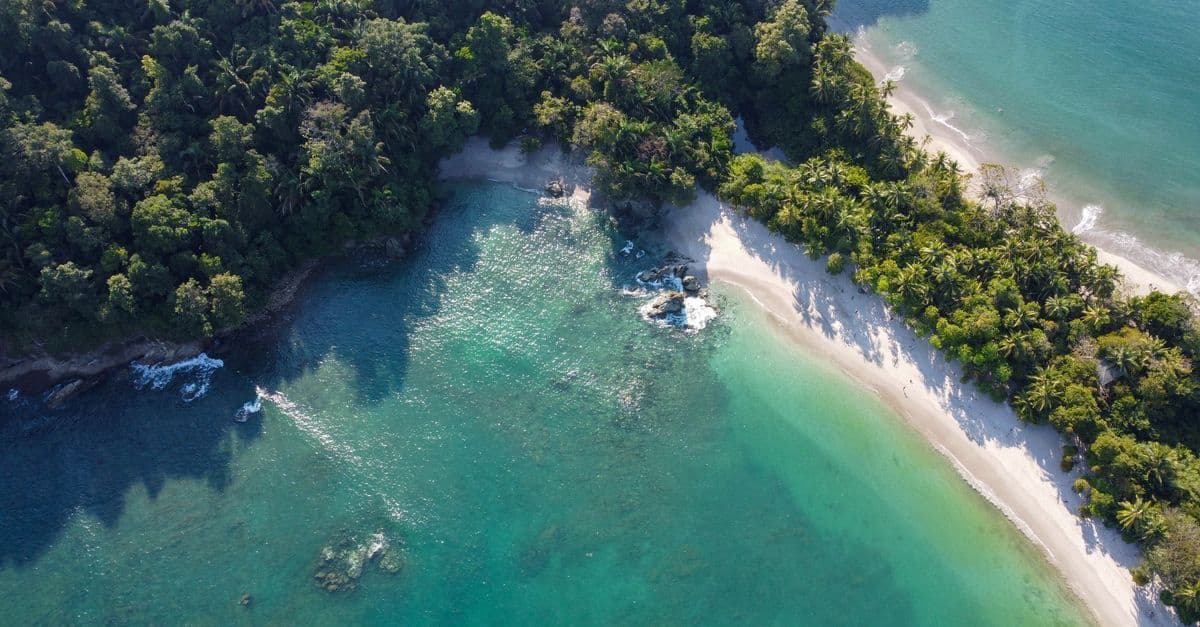
In your first hour in Costa Rica, you'll want a map, your transfer details and a quick message home. Setting up a HelloRoam Costa Rica eSIM in Canada before you fly means all three work as soon as you land, and our support team answers 24/7 if the setup needs a hand.
Canada puts Costa Rica on the second of four risk levels
Global Affairs Canada sorts every destination into four levels: take normal security precautions, exercise a high degree of caution, avoid non-essential travel and avoid all travel. Its Costa Rica travel advice sits on the second level. Canada uses that level where there are certain safety and security concerns or the situation could change quickly. At that level, it asks you to be very cautious at all times, monitor local media and follow the instructions of local authorities.
 Get your Costa Rica eSIM before you flyInstall it at home, turn it on when you land. From CA$9.77.See Costa Rica plans
Only the two most serious levels, avoid non-essential travel and avoid all travel, are official Government of Canada travel advisories. Canada has not issued one for Costa Rica, so posts in travel groups that read the page as a warning not to go overstate it.
Canada last updated the page on August 31, 2026, to add a travel health notice for chikungunya, and the country still sat at the second level when we read it in early October 2026. Advice can change at short notice, so reread the page in the week before you leave. It also helps to sign up for Registration of Canadians Abroad, a free service that lets the government notify you of an emergency at your destination or at home.
Costa Rica matches Mexico's overall level without Mexico's regional advisories
Is Costa Rica or Mexico safer? On Canada's scale, the headline level doesn't separate them, since both sit at "exercise a high degree of caution." The detail does. Canada advises against non-essential travel to parts of 14 Mexican states because of high levels of violence and organized crime, and it names no such area in Costa Rica.
Here is how Canada rates nearby and Caribbean destinations that often come up as alternatives, taken from each country's Government of Canada page on the same day:
| Destination | Canada's overall level | Reason Canada gives | Areas rated higher |
|---|---|---|---|
| Costa Rica | Exercise a high degree of caution | Crime | None |
| Mexico | Exercise a high degree of caution | High levels of criminal activity and kidnapping | Avoid non-essential travel to parts of 14 states |
| Dominican Republic | Exercise a high degree of caution | Crime | None |
| Jamaica | Exercise a high degree of caution | High level of violent crime, particularly outside tourist areas | None |
| Nicaragua | Exercise a high degree of caution | Political situation, potential for civil unrest and crime | None |
| Panama | Take normal security precautions | None given | High degree of caution in Colón Province, the District of San Miguelito and parts of Panama City; avoid all travel south of Metetí (Darién) and to the Mosquito Gulf |
| Cuba | Avoid non-essential travel | Worsening shortages of fuel, electricity, food, water and medicine | Applies to the whole country |
A level is one judgment for a whole country, so read the regional notes for the stops on your own itinerary. Cuba is the outlier on this list: Canada rates it a step higher than Costa Rica, and all Canadian airlines have suspended service there until further notice.
Theft is the risk you're most likely to meet
Petty crime such as pickpocketing and purse snatching occurs frequently, Global Affairs Canada says, and tourists are common targets because they're seen as wealthy. Passport theft is extremely common and rises during the peak tourist seasons, from November to May and from July to August. A Christmas, February reading week or March Break trip falls right inside the first of those windows.
Thieves often work in teams: one distracts you while the other snatches your things. Canada lists the usual places as viewpoints and other tourist spots, buses, trains and their stations, airport terminals, hotel lobbies and restaurants, including patios next to the street.
It also names areas of particular concern for theft:
- San José: the Coca-Cola bus terminal area, the inner downtown between San Juan de Dios Hospital, the National Museum, Avenida 1 and Avenida 14, the Mercado Central area and public parks.
- Puntarenas province, on the Pacific: Dominical, Jacó (including the crocodile viewing area on the Tárcoles River), Manuel Antonio National Park, Quepos, the port of Puntarenas, and the Cóbano area towns of Mal País, Montezuma and Santa Teresa.
- The Caribbean coast: Cahuita, Puerto Limón and Puerto Viejo.
Thieves watch for distracted moments. Canada's guide to lost or stolen belongings abroad flags taking photos and checking maps, and the Costa Rica Tourism Board's safety tips say to check your map and phone in secure areas.
Rental cars draw thieves too. Canada says car break-ins and theft are very common throughout the country, rental and luxury vehicles are a target of choice, and thefts happen in the parking lots of hotels, supermarkets, restaurants, stores, national parks and beaches. Because "key jammers" can block a key fob's signal, check by hand that the doors are locked, and never leave belongings in the car, even in the trunk.
Cash, cards and your passport need a plan before you land
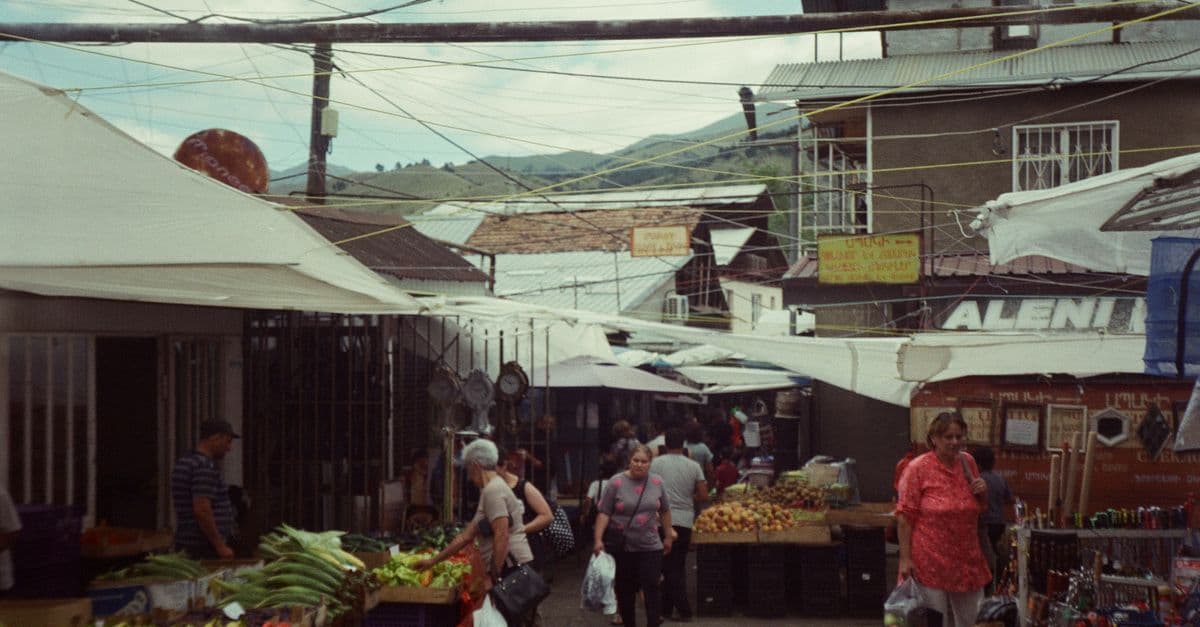
Two points in Canada's money advice are easy to miss. Canadian dollars are extremely difficult to exchange in Costa Rica, while U.S. dollars are easier, and cash withdrawals work with a 4-digit PIN only. Check your PIN length with your bank before you go.
Credit card and ATM fraud occurs. Canada suggests ATMs in well-lit public areas or inside a bank or business, covering the keypad with one hand as you enter your PIN, and checking statements for transactions you didn't make. The Costa Rica Tourism Board adds that some ATMs close from 11 p.m. to 5 a.m., and that bank transactions need your original passport, not a copy or a photo.
Costa Rican authorities may ask to see your ID at any time, so carry your passport securely, including the Costa Rican entry stamp you get at immigration. Keep a photocopy and a digital copy in case the original is lost or seized. Canada also suggests writing down your passport number and your card numbers and keeping that note away from your wallet and phone.
Violent crime is tied mostly to gangs and drugs
Canada's Costa Rica page doesn't use the word cartels. It frames the issue as drug trafficking and gangs. It says violent crime, including murders, armed robberies, burglaries and assaults, does occur. Drug trafficking is common, and most violent incidents are related to gangs and drugs. The most affected provinces are Alajuela, Limón, Puntarenas and San José.
None of those provinces carries a regional advisory. Violent assaults against travellers are not frequent, though they have occurred in Puerto Limón and Puerto Viejo on the Caribbean coast. If you're threatened, Canada says to hand over your cash and valuables immediately without resistance.
Holiday rentals are a target as well. Burglars may be armed with knives or guns and sometimes go after rental accommodation and homes owned by foreigners. Choose well-secured accommodation, lock doors and windows at night and when you're out, and don't confront burglars.
Riptides and rare lifeguards make local advice essential at the beach
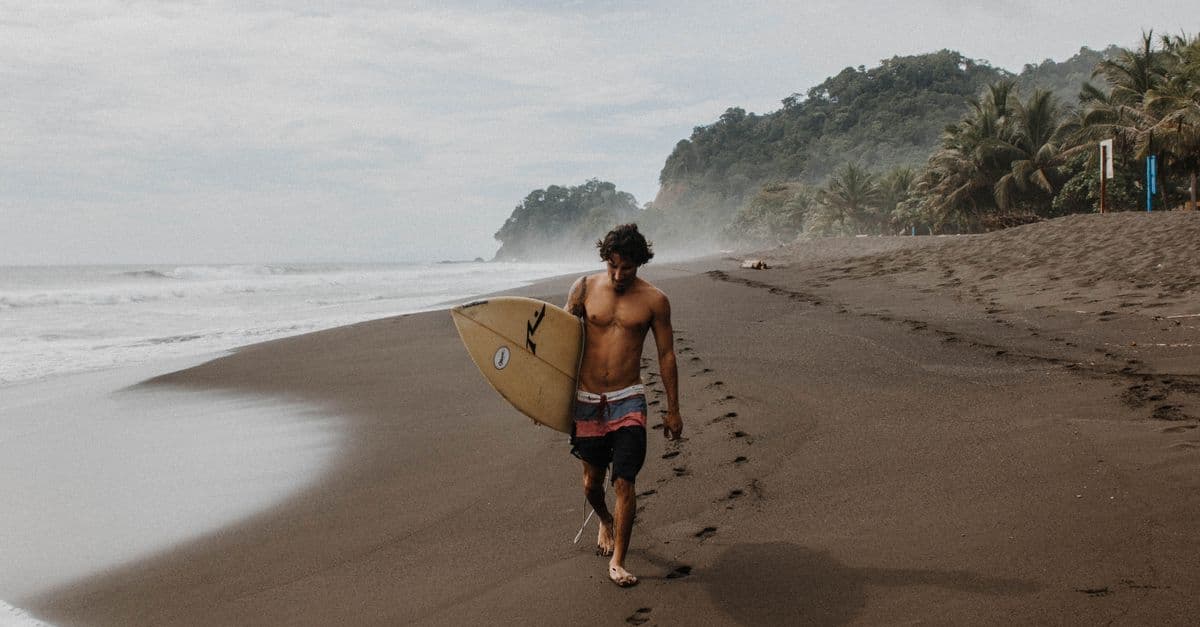
Coastal waters can be dangerous. The Costa Rica page warns that riptides are common, several drownings occur each year, very few beaches are supervised by lifeguards, and there are no warning signs of dangerous conditions. Don't swim alone, after hours or outside marked areas, and ask residents and tour operators where it's safe to go in.
Those points explain the common advice to stay off Costa Rica's beaches at night. Canada lists swimming after hours as something to avoid, says not to camp or sleep overnight on beaches, and advises against isolated areas and walking alone at night. The tourism board adds two beach points of its own: some beaches have crocodiles, so ask locals before you surf, and don't leave belongings unattended on the sand.
A Canadian driver's licence works for up to 180 days, with conditions
A valid Canadian licence lets you drive in Costa Rica for up to 180 days, or for the length of stay granted on your entry stamp, according to Global Affairs Canada. You must also carry your passport when you drive. Photocopies aren't accepted, and you may face a fine if you can't show proper documents when a traffic officer stops you.
Road conditions and road safety are generally poor, and Canada notes that Costa Rica has one of the highest traffic accident rates in the world. Most roads aren't paved, and paved roads are generally in poor condition. Potholes, sharp curves, missing signs, landslides and narrow roads make driving hazardous, especially in the rainy season. Canada also says drivers don't respect traffic laws and often drive without lights after dark, and it advises against travelling at night.
One rule can delay your flight home. After a road accident, the Costa Rican government may stop you from leaving the country until all injury claims are settled, whoever was at fault or insured, and the legal process can take several months. Canada's instructions are to stay at the scene, leave your vehicle where it is until the authorities arrive, and call 911.
Automatic speed cameras are common, and a ticket can arrive by mail. Traffic fines don't have to be paid on the spot: Canada says you can pay them at COSEVI, the Costa Rican Road Safety Council, or at a bank. If a police officer asks you for money, you can complain to the tourism board.
With a flat tire, don't stop in an isolated spot, and be wary of strangers who offer help. The tourism board suggests calling the rental company or 911 instead, and it tells drivers to use a navigation app backed by "a chip or an international data plan." When you rent, Canada says to make sure the agency offers emergency assistance and car insurance.
Official taxis are orange at the airport and red everywhere else
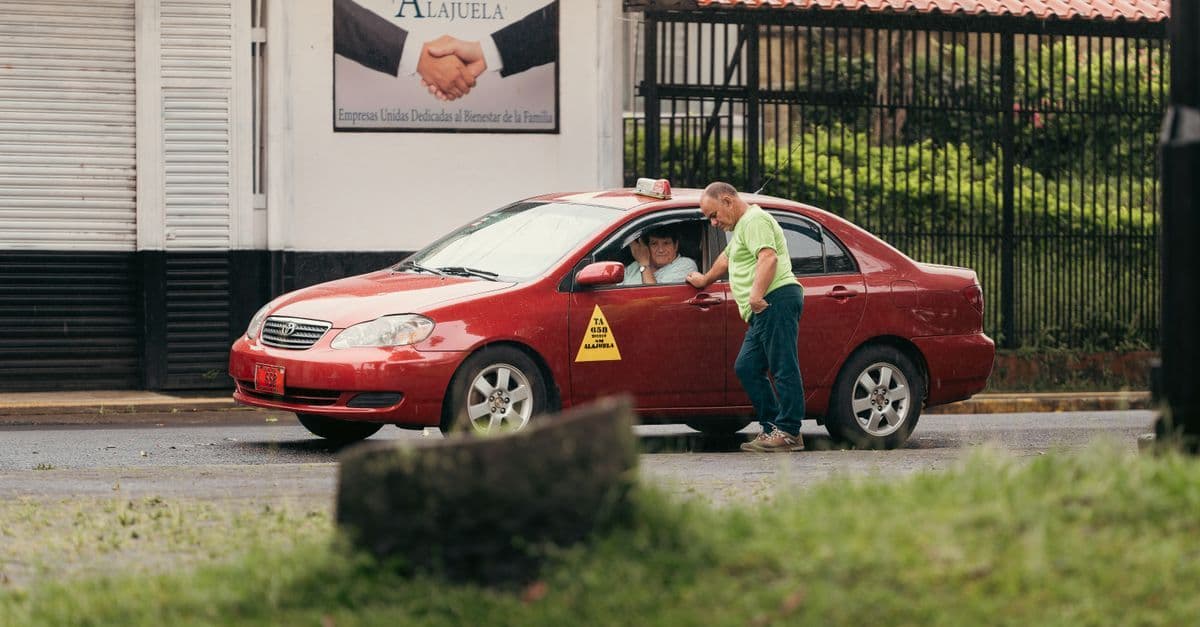
Canada describes official taxis as safe. They're orange at the airport and red with a yellow triangle on the side elsewhere in the country. Its advice is to book one ahead rather than boarding at a taxi stand or flagging one in the street. Note the driver's name and plate number, make sure the meter is running, and never share a taxi.
Public buses are unreliable: schedules and routes may not be accurate, and pickpockets often target tourists on board. Keep your ID and valuables with you rather than in the overhead rack or under your seat, and try not to sleep. Police also check passengers on public transportation to find foreigners who have overstayed, so always carry proof of your legal stay.
Women and solo travellers get specific warnings
Women travelling alone may face some harassment or verbal abuse, Canada warns, and sexual assaults against foreigners have occurred at beach resorts and by taxi drivers in San José.
Snacks, drinks, gum and cigarettes may contain drugs that put you at risk of sexual assault or robbery, so be wary of accepting them from new acquaintances and never leave food or drinks unattended. Canada also reports casualties from unregulated alcohol containing high levels of methanol. Buy alcohol from reputable places, and get medical help if you start to feel sick.
For solo trips, the tourism board says to use official transportation only and to avoid walking or sightseeing alone in secluded areas, especially at night. It also suggests keeping your itinerary off social media and away from strangers, and staying in touch with family and friends. It adds that visitors can trust the police.
Adventure tours call for a guide, a park permit and the right insurance
White-water rafting, scuba diving, bungee jumping and canopy tours can be dangerous if you're unprepared. Canada notes that trails are rarely marked, weather can change quickly, and safety features on small boats used for river and lake trips aren't always reliable. Never go alone, stay on marked trails, and get a permit before you enter a national park, since unauthorized entry can bring a fine. The tourism board suggests travelling in groups with an experienced tour guide, and asking a professional guide or a local about a trail before you set out.
Canada also asks adventure travellers to buy insurance that includes helicopter rescue and medical evacuation. Read the exclusions too: Canada's guidance on travel health insurance suggests checking whether a policy leaves out activities such as scuba diving or extreme sports.
For families, the tourism board says zip-lining is permitted from age 6, with a minimum weight of 22 kg (48.5 lb) and a minimum height of 1.45 m. Rafting generally starts at age 8, though the minimum depends on the tour, the season, the river level and the company.
Health care is good, but your provincial plan pays little abroad
Canada rates health care in Costa Rica as very good. Public hospitals offer very good services throughout the country, but waits may be long and doctors rarely speak English or French. Private clinics and hospitals, mainly in San José, provide excellent care, can be expensive, and typically require payment up front. Emergency services may be limited in rural areas.
Up-front bills matter for Canadians. The same insurance guidance warns that your provincial or territorial health plan may cover none, or only a small part, of medical costs abroad, and that it will never pay your bills up front. The Costa Rica page asks you to get travel insurance that covers medical evacuation and hospital stays.
The page lists travel health notices for chikungunya and measles. It also flags dengue and Zika, and malaria in certain areas or at certain times of year. Canada recommends seeing a health care provider or travel health clinic, preferably 6 weeks before your trip, and says it's still worth booking if your departure is sooner.
Rain, earthquakes and volcanoes have their own official warnings
Heavy rains, particularly from mid-May to the end of November, can cause severe flooding, flash floods and landslides, Canada says. River levels can also rise from rain in surrounding areas, even when it's dry where you are. Hurricane season runs from mid-May to the end of November in the Pacific, and from early June to the end of November in the Atlantic and the Caribbean Sea. A trip in October or November falls inside both windows, and our guide to rainy and dry months by coast shows how the seasons differ between the Pacific and the Caribbean.
Costa Rica is in an active seismic zone, where earthquakes and tremors occur regularly. A tsunami can arrive within minutes of a nearby earthquake, so learn your area's evacuation plan if you're staying on the coast. Arenal, Poás, Rincón de la Vieja and Turrialba are among the active or potentially active volcanoes, and eruptions sometimes lead to evacuations on short notice.
For warnings on the ground, Costa Rica's National Meteorological Institute (IMN) posts weather notices and a road forecast, and the Volcanological and Seismological Observatory (OVSICORI) publishes volcanic activity levels and live crater cameras for Poás and Turrialba. Both sites are in Spanish. Canada's page also points to the National Commission for Risk Prevention and Emergency Response (CNE) for emergency information.
Winter-long stays come with a 180-day limit and property risks
Travellers on a regular Canadian passport don't need a tourist visa for stays of up to 180 days, but the immigration officer decides your permitted stay when you arrive. Customs officials will ask to see a return or onward ticket and proof that you have enough money for your stay.
Overstaying the 180-day period can lead to deportation, and people deported from Costa Rica can't re-enter for 5 to 10 years. To stay longer, you need residency status from the Dirección General de Migración y Extranjería, Costa Rica's immigration department. Canada notes that entry rules can change at any time, so confirm them with Costa Rica's representatives in Canada before you book.
Thinking of buying a place? Canada warns that disputes over property and other investments are costly and take time to resolve. Get legal advice in Canada and in Costa Rica before you commit, choose your own lawyer, and avoid one recommended by the seller.
A working phone makes this advice easier to follow
Several steps in this guide work better with your phone online, such as booking an official taxi ahead, following a navigation app on back roads and checking the IMN's road forecast. Our Costa Rica plans connect through Claro's 4G network and are data only. To choose a plan size, try our trip data calculator, which estimates how much data your maps, messages and browsing will use.
On a dual-SIM phone, a HelloRoam eSIM runs as a second line, so your Bell, Rogers or Telus number can stay on for calls and texts. Calls and texts on that line follow your carrier's roaming rates, so check them before you go. Install it at home over Wi-Fi with our steps for adding an eSIM on iPhone or Android, after you confirm your model is on the list of phones that accept a travel eSIM.
You may not need a travel eSIM at all if your whole trip stays inside a resort with dependable Wi-Fi; our planning notes on Costa Rica all-inclusive stays look at what resorts include. For a local number on a long stay, the tourism board points to the Kölbi booth at the airport for a prepaid SIM card. If you're still deciding between an eSIM and your carrier's plan abroad, our roaming cost comparison for Canadians sets the two side by side.
911, the OIJ and Canada's emergency centre can help when things go wrong
For any emergency in Costa Rica, dial 911. The tourism board notes that you don't need a local line to call it.
After a theft, Canada's advice is to move to a safe place, report it to local police and ask for a police report. You don't need one to replace a passport, but it may help with insurance claims. The U.S. Embassy's guide for crime victims explains who takes the report: the uniformed Fuerza Pública handles crime prevention, while the plain-clothes OIJ is the only agency that can take reports and investigate crimes.
Global Affairs Canada's Emergency Watch and Response Centre in Ottawa provides consular help at any hour, and its emergency contact options include phone, text, WhatsApp, Signal and email:
| Who | Contact | When |
|---|---|---|
| Emergency services in Costa Rica | 911 | Any emergency |
| Embassy of Canada, San José | (506) 2242-4400 or sjcraconsular@international.gc.ca | Business hours; the embassy also serves Canadians in Honduras and Nicaragua |
| Emergency Watch and Response Centre, Ottawa | Toll-free from Costa Rica: 0-800-015-1161, or +1-613-996-8885 (call collect where available) | Consular emergencies, any time |
| The same centre, by message | WhatsApp +1-613-909-8881, Signal +1-613-909-8087, SMS +1-613-686-3658, or SOS@international.gc.ca | Any time; carrier charges may apply |
The embassy is at La Sabana Executive Business Centre, Building No. 5, 3rd Floor, behind the Contraloría General de la República in San José. Consular staff can help replace a lost or stolen passport, give you local police contacts after a robbery and share a list of local lawyers. They can't replace plane tickets, and documents such as a driver's licence or health card can only be replaced in Canada.
Questions travellers ask
Is the tap water safe to drink in Costa Rica?
The Costa Rica Tourism Board says tap water is completely drinkable and recommends bottled water only in a few rural areas. Canada's health advice for the country still asks travellers to follow safe food and water precautions, so ask your hotel when you're unsure and choose bottled water in remote spots.
Is San José safe to walk around at night?
Take extra care. Canada names the inner downtown, the Coca-Cola bus terminal area, the Mercado Central area and public parks as theft hotspots, and it advises against walking alone at night. The tourism board suggests asking your hotel's front desk for the safest routes and ways to get around after dark.
Can a dual-citizen child leave Costa Rica on a Canadian passport?
Only with Costa Rica's approval. According to Global Affairs Canada, the Canadian passport of a child who is also a Costa Rican citizen needs a departure approval from Costa Rican immigration, requested jointly by both parents before leaving. A dual-citizen child travelling unaccompanied also needs legally certified written consent from both parents. Confirm the steps with the Embassy of Costa Rica in Canada.
Sources
- Costa Rica travel advice (Government of Canada)travel.gc.ca
- Mexico travel advice (Government of Canada)travel.gc.ca
- Dominican Republic travel advice (Government of Canada)travel.gc.ca
- Jamaica travel advice (Government of Canada)travel.gc.ca
- Nicaragua travel advice (Government of Canada)travel.gc.ca
- Panama travel advice (Government of Canada)travel.gc.ca
- Cuba travel advice (Government of Canada)travel.gc.ca
- Registration of Canadians Abroadtravel.gc.ca
- Lost or stolen belongings outside Canadatravel.gc.ca
- Trip interruption and travel health insurancetravel.gc.ca
- Request emergency assistance outside Canadatravel.gc.ca
- Travel and safety tips (Costa Rica Tourism Board)visitcostarica.com
- Instituto Meteorológico Nacional (IMN)imn.ac.cr
- Observatorio Vulcanológico y Sismológico de Costa Rica (OVSICORI-UNA)ovsicori.una.ac.cr
- Victims of crime (U.S. Embassy in Costa Rica)cr.usembassy.gov
Written by
HelloRoam Team
The HelloRoam editorial team writes about eSIM technology, travel connectivity, and mobile data tips for international travelers.