


London, England Weather: Canadian Traveller's Guide

Quick Answer: London, England Weather at a Glance

London, England runs on a temperate oceanic climate: mild, rarely extreme, and grey far more often than genuinely wet. July highs average 24°C. January overnight lows hover around 2°C. According to BBC Weather, the city sees roughly 109 rainy days spread across the year, with total annual rainfall around 600mm, below Toronto's average and less than most major Canadian cities see in a typical year.
That's the climate in plain terms.
Key fact: HelloRoam UK eSIM plans start at ~C$1.92 for 1GB over 7 days on O2's 5G network.
For eSIM setup basics before you board, What Is an eSIM? explains the process clearly.
The numbers tell one story. The month-by-month detail tells a more useful one.
How London Weather Compares to What Canadians Know
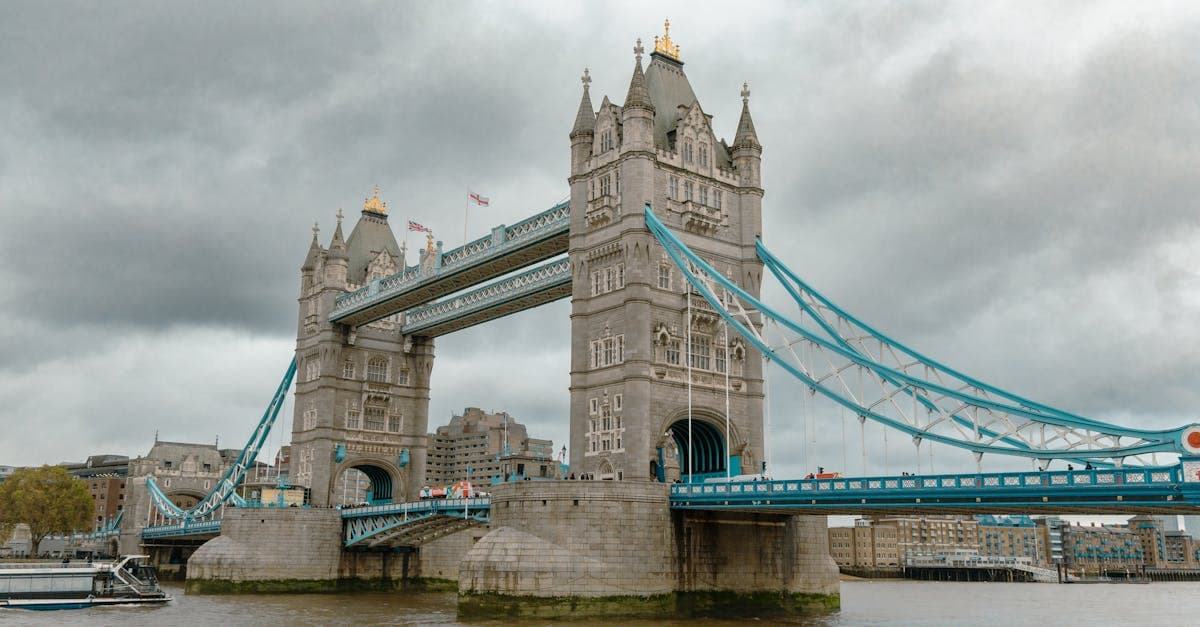
London winters are meaningfully milder than any major Canadian city. A January day in London averages a high of 8°C; Toronto's January high sits at minus 1°C, according to The Weather Network. The snowfall gap is even wider: London averages roughly 12cm per year against Toronto's approximately 115cm weather.gc.ca.
Most Canadians arrive expecting drama. The surprise is how sensible the conditions actually are.
Here's the distinction that matters most: London isn't rainy, it's overcast. The city logs around 1,633 sunshine hours annually bbc.com, compared to Toronto's roughly 2,066. That gap explains the perpetual grey better than any rainfall total does. Londoners aren't sheltering from downpours; they're living under low cloud cover for long stretches. Travellers from Vancouver will recognize the atmosphere immediately, though even they might find London's grey more persistent.
Summer is cooler than many Canadian visitors expect. July highs in London trail Toronto's 27°C average by a few degrees. Occasional heat spells happen, but they're the exception, not the pattern. Layering is sensible regardless of which season brings you over.
The real upside for Canadians? Extreme weather events are genuinely rare. No polar vortex, no ice storm, no heat dome shutting the city down. The range stays narrow; conditions stay predictable. For anyone accustomed to planning around weather extremes, that reliability is quietly reassuring.
Breaking down the myth is useful. Month-by-month specifics are more useful still.
Rainfall Reality: London vs. Major Canadian Cities
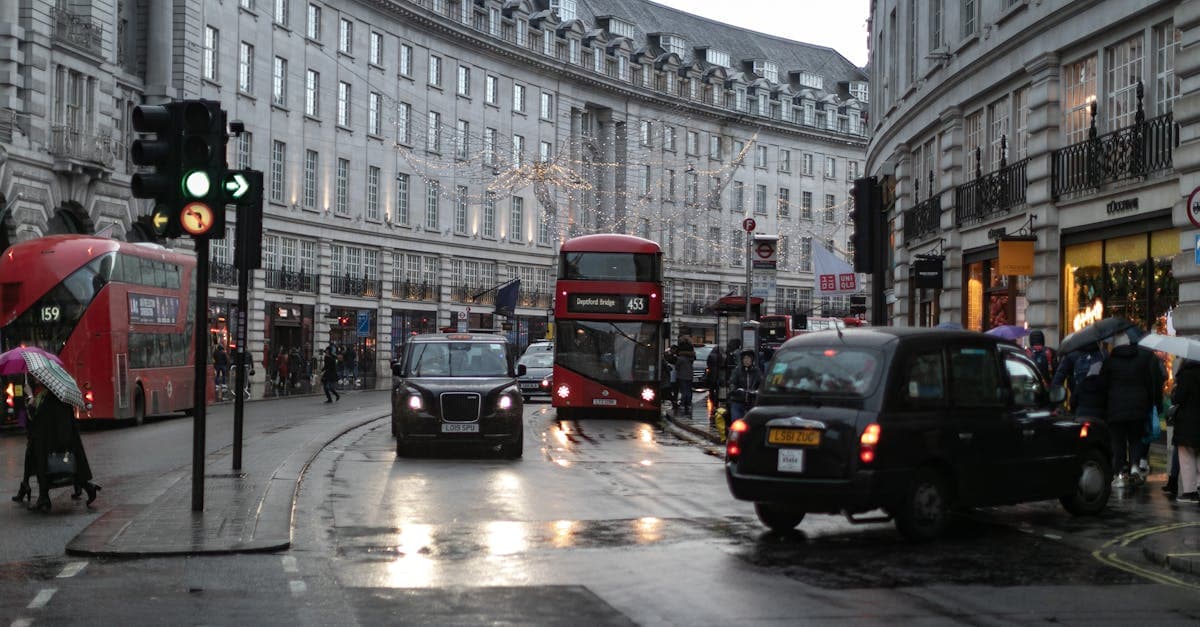
The global comparison reframes London's rainfall completely. New York City receives around 1,200mm annually; Miami logs around 1,500mm. London's annual rainfall total of approximately 600mm bbc.com sits well below both cities and below Rome's approximately 800mm as well.
The rainy day count tells a similar story. According to The Weather Network, Toronto averages 138 wet days each year, considerably more than London's approximately 109 rainy days annually. Torontonians will experience more wet days at home than during a London trip.
Monthly distribution matters for packing decisions. October is London's wettest month at 68mm, which catches visitors off guard; most assume July is the worst of it. February is the driest at 40mm. Summer months sit in a narrow band between 43mm and 49mm bbc.com, consistent and easy to plan around.
Light drizzle. Not downpours.
With the rainfall myth cleared up, the monthly calendar comes into focus.
London Weather Month by Month: Temperatures and Rainfall
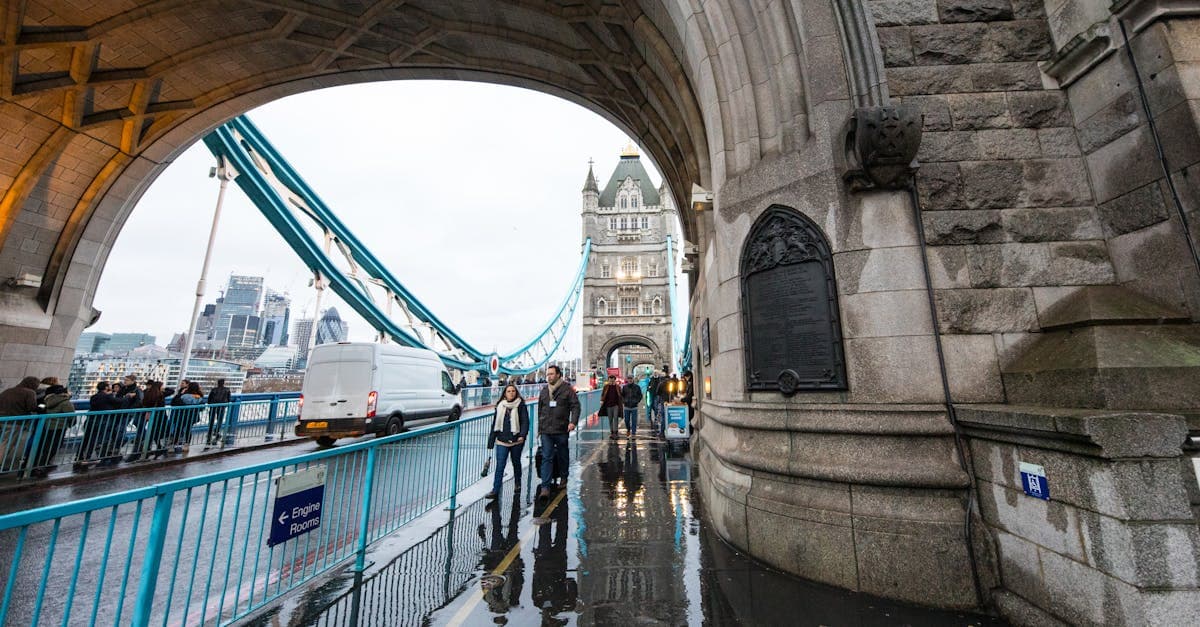
London's weather follows a clear seasonal rhythm, with no dramatic extremes in any direction. Temperatures move from cold grey winters through a mild spring, peak in a warm summer, and ease back through autumn. Rainfall stays fairly even all year without a true dry season, which separates London from Mediterranean climates where summer is reliably and completely dry.
January to March
The first three months are the coldest. January highs average around 8°C; February is slightly drier and a degree warmer, with highs near 9°C. March turns tentatively toward spring, with temperatures reaching 11°C on milder days, though overnight frost remains possible. Days are predominantly grey and short, which is the part that catches Canadians off guard: not the temperature, but the relentless overcast.
April to May
April is where London genuinely begins to reward visitors. Temperatures range from 6°C at night to 14°C during the day, and the royal parks show their first colourful blooms. May is the month many Canadians underestimate: highs reach 18°C, daylight extends noticeably, and the city feels lively without the weight of peak-season crowds. Showers remain regular but are usually brief, often broken by stretches of clear sky.
June to August
The warmest stretch of the year, with highs occasionally climbing above these averages during prolonged heat spells bbc.com. Daylight extends well into the evening, which makes outdoor evenings viable in a way that January simply cannot match. Tourism peaks alongside the temperature. Expect full Tube carriages, museum queues, and outdoor festivals spread across every park in the city.
September to October
September may be the shrewdest month to visit London. Highs stay around 20°C, crowds thin at major attractions, and the afternoon light turns golden across Regent's Park and along the South Bank. October cools to highs around 15°C, and rainfall edges upward from the summer average, so a waterproof layer belongs back in the bag.
November to December
Cold and grey return. November highs hover around 11°C; December drops to 8°C with overnight lows near 3°C. Festive markets appear along the South Bank and in Covent Garden from late November, and Winter Wonderland opens in Hyde Park, giving the shorter days a seasonal warmth that compensates for the chill.
A December evening at Borough Market and a July afternoon along the Southbank call for entirely different bags. The packing logic follows from the season.
What to Pack for London Weather: A Seasonal Checklist

The single most useful item for any London trip, regardless of season, is a compact umbrella or packable rain jacket. Weather can shift quickly, and overcast days convert to light drizzle without warning. After that, the packing list varies by season, but the logic stays consistent: layers work; bulk does not.
Layering over bulk
Temperatures can move 8 to 10°C between morning and afternoon on the same day. A heavy parka that was sensible at 8 am becomes a burden by 2 pm in September. The practical solution is a wool or fleece mid-layer you can pull off and stuff into a day bag, paired with a waterproof outer shell as the top layer.
Winter trips (November to March)
Pack a wool mid-layer, a waterproof outer shell, and ankle boots with a waterproof lining. The cold in London is damp rather than sharp, which penetrates light jackets faster than Canadian dry-cold does at the same temperature. A scarf is useful; full-length insulated down is overkill for daytime walking temperatures, though it proves worthwhile on the overnight flight home.
Summer trips (June to August)
Leave the heavy coat at home. Light layers, a waterproof shell, and comfortable walking shoes cover almost everything. Pack sunscreen for the occasional full-sun day, even if those days arrive less reliably than a week in Portugal.
Autumn trips (September to October)
A waterproof outer layer and shoes with solid grip are the priority. London's cobblestone streets and the wet flagstones around Borough Market and Covent Garden get slippery after rain, and October delivers rain more often than not. Breathable waterproofs outperform umbrellas here, since the walking distances between attractions are substantial.
One carry-on, sensibly packed, handles two weeks in London comfortably across any season.
Gear sorted. Connectivity is the next practical question before departure.
Staying Connected in London, England
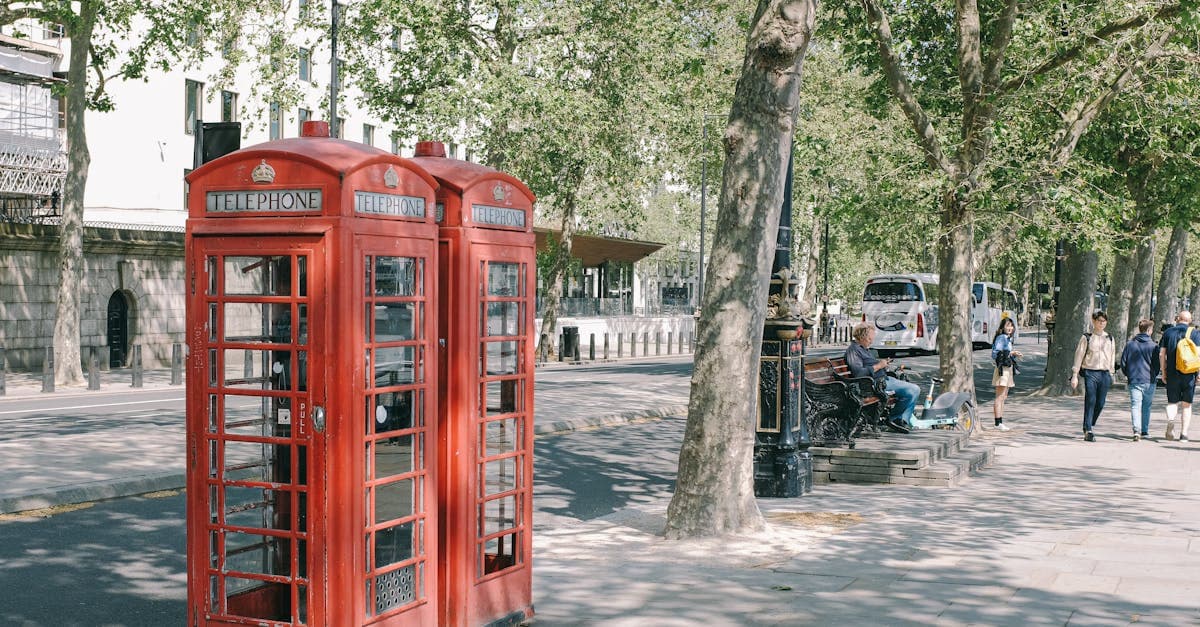
Most Canadian phones are unlocked by CRTC regulation, meaning your Rogers, Bell, or Telus handset works on UK networks without any carrier intervention. The UK runs 4G LTE and 5G on standard frequencies compatible with unlocked North American handsets, covering central London and most of England reliably. You have three realistic options for data in London: carrier roaming, a local eSIM, or a physical UK SIM.
Carrier roaming through the Big Three runs at a flat daily rate that accumulates quickly over a two-week trip. For longer stays, the total tends to surprise.
eSIM plans for UK travel start at ~C$1.92 for 1GB over 7 days on O2's 5G network. HelloRoam supports UK coverage on the O2 network, and the plan activates before you clear Heathrow customs, so maps and messaging apps are live the moment your train pulls into Paddington.
Physical SIM kiosks operate at all major Heathrow terminals and at central London rail stations including Paddington, King's Cross, and Waterloo. Queue times vary by season; buying a plan before departure removes the wait entirely.
A note on public WiFi
Central London has extensive public WiFi across the Tube network and most cafés. Reliable it is not. Navigation apps drop connections in underground sections, and TfL Wi-Fi works inconsistently past central zones. Treating public WiFi as a supplement to a mobile data plan, rather than a standalone solution, is the sensible approach for a city where most navigation happens underground or on foot across long distances.
Connectivity is settled before departure. The remaining question is picking the right month to go.
Does London Rain as Much as Canadians Expect?
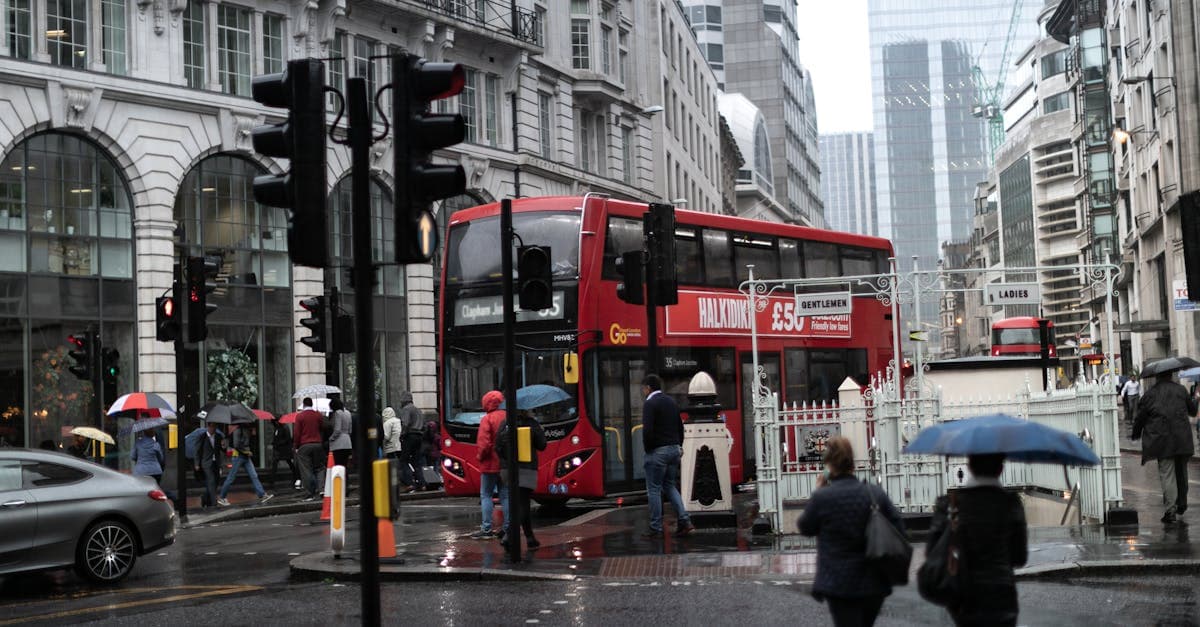
No. London's rain reputation oversells the volume and undersells the grey. London's annual rainfall of approximately 600mm bbc.com comes in well below cities like Rome and Miami. What visitors actually encounter is persistent light drizzle across more days of the year, not sustained downpours that cancel outdoor plans or leave you soaking through a second layer.
Stand outside the Tate Modern on an October afternoon: a light drizzle, enough to notice, not enough to drive you inside. That's the texture of London weather for most of the year.
The real gap from Canadian conditions is sunshine. That shortfall (roughly 430 fewer annual hours than Toronto) explains the pervasive greyness far better than any rainfall figure theweathernetwork.com. Londoners describe their skies as overcast by default; they're accurate, but those skies rarely open the way they do during a Canadian thunderstorm or a Prairie downpour.
Outdoor plans are rarely cancelled.
A compact rain jacket handles the majority of London weather days. A heavy waterproof is overkill for anything outside November or early March. The month-by-month calendar confirms that even October, the wettest month by volume, rarely delivers more than a persistent dampness that most Canadians would shrug off without a second thought.
Pack the jacket, ignore the reputation, and focus on timing the trip.
What Is the Best Time to Visit London from Canada?

May and September offer the best balance: mild temperatures, workable crowd levels, and fares from YYZ that haven't reached peak summer pricing. July is London's warmest month bbc.com, but also its busiest and most expensive for flights from Canada.
A practical breakdown by travel goal:
- May or September: Temperatures in the mid-teens Celsius, crowds well below the July peak. May brings Chelsea Flower Show; September delivers a quieter, golden city.
- July: Warmest, but congested. Flights from YYZ cost the most during this window. Book accommodation well ahead.
- February: Cheapest fares from Canada. Cold and grey, but the British Museum and National Gallery operate with noticeably shorter queues.
- December: Christmas markets around Covent Garden and South Bank make the cold and grey skies a fair trade.
- August bank holiday (late August): Central London accommodation prices spike sharply. Avoid unless you've pre-booked months ahead.
September is the clear pick. Summer warmth, autumn prices.
Reviewed by HelloRoam's editorial team. Last updated: 26 April 2026.
Get Connected Before You Go


Frequently Asked Questions
No. London receives approximately 600mm of rainfall annually, well below cities like Rome, Miami, and most major Canadian cities. What visitors actually experience is persistent light drizzle on more days of the year, not heavy downpours. The bigger difference from Canadian conditions is London's significantly lower sunshine hours, which creates the pervasive grey skies the city is famous for.
London winters are significantly milder than Toronto's. A typical January day in London averages a high of 8°C, while Toronto's January high is around -1°C. London also receives roughly 12cm of snow per year compared to Toronto's approximately 115cm. However, London sees fewer annual sunshine hours (around 1,633) compared to Toronto (around 2,066), making it noticeably greyer.
May and September offer the best overall balance of mild temperatures, manageable crowds, and lower flight costs from Canada. July is London's warmest month but is also the busiest and most expensive for flights from Toronto. February offers the cheapest fares but comes with cold, grey conditions.
London winter highs range from 8 to 9°C, with overnight lows around 2 to 3°C in January and February. The cold is damp rather than sharp, which can feel more penetrating than Canadian dry-cold at similar temperatures. Frost is possible in early spring but extreme cold events are rare.
Snow is rare in London. The city averages roughly 12cm of snowfall per year, compared to Toronto's approximately 115cm. When snow does fall, it rarely accumulates significantly. Canadian travelers accustomed to heavy winter snowfall will find London winters notably mild.
October is London's wettest month, receiving around 68mm of rainfall. This surprises many visitors who expect July to be the worst. February is actually the driest month at around 40mm. Summer months sit in a consistent band of 43 to 49mm, making them relatively easy to plan around.
London summer highs average around 21°C in June, 24°C in July, and 23°C in August. These temperatures are a few degrees cooler than Toronto's average July high of 27°C. Occasional heat spells push temperatures above these averages, but they are the exception rather than the norm.
September is widely considered one of the best months to visit London. Temperatures stay around 20°C, major attraction crowds thin out compared to the July and August peak, and afternoon light takes on a golden quality across parks and along the South Bank. Rainfall is also lower than October.
The single most important item regardless of season is a compact umbrella or packable rain jacket, as weather can shift quickly from overcast to light drizzle. Layering is essential since temperatures can swing 8 to 10°C between morning and afternoon. Waterproof footwear is especially important in autumn and winter when cobblestone streets and flagstones become slippery.
For a winter trip from November to March, pack a wool or fleece mid-layer, a waterproof outer shell, and ankle boots with waterproof lining. London's damp cold penetrates light jackets faster than Canadian dry-cold at the same temperature, so layering is key. A full-length insulated down coat is generally overkill for daytime walking temperatures.
For a summer visit from June to August, leave the heavy coat at home and bring light layers, a waterproof shell, and comfortable walking shoes. Pack sunscreen for the occasional full-sun days. A compact rain jacket still belongs in your bag since overcast conditions can convert to light drizzle without warning.
Most Canadian phones are unlocked by CRTC regulation, meaning handsets from major Canadian carriers work on UK networks without any additional steps. The UK operates on 4G LTE and 5G frequencies compatible with unlocked North American devices. Central London and most of England are reliably covered.
Canadian travelers have three main options for data in London: carrier roaming through their home provider, a travel eSIM plan, or purchasing a physical UK SIM card on arrival. Carrier roaming charges a flat daily rate that adds up quickly on longer trips. eSIM plans for UK coverage can be activated before departure so your phone is ready the moment you land. Physical SIM kiosks are available at Heathrow terminals and major central London rail stations.
UK eSIM plans for Canadian travelers start at approximately C$1.92 for 1GB over 7 days on 5G networks. The plans activate before departure, so you have data connectivity immediately upon arrival without waiting in SIM card queues at the airport. Purchasing before your trip removes the uncertainty of airport kiosk availability and queue times.
Central London has extensive public WiFi across the Tube network and most cafes, but reliability is inconsistent. Navigation apps lose connections in underground Tube sections, and transport network WiFi works inconsistently past central zones. Treating public WiFi as a supplement to a mobile data plan rather than a standalone solution is the practical approach for getting around London.
Travelers from Vancouver will recognize London's atmosphere most immediately among Canadian cities. Both cities share persistent cloud cover and mild, damp conditions rather than dramatic precipitation. However, London's grey skies tend to be even more persistent than Vancouver's, and London sees fewer sunshine hours annually.
London sees approximately 109 rainy days per year according to BBC Weather. By comparison, Toronto averages around 138 wet days annually, meaning Canadians from Toronto will statistically experience more wet days at home than during a London trip. Most London rain arrives as light drizzle rather than sustained downpours.
May and September offer the best combination of pleasant weather and manageable crowd levels. Both months see temperatures in the mid-to-upper teens Celsius, and major attractions are significantly less congested than during the July and August peak. September in particular offers golden afternoon light and a quieter, more local atmosphere across the city.
Sources
- London, ON Current Weather — theweathernetwork.com
- London, ON — weather.gc.ca
- London, ON Hourly Forecast — theweathernetwork.com
- London - BBC Weather — bbc.com
- London, ON Weather | Forecast Conditions — globalnews.ca
- London Weather — ctvnews.ca
- 10-day weather forecast for Stoney Creek, London, Ontario — weather.com (2032)