

Quick Answer: Costa Rica All-Inclusive at a Glance
The two main all-inclusive corridors in Costa Rica are Guanacaste in the northwest and the Central Pacific coast, anchored by Manuel Antonio. These aren't interchangeable options. They're built for different trips, and airport access is typically the first filter.
The landscape split shapes what you'll actually do on the trip. Guanacaste delivers dependable dry-season sunshine, flat Pacific beaches, and large resort complexes with the full-service AI range. The Central Pacific is greener and wetter year-round, positioned closer to wildlife corridors and the national parks that define Manuel Antonio's character. Properties here tend to weave more nature-based programming into their packages: boat tours, canopy walks, guided wildlife walks through the park.
Each region offers a distinct experience.
What Does "All-Inclusive" Mean at a Costa Rica Resort?
A standard Costa Rica all-inclusive covers three meals daily, house beverages, and access to pools, beach areas, and basic resort facilities across both Guanacaste and the Central Pacific. What's bundled varies by property and corridor, but those elements form the consistent baseline.
Guanacaste sits on Costa Rica's northern Pacific coast with a measurable climate advantage: the dry season runs November through April, delivering near-certain sunshine and low humidity for most of the peak travel window. That predictability is the main draw for Canadians planning a winter escape from Winnipeg or Ottawa.
Liberia International (LIR) handles arrivals directly. Air Canada and WestJet run seasonal service from Toronto Pearson (YYZ) and Vancouver International (YVR), with charter carriers adding capacity through winter months. Transfers to Papagayo Peninsula resorts are short compared to other Costa Rica airports.
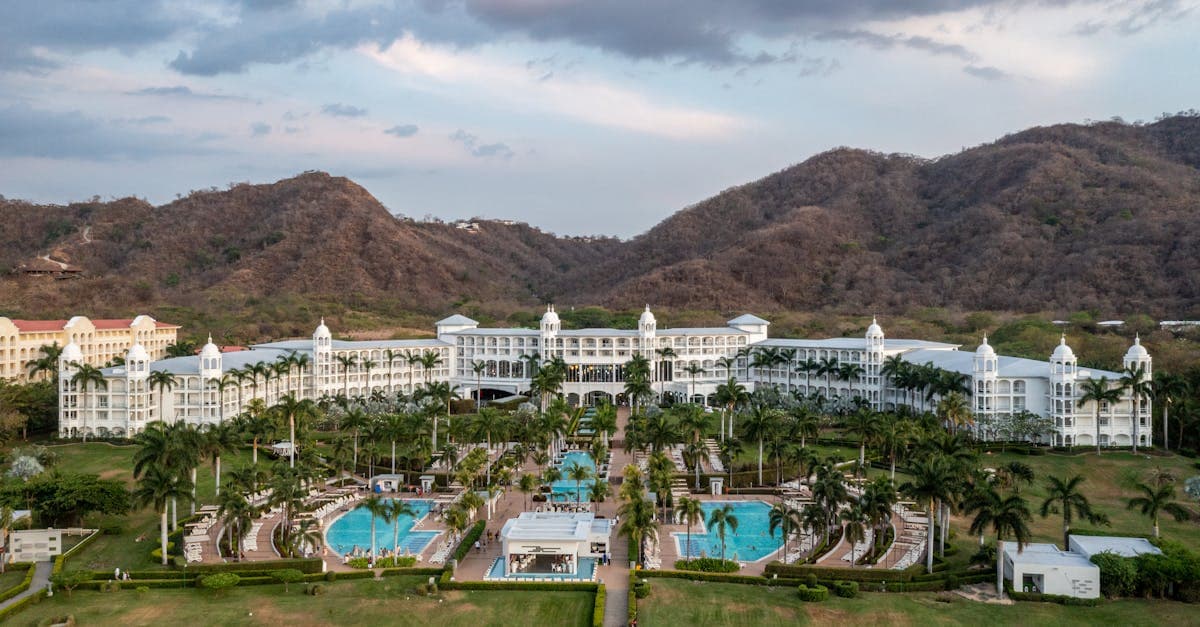
The Papagayo Peninsula and the Tamarindo corridor hold the major all-inclusive resorts in this region. Papagayo, a sheltered bay north of LIR, houses some of the most fully equipped properties in Central America, with multiple restaurants, swim-up bars, water sports centres, and full-day kids' programming. Tamarindo is more village-scale, with resort options and independent restaurants within walking distance of each other.
Larger Guanacaste complexes come closest to the Caribbean-style AI format among Costa Rica's resort areas, with drink service through resort hours standard at most major properties.
Costa Rica All-Inclusive Regions: Where to Stay
Costa Rica all-inclusive properties concentrate in two main corridors: Guanacaste on the Pacific northwest coast, and the Central Pacific around Jacó and Manuel Antonio. Those two regions hold the bulk of the resort inventory, and they attract different kinds of trips.
The airport split matters more than most travellers expect. Guanacaste resorts sit closest to Liberia International (LIR), a short transfer from most properties. The Central Pacific runs off San José (SJO), which adds a two-to-three-hour drive south on the Costanera Sur highway.
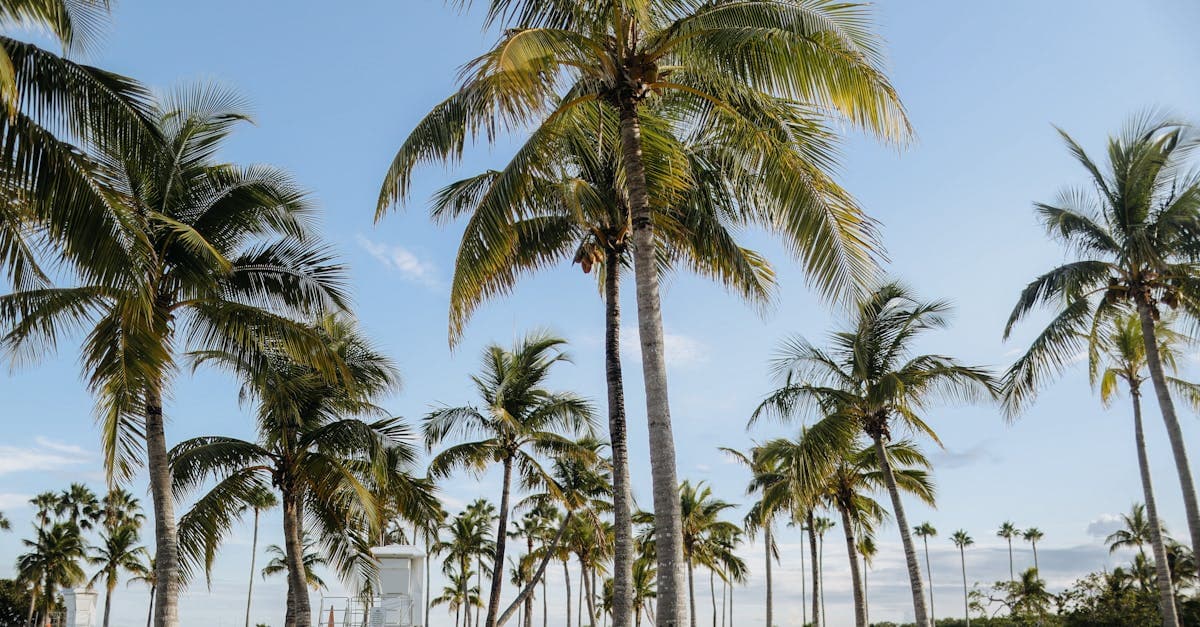
Landscape draws the sharpest line. Guanacaste trades in dry-season predictability: sunburnt beaches, flat roads, and an afternoon heat you can feel pressing in off the Gulf of Papagayo. The Central Pacific is wetter, greener, and backed by jungle that edges right to the sand. Manuel Antonio gets real rainfall well into April.
Travel pace separates them cleanly. Guanacaste suits guests who want beach days and minimal movement. The Central Pacific rewards anyone willing to add a jungle hike between resort mornings.
Which corridor you pick determines more than your view. It shapes your transfer, your weather window, and how far you'll venture beyond the resort gates.
Guanacaste: Sun-Reliable Pacific Coast
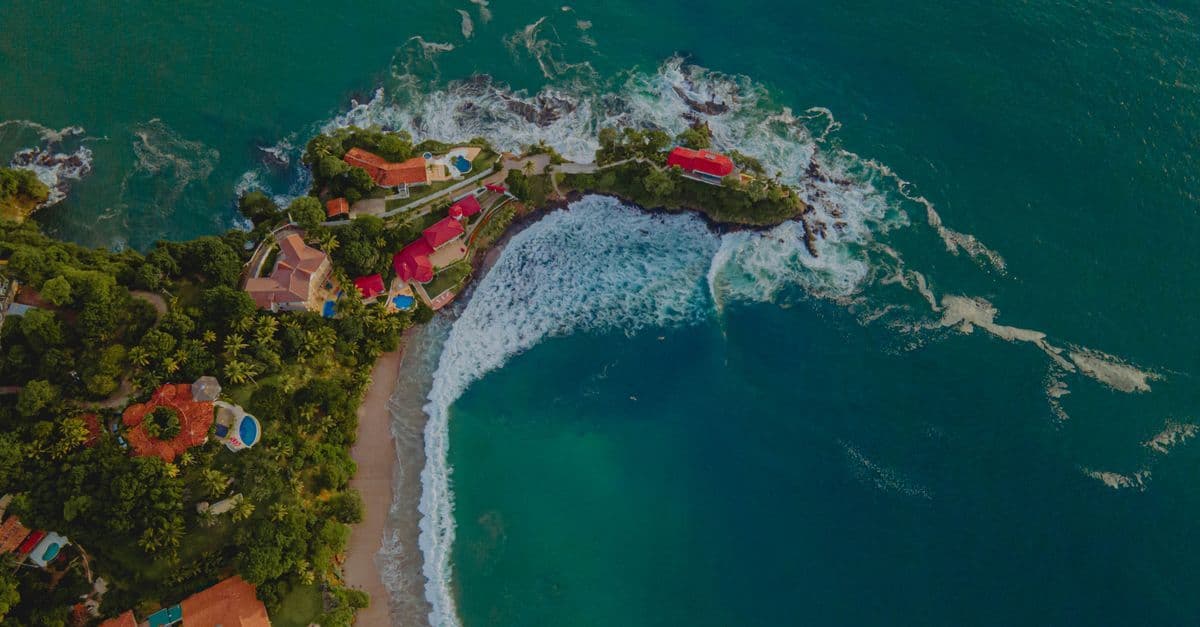
The dry season runs November through April in Guanacaste, delivering near-certain clear skies across the Pacific coast. That weather window is the primary reason Canadian families book here in winter rather than July.
Direct charters from Toronto Pearson (YYZ) and Vancouver (YVR) land at LIR, Liberia International Airport. You clear customs and you're pulling into your resort under an hour later. Compare that with the transfer from SJO, and the logistics alone make LIR the practical choice for a beach-focused trip.
The two main resort zones are the Papagayo Peninsula, just north of Liberia, and Tamarindo, further south along the coast. Papagayo draws the larger all-inclusive complexes, with multiple pools, beachfront access, spa facilities, and several dining options bundled into one rate. Tamarindo runs a bit looser, with more of a surf-town feel, though solid all-inclusive properties operate there as well.
The trade-off is the season itself. Show up in September and you're gambling on rain. Guanacaste earns its reputation only within that November-to-April window.
Manuel Antonio and the Central Pacific
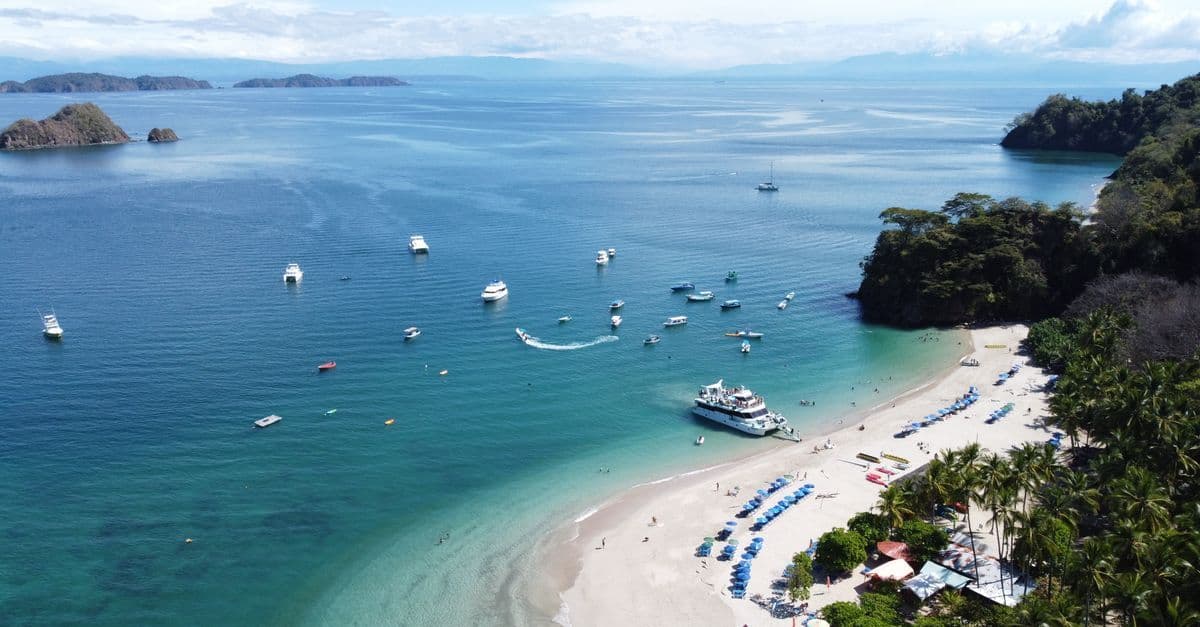
All-inclusive options in the Central Pacific run smaller than in Guanacaste, with most properties offering 20 to 80 rooms rather than 400-plus, set within reach of Manuel Antonio National Park. For Canadians who want wildlife without booking a separate excursion, that proximity is the actual selling point.
Drive three hours south of SJO and the all-inclusive landscape changes completely. Manuel Antonio doesn't look like Guanacaste. There are no sprawling mega-resorts with 600 rooms and a swim-up bar visible from the highway. What you get instead are boutique properties where sloths hang in the trees above the breakfast terrace and white-faced capuchins wander the path between the restaurant and the beach.
That's not something most resort brochures lead with.
Trails start metres from some resort gates, and the animals don't observe property boundaries. Scarlet macaws are a constant overhead presence.
The catch is scale. Fewer properties competing for guests can mean a thinner selection of bundled activities in the base rate.
Green season (May to November) brings the strongest value at Central Pacific properties. Package rates drop compared to dry-season pricing, and the region stays lush and photogenic year-round. Rain tends to arrive in afternoon bursts rather than full-day downpours, leaving mornings reliably clear.
Knowing the region helps, but knowing what's actually included in your package matters equally.
What a Costa Rica All-Inclusive Package Actually Covers
A standard Costa Rica all-inclusive covers three meals daily, house beverages (beer, house spirits, soft drinks, and coffee), and access to pools, beach areas, and basic resort facilities. That's the floor across both main corridors. What surprises most Canadians is how much falls outside it.
The airport transfer gap is the one that bites hardest.
Most travellers assume it's covered. Getting from LIR to the Papagayo Peninsula or from SJO down to Manuel Antonio involves shuttle or private vehicle costs you'll need to budget separately, on top of whatever the resort rate includes.
Adventures beyond the resort, zip-lining, waterfall hikes, and ATV tours among them, almost never appear in the bundled rate. A handful of premium properties include one activity credit per stay, but treat that as a bonus rather than a baseline expectation.
Children's programs deserve a specific note. Supervised kids' clubs operate at dedicated family resorts in both corridors. At adult-oriented boutique properties in the Central Pacific, there's typically no structured programming for children at all.
Choosing when to travel can matter as much as choosing where to stay.
Best Time for Canadians to Visit Costa Rica on an All-Inclusive
Dry season maps almost perfectly onto Canadian winter. December through April delivers reliable sunshine across Guanacaste and clear mornings throughout the Central Pacific, which is exactly why flight prices spike and resort availability tightens across those months. The weather is predictable. The inventory is not.
Dry season (December to April) Pros: Consistent sunshine in Guanacaste; mornings reliably clear at Central Pacific resorts. Best conditions for beach time and outdoor wildlife tours. Cons: Peak pricing across both corridors. Christmas week and March Break are the two windows that fill earliest from Canada, often booked six to nine months in advance.
Shoulder months (November and May) Pros: Noticeably lower rates than peak season with mostly solid weather. November sees Guanacaste drying out after rainy season; May starts the transition into green season, but early-month rain is usually light. Cons: Weather is less predictable than mid-dry-season. Some travellers encounter more cloud cover than expected.
Green season (June to October) Pros: Package rates drop roughly 20 to 40 per cent compared to peak. Rainforest colour is vivid, and wildlife activity picks up noticeably. Cons: Rain arrives daily through August and September. Some outdoor excursions get cancelled. A few smaller properties close briefly for low-season maintenance.
If you're booking Christmas or March Break from Canada, treat it like catching a seat sale the moment it drops. The popular family resorts in Guanacaste and Manuel Antonio fill those two windows long before most destinations reach people's planning horizon.
With timing sorted, connectivity is the next practical question to settle before you board.
Staying Connected in Costa Rica: eSIM, SIM and WiFi
Resort WiFi in Costa Rica works reliably at the lobby and pool bar. Move toward guest rooms or the beach edge and it gets patchy fast. For dependable coverage throughout your stay, you'll want a local SIM card, a travel eSIM, or a Big Three roaming add-on sorted before you land.
Here's a practical sequence:
Step 1: Confirm your phone is unlocked The CRTC's wireless code, in effect since 2017, required Canadian carriers to unlock phones on request at no charge. Most phones sold after 2019 are already unlocked. Verify under Settings > About (iPhone) or Settings > About Phone (Android) and look for "SIM lock: None."
Step 2: Weigh roaming against a dedicated plan Big Three roaming (Rogers, Bell, Telus) runs roughly C$14 to C$15 per day in Costa Rica. For a long weekend, that's workable. Over two weeks, it compounds to roughly C$200 in data charges before you've sent a single photo home.
Step 3: Activate an eSIM before departure HelloRoam's Costa Rica plans run on Claro's 4G network. Activating before you fly means coverage connects automatically the moment you land at SJO or LIR.
Key fact: HelloRoam's Costa Rica 1GB 7-day eSIM costs ~C$9.58 on Claro's 4G network.
Key fact: The 5GB 30-day plan costs ~C$36.98, a stronger value for stays of a week or more.
Step 4: Local SIM as an alternative SIM cards are available at the arrival halls of both SJO and LIR. A reasonable fallback if you'd rather decide on the ground.
eSIM for Costa Rica and skip the arrival-hall queue entirely.
Is a Costa Rica All-Inclusive Worth It for Canadian Travellers?
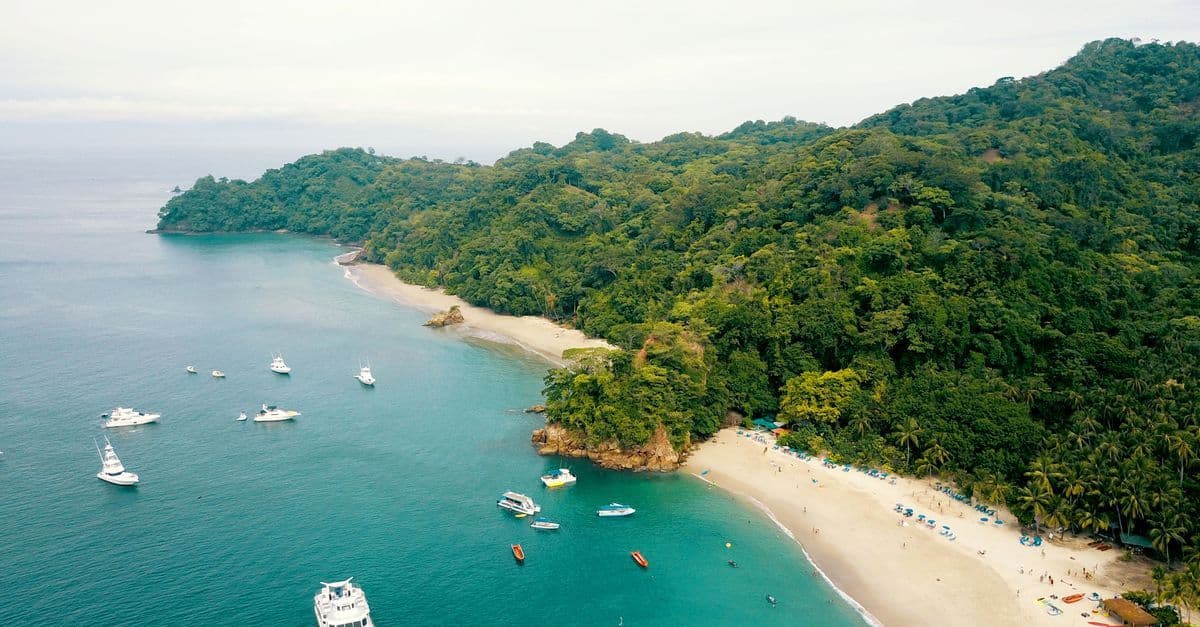
For families and first-timers, a Costa Rica all-inclusive delivers real cost predictability. For independent travellers who've been before, the math often runs the other way. Trip length and timing decide which side of the ledger you land on.
Consider a family of four landing at LIR in peak January. Restaurants in Guanacaste's resort zones charge premium prices during high season. Three meals a day, house drinks, and unlimited pool access bundled into one fixed rate removes the daily budget anxiety that can quietly derail a holiday. For a short stay of five to seven nights, that structure is genuinely worth paying for.
Flip it for a repeat visitor travelling in November. Shoulder season brings lower a la carte prices at small restaurants in towns like Tamarindo. A local casado (rice, beans, protein, salad) costs a fraction of resort buffet prices. The flexibility to eat where locals eat, and skip meals when a waterfall hike runs long, has genuine value an all-inclusive can't replicate.
The calculation tips toward all-inclusive in high season, when a la carte prices at resort-area restaurants climb and predictability reduces stress. It tips away during green season, for longer stays, or for travellers who came specifically to explore beyond the property.
Short trip, first visit, peak season: the all-inclusive structure earns its price. The right structure depends on travel style and how many nights you're actually staying.
Reviewed by HelloRoam's editorial team. Last updated: 16 July 2026.
Get Connected Before You Go


Frequently Asked Questions
Guanacaste on the northwest Pacific coast and the Central Pacific around Manuel Antonio are Costa Rica's two main all-inclusive corridors. Each has different airports, weather patterns, and resort styles suited to different trip goals.
Fly into Liberia International (LIR) for Guanacaste resorts. Canadian carriers offer seasonal direct service from Toronto (YYZ) and Vancouver (YVR), and transfers to Papagayo Peninsula resorts take under an hour.
Manuel Antonio is roughly a two-to-three-hour drive south of San José's Juan Santamaría International Airport (SJO) along the Costanera Sur highway. Budget separately for a private transfer or scheduled shuttle.
A standard Costa Rica all-inclusive covers three daily meals, house beer, well spirits, soft drinks, and access to pools, beach areas, and basic resort facilities. Airport transfers and tours almost always cost extra.
No. Airport transfers are rarely included in Costa Rica all-inclusive base rates. You'll need to budget separately for shuttle or private vehicle transfers from LIR or SJO to your resort.
Almost never. Zip-lining, ATV tours, and waterfall hikes fall outside the base all-inclusive rate at most Costa Rica resorts. A handful of premium properties include one activity credit per stay, but treat that as a bonus.
Dry season from December to April offers the most reliable sunshine, especially in Guanacaste. Christmas week and March Break fill earliest from Canada, often booked six to nine months in advance.
Yes, for value-focused travellers. Green season (June to October) brings package rates roughly 20-40% lower than peak, rain typically arrives in afternoon bursts leaving mornings clear, and wildlife activity noticeably increases.
Guanacaste has large beach resorts, predictable dry-season sunshine, and direct Canadian flights. Manuel Antonio offers smaller boutique properties near national park wildlife, a wetter climate, and stronger nature-based programming.
Dedicated family resorts in Guanacaste and the Central Pacific typically offer supervised kids' clubs. Adult-oriented boutique properties, particularly in the Manuel Antonio area, usually have no structured children's programming.
Yes, especially for families in peak season. Bundling three daily meals, house drinks, and pool access into one fixed rate removes daily budget anxiety. The structure is most cost-effective for stays of five to seven nights during high season.
Resort WiFi works reliably in lobbies and pool bars but becomes patchy near guest rooms and beach areas. For consistent coverage throughout your stay, a local SIM card or travel eSIM is recommended.
Major Canadian carrier roaming in Costa Rica typically runs C$14 to C$15 per day. Over a two-week stay that can reach roughly C$200 in data charges, making a local SIM or travel eSIM a significantly cheaper alternative.
A travel eSIM is a digital SIM activated before departure that connects automatically to a local 4G network when you land. Budget eSIM plans for Costa Rica can cost under C$10 for short stays, far less than daily carrier roaming add-ons.
On iPhone, go to Settings > About; on Android, Settings > About Phone. Look for SIM lock: None. The CRTC has required Canadian carriers to unlock phones at no charge since 2017, and most phones sold after 2019 are already unlocked.
Yes. Local SIM cards are available in the arrival halls of both Liberia (LIR) and San José (SJO) airports. This is a practical option if you prefer to sort connectivity after landing rather than activating a plan before departure.
The Papagayo Peninsula is a sheltered bay just north of Liberia airport in Guanacaste, home to some of Costa Rica's largest all-inclusive resorts. Properties there typically offer multiple pools, beachfront access, spa facilities, and several dining options.
Book Christmas and March Break Costa Rica trips six to nine months in advance. Those two windows fill earliest from Canada at popular Guanacaste and Manuel Antonio family resorts, often before most destinations even enter travellers' planning horizon.
Sources
- All Inclusive Costa Rica Vacations — sunwing.ca
- Costa Rica — vacations.aircanada.com
- Costa Rica vacations — transat.com
- Costa Rica Vacation Packages — redtag.ca
- THE 10 BEST Costa Rica All Inclusive Resorts 2026 (Prices) — tripadvisor.ca
- All inclusive Vacations in Costa Rica 2026 — expedia.ca
- Costa Rica All-Inclusive Vacations - Central America — vacanceswestjetquebec.com