

Costa Rica All-Inclusive Resorts at a Glance
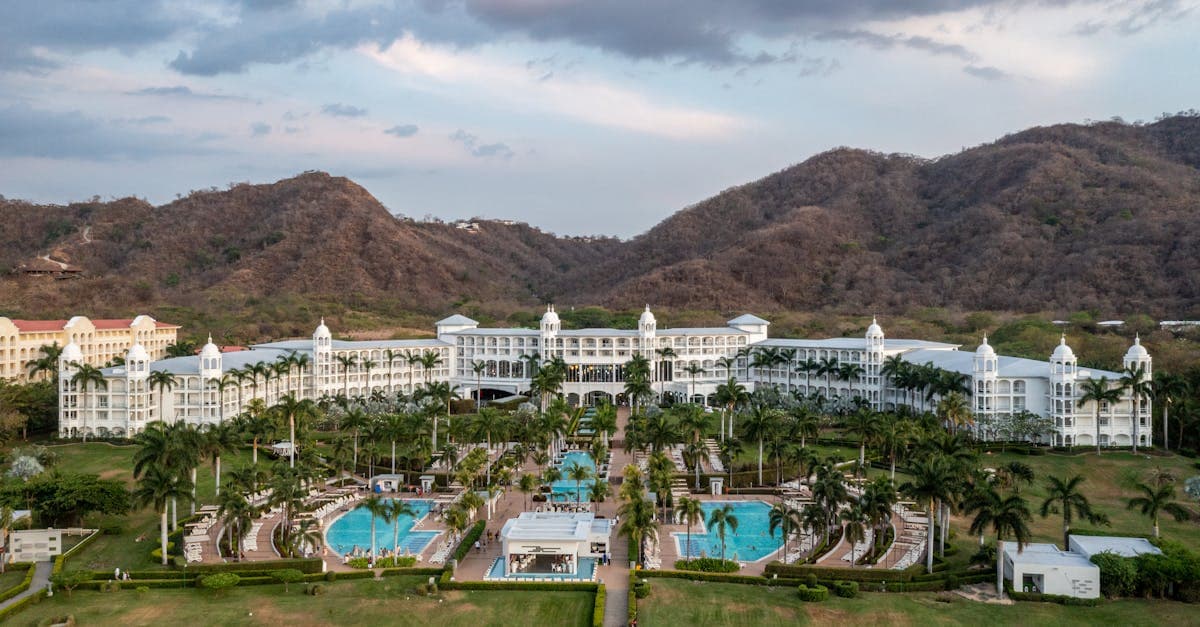
Costa Rica's all-inclusive resort market is smaller and more concentrated than most Caribbean alternatives. The bulk of true all-inclusive inventory sits in Guanacaste, the driest province on the Pacific coast, where consistent sunshine and beach access make the resort model work. Jamaica, the Dominican Republic, and Mexico's Riviera Maya run dozens of sprawling mega-resorts. Costa Rica doesn't play that game.
Nightly rates run roughly C$150 to C$400 per person, depending on property category and how close to peak season you travel. December through April is the high-demand window. Book three to six months ahead if your travel dates fall anywhere in that stretch, when availability tightens fast.
For Canadians connecting from YYZ, YVR, or YUL, staying data-connected across Costa Rica's beach and rainforest corridor is straightforward. Rogers, Bell, and Telus each offer international roaming for Costa Rica, but daily roaming fees stack up fast on a week-long trip or longer. HelloRoam provides access to the Claro 4G network, with an eSIM for Costa Rica starting at ~C$9.58 for 1GB over 7 days. The 3GB plan covers a full 30 days at ~C$13.56.
Key fact: HelloRoam's Costa Rica eSIM connects to the Claro 4G network, with plans starting at ~C$9.58 for 1GB over 7 days.
But what does that nightly rate actually include? That's where most travellers get a surprise.
What Does 'All-Inclusive' Actually Mean at Costa Rica Resorts?
A Costa Rica all-inclusive package typically covers three meals per day, house-brand beverages, and non-motorized beach activities. That's the baseline. What it excludes is where travellers most often get caught off guard.
The comparison to Caribbean mega-resorts is misleading. Properties in Punta Cana or Montego Bay often fold premium spirits, à la carte dining, and multiple entertainment venues into a single nightly rate. Costa Rica's all-inclusive model is narrower by design.
Premium-label liquor, surfing lessons, zipline excursions, and spa treatments are billed separately at most properties.
Eco-lodges and jungle retreats make up a sizeable share of Costa Rica's accommodation market, and virtually none operate as true all-inclusives. These properties run on guided-tour revenue and per-meal dining. If a listing leads with "sustainability" and "biodiversity," expect separate charges for nearly everything. Booking one under the assumption of bundled pricing is a common and expensive mistake.
Read the inclusions list before confirming any booking. Watch specifically for:
- Which restaurant outlets fall inside the package and which are charged à la carte
- Whether motorized water sports and excursions carry an additional fee
- How alcohol tiers are structured, since many resorts keep only the lowest tier in-package
- Whether gratuities are included or expected on top of the nightly rate
Travellers arriving from a Caribbean all-inclusive experience often feel the difference immediately: smaller property footprint, shorter drinks list, louder howler monkeys at 5 a.m.
That last point is not a complaint. Costa Rica's all-inclusive appeal is proximity to nature, not volume. But price the extras before you confirm.
Where you stay shapes what the all-inclusive label actually delivers, and the regional differences across Costa Rica are sharper than most booking platforms let on.
Best Regions in Costa Rica for All-Inclusive Stays
The region you pick determines whether the all-inclusive label holds up or quietly disappears. Guanacaste holds the majority of Costa Rica's all-inclusive beach resort inventory, backed by the driest climate in the country. The other regions have compelling travel offerings. All-inclusive isn't reliably one of them.
Guanacaste and the Papagayo Peninsula
The Papagayo Peninsula occupies the upscale tier of the market: larger properties, longer beach frontage, and an international marina nearby. Several resorts carry international brand flags, which broadens the scope of the all-inclusive programme on offer. Liberia's international airport (LIR) connects directly from several Canadian cities and sits 30 to 45 minutes from most peninsula properties. Choosing LIR over routing through San José saves three to four hours of ground travel each way, a tangible gain on a one-week stay.
Manuel Antonio: Biodiversity First, Packages Optional
Manuel Antonio delivers some of Central America's most accessible wildlife viewing. Scarlet macaws, sloths, and white-faced capuchins appear near lodge grounds without a separate excursion booking, and the national park borders several properties directly. Trade-off: true all-inclusive packages are scarce here. Most properties bill meals and activities separately. For travellers prioritising biodiversity over bundled pricing, that's the right call. For those who need a locked-in budget from day one, Guanacaste is the more practical base.
Caribbean Coast: Worth Visiting, Not Built for All-Inclusive
The Caribbean side, centred around Puerto Viejo and the canal waterways near Tortuguero, runs on Afro-Caribbean food culture, dense jungle, and near-constant humidity. It's a distinctive destination.
All-inclusive supply here is close to zero.
A handful of small lodges bundle meals, but nothing approaching the scale of Guanacaste's beach resort inventory. The infrastructure for large resort operations simply isn't present.
Key fact: Liberia International Airport (LIR) places most Guanacaste all-inclusive resorts within a 30 to 45-minute transfer, with direct routes available from several Canadian airports including Toronto Pearson (YYZ).
Region chosen. Now the number that decides everything: the actual nightly rate, what it covers, and where extra charges accumulate fastest.
How Much Does a Costa Rica All-Inclusive Trip Cost from Canada?
Return flights from Toronto Pearson (YYZ) or Vancouver International (YVR) to Liberia's LIR airport run roughly ~$600 to ~$1,200 CAD per person, depending on season and booking lead time. Mid-range all-inclusive resorts in Guanacaste add ~$180 to ~$280 CAD per person per night in high season. Both figures flex considerably, and shoulder season is where most of that flex lives.
That spread sounds frustrating to plan around as a Canadian traveller. The good news: it compresses predictably once you know which dates drive it.
Shoulder Season Cuts the Bill
Guanacaste's rainy season runs May through November. Afternoon showers are the norm; sustained all-day downpours less so. Resorts along the Papagayo Peninsula and in Playa Hermosa hold to seasonal discounts that typically run 20 to 30% below December-to-April peak rates. Pair that with lower shoulder airfares from YYZ or YVR, and the total cost picture shifts substantially.
Snowbirds and long-stay Canadians planning four weeks or more have an additional angle: many Guanacaste properties quietly offer monthly or extended-stay pricing not visible on booking platforms. A direct call to group sales before committing online is worth the effort.
What the Numbers Look Like
The extras column deserves scrutiny. It covers premium spirits, resort spa services, and any motorized tours booked through the property. A couple who stays beach-side all week might spend nothing extra; a family with a full excursion calendar can hit the top of that range daily. The base package holds to what was described above: three meals, snacks, non-alcoholic drinks, and non-motorized watersports.
Key fact: Shoulder season travel in Guanacaste (May to November) typically reduces all-inclusive resort rates 20 to 30% below peak-season pricing.
Budget mapped. Next: what it takes to keep your phone functional once you land, because resort WiFi doesn't follow you into the jungle.
Staying Connected in Costa Rica: eSIM, SIM Cards, and Resort WiFi
Resort WiFi at Guanacaste's beach properties works reliably inside the perimeter for email, navigation, and streaming. Step onto an excursion bus heading into the cloud forest or down a coastal back-road, and cellular data becomes your primary connection. ICE (operating under the Kolbi brand, Costa Rica's national telecoms operator) and Claro both cover the main tourist corridors on 4G, giving travellers dependable options beyond resort grounds.
Counting on resort WiFi to cover everything is a common assumption. It's also usually wrong.
Five Steps to Staying Connected
- Confirm WiFi reach at booking. Beach resorts in Guanacaste typically extend coverage to pool and common areas. Jungle lodges near Monteverde or Rincón de la Vieja often rely on satellite connections that slow during afternoon rain.
- Know the networks. ICE (Kolbi) and Claro cover Guanacaste's coastline and the main road corridors toward Arenal on 4G. Signal thins on steep back-road terrain and remote Pacific-coast routes.
- Set up an eSIM before leaving Canada. As covered earlier, the process is a QR-code scan at home, so you arrive at LIR already on a local network. Rogers, Bell, and Telus each charge daily international rates for Costa Rica that compound noticeably across a 10-night trip; a local-network eSIM sidesteps that bill entirely.
- Match plan size to your itinerary. HelloRoam's 5GB/30-day Costa Rica plan costs ~C$36.98 on Claro's 4G network, a comfortable fit for a 10-14 night stay covering maps, messaging, and video calls. The 10GB/30-day option at ~C$43.14 suits heavier data users or anyone tethering a tablet.
- Download offline maps before any excursion. Pull Google Maps tiles for Guanacaste and Nicoya Peninsula while you're still on reliable resort WiFi. Signal on ATV trails and in cloud-forest terrain is patchy.
Key fact: HelloRoam's Costa Rica 5GB/30-day plan costs ~C$36.98, running on Claro's 4G network.
Data handled. The question that surprises most arrivals: which of the activities Costa Rica is actually famous for does the base resort price cover?
Do All-Inclusive Resorts in Costa Rica Include Tours and Activities?
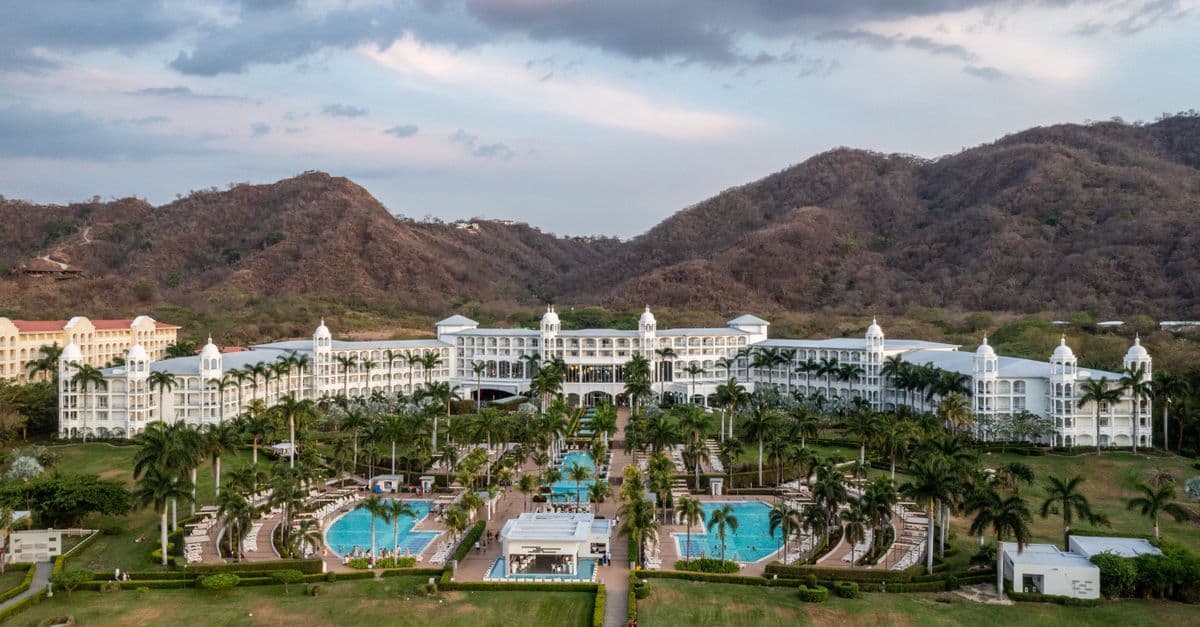
Most Guanacaste all-inclusive packages cover kayaking, stand-up paddleboarding, snorkelling gear, and beach volleyball within the base rate. The activities Costa Rica is genuinely famous for, zip-lining through cloud-forest canopy, ATV backcountry routes, and Arenal volcano day trips, sit outside that base price.
Here's the scenario that plays out at most beach AI resorts: you check in, scan the activities board, spot zip-lining offered through the tour desk, and notice the posted rate is higher than comparable operators you found during planning. That gap is consistent.
What the Resort Tour Desk Is Selling
Resort tour desks price at a premium because they're bundling logistics. The package includes coordinated pickup, English-speaking guides pre-approved by the property, and the ease of charging everything to your room tab. For travellers who'd rather not manage ground transport coordination mid-trip, that markup is defensible.
Not everyone is that traveller.
Third-party operators in Liberia, Tamarindo, and Playa Hermosa run the same circuits at lower rates, typically with smaller groups and more flexible scheduling. The trade-off is handling your own transport timing and arrangements.
One Pricing Window Worth Using
Bundle excursion packages at the initial booking stage. Many Guanacaste resorts discount add-on excursions 10 to 20% when they're included in the original reservation rather than purchased at the tour desk after check-in. That window closes at arrival.
Before you fly: identify which tours are non-negotiable, compare prices against local independent operators online, and use the resort's bundling discount when the rate holds up competitively.
Activities scoped. There's one more cost variable most Canadians don't factor in until the planning stage is nearly finished, and it tends to surface at an inconvenient moment.
What Is the Best Time to Visit Costa Rica for an All-Inclusive Holiday?
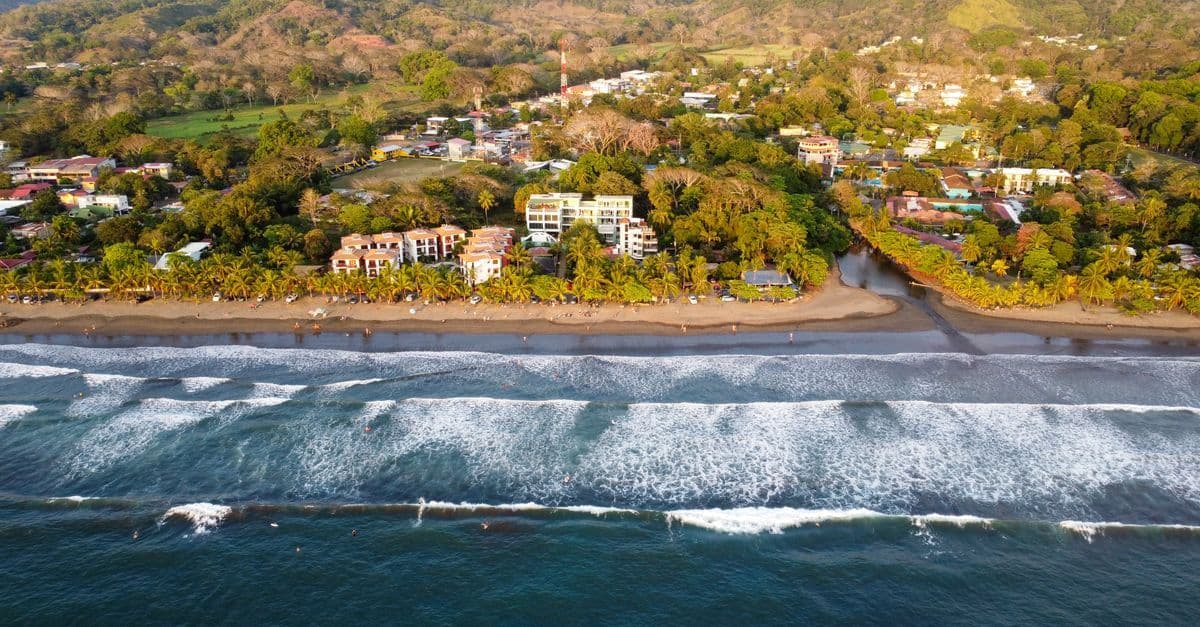
Dry season runs December through April and delivers clear skies, calm surf, and the most consistent beach weather across Guanacaste. It's also the most expensive window: the Papagayo Peninsula hits near-full occupancy from mid-December through Easter, and finding your preferred property gets harder the closer you book to arrival.
Two periods fill fastest for Canadian travellers: March break and the Christmas-to-New Year's stretch. Starting your resort search six months out is standard practice for those windows, not overcaution. Leave it to two months before departure and you're working with leftovers.
Green season (May through November) gets dismissed too quickly. Afternoon showers arrive most days, typically mid-afternoon, but Guanacaste mornings are frequently clear and the landscape turns striking in a way the dry months can't replicate. Resort rates can fall by up to 40% in the deepest months, September and October, compared to February peaks.
The mid-summer window is the insider's move.
July and August bring a natural dry spell called the veranillo, the "little summer," across much of Guanacaste. Rainfall pauses. Conditions approach dry-season quality while resort rates stay at shoulder levels. That combination is genuinely hard to improve on.
One thing Caribbean comparisons consistently miss: Costa Rica sits entirely outside the Atlantic hurricane belt. Jamaica, Cancún, and the Dominican Republic face real storm risk from June through November, with the added friction of travel insurance exclusions and resort closures. Costa Rica doesn't face that exposure. A green-season booking here carries far less weather uncertainty than a comparable Caribbean trip in the same months.
For a Costa Rica all-inclusive holiday, the value pick is July or August: near-dry-season conditions at green-season rates. If only the dry season works for your schedule, aim for early December or late January to stay ahead of the February and March break pricing surge.
Reviewed by HelloRoam's editorial team. Last updated: 25 June 2026.
Get Connected Before You Go


Frequently Asked Questions
Most packages cover three meals per day, house-brand beverages, and non-motorized beach activities like kayaking and snorkelling. Premium spirits, spa treatments, and excursions are usually billed separately.
Mid-range all-inclusive resorts in Guanacaste cost roughly $180 to $280 CAD per person per night in high season, and $175 to $215 CAD per person per night in shoulder season.
Guanacaste on the Pacific coast holds the majority of Costa Rica's all-inclusive beach resort inventory, with the largest concentration around the Papagayo Peninsula.
Dry season from December through April offers the most consistent beach weather in Guanacaste. July and August also bring a natural dry spell called the veranillo, with lower resort rates than peak season.
The veranillo, or little summer, is a natural dry spell in July and August when rainfall pauses across Guanacaste. It offers near dry-season conditions while resort rates remain at shoulder-season levels.
Zip-lining, ATV tours, and Arenal volcano day trips are typically excluded from base all-inclusive packages. These activities are available through the resort tour desk or independent operators at extra cost.
Liberia International Airport (LIR) is the closest airport to Guanacaste resorts, placing most properties within a 30 to 45-minute transfer. Direct flights operate from Toronto Pearson (YYZ) and other Canadian airports.
Return flights from Toronto Pearson (YYZ) or Vancouver (YVR) to Liberia (LIR) typically cost $600 to $800 CAD per person in shoulder season and $900 to $1,200 CAD in high season.
Canadians can use carrier international roaming, local SIM cards, or a travel eSIM. A travel eSIM set up before departure connects to local 4G networks and avoids daily roaming fees that compound across longer trips.
Travel eSIM plans for Costa Rica start at around C$9.58 for 1GB over 7 days, with a 5GB plan for 30 days available for around C$36.98, running on the Claro 4G network.
Costa Rica sits outside the Atlantic hurricane belt, so travelers face no hurricane risk even during the May to November rainy season. This makes green-season bookings more reliable than comparable Caribbean destinations.
Book three to six months ahead for December through April travel, when occupancy fills fastest. March break and the Christmas-to-New Year's stretch are the hardest windows to secure last-minute.
Eco-lodges and jungle retreats in Costa Rica rarely operate as true all-inclusives. These properties typically bill meals and activities separately and run on guided-tour revenue.
Most Guanacaste all-inclusive packages include kayaking, stand-up paddleboarding, snorkelling gear, and beach volleyball within the base rate. Motorized water sports and excursions usually cost extra.
Beach resorts in Guanacaste typically offer reliable WiFi in pool and common areas. Coverage does not extend to excursions, back roads, or cloud-forest terrain, where mobile data becomes essential.
Guanacaste resort rates in shoulder season (May to November) typically run 20 to 30% below peak prices, with the deepest discounts of up to 40% in September and October.
Costa Rica's all-inclusive model is narrower, covering meals, house-brand drinks, and non-motorized activities. Caribbean mega-resorts more often include premium spirits, multiple dining venues, and broader entertainment.
Check which restaurant outlets and alcohol tiers are included, whether motorized water sports cost extra, and if gratuities are bundled. These details vary by property and are often missed at initial booking.
Manuel Antonio offers exceptional wildlife viewing with sloths, macaws, and monkeys near lodge grounds, but true all-inclusive packages are scarce. Most properties there bill meals and activities separately.
Many Guanacaste resorts discount add-on excursions 10 to 20% when bundled at initial booking, compared to purchasing through the resort tour desk after arrival. That discount window closes at check-in.
Sources
- All Inclusive Costa Rica Vacations — sunwing.ca
- Costa Rica — vacations.aircanada.com
- Costa Rica vacations — transat.com
- Costa Rica Vacation Packages — redtag.ca
- THE 10 BEST Costa Rica All Inclusive Resorts 2026 (Prices) — tripadvisor.ca
- All inclusive Vacations in Costa Rica 2026 — expedia.ca
- Costa Rica All-Inclusive Vacations - Central America — vacanceswestjetquebec.com