

Costa Rica All-Inclusive Packages at a Glance
Costa Rica all-inclusive packages start at roughly ~$2,800 CAD per person for a mid-range, seven-night trip from Toronto or Montreal, flights included expedia.ca. Guanacaste on the northern Pacific coast and Manuel Antonio on the central Pacific hold the largest concentrations of resort properties. Brands operating here include Dreams, RIU, Excellence, and Planet Hollywood tripadvisor.ca.
Sandals doesn't operate in Costa Rica. It runs Caribbean-only properties, so stop searching for it.
Key fact: HelloRoam's eSIM for Costa Rica starts at ~C$9.58 for 1GB over 7 days, running on Claro's 4G network.
Costa Rica drew a record 3.4 million international tourists in 2024, with Canadians ranking among the top three source markets alongside Americans and Germans. That volume reflects something real: this is a destination sheltering around 5% of global biodiversity despite covering just 0.03% of Earth's land mass. You're not just buying a beach. You're buying a base camp with a rainforest and a reef waiting at the edges.
Resort Wi-Fi at many Guanacaste properties runs inconsistently, especially in smaller beach towns away from Liberia. The major Canadian carriers charge international day rates for roaming in Costa Rica, which adds up quickly on a 10-night stay. A prepaid data plan activated before boarding is a brisk, inexpensive safeguard against a nasty bill.
The short answer leaves plenty to unpack.
Is It Worth Going All-Inclusive in Costa Rica?
Far fewer all-inclusive resorts operate in Costa Rica than in Cancún or Cuba. Most properties cluster in Guanacaste's northern Pacific strip, making the inventory a fraction of what Caribbean destinations offer vacanceswestjetquebec.com.
That scarcity is the first surprise.
Unlike the Dominican Republic, where all-inclusive complexes dominate the tourism economy, Costa Rica built its identity on eco-lodges and adventure travel. A substantial portion of the country is protected parkland, and some of the best wildlife encounters (scarlet macaws, howler monkeys, crocodiles) happen minutes from resort gates. A property that keeps you pinned to a swim-up bar works against the destination's most spirited selling point.
So where does all-inclusive actually deliver?
Guanacaste beach stays are the clear sweet spot. If the plan is to decompress on Pacific coast sand, rotate between pool bars, and run one or two excursion days, the format makes real sense. It removes meal budgeting, simplifies logistics, and keeps the spend predictable, which is exactly what many Canadian travellers want after dealing with surprise carrier roaming charges on a previous trip.
The sharper play for many travellers is a hybrid approach: book an all-inclusive in Guanacaste as a base camp, then budget separately for a volcano day trip to Arenal or a boat tour along the Tárcoles River. Resort excursion desks mark up the same tours noticeably; independent operators typically price identical routes lower.
Eco-lodges near Manuel Antonio or Monteverde routinely outperform all-inclusive resorts on wildlife access, often at a comparable nightly rate. The region you pick shapes the entire experience.
Best All-Inclusive Regions in Costa Rica
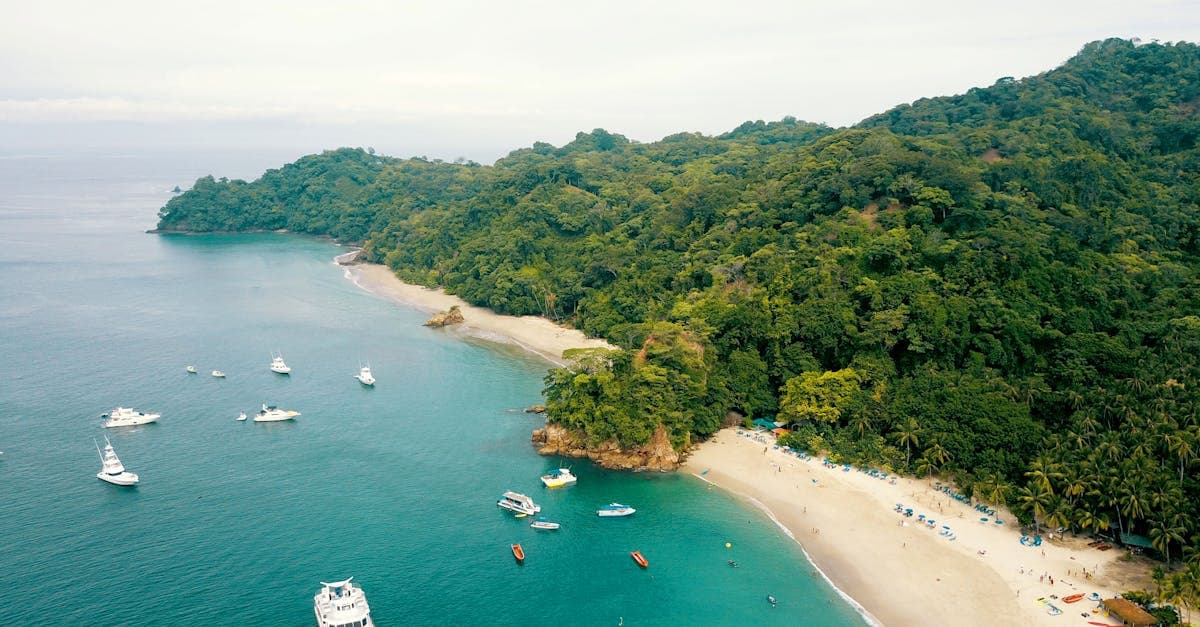
Two regions hold nearly all of Costa Rica's all-inclusive resort inventory: Guanacaste on the northern Pacific coast and Manuel Antonio on the central Pacific. They suit fundamentally different kinds of trips.
Guanacaste: The Dominant All-Inclusive Zone
Guanacaste averages more than 300 sunny days per year, giving it the most consistent beach weather of any Costa Rican region. The dry season runs December through April, which lines up precisely with when Canadians most want to escape winter. Direct flights from Toronto (YYZ) and Vancouver (YVR) land at Liberia airport (LIR), with resort check-ins possible in under an hour from the gate. Flying into San José (SJO) instead adds four to five hours of ground transfer for properties in the same Guanacaste zone.
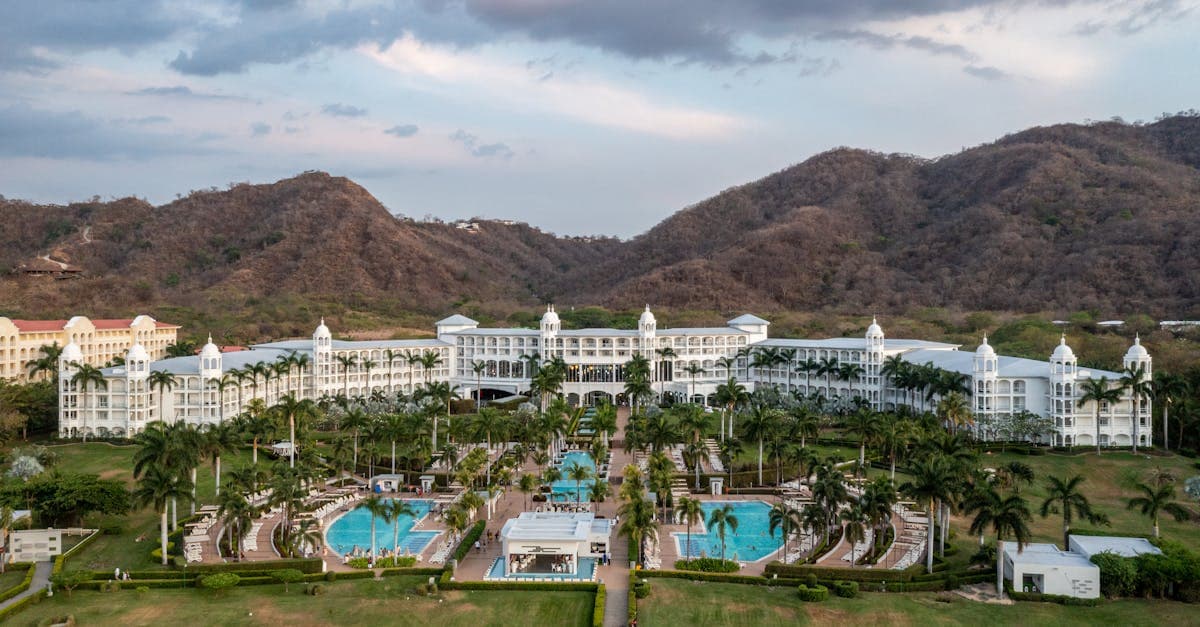
The Papagayo Peninsula anchors the luxury end. RIU and Excellence both operate large, full-service properties along this stretch of calm-water Pacific bays tripadvisor.ca. The peninsula sits roughly 30 minutes from LIR and draws travellers who want a polished, high-amenity resort experience without improvising logistics.
Tamarindo and Playa Conchal sit further south and anchor the mid-range market. Key properties in this corridor include:
- Occidental: mid-range resort with adults-only sections available, northern Guanacaste coast
- Margaritaville Costa Rica: beach resort with a dynamic, festive atmosphere suited to groups and social travellers
- Fiesta Resort Playa Conchal: large, family-friendly property at Playa Conchal, well-suited to multi-generational travel
Manuel Antonio: Fewer Resorts, Different Draw
Manuel Antonio trades resort scale for proximity to its national park. Wildlife sightings (sloths, white-faced capuchin monkeys, toucans) are routine from breakfast terraces and hiking trails immediately alongside resort zones. The all-inclusive inventory here runs thin: most properties operate as boutique hotels or European-plan lodges, with full all-inclusive setups being the exception rather than the rule.
That's not a drawback for everyone. Manuel Antonio blends Pacific beach, cloud-forest hiking, and a small village centre in a way no Guanacaste mega-resort can replicate.
Where All-Inclusives Don't Operate
The Caribbean coast and Tortuguero have no major all-inclusive resorts. Jungle lodges and canal-boat tours define the experience there; it's eco-travel infrastructure, not resort infrastructure. Puerto Viejo is worth folding into a longer Costa Rican itinerary, but meals and accommodation are priced and booked separately.
Region set, the next question is what it costs.
How Much Is the Average All-Inclusive Trip to Costa Rica?
A seven-night all-inclusive package from Canada starts at roughly ~$2,800 CAD per person including flights sunwing.ca. Connectivity adds to that total: carrier roaming costs ~$14 CAD per day from Rogers, Bell, or Telus, a local SIM from Claro or ICE is available at arrival kiosks, and an eSIM covers a full trip from ~$13.56 CAD.
Carrier roaming from Rogers, Bell, or Telus runs around ~$14 CAD per day for international add-ons. Workable for a couple of days. Across a 10-night trip, that adds up to roughly ~$140 CAD in connectivity charges on top of the all-inclusive rate. The CRTC's wireless code protects against domestic data bill shock, but international add-on pricing runs under different rules and doesn't pause when you're sitting at the resort pool.
Local SIM from Claro or ICE is available at kiosks in both the San José (SJO) and Liberia (LIR) arrivals halls. Claro's 4G network covers Guanacaste and the Central Valley reliably. The practical downside: you're joining a queue at arrivals after a red-eye from Toronto, and the phone needs to be fully unlocked before any of it works.
eSIM is the briskest option for a 7-to-10-night trip. Install via QR code before departure, and data is live on Claro's 4G network before you clear arrivals at LIR. No kiosk, no queue. HelloRoam's Costa Rica plans start at ~$13.56 CAD for 3GB over 30 days, which covers maps, messaging, and WhatsApp calls comfortably for most all-inclusive trips. Heavier users can step up to a 5GB plan at ~$36.98 CAD.
Key fact: HelloRoam's Costa Rica eSIM runs on Claro's 4G network, with plans from ~$13.56 CAD for 3GB over 30 days.
Key fact: HelloRoam's daily Costa Rica plan costs ~$10.36 CAD per day via Claro, with 2GB of full-speed data, suited for excursion-heavy days with heavier map and streaming use.
Coverage is strongest in Guanacaste and the Central Valley. The Caribbean coast and remote rainforest areas go patchy regardless of which option you choose. Download offline maps before heading to Tortuguero or the Osa Peninsula.
eSIM for Costa Rica and land at LIR with data already running.
The $1,000 budget question deserves a direct answer.
Which Month Is the Best Time to Go to Costa Rica?
Costa Rica's dry season runs December through April, bringing reliable sun and the peak prices that follow. May through November offers lower rates, with afternoon rain showers that are mostly brief and predictable rather than all-day affairs.
Step off the plane at Liberia International in January and the air hits you warm and dry, the Pacific sky the shade of blue that makes February back home feel distant. That's the dry season at full strength.
Canadian winter escapes cluster heavily between December and April, which is precisely why those months carry premium pricing. Book an early December or late April departure and you'll often catch shoulder rates without taking on the full wet-season commitment.
Two windows offer the clearest value: May, when the green season opens but heavy rain hasn't settled in yet, and late September through October, a relative lull before November's heaviest rainfall. Rates at Guanacaste resorts drop noticeably in both periods, and the countryside turns a saturated, electric green that dry-season visitors never see.
Costa Rica sits entirely outside the Atlantic hurricane belt. For Canadians who routinely scan Caribbean storm forecasts before booking, that's a meaningful distinction. No hurricane season risk applies, even at the height of rainy season.
September and October bring the heaviest rainfall to the Central Pacific and Caribbean slopes, but Guanacaste's micro-climate keeps it drier than the rest of the country year-round. A rainy-season package in Papagayo carries less weather risk than the same dates in Manuel Antonio.
Staying Connected in Costa Rica: eSIM, Local SIM, and Resort Wi-Fi
Resort Wi-Fi in Costa Rica works reliably on property but goes dark the moment you leave the grounds. Arenal, Monteverde, and most jungle excursion routes sit outside any resort network. You need your own mobile connection for day trips, and you have three options worth knowing.
Walk out of LIR arrivals into the Guanacaste heat, and the decision is right in front of you: a Claro kiosk to your left, a resort shuttle straight ahead, and your Canadian roaming add-on already ticking at ~$14 CAD a day.
Local SIM vs. Paying Roaming Rates
ICE and Claro both operate SIM kiosks inside the arrival halls at San José International (SJO) and Liberia Daniel Oduber (LIR). Prepaid plans are straightforward and priced reasonably. The catch is time: at peak arrival hours, the queue can stretch, and if your resort shuttle driver is already waiting outside, that kiosk becomes a harder sell.
Paying the Big Three's daily rate for a full week or more adds up faster than most travellers expect. It's the most expensive path, and you'll use it unevenly.
Where 4G Actually Holds in Costa Rica
Guanacaste and the Central Valley carry the strongest 4G coverage in the country. Papagayo Peninsula, Tamarindo, and the San José area all maintain solid LTE. Push toward the Caribbean coast or deeper into rainforest corridors, and coverage gets spotty on every provider.
An eSIM sidesteps the arrival kiosk entirely. Scan the QR code before boarding in Canada, and your phone connects the moment you land at LIR or SJO. No queue, no plastic card swap, no hunting for signal in baggage claim.
HelloRoam provides access to Claro's 4G network in Costa Rica, with a 3GB plan at ~$13.56 CAD valid for 30 days. That handles a standard 7-night stay for maps, messaging, and the occasional photo upload from Arenal's cloud line. eSIM for Costa Rica and you're online before the resort transfer pulls out of the airport lot.
Is $1,000 Enough for a Week in Costa Rica All-Inclusive?
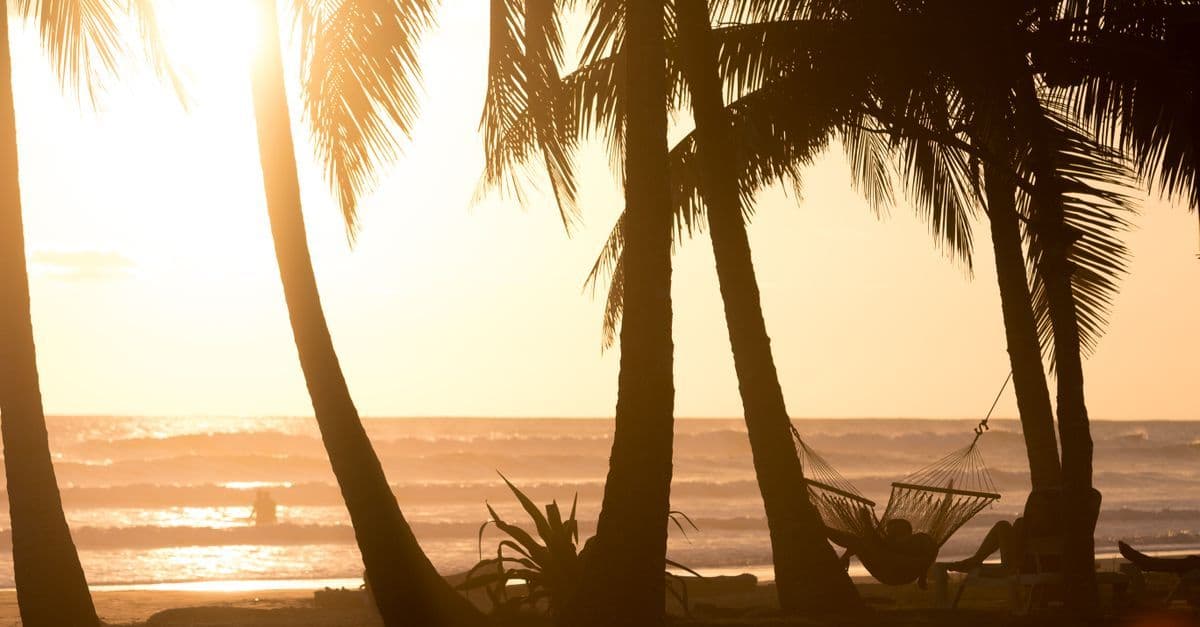
$1,000 USD covers a basic all-inclusive room with meals included, but nothing beyond the resort gate. Flights from Canada add ~$600 to ~$1,200 CAD before you factor in travel insurance, airport transfers, or a single excursion transat.com. Realistic all-in cost for a week from Canada: ~$2,500 CAD minimum redtag.ca.
Say you book a seat on WestJet to Liberia (LIR), somewhere in that flight range. The all-inclusive covers three meals a day, local drinks, and non-motorized water sports. The resort shuttle picks you up at the airport. All smooth so far.
Then day three arrives. A guide outside the property is running an Arenal volcano trip. There's also a waterfall hike, a mangrove kayak tour, and a sportfishing charter. Excursions outside the resort run $75 to $150 USD each, and it's genuinely hard to skip all of them in a country built around adventure.
That $1,000 burns through faster than the itinerary.
Treat it instead as your on-site spending budget after flights and the package are covered. Two or three excursions, spa time, premium drinks, and tips: a thousand US dollars handles all of that comfortably. The package cost gets you there and feeds you; that spending money makes the trip.
Reviewed by HelloRoam's editorial team. Last updated: 06 June 2026.
Get Connected Before You Go


Frequently Asked Questions
All-inclusive is worth it in Guanacaste for beach-focused trips, removing meal budgeting and keeping costs predictable. Costa Rica's best experiences — wildlife, volcanoes, and adventure — happen outside resort gates.
December through April is the dry season with the most reliable sun, but also peak prices. May and late September through October offer lower resort rates with brief afternoon showers and vivid green landscapes.
$1,000 USD covers a basic all-inclusive stay but not flights, which add $600–$1,200 CAD from Canada. Treat it as on-site spending money for 2–3 excursions, tips, and premium drinks once the package is booked.
A seven-night all-inclusive package from Canada starts at roughly $2,800 CAD per person including flights. The realistic all-in cost for a week from Canada is $2,500 CAD minimum.
Guanacaste on the northern Pacific coast holds most of Costa Rica's all-inclusive inventory, with the Papagayo Peninsula at the luxury end. Manuel Antonio offers limited all-inclusive options but superior wildlife access.
Fly into Liberia airport (LIR) for Guanacaste resorts — most properties are under an hour from the gate. Flying into San José (SJO) instead adds four to five hours of ground transfer to the same destinations.
Costa Rica sits entirely outside the Atlantic hurricane belt, so no hurricane season risk applies at any time of year. This makes it a more weather-reliable destination than most Caribbean alternatives.
Canadian carriers charge around $14 CAD per day for international roaming add-ons in Costa Rica. On a 10-night trip that adds roughly $140 CAD in connectivity costs on top of the all-inclusive rate.
A travel eSIM is the most convenient option, with plans starting around $13–14 CAD for 3GB valid for 30 days. Local SIMs are available at airport kiosks at both LIR and SJO but require waiting in arrival queues.
Yes, eSIMs compatible with Costa Rica's 4G network can be installed via QR code before departure. Data activates automatically upon landing with no airport kiosk visit or physical SIM swap required.
4G coverage is strongest in Guanacaste and the Central Valley, covering Papagayo and Tamarindo reliably. The Caribbean coast and remote rainforest corridors go patchy regardless of provider.
No major all-inclusive resorts operate on Costa Rica's Caribbean coast or in Tortuguero. That region is built around eco-lodges and canal-boat tours, with meals and accommodation booked separately.
Popular day trips from Guanacaste include Arenal volcano tours, waterfall hikes, mangrove kayak tours, and sportfishing charters priced $75–$150 USD. Independent operators typically charge less than on-resort excursion desks.
May through November is Costa Rica's green season, with lower resort rates and mostly brief afternoon showers. Late September through October is a strong value window before November's heaviest rainfall arrives.
Sources
- All Inclusive Costa Rica Vacations — sunwing.ca
- Costa Rica — vacations.aircanada.com
- Costa Rica vacations — transat.com
- Costa Rica Vacation Packages — redtag.ca
- THE 10 BEST Costa Rica All Inclusive Resorts 2026 (Prices) — tripadvisor.ca
- All inclusive Vacations in Costa Rica 2026 — expedia.ca
- Costa Rica All-Inclusive Vacations - Central America — vacanceswestjetquebec.com