

Quick Answer: US Visa Appointment from Canada at a Glance
Non-citizen permanent residents and temporary residents of Canada need a US nonimmigrant visa. Book through ais.usvisa-info.com, pay the US$185 MRV (Machine Readable Visa) application fee, and expect 30 to 120 days before a slot opens at one of five Canadian consulate cities visagrader.com. Canadian passport holders are fully exempt.
Key Takeaways - Canadian citizens don't need a US visa for tourism or short business visits. - Non-citizen PRs must complete a DS-160 form and book their interview at ais.usvisa-info.com. - The MRV fee is US$185 and non-refundable, regardless of visa outcome. - Wait times at Canadian consulates currently run 30 to 120 days, with Toronto and Vancouver seeing the heaviest demand. - Once approved, an eSIM for United States from HelloRoam starts at ~C$4.78 for 1 GB over 7 days, running on AT&T and Verizon 5G networks.
Key fact: HelloRoam's US 1 GB 7-day plan costs ~C$4.78 on AT&T and Verizon 5G networks.
Knowing your eligibility status is the brisk first move. First, confirm whether you actually need one.
Who Needs a US Visa Appointment from Canada?
Canadian citizens are exempt from US visa requirements for tourism, business, or visits under six months. That exemption is crisp: it covers your passport, not your Canadian address. Hold a PR card alongside an Indian, Filipino, Chinese, Nigerian, or Pakistani passport? The PR card changes nothing about US entry rules. The United States doesn't extend visa-free access based on where you live ca.usembassy.gov.
This is the single biggest misconception among new permanent residents.
Canada has roughly 9 million non-citizen permanent residents. A significant share cross the border regularly for family visits, medical care, or work. Every one of them needs a nonimmigrant visa (a temporary US entry authorization issued to foreign nationals) before entering the United States legally.
Which visa type applies?
The category depends on purpose of travel:
- B-1/B-2: Business and tourism, the most common type for PR holders visiting the US
- F-1: Full-time academic study at a US institution
- H-1B: Specialty occupation work, sponsored by a US employer
- J-1: Exchange visitor programs covering research, teaching, and work-study
- L-1: Intracompany transfers for employees at multinational companies
Temporary residents on Canadian study or work permits face the identical requirement. Your right to live in Canada doesn't touch your US entry status.
There's a comparison worth running before you book: applying at a Canadian consulate is sometimes faster than returning home to apply at a US Embassy in your country of citizenship. Indian nationals in particular often find Toronto or Vancouver slots more accessible than missions in New Delhi or Mumbai. The reverse can be true for nationalities with shorter home-country wait times. Checking travel.state.gov's official wait time tool before committing to a location takes five minutes and can save weeks.
Eligibility confirmed. The booking process starts next.
How to Book a US Visa Appointment: Step by Step
The booking process spans two platforms and five sequential steps. Complete them in order. Paying before finishing the DS-160 or skipping the AIS account registration stalls the whole system.
Step 1: Complete the DS-160 at ceac.state.gov
The DS-160 (the official US State Department nonimmigrant visa application form) is where every application begins. Go to ceac.state.gov, select Canada as your interview location, and work through the form. Have your passport, a 10-year travel history, current employment details, and any prior US visa numbers ready before you start. The form times out after 20 minutes of inactivity and doesn't save reliably between sessions.
Print or save the DS-160 confirmation page. The barcode on that page follows you through every remaining step.
Step 2: Pay the US$185 MRV Fee
Go to ais.usvisa-info.com and complete the fee payment before creating your account. The MRV fee for B-1/B-2, F-1, J-1, and most standard categories is US$185 ais.usvisa-info.com. If the visa is denied, that fee stays with the State Department.
Step 3: Register Your AIS Account
Create your account at ais.usvisa-info.com. The portal cross-checks your passport details, DS-160 barcode, and fee receipt number before unlocking the appointment calendar. Missing or mismatched details here mean contacting support before you can proceed.
Step 4: Choose a Canadian Consulate Location
Five locations serve residents of Canada:
- Ottawa (US Embassy): primary location, handles federal government applicants and some specialty visa categories
- Toronto (Consulate General): highest appointment volume in Canada, typically the longest wait times
- Vancouver (Consulate General): busy with Asia-Pacific nationals, moderate waits
- Montreal (Consulate General): often shorter queues than Toronto, worth the train ride from Ontario
- Calgary (Consulate General): lowest appointment volume among the five
The location doesn't have to match your city of residence. Booking Montreal when you live in Toronto is spirited but entirely permitted, and can cut weeks off a summer wait.
Step 5: Select Your Slot and Save the Confirmation
Once you've confirmed a location, available dates appear. Pick a slot, confirm the booking, and download the appointment confirmation letter. That letter contains a scannable barcode for consulate entry. Email it to yourself. Screenshot it. Print a copy.
Losing the confirmation means rebooking from scratch.
The DS-160 and account setup together take 30 to 60 minutes. The wait for the actual appointment is a different story.
Slots fill fast, so realistic wait times matter far more than most applicants expect.
US Visa Appointment Wait Times and Interview Day Preparation
Wait times at Canadian consulates vary sharply by location, and picking the right post can save you several weeks. Toronto and Vancouver carry the heaviest applicant volumes; B-1/B-2 interview waits at both locations currently run between 60 and 120 days. The Ottawa embassy serves a smaller pool and typically lands in the 30 to 60-day range. Montreal and Calgary sit between 30 and 90 days, shifting with the season visagrader.com. Peak demand builds from January through March and again from June through August, so timing the application outside those windows makes a real difference.
The State Department publishes live data by post and visa category on its official US visa wait-times page. Numbers shift week to week. Check before you settle on a booking location.
You are not restricted to the consulate nearest home.
If Calgary shows a 35-day wait and Toronto is sitting at 90, the drive is a sensible calculation. Many applicants treat their closest post as the only option, which is incorrect. Any Canadian consulate with available appointment slots can process your application regardless of your province of residence ca.usembassy.gov.
Expedited appointments exist for documented urgent travel: medical emergencies, funerals, or business obligations with hard consequences for cancellation, all requiring supporting paperwork. "My flight is soon" does not qualify. If the circumstances are genuine, log back into the AIS portal through the same account used for the original booking and submit the expedited request. Approval is not automatic, but qualifying cases are reviewed youtube.com.
What to bring on interview day
Walk in with physical copies, not a phone screen. A crisp, organized folder signals preparation. Bring:
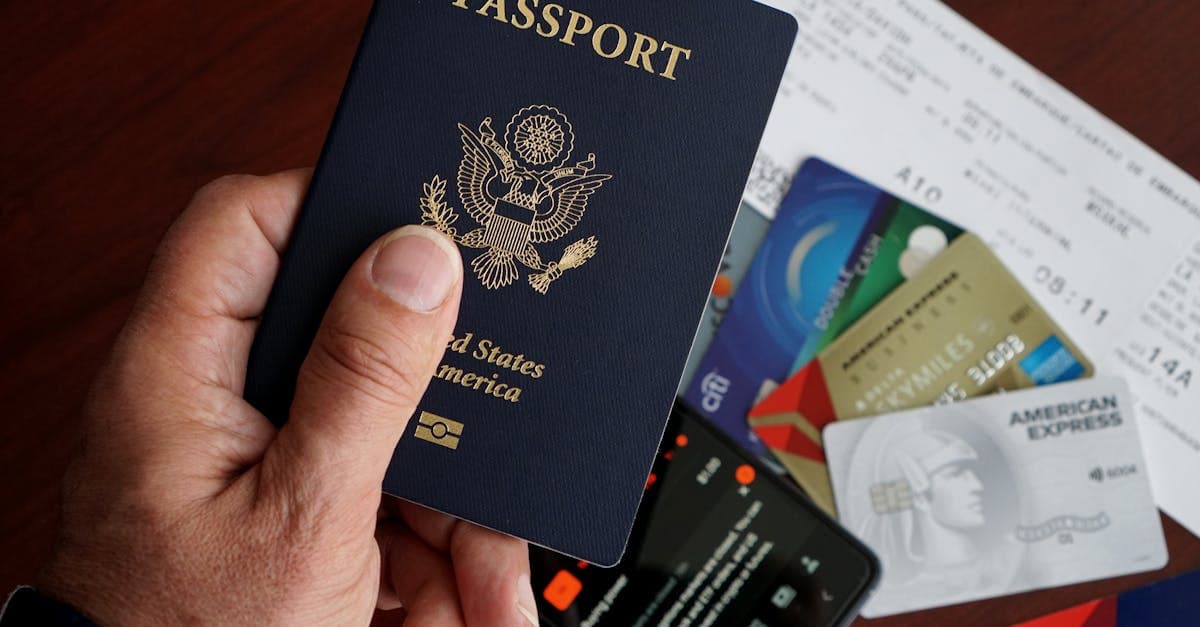
- The DS-160 confirmation page, printed (not a screenshot)
- Your passport, valid at least six months beyond your planned return date
- The MRV fee payment receipt
- Bank statements or recent pay stubs demonstrating financial means
- Evidence of ties to Canada or your home country: employment letter, lease, family documentation, school enrollment
That last category carries more weight than many applicants expect. The interview is partly about convincing the consular officer you intend to return. Specific, verifiable ties land better than vague assurances.
Most B-1/B-2 interviews wrap in under five minutes. Keep answers direct and concrete: a named itinerary, a confirmed return booking, a stable Canadian address. Open-ended answers invite more questions.
Visa in hand, the next step is planning the trip to the United States.
Staying Connected in the United States After Visa Approval

An eSIM (an embedded SIM chip activated by scanning a QR code, no physical card required) is the most practical solution for data coverage in the United States once your visa is approved. Scan the QR code on home Wi-Fi before your flight. The plan switches on automatically the moment your phone detects an American network. No kiosk, no airport SIM counter, no plastic tray to manage at arrivals.
Canadian carrier roaming adds roughly $14 CAD per day for US access through Rogers, Bell, or Telus. Two weeks in New York or Florida pushes close to $200 CAD in data charges alone. Canadian snowbirds wintering for three months face that daily rate compounding into territory where no roaming add-on makes financial sense.
A prepaid eSIM changes the maths entirely.
HelloRoam's US plans provide coverage on AT&T and Verizon's 5G-capable networks. For a two-week or month-long stay, the 5 GB 30-day plan at ~C$17.11 handles navigation, messaging, and moderate streaming without throttle anxiety. Snowbirds or longer-stay visitors can step up to the 15 GB 30-day plan at ~C$45.20 for heavier use, including regular video calls home.
Key fact: HelloRoam's 5 GB US plan runs for 30 days at ~C$17.11, with coverage on AT&T and Verizon's 5G networks.
Keeping your Canadian number active alongside a US eSIM is dead-simple on most iPhones and recent Android flagships. Dual SIM means the Canadian SIM handles voice calls and banking SMS verification while the eSIM runs US data. No forwarding setup, no missed messages, no surprise charges on the home plan.
Setup is a two-minute task: scan the QR code before departure, the eSIM installs over Wi-Fi, and the profile activates on arrival automatically.
Two questions surface consistently at this stage of the process.
Can I Book a US Visa Appointment in Canada If I Am Not a Permanent Resident?
Third-country nationals can apply for a US visa at Canadian consulates, but it is not a default route and the constraints are genuine. The State Department recommends applying in your home country first travel.state.gov. Canadian posts may accept non-resident applications, but the decision is made case by case.
What "case by case" means in practice: the consular officer determines whether your situation genuinely justifies processing outside your home country. Extended studies or work placements in Canada, documented difficulty accessing services in your home country, and specific family circumstances are recognized reasons. "Wait times are shorter here" does not qualify.
No guaranteed access.
Processing takes longer for non-residents than for permanent residents applying at the same post. Expect additional scrutiny, supplementary document requests, and timelines beyond the publicly posted ranges. The US Embassy Canada website notes explicitly that non-residents should plan for extended waits ca.usembassy.gov.
The ties requirement tightens without Canadian residency as an anchor. You'll need to demonstrate solid, documented connections to your home country: property ownership, active employment, family dependants, or enrolled education. Vague references to "plans to return" carry little weight in the interview.
A practical point: the AIS booking system accepts appointments at some Canadian posts for non-residents, but the consulate may redirect the application to your home country post after reviewing your file. Booking a slot does not guarantee the application will proceed from Canada.
One more scenario catches applicants off guard.
What Happens If My US Visa Appointment Gets Rescheduled?
Rescheduling a US visa appointment through the AIS portal doesn't forfeit your MRV fee. The portal at ais.usvisa-info.com lets you select a new slot without paying again, as long as you act before the fee validity period expires ais.usvisa-info.com. That's the reassuring part. What you do next depends entirely on who triggered the change.
A reschedule falls into two distinct paths.
Path 1: You initiated the change. Log into the AIS portal and pick a new date. No penalty, no new payment. If you've already booked flights near the original appointment, that's where flexibility matters: budget fares rarely offer refunds, and a shifted appointment can push your trip back by weeks. Book refundable or flexible fares for any travel scheduled close to a pending appointment date.
Path 2: The consulate rescheduled you. Check ca.usembassy.gov before assuming the new date is firm. The embassy posts operational closures and service alerts there, and a second administrative change isn't unheard of after a forced reschedule. Assume nothing until you've seen the updated confirmation in the portal.
Got a genuine hardship case?
If the rescheduling creates documented difficulty, whether that's a medical appointment, a funeral, or a time-sensitive business obligation, the State Department's expedited process lets you request an earlier slot. "Documented" means actual paperwork, not just inconvenience.
One practical point on travel prep: eSIM activation windows are typically tied to a purchase date but adjustable before departure. If you've pre-purchased mobile data for the US leg of your trip, confirm the validity window with your provider before locking in revised travel dates.
Rescheduling is an administrative reality of the visa process, not a signal that something has gone wrong.
Reviewed by HelloRoam's editorial team. Last updated: 09 June 2026.
Get Connected Before You Go


Frequently Asked Questions
Non-citizen permanent residents of Canada must obtain a US nonimmigrant visa before entry. The PR card grants Canadian residency rights only and does not affect US entry requirements regardless of your home country passport.
No. Canadian passport holders are fully exempt from US visa requirements for tourism, business visits, or stays under six months. This exemption applies to citizenship, not Canadian residency or address.
The MRV application fee is US$185 for most nonimmigrant visa categories including B-1/B-2, F-1, and J-1. This fee is non-refundable even if your visa application is denied.
Wait times vary by location. Toronto and Vancouver typically see 60 to 120 days for B-1/B-2 visas. Ottawa runs 30 to 60 days, while Montreal and Calgary range from 30 to 90 days depending on the season.
Five Canadian cities offer US visa appointments: Ottawa (US Embassy), Toronto, Vancouver, Montreal, and Calgary. You are not required to apply at the consulate nearest your home province.
Yes. You can book at any of the five Canadian consulate locations regardless of your province of residence. Choosing a city with shorter wait times, such as Calgary or Montreal, can save several weeks.
The DS-160 is the official US State Department nonimmigrant visa application form, completed online at ceac.state.gov. You will need your passport, 10-year travel history, and current employment details to finish it.
The AIS portal at ais.usvisa-info.com is the official booking system for US visa appointments in Canada. It verifies your DS-160 barcode, passport details, and fee receipt before granting access to the appointment calendar.
The US$185 MRV fee is paid through the AIS portal before creating your account. Payment must be completed first, as the system will not unlock the appointment calendar without a valid fee receipt number.
Bring your printed DS-160 confirmation, valid passport, MRV fee receipt, bank statements or pay stubs, and evidence of ties to Canada such as an employment letter, lease agreement, or school enrollment.
Most B-1/B-2 visa interviews conclude in under five minutes. Keep answers direct and specific, with a clear travel itinerary, confirmed return booking, and a stable Canadian address to satisfy the consular officer.
Expedited appointments exist for documented urgent travel such as medical emergencies, funerals, or critical business obligations. Submit the request through your AIS portal account; approval is not automatic and requires supporting documentation.
Third-country nationals may apply at Canadian consulates, but it is not guaranteed. The State Department recommends applying in your home country first, and Canadian posts handle non-resident applications on a case-by-case basis only.
It depends on your nationality and current wait times. Some nationalities find Canadian consulate slots more accessible than missions in their home country. Check the State Department's official wait-time tool at travel.state.gov before deciding.
Rescheduling through the AIS portal does not forfeit your MRV fee. You can select a new appointment date without repaying the fee, as long as you act before the fee validity period expires.
An eSIM is an embedded SIM chip activated by scanning a QR code with no physical card required. Scan on home Wi-Fi before your flight and the plan activates automatically when your phone detects a US network upon arrival.
Canadian carrier roaming adds roughly C$14 per day for US access. Budget eSIM plans offer a cost-effective alternative, with short-term US data plans starting around C$4.78 for 1 GB over 7 days on major US 5G networks.
Yes. Most modern iPhones and Android flagships support dual SIM, letting your Canadian SIM handle voice calls and banking SMS while a US eSIM runs local data. No call forwarding setup or extra configuration is needed.
Sources
- ais.usvisa-info.com — ais.usvisa-info.com
- U.S. Visas — travel.state.gov
- Consular Services - U.S. Embassy & Consulates in Canada — ca.usembassy.gov
- U.S. Visa Appointments: How to Reschedule or Request ... — youtube.com
- Use our new U.S. Visa Wizard! — ca.usembassy.gov
- Current US Visa Appointment wait times in Canada — visagrader.com