

Quick Answer: US Visa Appointment from Canada at a Glance
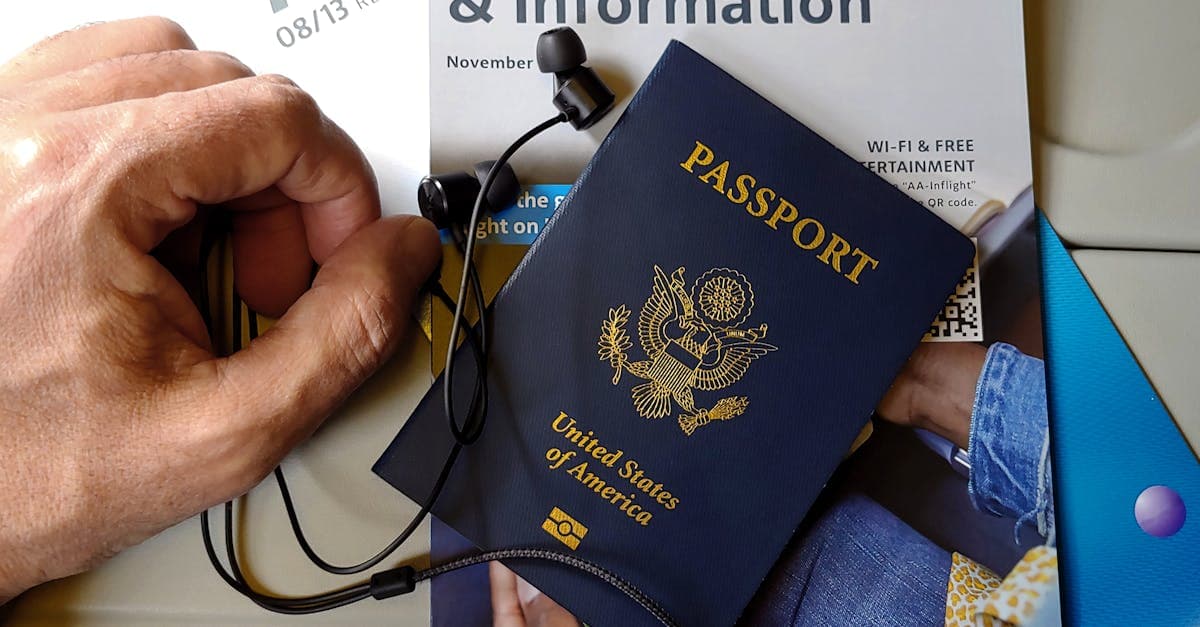
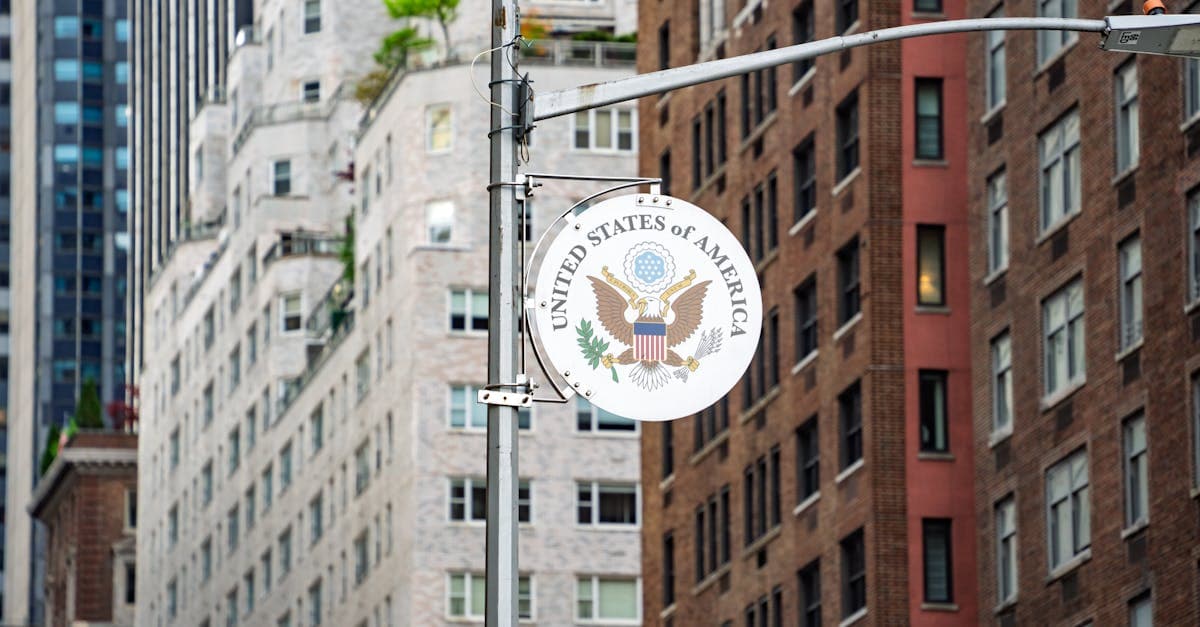
Canadian citizens don't need a US visa for visits under 180 days. They cross under a longstanding bilateral arrangement: no ESTA required, no interview, no appointment. That rule applies strictly to Canadian passport holders.
As of 2024, roughly 9 million non-citizen residents live in Canada, and a significant share make regular cross-border trips for work, study, or family. Every one of them needs a valid US nonimmigrant visa regardless of how long they've lived in Canada or how close they are to citizenship. Permanent resident cards, work permits, and study permits don't change the calculation.
The most common nationalities seeking a US visa appointment from Canada include Indian, Chinese, Filipino, Nigerian, and Pakistani nationals. These groups account for the bulk of appointments at Toronto and Vancouver.
Common visa categories:
- B-1/B-2: Business and tourism, the most frequent application at Canadian posts
- F-1: Students enrolled at US institutions
- H-1B: Specialty occupation employment
- J-1: Exchange visitors, including researchers and teachers
A nonimmigrant visa is temporary authorization to enter the United States for a specific purpose. It doesn't grant indefinite stay rights or alter your Canadian immigration status.
One practical note for PR holders: a Canadian permanent residency card can serve as supporting evidence of ties to Canada during the visa interview. Consular officers assess whether applicants will return home. Established roots here, even without citizenship, is a verifiable fact in your favour.
The myth worth busting: a Canadian study permit or work permit does nothing to waive the US visa requirement. Only citizenship does.
With eligibility confirmed, the booking steps follow a clear sequence.
Who Needs a US Visa Appointment from Canada?
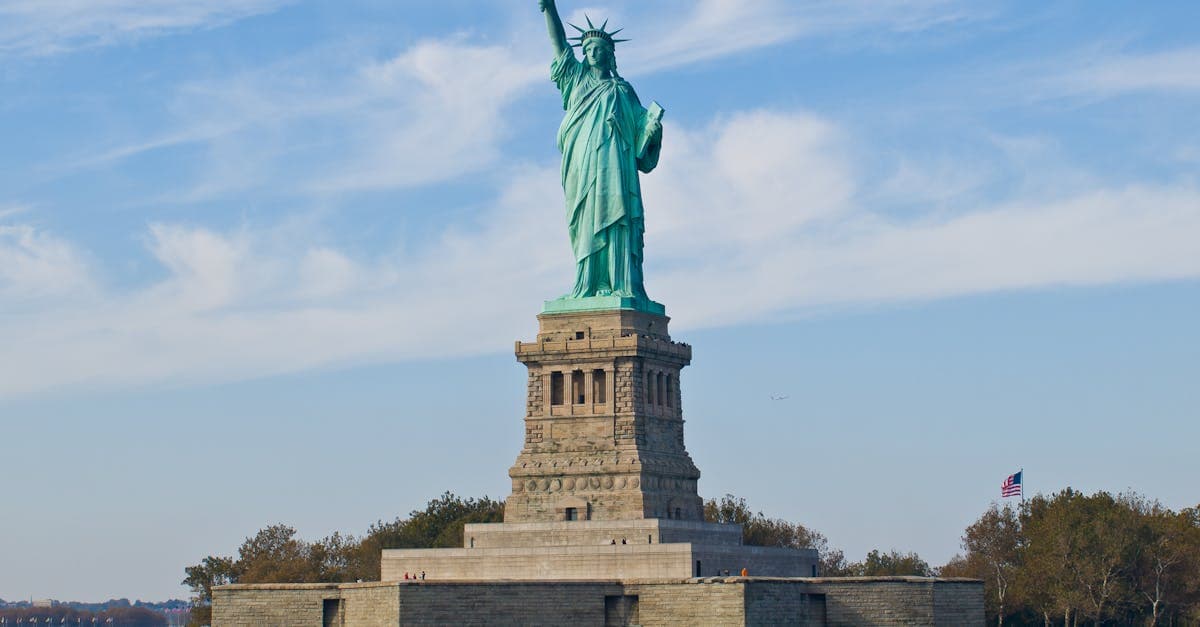
Non-citizens residing in Canada, including permanent residents, work permit holders, and international students, need a US nonimmigrant visa. The booking process follows five core steps online, starting with the DS-160 form and ending with a saved confirmation code.
Step 1: Complete the DS-160 form
The DS-160 is the standard nonimmigrant visa application, filed at ceac.state.gov. The form covers travel history, employment background, and family details. Partial submissions can time out, so set aside an uninterrupted hour. Print or save the barcode confirmation page when you finish. You'll need it at the interview.
Step 2: Pay the MRV fee
Head to ais.usvisa-info.com and pay the non-refundable application fee. The scheduling calendar is locked until payment clears. Keep your receipt. ais.usvisa-info.com
Step 3: Create your AIS account
Register at the same portal using an active email address. One account manages multiple applicants from the same household. Use an address you check regularly; all future appointment communications arrive there. ais.usvisa-info.com
Step 4: Select your consulate and appointment date
Log in and choose from the five Canadian posts: Ottawa, Toronto, Vancouver, Montreal, or Calgary. Available dates display in real time. The calendar can look bare during peak months. Checking early in the morning sometimes surfaces cancellations from applicants who rescheduled overnight. ca.usembassy.gov
Step 5: Confirm and save your slot
After selecting a time, the system issues a confirmation code. Save it in at least two places. You'll need it to check appointment status, make changes, and assemble your interview document package.
Expedited appointments exist for documented urgent travel, medical emergencies, and time-sensitive business needs. Request them through the AIS portal. Approval isn't guaranteed, and the eligibility bar is stricter than most applicants expect.
Peak demand runs January through March and again June through August. If your travel is flexible, targeting April, May, or September typically opens up more slots. That single scheduling decision can mean weeks, sometimes months, of difference in your wait.
How to Book Your US Visa Appointment: Step-by-Step
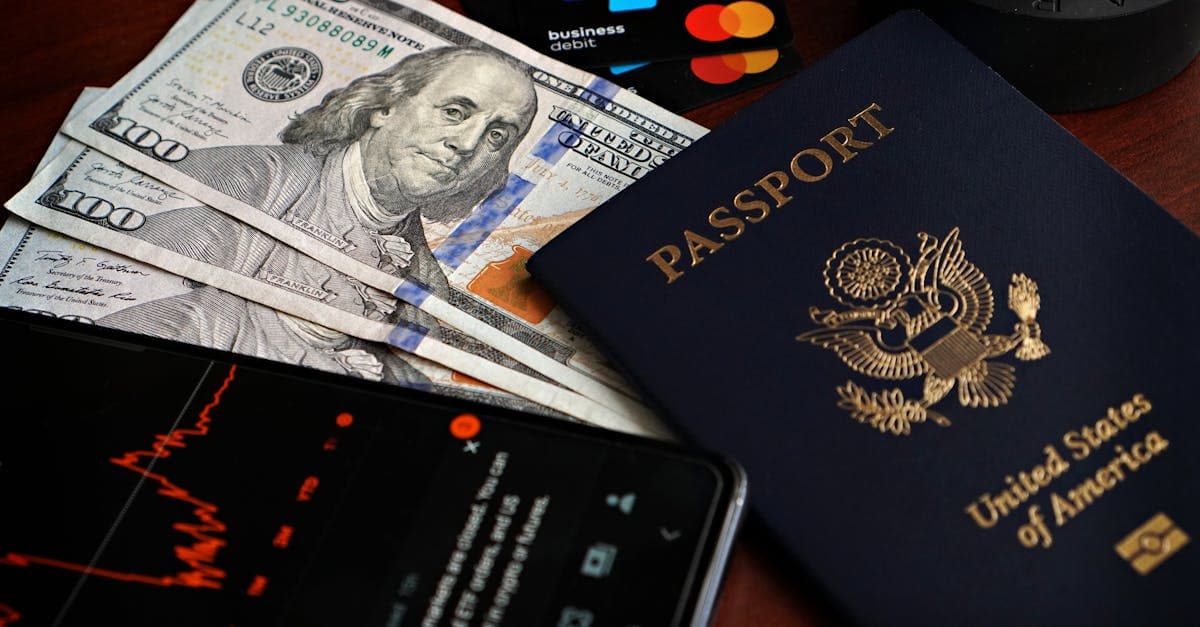
Selecting the right consulate post is a critical step when booking a US visa appointment in Canada. Toronto handles the highest volume of applications, with waits regularly running two to four months for a B-2 visitor visa. During peak periods, slots at this post fill within hours of opening. visagrader.com
The five Canadian posts differ enough in volume and queue length to be worth comparing before you commit:
The US State Department visa wait time checker shows real-time estimates by post and visa category. Wait times shift week to week with volume and staffing changes, so verify before committing to a location.
Applicants who aren't permanent residents of Canada face a particular wrinkle. The US Embassy in Ottawa notes that non-Canada residents applying at Canadian posts should expect extended processing periods. If you're on a temporary permit rather than a PR card, build that into your planning from the start. ca.usembassy.gov
Montreal and Calgary don't get enough attention from applicants outside their regions. Travellers willing to book a short domestic flight for their interview sometimes find slots available several weeks sooner than at their home post. Weighed against months of additional waiting at Toronto or Vancouver, that's a calculation worth running before you lock in.
The appointment is confirmed. The document checklist comes next.
US Visa Appointment Locations in Canada and Current Wait Times
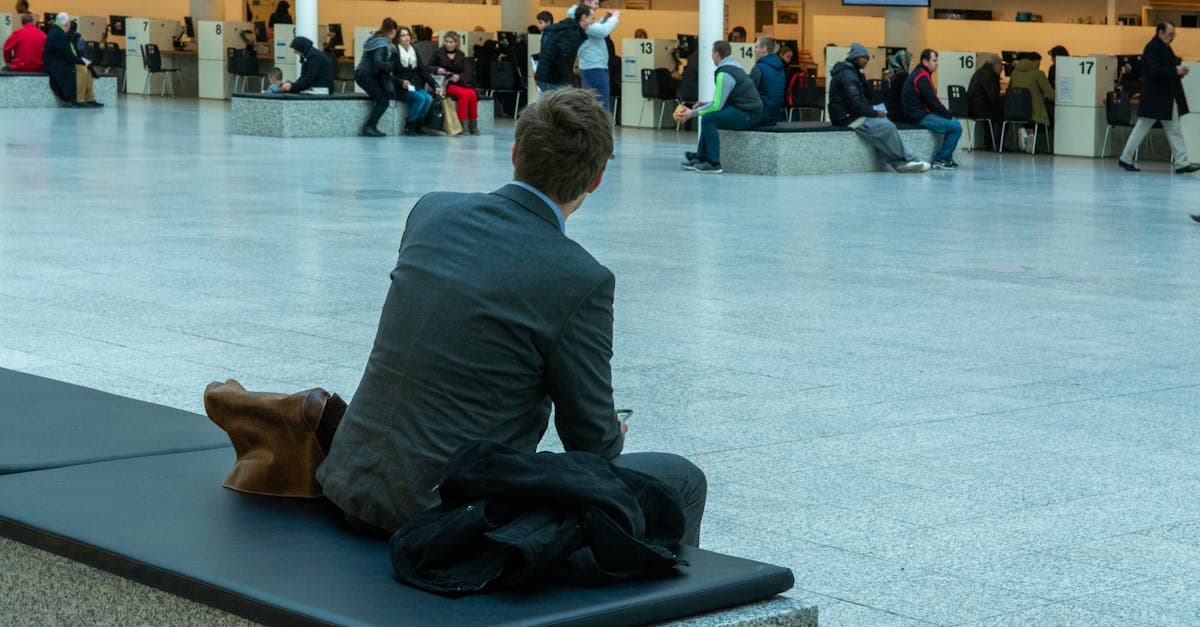
Canada has five US visa appointment locations for nonimmigrant visas: the Embassy in Ottawa and Consulate Generals in Toronto, Vancouver, Montreal, and Calgary. Toronto carries the heaviest applicant load. Montreal and Calgary run shorter queues. The table below shows how each post compares on the metrics that actually matter. visagrader.com
Five Posts at a Glance
Pull up Toronto's calendar on a January morning and the first available slot sits further out than you'd expect. Open Calgary's listing in the same browser tab and the difference is often worth a short flight. The US State Department's wait times page updates weekly, so check it before you touch the booking form.
Choosing the Right Post
The instinct is to book whichever consulate is nearest. That's the slowest approach.
State Department rules let you apply at any US post worldwide, not only the one closest to your address. A Calgary or Montreal appointment booked today can land several weeks earlier than a Toronto slot for the same visa category. Compare all five posts on the wait times tool and let the calendar guide the decision. travel.state.gov
Non-Canadian residents face an additional complication. Permanent residents and foreign nationals applying at Canadian posts should expect waits that run longer than the baseline figures in the table. Priority at Canadian posts typically favours local residents, which means a PR holder applying in Canada faces the full queue, not a shortcut. ca.usembassy.gov
Peak demand clusters in January through March and again in June through August. If your travel date has any flexibility, scheduling an appointment outside those windows is the most practical way to find an earlier slot without paying for emergency processing.
What Documents Do You Need for a US Visa Interview?
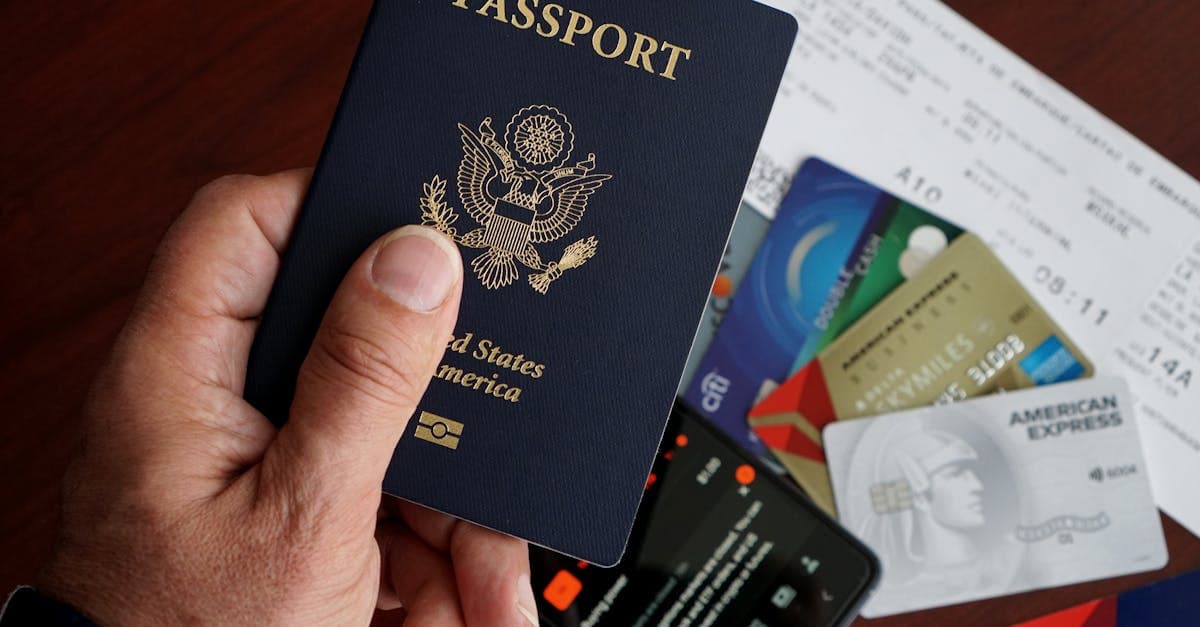
Seven documents make up the standard checklist for a B-1/B-2 interview. Arrive at the Toronto or Vancouver consulate without one of them and officers will turn you away on the spot, with no same-day remedy.
The five absolute requirements:
- DS-160 confirmation page, printed. Officers scan the barcode at check-in. A phone screenshot is not accepted at the window.
- Valid passport with at least six months of remaining validity beyond your last intended day in the US. Expiry in November on an October visit fails this test.
- MRV fee payment receipt from the AIS portal. Print a copy and keep the electronic version accessible as backup.
- Photograph: 51mm x 51mm, white background, taken within the past six months, meeting State Department specifications. Most Canadian pharmacy chains offer a US visa photo print preset; use it rather than guessing dimensions.
- Appointment confirmation letter from the AIS system, printed.
Those five get you through the door. The supporting documents are where most applicants underestimate what's needed.
Officers are assessing one thing above all: whether you have genuine reason to return to Canada after your visit. Three months of bank statements, an employment letter on company letterhead, and a confirmed return flight together make that case. A signed lease agreement, a Canada Revenue Agency Notice of Assessment, or enrollment confirmation at a Canadian institution each add weight.
Ties to Canada. That phrase does real work at the interview window.
Financial documentation depth matters regardless of nationality. A single recent bank statement tells a thinner story than three months of history showing regular income and existing obligations back home.
F-1 student visa applicants need two additional items: the I-20 form issued by the admitting US institution and proof of tuition payment or confirmed financial sponsorship. Both confirm a seat exists and someone is funding it.
Visa approval opens the next set of decisions. Connectivity is one most first-time US visitors underplan.
Staying Connected in the United States After Visa Approval
An eSIM (embedded SIM) is a digital SIM profile that installs over Wi-Fi directly onto your phone's chip. No physical card to swap, no SIM tray to hunt for at the airport.
For travel to the US, the case for an eSIM starts with one comparison. The Big Three charge around $14 CAD per day for US roaming add-ons. Over two weeks, that reaches roughly $196 CAD in data fees, before a single call or text. For snowbirds wintering in Florida, Arizona, or Mexico for two or three months, multiplying that daily rate across 60 or 90 days produces a bill worth building a plan to avoid.
Just for data.
eSIM plans for the US run considerably less. HelloRoam provides access to AT&T and Verizon 5G networks across the US, with a 3GB 30-day plan at ~C$10.95 and a 5GB 30-day option at ~C$17.11. For shorter visits, 1GB covers seven days at ~C$4.78.
Key fact: HelloRoam US eSIM plans start at ~C$4.78 for 1GB over seven days, running on AT&T and Verizon 5G.
Which plan fits your trip?
The decision breaks down cleanly:
- Weekend trip (under three days): carrier roaming is often acceptable if you have a US add-on active from Rogers, Bell, or Telus. Hotel Wi-Fi handles most of the load.
- One to two weeks: a 3GB or 5GB eSIM is the practical pick. Maps, messaging, and the occasional video call fit comfortably in that range.
- Snowbird or multi-month stay: a 10GB or 15GB 30-day plan renewed monthly avoids the daily-rate calculation entirely.
The dual-SIM setup keeps your Canadian number active for incoming calls while data routes through the US eSIM. Interac e-Transfer notifications still arrive; your carrier just isn't charging for the data.
Before purchasing any eSIM, confirm your handset is unlocked. CRTC regulations required Canadian carriers to sell unlocked phones beginning in 2017; most devices bought since then qualify.
Three common questions deserve direct answers.
Frequently Asked Questions About US Visa Appointments
Does how long I've lived in Canada affect whether I need a US visa?
No. Permanent residents must obtain a US nonimmigrant visa regardless of how many years they've been here. The exemption the US extends to Canada applies only to Canadian citizens; permanent residency carries no equivalent arrangement. A PR card establishes your right to live and work in Canada. It tells US border authorities nothing about your eligibility to enter without a visa.
The distinction matters practically: a PR who has been here for many years follows the same DS-160, fee, and interview process as someone who arrived last year.
Can I reschedule my US visa appointment if my travel plans change?
Yes, and rescheduling costs nothing. The MRV fee (the non-refundable application charge noted earlier) stays valid for one year from your payment date. Within that window, you can move your appointment through the AIS portal as many times as needed without paying again. Select your existing booking, choose a new date from available slots, and confirm. ais.usvisa-info.com
Worth checking: if your personal circumstances have changed significantly since you submitted the DS-160, particularly your employer or current address, review the form before your rescheduled date. Officers cross-reference what you declared against what you present at the interview.
Should I arrange mobile data before my first US trip?
For a quick weekend visit with light navigation needs and a confirmed hotel in hand, your Canadian carrier's US roaming add-on typically covers it. For anything longer than three days, an eSIM activated at home on Wi-Fi before departure is the cleaner approach. Scan the QR code, confirm the profile is installed, and arrive in the US already connected. No SIM hunt on arrival, no roaming charges appearing on next month's bill.
The US visa appointment process has one more question worth addressing directly.
Can I Book a US Visa Appointment If I Am a Permanent Resident in Canada?
Yes. Canadian permanent residents who are not citizens must apply for a US nonimmigrant visa, and the process is open to them at any of the five posts across Canada: the US Embassy in Ottawa and Consulate Generals in Toronto, Vancouver, Montreal, and Calgary. Book through ais.usvisa-info.com regardless of which city you choose.
The visa exemption belongs exclusively to Canadian citizens. Permanent residency, regardless of how long you've held it or how established your ties to Canada are, does not carry that exemption. ca.usembassy.gov
A common misconception: some PR holders assume a valid Canadian PR card signals sufficient North American ties to enter the US without a visa. The PR card proves residence. Visa eligibility is assessed separately, at the consulate interview.
What Happens If My US Visa Appointment Is Rescheduled?

Rescheduling a US visa appointment is free. Log into ais.usvisa-info.com, select a new date, and the MRV fee you paid stays valid for one year from the original payment date. Nothing resets. ais.usvisa-info.com
Plans change. Flights get rebooked. Interview dates shift. None of it cancels what you've already paid.
Once you have a new date confirmed, work backwards through your itinerary. Contact your hotel and any prepaid transport promptly, since cancellation penalties can apply quickly. If you'd arranged an eSIM for the trip, check the plan's activation window and shift it to match your revised travel dates. Most eSIM plans activate when you first connect to the network, not when you install the profile, so there's room to adjust.
Do I Need a Data Plan Ready for My First Trip to the United States?
Not required. But you'll feel the gap before your bags hit the carousel. US airport Wi-Fi cuts out through customs and baggage claim at major hubs like JFK and LAX. That's exactly when you need Maps, a rideshare app, or your hotel address.
Activate before you fly.
The decision is straightforward: a 1 GB plan handles a short business trip; for two weeks or more, a 10 GB plan at ~C$28.07 gives breathing room without overpaying. HelloRoam's US plans run on AT&T, T-Mobile, and Verizon networks, covering both coasts and most mid-sized cities. eSIM for United States takes minutes to activate on home Wi-Fi before departure.
Reviewed by HelloRoam's editorial team. Last updated: 18 May 2026.
Get Connected Before You Go


Frequently Asked Questions
Canadian citizens do not need a US visa or ESTA for visits under 180 days. They enter under a longstanding bilateral arrangement with no interview or appointment required.
Non-citizens living in Canada, including permanent residents, work permit holders, and international students, must obtain a US nonimmigrant visa regardless of how long they have lived in Canada.
No. Only Canadian citizenship waives the US visa requirement. Permanent resident cards, work permits, and study permits do not change the visa obligation for non-citizens residing in Canada.
Complete the DS-160 form at ceac.state.gov, pay the MRV fee at ais.usvisa-info.com, create an AIS account, then select a consulate and available date to confirm your appointment slot.
The DS-160 is the standard US nonimmigrant visa application filed online at ceac.state.gov. It covers travel history, employment, and family details. Print the barcode confirmation page when finished.
Calgary and Montreal typically have shorter wait times than Toronto or Vancouver. Toronto carries the highest volume, with B-2 visitor visa waits regularly running two to four months.
Wait times vary by location and season. Toronto typically runs 60 to 120 days, Vancouver 30 to 90 days, while Calgary and Montreal tend to have shorter queues for nonimmigrant visas.
Yes. US State Department rules allow applicants to apply at any post worldwide, not only the nearest one. Comparing all five Canadian posts can reveal significantly earlier available appointment slots.
You need your DS-160 confirmation page, a valid passport with at least six months remaining validity, the MRV fee receipt, a US-specification photo, and your printed appointment confirmation letter.
Three months of bank statements, an employment letter on company letterhead, a confirmed return flight, a signed lease, or a Canadian tax assessment notice all demonstrate ties to Canada.
The most common categories are B-1/B-2 for business and tourism, F-1 for students at US institutions, H-1B for specialty occupation workers, and J-1 for exchange visitors and researchers.
April, May, and September typically have more available slots. Peak demand runs January through March and June through August, when wait times are longest at all five Canadian posts.
Expedited appointments exist for documented urgent travel, medical emergencies, and time-sensitive business needs. Requests are submitted through the AIS portal, but approval is not guaranteed.
No. The MRV fee is non-refundable and must be paid before accessing the scheduling calendar. Keep both a printed and electronic copy of the receipt, as it is required at your interview.
F-1 applicants must bring the I-20 form issued by their admitting US institution and proof of tuition payment or confirmed financial sponsorship, in addition to the standard interview document package.
A US eSIM plan costs far less than carrier daily roaming add-ons. Budget eSIM plans provide access to major US 5G networks starting around C$5 for 1GB, versus roughly C$14 per day on carrier roaming.
An eSIM is a digital SIM profile installed over Wi-Fi onto your phone's chip. No physical card swap is needed, and a dual-SIM setup keeps your Canadian number active while data routes through the US plan.
Budget eSIM plans for US travel typically start around C$5 for 1GB over seven days, with 30-day multi-gigabyte plans available for longer stays, running on major US 5G networks.
Sources
- ais.usvisa-info.com — ais.usvisa-info.com
- U.S. Visas — travel.state.gov
- Consular Services - U.S. Embassy & Consulates in Canada — ca.usembassy.gov
- Use our new U.S. Visa Wizard! — ca.usembassy.gov
- Current US Visa Appointment wait times in Canada — visagrader.com