

Quick Answer: Toronto to Delhi Flights at a Glance

Air India handles the only non-stop among all Toronto to Delhi flights, covering roughly 11,330 km between YYZ and DEL in 14.5 to 15.5 hours. Every other option connects through a Gulf or European hub, adding at least two hours. February is the cheapest month to fly; December costs the most.
Rogers, Bell, and Telus international roaming in India adds up fast. HelloRoam's eSIM for India starts at ~C$4.78 for 1 GB over 7 days on the Vodafone, Vi India, and IDEA networks.
Key fact: HelloRoam's India eSIM plans run from ~C$4.78 for 1 GB (7 days) to ~C$29.44 for 10 GB (30 days), all on 4G through Vodafone, Vi India, and IDEA.
Activate before you board at Pearson and you'll have signal before your bags reach the carousel at IGI. Knowing the basics, here's how each airline stacks up.
Which Airlines Fly Toronto to Delhi in 2026?
Eight airlines sell seats on the YYZ to DEL route as of early 2026. Air India is the sole carrier operating its own non-stop from Pearson Terminal 1. The rest, a mix of Gulf carriers and European flag-carriers, all connect through a single hub.
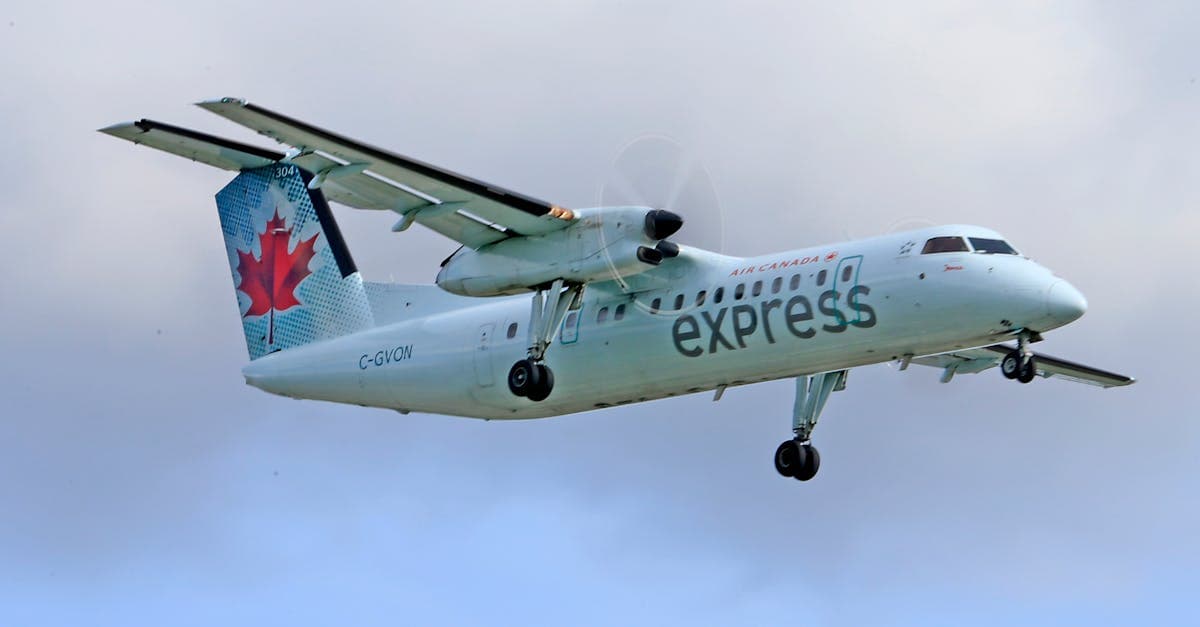
Air Canada doesn't fly its own aircraft to Delhi. That catches many travellers off guard when they search for flights online. An Air Canada ticket to DEL means either a codeshare seat on an Air India non-stop or a connection through a Star Alliance partner in Europe aircanada.com. The metal, the crew, and the service belong to the operating carrier.
That distinction matters when something goes wrong mid-journey. Each hub adds layover time differently, starting with the direct option.
Air India's Non-stop Service from YYZ to DEL
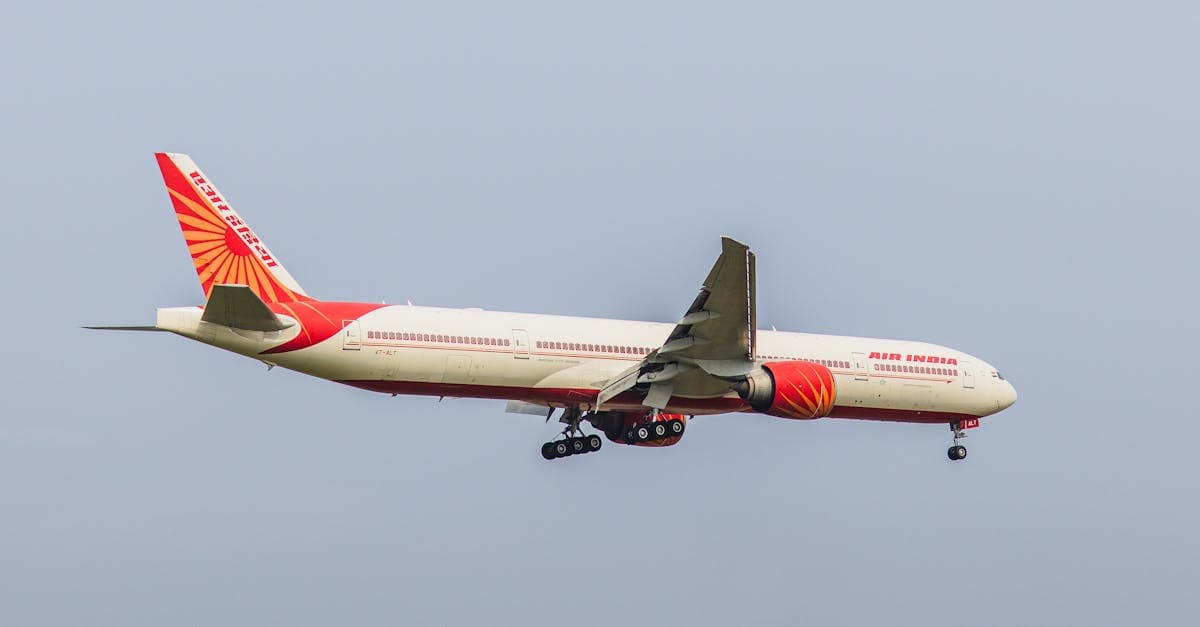
The Boeing 787-8 Dreamliner handles most rotations on Air India's YYZ non-stop, with select seasonal departures using the wide-body Boeing 777-200LR. Flights depart from Pearson Terminal 1, arriving at Indira Gandhi International Terminal 3 at 5 to 7 times weekly.
The 787-8 completes the eastbound crossing in under 16 hours. That makes this the only realistic same-calendar-day arrival option out of YYZ.
Both aircraft run two classes: economy and business. The 777-200LR carries more premium cabin seats, and that matters if you're considering an upgrade on a high-demand date. Aircraft type isn't guaranteed at booking, so pull up the seat map before you commit.
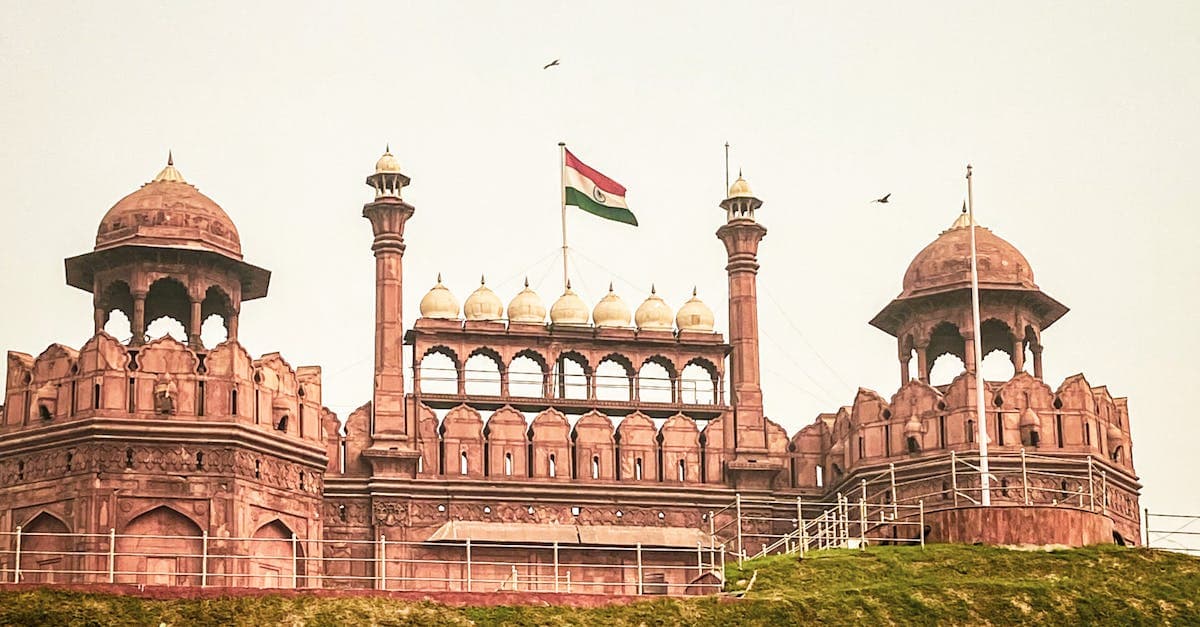
Arrivals at IGI Terminal 3 stay consolidated: immigration, baggage claim, and customs all under one roof. After a long overnight flight, that's a genuinely clean setup.
For travellers who prefer a stopover, Gulf and European hubs offer alternatives.
Connecting Hubs: Dubai, Abu Dhabi, Istanbul and Beyond

Five hubs carry the bulk of connecting traffic on Toronto to Delhi flights from YYZ: Dubai, Abu Dhabi, Doha, Istanbul, and London Heathrow, with Amsterdam and Frankfurt rounding out the European side. Total travel time stretches from 17 hours at the fast end to 22 or more with longer layovers.
Emirates via Dubai lands in the 17 to 20 hour range. Qatar Airways via Doha comes in similarly at 17 to 21 hours. Both are competitive if Air India's non-stop schedule doesn't line up with your dates.
Istanbul takes a bit more time. Turkish Airlines via IST runs 18 to 22 hours total, though Istanbul's airport is a genuinely well-run hub if you end up with a layover worth stretching.
European routing takes the longest. KLM via Amsterdam and Lufthansa via Frankfurt both sit in the 18 to 23 hour band klm.ca, and British Airways through London Heathrow falls in the same range.
Layover duration shapes the price, and prices vary more than most expect.
How Much Do Toronto to Delhi Flights Cost in 2026?

Economy fares on the YYZ-DEL route range from CAD $900 to $1,300 for off-peak connecting flights and CAD $1,200 to $2,200 for non-stop economy, rising to CAD $1,800 to $3,500 at peak season expedia.ca. Business class is where the genuine sticker shock arrives: round-trip fares run from ~C$5,000 to ~C$12,000 depending on airline and season. That's a sharp jump from even the pricier economy options.
The spread is real.
The gap between cabin classes is notably wider on toronto to delhi flights than on most transatlantic routes. Air India holds the non-stop monopoly and faces limited direct competition on premium seats. Gulf carriers price their business class confidently, knowing time-sensitive travellers and corporate accounts will absorb it.
If economy is the goal, the cheapest seats cluster around the off-peak connecting window already described. Book early, travel in February, and the numbers favour you. Those ranges shift significantly depending on the month you fly.
When Toronto to Delhi Prices Drop and When They Peak
February is the cheapest month for toronto to delhi flights, and December is the most expensive. Most travellers find that gap surprising when they first see the numbers.
Here's why December bites hard: Christmas holiday demand from Canada stacks directly on top of the Indian wedding season, which peaks from November through February. Families booking weddings fill economy cabins months ahead. Airlines have no reason to discount.
October catches travellers off guard. Diwali falls in late October or early November most years, pushing demand sharply upward during what looks like a shoulder month on a generic booking calendar. Fares in October still run below December, but well above the off-peak floor.
June and July add a third spike. Summer school holidays drive diaspora families home, and load factors stay high enough that carriers rarely need to compete on price.
The seasonal pattern, simplified:
- February and March: consistently the best value windows on the route
- October: reasonable, if you book before Diwali demand peaks
- June, July, December: the three most expensive windows; aim for two to five months ahead or accept higher fares
Price aside, the bigger choice is whether to fly direct or connect.
Non-stop Toronto to Delhi Flights: Are They Worth the Premium?

Non-stop Air India flights from Toronto to Delhi cost ~C$100 to ~C$400 more than the cheapest one-stop economy ticket. For most travellers making a 15-hour journey, that math resolves itself quickly.
Myth: Non-stop is a luxury add-on for expense-account travel.
The premium is smaller than most people assume. Compare the Air India direct against a Gulf carrier connection with a clean two-hour Dubai layover, and the fare gap often sits at the lower end of that ~C$100 to ~C$400 range. The time savings do the rest: connecting flights add anywhere from 3 hours on a clean Doha stopover to 17 hours on a longer European routing with a missed connection window factored in.
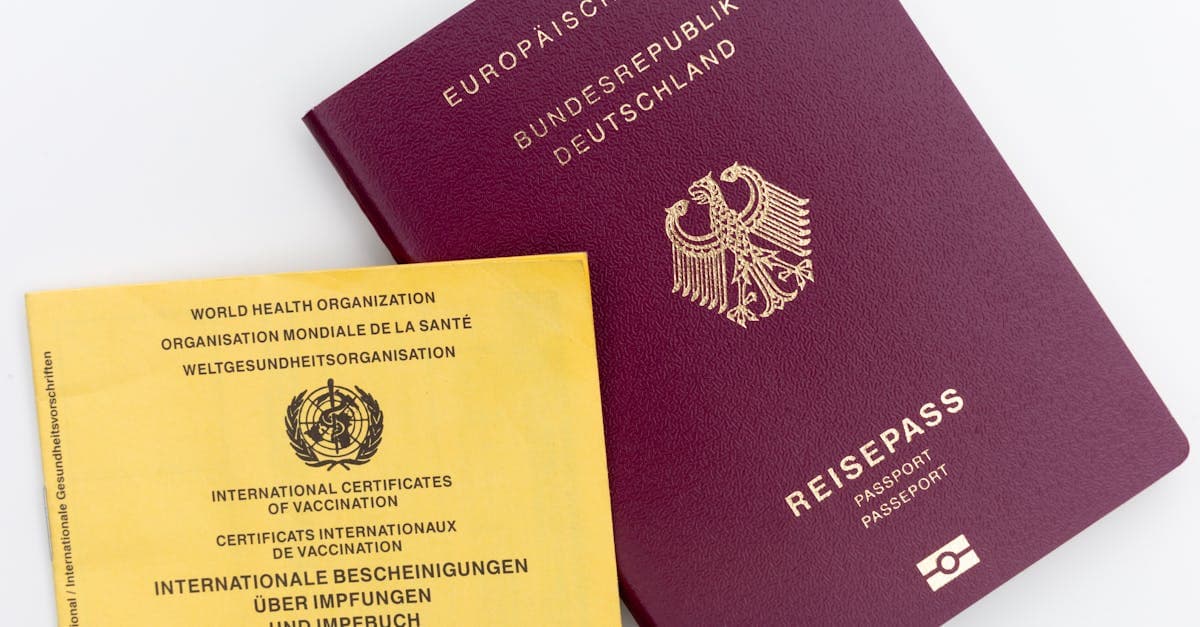
Transit documentation is the detail most guides skip. Canadian passport holders typically clear Dubai, Abu Dhabi, and Doha connections airside without a visa. Routing through less common hubs may require paperwork checked in advance. The non-stop eliminates that research entirely.
Baggage is the quiet argument for direct.
One check-in at Pearson. One belt at Terminal 3 in Delhi. Add a hub in the middle and you add a transfer risk, particularly on tight connections through high-traffic airports during peak season.
Business travellers and families with young children consistently choose non-stop. The reliability factor is real: the door closes at Terminal 1 in Pearson, and the next thing you do is clear Delhi customs. Nothing in between to go wrong.
The legitimate case for a connection: a deliberate layover. If spending 24 hours in Istanbul or a night in Dubai is genuinely appealing, a Turkish Airlines or Emirates routing turns the transit into a short detour worth taking. That's a different trip, with its own logic.
Once the flight decision is made, arrival logistics become the next priority.
How to Stay Connected in India After Landing in Delhi

Activate an eSIM before boarding at Pearson for connectivity that runs automatically as you clear Delhi customs. HelloRoam's India plans start at ~C$11.63 for 3 GB over 30 days on IDEA, Vi India, or Vodafone 4G networks. Sorting it through eSIM for India before departure means you land at IGI with a live connection, not a queue ahead of you.
The free Wi-Fi in Terminal 3's arrivals hall at Indira Gandhi International is spotty. SIM kiosks from major Indian operators are nearby, but passport registration is mandatory and activation runs 20 to 30 minutes. Not ideal after a 15-hour crossing.
Canadian roaming runs around ~C$14 per day. That's workable for a weekend; stretched to two weeks, it becomes a bill worth avoiding.
Key fact: HelloRoam's India 5 GB plan covers 30 days at ~C$17.11, with access on the IDEA, Vi India, and Vodafone networks.
Key fact: HelloRoam's India 20 GB plan runs ~C$46.57 for 30 days, a fit for heavier users relying on video calls or mobile hotspot throughout an extended stay.
eSIM vs Local SIM vs Canadian Roaming: What Works Best in India

For stays longer than four days, an eSIM is the clearest value among the three connectivity options available to Canadians travelling in India.
Canadian carrier roaming (Rogers, Bell, Telus) requires nothing beyond your existing plan. At the daily roaming rate noted in the previous section, a two-week trip to Delhi compounds into a figure that rivals the cost of internal flights. For a three-day business trip where hotel Wi-Fi covers the gaps, roaming is a sensible call. Beyond that, you're paying a premium for the convenience of not having to switch anything.
Local SIM: Jio and Airtel prepaid cards are available at Terminal 3 arrivals kiosks, and per-gigabyte rates are the cheapest of the three options by a fair margin. The trade-off is procedural. Indian telecom regulations require in-person passport verification and biometric registration at point of sale. Budget 20 to 40 minutes post-landing. Kiosk hours vary depending on arrival time, so confirm they're open before relying on them after a 15-hour flight from Pearson.
eSIM: Activate before you leave home. Land at Indira Gandhi International with IDEA, Vi India, or Vodafone 4G already running on your device. Your Canadian number stays active through dual-SIM, so Toronto contacts reach you on the same number as always. Coverage extends beyond IGI Terminal 3 into central Delhi and the metro corridor. Plans covering short Delhi stays through full-month India circuits are both available, as described in the previous section.
No kiosk queue. No roaming surprise landing in your inbox after you're home.
Before committing to an eSIM, most Canadians have the same compatibility question.
Can I Use an eSIM in India?
Yes, eSIM works in India. The question that actually determines compatibility is not the destination network but the handset in your pocket.
iPhone XS and later models are fully eSIM capable. Apple has included eSIM hardware in every iPhone released since 2018, and the iPhone 15 series sold in Canada ships without a physical SIM tray entirely. If you're carrying a recent Apple device, compatibility is a non-issue.
Android is less uniform. Google Pixel phones and recent Samsung Galaxy flagships support eSIM, but mid-range and budget models from some manufacturers do not. The fastest check takes under a minute: on Android, go to Settings > Connections > SIM card manager; on iOS, Settings > Cellular > Add eSIM. If the option exists, the hardware is ready.
The unlock question trips up fewer Canadians than it used to. The CRTC wireless code has required carriers to sell unlocked handsets since 2017, ending the era of carrier-locked phones purchased in Canada. Any phone bought here after that point accepts an international eSIM profile without a call to Rogers or Bell first.
Set up the eSIM profile before leaving Pearson, as covered earlier. The process needs a Wi-Fi connection and takes under five minutes. Completing it at home means you land at IGI with data already running.
Compatibility confirmed, timing the actual booking is the final variable.
What Is the Best Month to Book a Toronto to Delhi Flight?
For economy class, book 2 to 5 months before departure and target a February travel window. February sits at the low end of the annual fare range for Toronto to Delhi flights, and December is consistently the most expensive month, driven by overlapping demand from Indo-Canadian holiday visits and Canadian Christmas travel.
A practical booking calendar:
- February through March: Lowest average fares of the year. The priority window for anyone with flexible travel dates.
- April through May: Post-winter lull. Fares land in the middle of the annual range with reasonable seat availability.
- Diwali window (late October to early November): Moderate fare increases as diaspora travel demand builds. Cheaper than December, but seats at mid-range price points go quickly.
- June and July: Summer family and student travel drives prices up sharply on one of the busiest transoceanic routes between Canada and South Asia.
- December: Peak fares across all carriers. Seats at lower fare buckets sell out weeks in advance.
Business class behaves differently. Fares are less sensitive to seasonal swings, and a 3-month lead time is typically enough to secure competitive rates. The spread between early-booking and last-minute business fares is considerably narrower than in economy.
Worth flagging: December and Diwali windows book fastest on this route. Indo-Canadian diaspora travellers plan holiday trips months in advance. If December is unavoidable, committing at the 5-month mark is the safer call.
Set the calendar reminder now. February fares on this route fill faster than the shoulder months do.
Reviewed by HelloRoam's editorial team. Last updated: 29 April 2026.
Get Connected Before You Go


Frequently Asked Questions
Air India is the only carrier operating a non-stop flight between Toronto Pearson Airport (YYZ) and Delhi's Indira Gandhi International Airport (DEL). All other airlines on the route connect through a Gulf or European hub, adding at least two hours to the total journey time.
The non-stop Air India flight from Toronto to Delhi takes 14.5 to 15.5 hours. Connecting flights through Gulf or European hubs extend total travel time to between 17 and 32 hours, depending on the layover duration and routing.
Flights depart from Toronto Pearson International Airport Terminal 1 (YYZ) and arrive at Indira Gandhi International Airport Terminal 3 (DEL) in New Delhi. Terminal 3 at IGI consolidates immigration, baggage claim, and customs under one roof.
Off-peak economy fares for connecting flights range from CAD $900 to $1,300, while non-stop economy seats cost CAD $1,200 to $2,200. Peak season fares on any airline can reach CAD $1,800 to $3,500. Business class round-trip fares range from approximately CAD $5,000 to $12,000 depending on airline and season.
February is consistently the cheapest month to fly from Toronto to Delhi. March is also a strong value window. December is the most expensive month, as Christmas holiday demand from Canada coincides with India's peak wedding season, filling economy cabins months in advance.
The optimal booking window is two to five months in advance. Traveling in February or March and booking early gives the best chance at lower fares. June, July, and December are the three most expensive windows and require even earlier booking if you must travel then.
October fares spike because Diwali typically falls in late October or early November, sharply driving up demand during what appears to be a shoulder month on generic booking calendars. Prices in October remain below December levels but are well above the off-peak floor seen in February.
The main connecting hubs for Toronto to Delhi flights are Dubai, Abu Dhabi, Doha, Istanbul, Amsterdam, Frankfurt, and London Heathrow. Gulf hub connections typically run 17 to 21 hours total travel time, while European routings extend to 18 to 23 hours.
The non-stop premium over the cheapest one-stop economy ticket typically ranges from approximately CAD $100 to $400. For most travelers, the savings of 3 to 17 hours in transit time, eliminated transfer risk, and simpler baggage handling make the non-stop a worthwhile choice, especially for families or business travelers.
Canadian passport holders can typically transit through Dubai, Abu Dhabi, and Doha airside without a transit visa. Routing through less common hubs may require additional documentation, so verify requirements before booking alternative connecting airports.
Air India primarily uses the Boeing 787-8 Dreamliner for its non-stop Toronto to Delhi service, with select seasonal departures on the wider Boeing 777-200LR. Both aircraft offer economy and business class cabins, though aircraft type is not guaranteed at booking.
Yes, eSIM works in India. Compatibility depends on your device. iPhones from the XS model (2018) onward are fully eSIM capable, and iPhone 15 models sold in Canada have no physical SIM tray at all. For Android, Google Pixel phones and recent Samsung Galaxy flagships support eSIM, though many mid-range models do not.
On Android, go to Settings > Connections > SIM card manager. On iOS, go to Settings > Cellular > Add eSIM. If the option is present, your device supports eSIM. The check takes under a minute and confirms compatibility before you purchase any India eSIM plan.
India eSIM plans for Canadian travelers start at approximately CAD $4.78 for 1 GB over 7 days. Larger plans range from around CAD $11.63 for 3 GB over 30 days to CAD $46.57 for 20 GB over 30 days, all running on 4G networks including IDEA, Vi India, and Vodafone.
Activate your India eSIM before boarding at Toronto Pearson Airport. This ensures your connection is live the moment you land at Indira Gandhi International, giving you data before your bags reach the carousel without any kiosk queue after a long flight.
Canadian carrier roaming in India costs approximately CAD $14 per day. For a two-week stay in Delhi, that totals close to CAD $200 in roaming charges, making alternatives like an eSIM or a local SIM significantly more cost-effective for trips longer than a few days.
For stays longer than four days, an eSIM offers the best combination of value and convenience. Canadian carrier roaming adds up quickly at around CAD $14 per day. Local SIM cards have the lowest per-gigabyte cost but require 20 to 40 minutes of in-person passport verification and biometric registration at airport kiosks after landing.
India eSIM plans for Canadian travelers run on IDEA, Vi India, and Vodafone 4G networks. Coverage extends through major cities including Delhi and the metro corridor, providing reliable connectivity from the moment you clear Delhi customs.
An eSIM is activated before you leave Canada, so you land in Delhi with a working connection immediately rather than waiting in a kiosk queue. Dual-SIM capability also keeps your Canadian number active for incoming calls and messages. Local SIM cards require in-person passport and biometric registration that can take 20 to 40 minutes post-arrival, with kiosk hours that vary by arrival time.
Air Canada does not operate its own aircraft to Delhi. An Air Canada ticket to DEL means either a codeshare seat on an Air India non-stop or a connection through a Star Alliance partner in Europe. The operating carrier's aircraft, crew, and service standards apply, which matters if something goes wrong mid-journey.
Sources
- Travel with Air Canada from Toronto to Delhi (YTO - DEL) fromCAD 1,895* — aircanada.com
- Cheap Flights from Toronto (YYZ) to Delhi (DEL) — expedia.ca
- Flight deals from Toronto to Delhi — klm.ca