


Quick Answer: Florida Weather for Canadian Travellers
Florida stays warm all year, with winter temperatures in the low-to-mid 20s Celsius and summer highs pushing well above 30. The dry season runs November through April, the rainy season covers June through September, and hurricane risk peaks from August through October. For Canadians planning around the weather, November to April is the clean answer.
South Florida (Miami, Fort Lauderdale, Naples) runs 3 to 5 degrees warmer than the north year-round. A January morning in Naples feels nothing like one in Jacksonville.
There's a travel insurance catch for late-summer bookings: most policies exclude hurricane coverage if a named storm already exists at time of purchase. That matters for anyone targeting September or October travel.
For connectivity while you're there, HelloRoam's eSIM for United States starts at ~C$3.93 for 1GB over 7 days, running on AT&T and Verizon's 5G networks, well below what Rogers or Bell typically charge for international day access. Snowbirds staying a full month or more will find the 30-day data plans a sharper fit.
Key fact: HelloRoam's United States 5GB 30-day plan costs ~C$13.71 on AT&T and Verizon's 5G networks.
Monthly detail sharpens the picture further.
Florida Weather Month by Month: Temperatures, Rainfall, and Crowds
Florida's weather splits more sharply by rainfall than by temperature. Both July and August sit at the same peak temperatures, yet summer monthly rainfall runs roughly four times January's total. The table maps all twelve months across average highs, monthly precipitation, and typical visitor demand.
April stands out. Warm days, low humidity, and crowds thinning after March break; July is the opposite, carrying that four-times-January rainfall alongside the same peak heat.
The north-south temperature gap matters at the destination level. Tallahassee and Jacksonville run measurably cooler through winter than Naples or Fort Lauderdale, which shapes both packing decisions and shoulder-season hotel pricing across the state.
Seasons tell one story. Hurricane risk tells another.
Dry Season: November to April
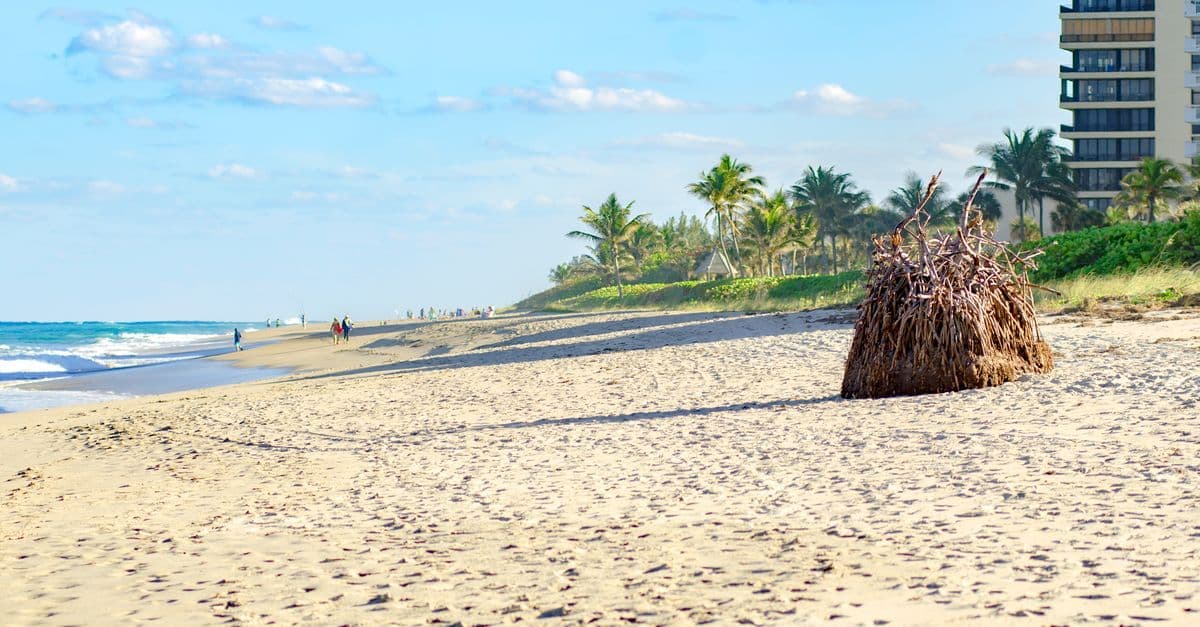
Florida's dry season delivers exactly what Canadian winters withhold: warm days, low humidity, and rainfall that barely registers month to month. Overnight temperatures cool to around 10 Celsius in January, making evenings genuinely comfortable in a way July simply won't allow.
This is peak snowbird territory.
Roughly 3.5 to 4 million Canadians visit Florida each year, and the dry season captures most of that volume. Around 500,000 Canadians own property in Florida outright, the largest foreign ownership group in the state. The practical result: accommodation demand in Naples, Sarasota, and Fort Lauderdale tightens from December onward. Rental rates in those key snowbird markets climb sharply through January and February.
Booking early isn't optional in those markets. Snowbirds who lock in rentals by October consistently find better rates and more choice than those who start looking in January, when the well-priced inventory has long since been claimed.
Summer is a different calculation entirely.
Wet Season: May to October
Heat and daily rain arrive together from May and hold through October. Afternoon thunderstorms become routine from June onward, humidity builds toward a July-August peak, and the conditions that make Florida's dry season so appealing disappear until November.
What works in your favour
Hotel rates fall. Once the school calendar shifts and tourist crowds thin, accommodation prices in Orlando, Miami, and Fort Myers drop noticeably. June through September is the most competitive window for deals across Florida's major destinations, with savings that can meaningfully offset the weather inconvenience for budget-conscious travellers.
What works against you
The storms are reliable, if nothing else. Two realities define the wet-season experience:
- Afternoon thunderstorms arrive most days, heavy and fast, typically clearing well within an hour
- Humidity in July and August makes sustained midday outdoor exposure genuinely draining, even near coastal breezes
Morning is your outdoor window. Schedule beach time, theme-park visits, and active excursions before noon and let the afternoon weather do its thing.
Then comes hurricane season proper.
Hurricane Season in Florida: What the Risk Actually Means
Hurricane season runs June 1 through November 30, nearly half the calendar year. September carries the highest statistical risk, but a hurricane makes direct landfall on Florida soil roughly every three to five years on average, not once a season.
That distinction matters. Most seasons pass without a Florida landfall. The risk is concentrated, not constant.
Recent history sharpens the picture. Hurricane Ian struck southwest Florida in September 2022 as a Category 4 storm. Idalia hit the Big Bend coast in 2023. Milton came close to Category 5 strength before striking the Gulf Coast in late 2024. Three consecutive years with significant Florida impacts. That reshaped how travellers and insurers assess the exposure.
The insurance piece is where the pressure lands hardest. Standard travel policies typically exclude cancellations triggered by named storms. The clause is blunt: if a storm has a name at the time of purchase, that storm isn't covered. Book your policy after a system forms and the protection disappears.
For Canadians planning fall travel between August and October, the coverage gap is the real risk to manage, not the hurricane itself.
Insurance matters. So does choosing the right window.
Travel Insurance and Named Storms
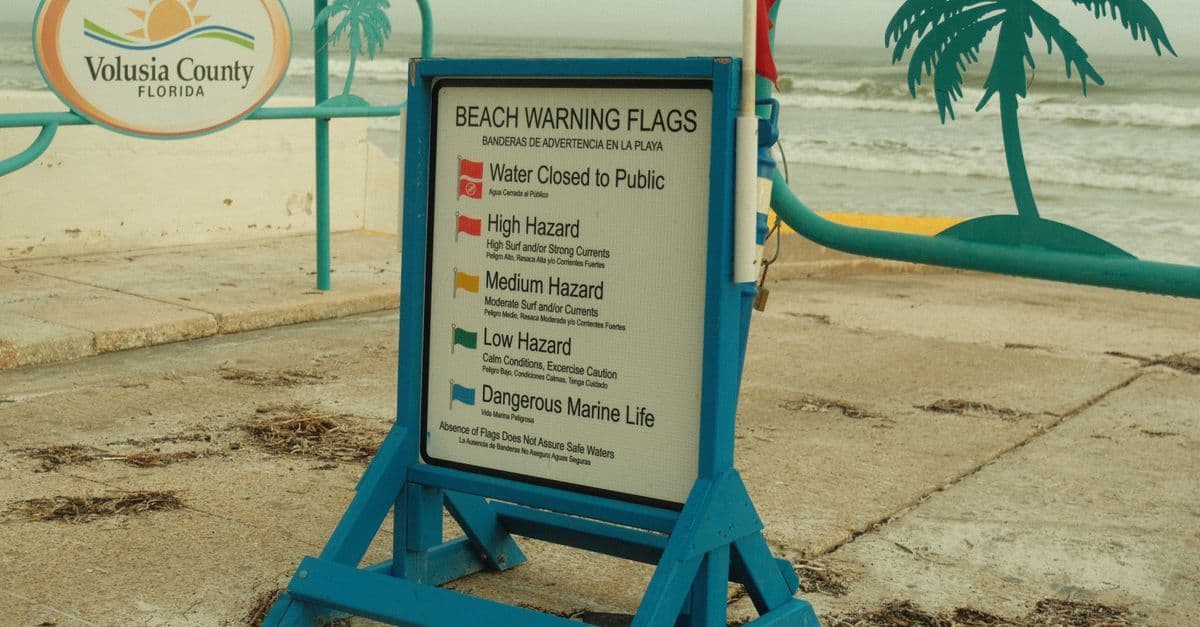
Standard travel insurance policies exclude cancellations caused by named storms. That's not fine print buried in the policy document, it's the clause Canadians most often miss when booking Florida trips during hurricane season.
Cancel for Any Reason (CFAR) coverage fills the gap. CFAR policies cost more than standard coverage, but they let you cancel for reasons a standard policy won't recognize, including an approaching storm that hasn't yet triggered any damage threshold. The trade-off is partial reimbursement of non-refundable costs rather than a full payout.
Timing the purchase is the core lever here. Most Atlantic storms don't get named until July or August. A policy bought in April for a September trip sits outside the named-storm exclusion window for the whole season. Buying in late August for an October trip inverts that protection entirely.
The practical move: book early, buy coverage at the same time, and read the named-storm exclusion clause before you close your browser tab.
With risk understood, the timing decision gets clearer.
Florida Weather in Winter Versus Summer: Choosing Your Window
Winter delivers daytime highs in the low-to-mid 20s Celsius across central and south Florida, low humidity, and stretches of cloudless sky. Summer brings intense heat, storms that arrive around 3pm with near-mechanical regularity, and hotel rates well below their January peaks. The decision between these two windows comes down to an honest trade. Same destination. Very different trip.
Shoulder Months: The Underrated Option
April and October deserve more attention than most booking guides give them. April closes out dry season with warm temperatures, manageable humidity, and a tourism calendar still running at full capacity. March break crowds clear through the second half of the month and hotel rates soften without dropping to summer lows. October offers something different: hurricane risk fades sharply after September's statistical peak, temperatures settle into the upper 20s, and coastal markets from Fort Lauderdale to Naples see rates fall considerably from winter highs.
For Canadian snowbirds arriving early or departing late in the season, October often delivers the most comfortable stretch of Florida weather available.
March Break: The Exception That Needs Three Months Lead Time
March creates a demand spike unlike anything else in the Florida calendar. Orlando and Fort Lauderdale see accommodation prices surge and availability shrink fast. Three months of lead time is the floor for booking, not a comfortable buffer.
Summer Savings Are Real
Hotels in Miami, Tampa, and Naples reduce rates noticeably through the June-to-October period. Those discounts are genuine, booked against a clear understanding: afternoon storms aren't optional. Plan outdoor activity before 3pm and summer in Florida is entirely manageable.
Weather sorted. Now, staying online once you land.
Staying Connected in Florida: eSIM, SIM Cards, and Wi-Fi
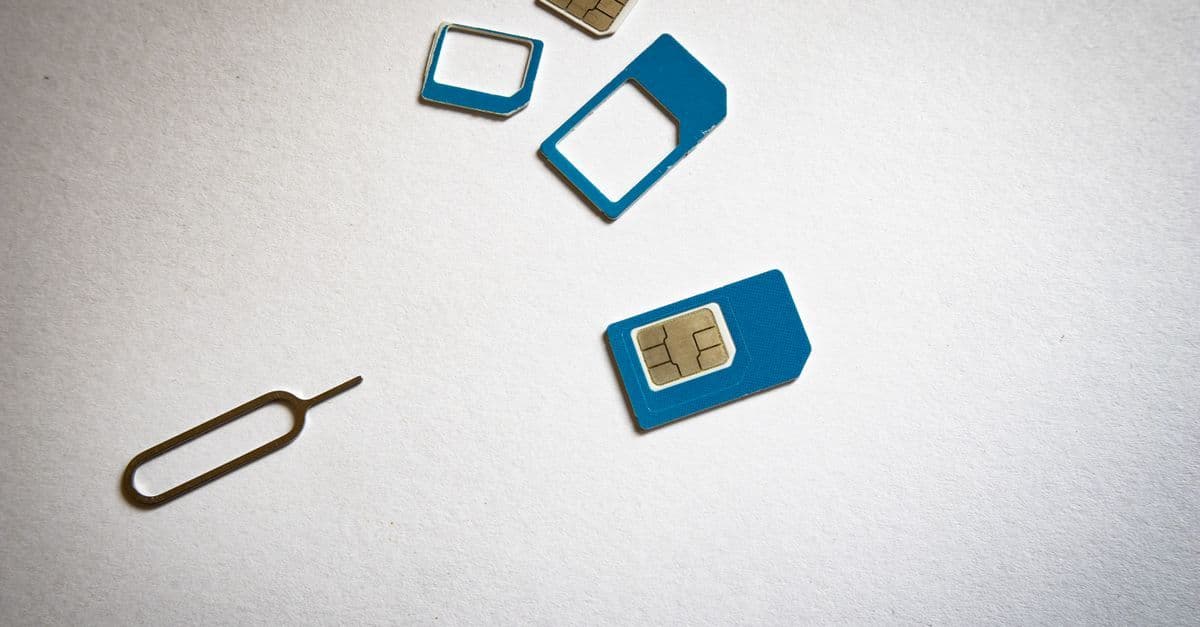
Most Canadian phones sold after 2017 are unlocked by CRTC regulation (Canada's telecommunications regulator). Installing a US eSIM before departure requires no call to your carrier and no unlock fee.
The cost of skipping that step adds up quickly. Rogers, Bell, and Telus charge roughly $14 CAD a day for US travel under their Roam Like Home and equivalent plans. A three-week snowbird run through Fort Lauderdale and Naples totals several hundred dollars in roaming charges, and that's before hotel Wi-Fi enters the picture.
Hotel Wi-Fi in Florida is inconsistent. Branded chains in Orlando and Tampa generally deliver a reliable connection. Smaller beachfront properties, particularly during peak weeks, serve too many guests on a shared network to depend on for navigation or video calls home.
A dedicated cellular plan makes considerably more sense for stays longer than three days. HelloRoam offers a 10GB plan for 30 days at ~C$22.48 on AT&T and Verizon's 5G networks, a workable fit for a month in Florida. Snowbirds running a full season can stack consecutive 30-day plans to stay covered through to spring.
Set up an eSIM for United States before you board so connectivity isn't the first thing to troubleshoot after landing.
One detail many Canadians miss: Florida is not uniform.
eSIM Versus Carrier Roaming: A Quick Cost Check
Carrier roaming fees add up faster than most Canadians budget for.
Ten days of Big Three roaming in the US runs $98 to $140 CAD, depending on your carrier and which day-pass tier you're on. That charge posts whether you streamed video from the pool or barely touched your phone.
eSIM plans covering the same window cost considerably less. The pricing outlined earlier in this guide covers the specifics: AT&T and Verizon coverage for a 10-day Florida trip runs nowhere near those roaming totals.
No SIM swap at the airport.
Scan a QR code before you board at YYZ or YVR, and the eSIM activates on landing. Dual SIM keeps your Canadian number live in parallel, so Interac e-Transfer notifications and bank SMS codes reach you without interruption.
Big Three roaming is convenient if you're not watching the bill. An eSIM delivers the same AT&T and Verizon coverage at a fraction of the cost. That's a decision most travellers make once and don't revisit.
Cost clear. Now the regional picture.
Does Florida Weather Differ Between North and South?
Yes, and the gap is wider than the state's outline suggests.
North Florida runs 5 to 10 Celsius cooler than the south in winter. Jacksonville and Tallahassee both see occasional January frost, which surprises travellers who assume the whole state is frost-free. Cold fronts push down the peninsula several times each winter, and when they do, the temperature contrast across Florida's length is striking.
South Florida is a different climate zone entirely.
Miami and Fort Lauderdale sit in a tropical savanna climate where winter frost is essentially unknown and January highs regularly reach 24 to 26 Celsius. That consistent warmth is precisely why snowbirds from Ontario and Quebec concentrate their stays in the southern corridor, from West Palm Beach through Fort Lauderdale down to Naples.
Orlando occupies the middle ground. A cold snap that delivers frost warnings to Tallahassee brings Orlando down to 12 to 14 Celsius overnight without touching zero. Daytime highs there in January average a few degrees below Miami but well above what you left behind in Toronto or Calgary.
The regional split matters for planning. Florida weather that matches the classic image, warm evenings, short sleeves in January, no jacket needed, is a South Florida experience. North Florida delivers that from March forward, not December.
Snowbirds settling in for four or five months choose South Florida for exactly that reliability. One question remains before you book.
Can I Use My Canadian Phone in Florida?
Canadian phones roam on US networks automatically. CRTC regulation mandates unlocked devices for all handsets sold in Canada after December 2017, which means a US eSIM profile installs without calling your carrier first.
Three things to confirm before you leave:
- Unlock status: On iPhone, go to Settings > General > About and scroll to Carrier Lock. "No SIM restrictions" means you're clear. Android varies by manufacturer, but searching "SIM lock" in Settings gets you there.
- eSIM compatibility: iPhone XS and later support eSIM natively. Most flagship Android phones from the past three years do as well. Older or budget handsets may need a physical SIM card, available at US carrier retail stores throughout Florida.
- Dual SIM setup: Running a US data eSIM alongside your active Canadian SIM keeps your home number live for Interac e-Transfer alerts, SMS banking codes, and family calls. Canadian bank apps use SMS-based two-factor authentication tied to your home number, so keeping that SIM active is practical, not optional.
The CRTC unlocking rules put Canadian travellers in a stronger position than many realize. A lot of Canadians assume carrier roaming is the only option because that's how locked phones used to work.
Set up the data eSIM the evening before you fly, not at the departure gate.
Reviewed by HelloRoam's editorial team. Last updated: 24 June 2026.
Get Connected Before You Go


Frequently Asked Questions
The dry season from November through April is the ideal window. Temperatures stay in the low-to-mid 20s Celsius with low humidity and minimal rainfall, making it the most comfortable stretch for Canadian travellers.
January in South Florida sees highs around 21C and lows near 10C. North Florida runs measurably cooler and can see frost, while Miami and Fort Lauderdale stay consistently comfortable through the month.
Hurricane season officially runs June 1 through November 30. September carries the highest statistical risk, but a hurricane makes direct Florida landfall only once every three to five years on average, not every season.
Standard travel insurance excludes cancellations triggered by named storms. If a storm is named before you buy your policy, that storm is not covered. Cancel for Any Reason coverage fills this gap at a higher premium.
Most hurricane seasons pass without a Florida landfall. The greater risk is a travel insurance gap: standard policies exclude named storms, so timing your policy purchase early in the season matters more than avoiding travel entirely.
South Florida runs 5 to 10 Celsius warmer than North Florida in winter. Miami and Fort Lauderdale rarely see frost and average 24 to 26C in January, while Jacksonville and Tallahassee can experience overnight frost.
July is Florida's hottest and wettest month, with average highs around 33C and roughly 19cm of monthly rainfall. Daily afternoon thunderstorms are routine, and high humidity makes midday outdoor activity draining.
October is an underrated month for Florida travel. Hurricane risk drops sharply after September, temperatures settle into the upper 20s Celsius, and accommodation rates fall considerably from winter highs.
April closes Florida's dry season with warm temperatures, low humidity, and softening crowds after March break. Hotel rates ease from peak levels while beaches and theme parks remain fully operational.
Canadian carriers typically charge around $14 CAD per day for US roaming. Over a three-week trip this totals several hundred dollars. Travel eSIM plans running on the same US networks cost a fraction of that amount.
Most Canadian phones sold after December 2017 are unlocked under CRTC regulation. iPhone XS and later support eSIM natively, as do most flagship Android phones from recent years, allowing a US data plan to be installed before departure.
Buy travel insurance at the same time you book your trip. Most Atlantic storms are not named until July or August, so a policy purchased in spring for a fall Florida trip sits outside the named-storm exclusion window.
Book Florida accommodation by October for the December to February peak season. In popular snowbird markets like Naples and Fort Lauderdale, well-priced rentals are typically claimed long before January arrives.
Florida's rainy season runs June through October, with afternoon thunderstorms arriving most days from June onward. These storms are typically heavy but brief, usually clearing within an hour, with peak rainfall in July and August.
Florida summers see consistent highs around 33C from June through August, paired with high humidity and daily afternoon thunderstorms. Morning hours are the best practical window for outdoor activities like beach visits or theme parks.
March break drives significant price increases and availability shortages across Orlando and Fort Lauderdale. Book at least three months in advance to secure reasonable rates and adequate accommodation options.
Running a US data eSIM alongside your physical Canadian SIM keeps your home number active for calls and SMS. Dual SIM setup means bank codes and messages from home still reach you without interruption.
Sources
- Orlando, FL Current Weather — theweathernetwork.com
- graphical.weather.gov — graphical.weather.gov
- weather.com — weather.com
- Orlando, FL Weather Forecast — accuweather.com
- Orlando Weather News – Central Florida Weather Updates — wesh.com