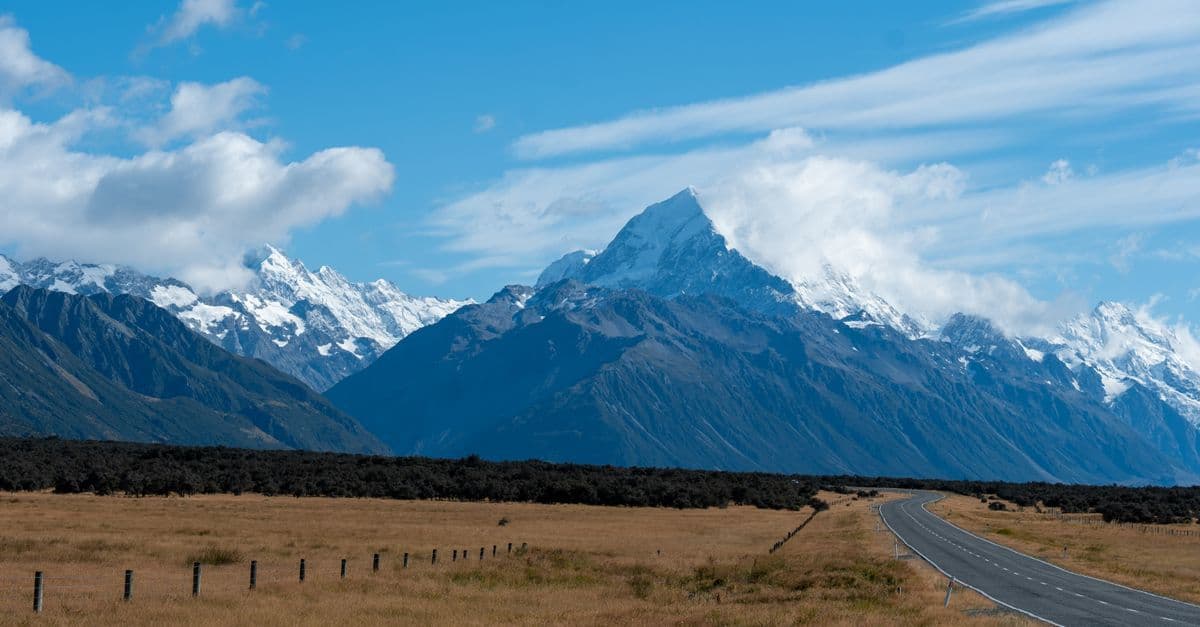
Planning to drive or travel by campervan? A HelloRoam New Zealand eSIM, installed before you leave Canada, puts maps, your rental pickup details and campsite bookings on your phone when you land.
Canada's four risk levels run from normal precautions to avoid all travel
Global Affairs Canada (GAC) sets one level for the whole of New Zealand, with no regional advisories. As of 1 October 2026, its New Zealand travel advice page lists the country at "Take normal security precautions".
 Get your New Zealand eSIM before you flyInstall it at home, then turn on data roaming for it when you land. From CA$4.88.See New Zealand plans
GAC uses four levels, from lowest to highest:
- Take normal security precautions: take similar precautions to those you would take in Canada.
- Exercise a high degree of caution: there are certain safety and security concerns, or the situation could change quickly.
- Avoid non-essential travel: a formal travel advisory, issued when your safety and security could be at risk.
- Avoid all travel: a formal travel advisory, meaning your personal safety and security are at great risk.
Levels can change at short notice, so check the official page again in the week before you fly. GAC's free Registration of Canadians Abroad service lets the Government of Canada notify you of an emergency at your destination or a personal emergency at home.
New Zealand ranks second on the 2026 Global Peace Index, ahead of Canada and Australia
The Global Peace Index 2026, published in June 2026 by the Institute for Economics & Peace, ranks 163 countries and territories. It scores three areas: Societal Safety and Security, Ongoing Domestic and International Conflict, and Militarisation. It is not a tourist safety rating, but it gives a data-based answer to two common questions: is New Zealand safer than Canada, and is it safer than Australia?
| Country | 2026 GPI rank (of 163) | Score (lower is more peaceful) |
|---|---|---|
| Iceland | 1 | 1.161 |
| New Zealand | 2 | 1.343 |
| Canada | 14 | 1.525 |
| Australia | 20 | 1.602 |
On this index, New Zealand is the most peaceful country in the Asia-Pacific region. It also has the region's lowest score for ongoing conflict, the part of the index that measures wars and conflict at home and abroad.
The level is the same everywhere, but the risks change by area
GAC's level covers the whole country. What changes from place to place is the type of risk. This table sums up the main risks by area, from GAC and New Zealand's own agencies, and the sections below give the details.
| Area | Main risks |
|---|---|
| Major cities | Pickpocketing and purse snatching |
| Backcountry, alpine and remote areas | Unmarked trails, sudden weather changes, weak mobile coverage, and avalanches in any season across 12 alpine regions |
| Beaches and coastal waters | Rip currents, wildlife in some areas, and tsunami after a nearby earthquake |
| Volcanic areas, including Tongariro National Park | Volcanic unrest, at a level GeoNet sets for each volcano |
| Rural roads | Narrow, curvy and hilly roads, unpaved mountain roads, livestock, one-lane bridges and railway crossings without barriers |
Earthquakes, volcanoes and storms are New Zealand's main natural hazards
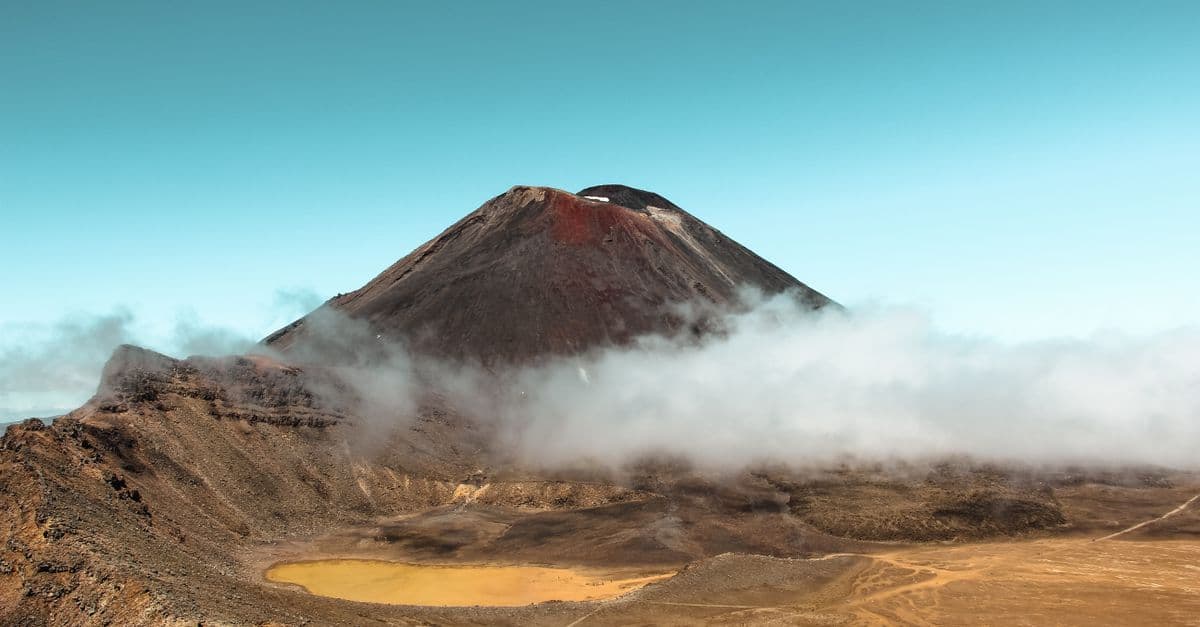
New Zealand sits on the boundary between the Australian and Pacific plates. GeoNet locates around 20,000 earthquakes in and around the country each year, and about 250 of them are strong enough to be felt.
Tsunamis are the follow-on risk on the coast. GeoNet counts about 10 tsunamis higher than 5 m since 1840, most caused by earthquakes close to shore. If the sea suddenly draws back, GeoNet says people may have as little as 5 minutes to get inland to higher ground. GAC advises learning the local evacuation plan wherever you stay on the coast.
Volcanoes have their own scale. GeoNet sets a Volcanic Alert Level from 0 (no unrest) to 5 (major eruption) for each active volcano, and warns that an eruption may occur at any level. On 1 October 2026, GeoNet's volcano alert levels stood at:
| Volcano | Alert level | GeoNet description |
|---|---|---|
| Whakaari/White Island | 2 | Moderate to heightened volcanic unrest |
| Ruapehu | 1 | Minor volcanic unrest |
| Taupō, Tongariro, Ngāuruhoe, Taranaki Maunga, Auckland Volcanic Field and the others GeoNet lists | 0 | No volcanic unrest |
GeoNet says an eruption at Whakaari can still happen with little to no warning. GAC's page, last updated in July 2026, still describes Ruapehu at level 2, while GeoNet bulletins in August kept it at level 1. Check GeoNet before you head into Tongariro National Park.
Weather adds seasonal risks. GAC says cyclones usually occur from November to April, and that bush and forest fires are common from October to April. Those months include New Zealand's summer, which falls during the Canadian winter. Heavy rain can also cause landslips, which GAC notes can happen even after the rain has stopped.
Rip currents and fast weather changes are the outdoor risks to plan for
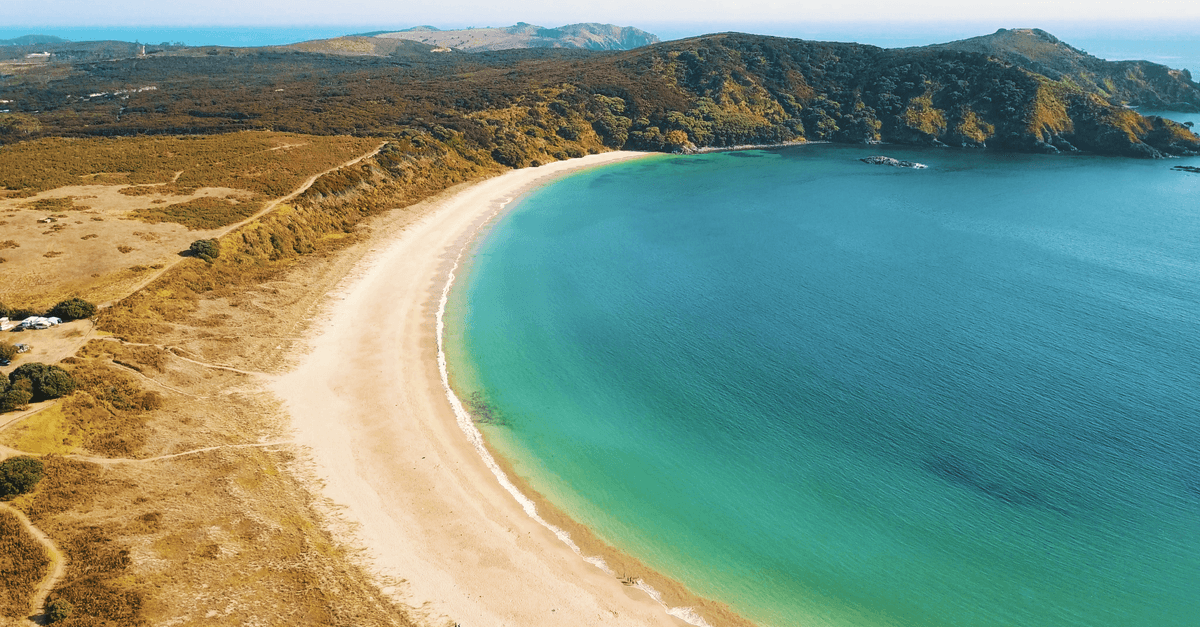
Water Safety New Zealand says New Zealand has a high fatal drowning rate compared with other Western nations, including Canada. GAC adds that rip currents are common, and that sharks, seals and other wildlife pose a risk to swimmers in some areas.
Swim where lifeguards are on duty, which Water Safety New Zealand calls the safest places, and follow the warning signs and flags. If you see someone in trouble in the water, call 111 and ask for Police.
On land, GAC warns that trails are not always marked and the weather can change rapidly, even in summer. The free Plan My Walk app from the NZ Mountain Safety Council covers more than 3,000 tracks, huts and campsites. It shows Department of Conservation track alerts and MetService weather warnings, and lets you share a trip plan with an emergency contact.
NZ Police says mobile coverage is good in urban areas but unlikely to be reliable in the backcountry or in marine areas. It advises taking a distress beacon if you are unsure, and you can hire one from many outdoor tramping and hunting stores. If you do need rescuing, NZ Police's search and rescue guidance says rescued people are not expected to pay, though Police may lay charges and seek costs where there is evidence of recklessness.
GAC notes that serious accidents have occurred in New Zealand, that some activity operators have been accused of negligence and that tour operators may not meet international standards. For activities such as zip-lining or parasailing, it advises never going alone, hiring an experienced guide from a reputable company and checking that your travel insurance covers the activity.
Driving on the left takes adjustment for Canadian drivers
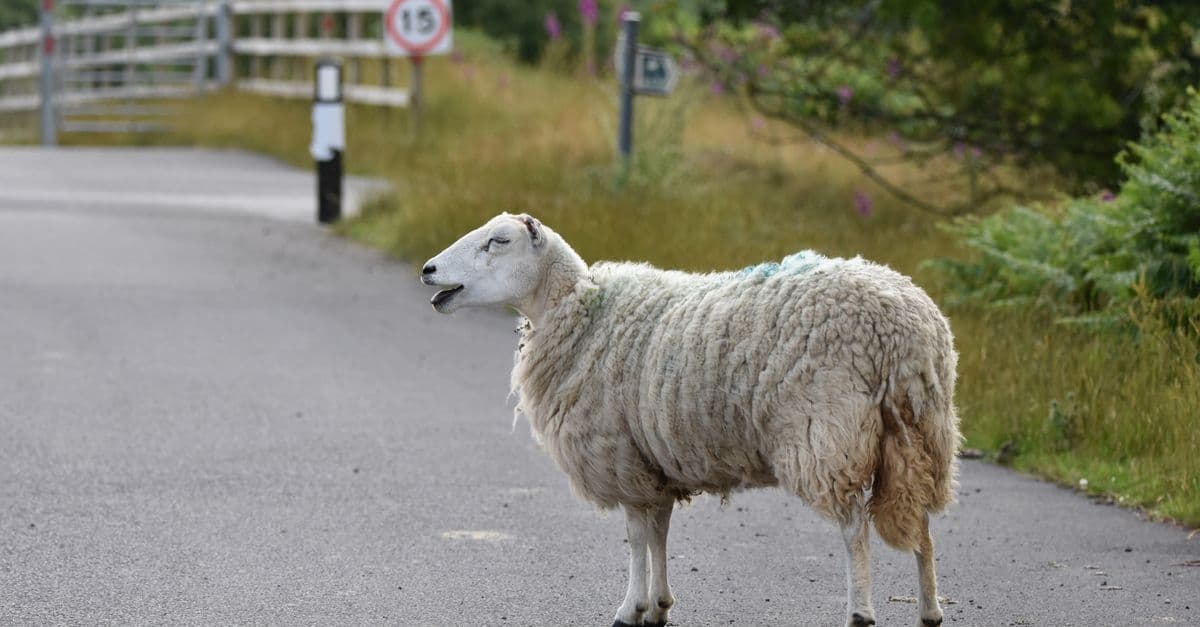
GAC rates road conditions and road safety as very good across the country. It also warns that roads can be narrow, curvy and hilly, that drinking and driving is common, and that drivers often speed.
Drive Safe, the visiting-driver site of Tourism Industry Aotearoa, lists the rules that matter most to visitors:
- Drive on the left at all times, and give way to traffic from your right when entering a roundabout.
- Open-road limits are typically 100 km/h, and up to 110 km/h on some signposted expressways.
- On one-lane bridges, signs show who gives way, and the big arrow has the right of way. If unsure, let the other vehicle go first.
- If five or more vehicles are queued behind you on the open road, you must pull over safely to let them pass.
- There is no first-to-arrive rule at four-way stops. Give way to the vehicle on your right.
- The legal blood alcohol limit is 0.05% for drivers over 20, and zero for drivers under 20.
- Using a handheld mobile phone while driving is illegal.
- From June to August, be ready for snow and carry tire chains you know how to fit.
After a long-haul flight, NZ Police advises resting before you start a road trip. Drive Safe adds that New Zealand driving times are easy to underestimate, so plan extra time and breaks.
Campervans and freedom camping have their own rules
NZ Police advises parking a campervan overnight in a holiday park, a Department of Conservation camping ground or another designated area. If in doubt, ask at an i-SITE visitor centre.
Freedom camping rules tightened on 7 June 2026. The Department of Conservation says a vehicle now needs a green warrant to be certified self-contained, the warrant card must be on display in areas restricted to self-contained vehicles, and a portable toilet no longer qualifies. Some sites ban freedom camping even for certified vehicles.
On council land, freedom camping in a vehicle that is not self-contained, against the national rule, carries a NZ$400 infringement fee in the penalty table published by the Ministry of Business, Innovation and Employment. Check the warrant card when you collect a rental campervan, or book one of DOC's more than 320 campsites.
Crime is mostly petty theft, with card fraud and a terrorism warning
NZ Police describes New Zealand as a relatively safe travel destination, but not crime free. GAC says pickpocketing and purse snatching occur, especially in major cities, and that theft generally occurs in hotel rooms, tourist sites, recreational areas and unattended vehicles. It also warns of credit card and ATM fraud.
GAC notes a threat of terrorism and says attacks could occur at any time, so stay aware of your surroundings in public places. Far-right domestic terrorists have carried out attacks in New Zealand, most recently the 2019 shootings at two mosques in Christchurch. The New Zealand government publishes a terrorism threat level through the Department of the Prime Minister and Cabinet. GAC also advises avoiding demonstrations, since even peaceful ones can turn violent at any time and can disrupt traffic and public transport.
Official sources warn about card skimming, rental damage claims and fake tickets
These are the scams and traps that Canadian and New Zealand official sources warn visitors about, with the fix each source gives.
| Scam or trap | Where it happens | How to avoid it |
|---|---|---|
| Card skimming and ATM fraud | ATMs and card readers | Use ATMs in public areas or inside a bank, cover the keypad with one hand, and check your statements (GAC). |
| Damage charges on a rental car | The rental desk when you return the car | Get a written inspection report and photos before you drive away. If you are charged for damage you did not cause, dispute it, and if the money has already been taken, ask your card company about a chargeback (Consumer Protection). |
| Fake or invalid event tickets | Resale websites that rank high in search results | Buy only from the seller the artist or promoter names as authorized (Consumer Protection). |
| A taxi fare you did not agree to | Taxis and shuttles | The driver must agree the fare basis at the start of the trip and give a receipt if you ask (Consumer Protection). |
| Break-ins at scenic stops | Lookouts, trailheads and car parks | Leave nothing in view. Lock valuables in the trunk, or have someone stay with the vehicle (NZ Police). |
Consumer Protection's guide to renting a car in New Zealand covers what to check before you sign and how to take a damage dispute further, including the Disputes Tribunal.
Solo and women travellers should keep someone informed and a phone charged
NZ Police advises every visitor not to walk alone late at night, to avoid unlit areas, and to make sure someone knows where you are going and when you should arrive. Avoid accepting drinks from strangers, and never leave your drink unattended.
GAC's advice for women travellers adds a step that is easy to forget: carry a fully charged phone with emergency numbers saved, including the Emergency Watch and Response Centre and the nearest Canadian office.
Health care is good, but bring insurance and check your medication
GAC says health care is good and available throughout New Zealand. It still advises travel insurance that covers medical evacuation and hospital stays. Some prescription medication may be illegal in New Zealand, so carry yours in its original container with a copy of the prescription.
For non-urgent health questions, Healthline gives free advice from nurses and paramedics, 24 hours a day, on 0800 611 116. GAC suggests seeing a health care provider or travel clinic about 6 weeks before your trip for advice that fits you.
111 is New Zealand's free emergency number for police, fire and ambulance
| Who | Number or contact | When to use it |
|---|---|---|
| Police, fire and ambulance | 111 (free call) | Any emergency, including someone in trouble in the water (ask for Police) |
| Police non-emergency | 105 | Non-urgent police matters |
| Healthline | 0800 611 116 | Free health advice, 24/7 |
| Rescue Coordination Centre New Zealand | 0508 472 269 | If you set off a distress beacon by accident |
| High Commission of Canada, Wellington | +64 4 473-9577 or wlgtn.consular@international.gc.ca | Consular help during business hours |
| Emergency Watch and Response Centre, Ottawa | +1-613-996-8885 (call collect where available) or SOS@international.gc.ca | Consular emergencies, any time |
The High Commission of Canada is at Level 11, 125 The Terrace, Wellington 6011. The Ottawa centre in the table serves Canadian citizens, and GAC's emergency assistance page explains how to reach it.
Mobile data in New Zealand starts with a few steps at home
HelloRoam's New Zealand plans run on the One NZ network, with 5G where it is available. On a phone that supports two lines, the plan sits beside your Canadian SIM, so your usual number stays active for calls and texts. Before you settle on your carrier's travel add-on, compare eSIM and roaming costs.
Our guide on how to set up an eSIM before you fly walks you through the install at home. Before you buy, see whether your phone works with eSIM.
To pick a plan size, estimate how much data your trip needs with maps, messaging and photo uploads in mind. If you are staying in one city with reliable hotel Wi-Fi, you may not need a data plan at all.
Questions travellers ask
Can I drive in New Zealand with my Canadian driver's licence?
Yes, for up to 12 months from the date you arrive, as long as the licence is current and valid, according to NZ Police. If your licence is not in English, NZ Police says you must carry an accurate translation, and GAC advises carrying an international driving permit. You must carry your licence whenever you drive, and if you stay longer than 12 months you need a New Zealand licence.
What does New Zealand's accident cover mean for visitors?
GAC says New Zealand's Accident Compensation Act covers you for personal injuries if you are in an accident, but the Act also bars you from suing for losses that stem from that injury.
Is hitchhiking safe in New Zealand?
NZ Police does not recommend hitchhiking or accepting rides from people you don't know. If you decide to hitchhike anyway, Police strongly advise you not to travel alone.
Sources
- Travel advice and advisories for New Zealand (Global Affairs Canada)travel.gc.ca
- Registration of Canadians Abroad (Global Affairs Canada)travel.gc.ca
- Global Peace Index 2026 (Institute for Economics & Peace)visionofhumanity.org
- Earthquake FAQ (GeoNet)geonet.org.nz
- Tsunami FAQ (GeoNet)geonet.org.nz
- Volcano alert levels (GeoNet)geonet.org.nz
- About Volcanic Alert Levels (GeoNet)geonet.org.nz
- Whakaari/White Island volcanic activity bulletin, 3 September 2026 (GeoNet)geonet.org.nz
- Water Safety Code (Water Safety New Zealand)watersafetynz.org
- Drowning insights (Water Safety New Zealand)watersafetynz.org
- Plan My Walk (NZ Mountain Safety Council)mountainsafety.org.nz
- If I get lost and need Search and Rescue, will I have to pay? (NZ Police)police.govt.nz
- On the road (Drive Safe, Tourism Industry Aotearoa)drivesafe.org.nz
- Freedom camping (Department of Conservation)doc.govt.nz
- Freedom camping infringement offences and penalties (MBIE)mbie.govt.nz
- Visitors to New Zealand (NZ Police)police.govt.nz
- Renting cars (Consumer Protection)consumerprotection.govt.nz
- Event tickets (Consumer Protection)consumerprotection.govt.nz
- Advice for women travellers (Global Affairs Canada)travel.gc.ca
- Healthline (Health New Zealand)healthnz.govt.nz
- Emergency assistance abroad (Global Affairs Canada)travel.gc.ca
- Driving permit for overseas visitors (NZ Police FAQ)police.govt.nz
Written by
HelloRoam Team
The HelloRoam Team writes our guides on trip planning, visas and eSIMs. For every new or updated guide, we check each fact at its source. Sources include government, park and weather service pages. We note the date we read each one. A second review then checks every fact against its source before the guide goes live. If we cannot confirm a fact, we leave it out. We link those sources inside the guide, so you can check them.