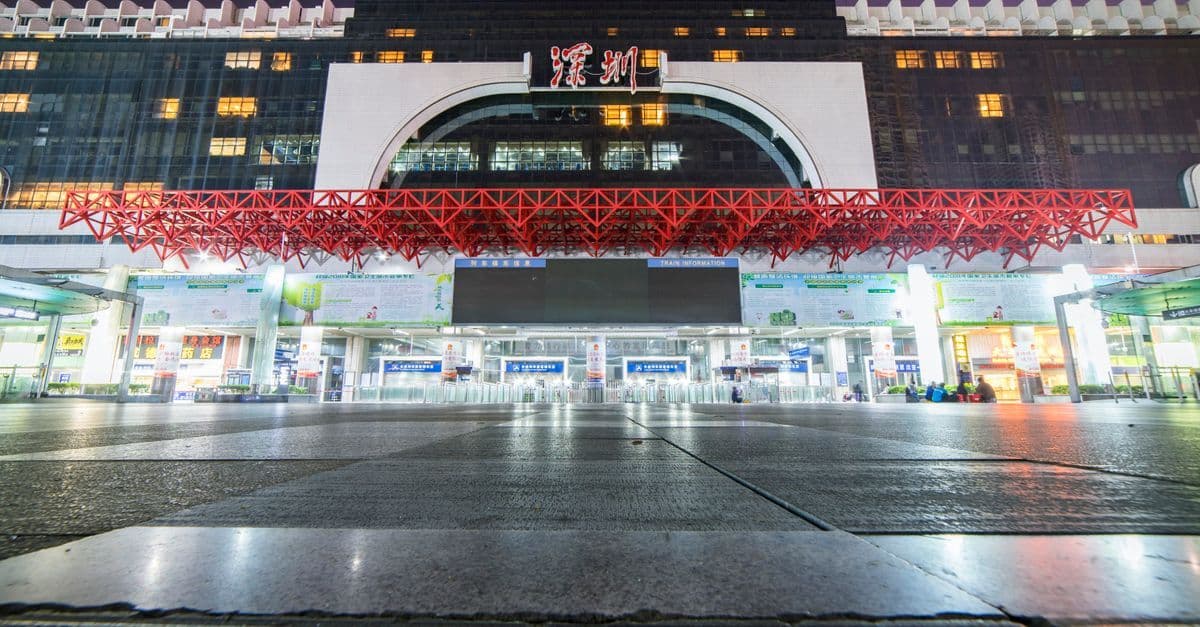
Several of China's entry steps now work on your phone, from the free online arrival card to registering a stay with family. With a HelloRoam China eSIM set up in Canada, those forms, your hotel booking and your onward ticket stay within reach from the immigration hall to your first night, and 24/7 support can help if the line won't connect.
We checked every rule below on October 1, 2026, against the Chinese embassy in Ottawa, the Chinese consulate in Toronto, China's National Immigration Administration and the Government of Canada. These rules can change at short notice, so read the official pages again before you fly.
The 30-day waiver covers Canadian passports until December 31, 2026
The Toronto consulate's visa-free notice sets the window from 00:00 on February 17 to 24:00 on December 31, 2026, Beijing time, for Canadian citizens holding ordinary passports.
 Get your China eSIM before you flyInstall it at home, turn it on when you land. From CA$4.86.See China plans
The notice lists business, tourism, visiting family or friends, and transit. The embassy's FAQ on visa-free entry and China's immigration administration also include exchange visits, and the FAQ adds sports competitions, conferences, exhibitions and study tours such as summer or winter camps, if the stay is 30 days or less. Work, study and news reporting never qualify.
The same FAQ sets out how the waiver works in practice:
- The 30 days start the day after you arrive and run for 30 calendar days.
- Children follow the same rules as adults.
- You can fly in from any country, not only Canada, and use any air, sea or land port open to foreigners.
- You don't register with an embassy or consulate before you go.
- Border officers make the final call. The FAQ recommends carrying proof of your purpose, such as an invitation letter, flight tickets and hotel reservations.
The notice sets an entry window. It doesn't say how a stay that starts in late December and runs into January is treated, so ask the consulate if your dates cross the new year. When we checked, neither the embassy nor the Toronto consulate had posted an extension.
If you need more than 30 days after entering visa-free, the embassy says to apply for a stay permit at the exit-entry office of the local public security bureau, and only for appropriate and sufficient reasons. Overstaying can lead to fines and administrative detention, the Government of Canada warns.
Six months of passport validity covers China's and Canada's rules
The official sources set different passport limits. The embassy's FAQ asks only that your passport is valid for the length of your stay. Canada's travel advice for China says it must be valid for at least six months when you enter, and warns that airlines can apply stricter passport rules than the country itself. The Toronto consulate asks for six months of remaining validity on every visa application, so a passport with six months left meets all three official rules. Check your airline's own rule as well.
The waiver works only with a regular passport. Under the embassy's FAQ, holders of temporary passports, emergency travel documents or other travel documents can't enter visa-free, so they need a visa. The Government of Canada also says it can't guarantee entry or transit anywhere for passports with an "X" gender identifier, and asks you to check with the destination's representative before you leave.
Transit and Hainan routes have their own limits
China runs other visa-free routes, separate from the waiver and its December 31 end date. Canada is one of 57 countries on the 240-hour transit list from the National Immigration Administration, and Canadians also qualify for Hainan's own 30-day waiver.
| Route | Longest stay | Main conditions |
|---|---|---|
| 30-day waiver | 30 days per entry | Ordinary Canadian passport; entry by December 31, 2026; business, tourism, family or friend visits, exchanges or transit |
| 240-hour transit | 240 hours (10 days) | Onward ticket with a confirmed seat and date to a third country or region; entry at one of 65 designated ports; stay inside the permitted areas of 24 provinces |
| 24-hour transit | 24 hours | Confirmed onward ticket; stay inside the port's restricted area unless the border post issues a temporary entry permit |
| Hainan waiver | 30 days | Enter at a Hainan port and stay within Hainan Province; not for work or study |
The 240-hour route needs a real onward trip. Flying Vancouver to Shanghai, spending a week between Shanghai, Suzhou and Hangzhou, then flying on to Tokyo fits the rule. A return ticket straight back to Canada doesn't, because the next stop must be a third country or region.
The permitted areas are not always whole provinces. In Sichuan the area is 11 cities, including Chengdu and Leshan. In Yunnan it is nine cities and prefectures, including Kunming, Dali and Lijiang. The Toronto consulate's list of ports and areas shows the rest, and confirms you can cross between provinces inside the permitted areas.
None of these routes lets you tour Tibet on your own. Unaccompanied private visits are still prohibited, according to Canada's travel advice, so visitors go through an accredited travel agency, which gets the Tibet Travel Permit for them.
Longer stays, work and study need a visa before you fly
Any trip outside those routes needs a visa from a Chinese mission. Canadians with ordinary passports apply online first, then visit the Chinese Visa Application Service Center, which has offices in Toronto, Vancouver, Calgary, Montreal and Ottawa. The Toronto consulate's visa requirements list what each visa type needs on top of the basics.
| Your trip | Visa | Supporting document the consulate lists |
|---|---|---|
| Tourism over 30 days | L | Itinerary with round-trip tickets and hotel reservations, or an invitation letter from someone in China |
| Business over 30 days | M | Documents about the commercial activity from a trade partner in China |
| Exchanges, visits or study tours over 30 days | F | Invitation letter from an organization or person in China |
| Visiting family who are Chinese citizens or permanent residents, up to 180 days | Q2 | Invitation letter, plus a copy of the inviter's Chinese ID card or their passport and permanent residence permit |
| Work | Z | Notification Letter of Foreigner's Work Permit, or the work permit itself |
| Study for more than 180 days | X1 | Form JW201 or JW202 and the admission letter |
| Study for 180 days or less | X2 | Admission notice, or Form DQ |
| Short-term news reporting | J2 | Ask the consulate for the list |
Every applicant also brings the basics:
- a passport with at least six months of validity left and blank visa pages (the visa centre's online form asks for at least two);
- proof of legal stay in Canada, if you're not a Canadian citizen;
- earlier Chinese visas or residence permits, with a copy of the old passport's photo page if the visa is in an old passport;
- a former Chinese passport, if you were a Chinese citizen and this is your first Chinese visa;
- a name-change document, if your name differs from the one on earlier Chinese papers.
Whatever the visa, the officer can ask for more documents or an interview, and decides the visa's validity, number of entries and length of stay. Holders of Z, X or J-1 visas must also apply for a residence permit at the local public security bureau within 30 days of arriving, Canadian travel advice notes.
Canadians born in China face extra checks
China does not recognize dual citizenship. Canada's travel advice warns that if local authorities treat you as a Chinese citizen, they may refuse you access to Canadian consular help. Its advice is to travel on your valid Canadian passport and present yourself as Canadian, because if you enter China on a Chinese passport or identity card, China will usually not let Canada's embassy give you consular help.
Border officers may ask Canadians of Chinese origin for their Chinese name. The same advice tells you to understand China's rules on losing Chinese citizenship, including cancelling a household register (hukou), and to contact a Chinese mission for details. On a first visa application, the Toronto consulate asks naturalized Canadians for their former Chinese passport. If you're unsure how the waiver applies to you, ask the consulate before you book.
Hong Kong and Macao keep separate border rules
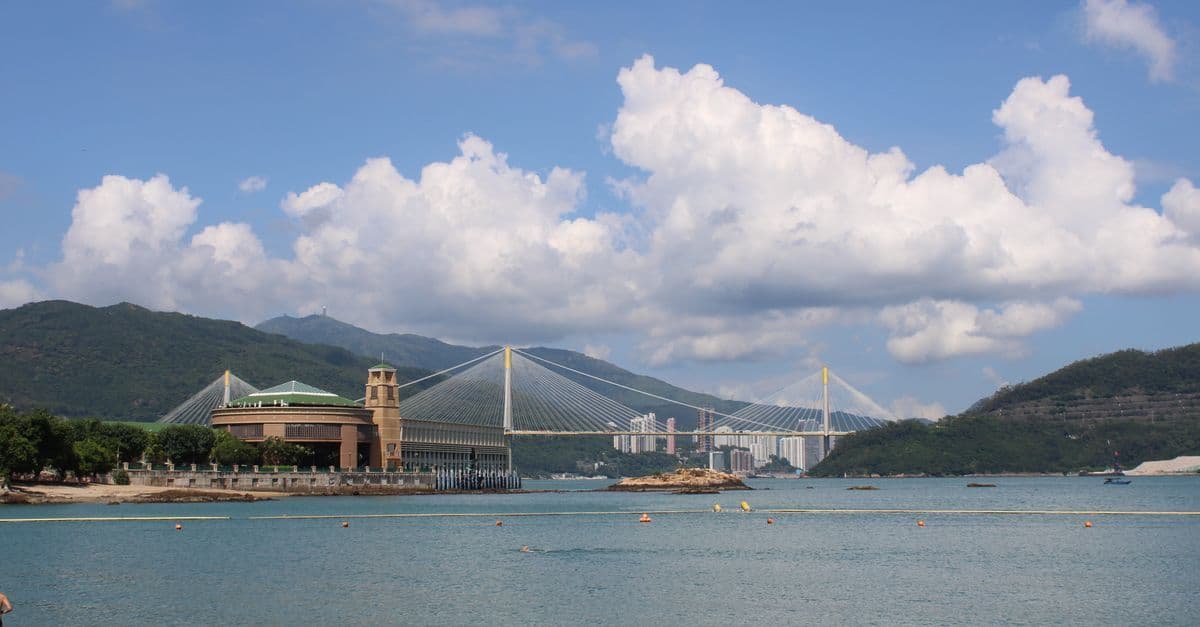
Hong Kong and Macao run their own immigration. Canada's Hong Kong travel advice lists visa-free stays of up to 90 days, with a passport valid at least one month past the day you leave. Its Macao travel advice lists 30 days visa-free, a passport valid 30 days past your departure, an onward or return ticket and proof of enough money for the visit. Both pages still tell you to get a Chinese visa before visiting the mainland. Canada's China page and the Chinese embassy both list the 30-day waiver, so if you're unsure, confirm with the consulate before you book.
Crossing from either one into Shenzhen, Zhuhai or anywhere else on the mainland counts as a new entry to China. Under the waiver, each entry brings its own 30 days, and the embassy says there is currently no limit on the number of entries or total days, as long as what you do matches your purpose. The Government of Canada also notes that border officials may review content on your devices, particularly at crossings between Hong Kong and the mainland.
Five steps take you from the plane to your first night

- Fill in the arrival card. Since November 20, 2025, China's National Immigration Administration has offered it free online, through its website, the NIA 12367 app and WeChat or Alipay mini programs. If you don't do it in advance, kiosks at the port and paper cards still work.
- Avoid copycat arrival card sites. The immigration administration's fraud warning says fake websites charge fees for this free service, and it lists the official channels.
- Give fingerprints at the border. According to Canada's travel advice, Chinese immigration takes and keeps fingerprints from Canadians aged 14 to 70, with some exceptions.
- Have your onward ticket ready. Canada's travel advice says to be prepared to show proof of onward travel, including the documents you need to enter your next destination.
- Register where you stay within 24 hours. Hotels do it at check-in. If you stay with family or friends, you or your host must register with the local public security bureau within 24 hours. Since September 21, 2026, you can register a private stay online through the NIA 12367 app, its WeChat or Alipay mini programs or the NIA website, with your host's help for the first registration. Missing it brings a warning and possibly a fine under Chinese law, and Canada's travel advice warns it can also lead to detention, so carry proof of your registration.
Your phone carries the arrival card, tickets and registration
Three of those five steps can depend on a phone: the online arrival card, the onward ticket you may be asked to show, and online registration if you're not in a hotel. On the mainland, HelloRoam's China plans run on the China Unicom and China Telecom networks. Add the plan over your home Wi-Fi before the flight, and the line connects once the plane is on the ground in China. If you're thinking of using your Canadian phone plan in China instead, see how an eSIM compares with roaming.
Check that your phone supports eSIM while you're still in Canada, then follow the steps for setting up an eSIM before you fly.
Each crossing between Hong Kong, Macao and the mainland is a new entry at the border, but not for your phone: HelloRoam's Greater China plan keeps the same eSIM connected on all three sides. On a 24-hour airside connection you never leave the port's restricted area, so you may not need a China plan at all.
Questions travellers ask
Is there a minimum bank balance for a Chinese tourist visa?
The Toronto consulate doesn't publish one. Its list for the tourist (L) visa asks for an itinerary with round-trip tickets and hotel reservations, or an invitation letter from China. Bank statements aren't on that list, but the visa officer can ask for extra documents or an interview.
Do Canadian permanent residents get visa-free entry to China?
The waiver covers Canadian citizens with ordinary Canadian passports. Permanent residents travel on another country's passport, so China's rules for that nationality apply. If you apply for a visa in Canada, the Toronto consulate asks third-country nationals for proof of legal stay in Canada.
Can Canadians get a visa on arrival in China?
Not as a routine option. China's port visa is for urgent cases, such as humanitarian reasons or invited urgent business or repair work, and you need proof that the relevant department agreed. It allows one entry and a stay of up to 30 days, the Toronto consulate says.
Sources
- China travel advice, Government of Canadatravel.gc.ca
- Notice on Visa-free Policy for Canada and the UK, Consulate-General of the People's Republic of China in Torontotoronto.china-consulate.gov.cn
- FAQs on Visa-free Entry into China, Embassy of the People's Republic of China in Canadaca.china-embassy.gov.cn
- List of Countries Covered by Unilateral Visa Exemption Policies, National Immigration Administration of Chinaen.nia.gov.cn
- Visa-Free Transit Policies, National Immigration Administration of Chinaen.nia.gov.cn
- Regional Visa-Free Entry Policies for Foreign Nationals, National Immigration Administration of Chinaen.nia.gov.cn
- Visa Exemption Eligibility, Consulate-General of the People's Republic of China in Torontotoronto.china-consulate.gov.cn
- Requirements and Procedures for Chinese Visa Application, Consulate-General of the People's Republic of China in Torontotoronto.china-consulate.gov.cn
- Chinese Visa Application Service Center, centre locationsvisaforchina.cn
- Chinese Visa Application Service Center Toronto, visa servicesvisaforchina.cn
- Beware of Fraudulent Websites for Arrival Card Filling, National Immigration Administration of Chinaen.nia.gov.cn
- Announcement on the Nationwide Implementation of Online Accommodation Registration, National Immigration Administration of Chinaen.nia.gov.cn
- Policy Interpretation of the Nationwide Online Accommodation Registration Service, National Immigration Administration of Chinaen.nia.gov.cn
- Hong Kong travel advice, Government of Canadatravel.gc.ca
- Macao travel advice, Government of Canadatravel.gc.ca
Written by
HelloRoam Team
The HelloRoam editorial team writes about eSIM technology, travel connectivity, and mobile data tips for international travelers.