Whichever month you pick, you'll lean on your phone for bloom forecasts, train times and hotel check-ins. A HelloRoam Japan eSIM gives it local data as soon as you land, with 24/7 support if setup stalls. Browse the mobile data plans for Japan when your dates are set.
Best Time to Visit Japan: Quick Seasonal Overview
April and October were Japan's busiest months for foreign visitors in 2025, with about 3.9 million arrivals each, JNTO figures show. February and September were the quietest, at about 3.3 million. Japan delivers four distinct seasons, each with its own trade-offs for visitors flying in from Australia.
 Get your Japan eSIM before you flyInstall it at home, then turn on data roaming for it when you land. From A$4.54.See Japan plans
- Spring (March to May): Tokyo averages range from a 5°C March low to a 24°C May high, cherry blossoms peak in late March and early April, and Golden Week fills trains and hotels from 29 April to 5 May
- Summer (June to August): Tokyo averages run from an 18.5°C June low to a 31°C August high, with the rainy season in June and July and typhoon approaches climbing from July
- Autumn (September to November): Tokyo averages drop from a 27.5°C September high to a 9°C November low, typhoons ease by October, and leaves peak from October in the north to late November in Tokyo and Kyoto
- Winter (December to February): Tokyo averages run from a 1°C January low to a 12°C December high, with New Year crowds, snow festivals and Hokkaido's ski season in full swing
Best Time for Cherry Blossoms: Late March to Early April
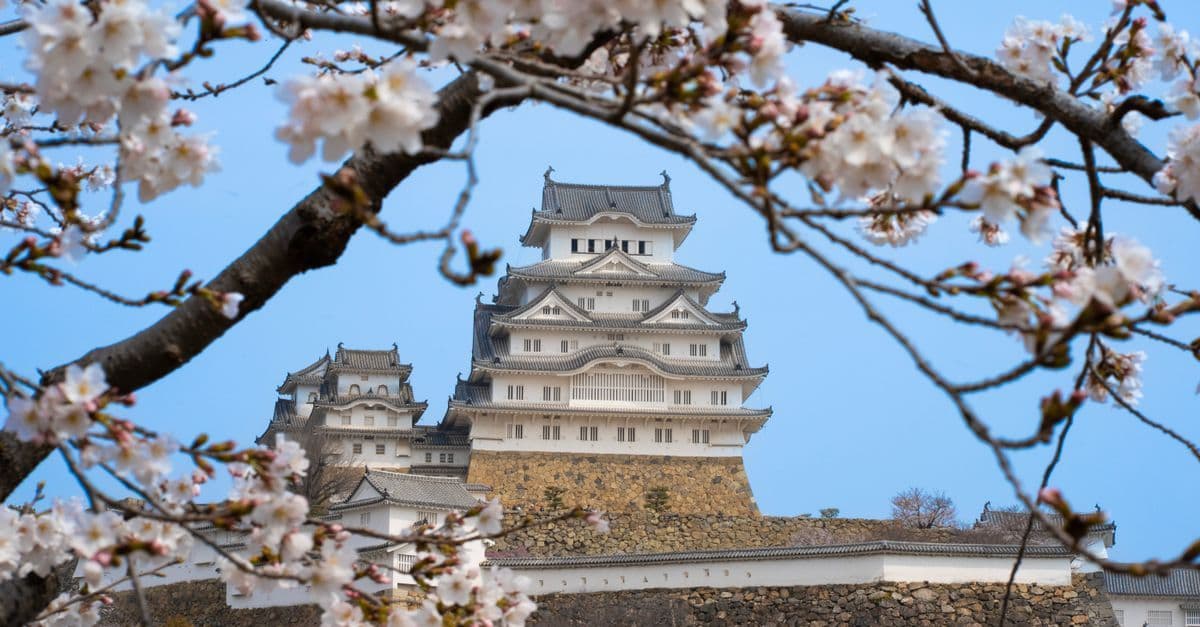
Tokyo's cherry blossoms typically peak between late March and early April. Kyoto follows three to five days behind, which is actually useful: a single itinerary can catch peak bloom in both cities without doubling back. Osaka tracks close to Kyoto. Hokkaido doesn't bloom until late April or early May, extending the season for anyone who misses the southern rush.
Bloom dates move from year to year, and Japan Meteorological Agency records show flowering getting earlier since 1953. That makes the forecasts worth watching. The private Japan Meteorological Corporation issued its first 2026 forecast on 18 December 2025, earlier than its usual January release, and Weathernews followed on 8 January 2026.
Famous blossom parks get packed. Shinjuku Gyoen warns it's very crowded in blossom season and may switch to advance bookings, mainly on weekends and public holidays. Adult entry is 500 yen, while Ueno Park is free to enter. JNTO says Kyoto, Nara and Hiroshima can get quite busy in March, so book central Tokyo or Kyoto accommodation as soon as your dates are set.
Sapporo offers a different calculation entirely. Its normal full-bloom date is 6 May, more than five weeks after Tokyo's, though 2026 came early on 24 April. For Australians with some flexibility on dates, finishing a Japan trip in Hokkaido during its cherry blossom window is a sharp move.
Japan's Four Seasons and What Each One Brings
Japan's four seasons are sharply distinct, not gradual shifts. Temperatures, rain and crowds swing sharply between them, so it pays to know what each one brings.
Spring: March to May
Spring days are mild, though JNTO notes that March temperatures fluctuate heavily. Famous blossom spots draw big crowds. Golden Week (29 April to 5 May) layers domestic Japanese travel on top. JNTO rates the calmer second half of May as a better time to travel, before June's rainy season.
Summer: June to August
Tokyo's July averages run from a 22°C low to a 30°C high, and Kyoto's July highs average 32°C. August is hotter again, and August 2025 pushed Tokyo's daily highs to an average of 34.4°C. Humidity makes both cities feel heavier than the numbers suggest, and typhoon approaches peak in August and September.
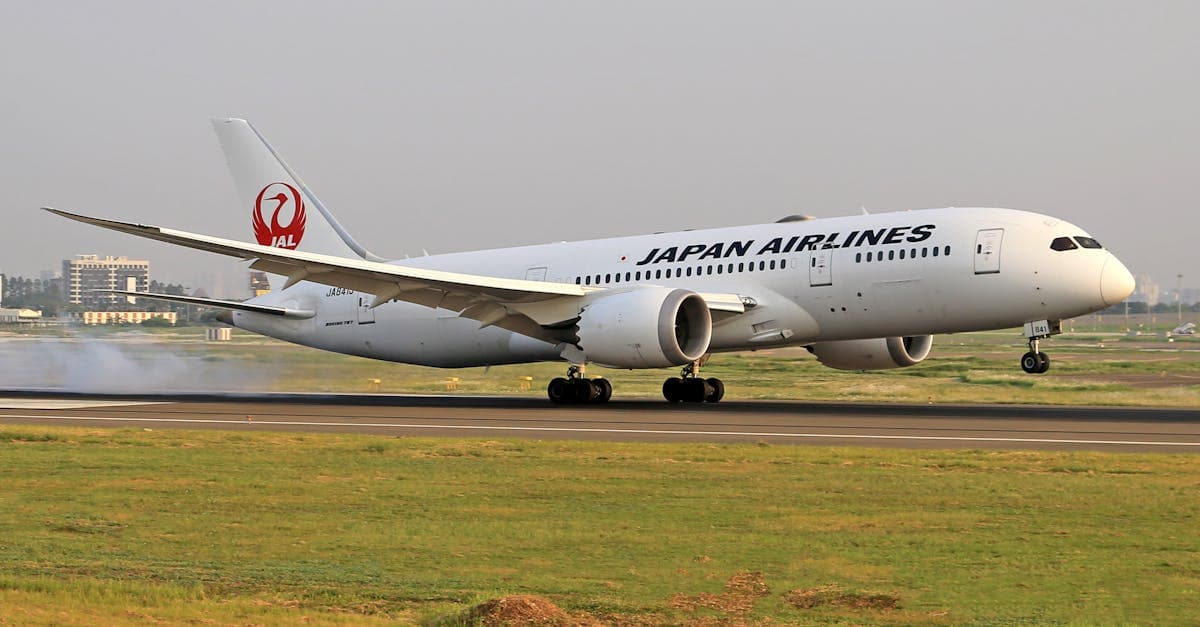
Airfares are their own puzzle. Our guide to flights to Japan from Australia covers direct routes, flight times and when fares dip.
June also brings tsuyu, Japan's rainy season. Around Tokyo it normally runs from about 7 June to 19 July, JMA records show. It starts earlier in the south and later in the north, and Hokkaido is relatively unaffected. JNTO's advice: don't expect rain every day, just more often than usual, and save wet days for museums and galleries.
Autumn: September to November
Tokyo's average temperature eases from about 23°C in September to 12.5°C in November. September can still be hot, and JNTO says typhoons are at their most frequent from late August through much of September. Typhoons ease in October, though JMA still counts about 1.7 approaches to Japan in an average October, about half of September's 3.3. JNTO says the month brings some of Japan's fairest weather. Foliage tracks south: colours start in parts of Hokkaido in early September, peak in the north and the mountains in October, and reach Tokyo from mid-November, with Kyoto peaking at the end of the month. The air sharpens, hiking conditions are excellent, and while central Kyoto in November draws real crowds, the overall experience is less frenetic than spring.
Winter: December to February
Tokyo's winter days are cold but often sunny, and Sapporo drops well below zero. The New Year break, about 29 December to 3 January, is a busy and expensive time to travel. Skiers claim this window: early-season skiing starts mid to late December at some resorts, JNTO calls January the perfect time to ski, and big resorts such as Niseko stay open until the first week of May. It's also when Australians go: January was their busiest month for Japan in 2025, with 140,185 visitors.
No season is a wrong answer for Japan. Each one asks what you're willing to trade.
Japan Month by Month: Weather, Crowds and Holidays
This table puts Japan's 12 months side by side. Temperatures and rain are Tokyo's 1991 to 2020 averages from the Japan Meteorological Agency (JMA). Visitor numbers are JNTO's 2025 counts of foreign arrivals across Japan.
Key fact: Japan received a record 42.68 million foreign visitors in 2025, according to JNTO, up from 36.87 million in 2024. Australians made 1.06 million of those trips.
| Month | Tokyo avg low to high | Tokyo rain | Foreign visitors (2025) | What to know |
|---|---|---|---|---|
| January | 1.2 to 9.8°C | 60 mm | 3.78M | New Year rush to about 3 Jan; prime ski month |
| February | 2.1 to 10.9°C | 57 mm | 3.26M (fewest) | Sapporo Snow Festival; book rooms early |
| March | 5.0 to 14.2°C | 116 mm | 3.50M | Tokyo blossoms open around 24 Mar, full bloom around 31 Mar |
| April | 9.8 to 19.4°C | 134 mm | 3.91M (most) | Kyoto and Osaka full bloom around 4 Apr; Golden Week from 29 Apr |
| May | 14.6 to 23.6°C | 140 mm | 3.69M | Golden Week to 5 May; calmer second half |
| June | 18.5 to 26.1°C | 168 mm | 3.38M | Rainy season from about 7 Jun near Tokyo; Hokkaido largely spared |
| July | 22.4 to 29.9°C | 156 mm | 3.44M | Rainy season ends about 19 Jul near Tokyo; heat and humidity build |
| August | 23.5 to 31.3°C | 155 mm | 3.43M | Hottest month; Obon about 13 to 16 Aug; peak typhoon season |
| September | 20.3 to 27.5°C | 225 mm | 3.27M | Still hot; typhoons most frequent; fewer crowds after summer holidays |
| October | 14.8 to 22.0°C | 235 mm | 3.90M | Fewer typhoons than September, but still possible; leaves peak in the north and mountains |
| November | 8.8 to 16.7°C | 96 mm | 3.52M | Tokyo ginkgo from mid-Nov; Kyoto leaves peak at month's end |
| December | 3.8 to 12.0°C | 58 mm | 3.62M | Ski season opens mid to late Dec; New Year from 29 Dec is busy and expensive |
Golden Week runs from 29 April to 5 May. Domestic travel surges simultaneously across the country. JNTO calls it one of Japan's busiest travel periods, with packed trains and hotels the norm, so book early or pick different dates.
Obon, typically 13 to 16 August, creates a second major domestic travel wave as families return to their home regions. JNTO counts the Bon period among the busiest and most expensive times for Japan travel: plane, train and highway bus seats sell out in advance. Big cities such as Tokyo and Osaka get far fewer crowds than usual, JNTO adds.
Kyoto's foliage peaks between mid-November and early December. JNTO's November guide warns the city gets particularly busy at the end of the month, when the leaves are at their peak.
Staying Connected in Japan: eSIM, SIM Cards and WiFi Options
Sort your data before you fly. Qantas puts the flight at about 10 hours from the east coast, plus around four more from Perth, so you'll land tired and want maps and messages working straight away.
Three practical options compete for your phone's data line.
Pocket Wi-Fi rental: Useful for groups sharing one connection. Narita and Haneda both have rental counters, but it's one more device to charge, carry and hand back before you fly home. Not what you want at 5 am before a morning flight.
Local SIM card: Sold at Narita and Haneda airports. Needs a physical swap, meaning your Australian number goes dark temporarily. Bank OTPs and calls from family won't come through until you swap back.
eSIM: No swap, no kiosk queue, no return deadline. Your Telstra, Optus or Vodafone SIM can stay in the phone for texts such as bank codes while the eSIM handles Japanese data. Check your carrier's roaming rules first: Telstra charges its Day Pass for any day you make or receive calls, send texts or use data overseas, though receiving a text doesn't trigger it. Our eSIM vs roaming comparison sets out the difference.
Three steps to land connected
- Confirm eSIM support. Most iPhones from 2018 onwards qualify (Apple lists iPhone XS, XS Max, XR or later), and our list of eSIM compatible phones covers Android models too.
- Buy and install the eSIM profile at home on Wi-Fi before departure.
- Set the eSIM as your mobile data line and turn its data roaming on. Turn off data roaming on your Australian SIM only if each line has its own switch, as on iPhone and Pixel. On many Samsung Galaxy phones one switch covers both lines, so leave it on or the eSIM loses data too.
Free Wi-Fi helps with casual browsing. Lawson convenience stores offer LAWSON Free Wi-Fi inside the store, up to 60 minutes a session and five sessions a day. 7-Eleven Japan says its stores have no general internet Wi-Fi.
Getting Value in Japan: Skip the Holiday Weeks
No official source we found ranks Japan's hotel prices by month. So the surest saving is dodging the peaks. Japan's own holiday weeks are when seats sell out and prices climb, going by JNTO's month guides. Plan around them and you'll have more choice at every budget.
The clearest decision framework:
Book February for the fewest foreign visitors of any month in 2025 and ski conditions JNTO calls exceptionally good for most of the month. Sapporo's Snow Festival is the exception to the quiet: JNTO says it draws over 2 million visitors each year, so reserve rooms early.
Book the second half of May or September to sit between the big holiday rushes. JNTO says crowds thin across much of Japan once summer holidays end in September. Late May runs up against June's rainy season, and September sits in peak typhoon season, so keep your plans flexible.
Avoid for budget travel: Golden Week (29 April to 5 May), Obon (around 13 to 16 August) and New Year (about 29 December to 3 January). Famous cherry blossom spots in late March and early April get crowded too.
If you want one answer for weather and value together, aim for the second half of May or early October. Both miss Japan's big holiday weeks and the summer heat, so you can sightsee in comfort without planning around peak-season crowds.
Japan rewards the traveller who plans one step ahead of the crowd. The best time to visit Japan is almost always just outside the windows everyone else has already circled.
Sources
- Tokyo climate normals, 1991 to 2020 (JMA)data.jma.go.jp
- Visitor arrivals statistics (JNTO)jnto.go.jp
- Tokyo monthly values, 2025 (JMA)data.jma.go.jp
- Cherry blossom flowering, 2026 and normals (JMA)data.jma.go.jp
- Cherry blossom full bloom, 2026 and normals (JMA)data.jma.go.jp
- Rainy season start and end, Kanto-Koshin (JMA)data.jma.go.jp
- Typhoon normals (JMA)data.jma.go.jp
- National holidays (Cabinet Office, Japan)www8.cao.go.jp
- Japan in January (JNTO)faq.japan-travel.jnto.go.jp
- Japan in February (JNTO)faq.japan-travel.jnto.go.jp
- Japan in March (JNTO)faq.japan-travel.jnto.go.jp
- Japan in May (JNTO)faq.japan-travel.jnto.go.jp
- Japan in June (JNTO)faq.japan-travel.jnto.go.jp
- Japan in August (JNTO)faq.japan-travel.jnto.go.jp
- Japan in September (JNTO)faq.japan-travel.jnto.go.jp
- Japan in October (JNTO)faq.japan-travel.jnto.go.jp
- Japan in November (JNTO)faq.japan-travel.jnto.go.jp
- Japan in December (JNTO)faq.japan-travel.jnto.go.jp
- Shinjuku Gyoen visitor informationpolicies.env.go.jp
- Ueno Park (Tokyo Metropolitan Park Association)tokyo-park.or.jp
- Japan Meteorological Corporation: first 2026 cherry blossom forecastprtimes.jp
- Weathernews: first 2026 cherry blossom forecastweathernews.jp
- Tokyo travel tips (Qantas Travel Insider)qantas.com
- International roaming (Telstra)telstra.com.au
- Set up eSIM on your iPhone (Apple)support.apple.com
- LAWSON Free Wi-Fi (Lawson)lawson.co.jp
- Wi-Fi in 7-Eleven stores (Seven-Eleven Japan FAQ)faq.sej.co.jp
- Cellular phone, Wi-Fi rental and SIM card sales (Narita Airport)narita-airport.jp
- Cell phones, Wi-Fi rental and SIM cards (Haneda Airport)tokyo-haneda.com
- Climate Change Monitoring Report: cherry blossom flowering dates (JMA)data.jma.go.jp
- Kyoto climate normals, 1991 to 2020 (JMA)data.jma.go.jp
- Sapporo climate normals, 1991 to 2020 (JMA)data.jma.go.jp
Written by
HelloRoam Team
The HelloRoam Team writes our guides on trip planning, visas and eSIMs. For every new or updated guide, we check each fact at its source. Sources include government, park and weather service pages. We note the date we read each one. A second review then checks every fact against its source before the guide goes live. If we cannot confirm a fact, we leave it out. We link those sources inside the guide, so you can check them.