The right one comes down to your phone, how long you're staying and whether you want money back at the end:
- iPhone: add Suica or PASMO to Apple Wallet and top up with a credit or prepaid card saved in Wallet, if Wallet accepts it (PASMO warns that some cards aren't recognised).
- Android: plan on a plastic card unless your phone supports Osaifu-Keitai, which Google requires for Suica and PASMO.
- Trip under four weeks: a Welcome Suica or TOURIST PASMO. No deposit to pay, and no refund at the end.
- Back in Japan every year or two: a standard card or a Wallet card, which both keep their balance between trips.
Suica and PASMO open the same gates across Tokyo
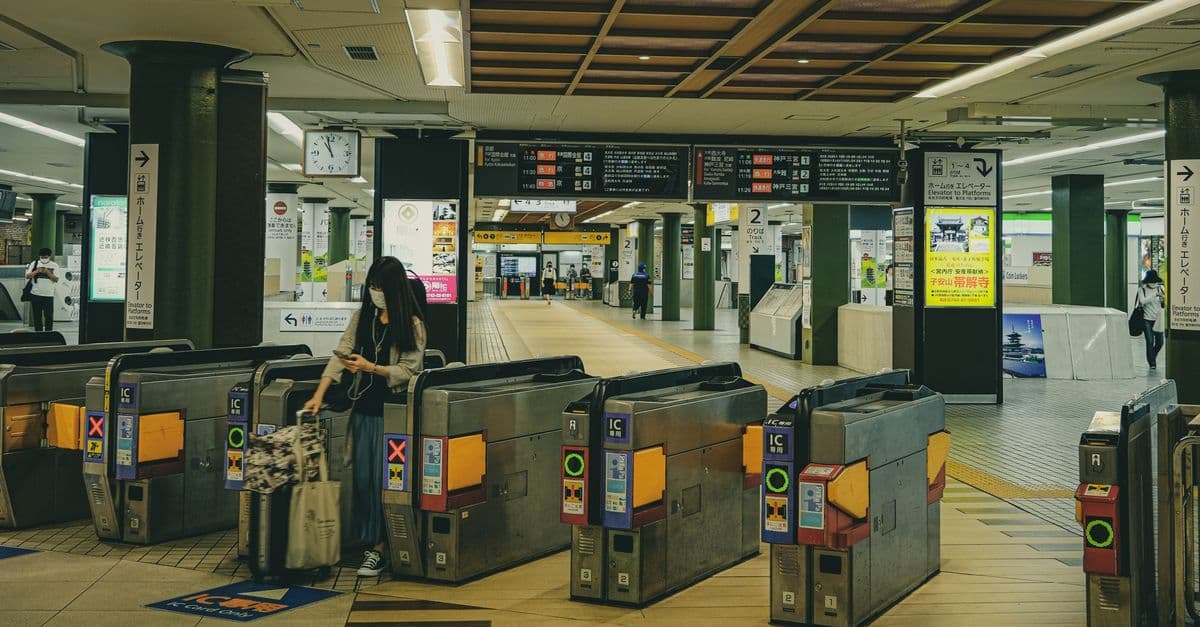
JR East runs Suica. PASMO, run by PASMO Co., is the card of Tokyo's private railways, subways and buses, sold at their stations. For a visitor the difference barely matters, because both cards pay fares on JR, Tokyo Metro, Toei Subway, the private railways and buses around Tokyo. Both also pay at convenience stores, vending machines and coin lockers that show the IC logo.
 Get your Japan eSIM before you flyInstall it at home, turn it on when you land. From A$4.54.See Japan plans
They work well beyond Tokyo too. Suica, PASMO and eight regional cards share a nationwide mutual-use system, including ICOCA from JR West and Kitaca from JR Hokkaido. Look for the shared IC symbol on the gate or the shop counter.
Tapping is a touch cheaper than paper tickets on Tokyo Metro. Its fare table charges IC cards to the exact yen. A 1 to 6 km ride costs ¥178 on a card and ¥180 on a ticket. The saving is small, but you also skip the ticket machine queue every time you ride.
Five ways to carry a Tokyo transport card, compared
Foreign visitors can buy any of these. The standard cards are open to anyone, and the two visitor cards are made for short-term foreign visitors. Here's how all five options compare.
| Option | Where you get it | Deposit and time limit | Topping up | Money back at the end |
|---|---|---|---|---|
| Welcome Suica (JR East) | Machines at Narita Terminal 1, Narita Terminal 2·3 and Haneda Terminal 3 (Tokyo Monorail) stations, plus JR EAST Travel Service Centers such as Tokyo, Shinjuku and Shibuya | No deposit. 28 days, counting the day you buy it | Yen cash only, up to a ¥20,000 balance | None |
| TOURIST PASMO (PASMO Co.) | Keikyu stations at Haneda Terminals 1·2 and 3, and the Skyliner & Keisei Information Centers at Narita Terminals 1 and 2 | No deposit. 28 days from purchase | Yen cash at station machines, on buses or at convenience stores, up to ¥20,000 | None |
| Standard Suica or PASMO | Stations: Suica from JR East, PASMO from participating railways | ¥500 deposit, built into Suica's ¥1,000 starting price. Suica lapses only after 10 years unused | Yen cash only, up to ¥20,000 | Deposit plus balance when you hand it in (Suica takes a ¥220 fee) |
| Suica or PASMO in Apple Wallet | The Wallet app on an iPhone 8 or later, or Apple Watch Series 3 or later | No plastic card. PASMO stays usable for 10 years after your last trip | A credit or prepaid card in Wallet, online, up to ¥20,000 (PASMO) | PASMO pays out only to a Japanese bank account |
| Welcome Suica Mobile (JR East app) | An iOS app you download before the trip | 180 days from issue | In the app | None. The balance expires at 180 days |
As of October 2026, a new standard Suica or PASMO carries a ¥500 deposit, which you get back when you hand the card in. JR East includes it in the Suica price, so a ¥1,000 Suica gives you ¥500 to ride on. A ¥1,000 TOURIST PASMO puts the full amount to work. Card prices, deposits and sales points can change, so check JR East's and PASMO Co.'s own pages before you fly.
Narita and Haneda sell the visitor cards at their train stations
Both airports sell both visitor cards, but not at every counter. Here's where to look before you head for the trains:
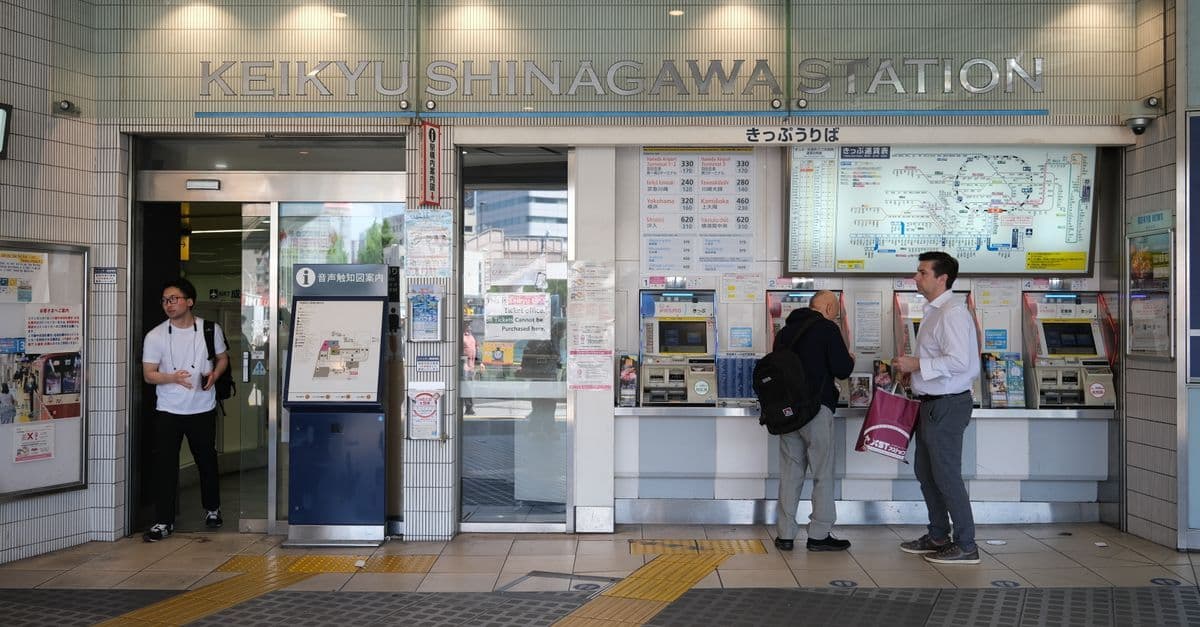
- Haneda Terminal 3: Welcome Suica machines and a JR EAST Travel Service Center at the Tokyo Monorail station. TOURIST PASMO comes from the Keikyu Tourist Information Center on the 2nd floor arrival lobby, next to the ticket gates, and from the machine beside it.
- Haneda Terminals 1 and 2: TOURIST PASMO from Keikyu's ticket machines for travellers, one at each terminal's gate. The Haneda machines take credit cards.
- Narita Airport: Welcome Suica machines and JR EAST Travel Service Centers at both the Terminal 1 and Terminal 2·3 stations. TOURIST PASMO is sold at the Skyliner & Keisei Information Centers in the Terminal 1 and Terminal 2 stations, and only as a ¥2,000 card.
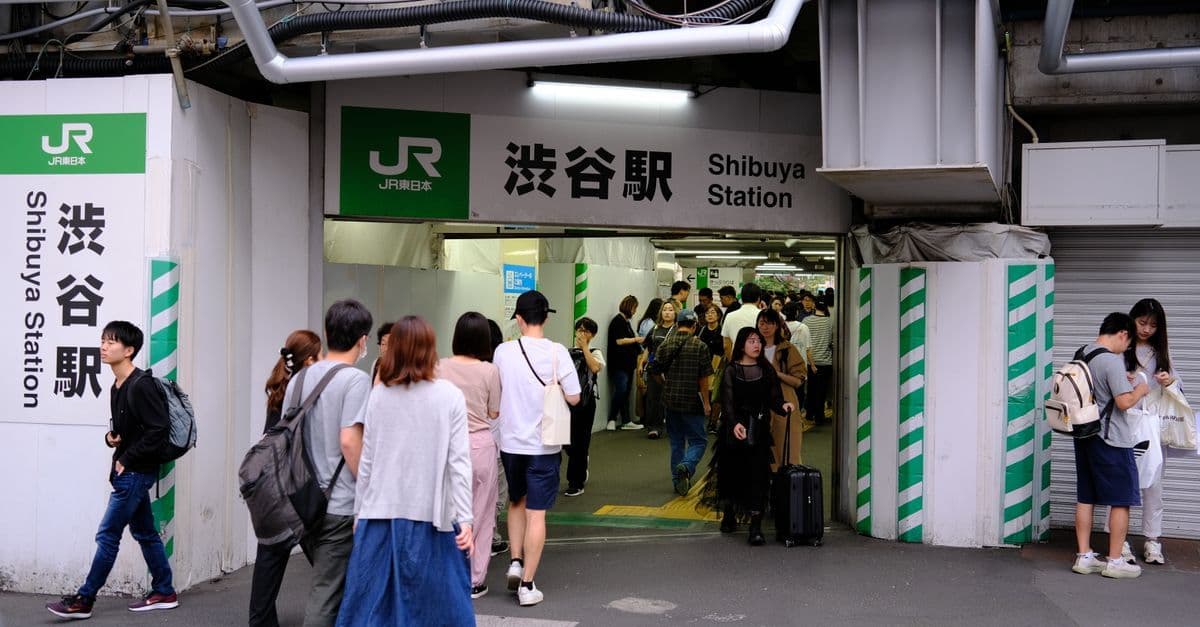
Away from the airports, JR East sells Welcome Suica at Travel Service Centers in stations including Tokyo, Shinjuku, Shibuya, Ikebukuro and Ueno. In principle it's one card per person. The 28 days start on the day you buy it, not on your first tap.
Keep the reference paper you get with a Welcome Suica. The expiry date isn't printed on the card, and JR East warns that the GOOD THRU date on the back is not the expiry. PASMO Co. lists TOURIST PASMO with the same 28-day limit and a similar reference paper.
Plastic cards top up with yen cash only
Every plastic card, standard or visitor, takes yen cash only. JR East is blunt about it: a credit card can't top up a Suica or a Welcome Suica. You can add money in these places:
- Station ticket machines and fare adjustment machines that show the nationwide mutual-use symbol. Suica top-ups go in steps of ¥500, ¥1,000, ¥2,000, ¥3,000, ¥5,000 or ¥10,000.
- Seven Bank ATMs at 7-Eleven and other convenience stores, which JR East lists for Welcome Suica. Tap the charge e-money button, place the card and feed in notes.
- Convenience store counters and some shops, which PASMO lists for both its standard card and TOURIST PASMO.
- On buses, where the driver tops up PASMO with ¥1,000 notes only, and not past a ¥10,001 balance.
The ceiling is a ¥20,000 balance on every plastic card. If you overshoot a PASMO top-up by mistake, PASMO refunds it with no fee, but only on the same day and at the same station. You also can't have used the card since.
An iPhone can carry Suica or PASMO in Apple Wallet
Apple Wallet can hold Suica, PASMO, ICOCA or TOICA. Apple's setup page lists three things you need. First, an iPhone 8 or later (or Apple Watch Series 3 or later) on current software. Then an Apple Account with two-factor authentication, and an eligible payment card in Wallet.
Adding a new card in Wallet, step by step
- Open the Wallet app and tap the Add button.
- Tap Travel Card.
- Choose Suica or PASMO.
- Tap Add New Card.
- Pick an amount to load and tap Add.
- Follow the onscreen steps to confirm the payment.
On an Apple Watch, start in the Watch app on your iPhone: My Watch, then Wallet & Apple Pay, then Add Card. Your first travel card turns on Express Mode, so you tap the gate without unlocking the phone or using Face ID. Apple says the phone doesn't need mobile data or Wi-Fi to ride.
The issuers add a few catches worth knowing before you land:
- Night pause. PASMO stops Wallet top-ups between 2am and 4am.
- Adults only. A PASMO in Wallet charges adult fares (12 and over), so a child needs a child card or a child ticket.
- Setup quirks. PASMO's own setup checklist lists setting the iPhone's region to Japan and warns that some payment cards may not be recognised.
- Next trip. Removing a PASMO from Wallet saves it to your Apple Account, and it stays usable for 10 years after your last ride.
Welcome Suica Mobile is JR East's app for visitors
JR East's Welcome Suica Mobile app for iOS issues a Suica that lasts 180 days, far longer than the 28-day plastic card. You download it before the trip. JR East warns that in some countries the law stops you setting up or adding value until you're in Japan. The app also asks for location access to check whether value can be added.
The same app books Shinkansen and Narita Express seats and sells Green Car tickets for local trains. It needs an Apple Pay device and a user aged 13 or over. Any balance left at the end of the 180 days is lost, so load small amounts.
Android phones need Osaifu-Keitai to hold Suica or PASMO
Google Wallet can hold Suica and PASMO, but Google's help page marks the feature as Japan only and requires an Osaifu-Keitai compatible phone. It says most Japanese-issued credit cards can add money, without a word on cards from elsewhere. Check your phone's spec sheet before you count on it.
If Osaifu-Keitai isn't listed, buy a plastic card at the airport. Welcome Suica Mobile won't help either, since it's an iOS app. Your Android phone still earns its place at the gates, though: a phone carrying a contactless bank card works with Tokyo Metro's Tap to Ride service.
A tapped bank card works on Tokyo Metro, not on JR lines
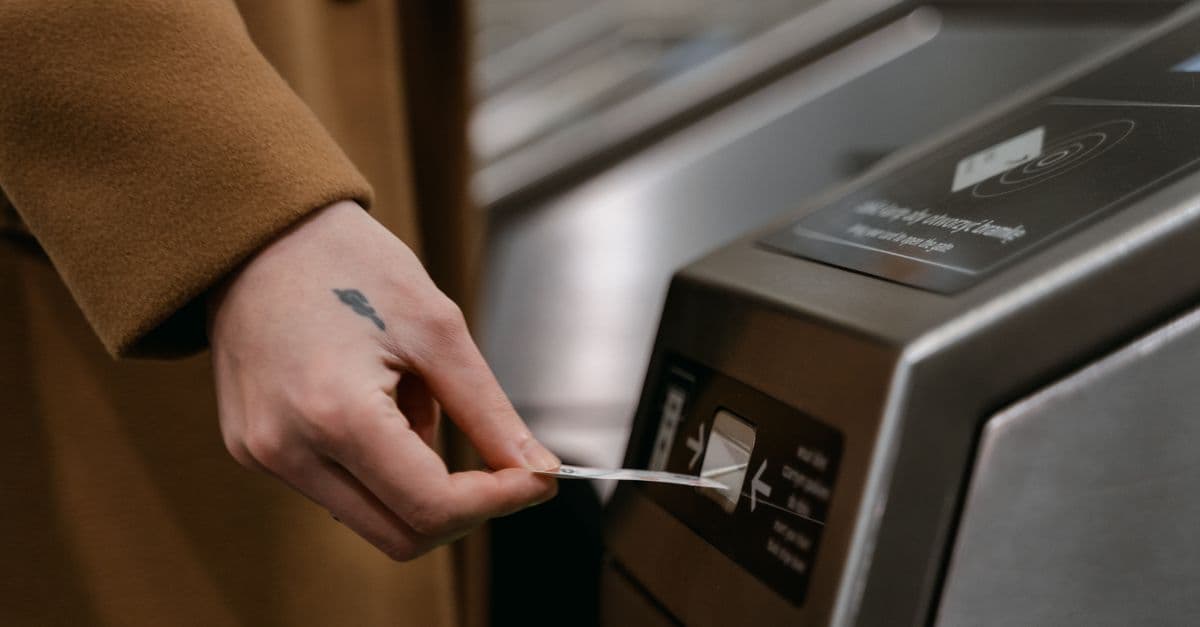
With Tokyo Metro's Tap to Ride service, you enter and exit with a contactless credit, debit or prepaid card, or a phone carrying one. There's nothing to register. It runs on every Tokyo Metro line, and you can ride on through ten partner operators, including Toei Subway, Keikyu, Keio, Odakyu and Tokyu.
Read the limits before you leave your IC card in the hotel:
- You pay the paper-ticket fare in 10-yen steps, not the cheaper IC card fare.
- It's adult fares only. A child can use it only with a card in their own name, and still pays the adult fare.
- Changing between Tokyo Metro and Toei Subway takes ¥70 off. There are no other discounts.
- You can't ride on into JR East lines, and passengers boarding at Nakano Station can't use it at all.
The official GO TOKYO guide adds that tap-to-pay isn't available on JR lines, the Keisei Line or the Tokyo Monorail. It works only on some Tobu and Seibu lines. Keikyu out of Haneda is covered, but the Tokyo Monorail and Keisei's Narita trains aren't. A bank card is a handy backup, not a replacement for an IC card.
A subway pass beats a card on big sightseeing days
Suica and PASMO charge the normal fare on every ride. Tokyo Metro says it plainly on its Tokyo Subway Ticket site: IC cards don't give discounted fares, so heavy riders do better with a pass. As of September 2026, Tokyo Metro and GO TOKYO list these prices:
| Pass | Adult price | Lines covered | Pays off at (Tokyo Metro's figure) |
|---|---|---|---|
| Tokyo Subway 24-hour ticket | ¥1,000 | All Tokyo Metro and Toei Subway lines | 6 rides in 24 hours |
| Tokyo Subway 48-hour ticket | ¥1,500 | All Tokyo Metro and Toei Subway lines | 5 rides in each 24 hours |
| Tokyo Subway 72-hour ticket | ¥2,000 | All Tokyo Metro and Toei Subway lines | 4 rides in each 24 hours |
| Tokyo Metro 24-Hour Ticket | ¥700 | Tokyo Metro lines only | Not stated |
Children pay half. Some guides still quote ¥800, ¥1,200 and ¥1,500 for the three Tokyo Subway Tickets, and those prices are out of date.
Only visitors who entered Japan with short-term stay status can buy the Tokyo Subway Ticket. If you buy it in Japan, staff check your actual passport, not a copy. On a paper ticket the clock starts at your first gate, but GO TOKYO notes that a pass loaded onto a PASMO runs from the time you buy it. The ticket covers about 280 stations, mostly in the 23 wards.
It doesn't cover JR lines or the trip to either airport, so keep your IC card for those. A simple rule: use the card on light days, and buy a pass when your day beats Tokyo Metro's break-even figures above.
Some trips need a ticket on top of your card
Your card pays the base fare and nothing more. JR East lists three cases where you need an extra ticket:
- Limited express and express trains, which need a separate express ticket bought before you board.
- Green Cars, the first-class carriages, which need their own ticket.
- Trips that cross from one IC area into another. JR East's example is Tokyo to the Sendai area, which needs a ticket bought in advance.
Welcome Suica follows the same area rules. If you travel outside the card's area, JR East points you to a fare adjustment machine to top up and settle the fare.
What you get back depends on which card you bought
- Standard Suica: hand it in at a JR East station for the ¥500 deposit plus your balance, minus a ¥220 fee. JR East's own example is a ¥1,000 balance that returns ¥1,280. Cards issued by other companies, such as the Tokyo Monorail, go back to that company.
- Standard PASMO: return the card and PASMO refunds the balance and the ¥500 deposit. The balance can't be refunded on its own.
- Welcome Suica and TOURIST PASMO: no refund of the leftover balance. JR East refunds a Welcome Suica only if the card itself stops working. Spend the last of it at a convenience store before your flight, then keep the card as a souvenir.
- PASMO in Apple Wallet: the balance only pays out to a bank account in Japan, so spend it down or leave it for your next trip.
- Welcome Suica Mobile: the balance can't be refunded and lapses when the 180 days end.
Phone wallet cards need data to top up, not to ride
A Suica or PASMO on your phone rides with no signal at all. Adding money is different. PASMO says a Wallet top-up needs a good connection, and in some countries Welcome Suica Mobile won't let you set up until you've landed. That can put your first top-up in the airport arrivals hall.
Sorting mobile data for your Tokyo trip before you fly means you're not hunting for Wi-Fi at the ticket gates when the balance runs low.
HelloRoam covers Japan among its 185+ destinations, and its support team answers 24/7 if your eSIM setup stalls.
If you're carrying a plastic Welcome Suica and topping up with cash, the card itself never needs data.
Questions travellers ask
Can two people share one Suica or PASMO?
Not on the same ride. PASMO says a card in Apple Wallet pays for one person per device, and Tokyo Metro's Tap to Ride only lets the person named on the bank card use it. Everyone riding together needs their own card or phone, so buy one card per traveller at the airport.
Do kids need their own Tokyo transport card?
From age 6, yes. JR East says children need a ticket from age 6. A child pays child fares only with a child card or a child paper ticket. JR East sells a child Welcome Suica that needs the child's ID, such as a passport, and it works until 31 March after their 12th birthday. Wallet PASMO and Tap to Ride charge adult fares.
Can I use my Suica or PASMO in Osaka or Kyoto?
Yes, on trains and buses there that accept IC cards. JR East says Suica works on some transport in the West Japan area, and PASMO belongs to the same nationwide mutual-use system. What you can't do is ride from the Tokyo area into another area on the card, so buy a ticket between cities.
Sources
- JR East: Welcome Suica, Purchasing and Usingjreast.co.jp
- JR East: Suicajreast.co.jp
- JR East: Welcome Suica Mobilejreast.co.jp
- JR East: FAQ (Suica & Welcome Suica)jreast.co.jp
- PASMO Co.: TOURIST PASMOpasmo.co.jp
- PASMO Co.: Purchasing a PASMO cardpasmo.co.jp
- PASMO Co.: Using PASMO (top-ups and refunds)pasmo.co.jp
- PASMO Co.: Use PASMO with Apple Paypasmo.co.jp
- Apple Support: Add a travel card to Apple Wallet in Japansupport.apple.com
- Apple Support: Use Suica, PASMO or ICOCA cards on iPhone or Apple Watch in Japansupport.apple.com
- Google Wallet Help: Add e-Money and debit or credit cards (Japan only)support.google.com
- Tokyo Metro: Tap to Ride Servicetokyometro.jp
- Tokyo Metro: Regular Tickets (fare table)tokyometro.jp
- Tokyo Metro: Tokyo Subway Tickettokyometro.jp
- GO TOKYO: Cheap Tickets & IC Cardsgotokyo.org
- PASMO Co.: What is PASMO?pasmo.co.jp
- JR East: Welcome Suica featuresjreast.co.jp
- PASMO with Apple Pay FAQ: paying for companionssupport.mobile.pasmo.jp
- PASMO with Apple Pay FAQ: child faressupport.mobile.pasmo.jp
- PASMO with Apple Pay FAQ: does the stored fare expire?support.mobile.pasmo.jp
- PASMO with Apple Pay FAQ: refunding the stored faresupport.mobile.pasmo.jp
- Keikyu: Tap to Ride Service (Haneda Airport Access Guide)haneda-tokyo-access.com
Written by
HelloRoam Team
The HelloRoam editorial team writes about eSIM technology, travel connectivity, and mobile data tips for international travelers.