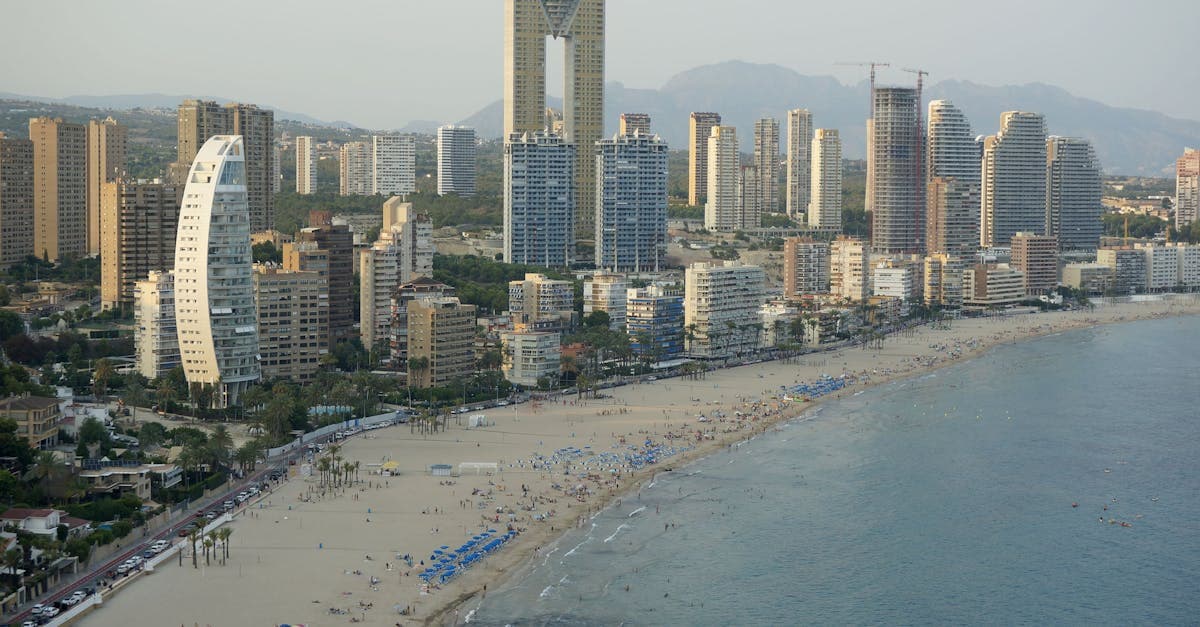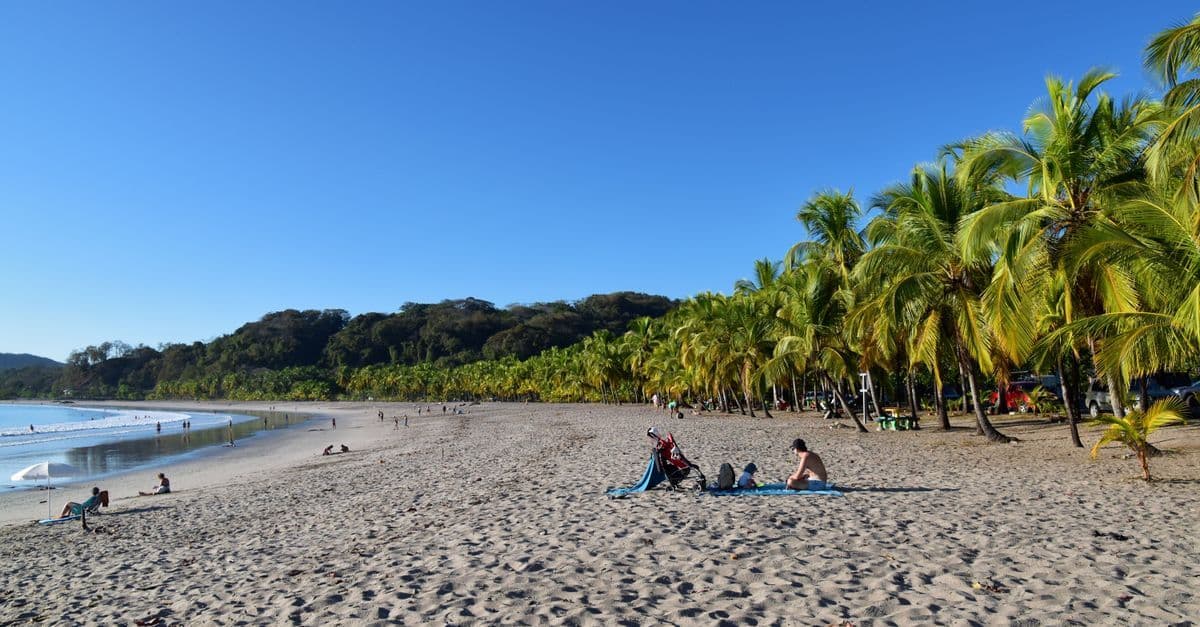
Sensible care means habits matched to the risks that catch visitors out. Official advice names a slashed tyre on a hire car followed by an offer of help, unofficial taxis, spiked drinks, cheap spirits made with methanol, rip currents on beaches that often have no lifeguards, and crocodiles near surf beaches on the Pacific coast.
With a HelloRoam Costa Rica eSIM set up before you fly, your phone has mobile data as soon as you land. You can check the latest FCDO advice and plan your route before you leave the airport.
The FCDO has no numbered levels and no warning for any part of Costa Rica
The FCDO does not put countries on a numbered scale. Its strongest step is formal advice against "all travel" or "all but essential travel" to a country or part of one, and every such area is listed on the "Warnings and insurance" section of the country page. Costa Rica's section lists none.
 Get your Costa Rica eSIM before you flyInstall it at home, turn it on when you land. From £5.21.See Costa Rica plans
That matters for your cover. The FCDO's own guidance on its travel advice says travel insurance could be invalidated if you travel against its advice, and that only your insurer can decide whether to accept a claim. Costa Rica has no such warning today. Your policy still has to cover what you plan to do there: the FCDO notes that quad biking, surfing, rock climbing and zip-lining are frequently excluded from general travel insurance.
The May update revised the FCDO's information on customs rules, gang-related violence, fines for entering restricted conservation areas without permission, earthquakes and recent volcanic activity. For comparison, Global Affairs Canada tells Canadians to "exercise a high degree of caution" in Costa Rica due to crime, the second of its four risk levels.
Official advice names the places where visitors need most care
The FCDO speaks in broad terms. Canada's travel advice for Costa Rica names streets and towns, which helps when you choose where to stay. None of these places is off limits under UK advice. They are where official sources tell visitors to take most care.
| Area | What official advice says | What helps there |
|---|---|---|
| Central San José | Canada lists the Coca-Cola bus terminal area, the inner downtown between San Juan de Dios Hospital, the National Museum, Avenida 1 and Avenida 14, the Mercado Central areas and public parks as high-risk for theft. | Keep your bag in front of you and use official, radio-dispatched taxis. |
| Caribbean coast: Puerto Limón, Puerto Viejo, Cahuita | The FCDO says muggings and theft are significant problems on the Atlantic coast. Canada says violent assaults on travellers, though not frequent, have occurred in Puerto Limón and Puerto Viejo, and names Cahuita for theft. | If you are threatened, hand over cash and valuables without resistance, as Canada advises. |
| Pacific coast: Jacó, Quepos, Manuel Antonio National Park, Dominical | Canada names all four for theft, and lists the crocodile viewing area along the Tárcoles River with Jacó. | Leave nothing in a parked car, in view or in the boot. |
| Cóbano area (Santa Teresa, Mal País, Montezuma) and the port of Puntarenas | Canada names the Cóbano area, including these three seaside towns, and the port of Puntarenas for theft. | Watch wallets and valuables on the beach. |
| Alajuela, Limón, Puntarenas and San José provinces | Canada says most violent incidents relate to gangs and drugs, and these four provinces are the most affected. | Avoid walking alone in poorly lit or remote areas at night, as the FCDO advises. |
| Tortuguero | The FCDO reports several incidents involving small boats in the area, including a death caused by a falling tree. | Book an established company with experienced staff. |
| Liberia airport (LIR), Guanacaste | The FCDO says services at Daniel Oduber International have been subject to interruptions. | Watch for updates from your airline or tour operator before you set off. |
The FCDO also says a number of foreign nationals, including one British national, have gone missing in recent years, some in incidents linked to crime. The Costa Rica Tourism Board adds a small but useful tip: check your map and phone in a secure place rather than out on the street.
Official advice warns of nine scams and traps
Several of these target hire cars, which Canada's advice calls "a target of choice" for thieves. Each fix below comes from the FCDO, Canada's government or Costa Rica's tourism board.
| Scam or trap | How it works | How to avoid it |
|---|---|---|
| The slashed tyre | Thieves slash a tyre, then offer to help change it while an accomplice steals from the car. | Don't stop in a lonely place. Call your hire company or 911 instead, as the tourism board advises. |
| The staged collision | Criminals cause a deliberate crash to make you stop, then rob you. | If you think it was deliberate, drive on to a police station or garage, and be ready to explain why to the traffic police. |
| The roadside wave | A stranger signals for help by the road. The FCDO warns they could be carjackers. | Don't stop for strangers signalling for help. |
| The key-fob jammer | A device blocks your key fob's signal, so the car stays unlocked when you press the button. | Check every door by hand before you walk away. |
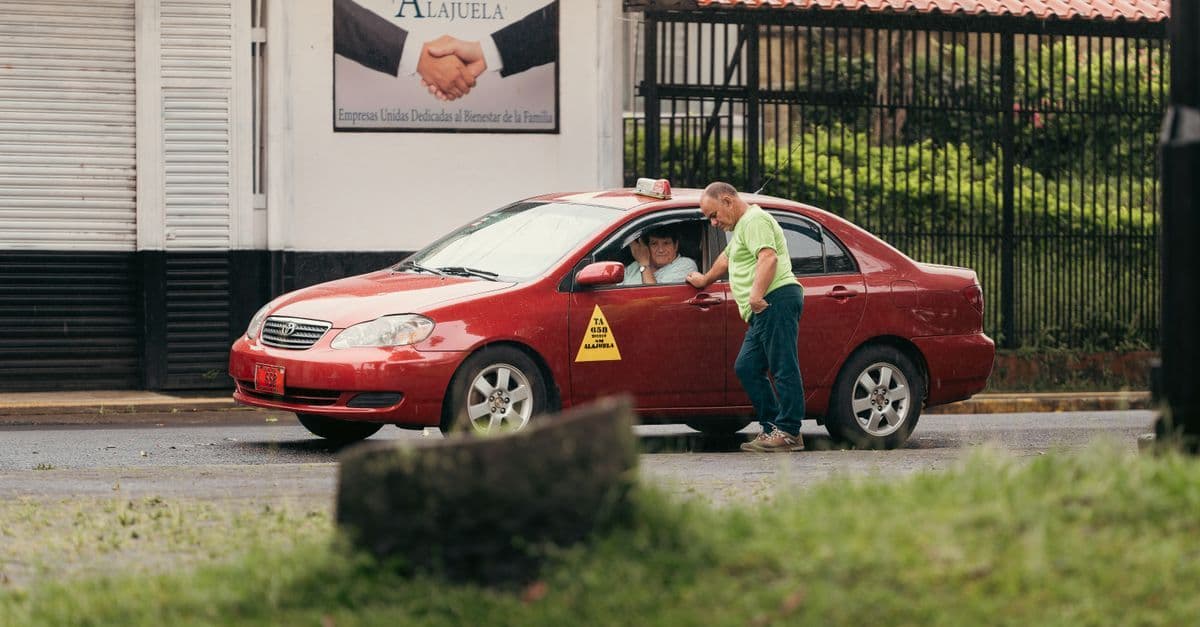
| The pirate taxi | Unofficial taxis ('taxi piratas') work outside the regulated taxi system. The FCDO says to avoid them, and Canada says official taxis are safe. | Use red taxis (orange at the airport) with a triangular sticker and a roof box showing the company name and number. Check the driver's ID is on the dashboard and the meter is running. Book ahead rather than flagging a taxi in the street, as Canada advises. |
| The team distraction | One thief distracts you while another takes your bag, often on buses, in stations, in hotel lobbies and on street-side restaurant patios. | Keep luggage in view on buses and carry your backpack on your front. |
| Spiked drinks and snacks | The FCDO cites reports of spiked drinks leading to assault and theft. Canada adds that snacks, gum and cigarettes from new acquaintances may contain drugs. | Never leave a drink unattended, and turn down food or drink from strangers. |
| Methanol in cheap spirits | Criminal gangs have apparently used methanol in cheap local spirits, including vodka and guaro (cane liquor). It cannot be detected by taste or smell. | Take care with spirit-based drinks, buy alcohol from reputable places, and get urgent medical help if anyone shows signs of poisoning. |
| Card and ATM fraud | Canada's advice says credit card and ATM fraud occurs in Costa Rica. | Avoid card readers with irregular or unusual features, use ATMs inside a bank or a well-lit public place, and cover the keypad with one hand. |
Rip currents, crocodiles and adventure tours carry real risks
The sea needs as much respect as the streets. The FCDO's safety and security page says rip currents are very common on Costa Rica's beaches and there are often no lifeguards. Drowning is the second most common cause of accidental death in the country, averaging 50 to 60 deaths a year in recent years, a third of them tourists.
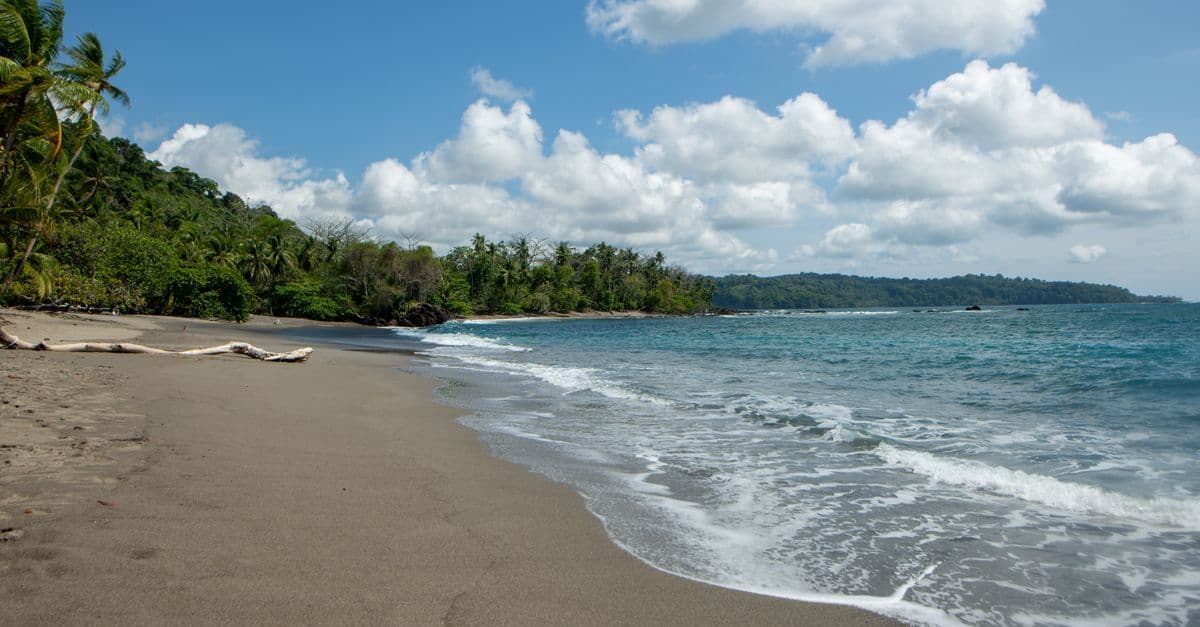
Ask locals or surfers about conditions before you swim, and don't swim alone. Crocodiles are seen regularly along the Pacific coast near beaches popular with surfers, from Playa Azul down to Playa Esterillos, and there have been attacks in recent years. The tourism board's surf advice is to ask people nearby about crocodiles before you paddle out.
Tours deserve the same care. The FCDO reports recent deaths on snorkelling and similar tours, says safety standards for adventure activities and small boats vary, and advises using an established company with experienced staff. In jungle areas, go with an experienced local guide. Entering a restricted conservation area without permission can bring a fine.
Travelling with children
Costa Rica's tourism board publishes age and size limits for its most popular activities. For rafting, it adds that the minimum age also depends on the tour, the season, the river level and the company's own policy.
| Activity | Tourism board guidance |
|---|---|
| Zip-lining | From age 6, with a minimum weight of 22 kg and minimum height of 1.45 m. The maximum is 135 kg and 2.15 m. |
| White-water rafting | Generally from age 8. Knowing how to swim is important, and the maximum weight is 135 kg per person. |
| Quad bikes (ATVs) | Not to be ridden by anyone under 16. Wear a helmet and eye protection. |
| Beaches | Ask about rip currents, keep children close and avoid swimming alone. |
Volcanoes, earthquakes and the June to November rains can change your plans
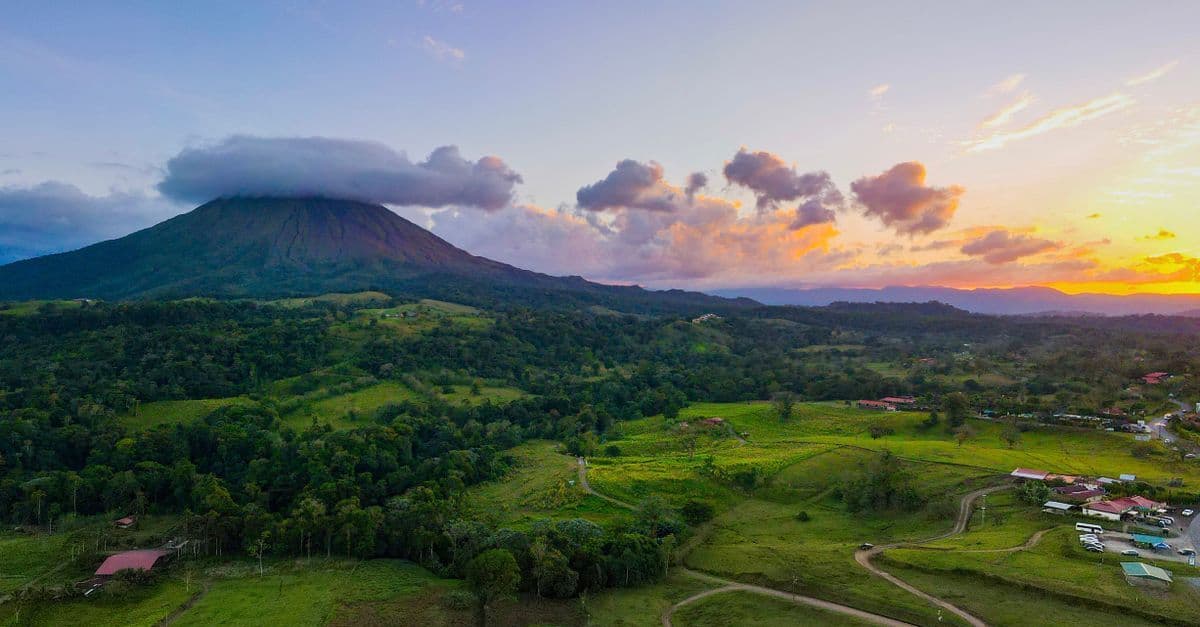
The FCDO covers four natural hazards for Costa Rica, and each one affects how you plan a route or a day out.
| Hazard | What the FCDO says | Before you go |
|---|---|---|
| Volcanic eruptions | Costa Rica has 16 volcanoes, and several are considered active. There has recently been an increasing and significant series of eruptions at Poás Volcano. Ash can affect air quality, and people with respiratory conditions may be at greater risk. | Check news and local advice before visiting any volcanic area, and avoid these areas during and just after heavy rain. |
| Earthquakes | Small tremors are frequent, and quakes above magnitude 6 occur periodically. Local infrastructure is well prepared, and quakes seldom have widespread effects. | The FCDO points to the US Federal Emergency Management Agency (FEMA) for what to do before, during and after a quake. |
| Hurricanes | The season usually runs from June to November, as in the Caribbean. | Follow National Hurricane Center forecasts and any local evacuation orders. |
| Flooding and landslides | June to November is also the peak rainy season, and flooding and landslides can close roads. | Plan road journeys carefully in those months. |
Driving in Costa Rica takes more care than driving in the UK
The FCDO says the standard of driving is lower than in the UK, with accidents caused by speeding, overtaking irresponsibly and drivers ignoring traffic lights. Bridges often narrow the road to a single lane. Main routes are generally in good condition, but heavy rain in the rainy season brings potholes and landslides that can block roads.
You can drive on a UK photocard licence for up to 180 days, depending on the length of stay you are granted as a tourist. If you still have a paper licence, the FCDO says you may need to update it to a photocard or get an international driving permit. Private cars can only enter San José on certain weekdays, set by the last digit of the number plate, so ask your hire company how that affects your plans.
If someone is injured, or the other driver will not accept blame, do not move your car until the traffic police arrive. Call the tránsito on 2222 9330 or 2222 9245, and the INS insurance investigator on 800 800 8000. Canada's advice is blunter: it calls road conditions and road safety generally poor across the country, says motorists often drive without lights at night, and tells drivers to avoid travelling after dark.
Women and solo travellers get specific warnings
The FCDO says rapes and sexual assaults have increased, and some appear to be targeted at tourists. Women travelling alone have reported having to pay extra attention to their personal safety. Canada's advice records sexual assaults against foreigners at beach resorts and by taxi drivers in San José.
For solo trips, the tourism board's advice is plain: use official transport only, avoid walking, jogging or sightseeing alone in secluded areas, especially at night, and keep the details of your itinerary off social media and away from strangers.
Costa Rica carries fewer FCDO warnings than Mexico
The FCDO does not compare the two countries directly, but its warnings show a clear gap. Its Mexico page advises against all but essential travel to all or part of 11 Mexican states, including the whole of Zacatecas and most of Guerrero, Michoacán and Sinaloa. Costa Rica has no such area.
That is a count of formal warnings, not a crime ranking. Both countries' FCDO pages describe crime in places with no formal warning, and the same habits help in both: official taxis, nothing left in the car and care with drinks.
Healthcare is good, but only first emergency treatment is free
The FCDO describes medical care in Costa Rica as generally of a high standard, though ambulance services in remote areas may vary. Only initial emergency treatment is free for visitors, and anything after that is charged. The FCDO's advice is to have travel health insurance and accessible funds for treatment and repatriation.
The FCDO lists malaria, dengue and Zika among the health risks. Costa Rica requires a yellow fever vaccination certificate from travellers arriving from a country listed as a transmission risk. TravelHealthPro's Costa Rica guide has the vaccine advice and also lists a risk of chikungunya, with an outbreak reported on the Guanacaste coast around Playa Langosta and Santa Cruz in July 2026. Check it before you go.
UK prescriptions cannot be used locally. The FCDO names national pharmacy chains including Farmacia Fischel, Farmacia Sucre and FarmaValue.
Five contacts cover emergencies, road accidents and consular help
| Who | Number or contact | When to use it |
|---|---|---|
| Police, ambulance and fire | 911 | Any emergency. The tourism board says you do not need a local line to dial it. |
| Traffic police (tránsito) | 2222 9330 or 2222 9245 | A road accident with an injury or a dispute over blame. |
| INS insurance investigator | 800 800 8000 | The same accidents. Call straight away, as well as the tránsito. |
| FCDO in London | 020 7008 5000 (24 hours) | For family or friends in the UK if something happens to you. |
| British Embassy San José | Online contact form on GOV.UK | Consular help, including in an emergency. Visits are by appointment only. |
The embassy has moved out of its old premises on Paseo Colón, and the embassy's own page says the new location will be published as soon as possible. Its hours are Monday to Thursday, 08:00 to 12:00 and 12:30 to 16:00, and Friday 08:00 to 13:00. After a serious incident, the FCDO also tells you to contact your travel provider and your insurer.
A working phone on arrival keeps maps, translation and family in reach
Some of the tourism board's own tips assume a working phone. It suggests a GPS or navigation app for driving, and reminds you that the app needs a SIM or an international data plan. It also suggests a translation app and keeping in touch with family and friends.
You have three ways to get connected. You can add roaming with your UK network before you go, as the tourism board suggests, or buy a prepaid SIM at the Kölbi booth in the airport, run by the national telecoms company, or in a phone shop such as Claro. Or you can install an eSIM at home and land with data already working.
In Costa Rica, HelloRoam connects to Claro's 4G network, and our support team answers 24/7 if a line will not connect.
If that suits your trip, compare mobile data plans for Costa Rica before you fly, so the plan is installed while you still have home Wi-Fi. If you would rather buy at the airport booth, that works too, and 911 answers either way.
FCDO advice can change between booking and flying
Travel advice changes, and the FCDO says it cannot give tailored advice for individual trips. Read the full Costa Rica page before you go, sign up for its email alerts, and talk to your travel provider and insurer if the advice changes before you fly.
Questions travellers ask
Do I need to carry my passport in Costa Rica?
Yes. The FCDO says foreigners must carry ID such as a passport, and the police will usually accept a printed copy. Keep the original somewhere safe, ready to show if officers ask. Banks are stricter: the tourism board says bank transactions need your original passport, not a copy or a photo.
What happens if you are caught with drugs in Costa Rica?
The FCDO says the Costa Rican authorities treat drug possession and trafficking severely, and the minimum sentence is 8 years in prison. Its advice is simple: do not get involved with drugs of any kind while you are there.
Can you drink the tap water in Costa Rica?
Costa Rica's tourism board says tap water is drinkable, and it recommends bottled water only in a few rural areas. The UK's TravelHealthPro still tells all travellers to take care with food and water hygiene, and recommends the hepatitis A vaccine for anyone not already vaccinated, so check its Costa Rica guide before you go.
Sources
- Costa Rica travel advice (FCDO)gov.uk
- Safety and security: Costa Rica travel advice (FCDO)gov.uk
- Health: Costa Rica travel advice (FCDO)gov.uk
- Getting help: Costa Rica travel advice (FCDO)gov.uk
- About FCDO travel advicegov.uk
- Warnings and insurance: Mexico travel advice (FCDO)gov.uk
- British Embassy San Josegov.uk
- Travel advice and advisories for Costa Rica (Government of Canada)travel.gc.ca
- Travel and safety tips (Costa Rica Tourism Board, ICT)visitcostarica.com
- Costa Rica (TravelHealthPro, NaTHNaC)travelhealthpro.org.uk
Written by
HelloRoam Team
The HelloRoam editorial team writes about eSIM technology, travel connectivity, and mobile data tips for international travelers.

 Spain
Spain