The embassy sends its updates for U.S. citizens through STEP and a WhatsApp channel, and away from hotel Wi-Fi they only reach your phone over mobile data. With a HelloRoam Costa Rica eSIM installed at home, those alerts, a map to your hotel and the ride you booked all work once you clear the airport. Help with setup is available 24/7.
The everyday risks are theft, from pickpocketing to car break-ins, and rip currents at beaches without lifeguards, which the State Department says is most beaches. Violent crime, including armed robbery, homicide and sexual assault, also affects tourists. Here's where each risk shows up in official advice, and what that advice says to do.
| Risk | Where official advice places it | What to do |
|---|---|---|
| Pickpocketing and bag theft | Downtown San José, buses, viewpoints and beach towns such as Jacó, Quepos and Puerto Viejo | Carry little, keep bags on you and skip public buses |
| Car break-ins | Parking lots at hotels, stores, restaurants, national parks and beaches | Leave nothing in the car, even in the trunk, and check the doors lock by hand |
| Gang and drug violence | Alajuela, Limón, Puntarenas and San José provinces | Avoid isolated areas at night, and hand over valuables if threatened |
| Rip currents | Most beaches, which have no lifeguards or warnings | No lifeguard, no sign and no flag means stay out of the water |
| Road hazards | Rural and beach roads, single-lane bridges, driving after dark | Drive by day outside cities, and never drive into water you can't see the depth of |
| Floods and landslides | Limón, Puntarenas and Guanacaste in the rainy season | Ask your hotel about road conditions before you set out |
The State Department's Level 2 covers the whole country
The State Department's Costa Rica advisory lists crime as its only risk indicator, and it doesn't rate any part of the country above Level 2. Its latest update kept the level and rewrote the summary, which says petty crime is common throughout Costa Rica. If you decide to go, the advisory asks you to:
 Get your Costa Rica eSIM before you flyInstall it at home, then turn on data roaming for it when you land. From $6.99.See Costa Rica plans
- Enroll in the Smart Traveler Enrollment Program (STEP), so the embassy can reach you or your emergency contact in an emergency.
- Stay aware of your surroundings, and don't walk alone on poorly lit beaches or streets.
- Never physically resist a robbery.
- Don't display signs of wealth, such as expensive watches or jewelry.
Canada reaches the same verdict on its own scale. Canada's travel advice for Costa Rica, last updated August 31, 2026, tells travelers to "exercise a high degree of caution" because of crime, the second of its four levels too. It adds detail the U.S. page leaves out, such as named theft hotspots, which appear in the area guide below. Advisories can change with little notice, so read the State Department page again in the week before you fly.
Mexico and Panama also sit at Level 2, while Nicaragua is a step higher
Is Costa Rica safer than Mexico or Panama? The State Department grades every country on the same four levels, which makes its advisories a fair yardstick. Here's how Costa Rica and three other countries in the region stand in the current advisories:
| Country | Overall U.S. level | Parts rated higher | Advisory issued |
|---|---|---|---|
| Costa Rica | Level 2: Exercise increased caution | None | April 2026 |
| Mexico | Level 2: Exercise increased caution | 6 states at Level 4, Do not travel (Colima, Guerrero, Michoacán, Sinaloa, Tamaulipas, Zacatecas); others at Level 3, including Jalisco and Baja California | May 2026 |
| Panama | Level 2: Exercise increased caution | Do not travel to the Mosquito Gulf or parts of the Darién Region | August 2026 |
| Nicaragua | Level 3: Reconsider travel | None; the whole country is at Level 3 | May 2026 |
On the U.S. scale, Costa Rica matches Mexico and Panama overall but has no areas rated higher. Mexico's map is uneven: Quintana Roo, the state with Cancún, Playa del Carmen and Tulum, sits at Level 2, the same as Costa Rica; Yucatán and Campeche are at Level 1; and six states are at Level 4. Nicaragua, which shares a land border with Costa Rica, is at Level 3, and its advisory says U.S. nationals face a serious risk of wrongful detention there. An overall level can hide stricter ratings inside a country, so check the advisory for each region on your route.
Theft from bags, cars and rentals is common
Petty theft and pickpocketing are common crimes for U.S. travelers, the State Department says. Armed robbers often go after smartphones, wallets and purses, and if someone with a weapon confronts you, the advice is not to resist. Canada adds that thieves often work in teams, with one person distracting you while another grabs your things. It lists viewpoints, buses, bus stations, airport terminals, hotel lobbies and street-side restaurant patios as common spots.
Cars are a favorite target. Canada says break-ins are very common across the country, with rental and luxury cars the targets of choice, often in the parking lots of hotels, supermarkets, restaurants, stores, national parks and beaches. Thieves can use jammers to block a key fob's signal, so pull the handle to check the doors really locked, and don't leave anything in the car, even in the trunk.
Where you sleep matters too. The State Department has reports of robberies, including armed robberies, at short-term rental properties, and Canada says burglars sometimes target rental homes. Pick a place with good security, lock every door and window, and never confront a burglar.
Timing plays a part. Canada says passport theft is extremely common and rises in the peak tourist seasons, November to May and July to August, so a December or January trip falls inside the first of those windows. Use ATMs inside a bank or business, or in a well-lit public area.
The risks change from San José to the Caribbean coast
Canada names four provinces as the most affected by gang and drug violence: Alajuela, Limón, Puntarenas and San José. It says drug trafficking is common and that most violent incidents are related to gangs and drugs. Costa Rica's own figures point the same way. The Ministry of Justice and Peace's Violence Observatory reports that 64% of intentional homicides in the first half of 2026 were score-settling or revenge killings. Those provinces hold the capital and long stretches of both coasts, and neither government tells travelers to avoid them.
San José: the downtown core and the Coca-Cola terminal
In the capital, Canada lists these high-risk areas for theft: the Coca-Cola bus terminal area; the inner downtown between San Juan de Dios Hospital, the National Museum, Avenida 1 and Avenida 14; the Mercado Central area; and public parks. It also reports sexual assaults against foreigners by taxi drivers in San José, one more reason to book an official taxi ahead.
Tamarindo and the Guanacaste beaches
Tamarindo is one of only 10 beaches where Costa Rican authorities keep a lifeguard presence, according to the State Department, and Tourist Police there can help you start a crime report. Guanacaste, the province that holds Tamarindo, Flamingo, El Coco and Nosara, isn't one of Canada's four gang-affected provinces, and Canada's theft list doesn't name Tamarindo. That doesn't make it theft-free: Canada says car break-ins happen throughout the country, beach parking lots included.
Jacó, Manuel Antonio and the rest of Puntarenas
Canada's longest list of theft hotspots covers Puntarenas province: Jacó, including the crocodile viewing area on the Tárcoles River; Manuel Antonio National Park; Quepos; Dominical; the Cóbano area with Mal País, Montezuma and Santa Teresa; and the port of Puntarenas.
Puerto Viejo, Cahuita and the Caribbean coast
On the Caribbean side, Canada lists Cahuita, Puerto Limón and Puerto Viejo for theft. It adds that violent assaults on travelers, though not frequent, have happened in Puerto Limón and Puerto Viejo. Rain sets its own risk here. Costa Rica's national weather service (IMN) says the Caribbean side's rainier spell runs from November to February and peaks in December and January, when cold fronts arrive, and the State Department lists Limón among the provinces most affected by floods.
Rip currents make beaches without lifeguards dangerous
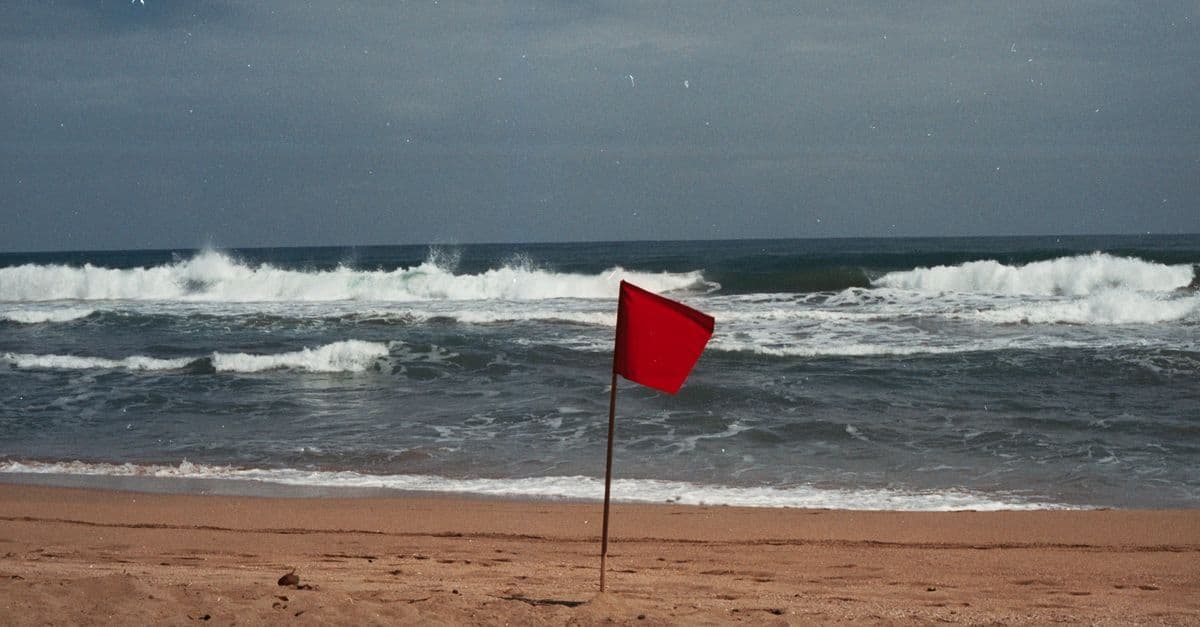
The State Department says rip currents are responsible for several drownings of U.S. tourists every year, and that most beaches have no lifeguards or warnings about unsafe conditions. The U.S. Embassy's water safety page sets a simple rule: if there are no lifeguards, no signs and no flags, don't go in the water. Flag systems vary by beach, so confirm what they mean locally.
So why do people say you can't go to the beach at night? Access isn't the issue, since the State Department says all beaches in Costa Rica are open to the public. The warnings are about what you do there: the embassy says not to swim at night or after lifeguards leave, the State Department says not to walk alone on poorly lit beaches, and Canada says not to camp or sleep on beaches overnight.
These are the beaches where Costa Rican authorities keep a lifeguard presence. The State Department warns that stations may be unstaffed, far apart or poorly equipped, so ask the lifeguard about conditions and what time they go off duty.
| Coast | Beaches with a lifeguard presence |
|---|---|
| Pacific | Manuel Antonio, Caldera, Esterillos Oeste, Bahía Ballena, Ventanas, Tamarindo |
| Caribbean | Cocles, Manzanillo, Playa Negra (Limón), Punta Uva |
If a rip current pulls you out, the embassy's steps are:
- Stay calm, and don't swim straight against the current.
- Float or tread water to save energy.
- Swim parallel to the shore if you can, then angle back toward the beach.
- If you can't get out, signal for help.
A rip pulls you away from shore, not under. If someone else is in trouble, call for a lifeguard or 911 and throw them something that floats rather than swimming out, since the embassy says most drownings involve untrained rescuers. Watch children closely at all times, and look out for crocodiles near river mouths, estuaries and mangroves. Don't leave valuables on the sand while you swim.
Driving takes extreme caution, and taxis should be booked ahead
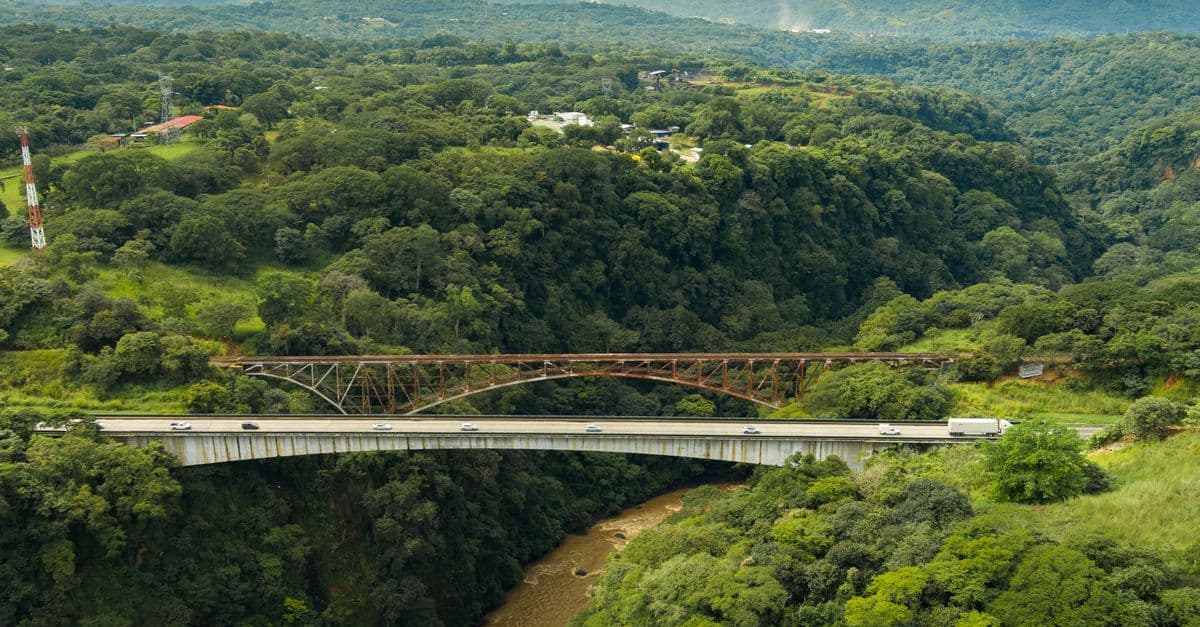
Is it safe to drive in Costa Rica? It can be, but the State Department says to drive with extreme caution. Roads can have unclear lane markings, narrow shoulders and large potholes, plants can block the view at junctions, and bridges may be a single lane even on busy roads. Roads to beaches and rural areas may be unpaved, some places need four-wheel drive, and its advice is to avoid driving outside urban areas at night.
A flat tire calls for care. Canada says not to stop in an isolated area and to be wary of strangers who offer help. The State Department says to keep going to a well-lit, busy place such as a gas station, and Costa Rica's tourism board suggests calling your rental company or 9-1-1 instead of accepting help from strangers.
Watch for fake police. The embassy has reports of impostors posing as officers and asking for money. Don't argue: write down the name and any numbers on the uniform or car, and call 911. Canada adds that traffic fines don't have to be paid on the spot. You can pay at COSEVI, the road safety council, or at a bank.
Getting around without a car has its own rules:
- Taxis: official taxis are orange at the airport and red with a yellow triangle on the side elsewhere, Canada says. Book ahead rather than hailing one or taking one from a stand, note the driver's name and plate, and make sure the meter runs. The State Department says to use only licensed taxis or well-known ride-share services.
- Buses: the State Department strongly advises avoiding public buses because of pickpocketing. If you ride one, Canada says to keep your ID and valuables on you, keep bags out of the overhead rack and stay awake.
- Domestic flights: the U.S. Federal Aviation Administration has found that Costa Rica's Civil Aviation Authority meets international standards for aviation safety oversight.
Adventure tours are regulated, but not every operator is registered
Zip lines, rafting and guided hikes carry risks of their own. The State Department says the tourism industry is regulated and inspected, but some tour operators aren't registered, some may not follow international standards, and dangerous areas aren't always marked with signs. U.S. citizens have died in Costa Rica doing adventure sports, it notes.
Before you book, check the operator against Costa Rica's Ministry of Health list of approved adventure sports operators, or the Costa Rica Tourism Institute's list of certified tour guides. The State Department's other advice:
- Don't do adventure sports alone, and tell someone where you'll be.
- Check river conditions before kayaking or rafting, and wear a life jacket and helmet. Even popular rafting spots can turn dangerous in a flash flood.
- Stay on marked trails in national parks. First responders can struggle to find people who get lost in remote areas.
- Make sure your medical insurance covers the sport.
For families, the tourism board says zip lining is open to kids from age 6 who weigh at least 48.5 lbs and stand at least 4.75 ft. Rafting tours generally start at age 8, though the minimum varies by tour, season, river level and company.
Nights out, ceremonies and solo travel each come with their own advice
- Spiked drinks: Canada warns that snacks, drinks, gum and cigarettes may contain drugs that put you at risk of sexual assault and robbery.
- Tainted alcohol: the State Department has reports of tainted alcohol causing serious health issues, and Canada says unregulated alcohol has contained high levels of methanol. Buy drinks from reputable places, and call 911 right away if you feel sick after drinking.
- Ceremonies: U.S. citizens have been sexually assaulted, seriously injured and robbed while under the influence of ayahuasca and other hallucinogens offered at spiritual ceremonies, the State Department says. Costa Rica's Ministry of Health doesn't regulate these substances.
- Women traveling alone: Canada says you may face harassment or verbal abuse, and that sexual assaults against foreigners have happened at beach resorts. After a rape, the State Department says calling 911 starts Costa Rica's support protocol, which includes time-sensitive medical treatment and evidence collection. Contact the embassy too.
- Solo travelers: the tourism board says to use official transportation only, and not to share your itinerary on social media or with strangers.
- LGBTQ travelers: the State Department says Costa Rica has no legal restrictions on same-sex relations or gay and lesbian events.
Medical care is good in San José, but bills come up front
The State Department says medical care in San José is usually good, while services outside the capital may be limited. Hospitals and doctors often want payment up front, and most providers abroad don't accept U.S. health insurance. Medicare and Medicaid don't work overseas. The State Department strongly recommends supplemental insurance that covers medical evacuation, since an air ambulance flight can cost $50,000.
On disease, the CDC's Costa Rica travel health page lists two Costa Rica outbreak notices as of October 2026, next to global notices for dengue and measles. Chikungunya in northwest Costa Rica is at Level 2, and hepatitis A, with most cases in San José province, is at Level 1. The CDC also recommends prescription malaria medicine for certain areas. Check that page and talk to your doctor before you go.
Floods, fires and volcanoes each have their season
The State Department puts the rainy season at April to October, when flooding is common, above all in Limón, Puntarenas and Guanacaste, and flash floods and landslides can block roads. Canada flags heavy rain mainly from mid-May to the end of November. Never drive into water when you can't see how deep it is, and ask your hotel about the roads if you're staying outside a city.
Wildfires are common from January to the end of May, and the State Department names Guanacaste and the northern region among the areas affected. Costa Rica also sits in an active earthquake and volcanic zone, and tsunamis can follow a large quake. The State Department names Rincón de la Vieja, Turrialba and Poás as volcanoes that have become more active, and says eruptions from Turrialba can disrupt flights. Follow park service alerts, and never try to reach an active volcano without permission. In a disaster, the embassy also sends updates by email, text and two FM stations: Radio Dos (99.5) and Radio Columbia (98.7).
If something goes wrong, the OIJ takes the police report
Dial 911 for any emergency. To report a crime, go to the OIJ, Costa Rica's plainclothes investigative police. The embassy's guide for crime victims says the OIJ is the only agency that can take reports and investigate crimes, while the uniformed Fuerza Pública works on crime prevention.
The State Department adds that the OIJ acts only if the victim files a report, called a denuncia, and that the OIJ CR Safe app shows the nearest office. A report with a case number is what you'll need for insurance claims and, with some airlines, to get rebooking fees waived.
Tourist Police can give limited help to start a report at the airports, at their San José office in Central Park and at these beaches: Puerto Viejo, Cahuita, Tamarindo, Brasilito, Flamingo, Nosara, Santa Teresa, Dominical and El Coco.
U.S. citizens can call the embassy at (506) 2519-2000, or 011-506-2519-2000 from outside Costa Rica. The embassy can replace a stolen passport, help you find medical care and help you report a crime to the police.
Mobile data on Claro keeps taxi bookings, maps and the OIJ app in reach
A good share of the advice above runs through a phone: booking an official taxi ahead, finding the nearest OIJ office in its app and following a navigation app on rural roads. The tourism board's own driving tip is to use a GPS or navigation app and to have a local SIM or an international data plan for it. Our Costa Rica plans connect through Claro, one of the country's mobile networks. Before you pick a plan size, estimate your data use for the whole trip.
HelloRoam plans for Costa Rica are data only, so they don't give you a Costa Rican number. If your phone takes two lines, you can leave your U.S. line on for texts such as bank security codes; check your carrier's charges for using it abroad. You don't need a local line for emergencies either: the tourism board says one isn't required to dial 9-1-1.
Install the eSIM at home over Wi-Fi so it's ready on arrival. Our step-by-step setup for iPhone and Android walks you through it, and it's worth checking first that yours is one of the phones that can hold an eSIM.
A data plan isn't the only option. If you'll make a lot of local calls on a long stay, a prepaid SIM from the Kolbi booth at the airport or a phone company store gives you a Costa Rican number, the tourism board notes. If you'd rather add roaming to your U.S. plan, compare an eSIM against carrier roaming before you decide.
Questions travelers ask
Can you drink the water in Costa Rica?
Official sources disagree. Costa Rica's tourism board says tap water is drinkable, apart from a few rural areas where it suggests bottled water. The State Department says tap water is often not safe to drink. Following its advice means asking for bottled water and remembering that ice may be made from tap water.
Is Costa Rica safe to live in long term?
Living there brings risks a short trip doesn't. The State Department reports robberies, break-ins and extortion at the homes and businesses of U.S. citizens and other foreigners, and squatter groups taking over property. It also warns that using tourist status to live there can lead to deportation and a ban, so get local legal advice on residency.
What should I do after a car accident in Costa Rica?
Don't move the car. The State Department says the traffic police and an insurance investigator must both make reports before vehicles can be moved, and rental companies may fine drivers who don't file one. Canada's advice is to call 911 and stay at the scene. Unpaid bills from an accident may stop you from leaving the country.
Sources
- U.S. Department of State, Costa Rica Travel Advisory (Level 2, issued April 2, 2026) and destination informationtravel.state.gov
- U.S. Department of State, Mexico Travel Advisory (issued May 29, 2026)travel.state.gov
- U.S. Department of State, Panama Travel Advisorytravel.state.gov
- U.S. Department of State, Nicaragua Travel Advisorytravel.state.gov
- Government of Canada, Costa Rica travel advice and advisoriestravel.gc.ca
- Ministerio de Justicia y Paz, Observatorio de la Violencia (Costa Rica)observatorio.mj.go.cr
- U.S. Embassy in Costa Rica, Aquatic Safety Tips for Travelerscr.usembassy.gov
- U.S. Embassy in Costa Rica, Victims of Crimecr.usembassy.gov
- U.S. Embassy in Costa Rica, home page (emergency contacts)cr.usembassy.gov
- CDC Travelers' Health, Costa Ricawwwnc.cdc.gov
- Visit Costa Rica (Costa Rica Tourism Institute), Travel and safety tipsvisitcostarica.com
- Visit Costa Rica (Costa Rica Tourism Institute), Guanacastevisitcostarica.com
- Instituto Meteorológico Nacional (IMN), Vertiente del Caribe climate analysisimn.ac.cr
Written by
HelloRoam Team
The HelloRoam Team writes our guides on trip planning, visas and eSIMs. For every new or updated guide, we check each fact at its source. Sources include government, park and weather service pages. We note the date we read each one. A second review then checks every fact against its source before the guide goes live. If we cannot confirm a fact, we leave it out. We link those sources inside the guide, so you can check them.