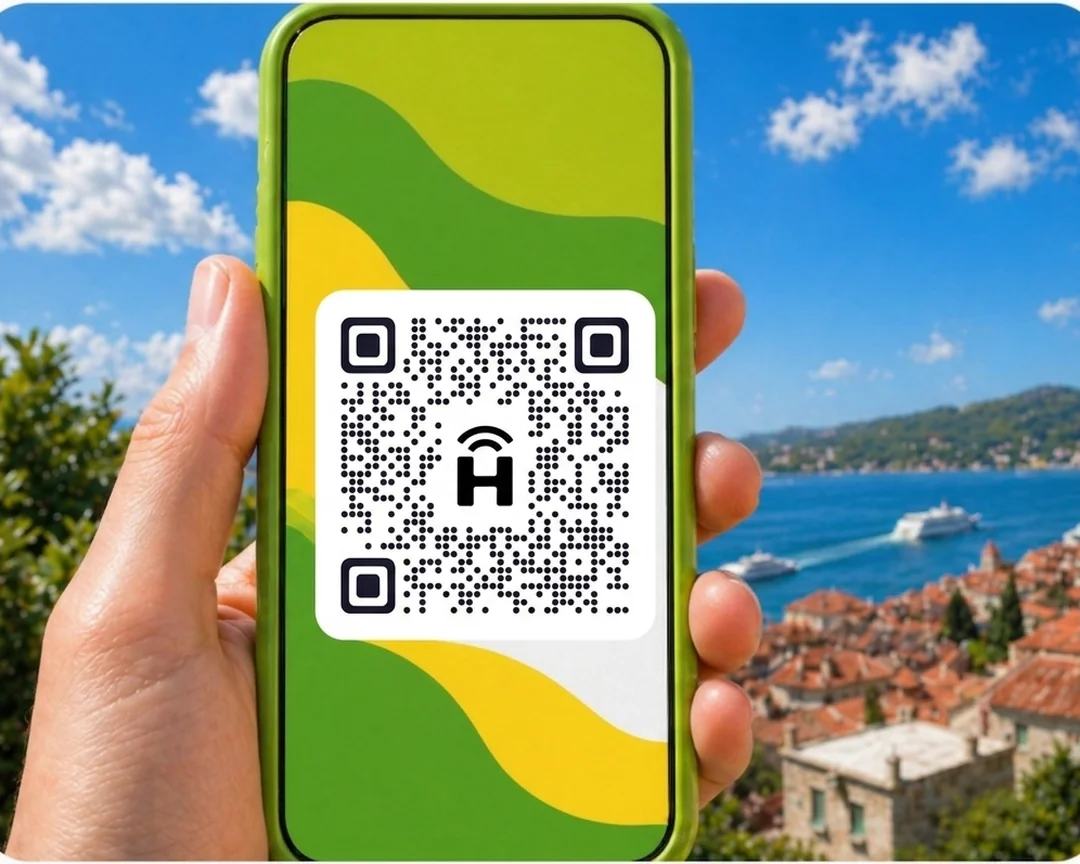

HelloRoam sells prepaid eSIM data plans for South America starting at $10.26 per day. Your e SIM connects to local 4G/5G networks the moment you land. Activate by QR code in under two minutes. Keep your AT&T, T-Mobile, or Verizon number on dual SIM while your e-sim handles data.
- networks
 212+
212+- 5G support
 4G LTE with 5G in major cities
- activation
 under 2 minutes
Updated
HelloRoam eSIM card South America Plan Across All Countries
The cheapest eSIM for South America starts from $10.26. Local 4G/5G data on top carrier networks in South America. Works on all eSIM compatible phones. Airport SIM counters charge tourist rates and waste your first hour after landing. A travel sim South America plan from HelloRoam starts at $10.26 on Local network provider 4G/5G networks across South America. Scan a QR code at home and land already online. Every plan is fully prepaid with no contract, no credit check, and no roaming fees. Coverage works from the moment you scan the code.
South America eSIM with fast 4G LTE with 5G in major cities coverage
HelloRoam South America eSIM covers 12 countries across the continent. Travelers crossing from Brazil to Argentina to Chile to Peru stay connected on one plan without buying a SIM at each border. Plans start at $0.86 per day.
- Plans start at $10.26 with 4G LTE with 5G in major cities speeds
- Coverage from local networks
- Instant activation in under 2 minutes
- 180-day money-back guarantee
- South America coverage across major cities
- Network
- 4G LTE with 5G in major cities
- Plans From
- $10.26
- Activation
- Under 2 min
- Guarantee
- 180 days

How to Set Up an eSIM in South America
Follow these steps to set up your eSIM card on iPhone or Android. Works for any eSIM for international travel, no replacement sim, no store visit.
Set up an eSIM on your iPhone with the HelloRoam app
Set up an eSIM on your Android with the HelloRoam app
- 1
Choose your plan & checkout online
Select a data plan for your destination and complete checkout.
 2
2Scan the QR code
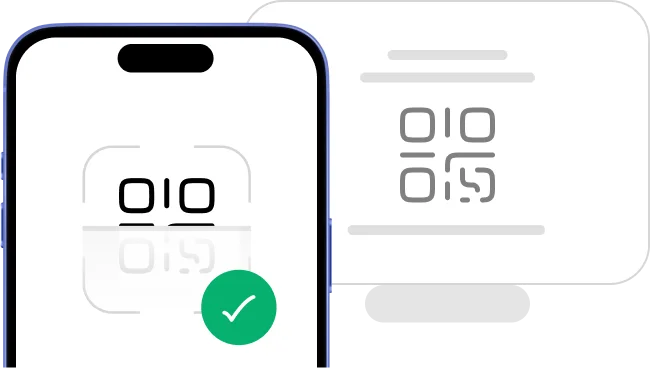
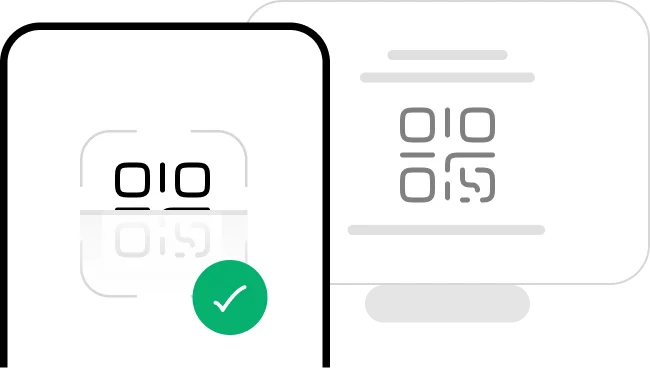
Scan the QR code on Wi-Fi to install your eSIM. If it says not valid or already added, check your phone's list of lines first.
- 3
Activate in minutes: ready on arrival
Install your eSIM before you fly. Your plan's days start at the eSIM's first connection to a supported network in your destination. When you land, switch the line on, turn on data roaming for that line and pick it for mobile data.
 4
4Manage it all from our mobile app
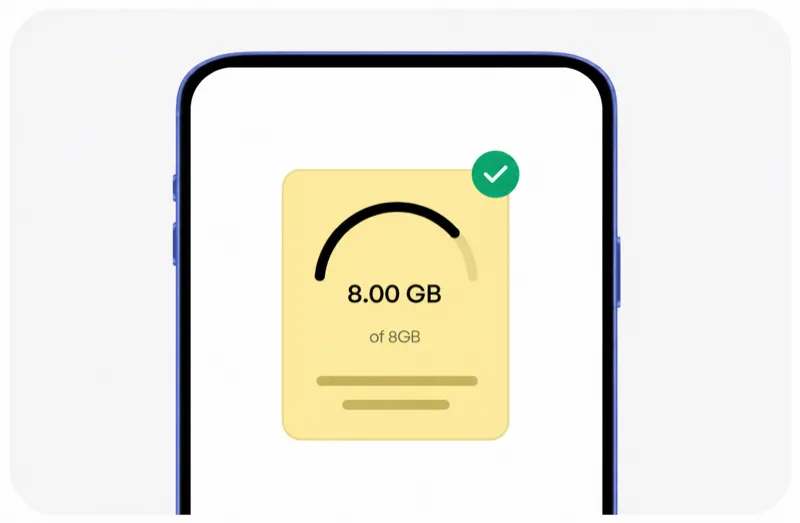
Track usage, top up data in the app, and manage all your eSIMs in one place.




Trip changed? Don't worry, we've got you!
Plans can change anytime, and that's okay. With HelloRoam, unactivated and unscanned eSIMs qualify for a full refund within 180 days of purchase.
Learn more about our refund policyHelloRoam South America eSIM vs AT&T, T-Mobile and Verizon roaming
When comparing an eSIM vs a travel SIM card for South America, HelloRoam wins on price. It costs less than Verizon TravelPass ($10/day), T-Mobile international add-ons, and AT&T International Day Pass ($12/day). Skip the airport SIM shop and get a prepaid eSIM for South America from $10.26 with a 180-day refund on unactivated eSIMs.
| Feature comparison | HelloRoam | Local provider | Limited data eSIM |
|---|---|---|---|
| 180-day refund policy |  Feature available Feature available |  Feature not available Feature not available | Feature not available |
| 24/7 live chat support | Feature available |  Feature available Feature available | Feature available |
| $0 activation fees | Feature available | Feature not available | Feature available |
| Free hotspot and data sharing | Feature available | Feature not available | Feature not available |
| No data overage charges | Feature available | Feature not available | Feature not available |
| Instant QR code delivery | Feature available | Feature not available | Feature available |
| Premium South America carrier networks | Feature available | Feature not available | Feature not available |
South America SIM card vs. HelloRoam eSIM: which works across the whole continent?
A SIM card for South America bought at one airport only covers that country's network. HelloRoam activates a single QR code that works across the continent before you even board your first flight.
A prepaid SIM card South America from an airport kiosk needs a country-by-country purchase strategy. HelloRoam delivers multi-country coverage in one plan so you stay connected as you move between destinations.
A sim for South America plan from HelloRoam activates by QR in two minutes before departure. Physical SIM options require a new kiosk stop and new registration in each country you visit.
The cheapest eSIM South America plan from HelloRoam starts at $10.26 on Local network provider 4G/5G networks with coverage across Brazil, Argentina, Colombia, and Peru. Activate by QR scan before departure and keep your budget low across every country on your route. No contract and no roaming fees.
The cheapest eSIM for South America from HelloRoam covers the continent on Local network provider 4G/5G networks from $10.26 with plans from 7 to 30 days. One QR scan keeps you online from Bogota to Buenos Aires with no card swap. No contract required.
A travel eSIM South America plan from HelloRoam works on any unlocked eSIM-ready device. Physical cards need a free nano-SIM slot and a new purchase in each destination. One QR covers the full continent.
Why Travelers Choose an e SIM for South America

24/7 live chat support
Need help at 2 AM in Tokyo or midnight in Paris? HelloRoam support is available 24/7. Message us and a real person responds in under 2 minutes. No bots, no wait queue. Mobile data problems don't wait for business hours, and neither do we.

Best Travel eSIM for South America
Get unlimited data at 4G/5G speeds the moment you land in South America. Skip roaming fees from AT&T, T-Mobile, and Verizon. HelloRoam connects you to local carrier networks in minutes, whether you are traveling or working. Wireless connectivity starts before you clear customs.

Keep your AT&T, T-Mobile, or Verizon number
Keep your AT&T, T-Mobile, or Verizon number active for calls and texts. HelloRoam runs as a second eSIM line on any dual SIM compatible phone, so you never miss a call from home. Your cellular coverage for calls stays on your home carrier while HelloRoam handles data abroad.

212+ partner networks worldwide
HelloRoam eSIMs connect to 212+ carrier networks across 185+ countries. Your phone switches to the strongest available 4G/5G signal automatically. Network access is instant, with no manual carrier selection needed.

Data alerts before you run out
HelloRoam alerts you at 80% data usage so you never hit a surprise cap mid-trip. Top up instantly from the app without reinstalling your eSIM or visiting a store. Adding a fresh prepaid data package takes under a minute from your account dashboard.

Local 4G/5G speeds
Your South America e-sim card connects to trusted local 4G/5G networks. HelloRoam picks the strongest available signal for navigation, streaming, and video calls. Internet abroad at local carrier speeds means maps load fast and video calls stay clear.

Regional and global eSIM plans
Heading to multiple countries? HelloRoam regional eSIM plans cover Europe, Asia, the Americas, and 185+ destinations in one purchase. Tourist eSIM or long-stay: choose fixed data or unlimited data plans. One account, no SIM swaps. Digital connectivity follows you across borders on a single prepaid plan.

Free hotspot and data sharing in South America
Share your South America eSIM data with a laptop or tablet using your phone's built-in hotspot. No extra fees, no setup required. Works on all eSIM compatible phones. One data plan covers your whole travel kit, making the most of every gigabyte you buy.
Compare eSIM Providers for South America
American travelers rate HelloRoam eSIM for its 180-day refund policy, zero activation fees, and 24/7 live support. See how HelloRoam compares to Airalo, Holafly, Saily, and other eSIM providers for South America on the things that matter most.
| Feature comparison | HelloRoam | Airalo | Holafly | Nomad | Saily | Ubigi |
|---|---|---|---|---|---|---|
| 180-day refund policy | Feature available | Feature not available | Feature not available | Feature not available | Feature not available | Feature not available |
| 24/7 live chat support | Feature available | Feature available | Feature available | Feature not available | Feature available | Feature available |
| $0 activation fees | Feature available | Feature not available | Feature available | Feature not available | Feature not available | Feature not available |
| Free hotspot and data sharing | Feature available | Feature not available | Feature not available | Feature not available | Feature not available | Feature not available |
| No data overage charges | Feature available | Feature not available | Feature available | Feature not available | Feature not available | Feature not available |
| Instant QR code delivery | Feature available | Feature available | Feature available | Feature available | Feature available | Feature available |
| Premium South America carrier networks | Feature available | Feature not available | Feature not available | Feature not available | Feature not available | Feature not available |
| Own branded carrier identity (SPN) | Feature available | Feature not available | Feature not available | Feature not available | Feature not available | Feature available |
What Is an e SIM? How eSIM Works in South America
An eSIM card is a digital SIM built directly into your phone. There is no plastic chip and no SIM tray to deal with. Scan a QR code to activate your e SIM in under 2 minutes on any eSIM compatible iPhone or Android. An eSIM for South America works as a prepaid data plan with no airport SIM shop, no replacement SIM card, and no carrier contract. Follow the step-by-step setup guide to get connected before your flight. guide

eSIM Coverage Guide for South America Travel
South America's mobile landscape ranges from excellent 4G in major coastal cities to no signal at all in the Amazon basin, Atacama Desert, and Patagonian wilderness. Understanding where coverage works and where it ends is critical for safe travel planning.
Brazil is South America's largest market, with Claro, Vivo (Telefónica), and TIM Brasil serving the country. São Paulo, Rio de Janeiro, Brasília, and all coastal capitals have strong 4G and growing 5G.
But Brazil is also the world's fifth-largest country, and the Amazon rainforest covering the north has almost no coverage.
Argentina has solid 4G in Buenos Aires, Córdoba, and Mendoza through Claro, Movistar, and Personal. Patagonian towns like Bariloche and Ushuaia have 4G in the town centers.
The vast Patagonian steppe between towns, Ruta 40 in remote sections, and the end-of-the-world roads south of Ushuaia have no coverage.
Chile connects via Entel, Movistar Chile, and Claro in Santiago, Valparaíso, and northern wine regions. The Atacama Desert towns of San Pedro and Atacama have reasonable coverage.
Patagonia (Torres del Paine area) has no coverage in the national park itself, with coverage limited to Puerto Natales town.
Peru has 4G in Lima and Cusco through Claro Peru and Movistar Peru. Machu Picchu Pueblo (Aguas Calientes) has 4G. The Inca Trail and highland trekking routes have no coverage. The Amazon jungle areas have very limited signal.
Colombia has excellent 4G in Bogotá, Medellín, and Cali through Claro, Movistar, and Tigo. Medellín's cable car system has coverage. The Coffee Region and Caribbean coast are well-served for tourism.
A HelloRoam South America regional eSIM switches carriers automatically as you cross borders, so your Buenos Aires coverage transitions smoothly to Uruguayan carriers crossing the Río de la Plata, or from Brazil's Iguazú side to Argentina's.
- One plan covers 12 countries with automatic border switching
- Major coastal cities have strong 4G and growing 5G
- Amazon basin, Atacama, and Patagonian wilderness have no coverage
- Machu Picchu Pueblo (Aguas Calientes) has 4G, but Inca Trail does not
- Patagonia requires complete offline preparation before entering national parks
- Both sides of Iguazú Falls (Brazil and Argentina) are covered
- GSMA Mobile Economy Latin America 2025;
- Ookla Speedtest LATAM 2025
eSIM Travel Tips for South America
Patagonia Requires Full Offline Preparation
Torres del Paine National Park in Chile and Los Glaciares National Park in Argentina have no mobile coverage inside the park boundaries. Puerto Natales and El Calafate towns have 4G. Download offline maps (including the W Trek and O Trek routes for Torres del Paine), guesthouse GPS coordinates, and emergency contacts before entering any Patagonian national park.
Amazon Basin Has No Coverage
The Brazilian, Peruvian, and Colombian Amazon have no mobile coverage away from river towns. Manaus has 4G in the city. But river lodge tours, Amazon jungle walks, and eco-camps in the forest are completely without signal. Download wildlife guides, emergency numbers, and your lodge's GPS before any Amazon river journey.
Machu Picchu Has 4G at the Town, Not the Trail
Aguas Calientes (Machu Picchu Pueblo) has functional Claro Peru and Movistar Peru coverage. The bus ride up to the Machu Picchu citadel and at the citadel itself has some coverage. The four-day Inca Trail has no coverage between camps. Download the Inca Trail route, permit PDF, and emergency contact for your guide operator before trekking.
Iguazú Falls Has Coverage on Both Sides
Iguazú Falls on the Brazilian side (Foz do Iguaçu) has Claro Brazil and Vivo coverage. The Argentine side (Puerto Iguazú) has Claro Argentina and Movistar Argentina coverage. Crossing the border by bus, your HelloRoam eSIM switches from Brazilian to Argentine carriers automatically. Both sides of the falls have coverage at the main viewpoint walkways.
Chile's Atacama Desert Towns Have Coverage
San Pedro de Atacama town has Entel Chile and Movistar Chile 4G coverage. Main town streets, tour booking offices, and the main plaza area are covered. Desert excursions into Valle de la Luna, Lagunas Altiplánicas, and Salar de Atacama have very limited or no signal. Download offline maps and tour itinerary before any desert excursion.
Buenos Aires Has Excellent Urban Coverage
Buenos Aires has Claro Argentina, Movistar Argentina, and Personal 4G coverage throughout the city. The Subte (subway) system has coverage at stations, with some tunnel sections having weaker signal. La Boca, Palermo, San Telmo, Puerto Madero, and all main barrios are well-connected. Navigation apps are useful for the city's large grid.
Emergency Numbers Vary Across South America
Emergency numbers across South America differ by country. Brazil: 190 (police), 192 (ambulance), 193 (fire). Argentina: 911 (police and ambulance). Chile: 133 (police), 131 (ambulance). Colombia: 123. Peru: 105 (police), 116 (ambulance). Save country-specific numbers before each border crossing.
Network Coverage Across South America
South America's mobile market is dominated by two pan-regional operators: América Móvil (operating as Claro) and Telefónica (operating as Movistar). These two companies operate in nearly every country, giving consistent network partnerships for regional eSIM plans.
Brazil's mobile market is the largest in the region with over 200 million subscribers. Claro, Vivo (Telefónica), and TIM Brasil compete across Brazil's vast geography. São Paulo has strong 5G in central areas. Rio de Janeiro's coverage extends along beaches and into favela communities that have seen rapid network expansion. The north (Amazon states) remains largely uncovered.
Argentina's Claro, Movistar, and Personal serve a country of major geographic contrasts. Buenos Aires's urban network is sophisticated. The wine country of Mendoza and Córdoba are well-served. But Argentina's Patagonian provinces are enormous and sparsely populated, with coverage only in main towns.
Chile's Entel leads in national coverage quality. Santiago's network is excellent. The Norte Grande (far north) and Atacama are covered in towns along the Pan-American Highway. Chilean Patagonia (Punta Arenas, Puerto Natales) has town coverage with wilderness gaps.
Colombia has rapidly improved. Bogotá and Medellín have competitive 4G and early 5G. The Caribbean coast (Cartagena, Santa Marta) is well-covered for tourism. The Pacific coast rainforest and border regions with Venezuela have limited coverage.
Peru's Lima has strong 4G. The Cusco and Sacred Valley area are well-served for Inca trail tourism. The Amazon (Iquitos, Pucallpa) has coverage in city centers only.
- Claro (América Móvil)

- Movistar (Telefónica)

- TIM (Brazil)

- Entel (Chile/Peru)

- Personal (Argentina)

Regional eSIM vs Country-by-Country Plans
For South America's classic travel circuits (Argentina-Chile-Peru or Brazil-Colombia), a regional eSIM eliminates SIM hunting at high-altitude border crossings and jungle gateways.
| Category | HelloRoam Regional South America eSIM Recommended | Individual country SIMs | Home carrier international billing |
|---|---|---|---|
| Typical cost | — | — | — |
| Details | One plan covers 12 countries. Automatic switching at borders. No SIM queue in Santiago airport or Bogotá arrivals. Consistent cost from Buenos Aires to Lima to Bogotá. | New SIM needed at each country border. Argentine and Peruvian SIMs require passport registration. Limited data packages in rural regions. Managing multiple SIM cards and numbers across 4-5 countries is cumbersome. | US carriers charge $0.86 per day for South American data. A 30-day South America trip costs significant data fees. Most plans throttle to slow speeds after a small daily cap. |
Prices approximate as of . Actual savings vary.
Best Times for South American Travel Data
South America's vast size means travel seasons vary dramatically by region. Patagonia (Chile and Argentina) is best visited from November to March (southern hemisphere summer) when weather permits trekking. Network demand in Puerto Natales and El Calafate peaks in January and February.
Brazil's Amazon dry season runs June to November, when river levels drop and wildlife concentrates at water sources. Ecuador and Colombia near the equator have year-round rainfall with regional dry seasons.
Peru's Inca Trail and Machu Picchu have peak demand from May to September. The trail closes in February for maintenance. Cusco's network can be congested at peak Machu Picchu entrance times.

Explore Countries in South America


Brazil
From $2
Explore Brazil with HelloRoam eSIM data covering Rio de Janeiro, Sao Paulo, and major cities.

TIM 5G covers Sao Paulo and Rio. Coverage gets sparse in the Amazon, so save maps offline.

Argentina
From $4
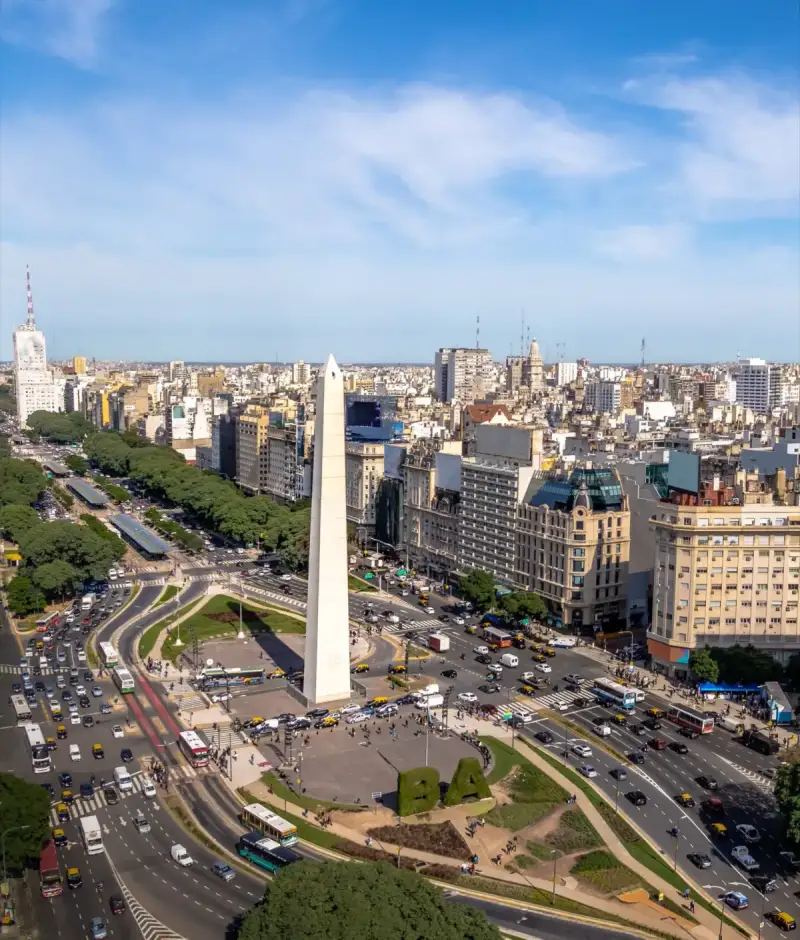
HelloRoam covers Argentina with eSIM data for Buenos Aires, Cordoba, and Patagonia. Connect instantly.
Movistar 4G covers Buenos Aires and major cities. Coverage drops in Patagonia and the Andes.


Bolivia
From $8
HelloRoam gives you mobile data in Bolivia covering La Paz, Cochabamba, and Santa Cruz.
Tigo 4G covers major Bolivian cities. Signal weakens on the Altiplano and drops in the Amazon.

Chile
From $4
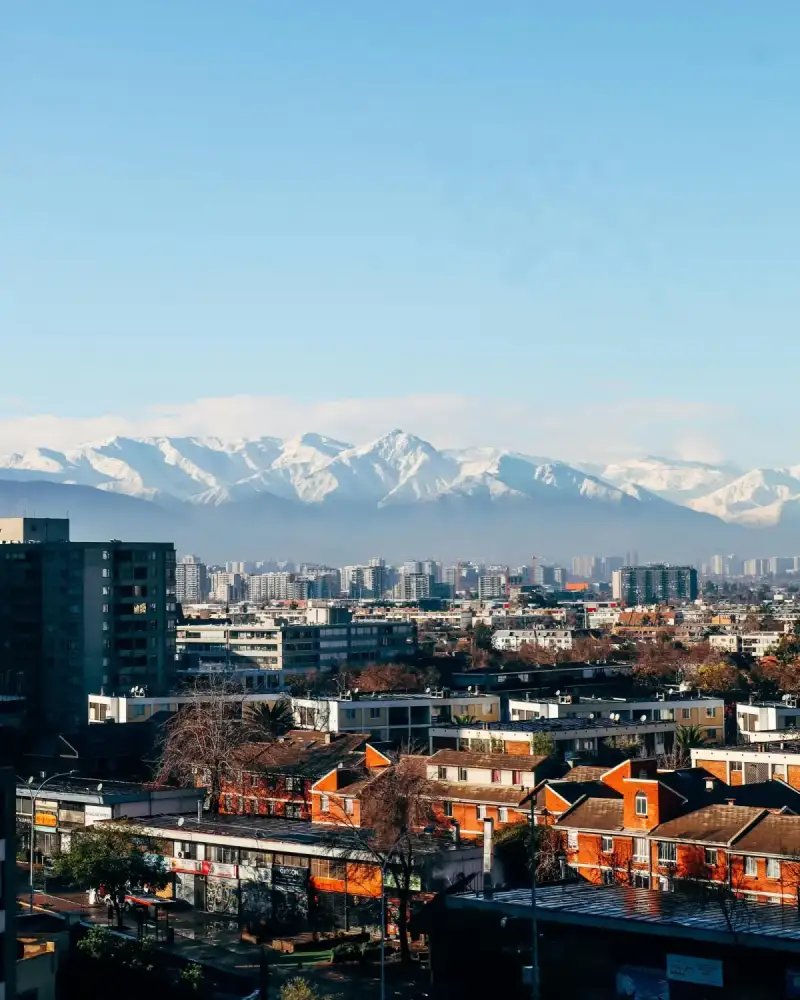
HelloRoam provides eSIM data across Chile, from Santiago and Valparaiso to Patagonia.
WOM 5G covers Santiago and Valparaiso. Coverage thins in the Atacama and Patagonia.


Colombia
From $3
Get HelloRoam eSIM data in Colombia for Medellin, Bogota, and Cartagena. No SIM card needed.
Movistar 5G covers Bogota, Medellin, and Cali. Coverage drops in the Amazon jungle.


Costa Rica
From $6
HelloRoam keeps you connected in Costa Rica, covering San Jose and popular beach towns.
Claro 4G covers Costa Rica. Signal drops in Osa Peninsula and remote national parks.

Ecuador
From $4
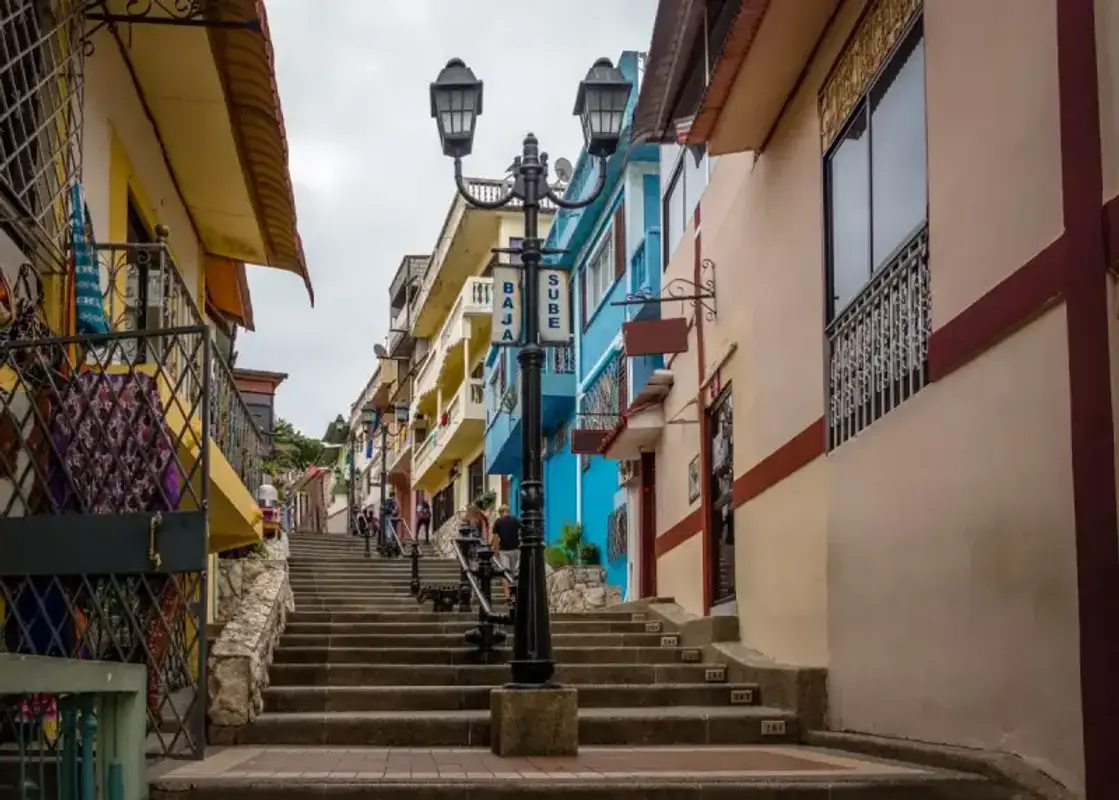
Get HelloRoam eSIM data in Ecuador covering Quito, Guayaquil, and the Galapagos region.
Movistar 4G covers Quito and Guayaquil. The Galapagos have very limited connectivity.


El Salvador
From $4
HelloRoam keeps you online in El Salvador with eSIM data for San Salvador and La Libertad.
Claro 4G covers San Salvador. Coverage is reasonable on the Pan-American Highway.
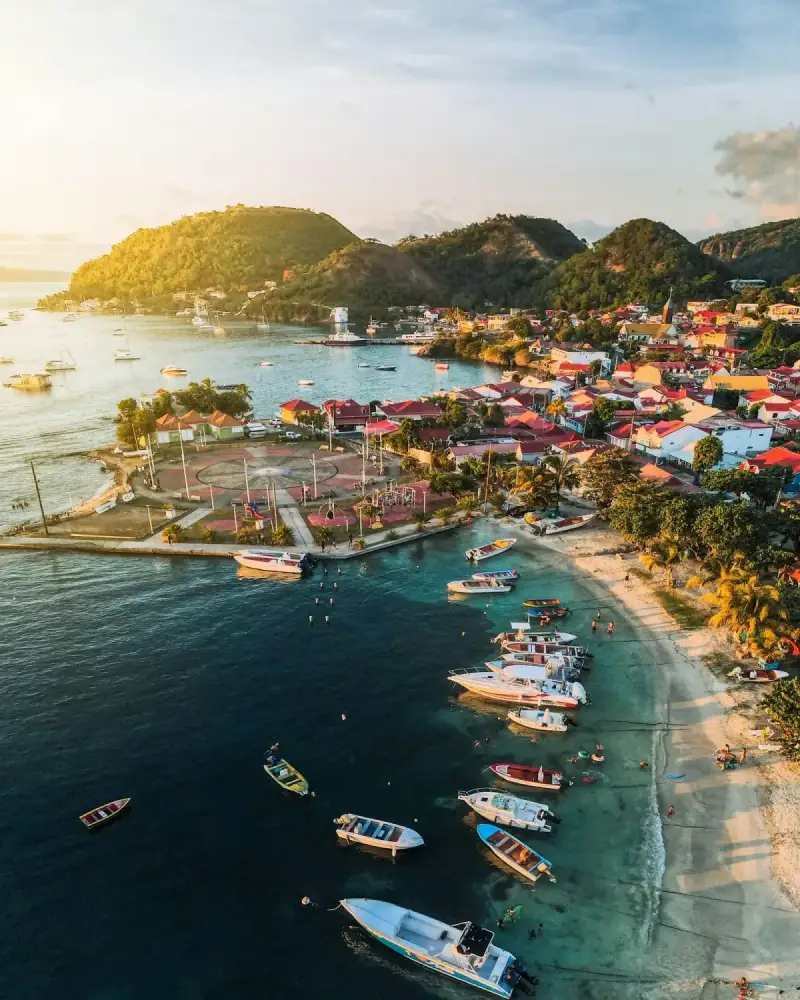

Guadeloupe
From $1
HelloRoam provides eSIM data for Guadeloupe. Get online in Pointe-a-Pitre and across the islands.
Orange 5G covers Guadeloupe. Pointe-a-Pitre is well covered. Nature Reserve trails drop signal.
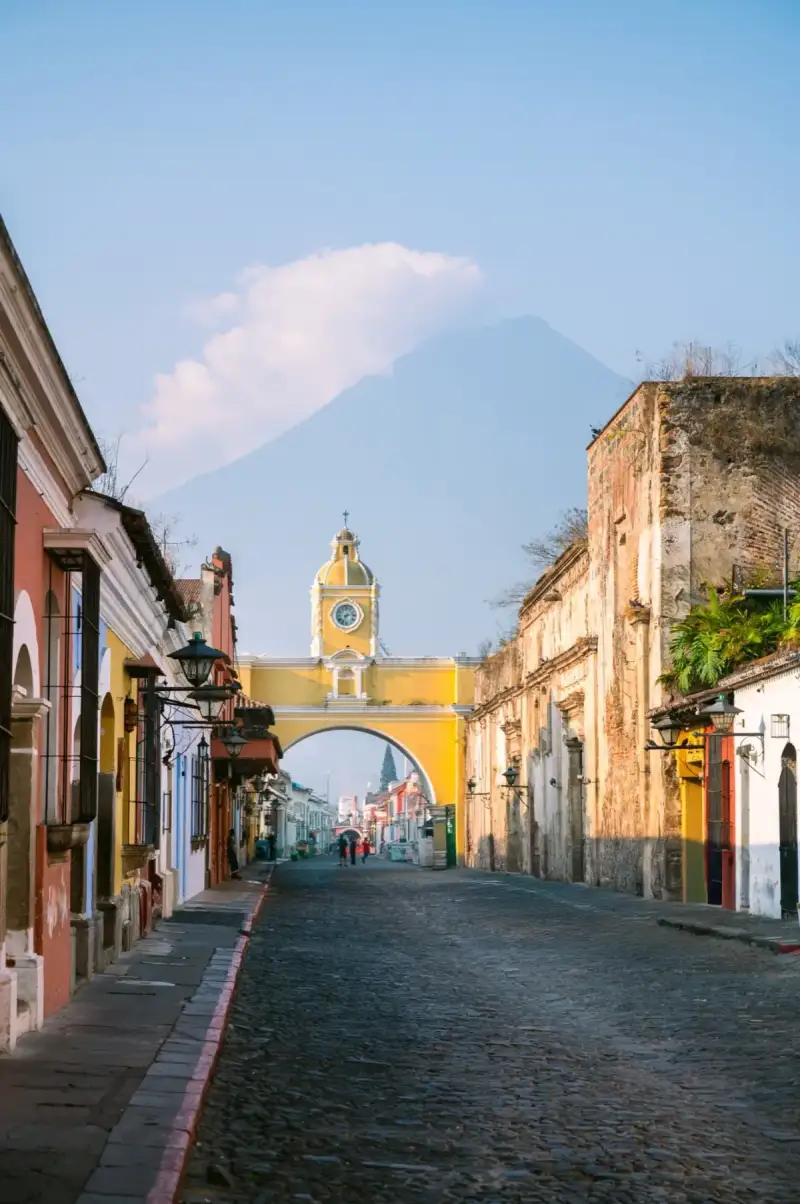

Guatemala
From $4
HelloRoam gives you eSIM data in Guatemala for Guatemala City, Antigua, and Lake Atitlan.
Claro 4G covers Guatemala City and Antigua. Signal is limited near Tikal jungle.
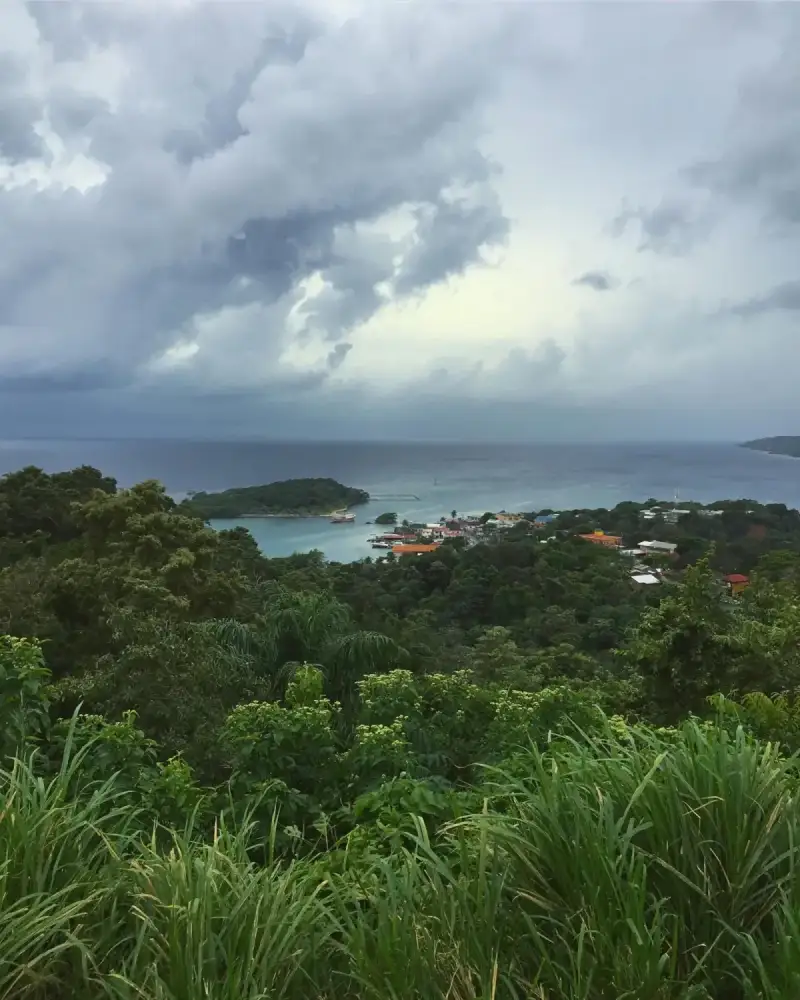

Honduras
From $3
Stay connected in Honduras with HelloRoam eSIM data for Tegucigalpa and San Pedro Sula.
Claro 4G covers Tegucigalpa and San Pedro Sula. Bay Islands and mountains have limited signal.


Martinique
From $3


Nicaragua
From $3
Stay connected in Nicaragua with HelloRoam eSIM data for Managua, Granada, and Leon.
Claro 4G covers Managua and Leon. Coverage drops along the Caribbean coast communities.


Panama
From $6
HelloRoam offers Panama eSIM plans for Panama City, Bocas del Toro, and the canal zone.
Movistar 4G covers Panama City. Signal drops in the Darien Gap and indigenous territories.


Paraguay
From $5
Get HelloRoam eSIM data in Paraguay for Asuncion and Ciudad del Este. Connect right away.
Claro 4G covers Asuncion. Coverage thins in the Gran Chaco to the west.


Peru
From $3
HelloRoam keeps you connected in Peru with eSIM data for Lima, Cusco, and Machu Picchu areas.
Claro 4G covers Lima and Cusco. Signal drops on the Inca Trail. Download offline maps.
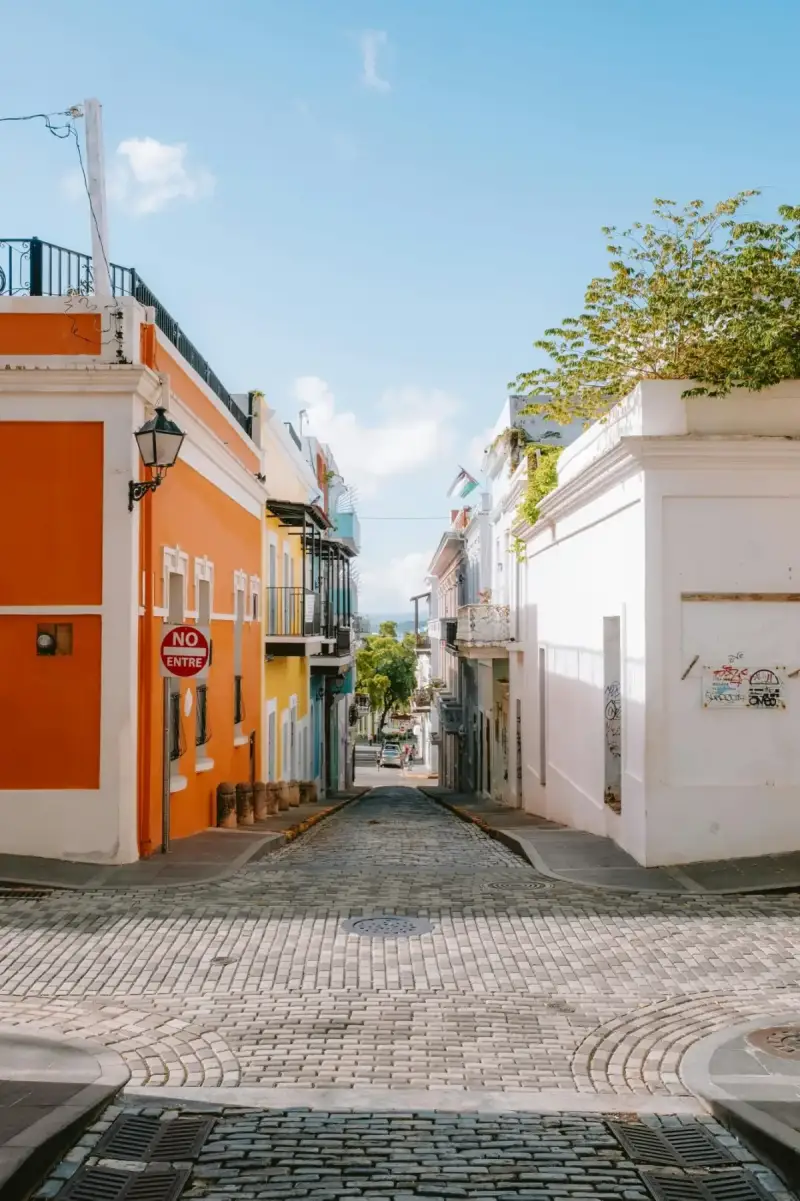
Puerto Rico
From $3
HelloRoam gives you eSIM data in Puerto Rico for San Juan, Ponce, and the island beaches.
Claro 5G covers San Juan. Remote El Yunque rainforest areas have limited signal.


St. Barthélemy
From $5


St. Martin
From $1
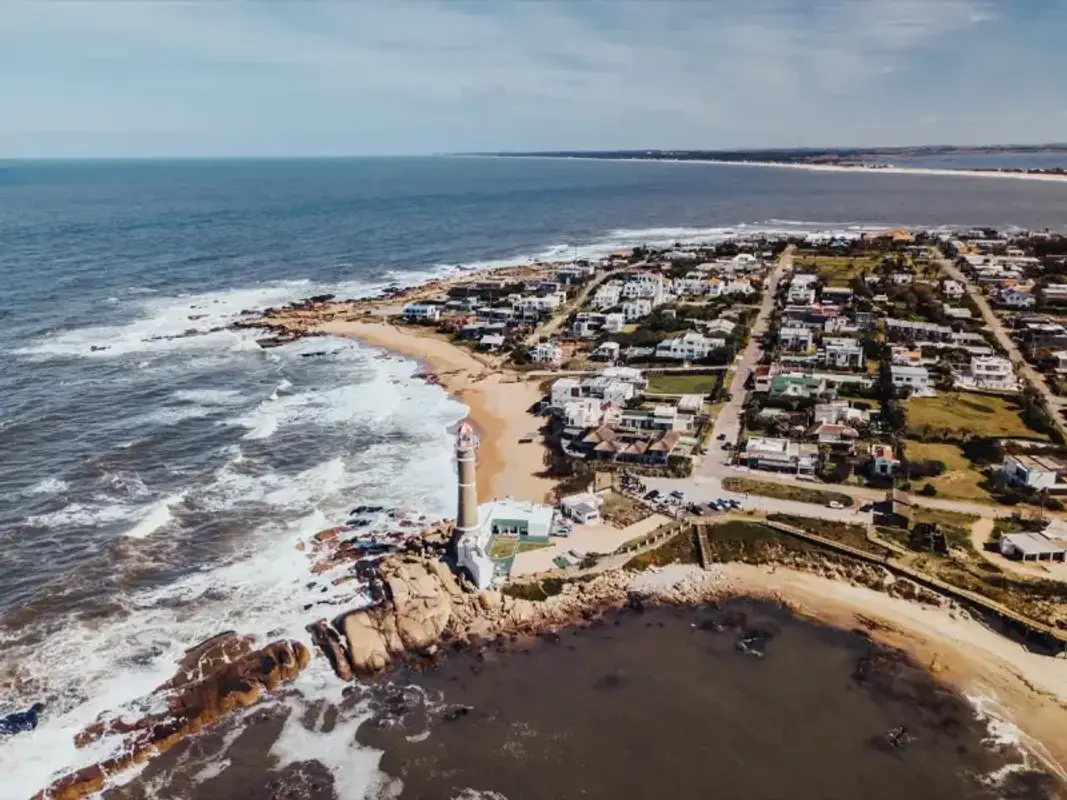

Uruguay
From $6
Get HelloRoam eSIM data in Uruguay for Montevideo and Punta del Este. Connect on arrival.
Claro 4G covers Montevideo and main cities. Coverage is solid along the Atlantic coast.
Showing slide 1 of 20
Reviews
What Our Customers Say
Real reviews from Trustpilot and the App Store, quoted as written.
40k+ travelers have used HelloRoam
Cat
On a trip to Europe, my hotel Wi-Fi was so slow and outside Wi-Fi was unreliable. I couldn’t take it anymore so I got helloroam for a few days. It was tricky to set up correctly because of the primary settings (with my original number). But I reached out to their customer service via WhatsApp. Super responsive and helpful, with specific and clear steps to troubleshoot. Appreciate having 4G roaming instead of being stuck with in and out Wi-Fi during my trip!!
Rated 5 out of 5 by this reviewer

Very good experience! The eSIM was easy to set up and worked great in London. It was much cheaper than it would have been to use my own operator there.
Ilona
Rated 5 out of 5 by this reviewer
metulker
Hard to set up but help was good
Rated 5 out of 5 by this reviewer
Reuben
Really happy with HelloRoam. Everything worked as expected, from messaging and Google Maps through to streaming without any issues. Easy to use, reliable and affordable. Would happily use them again when travelling.
Rated 5 out of 5 by this reviewer

Angeline
Reliable connection. Reasonable pricing.
Rated 4 out of 5 by this reviewer
HelloRoam South America eSIM Questions Answered
How much does a South America sim plan cost for backpackers?
eSIMs South America plans from HelloRoam cover 20 countries on Local network provider 4G/5G networks from $10.26. That includes Brazil, Argentina, Colombia, Peru, Chile, and Ecuador on a single QR code. Backpackers on the Gringo Trail from Quito to Buenos Aires stay connected at every stop. Plans run from 1GB to 10GB, with a refund on unactivated eSIMs within 180 days.
Is QR activation enough to get an eSIM South America plan running before a flight?
Scan your QR code at home and your e SIM South America plan activates in about two minutes on Local network provider 4G/5G networks. Your data goes live before you board your flight to Lima, Bogota, or Sao Paulo. No airport SIM counter needed and no local ID registration in any of the 16 covered countries. Every plan is prepaid with no contract.
Does a South America eSIM work on the Inca Trail and in remote Patagonia?
HelloRoam connects to Local network provider 4G/5G networks across Peru and Argentina from $10.26. Towns along the Inca Trail approach like Ollantaytambo and Aguas Calientes have coverage through local carriers. Patagonia gateway cities like El Calafate and Puerto Natales also get signal. Deep backcountry areas beyond tower range may lose connection on any provider. Your plan picks up again when you return to covered zones.
How do backpackers stay online on a six-month South America trip?
HelloRoam South America plans run from 1GB to 10GB on Local network provider 4G/5G networks. Buy a fresh plan when the current one ends to cover months of travel through Brazil, Argentina, Colombia, Peru, Chile, and beyond. Each plan works across all 20 countries with no card swap at any border. Unactivated eSIMs qualify for a refund within 180 days.
Does a South America eSIM work in Brazil?
Brazil is covered by HelloRoam South America plans. São Paulo, Rio de Janeiro, and Brasília connect to Claro Brazil, Vivo, and TIM Brasil networks. Growing 5G is available in São Paulo and Rio. The Amazon basin has very limited coverage outside river towns like Manaus.
Does a South America eSIM work in Argentina?
Argentina is covered by HelloRoam South America plans. Buenos Aires, Córdoba, and Mendoza connect to Claro Argentina, Movistar Argentina, and Personal networks. Patagonian wilderness between towns and Torres del Paine-adjacent areas have no coverage. Download offline Patagonia maps before traveling south.
Does a South America eSIM work in Chile?
Chile is covered by HelloRoam South America plans. Santiago and Valparaíso connect to Entel Chile, Movistar Chile, and Claro Chile networks. Torres del Paine National Park interior has no coverage. Puerto Natales town is the last connected point before the park. Download trail maps before entering.
Does a South America eSIM work in Colombia?
Colombia is covered by HelloRoam South America plans. Bogotá, Medellín, and Cali connect to Claro Colombia, Movistar Colombia, and Tigo networks. The Coffee Region is well-served. Border regions with Venezuela and Pacific rainforest areas have limited coverage.
Does a South America eSIM work in Peru?
Peru is covered by HelloRoam South America plans. Lima, Cusco, and Aguas Calientes (Machu Picchu Pueblo) connect to Claro Peru and Movistar Peru networks. The Inca Trail between Cusco and Machu Picchu has no mobile coverage. Download trail maps before starting any highland trek.
Does a South America eSIM work at Machu Picchu?
Aguas Calientes (Machu Picchu Pueblo) has Claro Peru and Movistar Peru coverage in the main town. The bus route up to the Machu Picchu citadel and the site itself have some coverage. The four-day Inca Trail trekking route has no mobile coverage between camps. Download your trekking route and permit offline before starting.