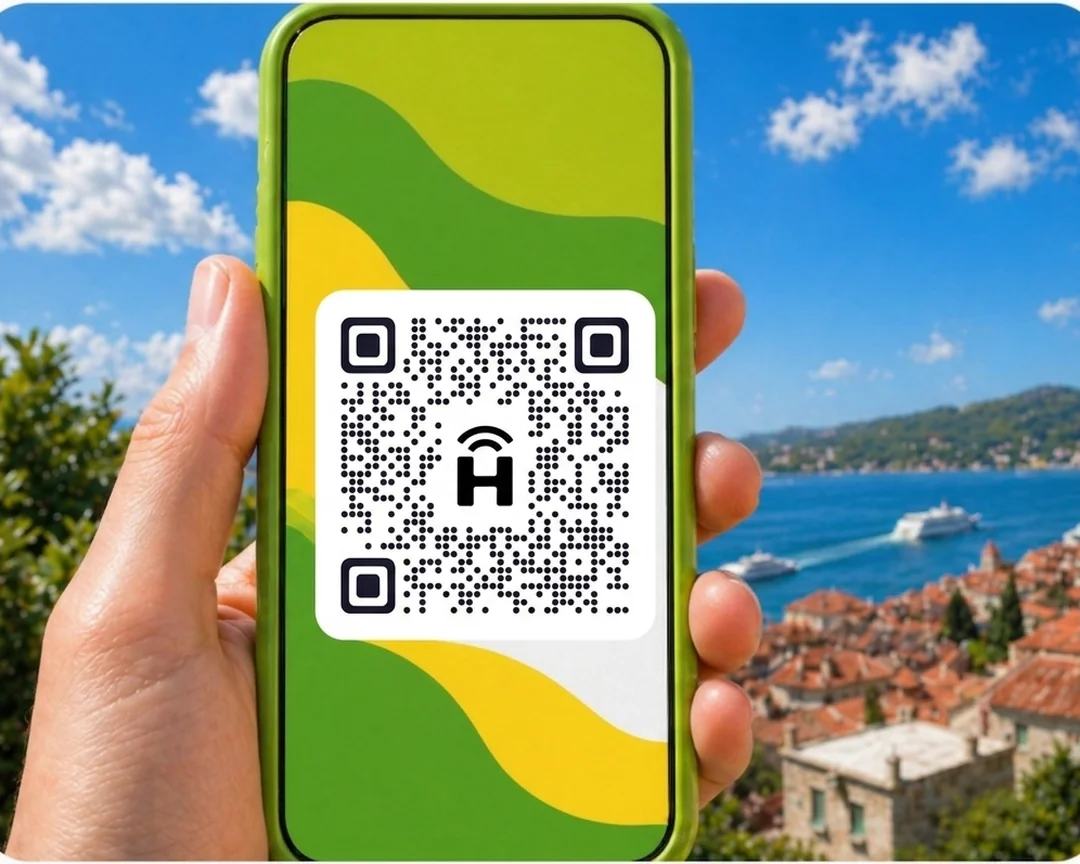




HelloRoam sells prepaid eSIM data plans for Tokyo starting at $3.20 per day. Your e SIM connects to local 4G/5G networks the moment you land. Activate by QR code in under two minutes. Keep your AT&T, T-Mobile, or Verizon number on dual SIM while your e-sim handles data.
- networks
 212+
212+- 5G support
 5G
5G- activation
 under 2 minutes
Updated
Your travel sim Tokyo Plan for Visitors
The cheapest eSIM for Tokyo starts from $3.20. Local 4G/5G data on top carrier networks in Tokyo. Works on all eSIM compatible phones. Airport SIM kiosks charge tourist rates and stack long lines at arrivals. Your Tokyo tourist sim plan from HelloRoam starts at $3.20 on NTT docomo, Rakuten Mobile, KDDI/au, and 1 more 5G networks across Tokyo. Scan a QR code before you fly and land with data already active. No contract, no credit check, and no roaming charges on any order. Activate in under two minutes on any eSIM-ready phone.
How to Set Up an eSIM in Tokyo
Follow these steps to set up your eSIM card on iPhone or Android. Works for any eSIM for international travel, no replacement sim, no store visit.
Set up an eSIM on your iPhone with the HelloRoam app
Set up an eSIM on your Android with the HelloRoam app
- 1
Choose your plan & checkout online
Select a data plan for your destination and complete checkout.
 2
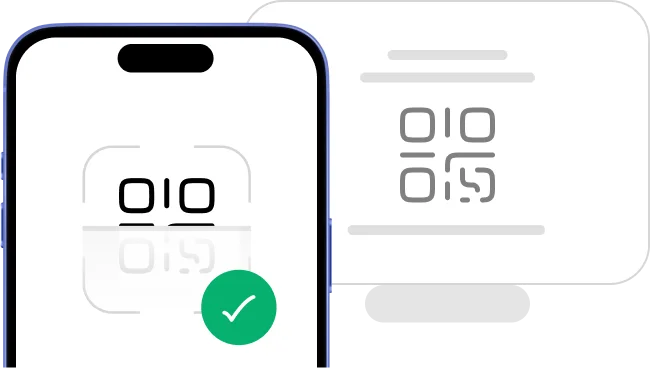
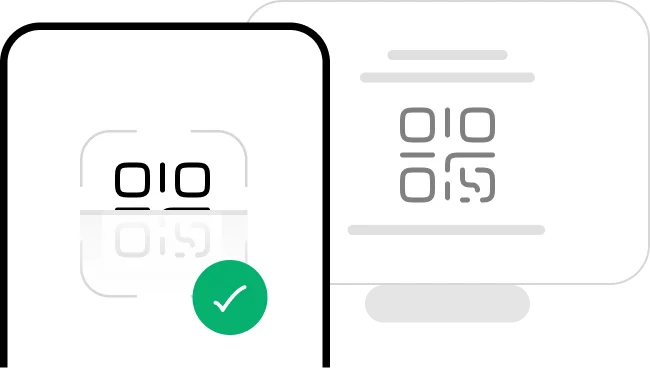
2Scan the QR code
Scan the QR code on Wi-Fi to install your eSIM. If it says not valid or already added, check your phone's list of lines first.
- 3
Activate in minutes: ready on arrival
Install your eSIM before you fly. Your plan's days start at the eSIM's first connection to a supported network in your destination. When you land, switch the line on, turn on data roaming for that line and pick it for mobile data.
 4
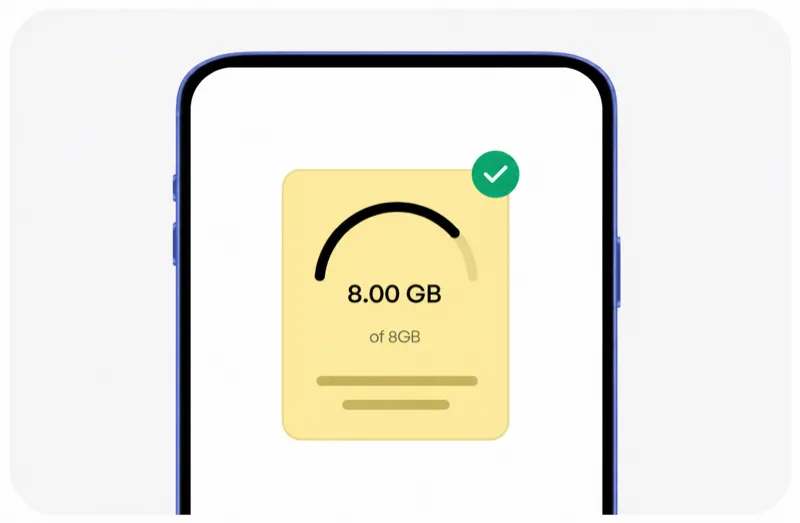
4Manage it all from our mobile app
Track usage, top up data in the app, and manage all your eSIMs in one place.




Trip changed? Don't worry, we've got you!
Plans can change anytime, and that's okay. With HelloRoam, unactivated and unscanned eSIMs qualify for a full refund within 180 days of purchase.
Learn more about our refund policyHelloRoam Tokyo eSIM vs AT&T, T-Mobile and Verizon roaming
When comparing an eSIM vs a travel SIM card for Tokyo, HelloRoam wins on price. It costs less than Verizon TravelPass ($10/day), T-Mobile international add-ons, and AT&T International Day Pass ($12/day). Skip the airport SIM shop and get a prepaid eSIM for Tokyo from $3.20 with a 180-day refund on unactivated eSIMs.
| Feature comparison | HelloRoam | Local provider | Limited data eSIM |
|---|---|---|---|
| 180-day refund policy |  Feature available Feature available |  Feature not available Feature not available | Feature not available |
| 24/7 live chat support | Feature available |  Feature available Feature available | Feature available |
| $0 activation fees | Feature available | Feature not available | Feature available |
| Free hotspot and data sharing | Feature available | Feature not available | Feature not available |
| No data overage charges | Feature available | Feature not available | Feature not available |
| Instant QR code delivery | Feature available | Feature not available | Feature available |
| Premium Tokyo carrier networks | Feature available | Feature not available | Feature not available |
Tokyo SIM card vs eSIM: Which Gives You Faster Data?
A prepaid SIM card Tokyo from Narita or Haneda arrivals means joining the kiosk queue before Shinjuku. A HelloRoam eSIM starts at $3.20 and arrives in your inbox before departure. Scan the QR and ride the Narita Express already online.
A data sim card Tokyo sold at the airport counter locks you to that carrier's rate. A HelloRoam eSIM runs on NTT docomo, Rakuten Mobile, KDDI/au, and 1 more 5G networks and activates by QR with no counter visit needed.
A tourist sim card Tokyo requires an in-person purchase with a passport at arrival kiosks. A HelloRoam eSIM skips both steps. Set up in two minutes from any device before your flight and get online from Shibuya to Akihabara.
Why Travelers Choose an e SIM for Tokyo

24/7 live chat support
Need help at 2 AM in Tokyo or midnight in Paris? HelloRoam support is available 24/7. Message us and a real person responds in under 2 minutes. No bots, no wait queue. Mobile data problems don't wait for business hours, and neither do we.

Best Travel eSIM for Tokyo
Get unlimited data at 4G/5G speeds the moment you land in Tokyo. Skip roaming fees from AT&T, T-Mobile, and Verizon. HelloRoam connects you to local carrier networks in minutes, whether you are traveling or working. Wireless connectivity starts before you clear customs.

Keep your AT&T, T-Mobile, or Verizon number
Keep your AT&T, T-Mobile, or Verizon number active for calls and texts. HelloRoam runs as a second eSIM line on any dual SIM compatible phone, so you never miss a call from home. Your cellular coverage for calls stays on your home carrier while HelloRoam handles data abroad.

212+ partner networks worldwide
HelloRoam eSIMs connect to 212+ carrier networks across 185+ countries. Your phone switches to the strongest available 4G/5G signal automatically. Network access is instant, with no manual carrier selection needed.

Data alerts before you run out
HelloRoam alerts you at 80% data usage so you never hit a surprise cap mid-trip. Top up instantly from the app without reinstalling your eSIM or visiting a store. Adding a fresh prepaid data package takes under a minute from your account dashboard.

Local 4G/5G speeds
Your Tokyo e-sim card connects to trusted local 4G/5G networks. HelloRoam picks the strongest available signal for navigation, streaming, and video calls. Internet abroad at local carrier speeds means maps load fast and video calls stay clear.

Regional and global eSIM plans
Heading to multiple countries? HelloRoam regional eSIM plans cover Europe, Asia, the Americas, and 185+ destinations in one purchase. Tourist eSIM or long-stay: choose fixed data or unlimited data plans. One account, no SIM swaps. Digital connectivity follows you across borders on a single prepaid plan.

Free hotspot and data sharing in Tokyo
Share your Tokyo eSIM data with a laptop or tablet using your phone's built-in hotspot. No extra fees, no setup required. Works on all eSIM compatible phones. One data plan covers your whole travel kit, making the most of every gigabyte you buy.
eSIM Prices for Tokyo
The best eSIM for Tokyo at every price point. Compare plans for every trip length.
| Number of days | Price |
|---|---|
| 1 day | $3.20 |
| 3 days | $9.12 |
| 7 days | $19.71 |
| 15 days | $38.40 |
| 22 days | $52.10 |
| 30 days | $65.28 |
Compare eSIM Providers for Tokyo
American travelers rate HelloRoam eSIM for its 180-day refund policy, zero activation fees, and 24/7 live support. See how HelloRoam compares to Airalo, Holafly, Saily, and other eSIM providers for Tokyo on the things that matter most.
| Feature comparison | HelloRoam | Airalo | Holafly | Nomad | Saily | Ubigi |
|---|---|---|---|---|---|---|
| 180-day refund policy | Feature available | Feature not available | Feature not available | Feature not available | Feature not available | Feature not available |
| 24/7 live chat support | Feature available | Feature available | Feature available | Feature not available | Feature available | Feature available |
| $0 activation fees | Feature available | Feature not available | Feature available | Feature not available | Feature not available | Feature not available |
| Free hotspot and data sharing | Feature available | Feature not available | Feature not available | Feature not available | Feature not available | Feature not available |
| No data overage charges | Feature available | Feature not available | Feature available | Feature not available | Feature not available | Feature not available |
| Instant QR code delivery | Feature available | Feature available | Feature available | Feature available | Feature available | Feature available |
| Premium Tokyo carrier networks | Feature available | Feature not available | Feature not available | Feature not available | Feature not available | Feature not available |
| Own branded carrier identity (SPN) | Feature available | Feature not available | Feature not available | Feature not available | Feature not available | Feature available |
What Is an e SIM? How eSIM Works in Tokyo
An eSIM card is a digital SIM built directly into your phone. There is no plastic chip and no SIM tray to deal with. Scan a QR code to activate your e SIM in under 2 minutes on any eSIM compatible iPhone or Android. An eSIM for Tokyo works as a prepaid data plan with no airport SIM shop, no replacement SIM card, and no carrier contract. Follow the step-by-step setup guide to get connected before your flight. guide

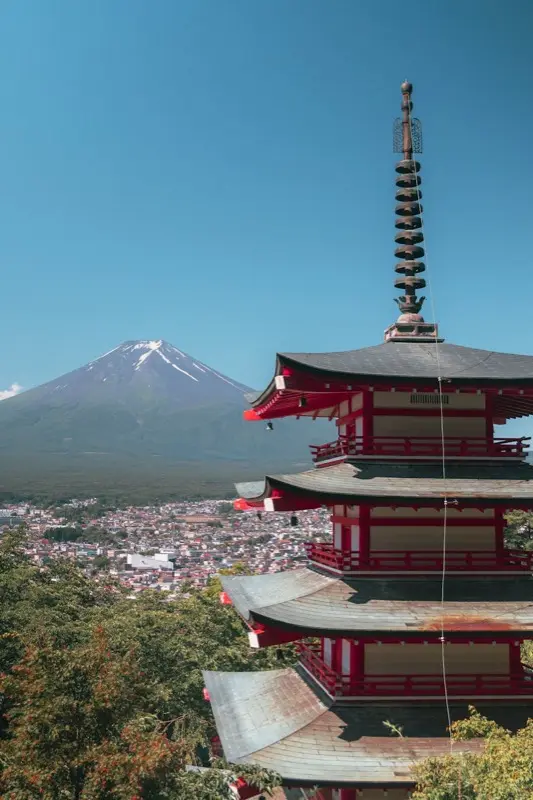
Mobile Coverage in Tokyo
Tokyo has near-total 4G and 5G coverage across all major districts including Shinjuku, Shibuya, Harajuku, Akihabara, Asakusa, Roppongi, Ginza, Ueno, and Odaiba. NTT Docomo, SoftBank, and au (KDDI) all maintain exceptional coverage.
5G is widespread throughout central Tokyo and is expanding rapidly into outer wards. The Tokyo Metro and Toei subway systems have 4G coverage in tunnels and at all stations. The JR Yamanote Loop Line and all other JR urban lines have 4G throughout.
The Narita Express and the Keikyu line from Haneda Airport both maintain 4G coverage on the routes into the city. Dead zones in Tokyo are extremely rare and limited to very deep basement levels or unusual underground facilities.
Even the deepest metro stations on the Toei Oedo Line have 4G connectivity.
- HelloRoam connects to NTT docomo 5G, Rakuten Mobile 5G, KDDI/au 5G and 1 more in Tokyo
Connectivity Tips for Tokyo
Tokyo's transit system is the busiest in the world and navigation apps are essential for first-time visitors. Google Maps and Japan-specific apps like Navitime all work with your HelloRoam eSIM. The IC card Suica app on iPhone or Android lets you load transit credit and pay without a physical card.
Download the Tokyo Metro app before your first journey. Cherry blossom season in late March to early April draws massive crowds to Shinjuku Gyoen, Ueno Park, and the Meguro River. Network speeds can slow in the busiest locations during peak blossom viewing.
The Shibuya Crossing scramble intersection is extremely well-covered for photos and live streaming. Comiket at Tokyo Big Sight brings massive crowds and some network congestion at that venue.
Best Time to Visit Tokyo
Tokyo has two universally celebrated travel seasons. Cherry blossom (sakura) season runs from late March to mid-April and is the most popular time to visit. Parks including Ueno, Shinjuku Gyoen, and the Meguro River are packed with hanami (flower-viewing) picnickers. Golden Week holiday (late April through early May) brings huge domestic crowds to major attractions; plan around it or book well ahead. Autumn foliage (koyo) from mid-November to early December is the second peak season. Momiji (maple) leaves at Hamarikyu Gardens, Meiji Jingu Gaien, and day trips to Nikko turn the city and surroundings vivid red and gold. June and July bring the tsuyu (rainy season), with frequent overcast days and high humidity. August is hot and humid (30C to 35C) but packed with summer fireworks festivals (hanabi). The sumida River fireworks attract 900,000 spectators. December through February is cold (2C to 10C) with minimal crowds at major temples and shrines. Comiket (Tokyo International Anime Fair) and the Digital Art Museum are excellent winter draws.
Airport and Transit Connectivity
Tokyo has two main airports. Narita International Airport (NRT) is 60 kilometers from the city center and connects via the Narita Express (N'EX) to Shinjuku in 80 minutes, or the Limousine Bus to various hotels.
Haneda Airport (HND) is 20 kilometers away and connects via the Keikyu Line to Shinagawa in 20 minutes, or the Tokyo Monorail to Hamamatsucho. Both airports have 4G and 5G throughout their terminals.
IC Suica and Pasmo cards for metro travel can be bought at airport kiosks or set up as digital cards with a live data connection. The Tokyo Metro, Toei Metro, and JR lines all have coverage and the Metro navigation app works smoothly on mobile data.
Top Attractions in Tokyo

Sensoji Temple
Sensoji is Tokyo's oldest Buddhist temple in Asakusa, founded in 645 AD. Use HelloRoam eSIM to stay connected.

Visit at dawn to see the temple grounds before the crowds arrive.

Shibuya Crossing
Shibuya Crossing is the world's busiest pedestrian intersection in Tokyo. Use HelloRoam eSIM to stay connected.
Watch from the Starbucks second floor for the best aerial view.
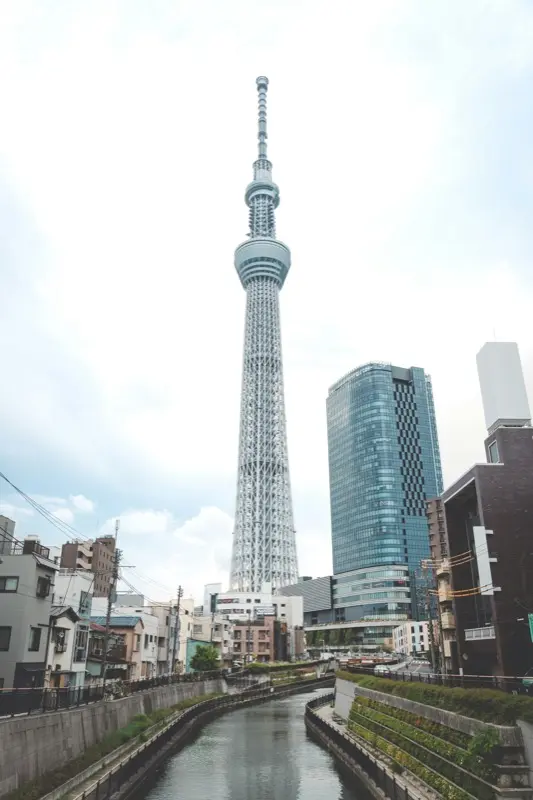
Tokyo Skytree
Tokyo Skytree is Japan's tallest tower at 634 meters, with two observation decks. Use HelloRoam eSIM to stay connected.
Book the Tembo Galleria ticket for the higher 450-meter deck.
Showing slide 1 of 3
Reviews
What Our Customers Say
Real reviews from Trustpilot and the App Store, quoted as written.
40k+ travelers have used HelloRoam
Cat
On a trip to Europe, my hotel Wi-Fi was so slow and outside Wi-Fi was unreliable. I couldn’t take it anymore so I got helloroam for a few days. It was tricky to set up correctly because of the primary settings (with my original number). But I reached out to their customer service via WhatsApp. Super responsive and helpful, with specific and clear steps to troubleshoot. Appreciate having 4G roaming instead of being stuck with in and out Wi-Fi during my trip!!
Rated 5 out of 5 by this reviewer

Very good experience! The eSIM was easy to set up and worked great in London. It was much cheaper than it would have been to use my own operator there.
Ilona
Rated 5 out of 5 by this reviewer
metulker
Hard to set up but help was good
Rated 5 out of 5 by this reviewer
Reuben
Really happy with HelloRoam. Everything worked as expected, from messaging and Google Maps through to streaming without any issues. Easy to use, reliable and affordable. Would happily use them again when travelling.
Rated 5 out of 5 by this reviewer

Angeline
Reliable connection. Reasonable pricing.
Rated 4 out of 5 by this reviewer
Updated
HelloRoam Tokyo eSIM Questions Answered
Which plan covers the best carrier networks for arriving visitors?
An e SIM Tokyo plan connects to NTT docomo, Rakuten Mobile, KDDI/au, and 1 more 5G networks from $3.20 with coverage across Shibuya, Shinjuku, and Akihabara. Your QR code arrives by email before your flight, replacing any data sim card Tokyo kiosk stop at Narita or Haneda. Activate in about two minutes and ride the Narita Express into the city already online. Plans range from 1GB to unlimited without a prepaid SIM card Tokyo counter visit.
What happens if my e SIM data runs out during a trip?
Your phone can hold a second HelloRoam plan instead of a Tokyo SIM card if your data runs out mid-trip. Plans connect to NTT docomo, Rakuten Mobile, KDDI/au, and 1 more 5G networks from Shibuya to Akihabara. Add data from your screen without visiting an airport kiosk or showing your passport at a carrier counter. No tourist sim card Tokyo purchase needed at any point.
Does a Tokyo eSIM work on the Shinkansen bullet train to Kyoto?
Data stays active on Shinkansen routes from Tokyo Station to Kyoto, Osaka, and Hiroshima via NTT docomo, Rakuten Mobile, KDDI/au, and 1 more 5G networks from $3.20. Use maps and translation apps the entire ride without a plan switch between cities.
Are there plans for visitors who want to explore Tokyo and Mount Fuji in one trip?
One HelloRoam plan on NTT docomo, Rakuten Mobile, KDDI/au, and 1 more 5G networks covers Tokyo, the Fuji Five Lakes, and the route to the Mount Fuji 5th Station from $3.20. Data works at every Tokyo train stop and along the Chuo Line toward Kawaguchiko. No contract, and a 180-day refund guarantee covers any trip changes.
Does eSIM work in Tokyo?
HelloRoam eSIM works in Tokyo on NTT Docomo's 4G and 5G network. Coverage is excellent across all major districts, the metro system, and tourist areas. Japan has some of the best mobile coverage in the world. Activate your eSIM before flying so data is ready the moment you land.
Is there 5G in Tokyo?
5G is widespread across central Tokyo, including Shinjuku, Shibuya, Ginza, Akihabara, Roppongi, and the Tokyo Station area. NTT Docomo, SoftBank, and au all have 5G in the urban core. Coverage is expanding into outer wards and suburbs. Tokyo has among the best 5G coverage of any global city.
Does eSIM work at Narita Airport?
HelloRoam eSIM connects at Narita International Airport (NRT) in all terminals as soon as you land. You can check train options, download the Suica app, and navigate to the N'EX platform without needing airport Wi-Fi. Both Terminal 1 and Terminal 2 have strong 4G and 5G.
Does eSIM work at Haneda Airport?
HelloRoam eSIM connects at Haneda Airport (HND) in all terminals including the international Terminal 3. Haneda is closer to the city and has fast 4G and 5G throughout. The Keikyu Line to Shinagawa and the Tokyo Monorail to Hamamatsucho both have 4G coverage on their routes.
What network does HelloRoam use in Japan?
HelloRoam connects via NTT Docomo's network in Japan. Docomo is Japan's largest mobile operator with the widest 4G and 5G coverage in Tokyo, Osaka, Kyoto, Hiroshima, Hokkaido, and all of rural Japan. Coverage in remote mountain areas is also unusually strong for a major nation.
Does eSIM work on the Tokyo Metro?
The Tokyo Metro and Toei subway systems have 4G coverage at all stations and in tunnels. Japan's subway tunnel coverage is among the best in the world. You can use transit apps, messaging, and streaming throughout your entire underground journey on any metro line.
Is there coverage at Shibuya Crossing?
Shibuya Crossing has excellent outdoor 4G and 5G coverage. This is one of the most photographed urban intersections in the world and the signal is strong enough for live streaming and large photo uploads. The surrounding Shibuya shopping area, Tokyu department stores, and Scramble Square also have full coverage.
Does eSIM work in Shinjuku?
Shinjuku has strong 4G and 5G coverage across the east and west sides, including Kabukicho, the Golden Gai bar alleys, the department store complex, and Shinjuku Gyoen National Garden. The area around Shinjuku Station, one of the world's busiest, has excellent indoor and outdoor coverage.
Does eSIM work in Asakusa?
Asakusa has outdoor 4G coverage along Nakamise-dori shopping street, Senso-ji Temple, and the surrounding historic district. The temple grounds and the rickshaw areas are well-covered. This is one of Tokyo's oldest tourist areas and network infrastructure is modern and reliable.
How much data do I need for a week in Tokyo?
A week in Tokyo typically uses 3GB to 7GB for transit apps, restaurant lookups, messaging, and social media. Japan's fast networks load content quickly. Add 3GB more if you use translation apps extensively or make video calls daily. A 5GB to 10GB plan covers most Tokyo trips well.
Does eSIM work on the JR Yamanote Line?
The JR Yamanote Loop Line has 4G coverage at all 30 stations and throughout the above-ground sections. This is the most useful line for tourists, connecting Tokyo Station, Shinjuku, Shibuya, Harajuku, Ueno, and Akihabara. You can use transit apps and navigation throughout the entire loop.