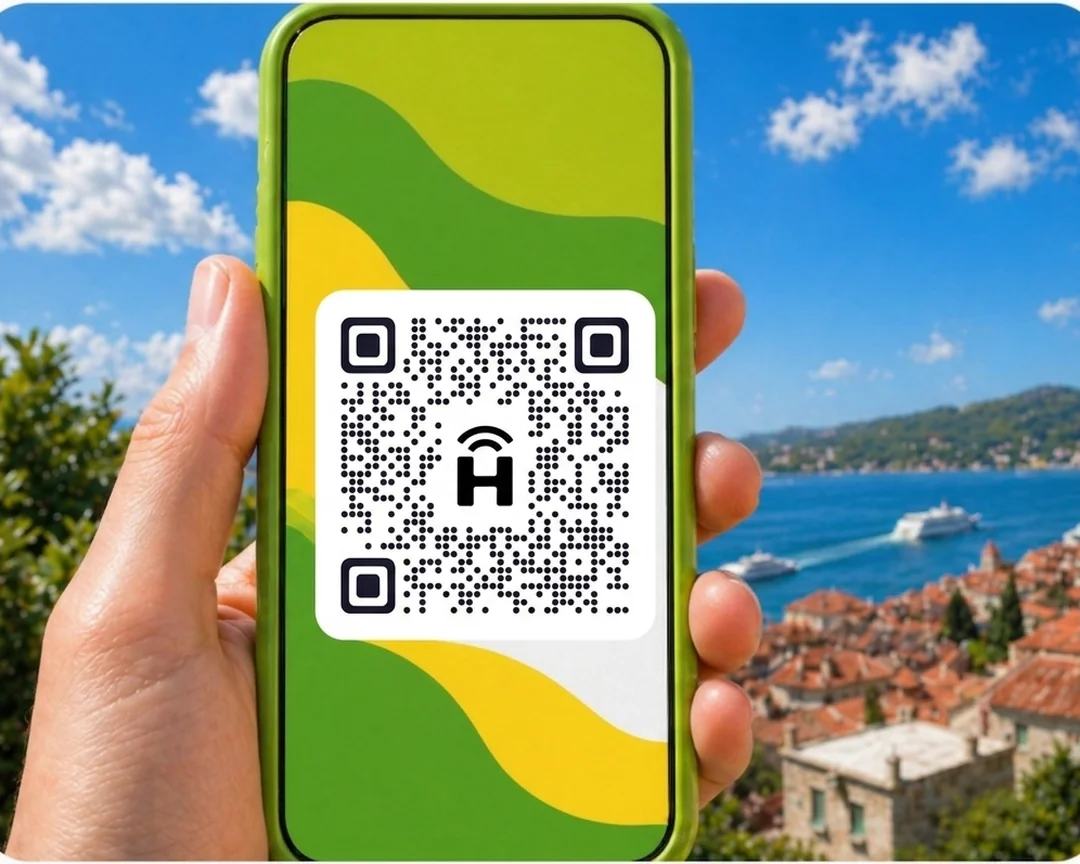

HelloRoam sells prepaid eSIM data plans for East Asia starting at $4.14. Your e SIM connects to local 4G/5G networks the moment you land. Activate by QR code in under two minutes. Keep your AT&T, T-Mobile, or Verizon number on dual SIM while your e-sim handles data.
- networks
 212+
212+- network type
 5G and 4G LTE
- activation
 under 2 minutes
Updated
Your eSIM East Asia Before Narita or Incheon
The cheapest eSIM for East Asia starts from $4.14. Local 4G/5G data on local partner networks in East Asia. Works on any carrier-unlocked, eSIM-compatible phone. Japan, South Korea, and China share one plan, so a Tokyo, Seoul, and Shanghai loop needs no new SIM at each stop. An eSIM for East Asia plan from HelloRoam covers each stop on one QR code starting at $4.14 on Local network provider 4G/5G networks. Scan a QR at home and land at Narita, Incheon, or Pudong already connected. No roaming fees on any plan from HelloRoam.
East Asia eSIM with 5G and 4G LTE coverage
HelloRoam East Asia eSIM covers mainland China, Japan, and South Korea on one plan. Travelers on a trip between Tokyo, Seoul, and Shanghai stay connected with instant data in each country. Plans start from $4.14.
- Plans start at $4.14 with 5G and 4G LTE speeds
- Coverage from local networks
- Instant activation in under 2 minutes
- 180-day refund on unactivated eSIMs
- East Asia coverage across major cities
- Network
- 5G and 4G LTE
- Plans From
- $4.14
- Activation
- Under 2 min
- Refund
- 180 days if unactivated

How to Set Up an eSIM in East Asia
Follow these steps to set up your eSIM card on iPhone or Android. Works for any eSIM for international travel, no replacement sim, no store visit.
Set up an eSIM on your iPhone with the HelloRoam app
Set up an eSIM on your Android with the HelloRoam app
- 1
Choose your plan & checkout online
Select a data plan for your destination and complete checkout.
 2
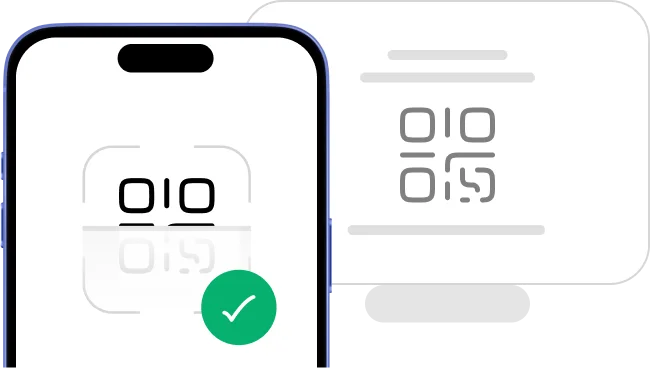
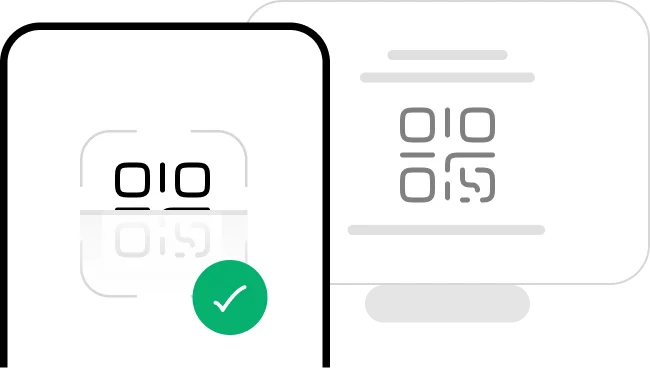
2Scan the QR code
Scan the QR code on Wi-Fi to install your eSIM. If it says not valid or already added, check your phone's list of lines first.
- 3
Activate in minutes: ready on arrival
Install your eSIM before you fly. Your plan's days start at the eSIM's first connection to a supported network in your destination. When you land, switch the line on, turn on data roaming for that line and pick it for mobile data.
 4
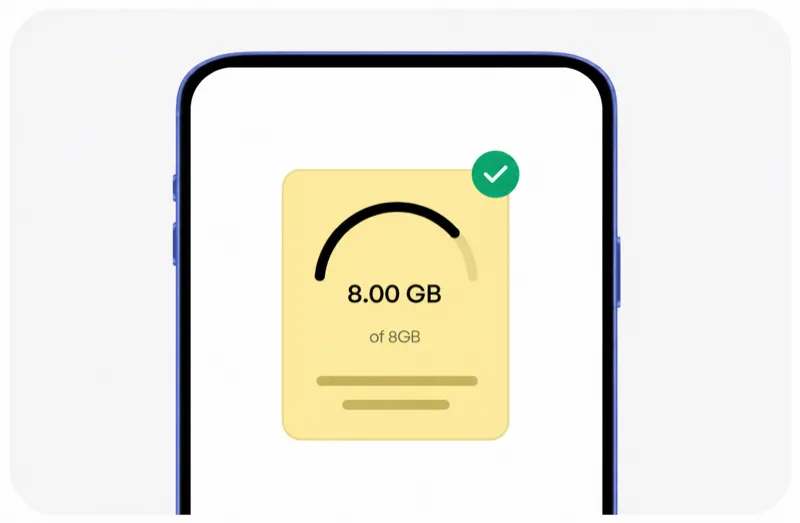
4Manage it all from our mobile app
Track usage, top up data in the app, and manage all your eSIMs in one place.




Trip changed? Don't worry, we've got you!
Plans can change anytime, and that's okay. With HelloRoam, unactivated and unscanned eSIMs qualify for a full refund within 180 days of purchase.
Learn more about our refund policyHelloRoam East Asia eSIM vs a travel SIM card or AT&T, T-Mobile and Verizon roaming
Comparing an eSIM vs a travel SIM card for East Asia? The eSIM skips the airport SIM shop. Verizon TravelPass and AT&T International Day Pass add a daily fee, and T-Mobile sells international add-ons. HelloRoam sells a prepaid eSIM for East Asia from $4.14, with a 180-day refund on unactivated eSIMs.
Why Travelers Choose an e SIM for East Asia

24/7 live chat support
Need help at 2 AM in Tokyo or midnight in Paris? HelloRoam support is available 24/7. Message us by live chat, WhatsApp, or email at help@helloroam.com. Mobile data problems don't wait for business hours, and neither do we.

Best Travel eSIM for East Asia
Get data at 4G/5G speeds the moment you land in East Asia. Skip roaming fees from AT&T, T-Mobile, and Verizon. HelloRoam connects you to local carrier networks in minutes, whether you are traveling or working. Wireless connectivity starts before you clear customs.

Keep your AT&T, T-Mobile, or Verizon number
Keep your AT&T, T-Mobile, or Verizon number active for calls and texts. HelloRoam runs as a second eSIM line on any dual SIM compatible phone, so you never miss a call from home. Your cellular coverage for calls stays on your home carrier while HelloRoam handles data abroad.

212+ partner networks worldwide
HelloRoam eSIMs connect to 212+ carrier networks across 185+ countries. Your phone joins a partner 4G/5G network automatically. Network access is instant, with no manual carrier selection needed.

Data alerts before you run out
HelloRoam emails you as your data runs low on a fixed plan, so you can top up or buy a new plan in time. Where your plan allows it, top up from the app without reinstalling your eSIM or visiting a store. Adding a fresh prepaid data package takes under a minute from your account dashboard.

Local 4G/5G speeds
Your East Asia e-sim card connects to local 4G/5G networks. Your phone joins a HelloRoam partner network for navigation, streaming, and video calls. Speeds depend on the local network and your location.

Regional and global eSIM plans
Heading to multiple countries? HelloRoam regional eSIM plans cover many countries in Europe, Asia, the Americas, and more in one purchase. Tourist eSIM or long-stay: choose fixed data or unlimited data plans. One account, no SIM swaps. Digital connectivity follows you across borders on a single prepaid plan.

Free hotspot and data sharing in East Asia
Share your East Asia eSIM data with a laptop or tablet using your phone's built-in hotspot. No extra fees, no setup required. Works on all eSIM compatible phones. One data plan covers your whole travel kit, making the most of every gigabyte you buy.
eSIM Prices for East Asia
The best eSIM for East Asia at every price point. Compare plans for every trip length.
| Number of days | Price |
|---|---|
| 1 day | $7.74 |
| 3 days | $22.06 |
| 7 days | $47.68 |
| 15 days | $92.88 |
| 22 days | $126.01 |
| 30 days | $157.90 |
Compare eSIM Providers for East Asia
See how HelloRoam compares with Airalo, Holafly, Nomad, Saily, and Ubigi for East Asia. The table covers a 180-day refund on unactivated eSIMs, data overage charges, and instant QR code delivery.
| Feature comparison | HelloRoam | Airalo | Holafly | Nomad | Saily | Ubigi |
|---|---|---|---|---|---|---|
| 180-day refund (unactivated eSIMs) |  Feature available Feature available |  Feature not available Feature not available |  Feature available Feature available | Feature not available | Feature not available | Feature not available |
| No data overage charges | Feature available | Feature available | Feature available | Feature available | Feature available | Feature available |
| Instant QR code delivery | Feature available | Feature available | Feature available | Feature available | Feature available | Feature available |
What Is an e SIM? How eSIM Works in East Asia
An eSIM card is a digital SIM built directly into your phone. There is no plastic chip and no SIM tray to deal with. Scan a QR code to activate your e SIM in under 2 minutes on any eSIM compatible iPhone or Android. An eSIM for East Asia works as a prepaid data plan with no airport SIM shop, no replacement SIM card, and no carrier contract. Follow the step-by-step setup guide to get connected before your flight. guide


eSIM Coverage Guide for East Asia Travel
Japan and South Korea rank near the top of global mobile network benchmarks. A HelloRoam East Asia regional eSIM covers both, plus mainland China, on one plan.
Japan has near-universal network coverage including on the Shinkansen bullet train network, subway systems in Tokyo, Osaka, Kyoto, and Sapporo, and even in rural mountain areas. NTT Docomo, SoftBank, and au operate 5G in all major cities.
Japan's indoor coverage is exceptional, including in shopping malls, department stores, and underground arcades.
South Korea has one of the world's highest 5G penetration rates. SK Telecom, KT, and LG Uplus operate dense 5G networks in Seoul, Busan, Incheon, and across the country. Coverage on the Seoul Metro is excellent throughout all lines. Jeju Island and coastal areas have strong 4G.
Even remote mountain areas in Gangwon Province have reasonable coverage along main roads.
Mainland China has 4G and 5G in its major cities, including Beijing and Shanghai. On HelloRoam data, Google, WhatsApp, and Instagram open in mainland China without a VPN, because your data reaches the internet from outside China. Check the latest rules for the apps you plan to use before you go.
- Japan and South Korea rank among the world's fastest mobile networks
- Excellent subway coverage in Tokyo and Seoul
- Japan's Shinkansen has in-train 4G and 5G coverage throughout
- Mainland China is on the East Asia plan's country list
- Rural mountain roads can have brief signal gaps
- Check China's internet rules for the apps you need
- Ookla Global Speedtest Index 2025;
- GSMA 2026;
- HelloRoam Partner Network Data 2025
eSIM Travel Tips for East Asia
Japan's Shinkansen Has In-Train Coverage
Japan's Shinkansen bullet train network has 4G and 5G coverage throughout most routes including tunnels on the Tokaido, Sanyo, and Tohoku lines. You can stream, navigate, and message throughout train journeys from Tokyo to Osaka, Kyoto, Hiroshima, and Sapporo. Brief gaps may occur in the longest tunnel sections.
South Korea's Korea Rail Serves Well Too
KTX high-speed rail in South Korea has good 4G coverage along routes from Seoul to Busan, Gyeongju, and Gangneung (for ski resorts). The Seoul Metro (subway) has coverage throughout all underground sections, unlike many other countries' subway systems. Download your Seoul neighborhood maps even though coverage is reliable, as offline maps are faster.
China Has Its Own Internet Rules
Mainland China is on the East Asia plan's country list. On HelloRoam data, Google, WhatsApp, and Instagram open in mainland China without a VPN, because your data reaches the internet from outside China. Check the latest rules for the apps you plan to use before you go. Hong Kong and Macau are not on this plan's list, but the Greater China plan covers both.
Emergency Numbers in East Asia
East Asia emergency numbers: Japan uses 110 for police and 119 for fire and ambulance. South Korea uses 119 for fire and medical and 112 for police. Mainland China uses 110 for police and 120 for ambulance. Save the correct numbers for each country.
Network Coverage Across East Asia
East Asia's mobile networks are consistently among the world's top performers in speed, coverage, and innovation.
Japan's NTT Docomo leads in coverage breadth. Docomo's network reaches remote mountain villages, small rural towns, and most offshore islands. SoftBank and au (KDDI) compete in urban markets with strong 5G. Japan has exceptionally deep indoor coverage, including in multi-level underground shopping complexes and subway stations.
South Korea pioneered 4G LTE deployment and has the world's highest 5G penetration rates. SK Telecom, KT (Korea Telecom), and LG U+ all operate nationwide 5G. Average 5G download speeds in Seoul consistently rank among the world's fastest. Even relatively rural areas in Jeolla and Gangwon provinces have strong 4G.
Mainland China has one of the world's largest mobile networks, with 5G in its major cities. Google and WhatsApp stay blocked there on hotel Wi-Fi and Chinese SIM cards, but they open on your HelloRoam data without a VPN.
- NTT Docomo (Japan)

- SK Telecom (South Korea)
- KT (South Korea)
Regional eSIM vs Country-by-Country Plans
For a trip across Japan, South Korea, and mainland China, a regional eSIM saves you three separate purchases and three SIM swaps.
| Category | HelloRoam Regional East Asia eSIM Recommended | Individual country SIMs | Carrier roaming |
|---|---|---|---|
| Typical cost | From $4.14 total | — | — |
| Details | One plan for mainland China, Japan, and South Korea. Buy once before departure. No hunting for SIMs in Tokyo's crowded arrival halls. Consistent pricing for your entire East Asia circuit. | Japan's convenience store and airport SIMs are well-organized but require in-country purchase. South Korea requires passport for SIM registration. Buying and managing three separate SIMs for a multi-country trip is cumbersome. | US carrier day passes for Japan and South Korea charge you for each day you use them. A 14-day trip to Tokyo and Seoul costs significant data fees at full daily rates. Most plans throttle speeds after a small cap. |
Prices approximate as of . Actual savings vary.
Best Times for East Asian Travel Data
Japan's peak travel seasons are cherry blossom (late March to early April) and autumn foliage (mid-October to November). Tokyo, Kyoto, and Osaka networks see heavy demand in popular viewpoint areas during these brief seasons. Download Kyoto's temple routes offline before peak blossom weekends.
South Korea's Jeju Island and Seoul see peak domestic travel during Chuseok (the autumn harvest festival) and summer holidays. Network congestion at popular destinations like Bukchon Hanok Village and Myeongdong can slow speeds.
Mainland China's busiest travel weeks are Lunar New Year and the October Golden Week holiday. Crowds can slow networks at popular sites.

Explore Countries in East Asia


Japan
From $3
HelloRoam covers Japan with 4G/5G plans across Tokyo, Osaka, and Kyoto. Stay connected without swapping SIM cards.

Activate before landing. NTT docomo 5G covers cities. Airport WiFi has 30-minute limits.


China
From $3
Get HelloRoam data in China covering Shanghai, Beijing, and more. Skip the hassle of local SIM cards.
China Mobile and Unicom run 5G in major cities. Download WeChat and maps offline before crossing.


South Korea
From $3
HelloRoam offers South Korea eSIM plans for Seoul, Busan, and Jeju Island. Connect on landing.
LG U+ and SKTelecom run 5G across South Korea. Seoul Metro has full underground coverage.
Showing slide 1 of 3
Reviews
What Our Customers Say
Real reviews from Trustpilot and the App Store, quoted as written.
40k+ travelers have used HelloRoam
Cat
On a trip to Europe, my hotel Wi-Fi was so slow and outside Wi-Fi was unreliable. I couldn’t take it anymore so I got helloroam for a few days. It was tricky to set up correctly because of the primary settings (with my original number). But I reached out to their customer service via WhatsApp. Super responsive and helpful, with specific and clear steps to troubleshoot. Appreciate having 4G roaming instead of being stuck with in and out Wi-Fi during my trip!!
Rated 5 out of 5 by this reviewer

Very good experience! The eSIM was easy to set up and worked great in London. It was much cheaper than it would have been to use my own operator there.
Ilona
Rated 5 out of 5 by this reviewer
metulker
Hard to set up but help was good
Rated 5 out of 5 by this reviewer
Reuben
Really happy with HelloRoam. Everything worked as expected, from messaging and Google Maps through to streaming without any issues. Easy to use, reliable and affordable. Would happily use them again when travelling.
Rated 5 out of 5 by this reviewer

Angeline
Reliable connection. Reasonable pricing.
Rated 4 out of 5 by this reviewer
HelloRoam East Asia eSIM Questions Answered
What networks does an e SIM East Asia plan connect to in Japan and Korea?
An e SIM East Asia plan runs on Local network provider 4G/5G networks covering Tokyo, Osaka, Seoul, Busan, and Beijing without a card swap at any border from $4.14. HelloRoam delivers data by QR code to your inbox, usually within a few minutes of payment. Unactivated eSIMs qualify for a refund within 180 days.
Which carriers provide coverage for Japan, Korea, and China trips?
An e-sim East Asia plan uses Local network provider 4G/5G networks for Japan, South Korea, and China from $4.14. Taiwan and Hong Kong are not on this plan, but the Asia plan covers both. HelloRoam activates by QR code at home so travelers skip SIM counters at Narita, Incheon, and Beijing Capital. No contract, no lock-in, and no roaming fees on any plan.
What is the best eSIM for East Asia in 2026?
HelloRoam is the best eSIM for East Asia in 2026. It connects to 212+ carrier networks across 185+ countries, with plans from $4.14. You activate via QR code in under 2 minutes before leaving JFK, LAX, or any US airport. Your AT&T, T-Mobile, or Verizon number stays active through dual SIM while HelloRoam handles data abroad. You get local 4G/5G speeds, a 180-day refund on unactivated eSIMs, and 24/7 live chat support.
How much does an eSIM for East Asia cost?
An eSIM card for East Asia from HelloRoam costs from $4.14. Fixed data plan sizes vary by country, and this page lists every size on sale. Unlimited daily plans, where offered, charge by the day. Compare that to AT&T International Day Pass at $12/day, Verizon TravelPass at $12/day, or a T-Mobile International Pass. All HelloRoam e SIM plans include local 4G/5G access with no overage charges, no carrier contract, and no carrier day-pass fees.
Will my eSIM connect to local networks in East Asia like T-Mobile does in the US?
Your eSIM in East Asia connects to local 4G/5G carrier networks. Your phone joins a partner network the moment you land at the airport. Coverage depends on the local network, and it is strongest in cities and along main roads. The service works through partner carrier networks spanning 185+ countries. Speeds depend on the local network and your signal, as they do with T-Mobile, AT&T, or Verizon at home.
How do I buy a East Asia eSIM before my flight from the US?
Buy your East Asia e SIM before you leave home in three steps. First, pick your plan at helloroam.com and check out. Second, scan the QR code from your email in Settings under Add eSIM or Add Cellular Plan. Third, your eSIM installs in under 2 minutes. Set it up the night before your flight from LAX, JFK, SFO, or any US airport and land connected.
Does my US iPhone 15 or iPhone 16 work with a East Asia eSIM?
iPhone XS and all newer models work with HelloRoam e-sim in East Asia. iPhone 14 and later sold in the US ship eSIM-only with no physical SIM tray. iPhone 15 and iPhone 16 support dual eSIM, so your AT&T or Verizon line stays active for calls while HelloRoam handles travel data. Go to Settings, tap Cellular, then Add eSIM, and scan the QR code from your email.
Does a East Asia eSIM work in Japan?
Japan is covered by HelloRoam East Asia plans with full access to NTT Docomo, SoftBank, and au 5G networks. Coverage is near-universal including on the Shinkansen bullet train, Tokyo's subway, and rural mountain areas. Japan consistently ranks among the world's top mobile networks for speed and reliability.
Does a East Asia eSIM work in South Korea?
South Korea is covered by HelloRoam East Asia plans. SK Telecom, KT, and LG Uplus operate nationwide coverage. Seoul, Busan, Incheon, and Jeju Island all have strong coverage. South Korea has one of the world's highest 5G adoption rates. Seoul Metro provides coverage throughout all underground sections.
Does a East Asia eSIM work in Taiwan?
No. Taiwan is not on the East Asia plan's country list, but the Asia and Global plans include Taiwan.