Level 2 is the same rating the State Department gives the Bahamas and the Dominican Republic. The advisory warns of violent crime across the island, though it says tourist areas generally see lower rates than other parts of the country. Its Level 3 list names neighborhoods rather than whole resort towns, though six of them are in St. James Parish, home to Montego Bay. For visitors, the advice comes down to a few habits: licensed taxis, no walking or driving at night, no public buses and a way to reach help.
Install a HelloRoam Jamaica eSIM before your flight and your phone has data as soon as you land at Sangster in Montego Bay or Norman Manley in Kingston, ready for transfer details, a shared location with family and the embassy's latest alerts. If setup snags, our support team answers around the clock.
Level 3 covers 32 named neighborhoods and towns
The State Department's list is specific. Its own staff in Jamaica need prior authorization to visit any of these places, and it asks US citizens to reconsider going. It says crime rates there are above national averages, though the violence is typically targeted.
 Get your Jamaica eSIM before you flyInstall it at home, then turn on data roaming for it when you land. From $8.99.See Jamaica plans
| Area | US level | What to know |
|---|---|---|
| Tourist areas | Level 2 | Violent crime is generally lower than elsewhere, the advisory says. Canada adds that assaults and robberies still happen there, even in resort areas. |
| The rest of Jamaica | Level 2 | The advisory says violent crime is a risk throughout the country and that the homicide rate the Jamaican government reports is among the highest in the Western Hemisphere. It adds that armed robberies and sexual assaults are common and that US citizens report slow or unsatisfactory responses to serious crimes. |
| St. James Parish | Level 3 | Salt Spring, Flankers, Rose Heights, the Hart Street area, Norwood and Mount Salem |
| Kingston and St. Andrew | Level 3 | August Town, Brooke Valley, Mountain View, Nannyville Gardens, the Swallowfield area, New Haven, the Sherlock Crescent area, Denham Town, Parade Gardens and Greenwich Town |
| Hanover Parish | Level 3 | The Green Island area |
| Westmoreland Parish | Level 3 | Grange Hill and Savanna-la-Mar |
| St. Ann Parish | Level 3 | Steer Town |
| St. Catherine Parish | Level 3 | Central Village, Waterford, March Pen and Grange Lane |
| Clarendon Parish | Level 3 | York Town and Western Park |
| St. Elizabeth Parish | Level 3 | Crawford District and New Town |
| Manchester Parish | Level 3 | Old England, New Hall and Grey Ground |
| St. Thomas Parish | Level 3 | The Seaforth area (Blacksmith Lane and Navarre Lane) |
The list names places, not routes, so ask your hotel or tour operator whether a day trip passes through one. Britain's Foreign Office also tells visitors to use reputable, licensed providers for excursions and taxis, and to check with resort staff or their tour operator.
Canada and the UK point to some of the same places
Each government writes advice for its own citizens, so the lists don't match exactly. Canada's travel advice for Jamaica tells Canadians to exercise a high degree of caution, the second of its four levels, because of violent crime, particularly outside tourist areas. The UK Foreign Office's Jamaica safety page doesn't advise against travel to any part of the country, but it asks visitors to take extra care in named places.
| Government | Overall advice | Places it names | Last updated |
|---|---|---|---|
| US State Department | Level 2: Exercise Increased Caution | Every place in the Level 3 table above | June 23, 2026 |
| Global Affairs Canada | Exercise a high degree of caution | Certain areas of Kingston, Montego Bay and St. Catherine, and the town of May Pen | May 26, 2026 |
| UK Foreign, Commonwealth & Development Office | No advice against travel | Kingston, Spanish Town, Savanna-la-Mar and parts of Montego Bay, including Flankers, Barrett Town, Glendevon, Rose Heights and Mount Salem | May 6, 2026 |
Flankers, Rose Heights, Mount Salem and Savanna-la-Mar appear on both the US and UK lists. The UK adds two Montego Bay neighborhoods the US leaves off, Barrett Town and Glendevon.
Hurricane Melissa still shapes trips to western Jamaica
Older articles and forum threads still describe Jamaica as Level 3, so check the date on anything you read. On October 28, 2025, after Hurricane Melissa, the State Department raised the whole island to Level 3, added a natural disaster flag and authorized non-emergency US government staff and their families to leave, the US Embassy in Kingston reported. Jamaica has since returned to Level 2, and the latest update dropped the natural disaster flag.
Recovery isn't finished everywhere. Britain's Foreign Office says all of Jamaica's western parishes suffered significant damage, and some communities are still without electricity and piped water. In the worst-hit areas, it adds, access to health care is limited, and debris and standing water carry risks of water-borne and mosquito-borne disease.
The visitor side is largely running again. The Jamaica Tourist Board's travel alerts say all cruise ports and international and domestic airports are operating. Its hotel status list still shows some properties closed and several not reopening until 2027, so confirm your hotel is open before you book.
Hurricane season runs from early June to the end of November, Canada's government notes. If you travel in those months, follow the US National Hurricane Center's forecasts and the instructions of ODPEM, Jamaica's Office of Disaster Preparedness and Emergency Management. The US embassy's 2025 storm alerts listed 116 as Jamaica's hurricane update line.
Licensed taxis are easy to spot by their plates and stickers
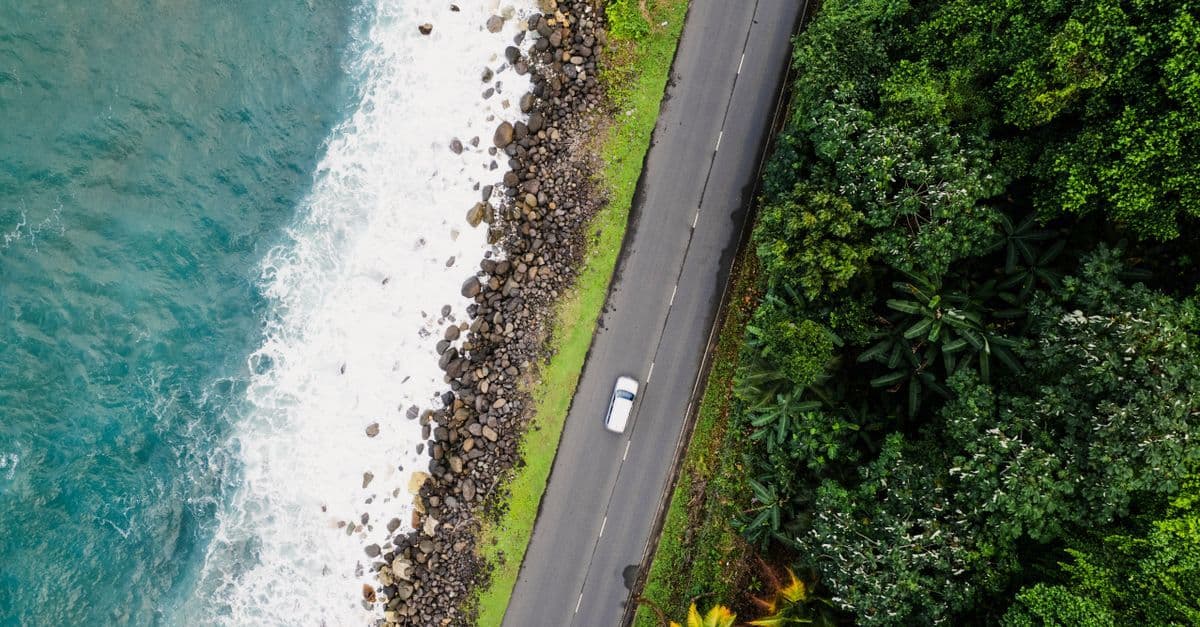
The State Department's guidance for Jamaica says to use only licensed taxis with red-and-white license plates, or transport your hotel recommends. Canada warns against unmarked taxis because of the risk of robbery and sexual assault. It says to use taxis ordered through hotels and authorized by the Jamaica Union of Travellers Association (JUTA), which have red-and-white PP plates and a lime-green JUTA sticker on the window.
Britain's Foreign Office points to taxis and minibuses approved by the Jamaica Tourist Board. Most hotels have assigned JTB drivers, who carry photo ID and show a blue JTB sticker on the windshield. Canada adds that taxis aren't metered, so agree on the fare before you set off.
- Ride-hailing: Uber now runs in some areas, including Kingston, the UK says. Canada calls ride-sharing generally safe if you confirm the driver's identity and license plate before you get in.
- Between towns: Canada describes Knutsford Express coaches as safe and reliable between major towns. The State Department tells US citizens to avoid public buses.
- At night: US embassy staff may not drive between cities after dark, and the advisory asks US citizens to take the same precautions.
- From Norman Manley airport: Canada advises taking South Camp Road, known as the Hummingbird Route, into Kingston rather than Mountain View Avenue, where several robberies have been reported. The UK says most people use the same route, and Mountain View is also on the US Level 3 list.
- Driving yourself: traffic keeps left, and police checkpoints are common on the A1 North Coast Highway, Canada says, so carry valid ID.
Leaving the resort calls for a booked ride and a reputable guide
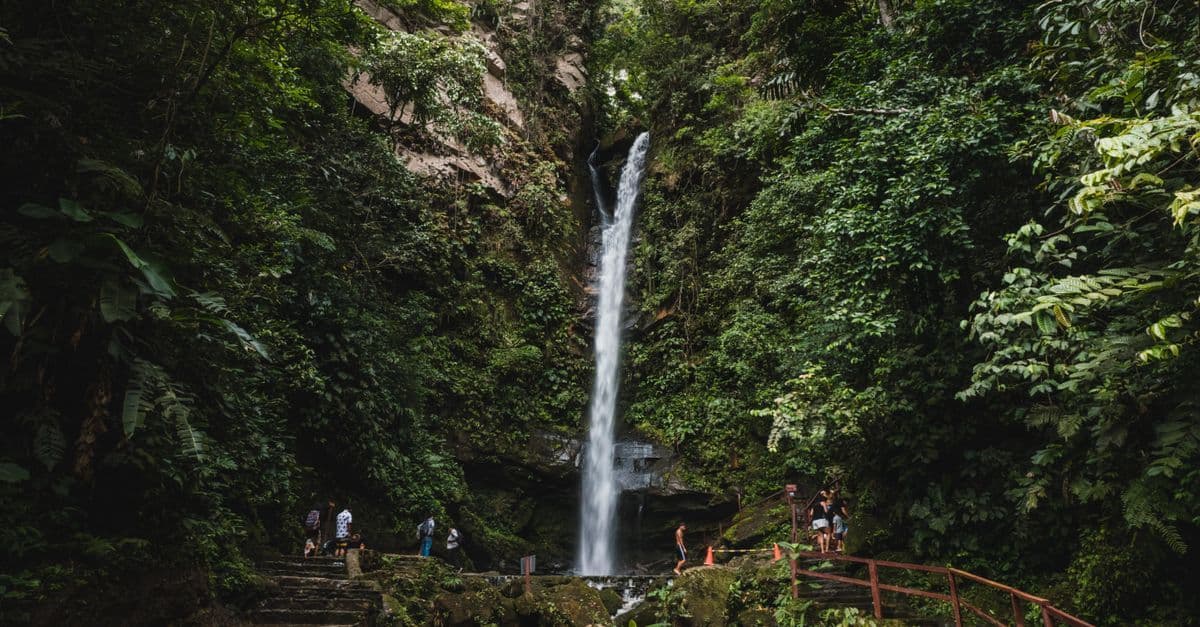
Nothing in the US advisory tells visitors to stay inside their resort. It asks you to avoid remote places and keep a low profile. Canada adds that in higher-risk areas you should avoid traveling at night and avoid walking alone, even during the day. If someone tries to rob you, don't resist. The State Department and Canada both say so.
Britain's Foreign Office adds two habits. Don't walk in isolated areas or on deserted beaches, even during the day, and go with a reputable tour company when you can. It also warns that some visitors have been tracked from the airport and robbed on the way to private accommodation, which matters if you've booked a villa instead of a resort.
Officials warn about these scams and setups
Beyond the taxi risks above, these are the traps that the State Department, Canada and the UK describe for Jamaica. The State Department calls the lottery scam the most common scam from Jamaica.
| Scam or risk | What happens | How to avoid it |
|---|---|---|
| Lottery and prize scams | Someone says you've won a prize or the lottery but must pay a fee to collect it. | Never send money, and never travel to Jamaica to claim winnings. |
| Dating-app setups | Meetings arranged through apps have ended in assault and robbery. Apps popular with LGBTQ+ users are targeted. | Meet in a secure, familiar place, and think hard before inviting a new acquaintance to your room. |
| Spiked food and drinks | Drinks, snacks, gum or cigarettes from new acquaintances may contain drugs used to rob or assault. | Keep your drink with you and turn down offers from strangers. |
| Card and ATM fraud | Credit card, debit card and ATM fraud happens, Canada says. | Use ATMs inside a bank or business, cover the keypad, skip card readers that look unusual and check your statements. |
| Carrying something for someone | Departing visitors are screened for drugs. Canada says many Canadians are serving prison sentences for drug crimes, some committed unwittingly. | Pack your own bags, watch them and never carry another person's package. |
Women traveling alone should plan for risks at resorts too
Official advice for women centers on sexual assault, including at resorts. The State Department says the US embassy routinely receives reports of sexual assaults, including from US citizen tourists at resorts. Canada's government says some reports involve resort staff and, in some cases, other tourists, and it notes that women are often the target of unwanted attention.
- Pick a gated, guarded property. Canada calls these the safest accommodation in Jamaica and urges extra care at smaller or isolated places with less security, though the State Department warns that gated resorts are not immune to violent crime.
- Keep doors and windows locked, Canada advises, and don't share your room number or social media accounts with new acquaintances, the UK adds.
- Go easy on alcohol, especially at all-inclusive resorts, Canada advises.
- If you're traveling solo, tell someone where you'll be and arrange your own ride back to your hotel, the UK suggests.
- Report harassment or assault to hotel staff or your tour operator as soon as you can, the UK says. The State Department encourages US citizens who are sexually assaulted to contact the US Embassy and local police for help. CISOCA, the police unit for sexual offenses, is in the emergency numbers below.
Some Jamaican laws trip up American visitors
- Ammunition: Don't bring firearms or ammunition, including a stray round, shell or empty casing. The State Department says the penalties are severe, can include long prison sentences and apply even when it's a mistake. Check every bag before you fly.
- Cannabis: Possessing up to 2 ounces is decriminalized but still draws a fine, Canada's government says, and smoking it in public places is prohibited. Britain's Foreign Office puts the fine at 500 Jamaican dollars, due within 30 days. Never try to leave Jamaica with any amount.
- Camouflage: Wearing, buying or selling army or police camouflage clothing is illegal, according to Canada.
- Same-sex relationships: Canada's government says Jamaican law prohibits same-sex sexual acts, with sentences of up to 10 years, though authorities rarely enforce it. Britain's Foreign Office says many Jamaicans hold hostile attitudes toward same-sex relationships and that public affection may draw unwanted attention.
Medical care is limited outside Kingston and Montego Bay
Health is the second reason for Jamaica's Level 2 rating. The State Department says basic and specialized care may not be available in many parts of Jamaica, emergency response is slower, and ambulances aren't always staffed with EMTs or readily available, especially in rural areas. The US embassy adds that comprehensive but basic emergency services are found only in Kingston and Montego Bay, with smaller public hospitals in each parish.
The costs fall on you. Private hospitals require payment before they admit patients, Medicare and Medicaid don't apply abroad, and most hospitals and doctors don't accept US health insurance. An air ambulance to the United States starts at about $30,000, the advisory says, and it strongly recommends travel insurance that covers medical care and evacuation. It also asks travelers to bring enough of their own medications, since some, including insulin, can be hard to get.
The CDC's Jamaica health page lists the vaccines and health risks to review before you go, including dengue, Zika and leptospirosis.
The Bahamas shares Jamaica's Level 2 with a narrower warning
On the State Department's scale, Jamaica sits at the same level as several Caribbean favorites. The detail differs. The Bahamas advisory names crime as its only risk, says most of it happens in Nassau and Freeport, and sets no area higher. Jamaica's adds health risks and the Level 3 neighborhood list. Here's how nearby destinations compared in the State Department's listings when this guide was checked.
| Destination | US level | Risks named | What the advisory flags |
|---|---|---|---|
| Jamaica | Level 2 | Crime, health | Named neighborhoods and towns raised to Level 3 |
| The Bahamas | Level 2 | Crime | Most crime happens in Nassau and Freeport |
| Turks and Caicos Islands | Level 2 | Crime | Most crime happens in Providenciales |
| Dominican Republic | Level 2 | Crime | Violent crime, despite more police in tourist areas |
| Mexico | Level 2 | Terrorism, crime, kidnapping | Some areas have higher risk levels |
| Cayman Islands | Level 1 | Normal precautions | Medical services may be limited |
| Barbados | Level 1 | Normal precautions | Crimes of opportunity, like purse snatching and pickpocketing |
Level 1 isn't risk-free either: the Barbados advisory still notes that petty crime is common in tourist spots. If you're also weighing Mexico, check Cancun's beach weather and hurricane months before you pick dates.
Save 119 for police and 110 for ambulance and fire
Put these numbers in your phone before you land. The US Embassy in Kingston's contact page lists 119 for police and 110 for ambulance and fire, and Britain's Foreign Office gives the same numbers.
| Who | Number | Use it for |
|---|---|---|
| Police | 119 | Crimes, robberies and any police emergency |
| Ambulance and fire | 110 | Medical emergencies and fires |
| CISOCA, the police sexual offenses unit | +1 (876) 926-4079 | Reporting sexual assault or abuse |
| US Embassy Kingston | (876) 702-6000 | Emergencies involving US citizens, 24 hours (press 0 after hours) |
| State Department, Washington | +1-202-501-4444 from abroad, 1-888-407-4747 from the US and Canada | Help for US citizens at any hour |
The embassy is at 142 Old Hope Road, Kingston 6. Canada's government notes that Jamaica Tourist Board offices around the island have direct radio links with local police. Before you go, enroll in the State Department's Smart Traveler Enrollment Program (STEP), which lets the embassy reach you or your emergency contact in an emergency.
A data-only Jamaica plan handles maps and ride apps, not local calls
Much of the advice in this guide runs through your phone: checking a ride-share driver's plate, sharing your location, messaging the driver your hotel booked and reading embassy alerts. If you'd rather use your US carrier's roaming plan, see how eSIM and roaming compare first.
HelloRoam's Jamaica plans run on the Digicel network. They're data-only, so they don't include a Jamaican phone number. On a dual-SIM phone, keep your home line on for calls and texts, and use WhatsApp or FaceTime over data for the rest.
Set it up at home so it connects when you land. Our walkthrough shows how to install an eSIM before your trip, and it's worth a minute to check whether your phone supports eSIM first.
On a cruise or an island-hopping trip, one eSIM can cover more than Jamaica. HelloRoam's Caribbean plan connects in Jamaica on the C&W network and also works in places such as the Cayman Islands and the Dominican Republic. If your other stops are on its list, a single Caribbean data plan saves you switching eSIMs at each port.
If you'll spend the whole stay inside an all-inclusive, with resort transfers and hotel Wi-Fi, you may not need mobile data at all. It earns its place once you leave the resort or head into Kingston. Estimate how much data you need for those days before you pick a plan.
Recheck the advisory in the week you fly
Advisories and alerts can change fast, as the jump to Level 3 after Hurricane Melissa showed. In the week before you leave, reread the State Department's Jamaica advisory and the US Embassy's alerts for US citizens, and recheck your hotel on the tourist board's list.
Questions travelers ask
Is Montego Bay safe for tourists?
Montego Bay's hotel and beach areas fall under Jamaica's overall Level 2. The State Department's safety guidance also says violent crime, including sexual assault, is a serious problem across Jamaica, particularly in Kingston and Montego Bay. Six St. James Parish neighborhoods, including Flankers, Rose Heights and Mount Salem, are Level 3. Ask your hotel whether your routes pass through them, use licensed taxis and avoid walking around at night.
Which part of Jamaica is the safest?
No government ranks a safest part of Jamaica. Portland, St. Mary and Trelawny have no neighborhoods on the State Department's Level 3 list, but its Level 2 rating covers the whole island, so the habits on taxis, nights and buses apply everywhere.
Is Jamaica safe for cruise passengers?
Jamaica's cruise ports are operating, the Jamaica Tourist Board says, and port calls fall under the same Level 2 advice as other tourist areas. Book excursions with a licensed, reputable operator. Canada's government warns that local authorities may search passengers for drugs when they leave Ocho Rios or Montego Bay by ship.
Sources
- US State Department: Jamaica Travel Advisory (Level 2, issued June 23, 2026)travel.state.gov
- US State Department: Travel Advisories RSS feed (Jamaica, Bahamas, Turks and Caicos, Dominican Republic, Mexico, Cayman Islands, Barbados entries)travel.state.gov
- Government of Canada: Travel advice and advisories for Jamaicatravel.gc.ca
- UK Foreign, Commonwealth & Development Office: Jamaica safety and securitygov.uk
- UK Foreign, Commonwealth & Development Office: Jamaica travel advice (warnings, Hurricane Melissa)gov.uk
- UK Foreign, Commonwealth & Development Office: Jamaica getting help (emergency numbers)gov.uk
- US Embassy in Jamaica: Travel Advisory Update, Authorized Departure (October 28, 2025)jm.usembassy.gov
- US Embassy in Jamaica: Contact Us and emergency contactsjm.usembassy.gov
- US Embassy in Jamaica: Alerts for US citizensjm.usembassy.gov
- US Embassy in Jamaica: American Citizen Services (medical assistance)jm.usembassy.gov
- Jamaica Tourist Board: Travel alertsvisitjamaica.com
- Jamaica Tourist Board: Hotel reopening statusvisitjamaica.com
- Office of Disaster Preparedness and Emergency Management (ODPEM): Hurricanesodpem.org.jm
- CDC: Jamaica traveler health pagewwwnc.cdc.gov
Written by
HelloRoam Team
The HelloRoam Team writes our guides on trip planning, visas and eSIMs. For every new or updated guide, we check each fact at its source. Sources include government, park and weather service pages. We note the date we read each one. A second review then checks every fact against its source before the guide goes live. If we cannot confirm a fact, we leave it out. We link those sources inside the guide, so you can check them.