This guide comes from HelloRoam, a travel eSIM company with plans for 185+ destinations, though not for Aruba. Near the end, we cover what keeps maps and calls working there instead.
Level 1 doesn't mean nothing ever happens. The advisory says petty crime is most likely in popular tourist spots, and most crimes against foreigners are crimes of opportunity, like theft of unsecured belongings and car break-ins. Crime rates are low, it adds, though armed robberies occur at businesses that keep large amounts of cash or are involved in drug or gang activity.
On a beach vacation, that means keeping valuables out of sight, taking extra care in San Nicolas after dark, learning the road rules and swimming only in calm water.
Three governments give Aruba their mildest travel advice
The US, Canada and the UK phrase their advice differently, but none of them warns against visiting any part of the island. Americans should also know about the State Department's Worldwide Caution, which advises US citizens everywhere to exercise increased caution. It covers every country, and Aruba's own advisory stays at Level 1.
| Government | Rating | What it flags | Last update shown |
|---|---|---|---|
| US State Department | Level 1: Exercise Normal Precautions | Petty crime, car break-ins, armed robberies at cash-heavy or drug-linked businesses, strict ammunition laws | Advisory posted by the US Consulate General in Curaçao on August 21, 2026; travel guidance updated August 13, 2026 |
| Global Affairs Canada | Take normal security precautions (lowest of four levels) | Pickpocketing, purse snatching, break-ins and theft from vehicles, hotel rooms and rentals; more crime during Carnival | May 26, 2026 |
| UK Foreign, Commonwealth & Development Office | No warnings against travel | Petty theft, occasional street crime, drug-related violent crime | Reviewed July 7, 2026 |
If you want the full text, read Canada's travel advice for Aruba and the UK's Aruba travel advice alongside the State Department's page. All three cover the same risks in more detail. If a search turns up an Overseas Security Advisory Council (OSAC) page showing Aruba at "Level 4 (Do Not Travel)", check its date. It reposts a State Department COVID-19 advisory from January 4, 2022, not Aruba's current rating.
Theft from beaches, cars and rentals is the main risk
The State Department's Aruba travel guidance says crime against tourists is mostly theft. Thieves go for things left unattended on beaches, in cars and in hotel lobbies. Purses, cameras, passports and phones are the items taken most often.
Canada's government adds residential break-ins and theft from hotel rooms and rental units to that list. It also says crime typically rises during Carnival, which runs from January to March. A few habits cut the risk:
- Leave cash and valuables behind when you go to the beach, as the UK advises, and don't leave bags in your car.
- Don't leave valuables unattended in an unsecured hotel room or rental home, the State Department says.
- Keep purses and bags closed so they're hard to grab.
- Carry ID. Canada and the UK both say it's a legal requirement in Aruba, and both suggest keeping a copy of your passport with you.
- Check your rental car cover. The State Department warns that car theft can occur, especially of rental vehicles, and local insurance may not fully cover a stolen or damaged car.
San Nicolas, remote spots and nights out need extra care
The State Department names one district. San Nicolas has an increased risk of crime, especially at night, and crimes against tourists are more common there.
Violent crime, including rape and armed robbery, isn't common but does occur, the guidance says, so take care in the island's more isolated areas. Canada's government gives similar advice: avoid unpopulated areas and unpatrolled beaches after dark. None of the three pages asks visitors to keep to their resort, and the UK's walking advice is simply to avoid remote areas at night.
Nightlife has its own rules. The legal drinking age is 18, and the State Department says it isn't always enforced, so parents of teens may want to keep a closer eye on them. It suggests going out in pairs or groups. Canada's government notes that women traveling alone may face some harassment and verbal abuse.
Aruba's road rules differ from home in a few ways
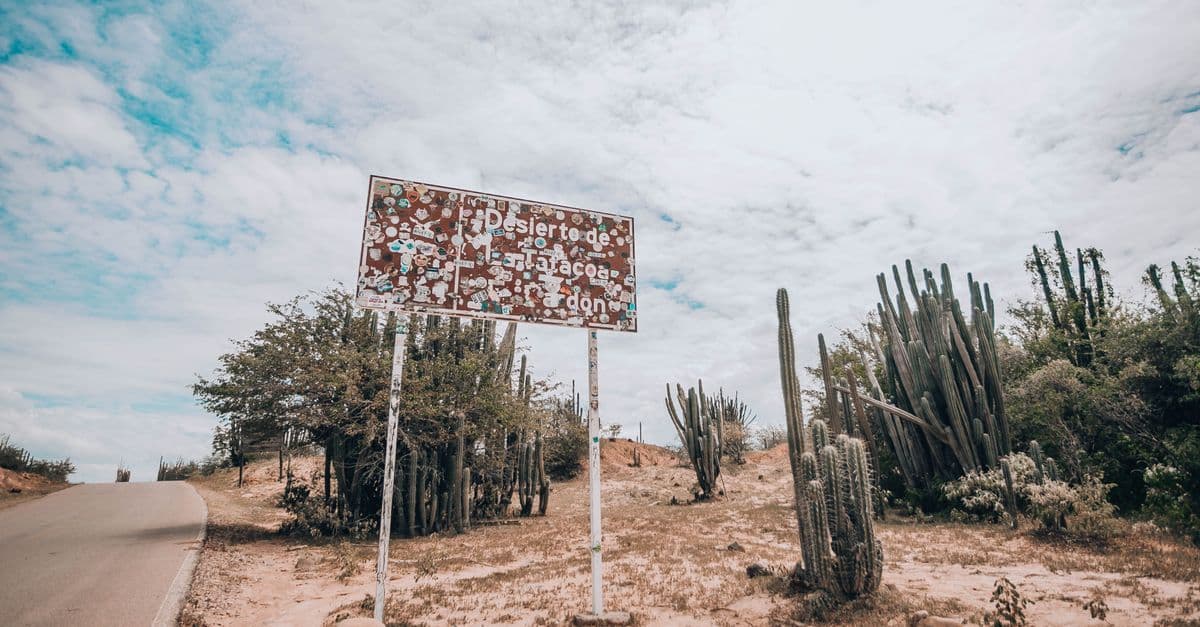
You can drive in Aruba with a valid US driver's license. Night driving is reasonably safe if you know the route, in the State Department's view, but most roads are darker than US roads. Watch for scooters, motorcycles and ATVs, whose drivers may not follow traffic rules, and for goats and other animals crossing in less developed areas. Many drivers don't respect traffic laws, Canada's travel advice warns.
| Rule | What it means for you |
|---|---|
| Side of the road | Traffic drives on the right, as in the US. |
| Red lights | No right turns on red. |
| Roundabouts | Yield to cars already in the roundabout and wait for a gap. |
| Road signs | A red circle marks a ban, without the slash you see at home. U-turns are often restricted. |
| Seat belts and helmets | Required for drivers and passengers. Motorcyclists must wear helmets. |
| Children | Kids ride in the back seat, and children under 5 need a child safety seat. |
| After a crash | Don't move your car or pull over. Call the police on 100, then your rental company and insurer. |
Drunk driving is a serious offense. The UK says a reading just over half of England's legal limit can bring a fine and possible jail time.
Calm water decides where swimming is safe
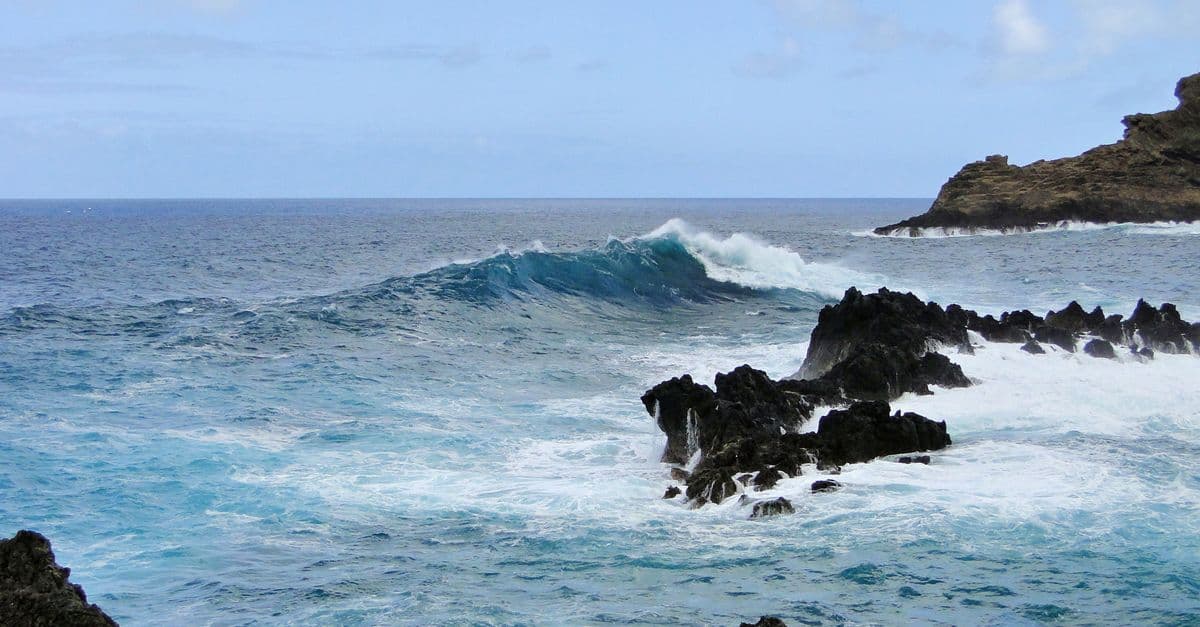
Canada's government warns that Aruba's coastal waters can be dangerous and that rescue services may not meet Canadian standards. It tells visitors to follow the instructions and warnings of local authorities.
The State Department's guidance also warns that the tourism industry is unevenly regulated. Safety inspections of equipment aren't common, hazards aren't always signposted, and staff may not be trained or certified. Canada's checklist for water sports is short. Check the equipment and make sure helmets and life jackets are on hand. Skip the activity if you've been drinking, and confirm your travel insurance covers it.
The Natural Pool, also called Conchi, shows why conditions matter. It sits inside Arikok National Park on the rugged northeast coast. Standard cars aren't allowed past the park checkpoints, according to the Aruba Tourism Authority. You get there by 4x4, on horseback or, if you're an experienced hiker, on a 3 to 4 hour round-trip hike. You also need a park entrance pass. Swim there only when the ocean is calm. Waves can crash over the rocks, and conditions can change quickly.
Divers should know one gap: Aruba has no decompression chamber. Anyone with decompression sickness has to be flown out for treatment, according to the State Department.
Aruba's laws on drugs, ammunition and beach souvenirs are strict
- Ammunition: It's illegal to bring guns, ammunition or even spent shells or casings into Aruba without prior written authorization, the advisory says, and you may face arrest and long detention. It suggests traveling with bags you don't use for weapons or ammunition at home.
- Drugs: The State Department says Aruba's approach to drug possession differs sharply from the Netherlands'. Its drug laws are enforced rigorously, including against tourists with marijuana for personal use. A judge can approve holding a suspect during an investigation, and there's no option to post bail.
- Souvenirs from nature: Taking seashells, coral or beach sand off the island is strictly prohibited, according to Canada's government.
Official advice names four traps, from copycat ED card sites to spiked drinks
Each one has a clear way to avoid it.
| Trap | How it works | What to do |
|---|---|---|
| Copycat ED card websites | Unofficial sites charge a fee to help with Aruba's entry form. The Aruba Tourism Authority says they aren't linked to Aruba's immigration service. | Fill in the form only on edcardaruba.aw, the official site. |
| Taxi overcharging | Aruba's taxis have no meters. Fares are flat rates by destination, set by the government. | Use registered taxis with TX on the license plate, and agree on the fare before you set off. |
| Spiked drinks | Drinks left alone or open drinks from strangers can be tampered with. | Hold on to your glass, and refuse an open drink from anyone you don't know. |
| Carrying a package | Canada and the UK say Aruba is used as a drug trafficking route from South America. | Never carry a bag or parcel for someone else, and don't leave your luggage unattended. |
Your ED card and the $20 fee come before the flight
Everyone flying into Aruba, including infants and children, needs an approved Embarkation and Disembarkation (ED) card, Aruba's tourism authority says. You fill it in on Aruba's official ED card site within the 7 days before you travel. Your airline will ask for proof of approval before you board, the UK's travel advice notes.
Visitors arriving by air also pay a $20 sustainability fee through the same form, a charge in place since July 1, 2024. The form takes Visa, Mastercard or Discover, and cash isn't accepted on arrival. Children under 8 are exempt. So are transit passengers who stay less than 24 hours under a transport agreement, and repeat visitors returning within a year of their last visit. Most cruise passengers don't need an ED card unless their ship goes through Aruba immigration.
The State Department lists four things US citizens must have on arrival: a passport valid for the whole stay, the completed ED card, a return or onward ticket, and proof of enough money for lodging and food.
Medical care is limited, and serious cases leave the island
The US and Canada describe Aruba's medical care differently. The State Department says access to quality care is limited and facilities may not meet US standards, though ambulance services are widely available. Canada's government calls health care very good and available throughout the country, and warns that facilities may ask for cash payment right away.
Serious cases are the real gap. Critically ill patients who need care Aruba can't provide are moved to neighboring countries such as Colombia at their own expense, the State Department says. A medical evacuation to the United States costs roughly $15,000 to $25,000. US Medicare and Medicaid won't pay for care there, most providers take only cash, and the State Department strongly recommends extra insurance for medical evacuation.
The State Department advises checking with Aruba's government that any prescription medicine you bring is legal there. Carry it in its original packaging with your doctor's prescription. Fewer drugs are sold locally than in the US, and most medicines need a local prescription, so pack enough for your stay.
Dengue, Zika and chikungunya are present in Aruba, according to the State Department, and Canada lists the same mosquito-borne risks. Canada advises anyone pregnant or planning a pregnancy to talk with a health care provider about the Zika risk before going. Check the CDC's vaccine list for Aruba with your doctor at least a month before you go.
Venezuela is close, but Aruba's own advice stays at Level 1
Aruba lies about 15 miles north of Venezuela, by the tourism authority's count. The two get very different ratings. The State Department rates Venezuela Level 3: Reconsider Travel, while Aruba stays at Level 1. None of the US, Canadian or UK pages for Aruba lists a risk linked to Venezuela.
Events there can still affect flights. On January 3, 2026, after reported events in Venezuela, the US Consulate General in Curaçao flagged flight disruptions in the eastern Caribbean. An FAA notice had advised against flights in Sint Maarten airspace for 24 hours, and the consulate told travelers to contact their airlines. If news breaks before your trip, check your airline's updates. Signing up for STEP, the State Department's Smart Traveler Enrollment Program, gets you the consulate's updates and alerts and gives it a way to reach you, or the person you name, in an emergency.
Turks and Caicos rates one level higher than Aruba
The State Department doesn't rank Caribbean islands from safest to least safe. Its advisory levels are the closest official measure, and Aruba shares Level 1 with its neighbors Curaçao and Bonaire. Turks and Caicos sits at Level 2. The table sets their current State Department advisories side by side.
| Destination | US level | What the advisory flags |
|---|---|---|
| Aruba | Level 1 | Petty crime in tourist spots, theft of unsecured property, vehicle break-ins, ammunition arrests |
| Curaçao and Bonaire | Level 1 each | Identical advisories: petty crime, overcharges and scams in tourist areas, some aggressive sellers, tourist police at most sites |
| Turks and Caicos Islands | Level 2 | Crime, mostly in Providenciales; reports of sexual assault; police with limited resources to investigate |
The Turks and Caicos advisory also says the islands regularly experience hurricanes, and travelers caught with ammunition there may face 12 years or more in prison. On the official measure alone, Aruba's advice is the milder of the two.
Aruba's police number is 100, and 911 brings an ambulance
Keep the consulate's number with these too, since it handles emergencies for US citizens on the island.
| Service | Number | When to call |
|---|---|---|
| Police | 100 | Crimes, robberies and traffic accidents |
| Ambulance and fire | 911 | Medical emergencies and fires |
| Coast guard | 913 | Emergencies at sea |
| US Consulate General Curaçao | +599 9 433-2200 | Help for US citizens in Aruba, during office hours and after hours |
| State Department, Washington | From Aruba: +1-202-501-4444. From the US or Canada: 1-888-407-4747. | Consular help for US citizens |
The consulate in Willemstad, Curaçao, covers Aruba, and its contact page lists the same number for after-hours calls from outside Curaçao and the US. If you're a victim of crime, the State Department says to report it to the local police first and then call the consulate. Don't rely on your hotel, a restaurant or a tour company to file the police report for you.
Getting online in Aruba means roaming, a local SIM or Wi-Fi
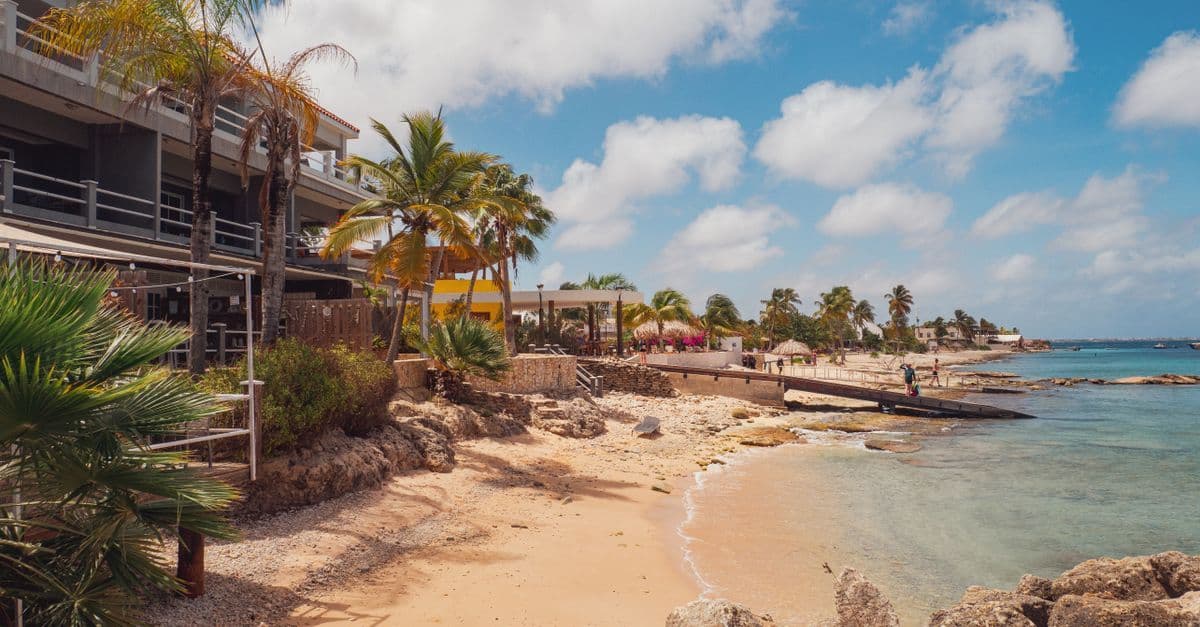
A working phone backs up most of this advice: maps at unfamiliar roundabouts, a call to your rental company after a fender bender, airline updates if a flight changes. On the island itself, you have three ways to get online:
- Roaming on your US plan. Setar, the island's largest telecom network by its own account, says most visiting phones connect to its network automatically when you switch them on in Aruba. Ask your carrier about its Aruba rates before you fly.
- A Setar Tourist SIM. Setar sells a tourist package with data, calling minutes and texts in 3-, 7- and 14-day bundles, and it now comes as an eSIM too. Its airport kiosk at Queen Beatrix International Airport, on your left just outside the arrivals hall, opens daily from 10 AM to 7 PM. Before you pick the eSIM version, make sure your phone is on the list of phone models that work with eSIM.
- Wi-Fi. Hotels and resorts have it readily available, and many beaches and attractions have hotspots, according to Aruba's tourism board. That covers messaging, but not maps on the road or a call from a quiet beach.
If your trip continues to Curaçao, you could add one of HelloRoam's data plans for Curaçao to cover that leg.
The official pages get the last word
A few days before departure, open the State Department's Aruba advisory and the consulate's latest alerts, and check that your ED card was approved. For weather, costs and safety in other places, browse our destination guides.
Questions travelers ask
Can you drink the tap water in Aruba?
Yes. WEB Aruba, the island's water company, says its tap water is safe to drink, poses no health risk and needs no further treatment. It's chemically tested every day and meets WHO guidelines. WEB notes that it only oversees its own pipe network, so the plumbing inside a building is up to its owner.
Does Aruba get hurricanes?
Rarely. The UK government says most hurricanes pass north of Aruba, the island has no record of a recent major hurricane, and tropical storms happen occasionally. The Caribbean hurricane season still runs from June to November, so if you travel then, follow the US National Hurricane Center's forecasts.
Is Aruba safe for LGBTQ travelers?
The law raises no barrier for same-sex couples. The State Department's Aruba guidance says there are no legal restrictions on same-sex relations or on organizing LGB events. Canada's and the UK's Aruba pages raise no LGBTQ-specific warnings either, and both point to their general advice for LGBTQ+ travelers.
Sources
- US State Department: Aruba Travel Advisory (Level 1: Exercise Normal Precautions)travel.state.gov
- US Consulate General Curaçao: Aruba Travel Advisory Level 1 (posted August 21, 2026)cw.usconsulate.gov
- US State Department consular data: Aruba travel guidance (last updated August 13, 2026)cadataapi.state.gov
- US State Department consular data: Travel Advisories (Aruba, Curaçao, Bonaire, Turks and Caicos, Venezuela)cadataapi.state.gov
- Government of Canada: Travel advice and advisories for Arubatravel.gc.ca
- UK Foreign, Commonwealth & Development Office: Aruba travel advicegov.uk
- US Consulate General Curaçao: Contact uscw.usconsulate.gov
- US Consulate General Curaçao: Security Alert, flight disruptions (January 3, 2026)cw.usconsulate.gov
- US Consulate General Curaçao: Alertscw.usconsulate.gov
- Aruba Online ED Card (official)edcardaruba.aw
- Aruba Tourism Authority: Before you travel (ED card, sustainability fee)aruba.com
- Aruba Tourism Authority: Sustainability Feearuba.com
- Aruba Tourism Authority: Natural Pool (Conchi)aruba.com
- Aruba Tourism Authority: Aruba's island factsaruba.com
- Aruba Tourism Authority: Safe, modern and connectedaruba.com
- CDC: Aruba traveler health pagewwwnc.cdc.gov
- WEB Aruba N.V.: Our water qualitywebaruba.com
- SETAR: Tourist SIMstore.setar.aw
- SETAR: Where to find ussetar.aw
- SETAR: Roaming for visitorssetar.aw
- OSAC: Travel Advisory: Aruba - Level 4 (Do Not Travel), January 4, 2022 (COVID-19)osac.gov
- US Consulate General Curaçao: Security Alert, Worldwide Caution (June 22, 2025)cw.usconsulate.gov
Written by
HelloRoam Team
The HelloRoam Team writes our guides on trip planning, visas and eSIMs. For every new or updated guide, we check each fact at its source. Sources include government, park and weather service pages. We note the date we read each one. A second review then checks every fact against its source before the guide goes live. If we cannot confirm a fact, we leave it out. We link those sources inside the guide, so you can check them.