Those timed entries, shuttle pickups and tide tables all live on your phone. With a HelloRoam eSIM for Costa Rica ready before your flight, you can pull up the first booking while you're still in the arrivals hall, and support is open 24/7 if a setting needs fixing.
Guanacaste is dry by December, and February to March suits every region
Costa Rica has two rain patterns, one on each side of its mountains, and they don't line up. On the Pacific side, the Instituto Meteorológico Nacional (IMN) puts the dry season at December to March. It starts in the northwest, reaches the southeast last, and March is the driest, hottest month. The Caribbean side has no true dry season. Even its least rainy months get 100 to 200 mm of rain, about 4 to 8 inches.
 Get your Costa Rica eSIM before you flyInstall it at home, then turn on data roaming for it when you land. From $6.99.See Costa Rica plans
| Region | Main areas | Driest stretch (IMN) | What December brings |
|---|---|---|---|
| North Pacific | Guanacaste coast, Nicoya Peninsula | December to March, with just 4% of the year's rain | The start of the dry season |
| Central Pacific | Jacó, Quepos, Manuel Antonio | January to March | A transition month between seasons |
| South Pacific | Uvita, Osa Peninsula, Golfito | January to March | A transition month between seasons |
| Northern Zone | Arenal, San Carlos plains | A lighter stretch from February to April | The tail of a rainy season that runs May to December or January |
| Caribbean | Limón province, Tortuguero | Drier spells on the coast in February to March and September to October | The rainiest month of the year |
If your dates are flexible, aim for February or March. That's the one stretch when every region is in its driest period at once: the Pacific dry season, the Caribbean coast's first drier spell and the Northern Zone's lighter months all overlap.
For a December trip, Guanacaste is the surest bet for sun. Two more patterns help in other months. The Pacific gets a break called the veranillo, or "little summer," when rain eases in July and August. The Caribbean coast has its second drier spell in September and October, right when the Pacific has its two wettest months.
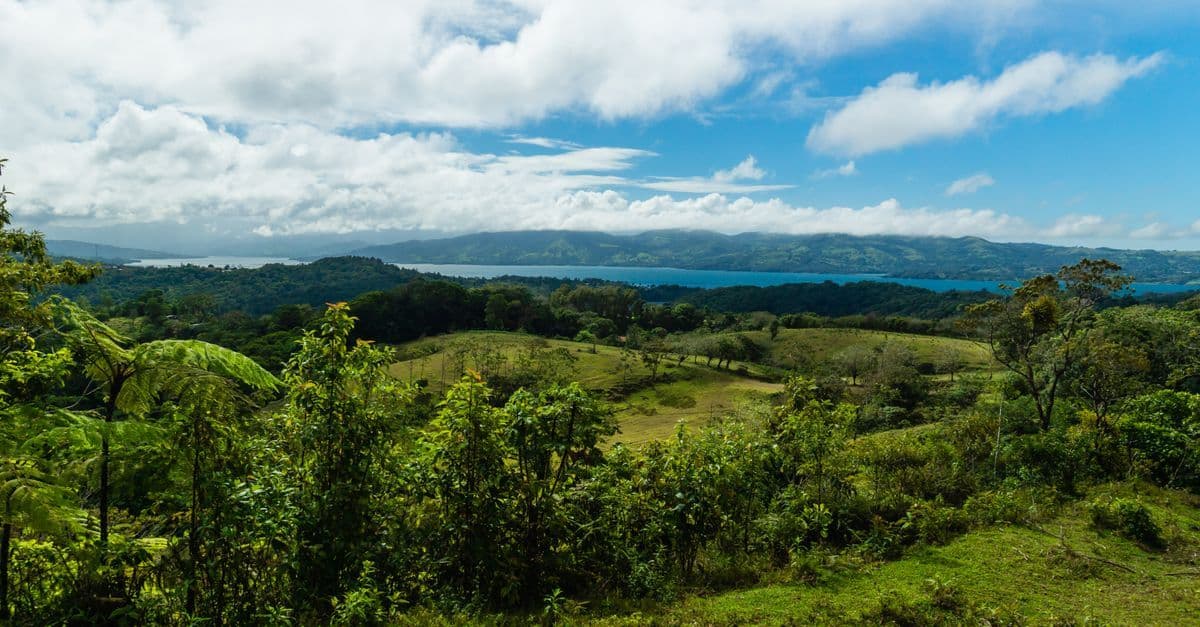
Six areas each pair a park or beach with a place to stay nearby
In the 2025 departure survey at Juan Santamaría airport, run by the Instituto Costarricense de Turismo (ICT), 62% of U.S. visitors did sun-and-beach activities and 64% did ecotourism. Guanacaste Airport (LIR) lists 16 U.S. destinations, including Los Angeles, Dallas, Chicago, New York and Miami, so a beach-first trip can skip the capital.
| Area | Where to stay | Why go | In December |
|---|---|---|---|
| Guanacaste coast | Tamarindo or Nosara, two of the dry-season beaches the ICT names | Dry-season beaches | Dry season has started |
| Arenal Volcano | La Fortuna | Volcano views, flat forest trails | Rainy season is ending, with cold fronts |
| Monteverde | Close to the preserve, since your slot is a fixed shuttle time | Cloud forest on timed walks | Mountain weather that changes fast |
| Manuel Antonio | Quepos or Manuel Antonio village | Beaches inside a rainforest park | Transition month; evening and night tours start in November |
| Uvita and Osa | Uvita for Marino Ballena; Drake or Puerto Jiménez near Corcovado, or Sirena or San Pedrillo station with your own tent | Whale's Tail sandbar, humpbacks, deep rainforest | Whales from the north arrive |
| Tortuguero | Barra del Tortuguero | Canals by boat, the green turtle beach | Rainiest month; no turtle nesting |
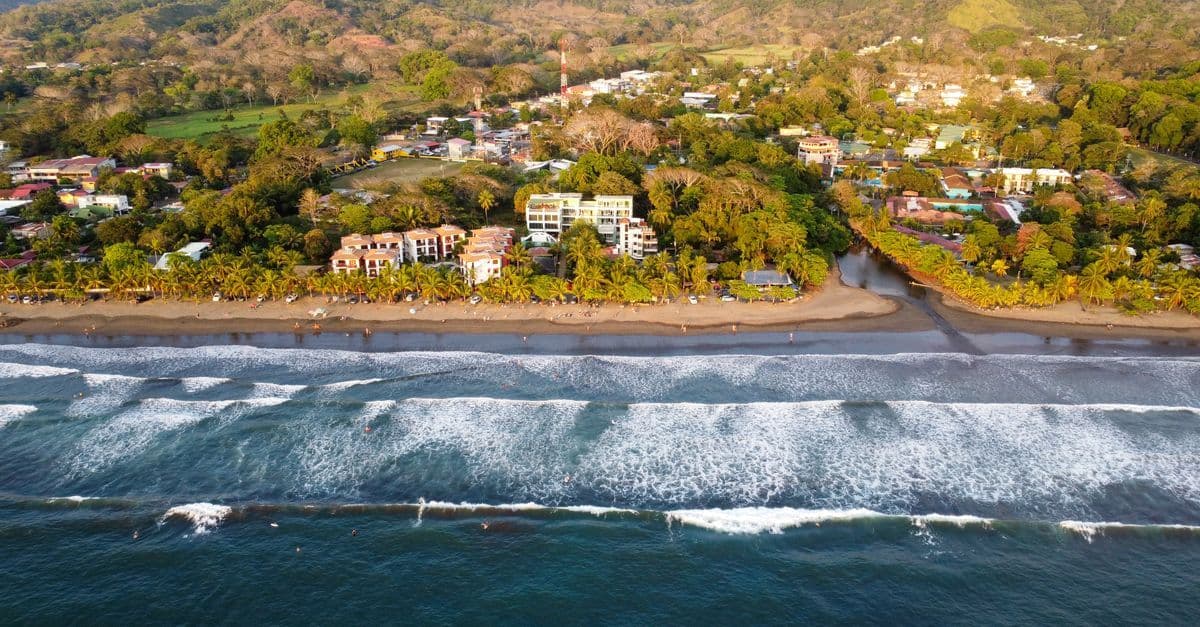
Guanacaste and the north Pacific coast
Guanacaste suits a beach-first week. In the ICT's 2025 survey at Guanacaste Airport, 86% of U.S. visitors did sun-and-beach activities, while 37% visited a national park or reserve. Flying in there puts you in the province from the start, and its dry season is already underway in December.
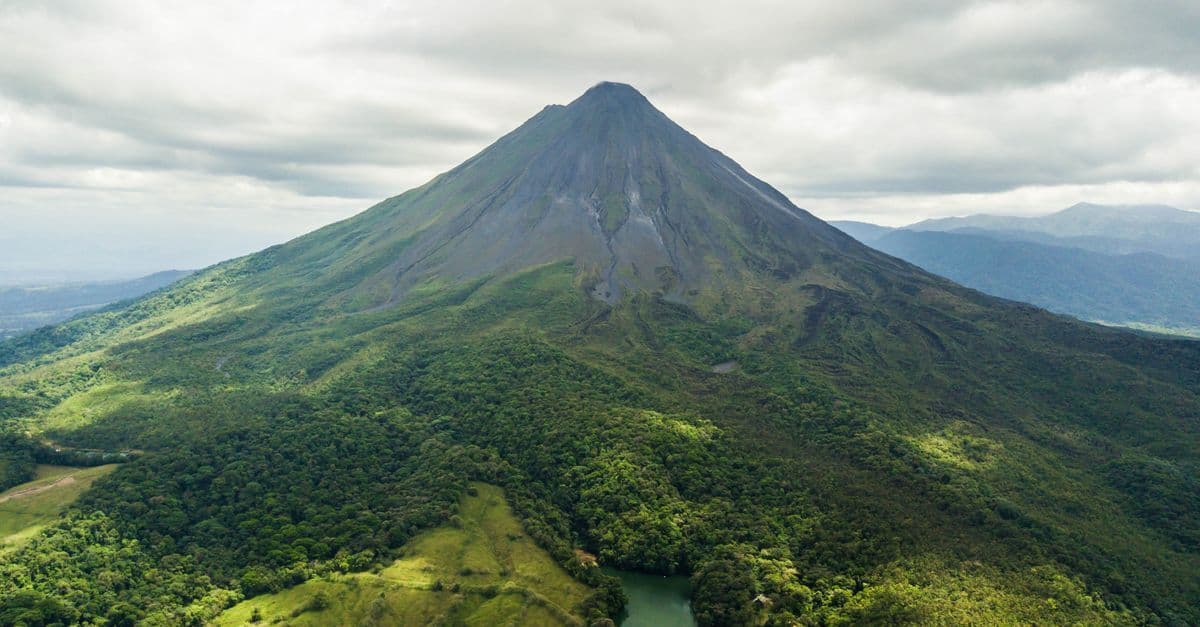
Arenal Volcano and La Fortuna
SINAC, Costa Rica's national park service, names La Fortuna de San Carlos as the home of Arenal Volcano National Park, which makes the town the natural base. The park opens daily from 8 AM to 4 PM, and it protects lava flows from 1992 and a ceiba tree more than 400 years old. The flat 1.7 km (1.1 mile) Coladas trail looks out on the cone and Lake Arenal, and the 2.3 km (1.4 mile) El Ceibo trail leads to the giant ceiba. Climbing the cone is strictly forbidden.
Monteverde's cloud forest
The Monteverde Cloud Forest Preserve is run by the Tropical Science Center, which calls itself Costa Rica's first environmental NGO, not by SINAC. It caps visitors each day and opens from 7:30 AM to 4 PM. Your time slot is the exact departure time of the shuttle from the visitor center, which sits 1 mile (1.5 km) below the entrance with free parking. Arrive 15 minutes early, leave umbrellas behind because they aren't allowed, and bring layers, since the preserve warns that mountain conditions shift quickly.
Manuel Antonio and the central Pacific
SINAC says Manuel Antonio National Park gets more visitors than any other protected area in the country. Its main entrance sits 7 km (about 4 miles) east of Quepos, and the park has no parking lot, so staying in Quepos or Manuel Antonio village keeps the trip short. SINAC warns that the one road between the two gets very busy in high season. Certified guides from a Quepos association work from an office inside the park, and from November to April they add late-afternoon and night tours on set days.
Uvita, Osa and the south Pacific
Marino Ballena National Park protects a 15 km (9 mile) strip of coast around Uvita. SINAC says humpback whales visit in two seasons: whales from the north from December to April, and whales from the south from July to November. The park's Whale's Tail, a sandbar of rock and sand, can only be reached during the roughly 6 hours of low tide, so check the tide table before you go. SINAC puts this park's dry season at mid-December to mid-April.
Farther south on the Osa Peninsula, Corcovado National Park admits visitors by reservation only. The trails from La Leona or Los Patos to Sirena Biological Station require a tour guide, and SINAC suggests three days for the full Los Patos, Sirena and La Leona route.
Tortuguero and the Caribbean coast
Tortuguero National Park protects the most important green turtle nesting beach in the Western Hemisphere. In the villages of Barra del Tortuguero and San Francisco, people get around by bicycle, and lodging, food and guides are run privately in Barra del Tortuguero. Nesting season runs from June to October, so a December trip misses it, and SINAC lists December and July as the park's rainiest months.
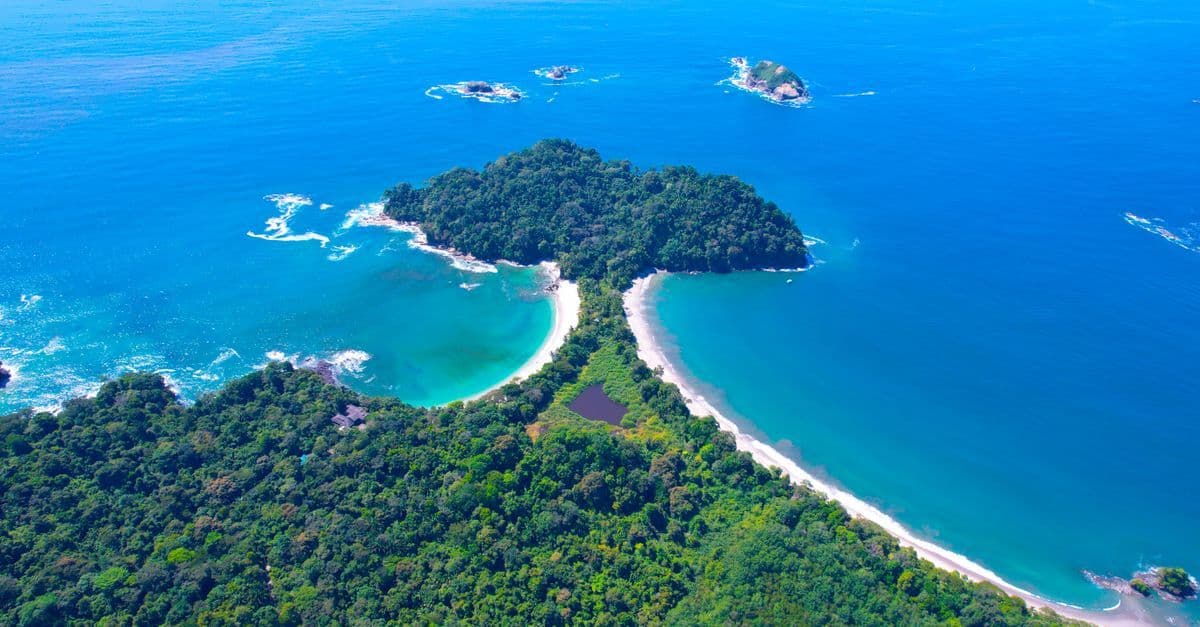
Popular parks sell timed tickets online, and rain doesn't earn a refund
SINAC sells timed tickets on its online reservation site for parks including Manuel Antonio, Tortuguero, Poás Volcano, Irazú Volcano, Rincón de la Vieja, Chirripó and Carara. You must arrive in the time slot you picked. SINAC doesn't refund a ticket if you can't go, or if clouds or rain spoil the view. If a park closes for an emergency, you can email SINAC to change the date.
Manuel Antonio has the tightest rules. It's open Wednesday to Monday from 7 AM to 3 PM and closed on Tuesdays, and its tickets are sold only online. Each personal account gets one purchase a day, of up to 6 tickets.
Parks outside the online system sell tickets at the entrance, by credit or debit card. Corcovado works differently: you request a reservation by email, then pay by bank deposit. Here's how the main parks compare, using SINAC's fees for non-resident adults with tax included, as of October 2026.
| Park | Non-resident adult | Hours | How to buy |
|---|---|---|---|
| Manuel Antonio | $18.08 | Wednesday to Monday, 7 AM to 3 PM | SINAC website only |
| Arenal Volcano | $16.95 | Daily, 8 AM to 4 PM | At the entrance, by card |
| Tortuguero (Cuatro Esquinas and Jalova sectors) | $16.95 | Daily, 6 AM to noon and 1 PM to 4 PM | SINAC website |
| Corcovado | $16.95 | Daily, 7 AM to 3 PM | Email reservation, bank deposit |
| Marino Ballena | $6.78 | Daily; Uvita sector 7 AM to 5 PM | At the sector entrance, card only |
Non-resident children pay $5.65 at all five parks, and Manuel Antonio and Corcovado let children under 2 in free. Book early for December: the ICT counted 316,226 visitors arriving by air in December 2025.
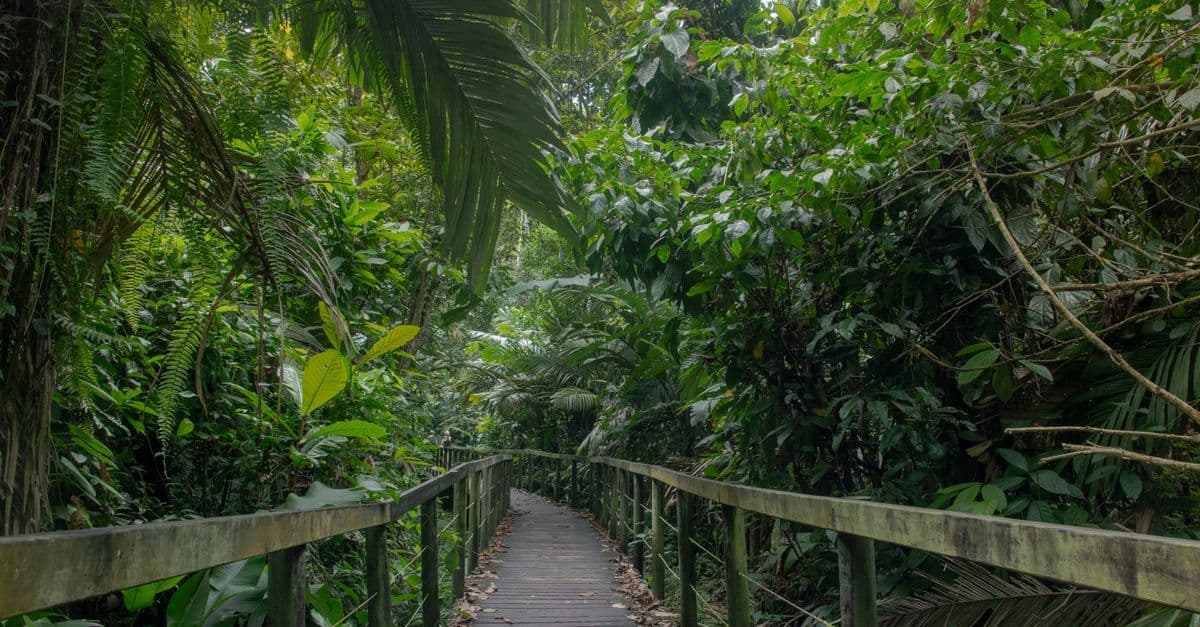
U.S. citizens enter with a passport, a return ticket and an address
U.S. citizens don't need a visa for a tourist stay. The U.S. State Department says immigration may allow up to 180 days, but that isn't guaranteed, so leave by the departure date you're given. Costa Rica's tourism institute says the stay can't be extended. Have these ready at immigration:
- A passport in good condition. The State Department says it must be valid for your whole stay, and that immigration may refuse a damaged one.
- A return ticket, or proof that you're traveling on to another country.
- The exact address where you're staying, which Guanacaste Airport lists as a requirement.
- Proof that you can pay for the trip. The ICT lists at least $100 for each month, or part of a month, of your stay.
- A yellow fever vaccination certificate, if you're arriving from certain countries in South America or Africa, the State Department says. Guanacaste Airport's copy of the Ministry of Health list includes Brazil, Peru and Nigeria.
Costa Rica also charges a $29 departure tax per person. Guanacaste Airport says most airlines include it in the fare. If yours doesn't, you pay it at the Bank of Costa Rica in that airport's lobby before you check in.
As of October 2026, the State Department rates Costa Rica at Level 2, "Exercise increased caution," because of crime. In September 2026, the U.S. Embassy in San José posted health alerts about dengue, chikungunya and hepatitis A. Rules and alerts change, so read the State Department and embassy pages again in the week before you fly.
The average U.S. visitor spends more than $1,000 a week
Is $1,000 enough for a week in Costa Rica? For the average U.S. visitor, it isn't. The ICT surveys travelers as they fly home, and its 2025 airport surveys put average U.S. spending above $1,000 a week at both Juan Santamaría and Guanacaste airports.
| U.S. visitors flying home from | Average stay | Average spending per person | Per night |
|---|---|---|---|
| Juan Santamaría (SJO) | 9.0 nights | $1,543 | About $171 |
| Guanacaste (LIR) | 7.1 nights | $2,041 | About $287 |
That figure covers spending during the stay in Costa Rica. The ICT's year-end report says lodging takes the biggest share, followed by food and transportation within the country. It explains the gap between airports, too: Guanacaste draws more high-spending beach travelers, while visitors who leave through Juan Santamaría take longer trips and spend less on average.
A $1,000 week works out to about $143 a night per person, below both averages in the table. Park fees add up for families: two adults and two children aged 2 to 12 pay $47.46 to enter Manuel Antonio.
Getting around means shuttles, buses and small boats
- From Guanacaste Airport: the airport tells arriving travelers to use only authorized taxis, private shuttles and shared transport, which you can spot by their official credentials and company uniforms.
- To Uvita by bus: SINAC says to take a Tracopa bus from San José that runs via the Costanera coastal highway and stops in Uvita. From San Isidro, Transportes Blanco runs a route to Uvita. Once there, you arrange a private ride to the park sector you want.
- To Tortuguero: there's no road in. Small boats carry visitors through the canals.
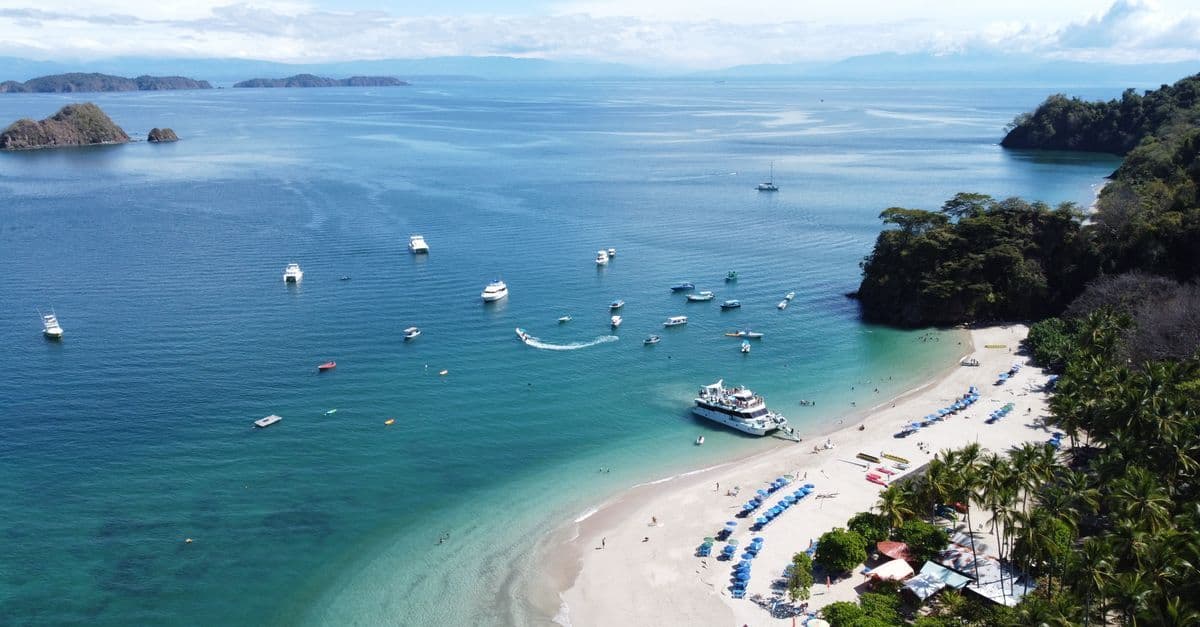
Park rules that catch first-time visitors off guard
- Don't feed the wildlife. SINAC bans it at Manuel Antonio, because some foods seriously harm animals and change how they behave.
- Skip the shade of the manzanillo tree. SINAC says the manzanillo on Manuel Antonio's beach is toxic, so don't sit under it, touch it or eat its fruit.
- Pack light for Manuel Antonio. The park bans umbrellas, balls, tents, hammocks, alcohol and smoking. Food stays off the trails and beaches, and you can only eat in the park's food concession area.
- Wear closed shoes. Manuel Antonio advises against sandals on its forest trails, and Corcovado recommends closed shoes or rubber boots.
- Leave single-use plastic behind at Corcovado. The park bans it, along with picnics.
- Leave pets at home. SINAC doesn't allow them in any protected area.
- Expect night limits on Tortuguero's beach. From March 1 to October 31, SINAC restricts beach access from 6 PM to 6 AM to protect nesting turtles.
Mobile data keeps the timed bookings on track
Much of this plan assumes you can get online away from hotel Wi-Fi: buying a timed ticket, checking the tide before the Whale's Tail, or confirming a shuttle pickup at the airport. Our Costa Rica plans run on Claro's 4G network.
A HelloRoam plan is data only. On a dual-SIM phone, your U.S. line stays active for calls and texts, at whatever rates your U.S. carrier charges abroad. That matters at checkout: if your bank confirms card payments by text, the code goes to your U.S. number, and SINAC's ticket site recommends allowing pop-ups for 3DS, a bank security check.
Before you go, check your phone's eSIM support, then follow the install steps before you fly.
To pick a plan size, estimate a week's data use first. If you'll spend the whole week at one Guanacaste resort with good Wi-Fi, you may not need mobile data at all.
Questions travelers ask
Can I pay with U.S. dollars in Costa Rica?
Yes, in most places visitors go. The colón is Costa Rica's currency, but the ICT says U.S. dollars and major credit cards are widely accepted. SINAC sets park fees for non-residents in dollars and takes cards online and at park entrances.
Do you tip in Costa Rica?
Usually not on top of the bill. The ICT says restaurant and hotel prices include 13% value added tax and a 10% tip in the final price. If the service was exceptional, you're welcome to leave more.
Do I need a plug adapter in Costa Rica?
Usually not. The ICT says outlets are 110 V and take standard U.S. two-prong plugs, so two-prong U.S. chargers fit without an adapter.
Sources
- Instituto Meteorológico Nacional (IMN), Clima en Costa Rica and regional climate documentsimn.ac.cr
- IMN, El clima y las regiones climáticas de Costa Ricaimn.ac.cr
- IMN, Pacífico Norte climate documentimn.ac.cr
- IMN, Pacífico Central climate documentimn.ac.cr
- IMN, Pacífico Sur climate documentimn.ac.cr
- IMN, Zona Norte climate documentimn.ac.cr
- IMN, Vertiente Caribe climate documentimn.ac.cr
- SINAC, online reservation and payment system (SICORE) and FAQserviciosenlinea.sinac.go.cr
- SINAC, Parque Nacional Manuel Antonio: hours, fees, services and rulessinac.go.cr
- SINAC, Parque Nacional Marino Ballena: hours, fees, whale seasons, tides and accesssinac.go.cr
- SINAC, Parque Nacional Volcán Arenal: hours, fees, trails and rulessinac.go.cr
- SINAC, Parque Nacional Corcovado: reservations, guides, hours, fees and rulessinac.go.cr
- SINAC, Parque Nacional Tortuguero: access, nesting season, hours, fees and rulessinac.go.cr
- Monteverde Cloud Forest Preserve (Tropical Science Center), how we operate and FAQcloudforestmonteverde.com
- Instituto Costarricense de Turismo (ICT), Encuesta Aérea de No Residentes, Aeropuerto Juan Santamaría 2025ict.go.cr
- ICT, Encuesta Aérea de No Residentes, Aeropuerto Daniel Oduber Quirós 2025ict.go.cr
- ICT, Situación del turismo en Costa Rica: informe enero-diciembre 2025ict.go.cr
- Guanacaste Airport (LIR), immigration requirementsguanacasteairport.com
- Guanacaste Airport (LIR), departure taxguanacasteairport.com
- Guanacaste Airport (LIR), destinationsguanacasteairport.com
- Guanacaste Airport (LIR), transportationguanacasteairport.com
- Visit Costa Rica (ICT), entry requirementsvisitcostarica.com
- Visit Costa Rica (ICT), travel tips: currency, tipping, electricityvisitcostarica.com
- U.S. Department of State, Costa Rica travel advisory and country informationtravel.state.gov
- U.S. Embassy in Costa Rica, alerts (Level 2 banner; health alerts of September 11, 23 and 25, 2026)cr.usembassy.gov
- Visit Costa Rica (ICT), climate and dry-season ideas by regionvisitcostarica.com
Written by
HelloRoam Team
The HelloRoam Team writes our guides on trip planning, visas and eSIMs. For every new or updated guide, we check each fact at its source. Sources include government, park and weather service pages. We note the date we read each one. A second review then checks every fact against its source before the guide goes live. If we cannot confirm a fact, we leave it out. We link those sources inside the guide, so you can check them.