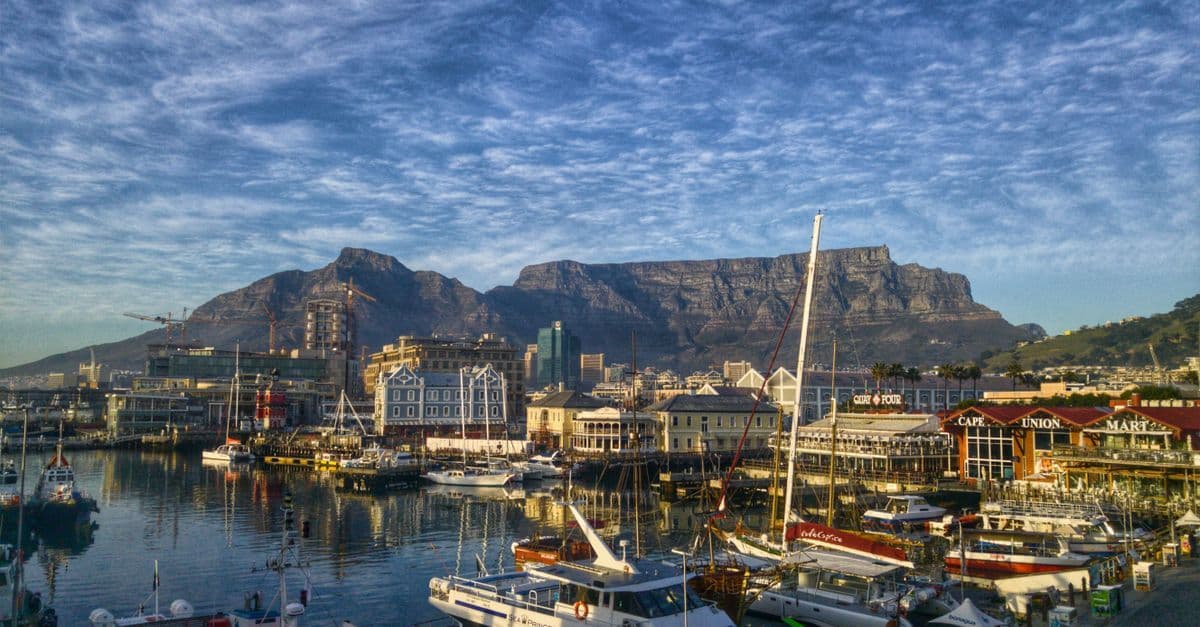
With a HelloRoam Cape Town eSIM set up before the flight, ride apps, maps and messages home all work from the arrivals hall.
No travel can be guaranteed safe, the FCDO says, and violent crime can happen anywhere, including in tourist destinations. Its Cape Town warnings include attacks on the roads to and from the airport and muggings in Table Mountain National Park. Most of its advice comes down to habits you can plan before you land: booked transport, busy places in daylight and nothing valuable on show.
The FCDO warns of high crime but advises against no part of South Africa
The Foreign, Commonwealth & Development Office (FCDO) does not use numbered risk levels. It can advise against 'all travel' or 'all but essential travel' to a country or an area, and for South Africa it does neither. What it does say is plain. South Africa has a high crime rate, and the crimes it lists include violent muggings, carjacking, 'smash and grab' attacks on cars, house robbery, rape and sexual assault, and murder.
 Get your South Africa eSIM before you flyInstall it at home, then switch on data roaming for it when you land. From £2.14.See South Africa plans
Most violent crime happens in townships, informal settlements and other high-density areas, in some city centres and in isolated places, and the threat is higher after dark. There have been violent incidents involving tourists at popular sights. Main tourist areas usually have security staff who can help, but the FCDO notes that policing is limited and asks visitors to stay cautious.
Other warnings apply across the country. The FCDO says terrorists are likely to try to carry out attacks in South Africa, with tourist sites, shopping centres and crowded places among possible targets. It also reports regular protests that can turn violent at short notice, and a rise in xenophobic marches and violence aimed mainly at African immigrants. Keep away from protests and never cross a protester roadblock.
If you have seen 'Level 2' quoted in search results, that is the US State Department's scale, not UK advice. Its advisory, dated May 2025, rates South Africa Level 2, 'Exercise increased caution'. It also says its own staff need special authorisation to visit many informal settlements in and around Cape Town.
Where the FCDO's warnings apply in Cape Town
The FCDO's advice covers the whole country, so its Cape Town points are spread across a long page. This table gathers them with the national warnings that matter most in the city.
| Place or situation | What the FCDO says | What to do |
|---|---|---|
| Roads to and from Cape Town airport | Violent crime and targeted attacks have increased, including on visitors driving hired cars. | Stay on the M3 and N2, not the R300. Take the airport approach road (exit 16 on the N2), not Borcherd's Quarry Road. |
| Table Mountain National Park, including Lion's Head and Signal Hill | There have been recent violent attacks and muggings against hikers and foreign tourists. | Use busy, marked trails in a group of 4 or more, and avoid quiet areas early and late in the day. |
| Townships and informal settlements | Most violent crime happens here and in other high-density areas. | Go only with a responsible, reliable tour guide. |
| Beaches and picnic spots | Avoid isolated beaches and picnic spots. | Do not walk alone on beaches when they are deserted, especially at night. |
| Taxi ranks and transport hubs | Avoid local transport hubs. Tension between ride-app and metered taxi drivers has led to armed violence, including at airports. | Plan journeys that avoid busy taxi ranks and hubs. |
Airport transfers and hire cars need a route plan
The trip from Cape Town International Airport is the first thing to plan. If you drive, follow the route in the table above, taken from the FCDO's safety and security advice. Borcherd's Quarry Road, the turn it says to avoid, leads to Nyanga. Make a journey plan before you set off, talk it through with a local contact you trust and do not let GPS take you off main roads.
For an easier arrival, ask your hotel or tour operator to meet you. If you book a ride, the FCDO's advice is to use an internationally recognised app and to:
- book through the app, and be wary of drivers at the airport who claim to be from Uber or another app;
- wait in a safe place until the car arrives, not out on the street;
- check that the registration and the driver's ID match the booking before you get in;
- keep your phone and valuables out of sight, and ask the driver to lock the doors and close the rear windows.
If you take a taxi instead, wait in the marked pick-up area where there is one.
Once you are driving, carjacking and robbery are common, especially after dark and at traffic lights, junctions, petrol stations and driveways. Thieves break windows to grab bags at junctions. Keep the windows closed and valuables in the boot, and ask the hire firm for 'smash and grab' film on the glass. Lock the car and check the doors by hand, because criminals can block central locking with jamming devices. When you stop in traffic, leave enough room to see the tyres of the car in front.
Criminals sometimes pose as police, using blue lights on plain, often white, cars. If you are suspicious, the FCDO says do not stop: drive on to a police station, a petrol station or another safe place and call the police from there. Do not pick up strangers or stop for drivers who appear to be in trouble.
A UK photocard driving licence lets you drive in South Africa for up to 12 months. If you still hold a paper licence, get the 1968 international driving permit before you go. Hire firms can set stricter rules, such as a higher minimum age. Speed limits are usually 120km/h on highways and 60km/h on major roads, and on highways drivers overtake and undertake in any lane, including the hard shoulder.
MyCiTi buses are the safer choice in the centre and on the Atlantic Seaboard
The FCDO puts the MyCiTi bus in the central business district and along the Atlantic Seaboard on its list of generally safer, more reliable transport. Airport shuttles run by internationally recognised hotels, rides booked and confirmed through an internationally recognised app and researched private hire are on the same list. Minibus taxis, Metrorail trains and long-distance public trains and coaches carry a greater risk of theft, violence and unreliable service.
Every passenger needs a myconnect card to ride a MyCiTi bus, and the service has an official app for iOS and Android for planning trips. One limit matters: do not take MyCiTi to the townships, where the FCDO reports violent attacks in Khayelitsha. Minibus taxis are minimally regulated, and erratic driving and run-ins with other road users are common.
After dark, take a booked ride rather than walk
The FCDO's answer on walking around Cape Town at night is short. Its list of personal safety steps for South Africa includes one plain line: do not walk around after dark.
For an evening out, book a ride from door to door through an app, travel with friends if you can and make sure someone knows your plans.
Take only what you need. The FCDO suggests leaving expensive-looking jewellery behind and keeping valuables out of sight, and it warns that resisting a robbery can lead to a violent response.
Table Mountain hikes are safest in a group of four or more
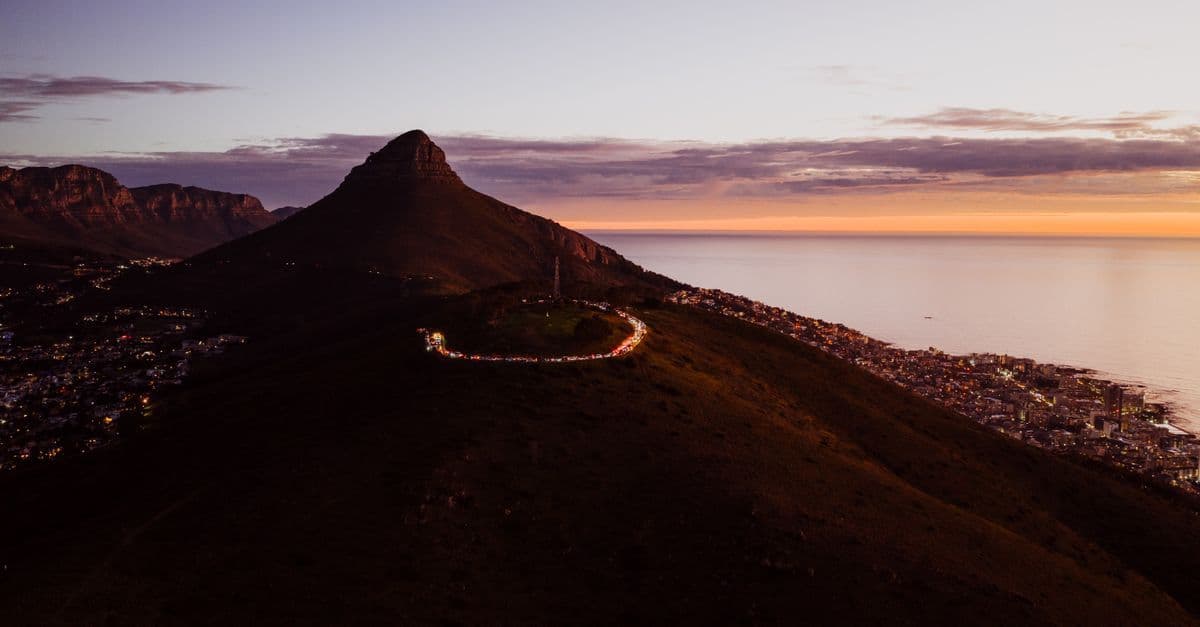
The table above sets out the FCDO's attack warning for the whole park, Lion's Head and Signal Hill included. The FCDO also suggests hiking on popular days such as weekends.
The trails are also hard work, and mountain rescuers get regular calls to help hikers. Start early to miss the summer heat, finish before dark and check SANParks, which runs the park, for hazards such as wildfires. If you plan to ride the cable car down, check it is running before you climb. Save the number for Wilderness Search and Rescue, +27 21 937 0300, before you set off.
Scams target cards, cash machines and online contacts
The FCDO describes card skimming and confidence scams as widespread in South Africa. Beyond the fake ride-app drivers and fake police covered above, these are the tricks it names, with what to do about each.
| Scam | How it works | How to avoid it |
|---|---|---|
| People posing as officials | Criminals pose as officials for money or other gain. | Ask to see ID and move to a safe, open public place. Police must carry an appointment certificate. |
| Help at the cash machine | Strangers offer to help you, or try to lure you to an ATM. | Hide your PIN and turn down help. Change large sums only in banks or secure shopping malls. |
| Card skimming | Card details are copied when you pay or withdraw cash. | Keep your card in sight when you pay, and check your banking app for payments you do not recognise. |
| Romance, job and visa offers | Approaches online or on dating apps lead to requests for money or fake visa services. | Never send money to someone you have not met. The FCDO says a full British citizen passport needs no visa for a tourist visit of up to 90 days; any visa you do need goes only through the Department of Home Affairs. |
Women and solo travellers should plan evenings with extra care
The FCDO reports that solo and women travellers in South Africa have received unwanted attention and have been assaulted. Its advice on dating apps applies here. Criminals use them to rob, rape or sexually assault victims, so meet in well-lit public places and always tell friends or family your plans.
Be wary of strangers who offer free drinks, rides or sudden personal attention. The FCDO reports drink spiking linked to robbery and sexual assault, with both male and female victims. If you think your drink has been spiked, get medical help straight away and contact the police. The FCDO also publishes information for survivors of sexual assault in South Africa.
British visitors face risks the FCDO spells out
Some of the FCDO's advice speaks to British visitors directly. The risk of kidnap is rising across South Africa, and British nationals can be seen as wealthier than locals, which may put them at particular risk of kidnap for money. Express kidnappings are short abductions, often after dark, in which victims may be held for up to several days while criminals use their bank cards.
To lower that risk, the FCDO suggests you:
- avoid wearing expensive clothes or jewellery in public;
- avoid predictable routines and isolated areas;
- share less personal information online;
- use secure transport and keep car doors locked.
There is no healthcare agreement between the UK and South Africa. Private care is of a very high standard but can be expensive, so the FCDO advises travel insurance that covers treatment abroad and repatriation.
Carry a copy of your passport photo page and the page with your visitor's permit, because officials can ask for ID at any time. Keep the passport itself in a hotel safe. The FCDO says personal consumption of cannabis is considered legal, but illegal drugs, cannabis included, carry severe penalties, and all other drug possession, use or smuggling is illegal, including in transit through an airport. British nationals have been arrested for trying to carry drugs, cannabis among them, to the UK, and the FCDO warns of long jail sentences and heavy fines.
Beaches bring rip currents, seals and shark flags
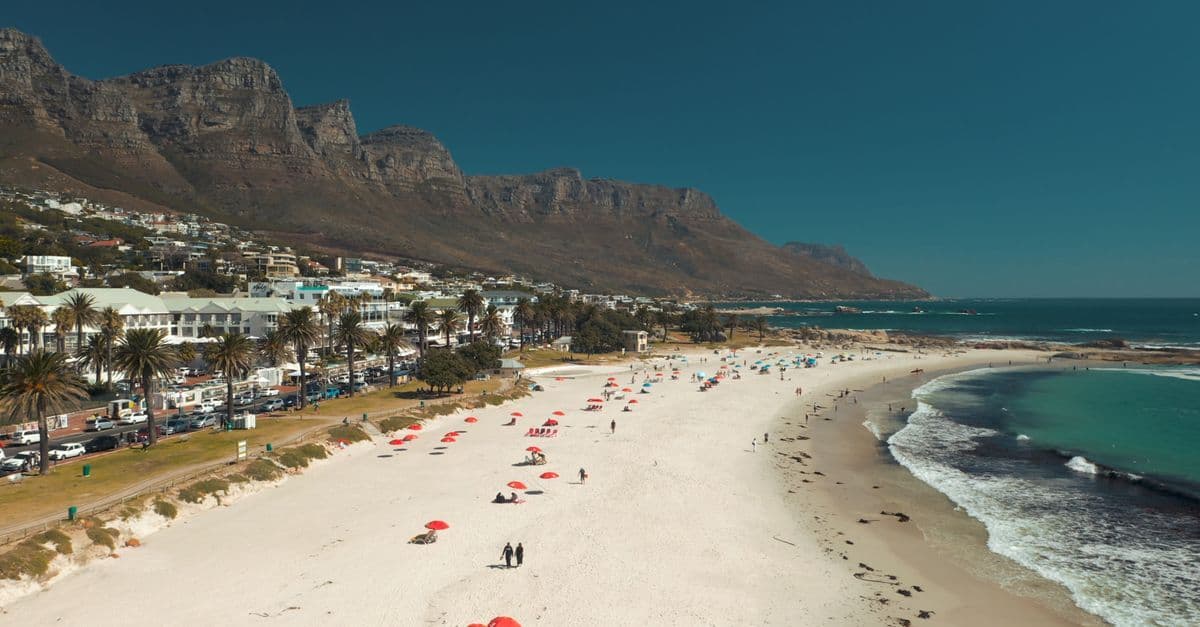
The FCDO says many people drown off South Africa every year because of strong currents. On busier beaches, swim only between the red and yellow flags, read the warning signs and follow the lifeguards. Where there are no flags or signs, ask local people about conditions and stay out of the water if in doubt. The NSRI, South Africa's sea rescue service, explains how to spot a rip current, and its emergency line is +27 87 094 9774.
Seals can bite, and rabies has been found in seals along the Cape Peninsula coast. If one bites you, get medical help straight away and tell the authorities.
At beaches covered by the Shark Spotters programme, trained spotters watch the water. Their flags show good spotting conditions, poor spotting conditions, a high shark alert or a shark sighting. When a shark is spotted, a siren sounds and everyone should leave the water. No flag means no spotter is on duty.
Power cuts can switch off lights, alarms and phone signal
Planned power cuts, known in South Africa as loadshedding, have fallen sharply, but the FCDO says cuts can still happen. They can hit hotels and holiday lets, mobile networks and Wi-Fi, cash machines, traffic lights and security systems such as alarms and electric fences. The FCDO adds that crime risk can be higher where lights and alarms are off.
Ask your accommodation how it copes with cuts. Carry a charged power bank, spare cables and a torch, and write down your emergency numbers on paper.
Set up mobile data at home so it works when you land
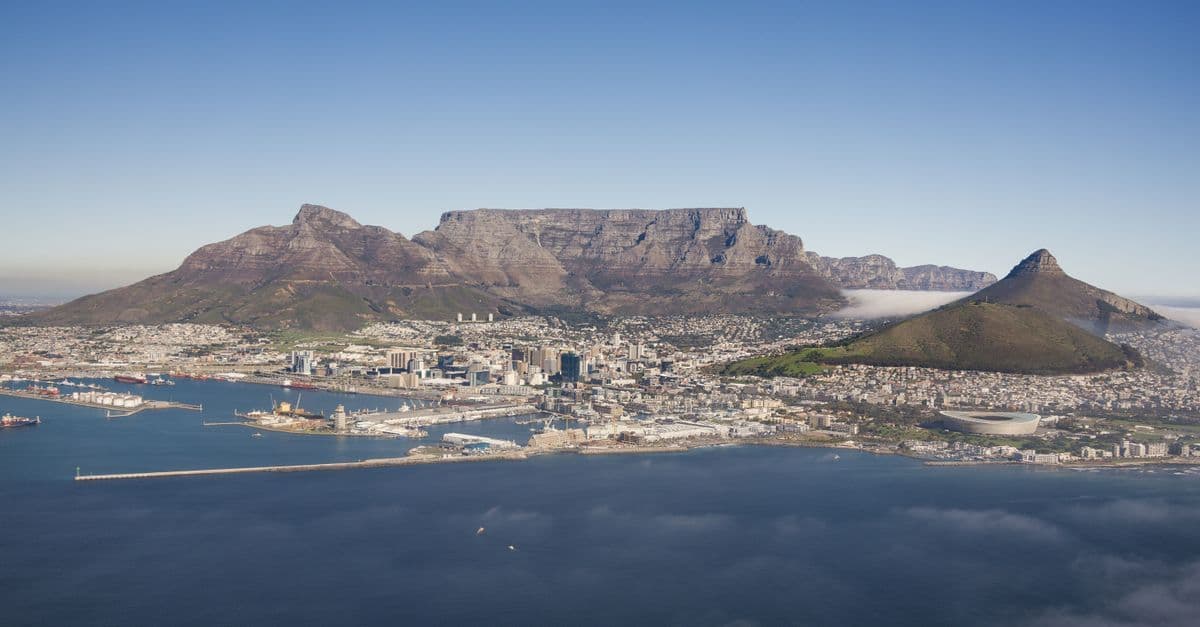
HelloRoam's South Africa plans connect to the Vodacom network. They work across the country wherever Vodacom has signal, so the same South Africa data plans cover a road trip along the coast as well as a city stay. If you usually roam on your UK plan, see how an eSIM compares with roaming before you choose.
Data matters for the habits in this guide: booking rides in the app, sharing your plans with someone at home, planning MyCiTi trips and checking for FCDO updates. Install your eSIM at home before you leave the UK so it is ready when you land, and first check your phone works with eSIM. On a dual SIM phone, your UK SIM can stay active alongside it for calls and texts.
If Cape Town is one stop on a longer trip through Botswana or Zambia, an Africa regional plan keeps one eSIM working across those borders. In South Africa, that plan can use the MTN, Vodacom, Cell C or Telkom networks.
On a fully guided tour with transfers and hotel Wi-Fi, you may need very little data. Estimate your trip's data use before you pick a plan. If the setup stalls, HelloRoam support answers 24/7.
Emergency numbers and the British Consulate-General in Cape Town
| Service | Number |
|---|---|
| All emergencies from a mobile | 112 |
| Police | 10111 |
| Ambulance and fire | 10177 |
| City of Cape Town emergency line | 021 480 7700 from any phone, or 107 from a landline |
| Sea rescue (NSRI) | 112 or +27 87 094 9774 |
| Wilderness Search and Rescue | +27 21 937 0300 |
| FCDO in London, for family in the UK (24 hours) | +44 20 7008 5000 |
The national numbers come from the FCDO's getting help page for South Africa. The City line is on the City of Cape Town's emergency contact numbers page.
The British Consulate-General in Cape Town is on the 15th floor of Norton Rose House, 8 Riebeek Street, on the Foreshore. Visits are by appointment only, but consular support is available by phone 24/7 through the FCDO's contact page. Staff prioritise emergencies, such as someone who is ill, injured or caught up in a crime, and you can apply online for an emergency travel document if your passport is lost or stolen.
Advice can change at short notice. Read the FCDO's South Africa page again shortly before you fly, and sign up for its email alerts so any update reaches you.
Questions travellers ask
Which is safer, Johannesburg or Cape Town?
The FCDO does not rank South African cities, and both share its national warnings on high crime, townships and going out after dark. The local notes differ. Cape Town has the airport road attacks and Table Mountain muggings. Johannesburg has robberies of people followed from OR Tambo airport and violence between taxi and ride-app drivers near Gautrain stations.
Is Cape Town safe for LGBT+ travellers?
Same-sex sexual activity is legal in South Africa, and discrimination based on sexual orientation is illegal, according to the FCDO. Its crime advice in this guide, including the dating-app warning for women and solo travellers, applies to every visitor.
What should I do if I'm robbed in Cape Town?
Get to a safe place and call the police on 10111, or 112 from a mobile. Report the crime before you leave South Africa if you want it investigated, and ask for a crime report for your insurer. Cancel stolen cards, report a stolen passport straight away and apply online on GOV.UK for an emergency travel document if you cannot get a new passport in time.
Sources
- FCDO: South Africa travel advice (updated 8 July 2026, still current 2 October 2026)www.gov.uk
- FCDO: South Africa travel advice, Safety and securitywww.gov.uk
- FCDO: South Africa travel advice, Healthwww.gov.uk
- FCDO: South Africa travel advice, Getting helpwww.gov.uk
- GOV.UK: British Consulate-General Cape Townwww.gov.uk
- GOV.UK: Reporting a crime abroad and getting helpwww.gov.uk
- FCDO: Information for survivors of rape and sexual assault in South Africawww.gov.uk
- US State Department: Travel Advisories feed (South Africa, Level 2, 27 May 2025)travel.state.gov
- MyCiTi: official site (myconnect card, official app)www.myciti.org.za
- NSRI: All about rip currentswww.nsri.org.za
- Shark Spotters: Flag systemsharkspotters.org.za
- Wilderness Search and Rescue Western Capewsar.org.za
- FCDO: About FCDO travel advicewww.gov.uk
- City of Cape Town: Emergency contact numberswww.capetown.gov.za
Written by
HelloRoam Team
The HelloRoam Team writes our guides on trip planning, visas and eSIMs. For every new or updated guide, we check each fact at its source. Sources include government, park and weather service pages. We note the date we read each one. A second review then checks every fact against its source before the guide goes live. If we cannot confirm a fact, we leave it out. We link those sources inside the guide, so you can check them.