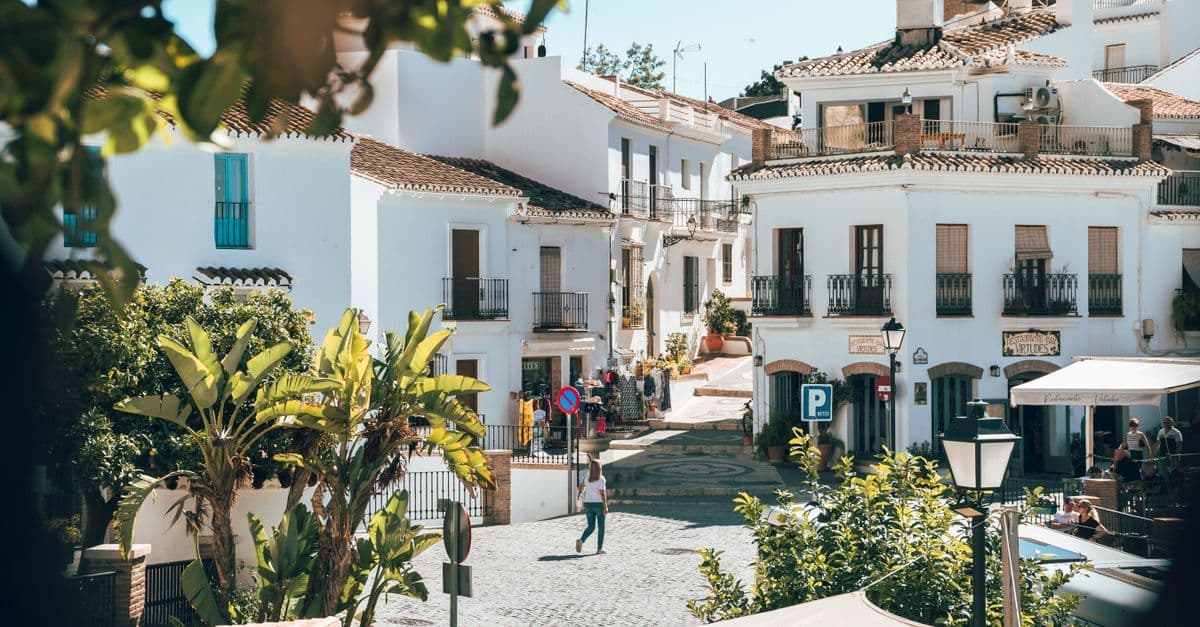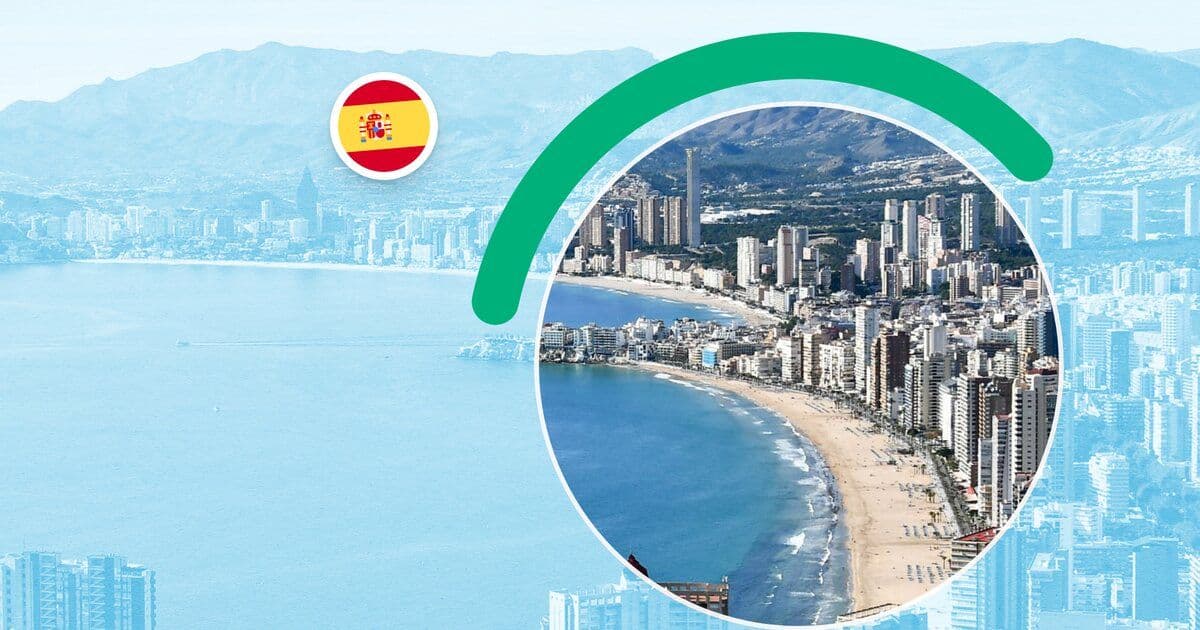
Once you've booked, a HelloRoam Barcelona eSIM gets you online as you land at El Prat, so Aerobús times, Sagrada Família tickets and maps of the Gothic Quarter are on your phone from the start.
Barcelona is the capital of Catalonia, a region of Spain, so it is not in the UK, and British visitors follow Spain's entry rules (see the last section).
Barcelona weather, crowds and hotel rates by month
Spain's weather service, AEMET, publishes long-term averages for Barcelona airport, based on 1981 to 2010. Summers are warm, winters are mild and autumn is the wettest season.
 Get your Spain eSIM before you flyInstall it at home, then switch on data roaming for it when you land. From £2.09.See Spain plans
| Month | Average high | Average low | Rain | Rain days |
|---|---|---|---|---|
| January | 13.6°C | 4.7°C | 37 mm | 3.7 |
| February | 14.3°C | 5.4°C | 35 mm | 4.0 |
| March | 16.1°C | 7.4°C | 36 mm | 4.5 |
| April | 18.0°C | 9.4°C | 40 mm | 5.1 |
| May | 21.1°C | 12.8°C | 47 mm | 4.7 |
| June | 24.9°C | 16.8°C | 30 mm | 3.6 |
| July | 28.0°C | 19.8°C | 21 mm | 1.8 |
| August | 28.5°C | 20.2°C | 62 mm | 4.5 |
| September | 26.0°C | 17.4°C | 81 mm | 5.2 |
| October | 22.1°C | 13.5°C | 91 mm | 6.3 |
| November | 17.3°C | 8.6°C | 59 mm | 5.1 |
| December | 14.3°C | 5.7°C | 40 mm | 4.4 |
Rain days are days with at least 1 mm. July and August are the warmest months, with average highs of 28.0°C and 28.5°C, and October is the wettest, with 91 mm.
Hotel stays peak in summer. Spain's statistics office, INE, counted 2.27 million hotel overnight stays in Barcelona in August 2026. That was the most of any month from July 2025 to August 2026, against 1.51 million in January 2026, the fewest.
Busy months are not always the dearest. INE's average daily rate is the average income a Barcelona hotel earned per occupied room. Over the same 14 months, it was highest in May 2026 (€223.37) and June 2026 (€214.34). August 2026 averaged €175.42, while December 2025 (€131.41) and January 2026 (€135.13) were the cheapest months.
For lower room rates, look at November to February, when average highs run from 13.6°C to 17.3°C. January's average low is 4.7°C and August's is 20.2°C, and our packing list for summer and winter covers both.
For a beach holiday, check the lifeguard season. In 2026, Barcelona City Council ran lifeguards on every city beach daily from 30 May to 13 September, from 10.30am to 7.30pm. On set dates between 28 March and 29 May, from 14 to 27 September and on 3 and 4 October, they worked shorter hours, from 10.30am to 6.30pm. Outside those dates there is no lifeguard service, so check the 2027 calendar before a spring or autumn beach trip.
La Mercè and the public holidays to plan around
La Mercè is Barcelona's city festival, held in late September around the 24 September local holiday. In 2026 it ran from 23 to 27 September, with around 500 activities, and ended with a music and fireworks show on Nova Icària beach.
Barcelona has 14 public holidays in 2027. The City Council's calendar includes Good Friday (26 March), Easter Monday (29 March), Sant Joan (24 June), Catalan National Day (11 September) and La Mercè (24 September). The last three holidays of 2026 are 8, 25 and 26 December. Opening hours can change on holidays. Sagrada Família, for example, opens from 9am to 2pm on 25 and 26 December and on 1 and 6 January.
Sagrada Família and Park Güell sell timed tickets online
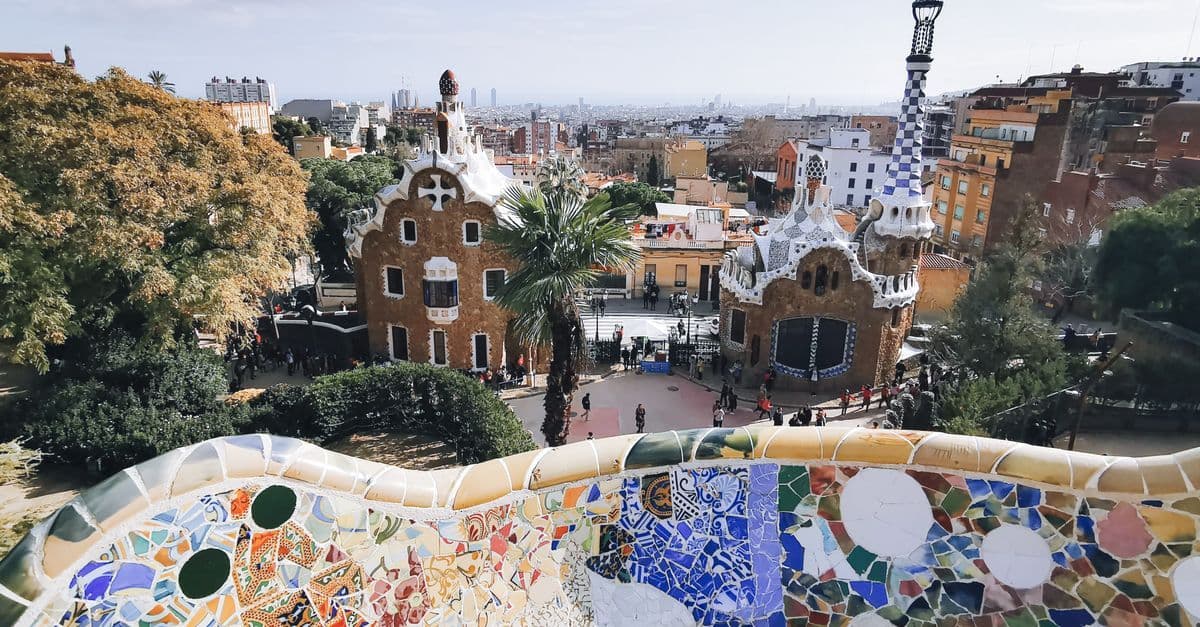
Both of these Gaudí sights sell named tickets for a set entry time, and late arrivals can lose their place. Book them before you fly.
Sagrada Família sells tickets online and through its official app, from roughly two months before the visit. Each ticket carries the visitor's name, so bring photo ID. A ticket is valid only for the time you choose: arrive late and you will not get in. A ticket with a tower visit costs more than basic entry, and bags are not allowed up the towers, so there are lockers for them. The basilica also has a dress code: no swimwear or see-through clothes, and trousers and skirts must reach at least mid-thigh. Hats are not allowed in the nave or museum, except for religious or health reasons.
Since 2 February 2026, 9am to 10am has been a quiet hour inside the basilica. Visits carry on, but any audio needs earphones.
Park Güell sells tickets on its official website up to three months ahead, up to seven per transaction. Tickets are named and cannot be cancelled, but you can change the date and time up to the day before your visit if there is space. You have 30 minutes after the time on your ticket to get in, and staff may check your ID against the name. Once you leave, you cannot go back in. The ticket covers the area with most of Gaudí's well-known works, plus green areas and panoramic views of the city. The official site says the rest of the park is nature and leisure space open to all.
Casa Batlló and La Pedrera open late for night visits
Two more Gaudí houses stand on Passeig de Gràcia: Casa Batlló at number 43 and Casa Milà, better known as La Pedrera, at number 92. Both sell evening visits.
Casa Batlló opens every day from 9am to 10.30pm, and a visit takes about 1 hour 15 minutes. Its Night Visit adds special lighting and a glass of cava or a cocktail. In 2026 it also ran Magical Nights, a visit with a drink and a concert.
La Pedrera's Night Experience is a guided tour of 1 hour 20 minutes in Catalan, Spanish, English or Chinese. It ends with a light and sound show on the roof and a glass of cava. Session times change with the season: from 2 November 2026 to 25 February 2027 they run from 7pm to 11pm, with later starts over Christmas. By day, its self-guided visit takes about an hour to an hour and a half. The building closes on 25 December 2026 and from 11 to 17 January 2027.
Beaches, free museum evenings and the old city
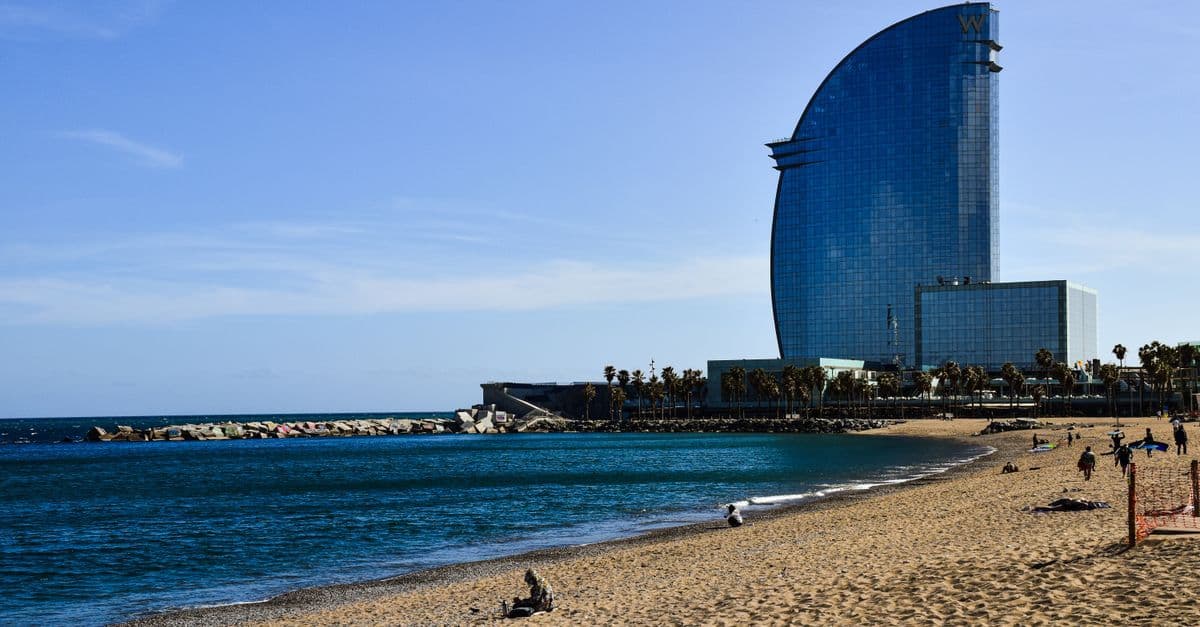
Barcelona City Council lists nine city beaches and a bathing area at the Fòrum. Barceloneta, 422 metres long, is one of the most historic. The council calls Nova Icària, 415 metres long, one of the quietest, and Mar Bella has a naturist area.
Smoking is banned on Barcelona's beaches, and camping on them is not allowed. Follow the flags: the FCDO says a red flag means you must not enter the water.
MACBA, the contemporary art museum on Plaça dels Àngels, is free every Thursday, Friday and Saturday from 6pm, and all day on the first Sunday of each month. It is closed on Tuesdays.
La Boqueria, the food market on La Rambla, is open Monday to Saturday from 8am to 8.30pm, according to Barcelona City Council's markets institute.
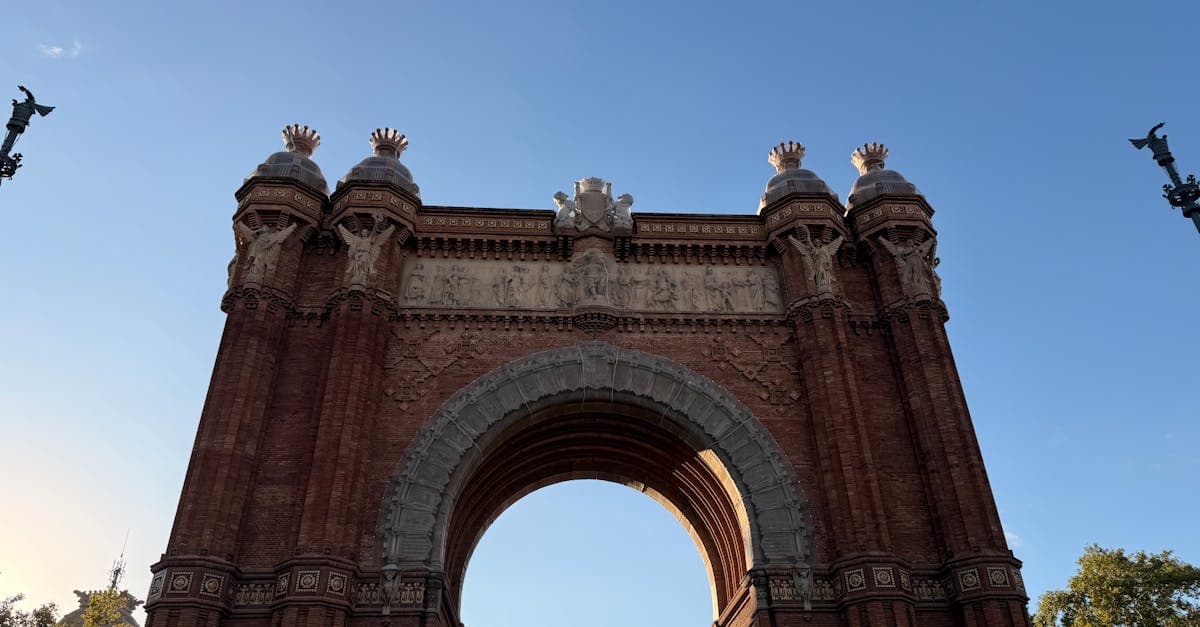
The old city is far older than Gaudí. Barcelona began as the Roman colony of Barcino around 10 BC, and Gothic churches such as Santa Maria del Mar date from the 14th century. The Arc de Triomf on Passeig de Lluís Companys was built as the entrance to the Universal Exposition of 1888, which was held in Ciutadella park. The Eixample grid, home to the Gaudí houses, comes from Ildefons Cerdà's plan of 1860.
Day trips to Montserrat and Sitges by train
Montserrat's mountain sanctuary is a day trip by train. FGC's R5 trains leave Plaça d'Espanya every hour; change at Monistrol de Montserrat for the rack railway up to the sanctuary. The operator puts the trip from the city centre at about one and a half hours. Plaça d'Espanya is on metro lines L1 and L3, and combined tickets cover the metro, train, rack railway and funiculars.
The coastal town of Sitges is on Rodalies line R2 Sud, with trains from Sants, Passeig de Gràcia and Estació de França. Rodalies lists Sitges among the line's main stations. On weekdays, its trains between Vilanova i la Geltrú and Estació de França run every 10 minutes at peak times and every 15 minutes off-peak. The Sitges tourist office says Busgarraf buses also run from Barcelona, with stops on Gran Via, Carrer de Sepúlveda and Plaça d'Espanya.
Aerobús, metro, train or taxi from El Prat airport
Josep Tarradellas Barcelona-El Prat airport is 16 km south of the city. Its terminals, T1 and T2, are organised by airline, and a free shuttle runs between them 24 hours a day.
- Aerobús: A1 from T1 and A2 from T2 run to Plaça de Catalunya 24 hours a day, A1 every 8 minutes and A2 every 15. The trip takes around 35 minutes.
- Metro: line L9 Sud serves both terminals. The Airport ticket covers one trip to or from the airport stations, and the Hola Barcelona card includes return airport trips. The 10-journey T-casual is not valid there.
- Train: Rodalies line R2 Nord leaves from T2 about every 30 minutes, between 5.40am and 11.40pm, and takes around 20 minutes to Barcelona-Sants.
- Bus: bus 46 runs to Plaça d'Espanya every 20 to 30 minutes, and NitBus routes N17 and N18 run between 10pm and 5am.
- Taxi: use the ranks opposite arrivals. Barcelona's official taxis are black and yellow, and the FCDO says passengers caught using unlicensed taxis can be fined up to €600.
Barcelona's tourist tax and ATOL cover for packages
Hotels, tourist flats and hostels in Barcelona add a tourist tax to your bill. It has two parts: the Catalan tax and a Barcelona City Council surcharge. Both are charged per person for each day of a stay, up to seven days in one place. Children aged 16 or under are exempt if you can show their age, for example with a passport.
| Where you stay | Catalan tax | City surcharge | Total per person per day |
|---|---|---|---|
| Five-star or luxury hotel | €7.00 | €5.00 | €12.00 |
| Four-star hotel | €3.40 | €5.00 | €8.40 |
| Tourist flat | €4.50 | €5.00 | €9.50 |
| Other hotels and accommodation | €2.00 | €5.00 | €7.00 |
| Youth hostel | €1.00 | €5.00 | €6.00 |
These are the Catalan Tax Agency's rates for stays from 1 April 2026 to 31 March 2027. The city surcharge rises to €6 (€6.40 at four-star hotels) from 1 April 2027 and to €7 from 1 April 2028. If you pay for the room and the tax in full when you book, the rate in force on the booking date applies.
For two adults spending four days in a four-star hotel, that is 2 × 4 × €8.40 = €67.20.
If you book flights and a hotel together as a package, look for ATOL protection. The UK Civil Aviation Authority runs the scheme. It is financial protection, not travel insurance, and you should get an ATOL Certificate. A flight bought straight from an airline, with an e-ticket, is not covered.
Using your UK phone and mobile data in Barcelona
Whether your UK plan covers Spain depends on the network and the plan. As of October 2026, the networks' own pages say:
- O2: roaming in its Europe Zone, Spain included, comes at no extra cost up to 25GB on pay monthly and Pay As You Go.
- Vodafone: Spain is in Zone B, which some pay monthly plans include. Otherwise you add an 8 or 15-day European roaming pass or pay a daily charge.
- Three: plans without roaming built in need a Go Roam pass or a daily charge, and a 12GB monthly fair use limit applies.
- EE: its travel checklist tells customers to set a spend cap high enough for daily roaming charges, and says Wi-Fi Calling works only in the UK.
Check your own plan before you fly. Our guide to how data roaming charges work explains the bill in more detail.
If you are with O2 and stay under its 25GB limit, your own plan may be all you need.
If your plan charges by the day, a travel eSIM is the other route. A HelloRoam eSIM can be installed at home. Its plan starts when your phone first connects to a network at your destination. The days you pay for start on arrival, not on the day you install it. You can compare the mobile data plans for Spain before you book.
Apple says an iPhone XS, XS Max, XR or later can hold two lines, such as your home number and a travel line for data. Choose the travel eSIM as the line for mobile data, and keep your UK number for calls and texts such as bank codes. Check what your UK plan charges for calls and texts abroad. To use two networks, your phone must be unlocked.
Before you buy, check that your phone supports eSIM, then install the eSIM before you fly.
Staying safe and the local rules that carry fines
The FCDO's advice for Spain warns about street crime. Thieves use distraction techniques and often work in teams, so take care when collecting luggage at the airport and arranging car hire. Barcelona's official tourism site asks visitors to keep bags closed and in sight on public transport, and not to leave belongings alone at the beach or on terraces.
Thieves posing as police may ask to see your wallet. The FCDO says real officers ask for ID, never for wallets or purses, and you must show photo ID if a police officer asks.
In an emergency, call 112 for police, fire or an ambulance. Barcelona's tourism site says the line is free, works without credit or a SIM card, and can help in English and up to 50 languages.
If something is stolen, report it to the police. The FCDO says you may need a police report for your insurer, and minor thefts can be reported online. Some Spanish cities also have a tourist service, SATE, where you can report crimes in English. If your passport is stolen, the FCDO says a police report will not get you out of Spain: you need a new passport or an emergency travel document.
Barcelona City Council's coexistence by-law, with higher fines from 2026, sets these amounts among others:
- walking around bare-chested, unless you are exercising: €120 to €300
- buying from unlicensed street sellers: up to €600
- drinking from glass bottles or cans in public where it is not allowed: €30 to €100
- littering, even chewing gum or a cup: up to €750
- urinating in the street: up to €300, or €750.01 to €1,500 at monuments or in busy areas
- disturbing residents' rest with singing or shouting: up to €3,000
Pub crawls are banned, and organising one can cost up to €3,000. Alcohol sales are banned from 10pm to 8am outside authorised venues, and flying drones anywhere in the city is forbidden. The FCDO adds that in some parts of Spain you can be fined for wearing only swimwear on the seafront promenade or nearby streets.
Passports, EES and ETIAS for UK visitors to Spain
As of October 2026, the FCDO says British citizens can visit Spain without a visa for up to 90 days in any 180-day period. The limit covers the whole Schengen area, so days in France, Italy or any other Schengen country in the previous 180 days count too.
Your passport must have been issued less than 10 years before the day you arrive. Its expiry date must be at least 3 months after the day you plan to leave. A passport renewed before 1 October 2018 can carry an issue date more than 10 years old, which makes it invalid for entry.
At the border you may need to show a return or onward ticket, proof of travel insurance, enough money for your stay and your hotel booking. The FCDO also says you cannot take meat, milk or food containing them into Spain, apart from a few exceptions such as powdered baby milk.
The EU's Entry/Exit System started on 12 October 2025. On your first visit you may give fingerprints and a photo at a booth on arrival. It is free and the record lasts 3 years. Checks can take longer, including when you leave, so allow extra time at the airport.
ETIAS had not started in October 2026. GOV.UK says the EU expects to launch it from autumn 2026 and will announce the date first. Once it runs, you will apply online and pay a €20 fee, and any website selling ETIAS before then is a fraud.
For medically necessary state healthcare in Spain you need a GHIC or EHIC, but the FCDO says neither replaces travel insurance.
Check the FCDO's Spain travel advice on GOV.UK before you book and again before you fly, as entry and safety rules can change.
Questions travellers ask
Is 3 days in Barcelona too much?
No. Three days leaves time for the four Gaudí sights that need tickets. Casa Batlló takes about 1 hour 15 minutes and La Pedrera's self-guided visit about 1 to 1.5 hours. Sagrada Família and Park Güell need a booked entry time. A Montserrat day trip takes about one and a half hours from the city centre to the sanctuary, so add a fourth day if you want it.
Sources
- FCDO: Spain travel advicegov.uk
- GOV.UK: EU Entry/Exit Systemgov.uk
- GOV.UK: Travelling to the EU and Schengen areagov.uk
- AEMET: Standard climate values, Barcelona Aeropuertoaemet.es
- INE: Travellers and overnight stays by tourist sitesine.es
- INE: Average daily rate (ADR) by tourist sitesine.es
- Barcelona City Council: Bathing seasonbarcelona.cat
- Barcelona City Council: Beach by beachbarcelona.cat
- Barcelona City Council: 2026 and 2027 public holidays calendarajuntament.barcelona.cat
- Barcelona City Council: La Mercè 2026barcelona.cat
- Barcelona City Council: Full programme for La Mercè 2026barcelona.cat
- Sagrada Família: FAQssagradafamilia.org
- Sagrada Família: Individual ticketssagradafamilia.org
- Park Güell: FAQsparkguell.barcelona
- Park Güell: Official websiteparkguell.barcelona
- Casa Batlló: Official websitecasabatllo.es
- La Pedrera: Night Experiencelapedrera.com
- La Pedrera: Practical informationlapedrera.com
- MACBA: The Evenings Belong to MACBAmacba.cat
- This is Barcelona: Barcelona's historythisisbarcelona.com
- This is Barcelona: Architecturethisisbarcelona.com
- This is Barcelona: Getting to Barcelonathisisbarcelona.com
- This is Barcelona: Tips for getting the most out of Barcelonathisisbarcelona.com
- FGC: Montserrat rack railwaycremallerademontserrat.cat
- Rodalies de Catalunya: Line R2 Southrodalies.gencat.cat
- Aena: Barcelona-El Prat airport by busaena.es
- Aena: Barcelona-El Prat airport by taxiaena.es
- TMB: Metro and bus farestmb.cat
- Catalan Tax Agency: Tourist tax rates and municipal surchargesatc.gencat.cat
- Catalan Tax Agency: Tourist taxatc.gencat.cat
- Catalan Tax Agency: Taxable event and exemptionsatc.gencat.cat
- Barcelona City Council: Fines for the coexistence by-lawbarcelona.cat
- Barcelona City Council: Respect othersajuntament.barcelona.cat
- UK Civil Aviation Authority: What is ATOL protection?atol.org
- O2: EU roamingo2.co.uk
- Vodafone UK: Global roamingvodafone.co.uk
- Three: Roaming abroadthree.co.uk
- EE: Get ready to roamee.co.uk
- Apple Support: Using Dual SIM with an eSIMsupport.apple.com
- Aena: Barcelona-El Prat airport by undergroundaena.es
- This is Barcelona: Arc de Triomfthisisbarcelona.com
- Sitges Tourism: Getting to Sitges by bussitgesanytime.com
- Sitges Tourism: Arriving in Sitges by trainsitgesanytime.com
- Barcelona City Council: La Boqueria marketajuntament.barcelona.cat
- Aerobús: Lines, stops and timetablesaerobusbarcelona.es
- MACBA: Plan your visitmacba.cat
- FCDO: Spain entry requirementsgov.uk
Written by
HelloRoam Team
The HelloRoam Team writes our guides on trip planning, visas and eSIMs. For every new or updated guide, we check each fact at its source. Sources include government, park and weather service pages. We note the date we read each one. A second review then checks every fact against its source before the guide goes live. If we cannot confirm a fact, we leave it out. We link those sources inside the guide, so you can check them.