Quick Answer: US Visa Appointment from Canada at a Glance
| Detail | What to Know |
|---|---|
| Who needs a visa | Non-citizen PRs and non-residents in Canada |
| Booking portal | ais.usvisa-info.com |
| Application fee | $185 USD, non-refundable |
| Wait times | 30 to 120-plus days by consulate |
| Consulate cities | Ottawa, Toronto, Vancouver, Montreal, Calgary |
Once your visa is confirmed and the trip is locked in, connectivity in the US is worth sorting before you fly. HelloRoam's eSIM for United States starts at ~C$4.78 for 1GB over 7 days on AT&T and Verizon networks, well below a single Rogers or Bell US roaming day pass.
 Get your USA eSIM before you flyInstall it at home, turn it on when you land. From CA$4.01.See USA plans
Key fact: The MRV (Machine Readable Visa) application fee for most US nonimmigrant visas, including B-1/B-2 and F-1, is $185 USD and is non-refundable regardless of outcome ca.usembassy.gov.
Peak summer season and the January-to-March post-holiday surge both push wait times toward the longer end. Apply earlier than you think you need to.
But first: does your situation actually require one?
Who in Canada Actually Needs a US Visa Appointment?
Canadian citizens don't need a US visa to cross into the United States. They travel under a bilateral arrangement that operates independently from the Visa Waiver Program. No ESTA form, no interview, no fee.
Permanent residents are in a different position.
Roughly 9 million non-citizen permanent residents live in Canada. If you hold PR status with a passport from India, China, the Philippines, Nigeria, Pakistan, Iran, or Mexico, a valid US nonimmigrant visa is required before any trip south of the border. The same applies to nationals from most other countries not covered by a narrow exemption.
The idea that a Canadian PR card exempts you from US visa requirements is one of the most persistent myths in cross-border travel planning. It doesn't.
Which Visa Category Do You Actually Need?
The answer depends on your reason for travel. The most common categories processed at Canadian consulates are:
- B-1/B-2: Tourism, visiting family, or short business trips
- F-1: Study at a US academic institution, which requires an I-20 from the enrolling school
- H-1B: Temporary skilled work, tied to an approved employer petition with USCIS
- L-1: Intracompany transfers for employees of multinational organisations
Each category carries distinct document requirements and processing timelines. An H-1B also involves a USCIS approval on the employer's side before any consular appointment can proceed.
Non-residents of Canada, including those on study permits or temporary work authorisation, should plan for extended timelines. Canadian consulates give scheduling priority to Canada-based applicants, so if you're in the country on a temporary basis, build in extra buffer.
One detail that surprises many applicants: you're not required to book at the consulate nearest to you. Toronto processes the highest volume in Canada, but Vancouver, Montreal, Ottawa, and Calgary all handle nonimmigrant visas. A six-week slot in Calgary against a four-month wait in Toronto makes the choice obvious.
Once eligibility is confirmed, booking comes next.
How to Book a US Visa Appointment: The Full Process
Booking a US visa appointment involves five steps completed in a fixed order: DS-160 form submission, MRV fee payment, AIS portal account creation, consulate date selection, and saving your confirmation document. Complete them out of sequence and the system locks you out until you backtrack.
Step 1: Complete the DS-160 at ceac.state.gov
The DS-160 is the US government's online nonimmigrant visa application, completed exclusively at ceac.state.gov. Third-party sites that offer to fill it out "on your behalf" charge for a form that costs nothing. Enter personal details, employment history, travel history, and your reason for visiting the US. The session times out after inactivity, so note your application ID as you go. Once submitted, print the confirmation page. It carries a barcode required at every step that follows.
Step 2: Pay the MRV Fee via the AIS Portal
The MRV fee covers government processing costs and is paid through ais.usvisa-info.com. It's non-refundable across all outcomes: approved visa, denied application, missed appointment, or last-minute cancellation ais.usvisa-info.com. Keep your payment receipt as a PDF. You can't access the appointment scheduler without it.
Step 3: Create Your Account at ais.usvisa-info.com
With payment confirmed, set up your applicant profile. Link your DS-160 application ID and MRV receipt before the portal will show any available dates. First-timers often try to jump straight to scheduling and hit a dead end at this step.
Step 4: Select Your Canadian Consulate and Available Date
Choose from Ottawa, Toronto, Vancouver, Montreal, or Calgary. January through March and June through August are peak periods, when slots fill fastest. Cancellations tend to surface early in the week. Flexibility on which city you book is your most effective lever for cutting wait time.
Step 5: Save Your Confirmation Email with the Appointment Barcode
The portal generates a confirmation document with a barcode specific to your appointment. Print it. Consulate security at several Canadian locations does not accept phone screenshots as substitutes. Bring the printed page alongside your DS-160 confirmation and valid passport.
Key fact: The US State Department's appointment wait time tool at travel.state.gov shows current estimated timelines by consulate location and visa category, updated regularly.
Choosing the right consulate can save weeks.
US Visa Appointment Wait Times at Canadian Consulates
Wait times at Canadian consulates vary significantly, and picking the right post could trim weeks from your timeline.
Toronto's consulate general carries the largest B-2 caseload in the country. A realistic planning window sits between 60 and 120 days from booking to interview visagrader.com. At the far end, that's roughly four months of uncertainty while travel dates remain unconfirmed.
Four months. Flights get priced up. Plans stall. The frustration is real.
Vancouver moves faster at 45 to 90 days, with June through August adding pressure as summer volumes spike. Ottawa's embassy handles a narrower range of categories but shows shorter queues for the types it processes. Montreal and Calgary are consistently underused: both cities carry lower overall demand, and off-peak slots in fall and early winter tend to open well before Toronto's next available date.
| Consulate | Typical B-2 Wait | Volume | Peak Demand |
|---|---|---|---|
| Toronto (YYZ) | 60-120 days | Highest in Canada | Jan-Mar, Jun-Aug |
| Vancouver (YVR) | 45-90 days | High | Jun-Aug |
| Ottawa Embassy | Shorter for select categories | Moderate | Varies by type |
| Montreal (YUL) | Faster off-peak | Lower | Quieter Oct-Apr |
| Calgary | Fastest off-peak | Lowest overall | Quieter Oct-Apr |
Nothing in the booking process restricts you to the consulate nearest your home address. Applicants can select any Canadian post when scheduling. If Calgary shows a 30-day wait and Toronto shows 95, the case for a short domestic flight becomes easy to make.
The US State Department visa wait times tool publishes current figures for every post and updates regularly. Check it at least once a week after submitting your DS-160: cancellations open slots fast, and those windows close just as quickly checkvisaslots.com.
With an appointment confirmed and a visa in hand, trip planning starts. Connectivity is the first practical decision to sort out.
Staying Connected in the United States After Visa Approval

An eSIM (a digital SIM card embedded in your phone's hardware and activated via QR code, with no physical chip to insert) connects your device to US networks from the moment you land, no kiosk queue required.
Canadian carrier roaming is functional but comes with a cost. Rogers, Bell, and Telus charge roughly C$14 per day for US roaming packages on their standard add-on tiers. Across a 14-day trip, that adds up to around C$196 before data overages enter the picture. For most first-time US visitors, that's more than a full-trip eSIM plan covering the same period would cost.
Day-rate roaming makes sense for a quick 48-hour crossing where hotel Wi-Fi will cover most of your needs. For anything beyond that, a prepaid US eSIM is the sharper call.
HelloRoam provides access to AT&T and Verizon 5G networks across the United States, with 30-day plans designed to cover the full duration of most visits, from a first border crossing to an extended work stay.
Key fact: HelloRoam's 5GB 30-day US plan costs ~C$17.11 on AT&T and Verizon networks, covering a two-week stay at a single fixed price.
Snowbirds spending three months in Florida or Arizona face a different scale entirely. A monthly eSIM plan renewed once or twice across a 90-day winter stay costs a fraction of what daily carrier roaming charges over that same window, and there's no per-day anxiety about the meter ticking.
Activate the eSIM profile at home on Wi-Fi before you travel. Toggle it on when you land, and your phone connects automatically to the available network. No kiosk. No hunting for a US prepaid card in the arrivals hall.
The connectivity side is solvable well before your departure date. What gets trickier is when your appointment date needs to shift.
Can I Expedite My US Visa Appointment?
Expedite requests exist, but qualifying requires documented urgency. Wanting an earlier date isn't sufficient. Three situations meet the threshold.
Qualifying reasons under US consular policy:
- Medical emergency: Urgent treatment in the United States is required for you or an immediate family member, supported by documentation from a licensed healthcare provider.
- Bereavement: Travel is required following the death of an immediate family member, confirmed by supporting documentation.
- Business emergency: A critical, time-sensitive work obligation that cannot be rescheduled, backed by an employer letter specifying the dates and the nature of the need.
Submit the request through your existing account at ais.usvisa-info.com, navigate to the expedite option in the appointment management section, and upload your documentation. A consular officer reviews the submission and typically responds within a few business days. A specific, well-documented request fares considerably better than a general appeal for faster service.
One practical detail: you can reschedule your existing appointment up to three times through the AIS portal at no additional cost ais.usvisa-info.com. If your circumstances change or an earlier slot opens at a different consulate, moving the date is free.
Timing matters here. Submitting a request without qualifying grounds can flag your application. When the situation doesn't genuinely meet the threshold, the regular scheduling path is the appropriate route, even with longer waits attached to it.
A secured appointment puts the interview itself in focus. That's the preparation worth concentrating on next.
What Documents Do I Need for My US Visa Appointment?
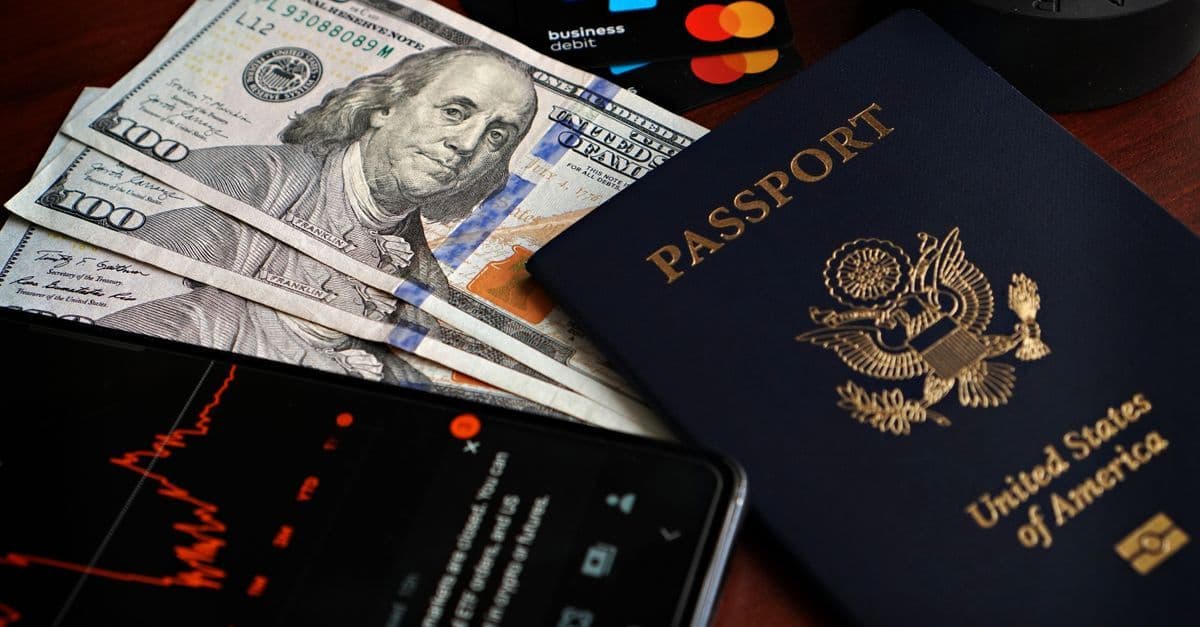
Five documents are mandatory for every US visa interview at Canadian consulates: the DS-160 confirmation page, a valid passport, the MRV fee receipt, a compliant photo, and proof of ties to Canada ca.usembassy.gov. Bring originals. Photocopies alone are rejected.
That last requirement surprises more applicants than the others.
The DS-160 confirmation page carries a barcode the consular officer scans at the desk. Without it, the interview doesn't proceed. Print it from ceac.state.gov after submitting your application; screenshotting it on your phone isn't reliable at all locations.
Your passport needs at least six months of validity beyond your intended US stay, not just beyond your appointment date. A passport expiring in four months won't pass, even if your trip ends in two. If your current passport is close to expiry, renew it before filing the DS-160.
The MRV fee receipt comes from the AIS portal after payment. Download and print it. The fee itself, as noted earlier, is non-refundable regardless of outcome.
Photo Specifications
The State Department's photo rules are specific and enforced. Required: a 2x2 inch colour photo taken within the past six months, white or off-white background, full frontal face, no glasses, no head coverings (with limited religious exceptions). Photos from a pharmacy or drugstore typically meet the standard. Phone selfies cropped to size rarely do.
Supporting Documents
Proving ties to Canada is where most interviews succeed or fail. Consular officers need evidence you'll return after your visit, and a Canadian address alone doesn't settle the question. What works:
- Employment letter on company letterhead, signed and dated, confirming your position and approved leave
- Three to six months of Canadian bank statements showing sufficient funds
- Property lease or mortgage documents confirming your Canadian address
- Family ties documentation where applicable
For PRs specifically, include your PR card. It confirms your legal status in Canada and signals to the officer that you have something concrete to return to.
Review documents at least one week before your appointment date. Rushed preparation is where avoidable errors happen.
Reviewed by HelloRoam's editorial team. Last updated: 30 June 2026.
Questions travellers ask
Do Canadian permanent residents need a US visa to travel to the United States?
Yes. Permanent residents of Canada who hold a non-Canadian passport must obtain a US nonimmigrant visa before traveling to the United States. Canadian PR status does not exempt you.
Do Canadian citizens need a visa to enter the United States?
No. Canadian citizens are fully exempt from US visa requirements and travel under a bilateral arrangement. No ESTA, interview, or application fee is required.
What is the MRV fee for a US nonimmigrant visa from Canada?
The MRV fee is $185 USD for most nonimmigrant visa categories, including B-1/B-2 and F-1. It is non-refundable regardless of whether your visa is approved or denied.
Sources
- ais.usvisa-info.comais.usvisa-info.com
- U.S. Visastravel.state.gov
- Consular Services - U.S. Embassy & Consulates in Canadaca.usembassy.gov
- Use our new U.S. Visa Wizard!ca.usembassy.gov
- US Visa Slots Info in Canadacheckvisaslots.com
- Current US Visa Appointment wait times in Canadavisagrader.com

Written by
Meera Patel
Meera Patel is a travel writer at HelloRoam covering mobile data and travel connectivity for international visitors. She writes practical eSIM setup guides for visitors arriving at major airports and covers data plans for scenic drives, tourist routes, and urban stays. Meera's guides serve families, solo travelers, and business visitors who all need reliable internet on the road.