
A HelloRoam travel eSIM for your destination adds nothing to the weight of your bag. Once yours is set up, maps, messages and your airline app are working by the time you reach arrivals.
The holiday checklist: what goes in your hand luggage and what goes in the hold
Tick these off as you pack. Anything you could not replace in a day travels with you in the cabin.
In your hand luggage
- Passport, plus any visa or travel authorisation your destination asks for
- Boarding passes and booking confirmations
- Bank cards, a backup card kept apart from them and a little local cash
- Travel insurance details, including the policy number and the insurer's emergency phone number
- Your UK GHIC for trips to the EEA and some other countries
- Medicines in their original packs, with your prescription or a letter from your doctor
- Phone, charger and power bank
- Glasses or contact lenses, house keys and anything valuable
- One change of clothes in case your suitcase is delayed
- Liquids in containers of 100ml or less, if your airport still sets that limit
In your suitcase
- Clothes for the things you have planned, including underwear, socks and pyjamas, plus one smarter outfit
- Two pairs of shoes, with the bulkier pair worn on the plane
- Swimwear, a sun hat and sunglasses for a beach holiday
- Full-size toiletries and sunscreen of at least SPF 30
- A plug adaptor for your destination
- A light waterproof or a warm layer, depending on where you are going
- Packing cubes or bags to keep it all sorted
Documents, money and health cover come before the clothes
Check your passport first, because one that looks valid can still be refused. As of 26 October 2026, the FCDO's Spain advice says that, under Schengen area rules, a full British citizen passport must have been issued less than 10 years before the day you arrive, and must expire at least 3 months after the day you plan to leave the Schengen area. Other countries set their own rules, so read the FCDO travel advice for your destination before you book.
The NHS says a UK Global Health Insurance Card (GHIC) gives you necessary state healthcare in the EEA and some other countries on the same basis as a local resident. That care may be free, or it may cost what a resident would pay. The card itself is free and lasts up to 5 years. Apply on the NHS website, as unofficial sites may charge a fee. Once your application is approved, the card comes by post within 15 working days, so apply well before you travel.
A GHIC is not a replacement for travel insurance. The FCDO says it does not cover private medical care or getting you home, so buy insurance as soon as you book. The FCDO also suggests sharing your policy details with someone at home, in case they need to contact your insurer for you.
For money, keep your backup card apart from your main card, so one lost wallet does not stop you paying. Check your bank's fees for paying abroad before you go. Keep paper copies of your bookings and insurance in a different bag from the originals, so a flat phone or a lost bag does not leave you stuck.
Clothes to pack for your holiday

Pack for activities, not imaginary occasions. The question isn't 'what might I need?' but 'what does this specific trip actually demand?'
That shift shrinks the clothes pile. A beach week in Majorca calls for swimwear, light layers for the evenings and one smart pair of shoes, not three pairs of jeans. Winter sun is no different: Tenerife's weather by month shows average January highs of 21.7°C at Tenerife South Airport, using AEMET's figures, so the swimwear still goes in.
Fabric matters as much as the number of items. SmarterTravel suggests clothes that do double duty, such as merino layers, wrinkle-resistant shirts and quick-drying activewear.
Laundry changes the sums. One wash halfway through means five days of clothes covers a ten-day trip. Check whether your accommodation has a washing machine or a laundry service before you pack.
Build the list around three groups: swimwear or kit for what you will do, everyday clothes that layer, and one smarter outfit for the evenings.
That last item is singular on purpose. One works.
Resist the abstract just-in-case. 'What if there's a special occasion?' belongs on your social calendar, not your luggage scales.
Holidaying in the UK? Pack a waterproof whatever the forecast says. The Met Office's 1991-2020 averages give Heathrow about 112 days a year with at least 1mm of rain.
The 5-4-3-2-1 rule puts a number on each type of clothing

The 5-4-3-2-1 rule gives each type of clothing a limit, so you stop at enough. Stylist, the UK magazine, credits it to blogger Geneva Vanderzeil in 2015. Her version is five tops, four bottoms, three dresses, three pairs of shoes, two swimwear items, two bags, one hat, one watch or accessory and one pair of sunglasses.
Other sites shorten the list, so treat the numbers as a starting point. The useful part is the maths: five tops that all go with four bottoms give you 20 outfits.
Scale it to the trip. For a weekend away, two or three of each is plenty. For a fortnight, add a top or two and plan a wash instead of packing more shoes.
Colour makes it work. Choose one neutral, one dark and one mid-tone, and every top goes with every bottom. Pack three loud prints and the rule falls apart at the hotel mirror.
Toiletries to pack and how to handle medications
Liquid rules now depend on the airport. GOV.UK says most airports still stop containers over 100ml at security, while some allow containers of up to 2 litres. Where the airport asks for a liquids bag, it must be a single clear, resealable bag that holds no more than a litre, about 20cm by 20cm, one per person. Check the rules at the airport you fly from and at every airport on the way, including the flight home.
Some liquids can go through in bigger containers at every UK airport: up to 2 litres for essential medical purposes, special dietary needs, and baby food or baby milk. Duty-free liquids also pass if they stay sealed in the shop's security bag with the receipt inside.
Solid toiletries sidestep the problem. GOV.UK counts creams, gels, pastes and sprays as liquids, but shampoo bars, conditioner bars and a bar of soap stay out of the liquids bag.
Small refillable bottles cover anything you cannot buy in solid form. Fill them from your full-size products at home.
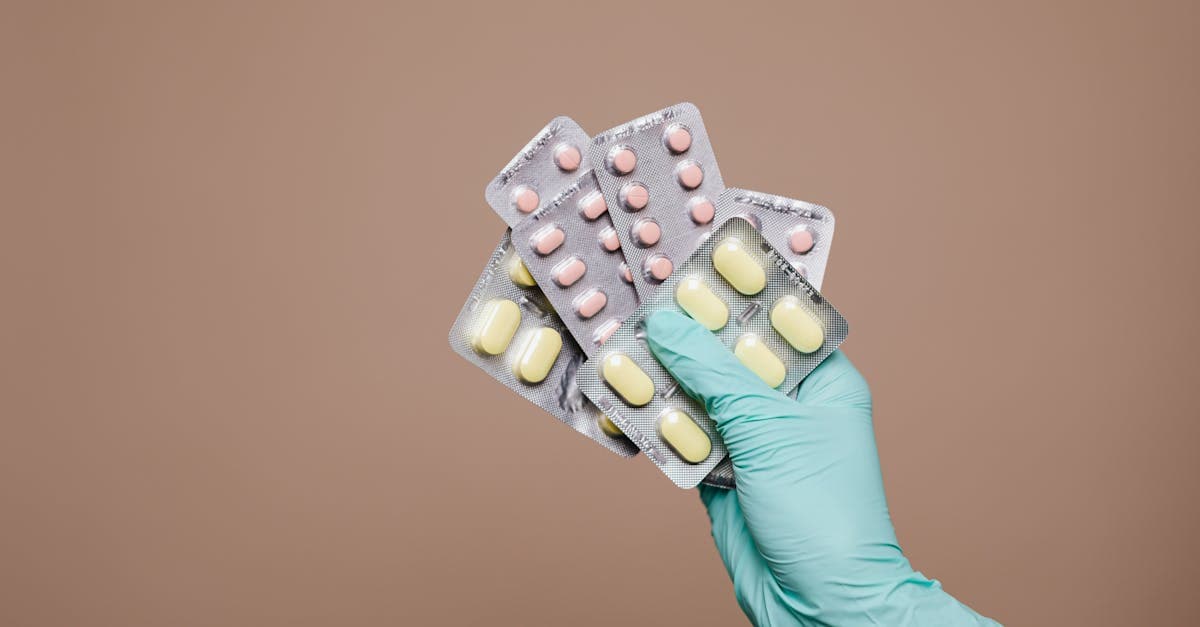
Medicines need the most care. GOV.UK's rules on taking medicine abroad say medicine containing a controlled drug must travel in your hand luggage when you leave or enter the UK. Ask your doctor or pharmacist whether yours contains one. If it does, check the rules with the embassy of the country you are visiting, and carry a prescription or a letter from your doctor. NaTHNaC, the UK's National Travel Health Network and Centre, advises keeping medicines correctly labelled in their original pharmacy packs and carrying them in your hand luggage. If your medicine does not contain a controlled drug, NaTHNaC also suggests packing some spare in your suitcase, in case your hand luggage is lost or stolen.
Pack sunscreen with an SPF of at least 30 and at least 4-star UVA protection, and reapply it every 2 hours, as the NHS advises. A small first aid kit with plasters and the over-the-counter medicines you normally use saves a hunt for a pharmacy on the first day.
What to always pack in your carry-on bag
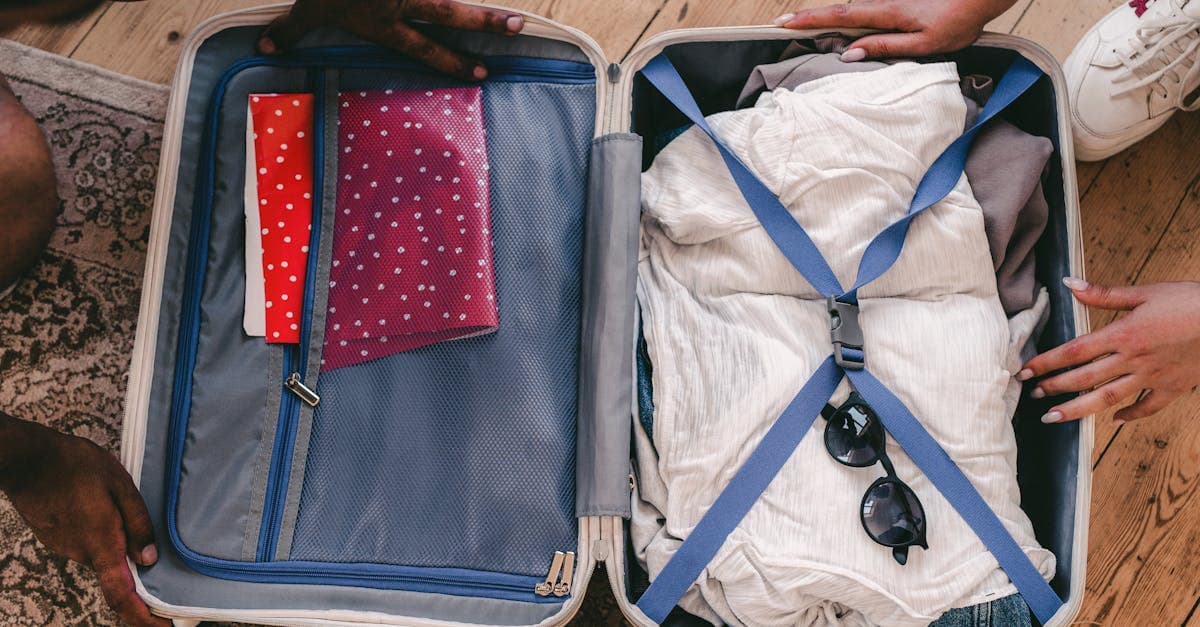
Your passport, cards, keys, medicines, glasses or contact lenses and phone all stay with you in the cabin. Power banks have a firm rule of their own. The Civil Aviation Authority says power banks and spare batteries must travel in the cabin, never in checked luggage, because they can overheat and cause a fire. It allows two power banks per person, and you should not charge them during the flight. If staff take your cabin bag to the hold at the gate, the CAA says to take out any batteries and lithium-powered devices first.
| Item | Hand luggage | Hold luggage |
|---|---|---|
| Power banks and spare batteries | Yes, up to two power banks each; 100Wh to 160Wh needs airline approval, and over 160Wh is not allowed | No |
| Vapes and e-cigarettes | Yes | No |
| Phones, tablets and laptops | Yes | Only if fully switched off and protected from damage |
| Liquids | Containers of up to 100ml at most airports; up to 2 litres at some | Yes |
| Medicine containing a controlled drug | Yes | No |
| One lighter | Keep it on you, in a resealable plastic bag | No |
The table follows the CAA's guidance and GOV.UK's hand luggage rules. Airlines can be stricter, so check yours before you fly.
Bags still go astray. SITA's 2026 Baggage IT Insights report counted 24 million mishandled bags worldwide in 2025, even though the rate fell by 23%. A change of clothes, a toothbrush and a day's medicines in your hand luggage turn a delayed bag into a small problem.
Check your airline's bag sizes before you pack, as GOV.UK advises. easyJet, for example, lets everyone bring one free under-seat bag of up to 45 x 36 x 20cm, including handles and wheels. Its large cabin bag, up to 56 x 45 x 25cm, costs extra, and easyJet says adding it online is always cheaper than at the boarding gate.
Use the space left for snacks, an empty water bottle to fill after security and something to do on the flight. Charge your phone and laptop before every flight: GOV.UK says that on flights to the UK, a device that does not switch on when security asks will not be allowed on board.
Miscellaneous items: the bits most packing lists overlook
Plug adaptors are easy to forget. Check which plug your destination uses before you leave, and pack the adaptor with your phone charger so the two travel together.
A luggage tracker earns its few grams in a checked bag. SITA says linking Apple's Find My to WorldTracer, its system for tracing mishandled bags, cut permanently lost luggage by 90% in its first year. Google's Find Hub now links to WorldTracer too.
Packing cubes keep each type of clothing in its own block, so finding one thing does not mean unpacking the rest.
Round off the list with two folded reusable bags for beach days and markets, and a neck pillow for long flights.
Mobile data abroad: check your roaming deal or install a travel eSIM
Your phone does more on holiday than at home: boarding passes, maps, translation and bank codes. Ofcom says roaming can bring extra charges and that networks must publish their roaming prices. Some offer a daily or weekly fee to use your UK allowance abroad. Check what UK networks charge for roaming before you go.
A travel eSIM is the other option, and Ofcom lists an eSIM among its tips for saving money abroad. You buy data for your destination before you fly and keep your UK SIM in the phone. If it is new to you, start with how an eSIM works. Our guide to eSIM vs roaming costs sets the two side by side.
On a trip through several countries, a HelloRoam Europe data plan works across the borders of every country on the plan, so you do not need a new eSIM at each one.
Set it up at home. HelloRoam's step-by-step install guide has you scan the QR code from your confirmation email over Wi-Fi before you fly, then switch data roaming on for the HelloRoam line when you land. First, check your phone supports eSIM: it must be unlocked, and Apple lists iPhone XS and later for Dual SIM with an eSIM.
Keep your UK SIM active for calls and texts, so messages from your bank still reach your UK number, and choose the travel eSIM for mobile data. Apple says an iPhone uses one mobile data network at a time and lets you pick which number handles data.
Not sure how much data to buy? Estimate how much data you need before you choose a plan. Bringing laptops and tablets for the whole family? Check when pocket Wi-Fi is worth buying before you pack another gadget.
City break and weekend away packing list: one small bag is enough
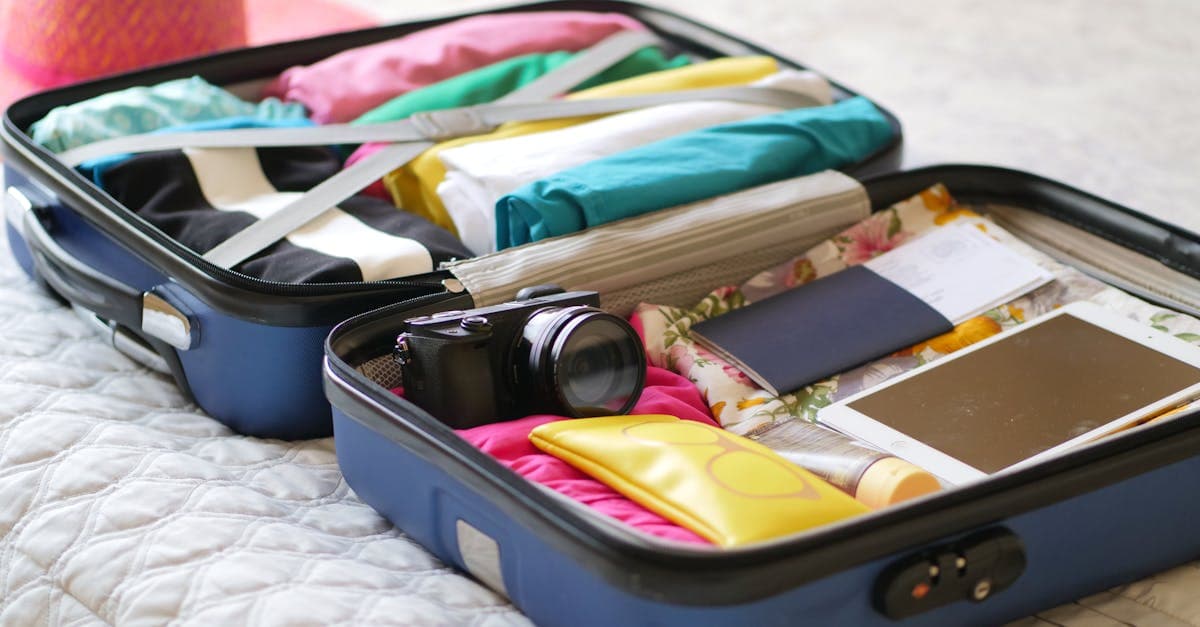
A weekend city break fits in one small bag when you pack for walking, not for outfit changes. If your fare includes only an under-seat bag, as easyJet's free allowance does, measure the bag and pack to it.
- Comfortable shoes you have already walked in, worn on the plane
- Two or three tops and two bottoms that all match, plus one layer for the evening
- A small day bag for water, a layer and a power bank
- Toiletries in small containers or as solid bars, to suit the liquids rules at your airports
- Phone, charger, power bank and plug adaptor
- Mobile data for maps and tickets, set up before you fly
- Passport, cards and a little local cash
Leave time on the way home. In its Spain advice, the FCDO says the EU's Entry/Exit System, now being brought in across the Schengen area, can add time at the border, and that checks may happen before boarding when you leave by plane.
Packing for a family holiday abroad with kids
Children need their own documents. A UK child passport lasts 5 years, GOV.UK says, so check its expiry date against the rules for your destination. The NHS says every family member needs their own GHIC, and you can add your spouse or civil partner and children when you apply.
Travelling without the child's other parent? GOV.UK says you need permission from everyone with parental responsibility, and a letter from them is usually enough to show it. You might be asked for it at a UK or foreign border, and a birth certificate helps show your relationship to the child. Read GOV.UK's guidance on taking children abroad before you go.
With a baby, GOV.UK says you can take enough baby food, baby milk and sterilised water for the journey, with no legal limit, but check with your airport first. For the flight, pack snacks, an empty bottle to fill after security, headphones, downloaded films or games and a spare top for each child.
The NHS says children should cover up, spend time in the shade and wear sunscreen of at least SPF 30, and that babies under 6 months should be kept out of direct strong sunlight. Ofcom also suggests checking whether your children's devices could run up roaming charges before you travel. Taking a pushchair? easyJet, for example, carries up to two items for each child free, on top of your bag allowance. These include a pushchair, car seat or travel cot, and you can keep the pushchair until the boarding gate. Our guide to lightweight travel strollers compares picks for the cabin or the hold.
Smart hacks for a lighter holiday packing list
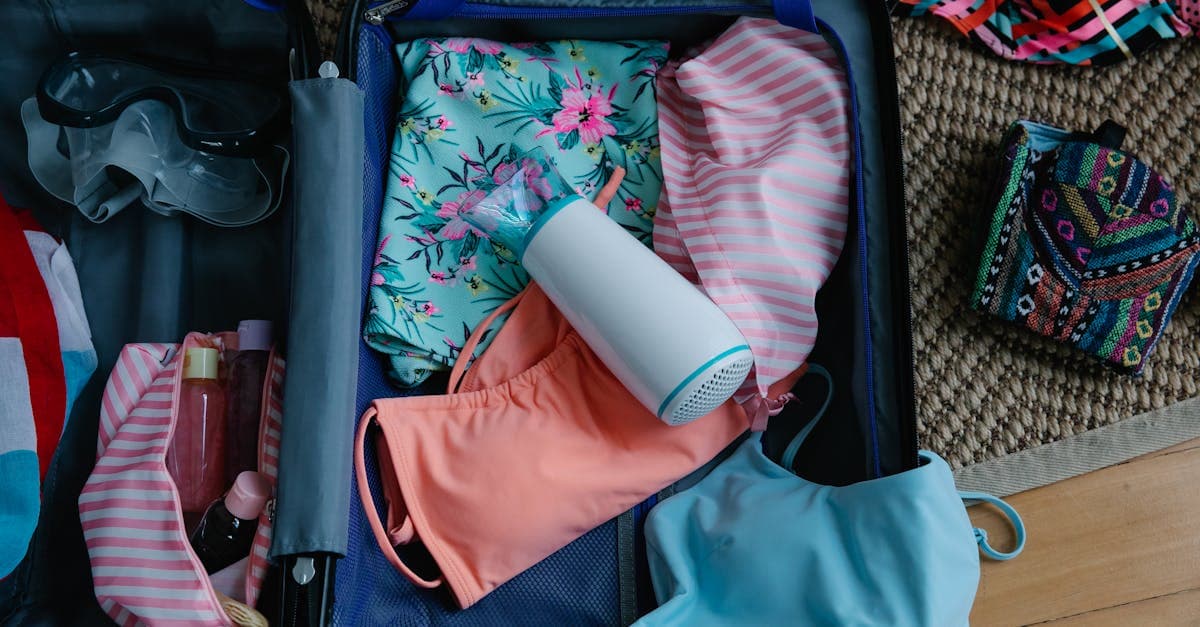
Roll soft clothes such as T-shirts and fold stiffer ones like shirts. Put shoes and heavier items at the wheel end of the case and fill the gaps with socks.
Wear your heaviest items on travel day. A coat, boots and a thick jumper take up no space in your bag when they are on you.
Weigh your bags at home against your booking. Catching an overweight case on the bathroom scale costs nothing; catching it at the check-in desk can cost a fee.
Questions travellers ask
What are the 10 essential travel items?
There is no official list, but these ten cover most holidays abroad: your passport, bank cards and a little local cash, travel insurance details, a UK GHIC for trips to the EEA, your medicines in their original packs, your phone and charger, a power bank in your hand luggage, a plug adaptor, a change of clothes in your hand luggage, and a plan for mobile data when you land.
What are the 5 biggest packing mistakes to avoid?
Watch for these five. A passport that fails the Schengen rules on issue and expiry dates, which the FCDO's travel advice sets out for each country. A power bank in the hold, where the CAA says it must never go. Liquids over 100ml in hand luggage at an airport with a 100ml limit. All your medicines packed in the suitcase, where a delayed bag takes them with it. And landing with no plan for mobile data, which can mean roaming charges or no maps on the way to your hotel.
Sources
- GOV.UK: Hand luggage restrictions at UK airports, liquidsgov.uk
- GOV.UK: Hand luggage restrictions, electronic devices and electrical itemsgov.uk
- GOV.UK: Hand luggage restrictions, overviewgov.uk
- GOV.UK: Hand luggage restrictions, baby food and baby milkgov.uk
- GOV.UK: Take medicine in or out of the UKgov.uk
- FCDO: Spain travel advice, entry requirementsgov.uk
- FCDO: Foreign travel advicegov.uk
- FCDO: Foreign travel insurancegov.uk
- GOV.UK: Get a passport for your childgov.uk
- GOV.UK: Get permission to take a child abroadgov.uk
- NHS: Applying for healthcare cover abroad (GHIC and EHIC)nhs.uk
- NHS: Sunscreen and sun safetynhs.uk
- Civil Aviation Authority: Pack right for a safe flightcaa.co.uk
- easyJet: Cabin bagseasyjet.com
- SITA: 2026 Baggage IT Insights news release (29 June 2026)sita.aero
- Ofcom: Using your mobile abroadofcom.org.uk
- Apple: Use Dual SIM on your iPhonesupport.apple.com
- AEMET: Standard climate values, Tenerife Sur Aeropuerto (1981-2010)aemet.es
- Met Office: Heathrow climate averages (1991-2020)metoffice.gov.uk
- Stylist: How to use the 5-4-3-2-1 method to nail holiday packing every timestylist.co.uk
- SmarterTravel: The Ultimate Packing Listsmartertravel.com
- NaTHNaC (TravelHealthPro): Medicines and traveltravelhealthpro.org.uk
- Glamour UK: The 5-4-3-2-1 packing methodglamourmagazine.co.uk
Written by
HelloRoam Team
The HelloRoam Team writes our guides on trip planning, visas and eSIMs. For every new or updated guide, we check each fact at its source. Sources include government, park and weather service pages. We note the date we read each one. A second review then checks every fact against its source before the guide goes live. If we cannot confirm a fact, we leave it out. We link those sources inside the guide, so you can check them.
 Turkey

 Egypt