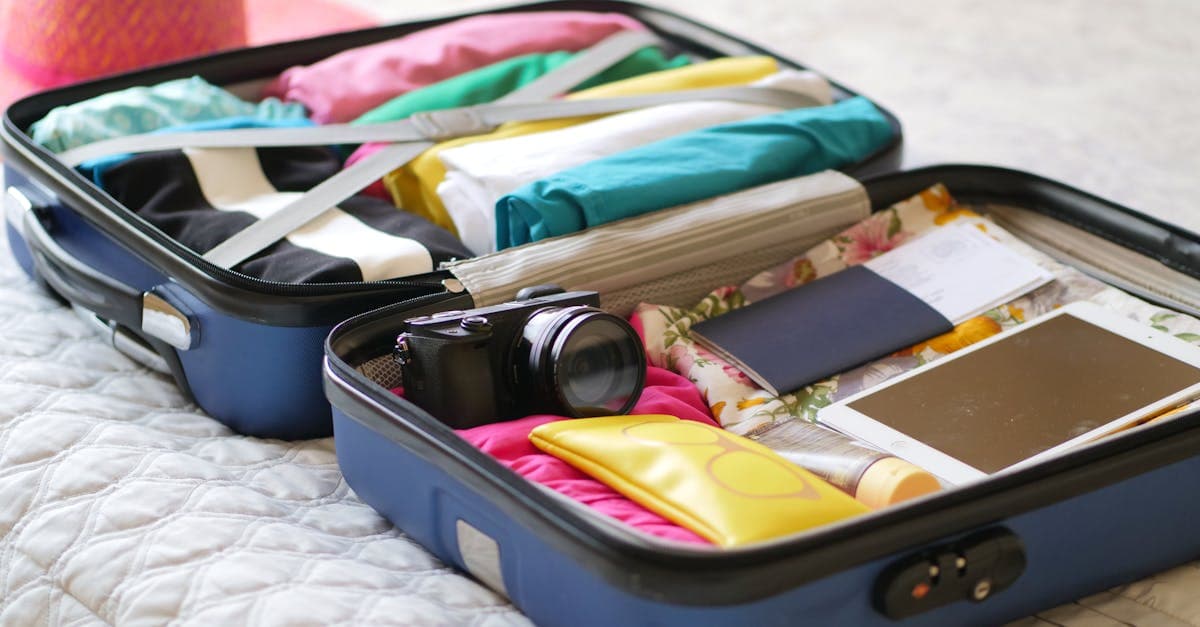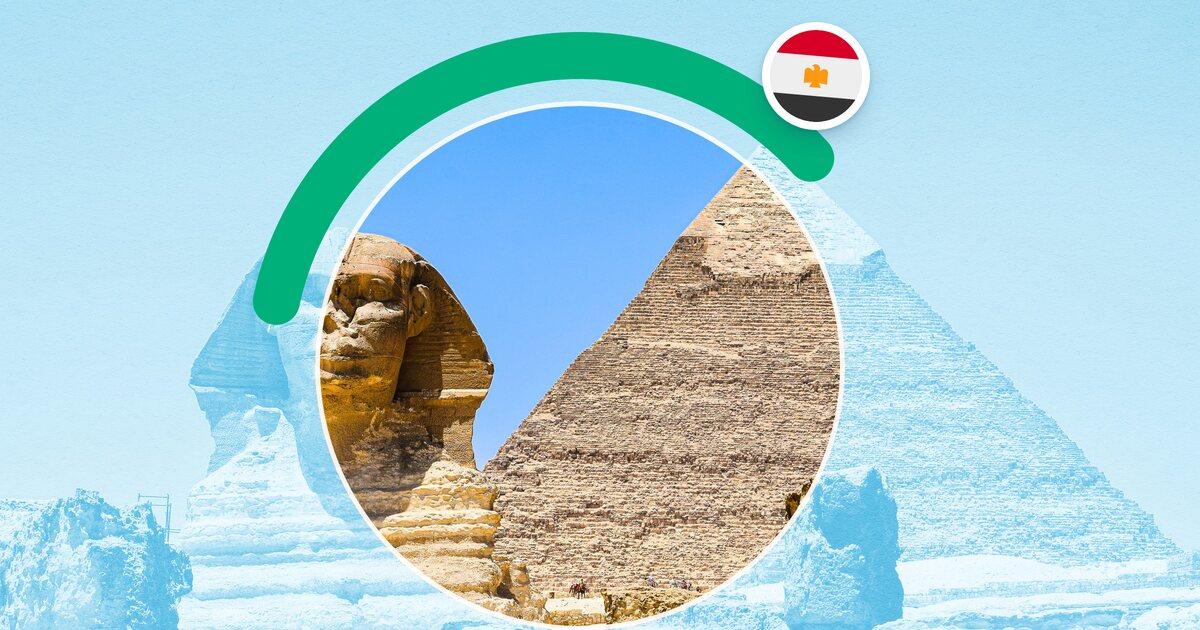
Once the cruise or resort is booked, a HelloRoam Egypt eSIM has your phone online when you land in Cairo, Luxor, or Hurghada. Use it to message your transfer driver, translate Arabic menus, and send photos home.
FCDO Egypt travel advice warns against Sinai, desert and border areas
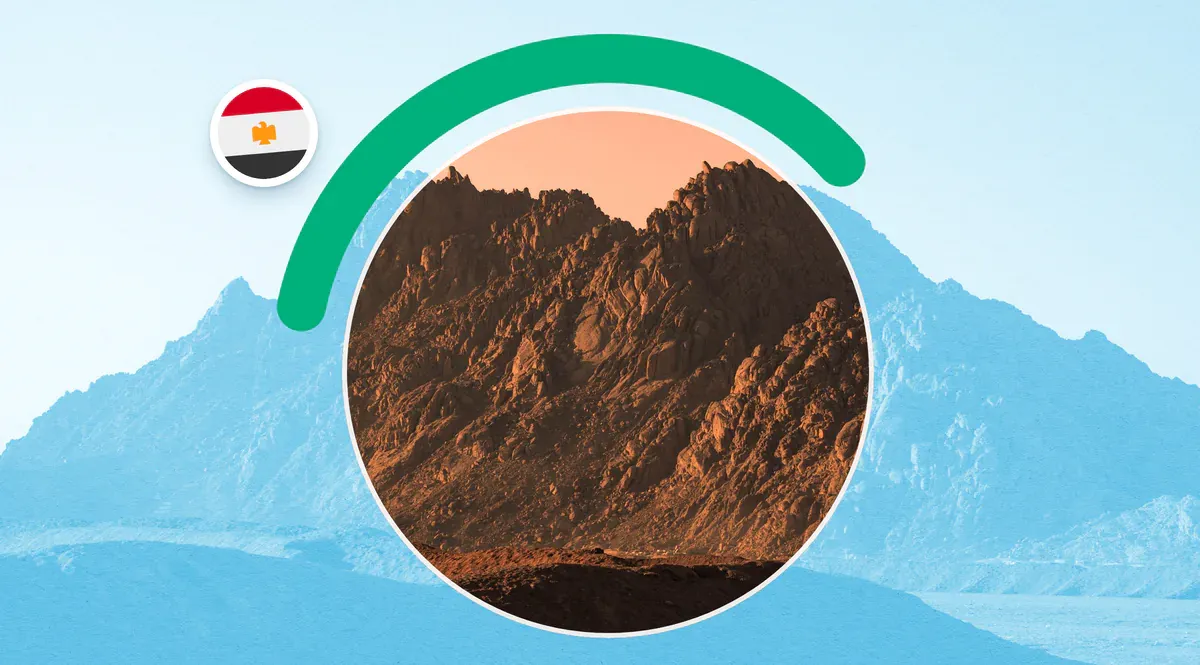
The FCDO uses two levels of warning: "advise against all travel" and the lower "advise against all but essential travel". It says your travel insurance could be invalidated if you travel against its advice.
 Get your Egypt eSIM before you flyInstall it at home, then switch on data roaming for it when you land. From £3.72.See Egypt plans
| Area | FCDO advice | Exceptions and notes |
|---|---|---|
| North Sinai Governorate | Against all travel | No exceptions |
| Within 20km of the Libyan border | Against all travel | El Salloum town is under the lower warning |
| Northern South Sinai, beyond the St Catherine to Nuweiba road | Against all but essential travel | Coastal areas on the west and east of the peninsula are excluded |
| Ismailiyah Governorate east of the Suez Canal | Against all but essential travel | Checkpoints may stop onward travel |
| Western Desert, west of the Nile Valley and Delta | Against all but essential travel | Excludes Luxor, Qina, Aswan, Abu Simbel and the Valley of the Kings; Faiyum; the coast to Marsa Matruh and the Marsa Matruh to Siwa road; Siwa; Giza Governorate north-east of Bahariya; the White and Black Deserts; the Bahariya, Farafra, Dakhla and Kharga oases; and the road from Giza through Farafra, Dakhla, Kharga and Baris to Luxor (50km either side between Giza and Farafra), with the desert between it and the Nile Valley |
| Hala'ib Triangle and Bir Tawil Trapezoid | Against all but essential travel | Disputed or unclaimed land on the Sudan border |
Cairo, the Giza pyramids, Alexandria, Hurghada, Marsa Alam, Sharm el-Sheikh and Dahab all sit outside these areas.
Desert trips need more planning. The FCDO's regional advice says tourists visiting the Bahariya Oasis, Farafra and the White and Black Deserts must apply for permits in advance and use an official guide. The road between Bahariya and Siwa is closed, with military checkpoints, and stays under the all but essential warning.
Red Sea resort holidays: entry stamps, security checks and dive safety
The FCDO describes the Red Sea tourist areas in southern Sinai as generally low risk. It says security forces carry out routine checks on vehicles and at airports to protect resorts such as Sharm el-Sheikh, Hurghada and Marsa Alam.
Fly into Sharm el-Sheikh for less than 15 days at the resorts of Sharm el-Sheikh, Dahab, Nuweiba or Taba, and you get a free entry permission stamp at the airport instead of a visa. If you leave those resorts or stay longer, you need a visa, which you can buy at Sharm el-Sheikh Airport or online. The FCDO advises booking any activities outside the resorts through approved agents or tour operators.
Diving needs extra care. The FCDO reports recent incidents involving British nationals on Red Sea diving boats, some of them fatal, and says safety standards vary considerably between operators. It points to guidance from the Marine Accident Investigation Branch: book liveaboard dive holidays only through reputable vendors who can vouch for the boat's safety standards, and ask the crew for a thorough safety briefing before you sail.
Check that your travel insurance, or the dive company's, covers air or sea rescue. The FCDO says a rescue can cost more than US$4,000 an hour, and the Egyptian authorities only start one when payment is guaranteed. Diving below your policy's depth limit invalidates your cover. Shark attacks are rare, but there have been attacks on tourists in the Red Sea region, so follow updates from local authorities or your tour operator.
The FCDO calls terrorist attacks likely in Egypt, as it does in Spain
The FCDO says terrorists are likely to try to carry out attacks in Egypt, and that attacks could be indiscriminate, including in places visited by foreign nationals. The other possible targets it lists are Egyptian security forces, religious sites and large public gatherings.
It gives recent examples. In 2023, two Israeli tourists and an Egyptian tour guide were killed in a shooting attack in Alexandria. In 2024, an Israeli-Canadian national was killed in a shooting attack in the same city.
The FCDO uses the same "likely" wording in its advice for Spain, and a stronger "very likely" in its advice for France. In Egypt, the authorities keep a significant security presence across the country, with extra measures at tourist sites. The FCDO's advice is to stay aware of your surroundings, keep up with local media, follow the advice of local authorities and be vigilant in crowds.
Stay away from demonstrations too. The FCDO says security forces have responded forcefully to protests, and that foreign nationals involved in political activity or activities critical of the government may be at risk of detention. That includes posting negative comments on social media.
Middle East tensions reach Egypt's coast and borders
In its update of 4 August 2026, the FCDO says the US and Iran announced a memorandum of understanding on 17 June, but the situation in the region remains unpredictable. Since 8 July there have been strikes and retaliatory attacks in a number of places across the region against US military and civilian infrastructure. On 29 July, an apparent drone strike and fire damaged two ships moored off Damietta, in northern Egypt.
Borders with Israel can close at short notice, including the Taba crossing, and the Rafah crossing with Gaza is closed. If you plan to enter Egypt from Israel at Taba, the FCDO recommends bringing at least US$170 in cash per person. Border charges there have risen at short notice since early March 2026, and the crossing's ATMs often run out of cash.
If you are worried about friends or family, the FCDO says to call the British Embassy in Cairo on +20 (0)2 2791 6000.
Crime is low, but touts and overcharging target visitors
The FCDO says Egypt's crime rate is generally low and pickpocketing is rare, so take the same precautions you would in the UK. Scammers and touts sometimes target foreign nationals in tourist areas.
Two problems it names start at the airport and the hotel. Agents at airports often charge more than the US$30 visa fee, and you do not need one; report an agent who harasses you to the tourist police in the terminal. Some hotel doctors have overcharged for treatment and medicines, and pharmacies outside hotels will often supply medication at lower prices.
To report a crime, call the tourist police on 126 before you leave Egypt, as the FCDO says prosecuting later is difficult. The other emergency numbers are 122 for police, 123 for an ambulance and 180 for fire.
If your passport is lost or stolen, tell the police straight away and get a police report. You need it to move your visa stamps to a replacement passport. Copies of your passport, visa and flight ticket, kept apart from the originals, help with that.
Women and LGBT+ visitors face particular risks in Egypt
The British Embassy has received reports of sexual assaults, including cases involving minors. The FCDO says most reported cases took place in Red Sea tourist resorts, often by someone the victim had already met, such as hotel workers and excursion staff. There have also been reports of hotel staff discouraging victims from reporting to the local police.
It advises female travellers to take care when travelling alone, particularly at night and in taxis, and lists these precautions:
- Do not leave children unaccompanied.
- Do not let hotel staff into your room when you are alone; try to have a friend or relative there.
- Avoid taking a taxi alone. If you have to, share the driver's details, your trip and your live location with a friend.
- Use reputable providers for services and excursions, and research them first.
- Avoid sharing your personal contact or social media details.
For LGBT+ travellers, the FCDO says same-sex sexual activity is not explicitly criminalised, but the authorities have prosecuted LGBT+ people under "debauchery" laws, including people flying rainbow flags at public events. Same-sex couples showing affection in public are likely to get negative attention, and some travellers have been arrested and imprisoned over sexual content shared on social media. You may also be refused entry if your gender expression or appearance does not match the sex marker or photo in your passport.
Strict rules cover photography, drones, alcohol and drugs
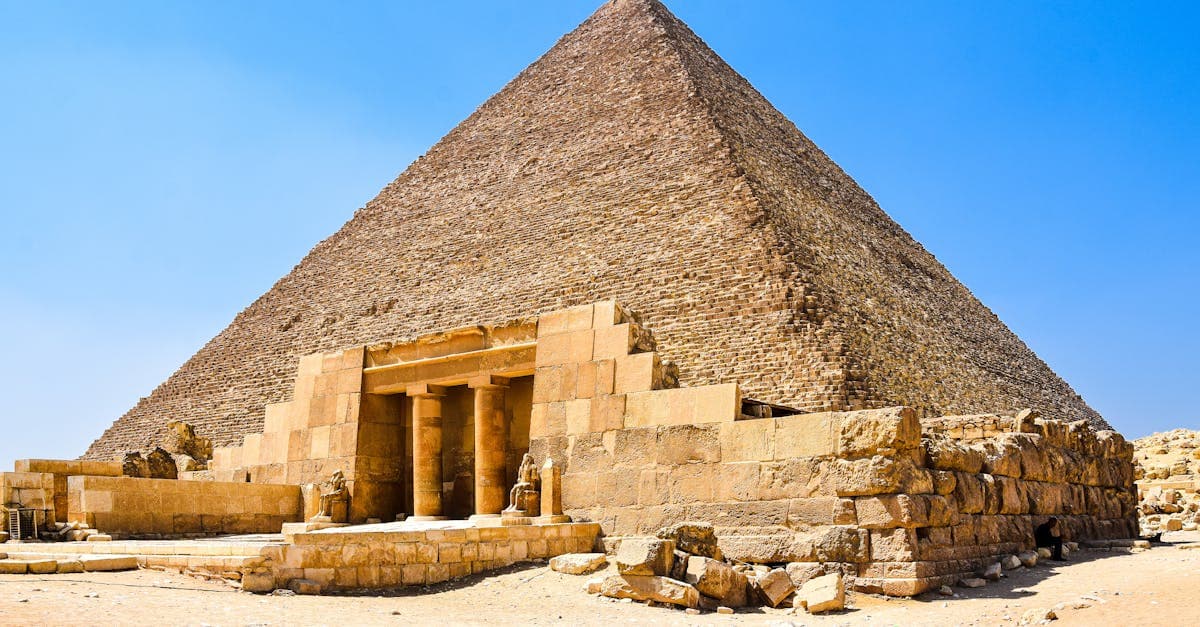
The FCDO's Egypt advice includes these laws:
- Photos: Ministry of Tourism rules say you need an Egyptian citizen's written permission before you take their photo, and taking pictures of children is prohibited. Photographing military property, including the Suez Canal, is illegal.
- Drones: you need permission from the Ministry of Defence before you bring in or use one. Without it, you could face up to 7 years in prison or a fine of EGP 5,000 to 50,000.
- Drugs: possession, use or trafficking, even of small amounts, can lead to life imprisonment or the death penalty. Khat is illegal.
- Alcohol: drinking anywhere other than licensed restaurants and bars, private homes or certain tourist resorts is illegal and can lead to arrest.
- ID: police check ID regularly and may detain you if you cannot show your ID and your visa, or a digital or paper copy.
Dress modestly, especially in rural areas, mosques and souqs. Public displays of affection between couples are frowned upon, though holding hands is generally fine, and behaviour accepted in resorts may not be accepted elsewhere. During Ramadan, eating, drinking or smoking in public in daylight hours is culturally insensitive.
Roads, railways and Nile cruises have a record of serious accidents
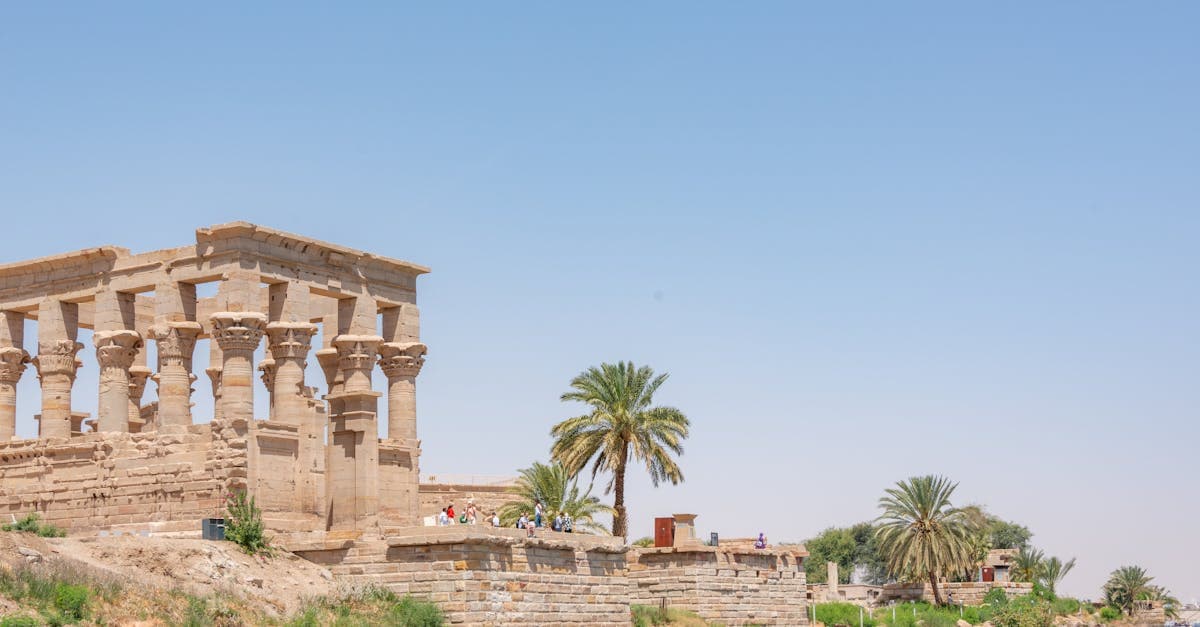
Road accidents are common, the FCDO says, because of variable road conditions, dangerous driving and poor enforcement of traffic laws. It advises against driving outside main cities and resorts at night. To drive, you need the 1949 International Driving Permit as well as your UK licence, and you cannot buy the permit outside the UK.
Serious bus crashes in recent years have caused many deaths, including tourists, and there have been fatal train collisions and derailments. Overcrowding and poor safety standards have caused accidents on Red Sea ferries and Nile cruises.
Some UK tour operators have stopped selling hot air balloon flights because they could not verify safety standards, so speak to your tour company before you book one. On a quad bike, always wear a crash helmet: the FCDO reports several serious quad bike accidents involving British nationals in resort areas.
Passport, visa, vaccine and cash rules to check at home
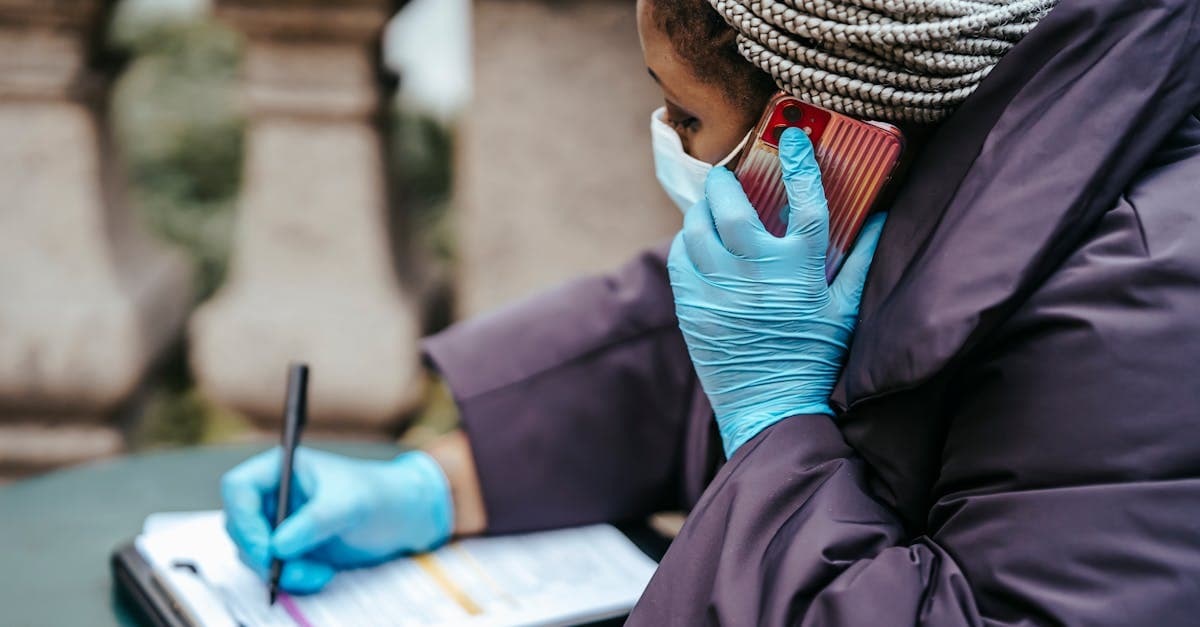
The FCDO's entry rules say your passport must have an expiry date at least 6 months after the day you arrive in Egypt, and at least one blank page.
British passport holders normally need a visa. You can apply online in advance, apply through the Egyptian Consulate General in the UK, or buy one on arrival at approved airports for US$30 in cash. Since 1 August 2026, Cairo International Airport also sells a digital visa on arrival by card for US$36, including a US$6 digital service fee. Egypt's authorities set and enforce the entry rules, so ask the consulate if you are unsure how they apply to you.
At least 8 weeks before you travel, check which vaccines you need. TravelHealthPro's Egypt advice, from the UK's National Travel Health Network and Centre, recommends vaccines against hepatitis A and tetanus for most travellers to Egypt, and against dengue, hepatitis B, rabies and typhoid for some, depending on their plans and health. A GP practice or travel clinic can tell you which apply to you.
Travellers over 9 months old must show a yellow fever vaccination certificate if they arrive from a country with a risk of yellow fever transmission, or after more than 12 hours in transit at an airport in one. There is no malaria risk: the World Health Organization declared Egypt malaria-free in 2024. There is a risk of dengue, which mosquitoes spread mainly in the daytime.
TravelHealthPro advises drinking water that is boiled, filtered or bottled, and not wading, swimming or bathing in fresh water, because of schistosomiasis, a parasitic infection. Sea water and properly chlorinated pools carry no schistosomiasis risk.
Some prescribed and over-the-counter medicines may be controlled substances in Egypt, and you may need permission from Egypt's Ministry of Health before you arrive. Without that permission or the documents needed, you will not be allowed to bring the medicine in and you may be prosecuted. Carry a letter from your GP stating your condition, the amount of medication and that it is for your personal use.
You can bring up to EGP 5,000 into or out of Egypt, and you must declare foreign currency worth more than US$10,000 on arrival. At the Central Bank of Egypt's official rate on 26 October 2026, £1 was worth about EGP 75 and US$1 about EGP 56, so US$100 came to about EGP 5,600.
Keep your UK number for bank codes and use an eSIM for data in Egypt
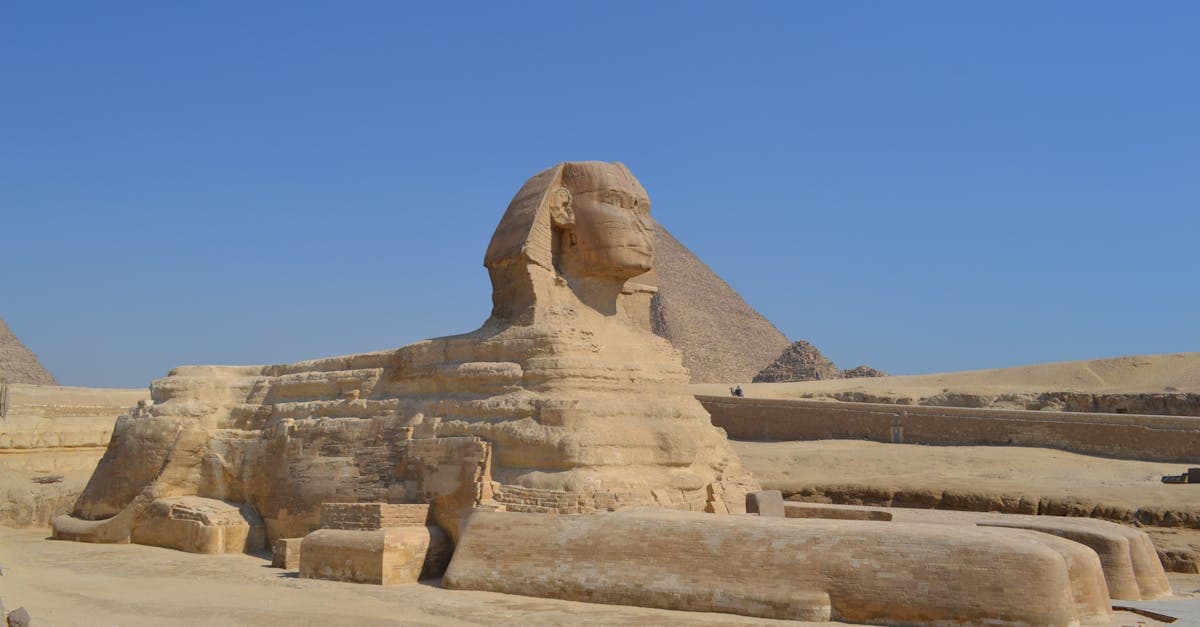
Much of this advice runs through your phone: the visa copy police may ask to see, booking and transfer messages, and maps once you leave the hotel Wi-Fi.
On 29 October 2026, a HelloRoam Egypt eSIM connected to the Orange network in Egypt. Check your phone works with eSIM, then install the eSIM at home so it is ready when you land. Your UK SIM can stay in the phone for calls and texts, such as bank security codes, while the eSIM handles mobile data.
If you would rather use your UK plan abroad, check what UK networks charge for roaming first. To choose a plan size, work out your data needs before you go.
If Egypt is one stop on a longer trip, a regional plan for Africa covers Egypt, Morocco and Kenya on one eSIM. Our support team answers 24/7 by email and WhatsApp if the eSIM will not connect.
Plan for gaps in the desert: the FCDO says phone reception is limited around Bahariya, Farafra and the White and Black Deserts. Leave satellite phones at home, as officials are likely to confiscate them unless you have prior clearance from the Ministry of Telecommunications, and declare high-value electronics when you arrive.
Changing or cancelling an Egypt trip starts with your travel provider
The FCDO cannot give tailored advice for individual trips; it asks travellers to read its advice and do their own research before deciding whether to go. If it advises against travel to a place you have booked, going there could invalidate your insurance.
For refunds or changes, contact your travel provider first. The FCDO notes that insurers usually ask you to do that before a claim, and GOV.UK explains how to find previous versions of travel advice to support one.
Then sign up for FCDO email alerts for Egypt, and read its advice again in the week you fly.
Questions travellers ask
Is Egypt safe right now with the war?
The FCDO's warning areas leave out Cairo, Luxor, Aswan and the Red Sea resorts, but it calls the regional situation unpredictable and sees a risk of more attacks and unforeseen escalation. In Egypt, it reports an apparent drone strike that damaged two ships moored off Damietta on 29 July 2026, and it warns that the Taba crossing into Israel can close at short notice. The situation can change quickly, so check the FCDO's Egypt page before you fly.
Are flights to Egypt cancelled?
Your airline or tour operator decides whether a flight runs, so check your booking with them before you fly. The airports at Cairo, Luxor, Hurghada and Sharm el-Sheikh are in none of the FCDO's warning areas.
Sources
- Egypt travel advice: warnings and insurance (FCDO)gov.uk
- Egypt travel advice: entry requirements (FCDO)gov.uk
- Egypt travel advice: safety and security (FCDO)gov.uk
- Egypt travel advice: regional risks (FCDO)gov.uk
- Egypt travel advice: health (FCDO)gov.uk
- Egypt travel advice: getting help (FCDO)gov.uk
- Spain travel advice: safety and security (FCDO)gov.uk
- France travel advice: safety and security (FCDO)gov.uk
- Egypt (TravelHealthPro, NaTHNaC)travelhealthpro.org.uk
- CBE exchange rates (Central Bank of Egypt)cbe.org.eg
Written by
HelloRoam Team
The HelloRoam Team writes our guides on trip planning, visas and eSIMs. For every new or updated guide, we check each fact at its source. Sources include government, park and weather service pages. We note the date we read each one. A second review then checks every fact against its source before the guide goes live. If we cannot confirm a fact, we leave it out. We link those sources inside the guide, so you can check them.
 Turkey