Quick answer: Carnival Adventure deck plans at a glance
The layout is logical once you see it. Decks 5 to 9 carry the bulk of cabin accommodation alongside the main dining rooms and lobby atrium. Midship decks 7 to 9 are the dependable sweet spot: positioned near the ship's centre of gravity, these cabins experience noticeably less motion when the Tasman or Coral Sea decides to make things interesting. Families boarding from Sydney or Brisbane for a Pacific run tend to gravitate here instinctively, and that instinct is reliable.
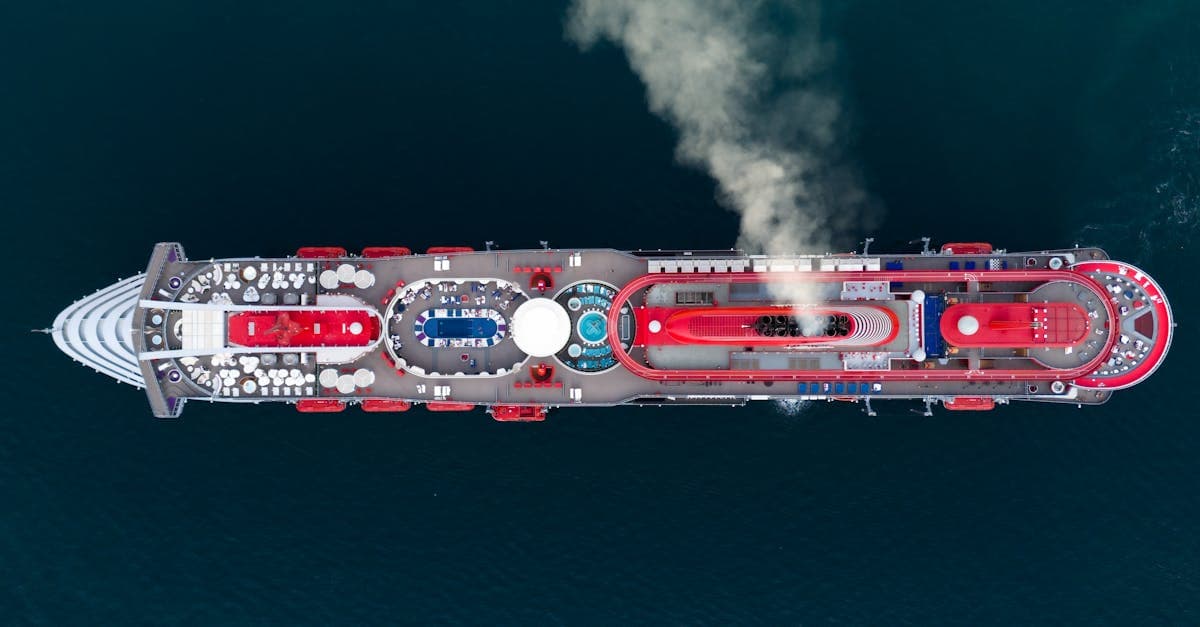
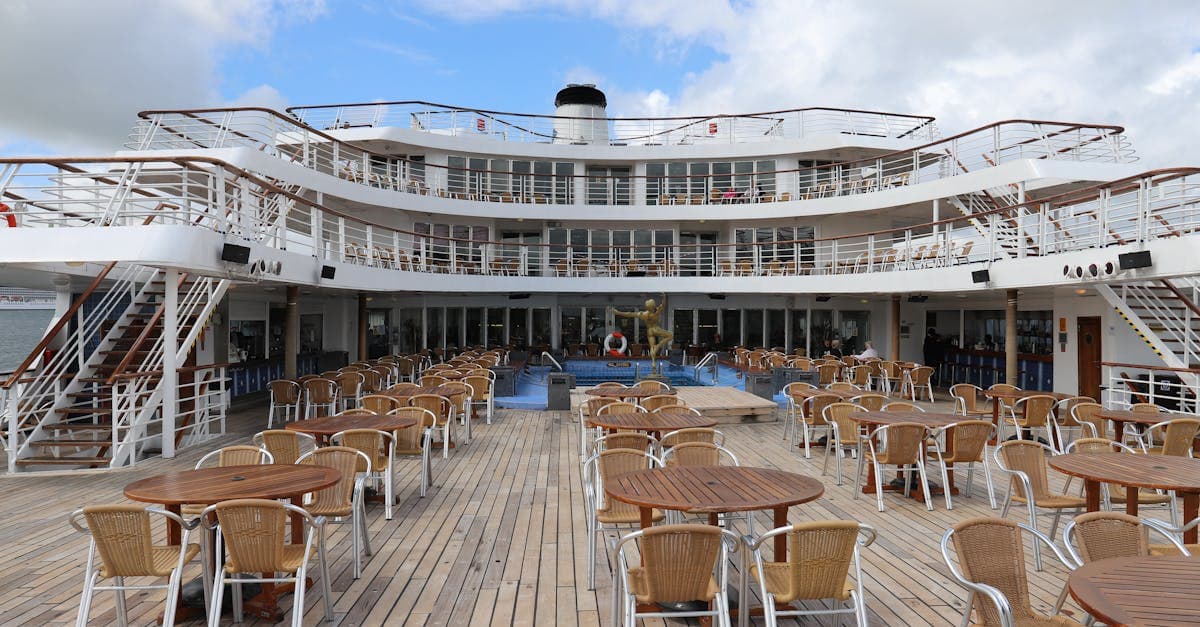
Upper decks 14 to 17 are where the ship shifts gear. Pools, the full-service spa, kids club, adventure park, sports facilities, and the nightclub all sit up top. Handy for an afternoon swim. Less appealing if your cabin is directly below the lido on a busy sea day.
Good deck plan knowledge is the difference between a smooth holiday and a week spent investigating the source of a 2 am thumping. Here is what each level actually holds.
What is on each deck of the Carnival Adventure?
Three functional zones define Carnival Adventure's layout. The lower levels (decks 4 to 7) handle service and dining; the middle band (decks 8 to 13) is almost entirely cabin accommodation; and the upper tier (decks 14 to 17) is where outdoor and entertainment spaces concentrate cruisemapper.com. That structure shapes every cabin trade-off worth making.
| Deck | Primary Use | Key Facilities |
|---|---|---|
| 4 | Service | Tendering platform, onboard medical centre |
| 5 | Cabin + Dining | Staterooms, first main dining room level, retail shops |
| 6 | Cabin + Lobby | Staterooms, main lobby atrium, second dining room level, teen club, shops |
| 7 | Entertainment | Promenade walkway, main lounge, casino, retail shops |
| 8 to 11 | Cabin | Interior and ocean view staterooms |
| 12 | Cabin + Outdoor | Staterooms, Oasis Pool area and bar |
| 14 | Lido + Bridge | Bridge level, main outdoor pools, adults-only sun area |
| 15 | Cabin + Wellness | Staterooms, full-service spa, kids club, second sundeck |
| 16 | Outdoor Activities | Byron Beach Club, Adventure Park, third sundeck |
| 17 | Sports + Nightlife | Sports facilities, nightclub entertainment venue |
Deck 4 is operational in a way most passengers only notice when it matters. The tendering platform here becomes the bottleneck on Pacific Island itineraries where ports lack dedicated cruise docking. Mystery Island and several Vanuatu stops require tender access, which means deck 4 briefly becomes the most critical level on the ship during those mornings. The onboard medical centre also sits here, easy to overlook until it isn't.
Deck 7 deserves more attention than most Carnival Adventure deck plan guides give it. The promenade walkway, main lounge, and casino cluster here, making it the social core of the ship during sea days cruisedeckplans.com. That energy is an asset for passengers who want entertainment within easy reach. It also means cabins on decks 6 and 8 near the aft can pick up acoustic bleed once the casino crowd settles in for the evening.
The numbering gap between deck 12 and deck 14 catches first-time cruisers every time. Deck 13 is skipped entirely, following a maritime convention common across the industry. It is not an error in the deck plan.
Deck 15 is a layered deck where different passenger flows share the same floor. The full-service spa draws a settled crowd toward one end; the kids club pulls family traffic toward the other cruise1st.com.au. Choosing a cabin toward the spa side of deck 15 is the sensible move for anyone prioritising quieter corridors.
Deck 16's Byron Beach Club offers a breezy outdoor alternative to the busier lido above thetraveltemple.com.au. The atmosphere is more relaxed, and on port days it empties early as passengers head ashore.
Speaking of port days: cruise ship Wi-Fi is workable for basic messaging but costly for anything heavier at stops like Noumea, Port Vila, or Suva. Passengers planning to use navigation or streaming apps ashore should confirm eSIM compatibility before departure. The eSIM Compatible Devices list is a practical pre-trip reference for that check.
With the layout clear, the next question is where to sleep.
What is the best deck to have a room on a cruise ship?
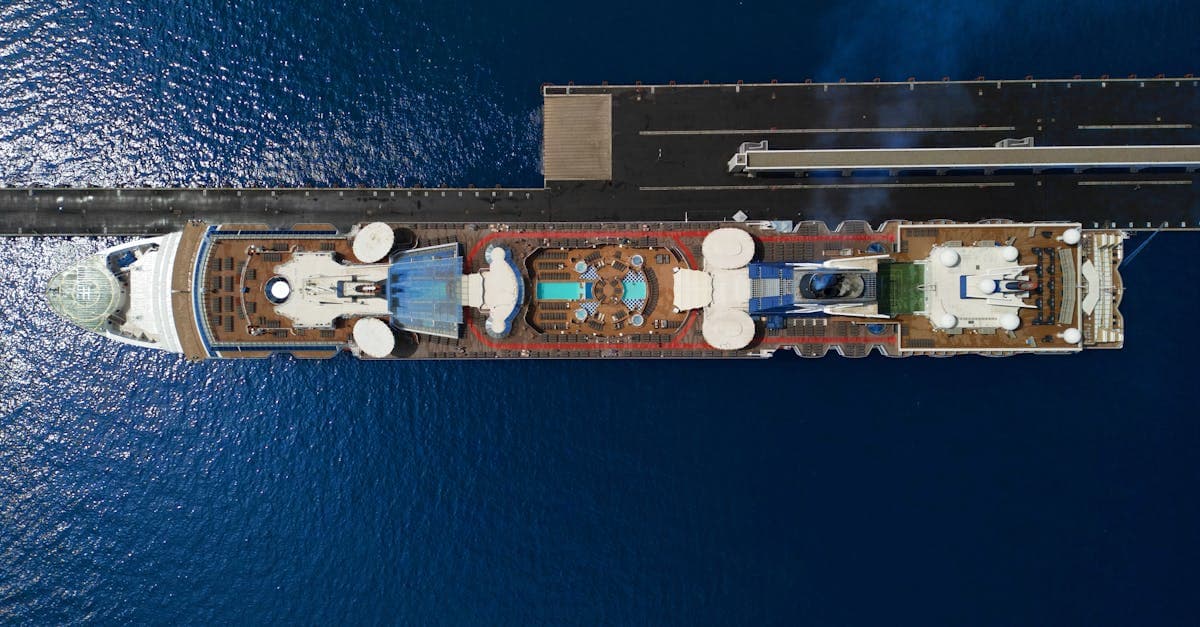
Midship cabins on decks 7 to 9 offer the best combination of stability and ship access for most passengers thetraveltemple.com.au. The physics are straightforward: a vessel pivots around its centre, so cabins placed midship and closer to the waterline experience considerably less motion than those at the bow, stern, or high up.
For passengers prone to seasickness, lower decks outperform upper ones regardless of cabin category. Decks 5 and 6 midship have less vertical motion than anything above deck 12, even if the view through a porthole is less dramatic than an ocean view from eight floors up.
Three spots to avoid booking directly above or below: the pool deck, the casino, and the nightclub. On Carnival Adventure, that means being cautious around decks adjacent to 7 (casino), 14 (lido and pools), and 17 (nightclub). Ship steel carries noise with unsettling efficiency.
That last point matters more than most pre-booking advice acknowledges.
For balcony cabins, midship on decks 7 to 9 is the spot-on pick for passengers willing to spend a bit more. You get the private outdoor space without the noise and foot traffic that follows proximity to the upper pool decks. The view is solid, the ride is steady, and the corridor outside is quieter than most.
Interior cabins are a different equation. The strongest budget choice on Carnival Adventure falls on decks 8 and 9 midship. You're trading the window for the most stable, quietest position on the ship, and on a 10-night Pacific cruise out of Sydney, that's often the right call.
Higher decks near the pools offer undeniable convenience on sea days. The trade is predictable: foot traffic outside your door from before breakfast, and ambient lido noise well into the evening.
But how does Adventure stack up against Carnival Splendor, the other ship sailing from Australian ports?
Which ship is better, Carnival Splendor or Adventure?
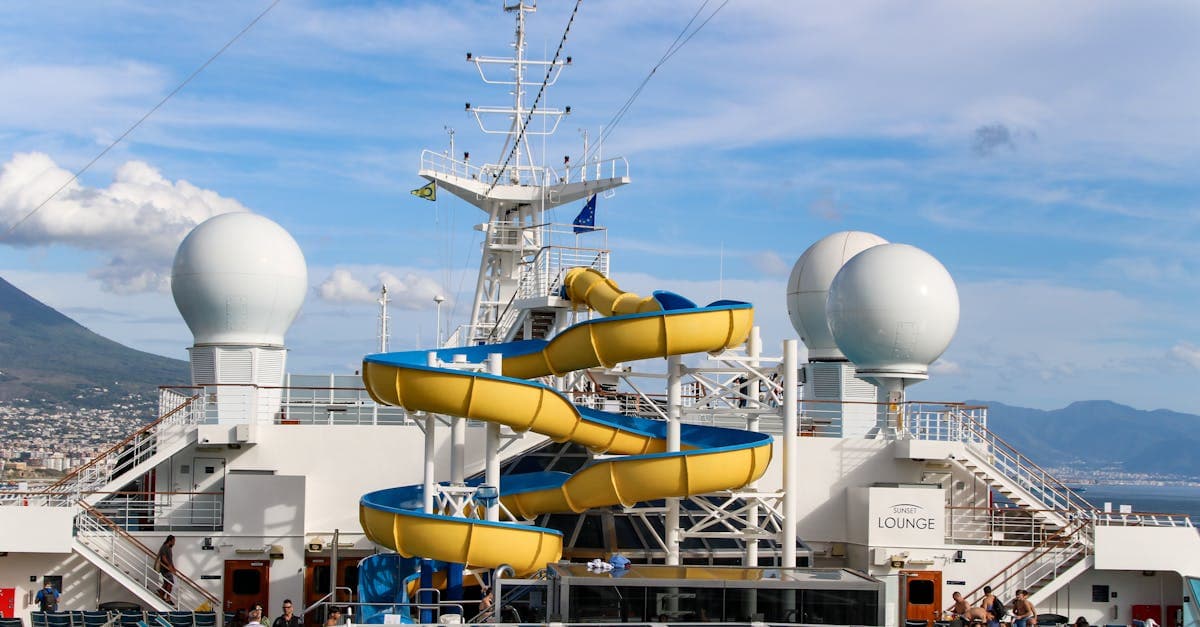
Carnival Splendor suits travellers who prioritise dining and entertainment variety; Carnival Adventure suits those who prefer calmer corridors and a more manageable scale. Splendor carries 3,012 guests across 1,503 cabins and 13 decks, with greater gross tonnage. Adventure carries fewer passengers across more decks, producing a lower guest-to-floor ratio and, in practice, calmer corridors during peak sailings.
The surprise is in the maths, not the marketing.
Splendor's higher capacity supports a broader rotation of restaurants and shows running simultaneously each night. The pool deck carries more energy; there's more happening in parallel at any given hour. For longer voyages where variety across the trip outweighs atmosphere, Splendor is the more natural fit.
Adventure suits travellers who want a more workable scale without stepping into boutique territory. Fewer guests spread across more deck levels keeps foot traffic manageable, particularly during the embarkation and disembarkation rushes that expose a ship's real crowd dynamics. For a first or second cruise, navigating the ship feels considerably less overwhelming. The trade-off is fewer simultaneous venue options, which matters less on a shorter Pacific itinerary.
Both ships depart from Australian home ports including Sydney, Brisbane, and Fremantle, on largely overlapping itineraries. The destination itself rarely decides the question.
The practical gap: onboard variety versus elbow room. Splendor wins the former; Adventure edges it on the latter. Whichever you book, staying connected at sea is a separate puzzle worth solving early.
Staying connected on Carnival Adventure: Wi-Fi, ports, and eSIM options
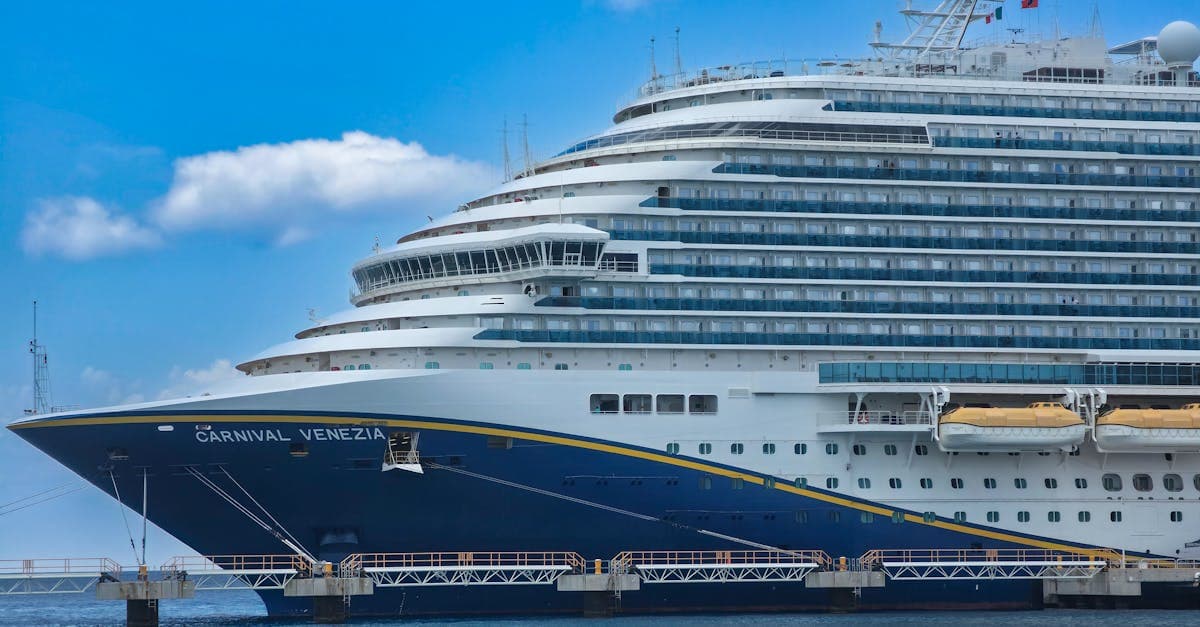
Carnival Adventure sells Wi-Fi as a per-day or per-voyage package priced in USD, built primarily for messaging and light browsing. Streaming is typically throttled or capped at sea. That's the baseline before any port day enters the picture.
The port calculation shifts considerably depending on where the ship drops anchor.
Noumea in New Caledonia has solid mobile coverage across the city centre, accessible to Australian roaming plans without much complication. Port Vila in Vanuatu is more variable: coverage holds in town but gets patchy past the main strip. Mystery Island is an anchorage stop with no permanent settlement, meaning no local mobile signal worth building a plan around.
Aussie travellers used to Telstra or Optus international day packs often activate roaming by default. Sensible choice in Noumea. At anchorage stops, that daily rate buys nothing.
An eSIM activated before departure handles port days more cleanly. A single profile covers multiple Pacific Island destinations without swapping physical SIMs at each stop, and port-day data via eSIM is generally cheaper than purchasing additional ship Wi-Fi credits to bridge the same hours ashore.
HelloRoam covers Pacific Island destinations with eSIM plans that activate before you leave Australia, so the connection is live well before the tender reaches the dock. No SIM tray, no airport queue, no roaming charge appearing on the credit card at the end of the voyage.
The practical split most Pacific cruisers settle on: ship Wi-Fi for staying in touch at sea, an eSIM for the hours spent ashore. Getting that sorted before departure removes an entire category of trip-day friction.
Two more questions Aussie cruisers ask every season, answered directly.
How to get a free balcony upgrade on Carnival?
Carnival does not guarantee free upgrades to any guest, but certain booking strategies meaningfully improve the odds. Guarantee cabin bookings (GTY) are the most reliable path: you select a cabin category and let Carnival assign the specific stateroom, sometimes resulting in a complimentary bump to a higher grade closer to departure.
The approaches worth trying, in order of reliability:
- Book a guarantee (GTY) cabin. Choose the GTY option for your preferred category rather than locking in a specific room. Carnival assigns staterooms as departure approaches and upgrades occur when inventory doesn't fully clear. Balcony GTY bookings occasionally resolve into a higher balcony tier at no extra cost.
- Build VIFP loyalty status. Carnival's VIFP (Very Important Fun Person) programme tracks past sailings. Higher tiers don't guarantee anything outright, but loyalty history is a noted consideration during cabin assignments.
- Monitor fares and contact Carnival AU directly. If balcony pricing drops after your booking, a fare difference can sometimes convert to an upgrade rather than a refund. Carnival doesn't advertise this.
- Book through an Australian travel agent. Agents with consistent Carnival booking volume sometimes access upgrade inventory unavailable when booking direct.
- Sail shoulder season and stay flexible on deck. Less popular departure dates carry more unsold inventory at the premium end. Willingness to accept any balcony deck rather than a specific one makes the offer dead-simple to take when it comes.
No approach is guaranteed. A GTY booking combined with genuine flexibility on cabin location gives the most realistic shot at a complimentary upgrade.
One more common question, often confused with cruise packing rules.
What is the 3:1:1 rule on a Carnival cruise?
The 3:1:1 rule is a US Transportation Security Administration (TSA) liquids policy for carry-on baggage at American airports, not a Carnival cruise policy. It covers three specifics: containers holding 100 ml (3.4 oz) or less, placed into one clear resealable bag, with one bag allowed per passenger. That rule governs flights. It does not govern ship gangways.
The mix-up is common, and understandable. Plenty of Carnival Adventure passengers fly into an embarkation port before boarding, so the TSA rule, fresh in mind from airport security, bleeds into expectations at the cruise terminal. They are two different checkpoints, operating under entirely different frameworks.
Carnival operates its own embarkation policy on beverages. The relevant rule for Aussie cruisers is this: one bottle of wine or champagne (750 ml) per adult guest is permitted at embarkation carnival.com.au. Spirits and beer cannot be brought aboard. That beverage policy applies at Sydney, Brisbane, and Fremantle departures equally.
The cruise terminal itself?
Australian cruise terminals, including the Overseas Passenger Terminal in Sydney and the Brisbane Cruise Terminal, operate under Australian customs and biosecurity rules administered by the Australian Border Force. Checked luggage does not face aviation-style volume restrictions for liquids. Your 500 ml shampoo in a checked bag is not an issue.
Getting this distinction straight saves a headache at embarkation. Pack your carry-on using TSA rules if you're transiting through a US airport on the way to your cruise. Pack your cruise luggage to Carnival's own embarkation policy. Those are two separate problems requiring two separate checklists.
Now you're set to choose your cabin, your deck, and your connection plan before you board.
Reviewed by HelloRoam's editorial team. Last updated: 09 May 2026.
Questions travellers ask
What is the 3:1:1 rule on a Carnival cruise?
The 3:1:1 rule is a TSA liquids policy for US airport carry-on bags: containers of 100ml or less, in one clear resealable bag, one bag per passenger. It applies to flights, not Carnival cruise ships.
How to get a free balcony upgrade on Carnival?
Book a Guarantee (GTY) cabin and let Carnival assign the stateroom — upgrades occur when inventory does not clear near departure. Building VIFP loyalty status and staying flexible on deck location also improve your odds.
Which ship is better, Carnival Splendor or Adventure?
Carnival Splendor suits travellers wanting more dining and entertainment variety, while Carnival Adventure suits those preferring calmer corridors and a more manageable scale with fewer passengers per deck.
Sources
- carnival.com.aucarnival.com.au
- Carnival Adventure deck planscruisemapper.com
- Carnival Adventure Cabinscruise1st.com.au
- thetraveltemple.com.authetraveltemple.com.au
- Carnival Adventure Deck Plans & Cabin Detailscruisepassenger.com.au
- Carnival Adventure decks, cabins, diagrams and pics.cruisedeckplans.com
- Carnival Adventure Deck Plans (Layout & Map)cruiseline.com

Written by
Sophie Callahan
Sophie Callahan is a travel writer at HelloRoam covering travel tech and data plans for international visitors. She explains how to set up an eSIM before landing so readers arrive already connected. Sophie focuses on budget-friendly advice for backpackers and working holiday makers who need reliable data without overpaying.
 Singapore