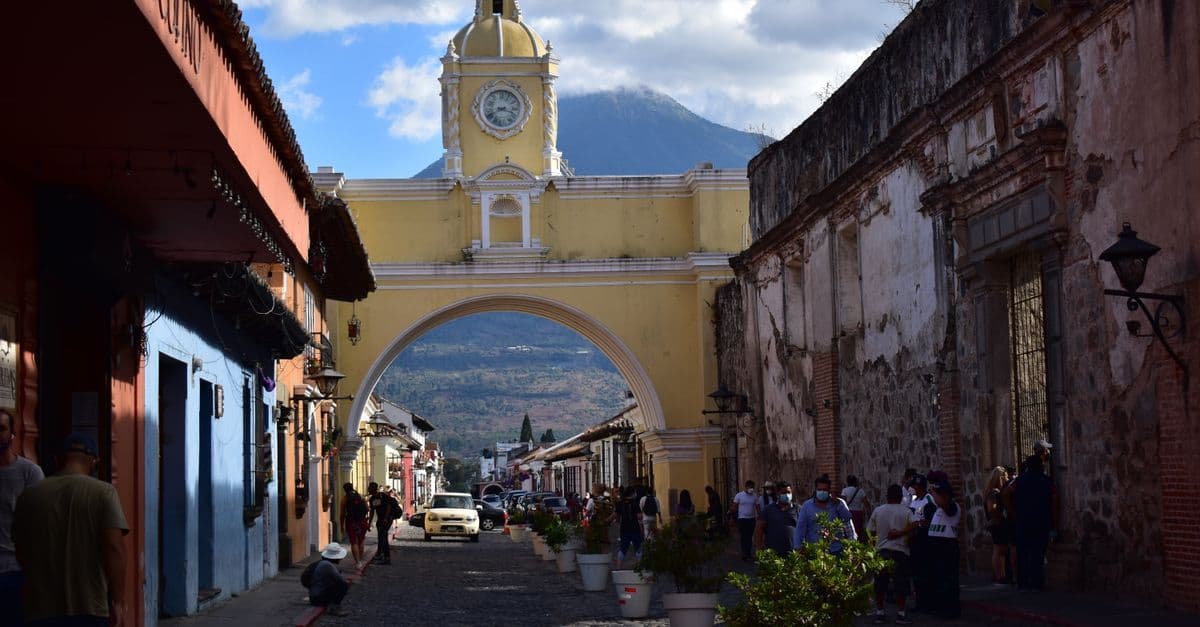
Level 3 is a serious warning, but it isn't a ban, and it doesn't put Guatemala's best-known sights off limits. The same advisory lets US government employees visit popular destinations like Tikal, Antigua, Lake Atitlán and the Pacific coast in Santa Rosa and Escuintla, under rules on taxis, buses and night driving that any visitor can copy.
Set up a HelloRoam Guatemala eSIM before you fly, and your phone is online when you land at La Aurora International Airport, so you can book a ride to your hotel or Antigua, follow the route on a map and message home. Support is on hand 24/7.
Four areas of Guatemala are Level 4: Do Not Travel
The State Department tells US citizens not to go to these four areas for any reason. It cites crime and terrorism by cartels, gangs and criminal organizations. Its own employees and their families can't travel to them for personal trips, and they may not even pass through Zone 18 or Villa Nueva.
 Get your Guatemala eSIM before you flyInstall it at home, then turn on data roaming for it when you land. From $4.99.See Guatemala plans
| Area | Official US level | What the advisory says |
|---|---|---|
| San Marcos Department | Level 4: Do Not Travel | Risk of violence from terrorist groups, cartels, gangs and criminal organizations. Some towns don't have enough police. |
| Huehuetenango Department | Level 4: Do Not Travel | Same risks as San Marcos. Local officers may lack the resources to handle serious crimes. |
| Zone 18 in Guatemala City and the city of Villa Nueva | Level 4: Do Not Travel | US government staff may not travel to or through either area. |
| Rest of Guatemala City | Level 3 (country level) | US government staff and their families may go anywhere else in the city, including at night. |
| Tikal, Antigua, Lake Atitlán, Pacific coast in Santa Rosa and Escuintla | Level 3 (country level) | Open to US government staff, who should avoid driving outside Guatemala City at night. A separate embassy alert bars staff from the lake town of Santiago Atitlán. |
Overland travelers should study the western border before planning a crossing. The State Department's Mexico advisory bars its staff from southeastern Chiapas along the Guatemala border, from the Pacific Ocean to Netzahualcóyotl, and asks US citizens in Mexico to follow its staff restrictions. Canada's government also advises against non-essential travel to the La Mesilla, Tecún Umán, El Carmen and El Ceibo crossings with Mexico.
Crime and a new terrorism flag explain the Level 3 rating
The advisory points to gang-related violence that is heavier in some areas than in others. It lists robbery, carjacking, drug trafficking, assaults and murders. It also says local police often struggle with serious crimes, which leads to low arrest and conviction rates.
The advisory's warning for tourists is more specific: it says tourists can become victims of opportunistic crimes such as scams and extortion. Canada's government adds that most crime is drug- and gang-related, but travelers have been attacked, sometimes at tourist sites.
The latest update didn't change the level. It added a terrorism risk indicator, tied to cartels, gangs and criminal organizations in the four Level 4 areas. Mexico's advisory lists terrorism as a risk too.
Canada and the UK draw their own lines on the map
Other governments read the same country differently, and their lists don't match the US one. Canada's advice for Guatemala, last updated August 14, 2026, flags parts of Guatemala City, such as Zones 1 and 21, that the State Department leaves at the country level. Britain's Foreign Office advice, updated August 13, 2026, focuses on the Mexican border.
| Government | Overall advice | Areas flagged |
|---|---|---|
| US State Department | Level 3: Reconsider Travel | Do Not Travel: San Marcos, Huehuetenango, Zone 18 in Guatemala City and Villa Nueva |
| Government of Canada | Exercise a high degree of caution | Avoid non-essential travel: Guatemala City Zones 1, 3, 5 to 7, 18 and 21; five municipalities in Guatemala and Escuintla departments; 11 border crossings |
| UK Foreign Office | Advises against all but essential travel to parts of the country | Within 5 km (about 3 miles) of the Mexican border from the Pacific coast up to and including the Gracias a Dios crossing; Santa Ana Huista, San Antonio Huista and La Democracia in Huehuetenango |
If you're pairing Tikal with Belize, note that Canada's list includes Melchor de Mencos, the CA-13 crossing into Belize. Each government writes its advice for its own citizens, and the US advisory is the one written for American travelers.
Recent embassy alerts add Santiago Atitlán, Fuego and storm season
The US Embassy in Guatemala City posts alerts between advisory updates. Three from 2026 matter for popular routes.
On July 7, 2026, a US Embassy security alert said US government personnel were still barred from Santiago Atitlán, in Sololá Department, after demonstrations against the municipal government. Vehicles and buildings were burned in small riots, and several people were reportedly wounded by gunfire. The embassy told US citizens to avoid the town, so check for a newer alert if your lake itinerary includes it.
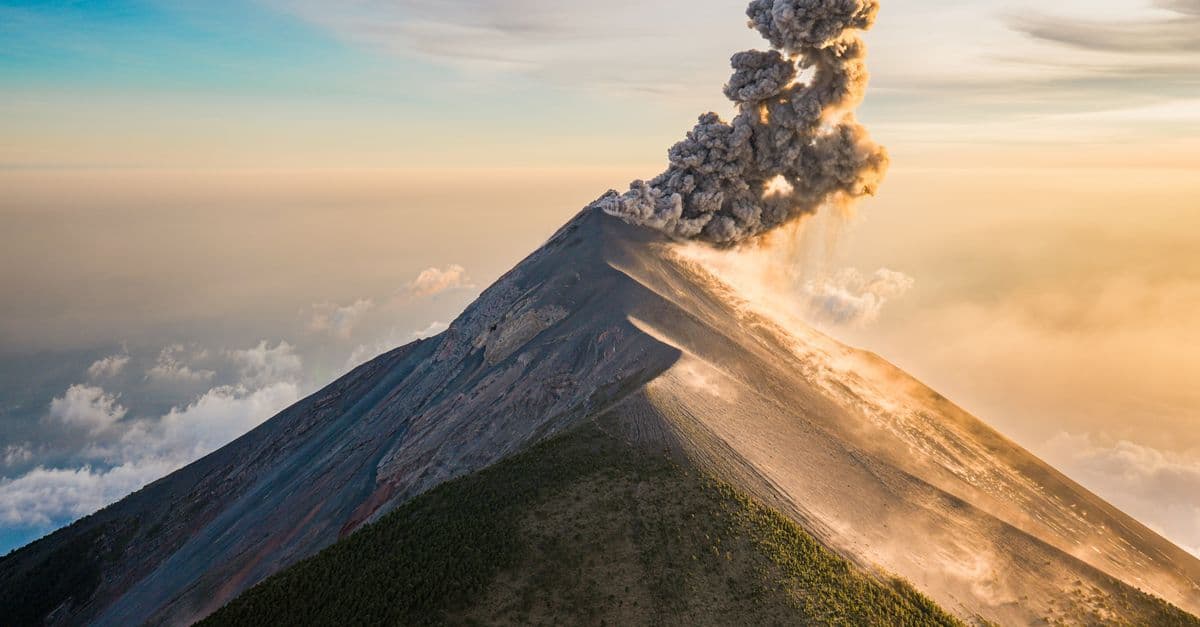
On August 5, 2026, the embassy issued an alert on Volcán de Fuego after INSIVUMEH, Guatemala's seismology and volcanology institute, reported a significant increase in emissions. During that eruption, Acatenango Volcano, Fuego's crater and the area called El Camellón were off limits, and the RN-14 road between km 83 and km 103 was closed. The UK and Canada removed their Fuego notes in mid-August.
Volcano conditions can change between your booking and your hike, so check INSIVUMEH's volcano bulletins and CONRED, the national disaster agency, before you go. INGUAT, the national tourism institute, says 4 of the country's 37 volcanoes are currently active and recommends guides it has authorized. The State Department says not to hike trails or volcanoes without a qualified local guide.
Weather is the third factor. The embassy's June 18, 2026 weather alert says the rainy season generally runs May through October, and the Atlantic and Pacific hurricane seasons last until November 30. Heavy rain can keep travelers from leaving an area for 24 to 48 hours or longer.
Officials warn of fake police, express kidnappings and ATM tricks
These are the scams and street crimes that official sources warn visitors about. The table draws on the State Department, Canada's government and INGUAT's tourist assistance office, ASISTUR.
| Risk | What officials report | What to do |
|---|---|---|
| Fake police | Criminals pose as police or drug enforcement officers, then take victims to a side road and rob them (Canada). | Ask for help only from uniformed, identified National Civil Police officers (INGUAT). Call ASISTUR if something feels wrong. |
| Street taxis | Express kidnappers take victims from the street or a taxi and force ATM withdrawals, sometimes holding them overnight for a second withdrawal (Canada). | Use Uber, Taxi Seguro, Taxis Amarillo Express or a hotel taxi. Skip white taxis (State Department). |
| ATM helpers and skimming | Card and ATM fraud occurs (Canada). INGUAT warns against accepting help from strangers at ATMs. | Use ATMs inside a bank or business and cover the keypad (Canada). The State Department says to avoid public ATMs. |
| Currency exchange | INGUAT tells visitors to change money only through the banking system. | Change dollars at a bank. |
| Spiked drinks | Drink spiking is a problem in tourist areas, especially Antigua (Canada). | Never leave a drink unattended, and decline invitations from strangers to private parties (State Department). |
| Unlicensed guides | INGUAT recommends guides it has authorized for volcanoes, parks and archaeological sites. | Book through a reputable company and check the guide's name tag shows the tour company (Canada). |
| Price surprises | INGUAT advises getting quotes for transport, packages and park visits before the trip to avoid confusion or deception. | Agree on prices first, check them with ASISTUR if unsure, and ask for a receipt. |
| Motorcycle robberies | Two people on a motorcycle approach pedestrians or drivers stopped in traffic and demand cash and valuables (Canada). | Keep your phone out of sight on the street (State Department) and don't resist (Canada). |
Getting around safely starts with the rules US government staff follow
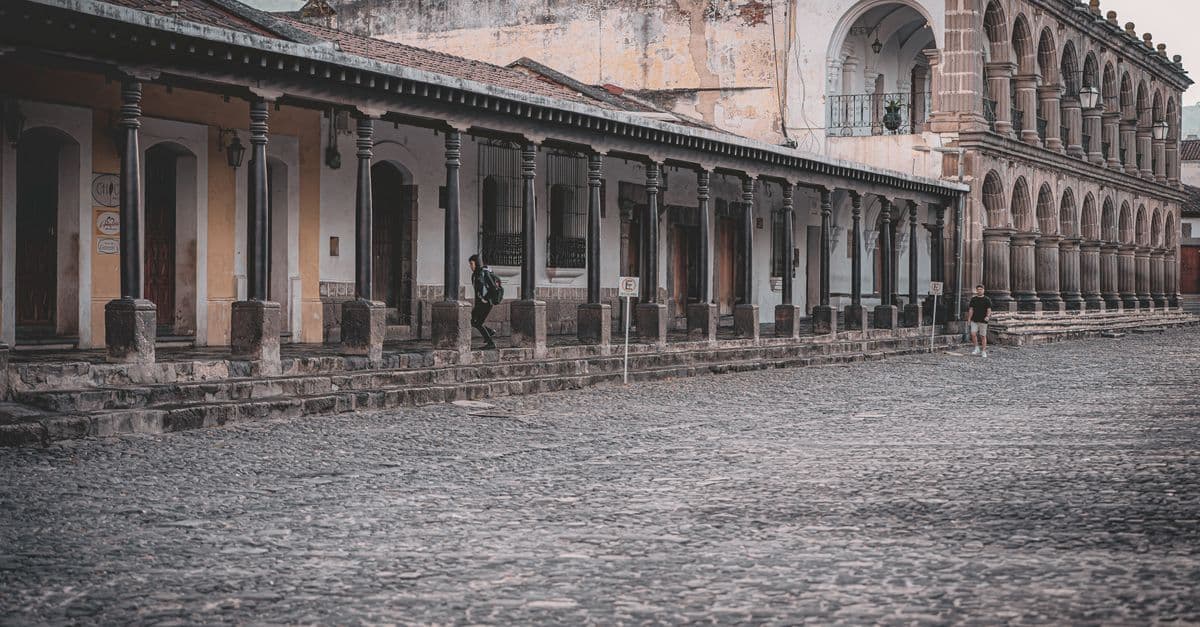
The State Department's limits for its own staff make a practical checklist for visitors. Canada's government and INGUAT add a few more points.
- Skip white taxis and chicken buses. US government employees may not use either because of the high chance of crime and injury.
- From the airport, use the INGUAT-approved taxis at the SAFE stand, a hotel taxi or a vetted private driver. INGUAT also points visitors to shuttles for Antigua and Lake Atitlán.
- Don't drive outside Guatemala City after dark. The advisory cites poor lighting and safety risks.
- Expect roadblocks. Canada's government says illegal roadblocks are frequent, including on main roads to La Aurora International Airport, and advises never going through one without stopping.
- With Uber or another ride-share app, confirm the driver and plate before you get in. Canada notes some drivers ask riders to sit in front because some taxi drivers target ride-share drivers.
- On boats, INGUAT says to avoid overloaded vessels and to insist on life-saving equipment.
- For a road trip, request a police escort through ASISTUR using its online form at least 72 hours ahead. A request doesn't guarantee an escort.
Mexico has a lower overall level but six Do Not Travel states
Mexico sits at Level 2: Exercise Increased Caution, one step below Guatemala. Yet Mexico has six states at Level 4: Colima, Guerrero, Michoacán, Sinaloa, Tamaulipas and Zacatecas. Guatemala's Level 4 list covers two departments, one zone of Guatemala City and the city of Villa Nueva. Comparing the areas on your route tells you more than comparing the countries.
Chiapas, the Mexican state on Guatemala's western border, is Level 3. Oaxaca is Level 2, and our Oaxaca travel guide for US visitors covers that state if it's on your route. Here's how Guatemala's neighbors compare in the State Department's own listings.
| Country | State Department level | Advisory date |
|---|---|---|
| Guatemala | Level 3: Reconsider Travel | March 12, 2026 |
| Mexico | Level 2: Exercise Increased Caution | May 29, 2026 |
| Belize | Level 2: Exercise Increased Caution | March 12, 2026 |
| El Salvador | Level 1: Exercise Normal Precautions | June 25, 2026 |
| Honduras | Level 3: Reconsider Travel | December 10, 2024 |
Guatemala has separate emergency lines for police, firefighters and tourists
Save these numbers before you land. INGUAT's tourist assistance site lists Guatemala's emergency lines, and ASISTUR's call center answers in Spanish and English around the clock.
| Service | Number | Good to know |
|---|---|---|
| National Civil Police (PNC) | 110 | Canada's advice also lists 120 for police. |
| Volunteer Firefighters | 122 | Canada's advice lists 122 and 123 for medical help. |
| Municipal Firefighters | 123 | Also listed for medical help. |
| Red Cross | 125 | Listed by INGUAT. |
| ASISTUR tourist assistance | 1500 from a Guatemalan number, or +502 2290-2810 | WhatsApp: +502 5188-1819 |
| DISETUR tourist police | +502 5551-5547 | Patrols tourist sites and craft markets. |
| Prosecutor for crimes against foreign tourists | +502 3756-7330 | Offices in Guatemala City, Antigua and Flores. |
| US Embassy Guatemala City | +502 2354-0000 | From the US: 011 502 2354 0000 or 1-301-985-8164, day or night. |
| State Department, Consular Affairs | 1-888-407-4747 from the US and Canada | 1-202-501-4444 from other countries. |
The embassy is at Boulevard Austriaco 11-51, Zone 16. The embassy's emergency contacts page notes that its staff aren't first responders, so call local services or ASISTUR first in an emergency.
A data-only eSIM reaches ASISTUR on WhatsApp, not on 1500
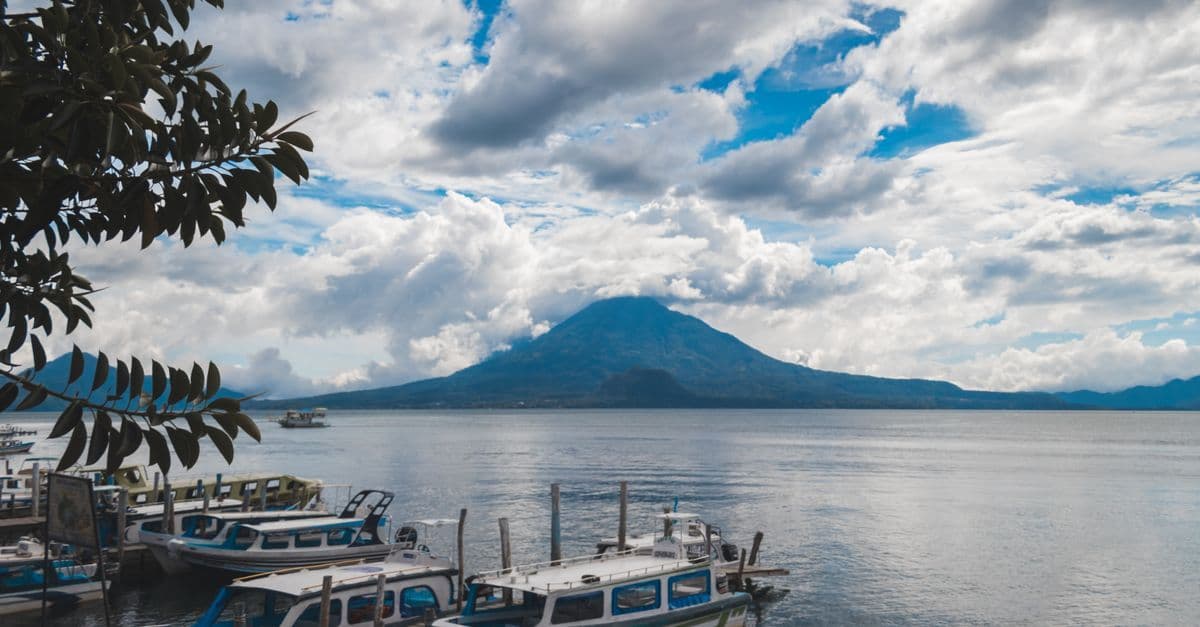
A lot of the help in this guide runs over mobile data: Uber, maps, ASISTUR's WhatsApp line and the embassy's own WhatsApp channel for US citizens. If you're still deciding how to get that data, start by comparing eSIM and roaming costs.
HelloRoam's Guatemala plans connect to the Claro network and are data-only, so they don't include a Guatemalan phone number. That matters for one call. The State Department says the 1500 tourist line works from a Guatemalan phone number, so on a data-only eSIM, save ASISTUR's WhatsApp line instead and keep your US line active for regular calls.
Set up your eSIM before you fly so it connects when you land, and check that your phone supports eSIM before you buy. If you'll be calling local numbers often on a long stay, a local prepaid SIM with a Guatemalan number is the better tool.
STEP and the embassy's alerts tell you when the advice changes
Advisory levels and embassy alerts can change after this guide was checked. In the week before you leave, reread the State Department's Guatemala page and the embassy's alerts for US citizens. Enroll in the Smart Traveler Enrollment Program (STEP), which helps the embassy contact you or your emergency contact in an emergency. This guide summarizes official advice and doesn't replace it.
Questions travelers ask
Is Guatemala on the US travel ban?
No. Guatemala isn't one of the countries named in the presidential proclamation limiting US entry for some foreign nationals, in force since January 1, 2026. For US citizens going to Guatemala, nothing in the State Department's advisory bars the trip. Even the four Level 4 areas carry advice, Do Not Travel, not a legal ban.
Is Antigua Guatemala safe to visit?
Antigua isn't one of the four Level 4 areas, so it falls under Guatemala's overall Level 3. The State Department lets its own staff visit, and ASISTUR works with tourist police there. Canada's government warns that drink spiking is a problem in Antigua and that some travelers have been followed from the airport and robbed on the way.
Is Guatemala safe for women traveling alone?
Canada's government says women traveling alone may face harassment, and sexual assaults have occurred, including on buses and by people posing as tour guides. It advises avoiding travel alone, with informal guides or with strangers. It also says to use only reputable tour guides or buses.
Sources
- US State Department: Guatemala Travel Advisory (Level 3, issued March 12, 2026)travel.state.gov
- US State Department: Travel Advisories RSS feed (Guatemala, Mexico, Belize, El Salvador, Honduras entries)travel.state.gov
- US State Department: Mexico Travel Advisory (Level 2, issued May 29, 2026)travel.state.gov
- Government of Canada: Guatemala travel advice and advisoriestravel.gc.ca
- UK Foreign, Commonwealth & Development Office: Guatemala travel advicegov.uk
- US Embassy Guatemala: Security Alert, Santiago Atitlan (July 7, 2026)gt.usembassy.gov
- US Embassy Guatemala: Alert, Eruption Volcano Fuego (August 5, 2026)gt.usembassy.gov
- US Embassy Guatemala: 2026 Rainy Season and Hurricane Season (June 18, 2026)gt.usembassy.gov
- US Embassy Guatemala: Contact Us and emergency contactsgt.usembassy.gov
- US Embassy Guatemala: Alerts for US citizensgt.usembassy.gov
- INGUAT Tourist Assistance (ASISTUR): Tourist prevention and assistance numbersasistur.gt
- INGUAT Tourist Assistance (ASISTUR): Services and escort requestsasistur.gt
- INSIVUMEH: National Institute of Seismology, Volcanology, Meteorology and Hydrologyinsivumeh.gob.gt
- CONRED: National Coordinator for Disaster Reductionconred.gob.gt
- The White House: Proclamation restricting and limiting the entry of foreign nationals (December 16, 2025, effective January 1, 2026)whitehouse.gov
Written by
HelloRoam Team
The HelloRoam Team writes our guides on trip planning, visas and eSIMs. For every new or updated guide, we check each fact at its source. Sources include government, park and weather service pages. We note the date we read each one. A second review then checks every fact against its source before the guide goes live. If we cannot confirm a fact, we leave it out. We link those sources inside the guide, so you can check them.