What Are the Best Months to Visit Japan?
Get your eSIM for Japan before you travel.
Three windows matter. October and early November for the best all-round trip, late March to early April for cherry blossoms, and January to February for the lowest prices of the year.
 Get your Japan eSIM before you flyInstall it at home, turn it on when you land. From $3.20.See Japan plans
Japan drew 36.9 million international visitors in 2024, beating its previous all-time high by nearly 5 million people. For most US travelers, the best time to go to Japan is October and early November: pleasant weather, manageable crowds, and no need to book twelve months out. Late March to early April works if cherry blossoms are non-negotiable, but you will pay for it. January and February are the clear budget window.
Spring and fall dominate the best-season conversation, and the reputation is earned. Cherry blossoms and fall foliage are genuinely worth the trip. Both windows also carry the highest flight prices and hotels that sell out six months ahead. That is the trade-off behind every best time of year to visit Japan answer you will read.
| Season | Months | Avg Tokyo Temp | Crowd Level | Avg US Round-Trip |
|---|---|---|---|---|
| Spring | Mar-May | 46-72°F (8-22°C) | Very High | $900-$1,400 |
| Summer | Jun-Aug | 77-95°F (25-35°C) | High | $700-$1,000 |
| Fall | Sep-Nov | 55-77°F (13-25°C) | Very High | $900-$1,300 |
| Winter | Dec-Feb | 36-50°F (2-10°C) | Low to Medium | $600-$850 |
Read the table above as Japan weather by month in shorthand. One thing it does not show: since 2024, crowd controls at Arashiyama, Fuji-Q, and parts of central Kyoto have added photography limits and paid entry. Those controls reshape how spring and fall travel actually work on the ground.
Winter flips the cost curve. Round-trip flights from major US hubs regularly dip below $700 in January and February. Crowds thin out, and Japan's onsen (hot spring) culture is at its best when the temperature drops. Hokkaido's ski season peaks in February, timed with the Sapporo Snow Festival.
The best time to visit Japan depends on where in Japan you go, because regional timing does not follow one calendar, as Boutique Japan points out. Okinawa stays warm year-round, which makes it a practical winter escape from the mainland. Kyoto's sakura peaks in late March. Hokkaido's blooms arrive in late April or early May, weeks after Tokyo's have already fallen.
Spring in Japan: Cherry Blossoms and the Booking Reality
Cherry blossom season is the single most oversubscribed window in Japanese travel. Here is how the timing and the booking math actually work.
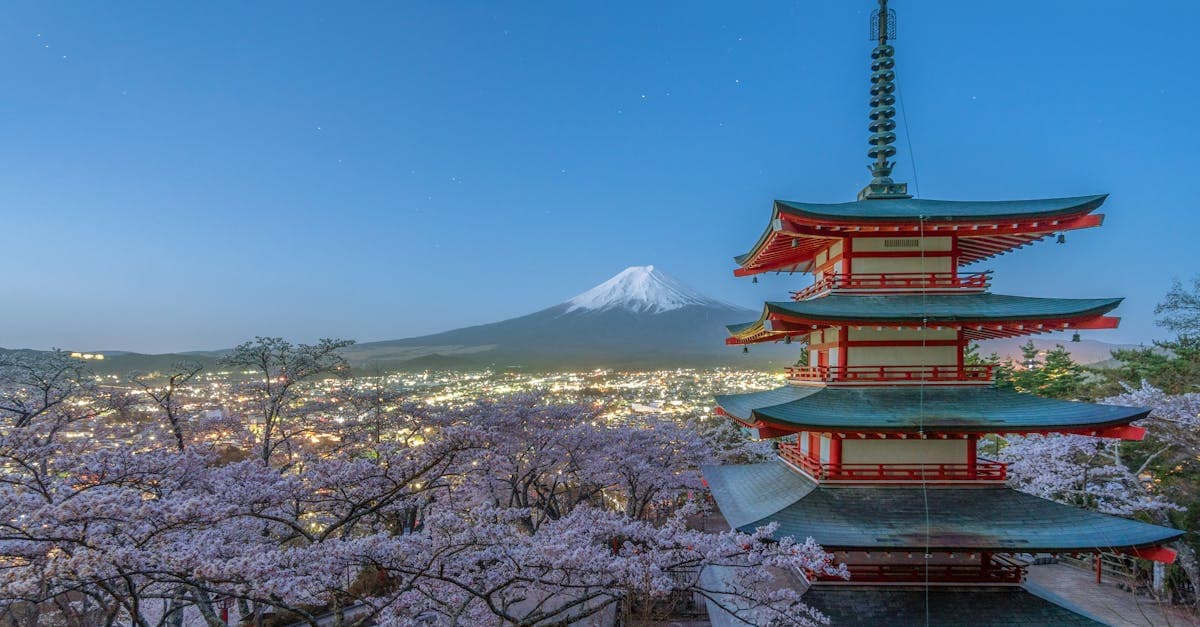
Tokyo's sakura usually peaks from late March to early April. In 2025, that window ran March 25 to April 5. Kyoto follows five to seven days later, then the bloom front moves north and reaches Hokkaido in late April or early May. At any one spot, peak bloom lasts about seven to ten days, with shoulder viewing stretching it to roughly two weeks.
That narrow window drives an outsized booking crunch. Hotels near prime hanami spots, including Maruyama Park in Kyoto and the Meguro River in Tokyo, sell out six to nine months out. Japan's hotel supply has not kept pace with record inbound numbers. During peak sakura weeks, nightly rates in Tokyo and Kyoto can pass what you would pay in Paris or London the same week.
Spring flights cost far more than winter departures, and that gap compounds across a two-week budget. The seasonal table in the previous section has the ranges.
There is also a case for skipping cherry blossom season. Maruyama Park, the Meguro River, and the Philosopher's Path now run with entry controls and photography limits added between 2024 and 2025. Some sites have added paid access. You can end up managing queues instead of watching blossoms, which is worth weighing before you book.
If you want the best time to see cherry blossoms in Japan down to the day, the Japan Meteorological Corporation publishes a daily bloom tracker through the season. When your dates straddle the peak, that tool lets you shift your itinerary on real conditions instead of historical averages.
Golden Week in Japan: Costs, Crowds, and Strategy
One week in spring costs more than any other week in the Japanese calendar. Plan around it or plan into it, but do not book it by accident.
Golden Week runs April 29 to May 6 and is Japan's biggest domestic travel period. Shinkansen seats between Tokyo and Osaka or Kyoto sell out three to four weeks ahead. Hotel prices at popular destinations run two to three times above already-high late-spring rates. For foreign visitors, this is the most expensive week of the year to be in Japan.
The fix, if your dates have any give, is to go somewhere else in Japan. Tohoku, northern Kyushu, and Shikoku see far fewer domestic tourists during Golden Week, and they offer comparable nature, temples, and regional food at normal prices. Both Tohoku and Kyushu connect to the Shinkansen network, so the trade-off is travel time from Tokyo, not isolation.
If you are locked into Golden Week dates, pre-book every Shinkansen ticket and hotel four to six weeks out. Basing yourself in a secondary city instead of Tokyo or Kyoto cuts both the crowd density and the nightly rate without cutting your access.
Three spring logistics are worth locking in before you fly. Book hanami accommodation six to nine months out for the prime spots. Price a 14-day JR Pass if your route crosses several regions, since it covers reserved Shinkansen seats at no extra cost. Download the bloom tracker app before you board.
How Hot and Humid Is Summer in Japan?
Summer is the season most US travelers underestimate. The heat is the headline, but the festivals and the prices are the real story.
July and August in Japan are a test. Tokyo averages 77 to 95°F (25 to 35°C) with humidity regularly above 80%, and most visitors do not feel the full weight of it until day three. The worst time to visit Japan for heat is late July through August. The upside is real: flights hit their seasonal low and hotel availability opens up.
Summer's festival calendar is a genuine draw, not a consolation prize. Gion Matsuri runs all of July in Kyoto, and Obon fills mid-August. Regional fireworks festivals (hanabi taikai) run every weekend from late July through August. Going to one outside the big cities is among the better things you can do in Japan.
Rainy season in Japan, called tsuyu, complicates June and early July. On the mainland it runs from early June to mid-July, with rain on roughly half of all days and humidity of 85 to 90%. Okinawa enters tsuyu about two weeks before the mainland does.
Japan typhoon season peaks from August through September, with two to three significant storms reaching Honshu in an average year. Travel insurance is practical for this window, not optional. So is reliable mobile data, because storm tracking and transport updates both move in real time. A HelloRoam eSIM runs on NTT Docomo and SoftBank, and it activates before you leave home, so you land already connected.
Late June, once the heaviest rains clear, is the cleanest entry point into summer. The first two weeks of September work too: peak typhoon risk has eased, temperatures drop, and prices hold before fall foliage demand takes over.
Fall and Winter: Foliage, Snow, and the October Sweet Spot
Fall is the season repeat visitors quietly book. Here is why the foliage window beats the blossom window on almost every practical measure.
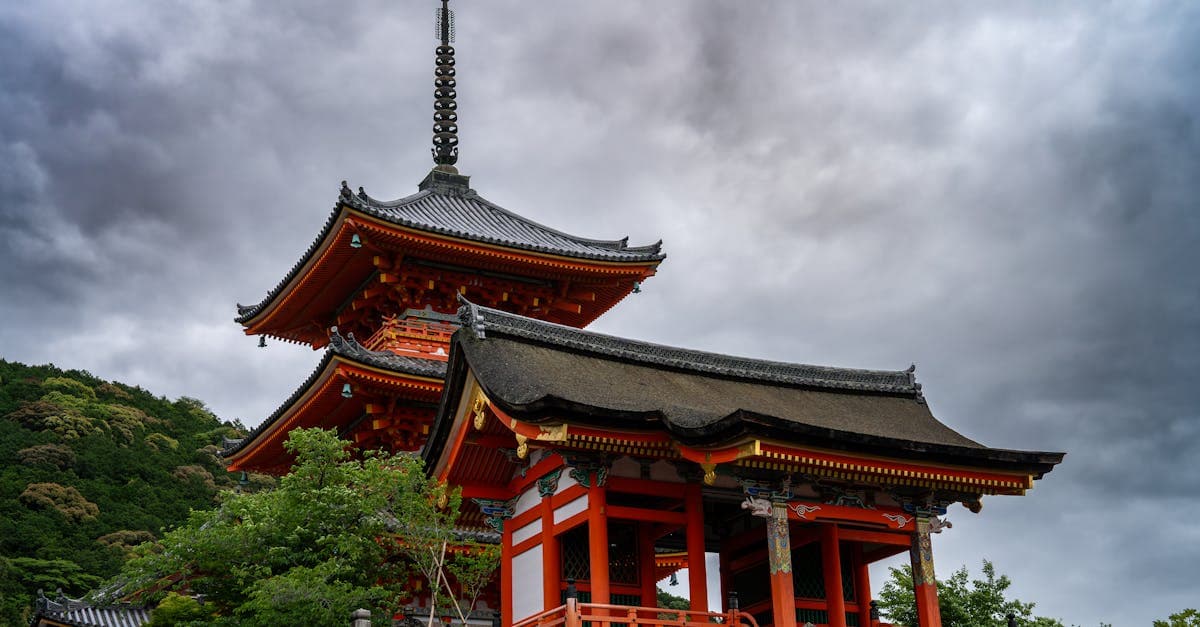
Nikko's maples turn crimson by mid-October, opening a six-week koyo window that rolls south through the calendar. Tohoku and Nikko peak first, in mid-to-late October, and Kyoto follows in mid-to-late November, which makes Japan in November the busiest month in Kansai. Tokyo closes the season from late November into early December. That spread is an advantage cherry blossom season simply does not offer.
Japan in October is the sweet spot, and Enchanting Travels reaches the same conclusion. Typhoon season winds down by late September, hotel rates sit below November's premium, and Tokyo settles into 55 to 68°F (13 to 20°C). Unlike sakura timing, which shifts by days with temperature, koyo is predictable. October is the best month to visit Japan for most first-timers, and the strongest pick if you want good weather with fewer crowds.
Winter: skiing, hot springs, and the year's cheapest fares
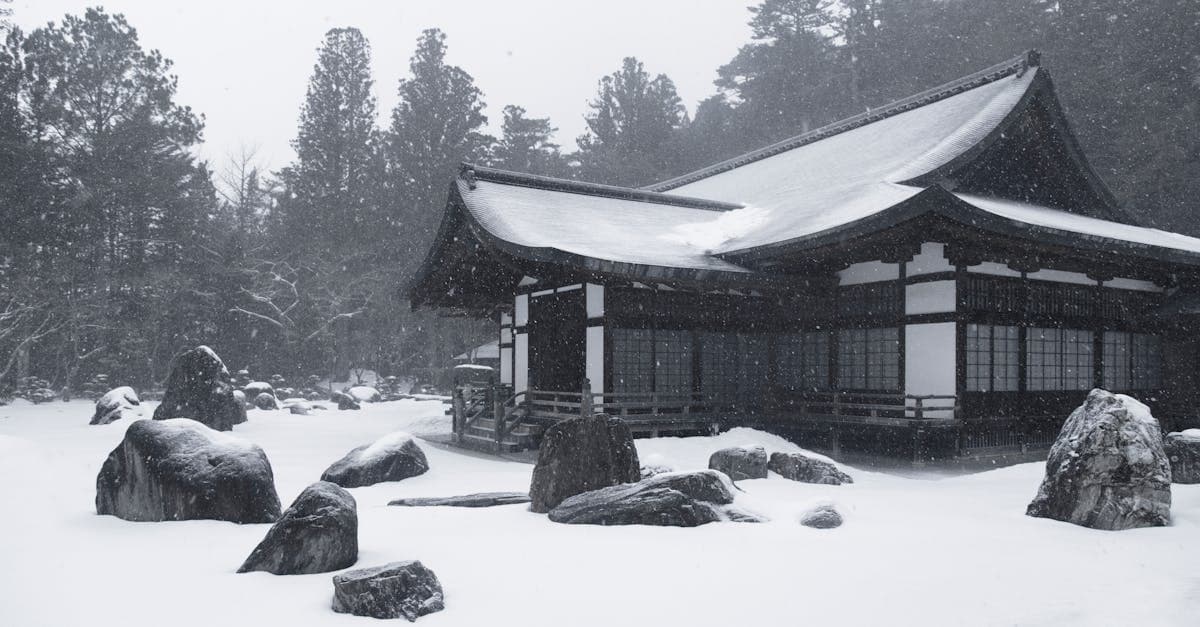
Flights bottom out in January and February, well below the spring and fall peaks. Hokkaido draws skiers to Niseko and Furano, where the snowfall rivals the Alps. Sapporo's Snow Festival in February pulls roughly 2 million visitors in a single week, so book Hokkaido rooms early even in the cheapest season.
New Year, January 1 through 3, closes most restaurants and shops. The payoff is hatsumode, the first shrine or temple visit of the year. It is one of the more memorable things a foreign visitor can join in any season.
Geography reshapes everything in winter. Hokkaido is buried in snow and built for skiing. Kyushu stays mild at around 59°F (15°C) in January. Okinawa, the southernmost prefecture, sits at 64 to 72°F (18 to 22°C) year-round, which is a different Japan trip altogether.
What Is the Cheapest Time to Go to Japan?
Two windows cost far less than the rest of the year, and only one of them involves bad weather.
The cheapest time to go to Japan is January and February. Hotel availability peaks, crowds stay manageable outside Sapporo during Snow Festival week, and rates run 30 to 40% below spring. Flights sit at their annual low, well under the spring and fall figures in the seasonal table above.
June is the second cheapest time to visit Japan. Rainy season keeps crowds down and hotel availability up. A good itinerary works around the weather by leaning on covered markets, indoor sights, and the quiet of being the only tourist at a famous garden on a gray Wednesday.
The yen weakened sharply after 2022 and traded around 150 to 160 per dollar through 2024 and 2025. That cut in-country costs for US travelers well below pre-2022 levels. Every taxi ride, convenience store meal, and train fare felt the difference. Check today's rate before you build a budget, because it moves.
| Season | Book Flights | Book Hotels | JR Pass Value |
|---|---|---|---|
| Cherry blossom (Mar to Apr) | 6 months out | 6-9 months for Kyoto/Tokyo | Low for Tokyo-Kyoto corridor |
| Golden Week (Apr 29 to May 6) | 4 months out | 4-5 months; target secondary cities | Low |
| Fall foliage (Oct to Nov) | 4-6 months | October: 4 months; Kyoto November: 6 months | High |
| January/February | 6-8 weeks usually sufficient | Good availability, except Sapporo Snow Festival week | High |
The 14-day Japan Rail Pass earns its cost in fall or winter, when itineraries naturally spread across several regions. Spring travelers who stay on the Tokyo to Kyoto corridor often do not break even. Price the pass against your actual route before you buy, since the fare rose in 2023 and the yen rate moves the dollar figure.
Staying Connected in Japan: eSIM, Pocket WiFi, and US Roaming
Data is not a nice-to-have in Japan. Here is what an eSIM, pocket WiFi, and roaming cost, and where each one breaks down.
Japan's travel data market grew up differently from almost every other major destination. Pocket WiFi rental dominated for over a decade, because Japan's carriers were slow to open up to tourist SIMs. A Japan eSIM has now overtaken rental devices as the faster, simpler option for US travelers.
Data is not optional here. Google Maps and transit apps do the real work of routing Shinkansen connections and subway transfers. Station WiFi exists at the big terminals, but it caps out quickly or asks you to register. In rural areas and on hiking trails, cellular data is your only reliable option.
What US carrier roaming costs
AT&T International Day Pass and Verizon TravelPass both charge $12 a day in Japan, which adds $168 to $240 to a two-week trip before anything else. T-Mobile's international plan includes Japan, but the high-speed allowance runs out fast for anyone leaning on Maps, and the slower fallback makes navigation sluggish.
Why carrier bands matter
NTT Docomo has the widest rural coverage in Japan and supports the most US-compatible bands. Band 19 carries Docomo's rural fill-in coverage, and some budget Android phones do not support it. You will not notice in Tokyo. You will notice on a hiking trail or in a smaller town off the main corridors, so check your phone's supported bands before you fly.
The data dependency goes well beyond navigation. Daily bloom trackers, restaurant reservations through Tabelog, QR-code menus, and mobile payment apps all need a live connection. Of all the Japan travel tips in this guide, arriving already connected is the one that pays off every single day.
HelloRoam and Alternatives: Cost and Coverage Compared
Headline speed is not what separates these options. What separates them is what happens when your connection fails two hours outside Tokyo.
The pocket WiFi era is ending. Here are the four options US travelers actually use, measured against the things that matter in Japan.
| Option | Network | Speed | Approx. 7-Day Cost | Activation |
|---|---|---|---|---|
| HelloRoam eSIM | Docomo/SoftBank/KDDI | 5G/4G LTE | Set by data and days | Pre-departure, instant |
| Airalo Japan eSIM | Docomo | 4G LTE | ~$9 to $15 | Pre-departure via Airalo app |
| Local SIM (BIC Camera, 7-Eleven) | Docomo/au | 4G LTE | ~$15 to $30 | Pickup on arrival, unlocked phone required |
| Pocket WiFi rental | Multiple networks | 4G LTE | ~$42 to $70 | Airport pickup, nightly charging required |
A HelloRoam eSIM for Japan runs on local networks, including NTT Docomo, SoftBank, and KDDI au, so you get the coverage Japanese phones get. You activate it before departure, so your connection is live before you leave the aircraft and there is no kiosk line on arrival. Support runs 24/7, which matters when you are three train transfers from a major city and your routing fails. In sakura season, a bloom tracker running before you clear baggage claim is worth real money against a seven to ten day window.
Airalo's Japan eSIM runs on Docomo 4G LTE and is well reviewed among US travelers. It is cheaper per day, with straightforward setup in the app before your trip. There is no live support mid-trip if something goes wrong, which is a genuine trade-off.
Pocket WiFi in Japan still works, but the case for it has thinned. Airport pickup eats time on arrival, nightly charging is one more thing to manage, and the signal drops in mountainous terrain where eSIM coverage generally holds. Local SIM cards from BIC Camera or 7-Eleven are reasonable if your phone is unlocked and you are comfortable with setup. Both options need an in-person pickup before you can get online.
Is $5000 Enough for a Trip to Japan?
Here is what a realistic Japan travel budget looks like when you break it into parts.
$5,000 covers a 10 to 14 day trip to Japan comfortably for most US travelers, as long as you go in winter or June. Cherry blossom season pushes the same Japan trip cost to roughly $5,500 to $6,000 once flight and hotel premiums stack up.
A practical 14-day Japan travel budget breaks down like this:
- Flights: $800 to $1,200 round trip (off-peak windows; spring runs at the higher seasonal end noted above)
- Accommodation: $80 to $150 per night for 10 nights = $800 to $1,500
- 14-day JR Pass: price it at booking time, since the fare rose in 2023 and the yen rate moves the dollar figure
- Food: $30 to $60 per day over 14 days = $420 to $840
- Activities and entry fees: $200 to $400 total
A weak yen works in your favor on everything you buy on the ground: meals, transport, and shopping. The gap against pre-2020 rates adds up across two weeks. Rates move, so price your budget against the exchange rate on the day you book.
Winter travelers run the leanest trips, with a solid 12-night itinerary landing at roughly $3,500 to $4,000 all in. Anyone targeting Tokyo and Kyoto in cherry blossom season, above budget accommodation, should plan for $5,500 to $7,000. The spring premium shows up in flights, hotels, and sometimes entry fees at popular sites.
What Is the 5 Minute Rule in Japan?
One unwritten rule catches more American visitors than any other. It costs money when you miss it.
The 5 minute rule in Japan is the expectation that you arrive 5 minutes before any scheduled appointment, reservation, or tour. This is the baseline, not a courtesy. US travelers used to a 10 or 15 minute restaurant grace period will find that buffer does not exist here.
The Tokaido Shinkansen averages under a minute of delay per train per year. That operating standard reflects a wider cultural expectation about time, and it reaches well beyond the rail network.
Build a 5 to 10 minute cushion into every scheduled activity, especially while you are learning Tokyo or Osaka's multi-line subways. A transfer at a hub like Shinjuku or Umeda can eat 10 minutes on its own, and one missed connection cascades through the rest of the day.
The bookings most often lost to a late arrival: Arashiyama bamboo boat tours, tea ceremonies, cooking classes, and kaiseki dinners. None of them hold a grace period. A prepaid tea ceremony or kaiseki dinner that starts without you is a straight loss with no refund. Confirming reservations the morning of, from a connected phone, catches most conflicts before they cost you anything.
Questions travelers ask
What is the cheapest time to go to Japan?
January and February are consistently the cheapest months for US travelers. Flights sit at their annual low, hotel availability peaks, and crowds are manageable outside Sapporo during Snow Festival week. The JPY exchange rate of 150-160 per USD through 2024-2025 further reduces in-country costs by 20-30% compared to pre-2022 rates.
What is the 5 minute rule in Japan?
Japan's rail network is among the most punctual in the world, and a delay of even five minutes is considered significant enough to warrant a formal announcement and apology. This standard applies across the Shinkansen bullet train network and urban subway systems nationwide. Travelers can rely on scheduled departure times as a precise planning tool in a way that is uncommon in most countries.
Is $5000 enough for a trip to Japan?
A $5,000 budget can cover a two-week trip depending on season and travel style. Round-trip flights from major US hubs range from $600 to $1,400 depending on season, and a 14-day JR Pass costs $479. The yen exchange rate of 150-160 per USD through 2024-2025 reduces in-country spending by 20-30% compared to a few years ago, making the budget stretch further in winter than in peak spring or fall.
Sources
- When Is the Best Time of Year to Visit Japan?boutiquejapan.com
- Best time to visit Japanintrepidtravel.com
- MOST EXPENSIVE months to travel Japan and when to come ...instagram.com
- Best Time to Visit Japan | Monthly Climate Guide by Expertsenchantingtravels.com

Written by
David Chen
David Chen is a travel writer at HelloRoam who covers mobile connectivity and travel tech for international visitors. He compares data plan pricing for short trips and extended stays, and tests eSIM activation at major international airports. David also covers hotspot options for business travelers so readers can skip the SIM card counter and get online fast.
 Mexico