Traveling solo or as a couple with unlocked phones? A HelloRoam Spain travel eSIM skips the delivery and the return envelope: you install it at home, and its plan starts when your phone first connects to a network in Spain.
Three pocket Wi-Fi rentals for Spain, compared for 10 days
The table compares the 4G plan each seller calls unlimited, for a 10-day rental, from each seller's own page on the same day. Prices are per device, so one hotspot serves the whole group.
 Get your Spain eSIM before you flyInstall it at home, then turn on data roaming for it when you land. From $2.80.See Spain plans
| Rental | 10 days | Data | Devices | Battery | Delivery and return |
|---|---|---|---|---|---|
| Spain Internet, WiFi 4G+ Unlimited | €45 | Unlimited | Up to 10 | Up to 8 hours | Free delivery anywhere in Spain; prepaid return envelope |
| Hippocket Wifi, Europe 4G Unlimited | €79.50 (€7.95 a day) | Unlimited; speed may drop past 10GB a day for more than 5 days in a row | Up to 10 | 6 to 8 hours | Free standard delivery in Europe, or €10 to a US address plus any US import charges; return envelope €10 from Spain |
| MIOWIFI, Spain | $80 ($8 a day, tax included) | Full 4G speed for the first 500MB each day, then 3G | Up to 5 | 10 to 12 hours | Delivered 3 to 5 days before your trip, shipping may apply; return within 3 working days |
Figures come from Spain Internet's rental page, MIOWIFI's Spain page and Hippocket's pricing page. Hippocket also sells 1GB a day for €5.95 a day on a 10- to 13-day rental. That's €59.50 for 10 days, and the data is pooled, so 10 days gives you 10GB to use as you like.
Watch the headline prices. On November 2, 2026, Hippocket's Spain page still advertised its pocket Wi-Fi "from 3.95€/day" with 1GB a day. Its pricing page gave that rate only to France-only rentals of 14 days or more when we read it the same day. Spain falls under its Europe 4G plans, which start at €4.95 a day for 1GB a day on rentals of 14 days or more.

The rental fine print decides what you really pay
Each of these rules changes the bill or the risk, so check them before you pay.
- The clock starts on your booked pickup date. Spain Internet's terms start the rental at 12:01 AM CET on the pickup date you choose when you order, even if you collect the package or switch it on later. Hippocket's delivery page says it delivers to a hotel 1 or 2 days before the rental starts, and to a home address 3 to 5 days before.
- Returns have a deadline. Spain Internet's return steps put the envelope in a yellow Correos mailbox. Its terms want it postmarked on your last rental day or the day after, and charge €3 a day for a late return. Hippocket's envelope can go in a mailbox at the airport, in the public area before security.
- You pay for a lost device. Hippocket's FAQ prices a lost 4G hotspot with its accessories at €150, or €135 when only the device is missing. Its terms also put a €150 hold on your card when you book. Spain Internet holds you responsible for loss or damage, and MIOWIFI keeps your credit card as a guarantee against loss, theft or damage.
- The islands are different. Spain Internet doesn't rent hotspots in the Canary Islands because of customs restrictions, though it rents data SIM cards there. Hippocket warns that deliveries to Spanish islands can take extra time.
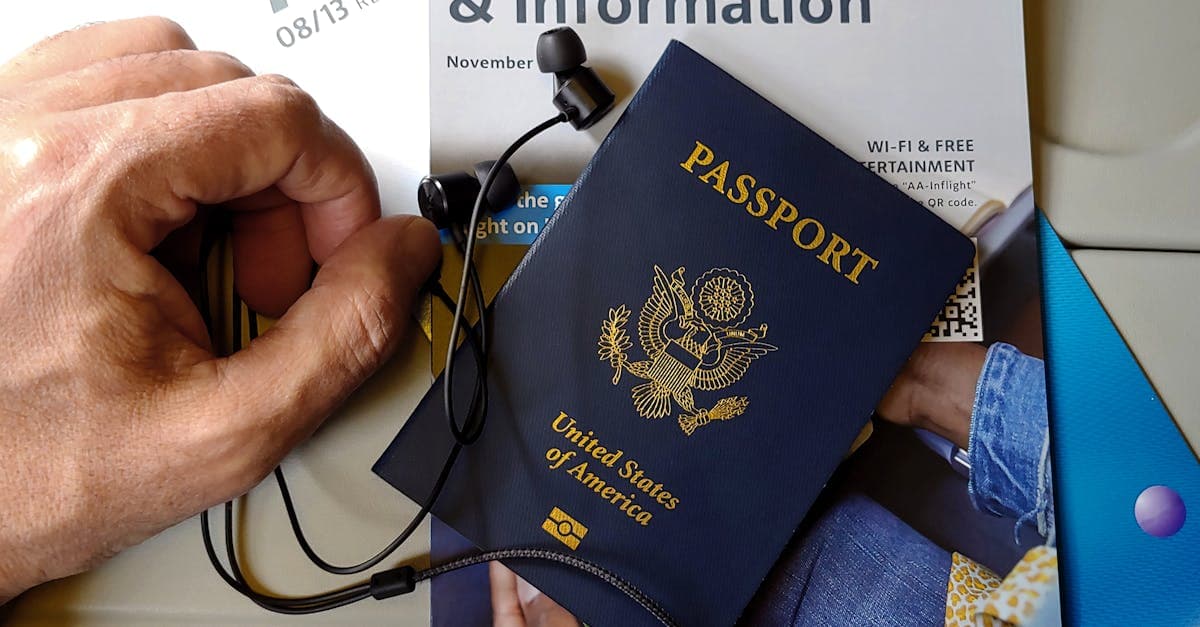
- Pickup points ask for ID. Hippocket says you show your passport and a parcel number to collect from a pickup point.
- A power bank flies in your carry-on. Hippocket can ship to your US address and offers a power bank for €5 a rental. The FAA allows power banks in carry-on bags only, so keep it out of your checked suitcase.

Pocket Wi-Fi and a travel eSIM differ on pickup, battery and sharing
| Pocket Wi-Fi rental | Travel eSIM | |
|---|---|---|
| Getting it | Delivered to a hotel, a pickup point or your home, usually a day or more before the rental starts | Installed on your phone at home, before you fly |
| Giving it back | Mailed back in a prepaid envelope by a deadline | Nothing to return |
| Battery | A second device to charge every day | Runs on your phone's battery |
| Sharing | Up to 10 devices on one connection (Spain Internet, Hippocket 4G) | Your phone's hotspot shares data with a laptop or tablet |
| If it's lost | You pay a replacement fee | No rental device to lose |
| Locked phone | Works with any Wi-Fi device, including a phone locked to a US carrier | Needs an unlocked phone that supports eSIM |
Your phone can do a hotspot's job. Android's help page says a phone can share its mobile data with up to 10 other devices, and some carriers limit or charge extra for it. On an iPhone, Apple says the number of devices that can join depends on your carrier and iPhone model.
A pocket Wi-Fi makes sense for a family or a group with several devices. It also suits a phone locked to a US carrier, or anyone who wants to save their phone's battery. Everyone on it has to stay near the person carrying it. If you travel often, MIOWIFI also sells its device. Owners pick their days of use in their account and pay for just those days, and the company suggests buying if you take more than 5 trips a year. A travel eSIM is simpler for one or two people with unlocked phones. Apple's travel eSIM guide notes that an iPhone can't use another carrier abroad while it's locked to one.
A US carrier's daily pass costs more for a group
Here's what the three big US carriers charge to go online in Spain:
- AT&T International Day Pass: $12 a day, plus $6 for each extra line used on the same calendar day, added to an AT&T unlimited plan. Spain is on its destination list. AT&T's support page also says a single line is never billed beyond 10 daily fees within one bill period.
- Verizon TravelPass: $12 per line per day, the rate its country list gives Spain, plus taxes and fees. After 5GB of high-speed data in a 24-hour session, data drops to 3G speeds.
- T-Mobile: Experience More includes 5GB of high-speed data in 215+ countries and destinations, then up to 256 kbps, and Spain is on its list of included countries. Essentials customers buy an International Pass, such as 15GB for 10 days at $50. Our guide to T-Mobile international roaming plans covers each pass in more detail.
For a family of four on AT&T, that's $30 a day ($12 plus three lines at $6), or $300 for 10 days. If the trip runs past 10 days in the same bill period, those four lines run up no further Day Pass charges, since each line has reached its 10-fee cap. Four Verizon lines cost $480 for the same 10 days, plus taxes and fees. A 10-day Spain Internet hotspot costs €45 for the whole group. The passes do give every phone its own calls, texts and data, which one hotspot can't.
If you plan to live on pocket Wi-Fi, know how the daily fee starts. Verizon says background data, like app refreshes and email syncing, can start a TravelPass session once cellular data or data roaming is on. AT&T's 24-hour pass begins the first time you use data, send a text, or make or answer a call in Spain.
Staying connected in Spain with HelloRoam
As of November 1, 2026, HelloRoam's Spain plans run on Orange and Movistar 5G, the networks listed for all seven plans. You install the eSIM before you fly, and the plan starts when your phone first connects to a network in Spain. You can share its data with a laptop or tablet through your phone's hotspot at no extra cost, and every device you add uses the same plan data.
Didn't set it up at home? The free Wi-Fi at Spain's Aena airports lets you join as a guest with just an email address, so you can install the eSIM after you land.
Our plans are data only. Our terms say they don't support calls, texts or emergency calls, so keep a line that can make calls.
Adding Lisbon or Paris to the trip? Our eSIM Europe plan takes one eSIM across 32 countries, Spain, Portugal and France included, plus Gibraltar.
We sell travel eSIMs, so we've pointed out where a pocket Wi-Fi or a carrier pass fits better. Here's how we handle conflicts of interest.

Questions travelers ask
How much does a pocket Wi-Fi cost for a month in Spain?
Spain Internet charges €85 for 30 days of its unlimited 4G+ hotspot, and €2 a day for rentals longer than 30 days. Hippocket's Europe 4G unlimited plan costs €6.95 a day on rentals of 14 days or more, which is €208.50 for 30 days. For longer stays, Hippocket points to its long-term plans.
Is pocket Wi-Fi still worth it in Spain?
Yes, for a group. One 10-day Spain Internet hotspot costs €45 for everyone on it, while AT&T's Day Pass costs a family of four $300 for the same 10 days. It also suits a phone locked to a US carrier. For one or two people with unlocked phones, a travel eSIM is simpler: there's no device to collect, charge or mail back.
Sources
- Rent WiFi in Spain: portable hotspot rental (Spain Internet)www.spaininternet.net
- Terms and conditions (Spain Internet)www.spaininternet.net
- Pickup and return (Spain Internet)www.spaininternet.net
- Pocket WiFi pricing (HippocketWifi)hippocketwifi.com
- Pocket WiFi rental Spain (HippocketWifi)hippocketwifi.com
- Delivery and return (HippocketWifi)hippocketwifi.com
- FAQ (HippocketWifi)hippocketwifi.com
- Pocket WiFi for Spain (MIOWIFI)miowifi.com
- AT&T International Day Pass (AT&T)www.att.com
- AT&T International Day Pass destinations (AT&T Support, updated October 20, 2026)www.att.com
- TravelPass (Verizon)www.verizon.com
- TravelPass countries (Verizon)www.verizon.com
- International roaming plans (T-Mobile)www.t-mobile.com
- International roaming services: included countries and destinations (T-Mobile Support)www.t-mobile.com
- Share a mobile connection by hotspot or tethering on Android (Android Help)support.google.com
- Connect to the Personal Hotspot of an iPhone or iPad (Apple Support)support.apple.com
- Use eSIM while traveling internationally with your iPhone (Apple Support)support.apple.com
- PackSafe: lithium batteries (FAA)www.faa.gov
- Wi-Fi service, Aena airports network (Aena)www.aena.es
- Get details about AT&T International Day Pass (AT&T Support, updated March 2, 2026)www.att.com
- Terms of sale (HippocketWifi)hippocketwifi.com
Written by
HelloRoam Team
The HelloRoam Team writes our guides on trip planning, visas and eSIMs. For every new or updated guide, we check each fact at its source. Sources include government, park and weather service pages. We note the date we read each one. A second review then checks every fact against its source before the guide goes live. If we cannot confirm a fact, we leave it out. We link those sources inside the guide, so you can check them.