
Get your eSIM for Spain before you travel.
 Get your Spain eSIM before you flyInstall it at home, turn it on when you land. From $2.80.See Spain plans
According to [balcellsgroup.com, Spain's digital nomad visa lets non-EU remote workers live legally in the country for up to one year, then extend that to a three-year residence permit. There's a monthly income minimum, your employer or main clients must be based outside Spain [exteriores.gob.es, and your criminal record needs to be clean for the past five years. Those three conditions determine most application outcomes.
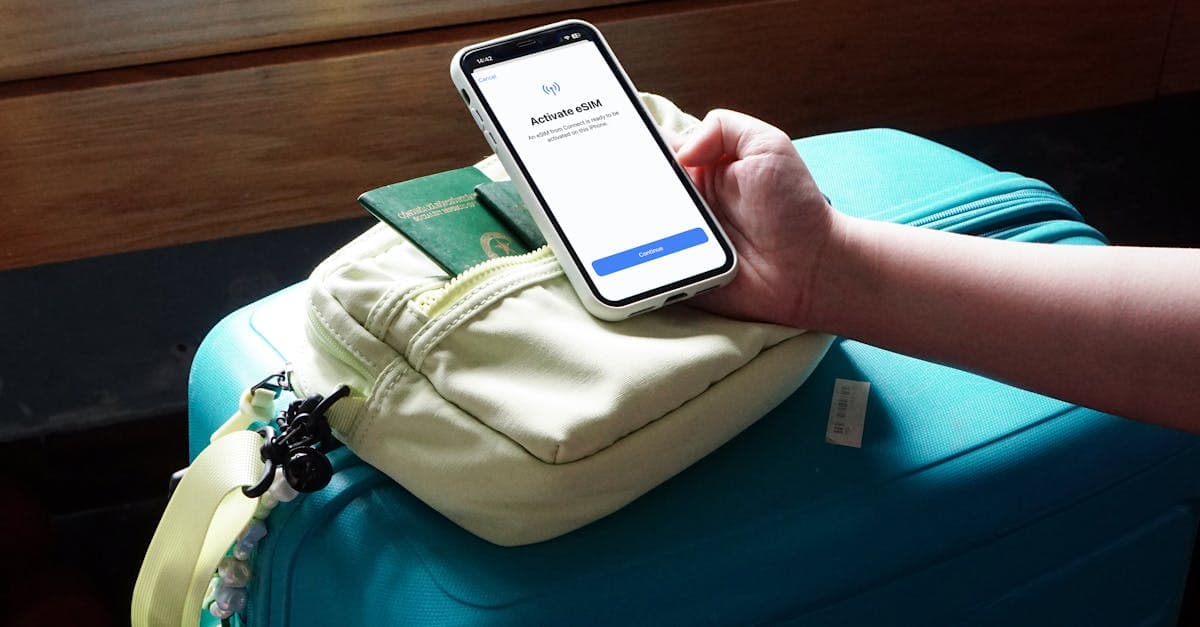
Data connectivity is one practical detail most visa guides skip entirely. US carrier roaming in Spain typically runs around €5-15 a day, which adds up fast on a stay measured in months. HelloRoam offers Spain data plans you can activate before your flight, so you arrive connected instead of hunting for a SIM card at the airport. [What Is an eSIM? explains how the technology works.
This guide covers who qualifies, what documents the US consulate expects, how the Beckham Law flat-rate tax works for American applicants, and what happens after year one. Apply-from-abroad and apply-in-country are two different tracks with different timelines [migrun.tech.
What Is the Spain Digital Nomad Visa?







Complete applications with clear income documentation carry a high approval rate. Spain's consulates aren't known for elevated rejection rates when the file is in order and income sits comfortably above the threshold. The process is paper-intensive, not especially selective.
Three rejection triggers show up consistently in community reports: a missing apostille on the FBI Identity History Summary, bank statement history that looks inconsistent around the income floor, and filing at a consulate outside your legal jurisdiction. That third error is a hard disqualifier regardless of how strong the rest of the application is.
Self-employed applicants receive closer scrutiny than salaried employees. Consulates look for an ongoing, stable client relationship with documented contracts over time, not a single large deposit that arrived recently. If your income comes from multiple short-term clients, list and document each engagement individually rather than presenting a summary figure.
Spain's Ministry of Foreign Affairs doesn't publish official approval statistics. Community forums on r/digitalnomad and r/spain, plus expat Facebook groups, provide the most current real-time benchmarks for approval timelines and common documentation pitfalls.
Three preparation moves strengthen most applications: document income at 120% to 150% above the minimum floor when your situation allows it, ensure the employment letter appears on company letterhead with explicit written confirmation of remote-work permission, and include a brief cover letter in both English and Spanish summarizing your eligibility. No interview is required. The consulate reviews the submitted file and issues a decision by post or email.
Can a US citizen just move to Spain?

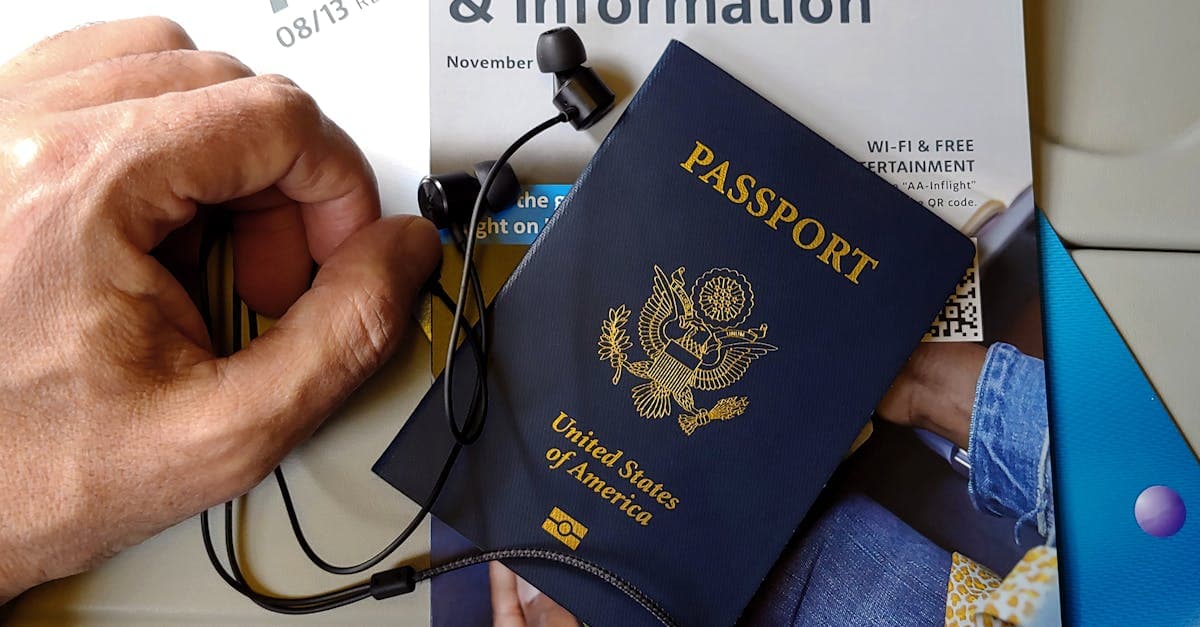
On a US passport, you can enter Spain and the broader Schengen Area for up to 90 days in any 180-day rolling window, no visa required. That covers tourism, a reconnaissance trip to evaluate cities before committing to an application, or short-term remote work while you're still assembling your documents.
Overstaying is a real risk, not a minor technicality. Entry and exit dates are tracked through passport stamps across all Schengen member states. The widespread belief that Spain doesn't enforce overstays is incorrect. A violation can affect future EU entry eligibility and complicate a subsequent digital nomad visa application.
For passive income earners who want to stay beyond 90 days without actively working, the Non-Lucrative Visa is the relevant route. The income floor sits at roughly the same level as the digital nomad visa threshold covered in the income requirements section above, and you must document sufficient funds to support yourself without generating Spanish-source income. The Investor Visa takes a different approach: it requires a minimum €500,000 real estate purchase or an equivalent qualifying investment in Spanish financial instruments.
Some US citizens apply for a residence permit from inside Spain under Article 74 after entering on a tourist stamp. It's legally permissible, but rejection risk runs higher and the bureaucratic complexity exceeds what you'd face filing from a US consulate before departure.
The long-term math matters if citizenship is ever in view. Five years of continuous legal residence qualifies for permanent residency. Ten years qualifies for naturalization. Spain generally does not recognize dual nationality with the US under standard naturalization rules, so that trade-off deserves careful research well before you start the citizenship clock.
Questions travelers ask
How hard is it to get a digital nomad visa in Spain?
The Spain digital nomad visa is moderately difficult for US citizens but achievable with preparation. The main hurdles are gathering apostilled documents (especially the FBI background check, which can take up to 10 weeks), proving remote income of at least €2,368 per month, and attending an in-person consulate appointment. Processing times range from 6 to 14 weeks depending on which consulate handles your application. There is no language test or degree requirement, which makes it more accessible than many European residency programs.
What is the income requirement for digital nomad visa Spain?
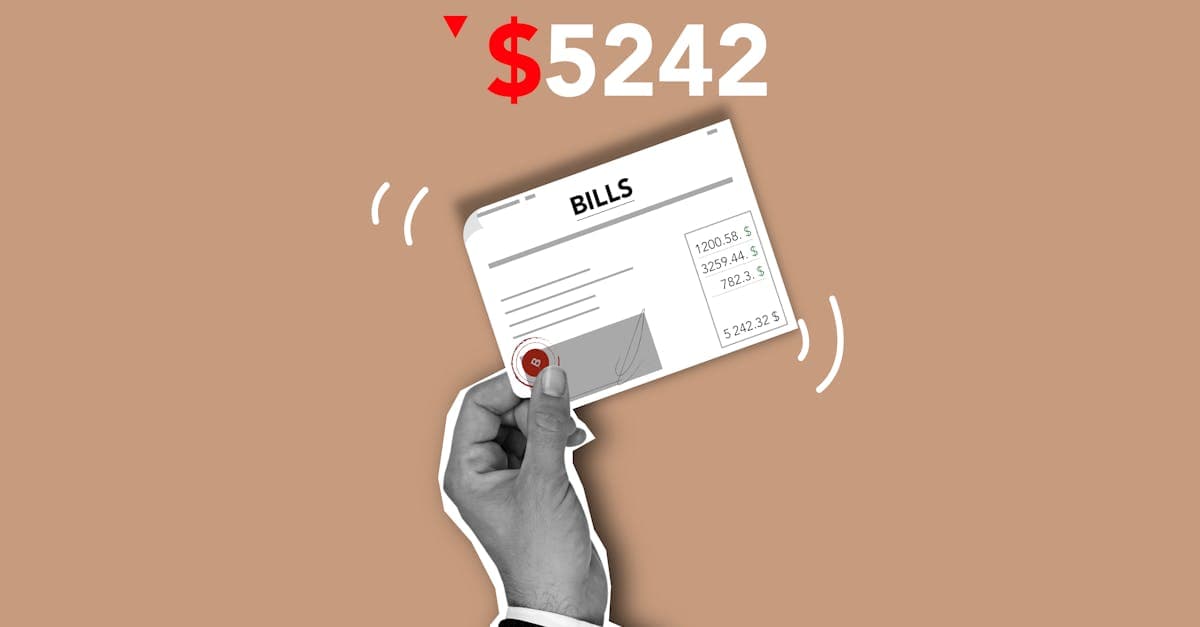
The income requirement is 200% of Spain's monthly minimum wage (SMI), which works out to approximately €2,368 per month (roughly $2,600 USD) based on the 2025 SMI of €1,184. Each dependent added to the application raises the threshold by an additional 75% of the SMI, around €888 per month. Employees can document income with payslips and an employer letter, while self-employed applicants need signed contracts with non-Spanish clients and six months of bank statements.
Can a US citizen just move to Spain?
US citizens cannot simply relocate to Spain without a visa for stays beyond 90 days. Within the Schengen Area, Americans are limited to 90 days out of every 180 days without formal authorization. To live legally in Spain long-term, US citizens must apply for a specific visa such as the digital nomad visa, which requires meeting income thresholds, having an employer based outside Spain, and submitting an in-person application at a Spanish consulate.
Sources
- Digital Nomad Visaexteriores.gob.es
- Spain Digital Nomad Visa - 2026 Updatecitizenremote.com
- Telework (Digital nomad) Visaexteriores.gob.es
- Spain Digital Nomad Visa: Why Applying From Within Spain Gets You 3 Years Instead of 1migrun.tech
- Digital Nomad Visa in Spain: a Complete Guidebalcellsgroup.com

Written by
David Chen
David Chen is a travel writer at HelloRoam who covers mobile connectivity and travel tech for international visitors. He compares data plan pricing for short trips and extended stays, and tests eSIM activation at major international airports. David also covers hotspot options for business travelers so readers can skip the SIM card counter and get online fast.