

Quick Answer: Fiji Holiday Packages at a Glance
bookings | | Private island and yacht itineraries | Mamanuca and outer islands | Bespoke, hand-crafted | Travellers after exclusive, tailored experiences |
Key fact: HelloRoam's 3GB Fiji eSIM costs ~A$13.61 for 30 days on Vodafone's 4G network, suited to longer resort stays.
The Radisson Blu Resort Fiji Denarau Island sits beachfront with multiple restaurants, pool facilities, and easy marina access for transfers to the outer islands. It's the dependable pick for travellers who want logistics handled from check-in to checkout.
The Naviti Resort on the Coral Coast is the more animated option at a friendlier price point aldiholidays.com.au. Cultural excursions, snorkelling programs, and an activity-heavy schedule make it a practical choice for those who want their holiday structured rather than open-ended.
Some of the most compelling packages never appear on aggregator platforms.
Hand-crafted itineraries combining private island stays with chartered yacht segments exist through experienced Fiji operators. The price-to-experience ratio often runs stronger than the listed rate suggests, and the itinerary flexibility sits a level above anything a comparison engine generates. What these packages actually cost to book from Australia is the more useful question, and it's a more layered answer than the advertised number implies.
eSIM for Fiji: Check current plans and pricing.
Top Fiji Holiday Destinations for Australians
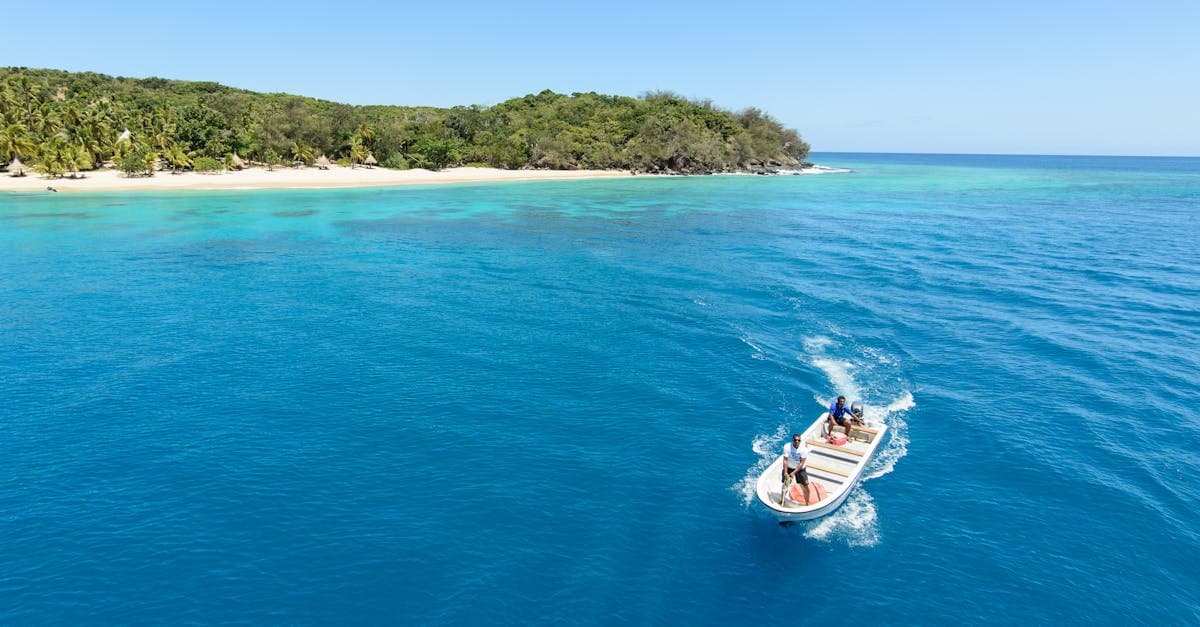
The Mamanuca Islands sit closest to Nadi Airport, making them the default first stop for most Fiji holiday packages booked by Australians myfiji.com. Denarau Island anchors the main resort strip, Coral Coast threads along southern Viti Levu, and quieter options like Momi Bay round out the geography. Picking where to stay shapes your entire trip.
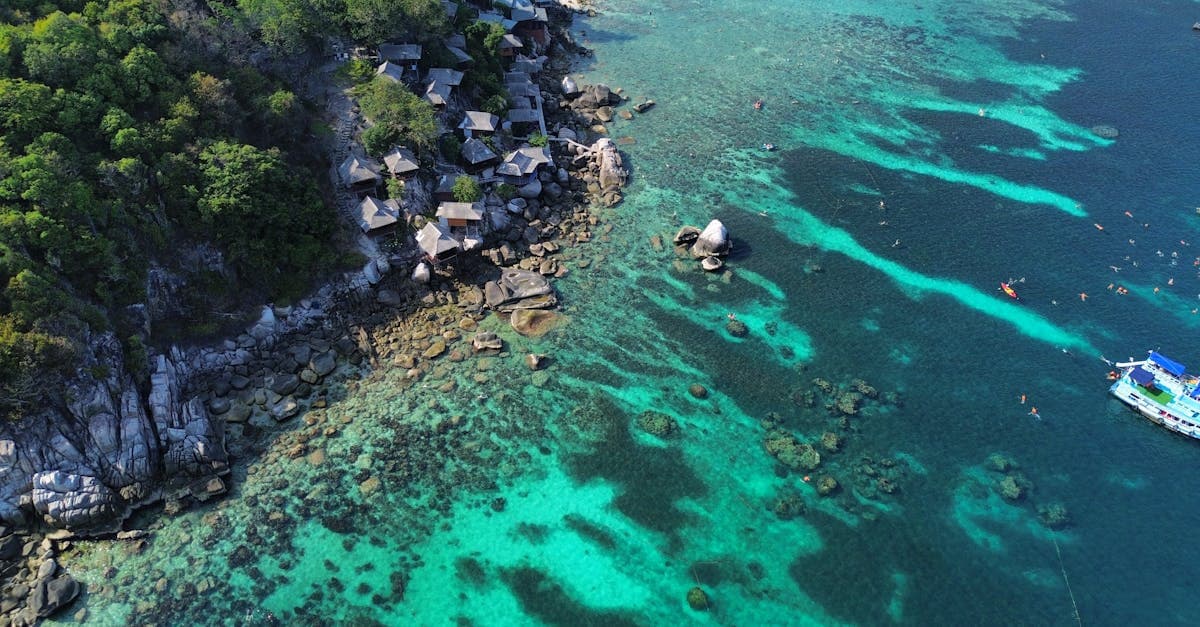
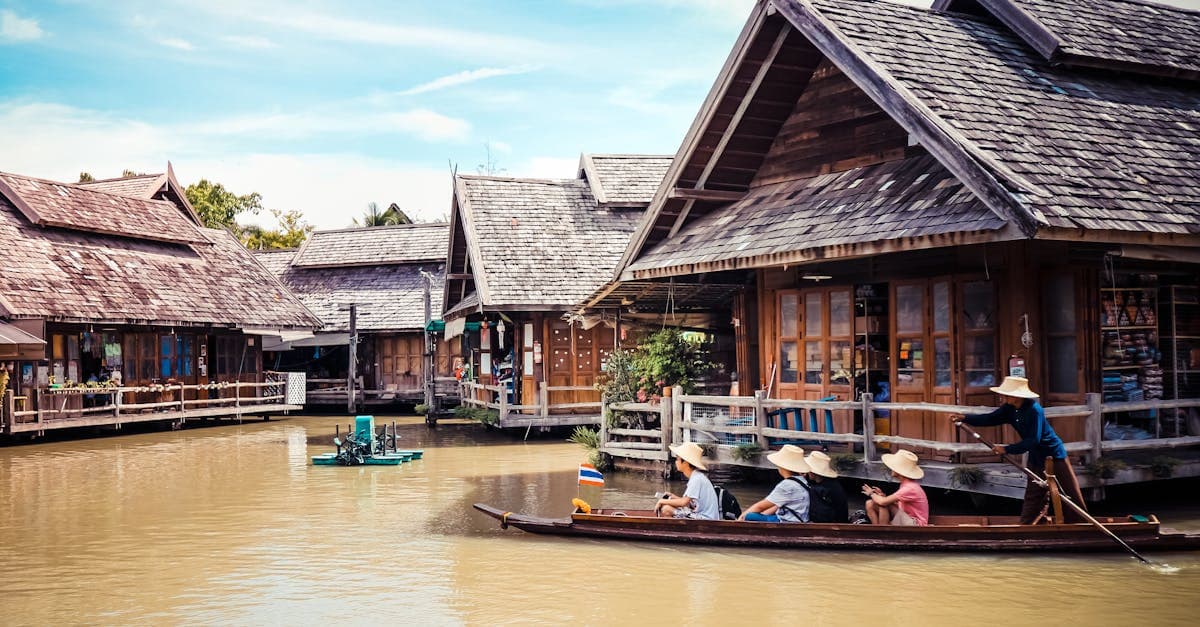
The warm, shallow lagoon at the Mamanucas hits you the moment the speedboat throttles back. Turquoise in every direction. The boat transfer from Port Denarau Marina is short, snorkelling reefs sit right off the beach, and the whole setup is dead-simple for a first Fiji trip.
Denarau Island handles the logistics for most Fiji family resorts. Day trips, dinner cruises, and inter-island transfers all depart from the marina, so you're never far from the action. Families with young children rate it for the flat terrain and no-fuss facilities luxuryescapes.com.
Coral Coast runs a different vibe. Threading along Viti Levu's southern highway, it combines reef beaches with cultural villages and heritage sites a short drive inland. Travellers after more than a sun-lounge fortnight usually end up here.
Momi Bay, sheltered inside a calm lagoon west of the Coral Coast, suits those chasing a boutique resort stay without the crowds.
A question worth raising: can you go to Fiji while pregnant? Fiji's medical facilities are more limited than back home, so most obstetric guidelines point to second-trimester travel only, and always with GP sign-off before you book anything.
Specialist operators often list Fiji-only deals that general booking platforms don't carry, so a direct comparison can save you real money.
Fiji Resort Packages: Escapes, Islands, and Hand-Crafted Stays
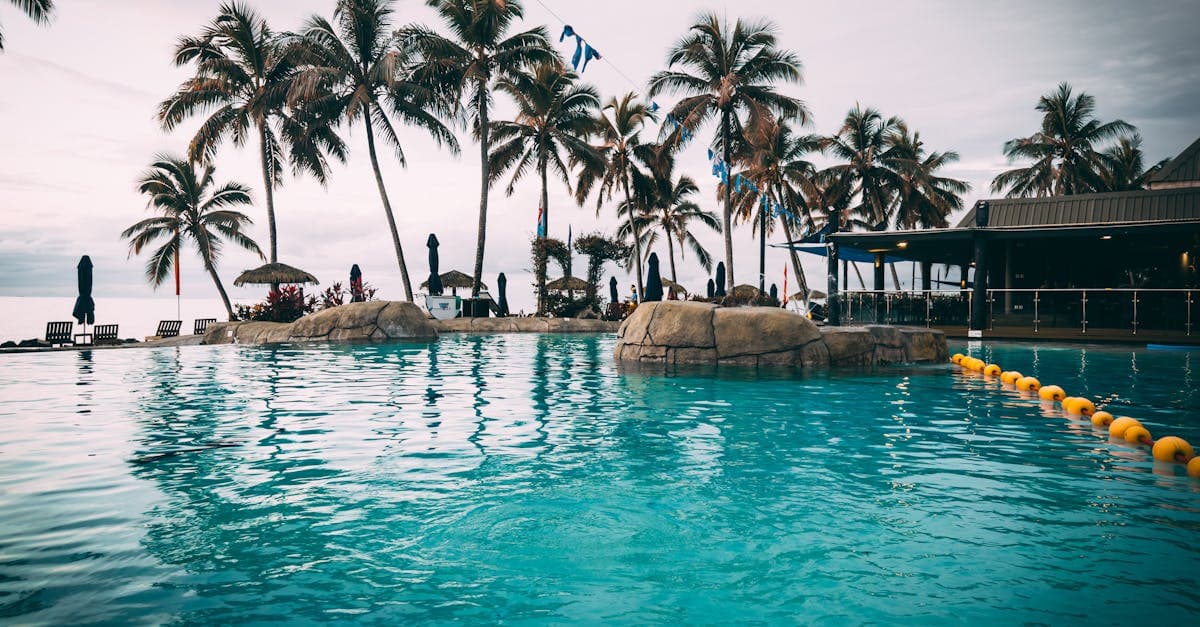
Fiji resort packages typically bundle accommodation, daily meals, and Nadi Airport transfers into one price travelonline.com. That structure covers the essentials without piecing together each component separately. Here's how three common package tiers compare:
The Radisson Blu puts you on the sand at Denarau. Full-service means restaurants, the pool bar, and on-property activities are all covered. Transfers sorted before you land, you're checking in before the late-afternoon humidity sets in.
Dinner doesn't require a taxi ride.
The Naviti Resort sits on the Coral Coast at a lower price point, with structured activity programming: snorkelling sessions, village visits, island day trips. It suits travellers who want a pre-loaded schedule rather than improvising on the spot.
Private island overnights and yacht charters sit at the other end of the spectrum, and they're more reachable than the word 'bespoke' usually suggests. Hand-crafted itineraries pull together charter transfers, specific island groups, and curated excursions into a single package. This is where Fiji holiday packages genuinely diverge from anything an aggregator assembles automatically.
The contracted rates Fiji-specialist operators can access rarely surface on public booking platforms. The gap between what's listed and what's actually available is often worth a direct enquiry.
How Much Does a Typical Fiji Holiday Cost?
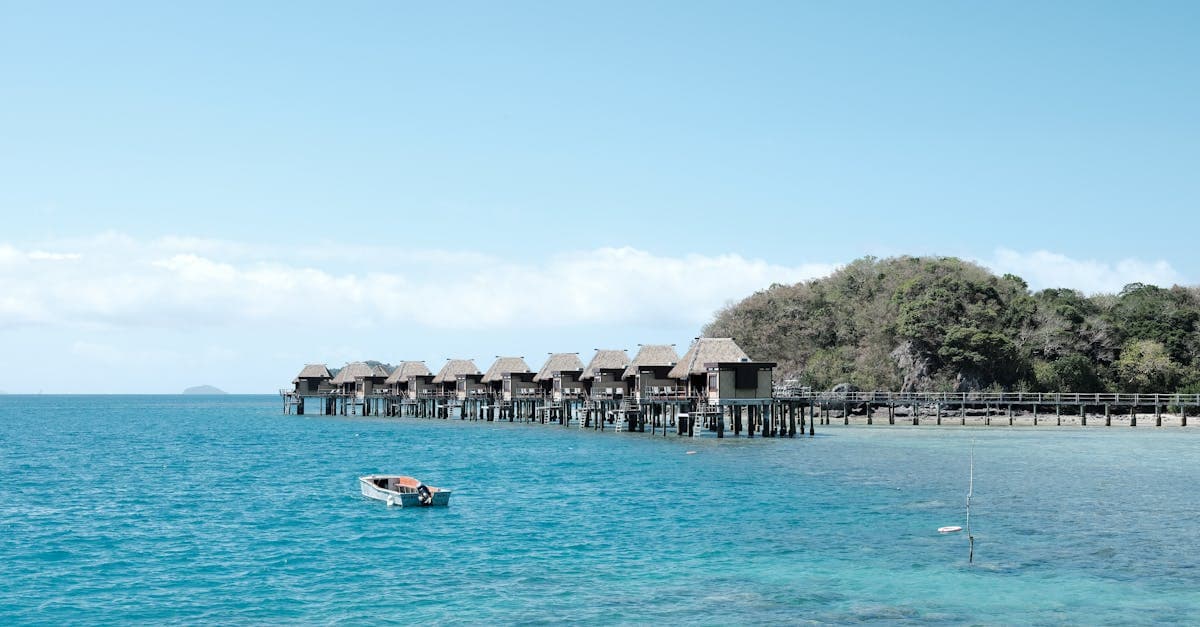
A 7-night Fiji holiday package from Australia typically runs A$2,000 to A$3,500 per person at the budget end, A$3,500 to A$6,000 mid-range with flights included, and A$8,000 or more for a fully all-inclusive private island escape deals.flightcentre.com.au. Flights from Sydney or Melbourne to Nadi clock in under 4 hours, which keeps airfare manageable compared to most international destinations Australians consider.
Day trips are where the sticker shock lands.
Snorkelling tours, village visits, and island-hopping excursions each carry their own price tag, typically adding A$100 to A$300 per person per day once guides, equipment hire, and boat transfers are factored in. Over a week-long stay, that's a spirited addition on top of whatever your resort package already covers.
A Three-Tier Framework for Planning
Think of Fiji holiday costs in three distinct bands:
- Budget (A$2,000 to A$3,500 per person): Coral Coast or Denarau Island resorts, B&B or self-catering, flights on budget carriers from SYD or MEL jetstar.com.
- Mid-range (A$3,500 to A$6,000 per person): Full-service resort packages with meals, airport transfers, and daily activities bundled in, often through Fiji-specialist operators travelonline.com.
- Luxury (A$8,000+): Private island resorts in the outer Mamanuca or Yasawa groups, fully all-inclusive with watersports, spa access, and dedicated staff ratios that feel genuinely generous scoopon.com.au.
The surprise that catches first-timers off guard: the mid-range tier tips into luxury territory fast once optional extras stack up. A sunset dinner cruise, a couple of dive sessions, and an island day trip later, A$5,000 looks positively modest.
Timing your trip can shift those numbers significantly, and sometimes by more than the flights cost.
Staying Connected in Fiji: Mobile Data and eSIM Options

Fiji's two main mobile carriers are Vodafone Fiji and Digicel Fiji, both providing 4G coverage across Viti Levu, Vanua Levu, and the main tourist island groups. Coverage is reliable in resort zones and main towns; it thins out considerably on smaller outer islands and away from sealed roads.
Don't bank on resort Wi-Fi to carry you through.
Outside the main lobby and poolside zones, Wi-Fi degrades fast in most Fiji properties. Overwater bungalows, beachfront rooms at the end of long boardwalks, and outer-island accommodation make it genuinely patchy for anything beyond a text message.
Your Connectivity Options, Ranked by Effort
Physical SIM cards from Vodafone Fiji and Digicel are available at Nadi Airport's international arrivals hall. Useful, but it costs queue time you'd rather not spend after a four-hour flight when the resort transfer van is waiting.
An eSIM avoids that entirely. It's active before you board at SYD or MEL, and your phone connects automatically on touchdown. No kiosk, no cash, no waiting.
Key fact: HelloRoam's Fiji 1GB 7-day eSIM plan runs at ~A$10.06 via Vodafone's 4G network.
For a week-long trip with moderate usage, HelloRoam's 5GB 30-day plan at ~A$41.83 gives more comfortable headroom for navigation, messaging, and the occasional FaceTime back home.
Keeping your Telstra or Optus SIM active for bank OTPs and Australian calls while routing all data through a local Fiji eSIM is the setup most Aussie frequent flyers land on. Most modern iPhones and Android flagships handle dual SIM natively, which makes switching a tidy two-minute job before departure.
Logistics sorted. Now the question worth answering is when exactly to go.
What Is the Best Month for a Fiji Holiday?
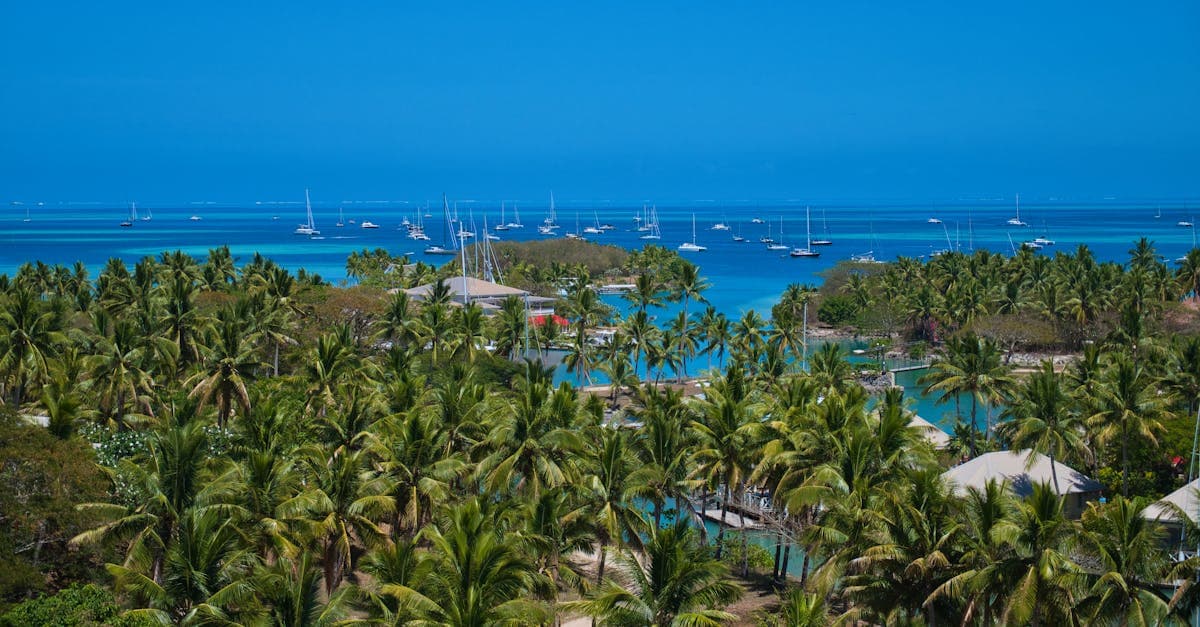
May to October is Fiji's dry season: clearest skies, calmest seas, and the most reliable conditions for snorkelling and island-hopping myfiji.com. Shoulder months, specifically May and October, hit a sweet spot between settled weather and resort package rates that haven't yet climbed to peak-season territory.
July and August are the most popular months. They're also the most expensive.
Peak winter demand from Australian and New Zealand travellers pushes resort prices and flight availability to their highest point across those two months. If that's your only window, book at least six months out or expect to pay accordingly.
About That Wet Season Reputation
The wet season, running November to April, carries a reputation for being off-limits. That reputation is only partly earned. November, March, and April typically deliver warm temperatures, occasional afternoon downpours, and resort package rates that can sit well below July peaks without dramatically different day-to-day conditions.
January to March is a different story. Cyclone activity in the South Pacific peaks during that window, and Fiji sits squarely within the risk zone. Travel insurance that explicitly covers cyclone-related disruption is non-negotiable for anyone booking in those months.
The practical upshot: May and October are the dynamic picks for Aussie travellers who want dry-season conditions without paying July prices or sharing the pool with every school holiday family from Queensland. You get the weather without the premium.
Pre-booking questions matter once the timing is set, starting with what a Fiji package actually includes versus what hits you as an extra on arrival.
Practical Fiji Holiday Tips: Health, Safety, and Common Questions
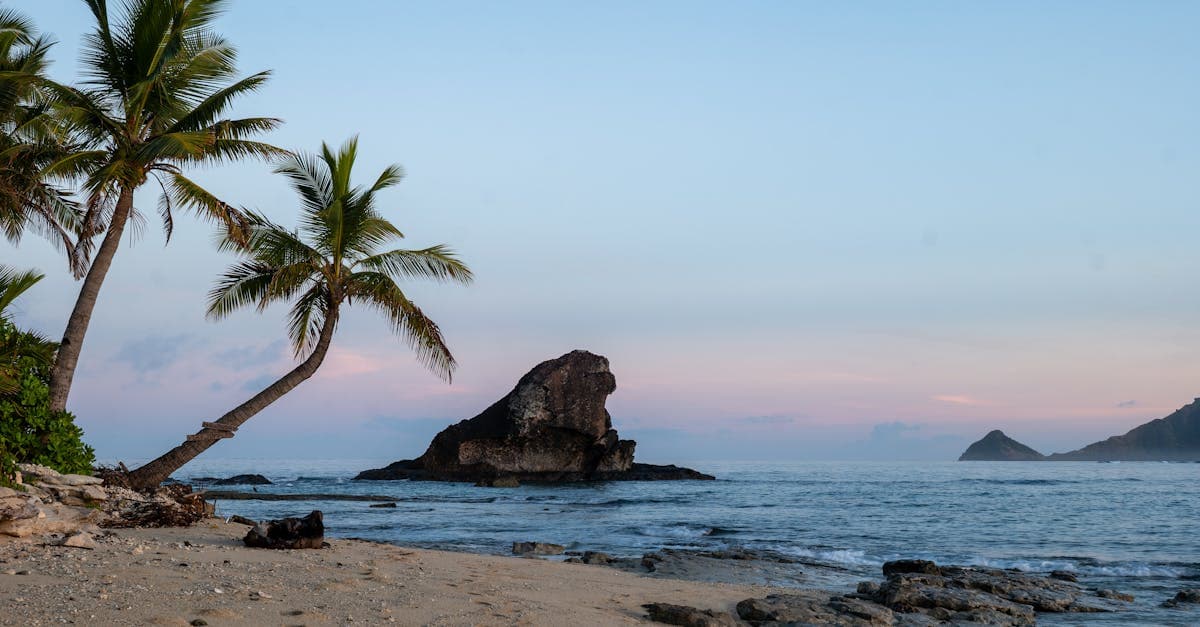
Australian passport holders don't need a visa to enter Fiji for stays of up to four months. That's one less thing on the pre-trip checklist. Health preparation takes a bit more planning, though the list is shorter than many travellers assume.
Key fact: Australian passport holders enter Fiji visa-free for stays of up to four months, one of the most generous entry arrangements in the Pacific region.
DFAT recommends being current on hepatitis A, typhoid, and tetanus before travelling to Fiji. Hepatitis A spreads through contaminated food and water, making it relevant anywhere kitchen hygiene is variable. Most GPs can fit in a travel health consultation within a week, so don't leave it until the final few days before you fly.
Tap water is the detail resort brochures quietly skip. Outside major resort zones like Denarau Island and the Coral Coast, tap water quality is inconsistent. Drink bottled or filtered water, and apply that same rule to ice at smaller local restaurants and roadside stalls.
Urban petty theft is the most frequently reported concern among Australian visitors. Nadi and Suva carry the highest exposure. Keep valuables out of sight in crowded markets, and use hotel safes for documents and cash. Resort precincts are generally low-risk.
Travelling to Fiji while pregnant?
Generally yes, with GP clearance beforehand. Zika virus is classified as low risk in Fiji, but guidance updates periodically, so check with your GP close to your departure rather than relying on older sources. The bigger practical concern is distance from care on outer islands. Medical evacuation from a remote resort can involve a boat to the nearest airstrip and a fixed-wing aircraft to Nadi or Suva before any onward transfer to Australia. Your policy needs to explicitly cover air ambulance transfers and obstetric emergencies, not just routine medical costs.
Travel insurance with medical evacuation cover is essential, full stop. Standard Australian private health insurance doesn't extend offshore.
AUD goes further in Fiji than in most comparable Pacific destinations, and it stretches further still during shoulder periods. A package booked for early November or late April captures meaningful price drops, the weather remains mostly cooperative, and the main beaches are noticeably quieter than peak season.
Reviewed by HelloRoam's editorial team. Last updated: 05 May 2026.
Get Connected Before You Go


Frequently Asked Questions
May to October is Fiji's dry season, offering the clearest skies and calmest seas. May and October hit a sweet spot between settled weather and resort rates below peak July-August prices.
A 7-night Fiji trip from Australia costs A$2,000-3,500 per person at budget level, A$3,500-6,000 mid-range with flights included, and A$8,000 or more for an all-inclusive private island escape.
Urban petty theft in cities like Nadi and Suva is the most reported concern for visitors. Limited medical facilities and inconsistent tap water quality outside resort zones are also key considerations.
Generally yes, with GP clearance beforehand. Second-trimester travel is typically advised. Zika risk is low but check updated guidance with your GP, as outer island medical evacuation can be complex.
The Mamanuca Islands are closest to Nadi Airport and ideal for first-timers, offering short boat transfers and snorkelling reefs right off the beach. Denarau Island is the main resort hub.
Most Fiji resort packages bundle accommodation, daily meals, and Nadi Airport transfers. Higher-tier packages add structured activities like snorkelling, village visits, and watersports.
Australian passport holders enter Fiji visa-free for stays of up to four months, one of the most generous entry arrangements in the Pacific region. No advance visa application is required.
Outside major resort zones like Denarau Island and the Coral Coast, tap water quality is inconsistent. Drink bottled or filtered water and avoid ice at smaller local restaurants and roadside stalls.
DFAT recommends being current on hepatitis A, typhoid, and tetanus before visiting Fiji. Book a travel health consultation with your GP at least one week before your departure date.
Fiji has 4G coverage from two main carriers across Viti Levu, Vanua Levu, and main tourist island groups. Coverage is reliable in resort zones but thins out considerably on smaller outer islands.
Resort Wi-Fi in Fiji is unreliable beyond lobby and poolside zones. Overwater bungalows and outer-island accommodation frequently experience patchy connectivity, making a local data plan advisable.
An eSIM is a digital SIM activated before departure, connecting your phone automatically on arrival in Fiji. It avoids airport SIM queues and works alongside your Australian number for calls and bank OTPs.
January to March carries the highest cyclone risk and warrants travel insurance covering cyclone disruption. November and April offer warm conditions and lower resort rates with acceptable day-to-day weather.
Flights from Sydney or Melbourne to Nadi International Airport take under four hours, making Fiji one of the most time-efficient international holiday destinations for Australian travellers.
Snorkelling tours, village visits, and island-hopping excursions typically add A$100-300 per person per day. Over a week-long stay, optional extras can add several thousand dollars to your total cost.
Sources
- Perfectly Packaged Holidays — myfiji.com
- Fiji Holiday Packages — travelonline.com
- deals.flightcentre.com.au — deals.flightcentre.com.au
- Fiji Holiday Packages — jetstar.com
- Fiji Family Friendly Holidays Packages & Deals 2026/2027 — luxuryescapes.com
- Fiji All-inclusive Holidays & Package Deals 2026/2027 — scoopon.com.au
- Fiji — aldiholidays.com.au