

Best Time to Visit Japan: Quick Seasonal Overview
April and November are Japan's two peak travel months, and hotel prices confirm it. Japan delivers four distinct seasons, each with its own trade-offs for visitors flying in from Australia.
- Spring (March to May): 10 to 22°C in Tokyo, cherry blossoms at their peak, crowds at their thickest, accommodation rates at their highest
- Summer (June to August): 25 to 35°C with typhoon risk from August, but notably cheaper flights out of Sydney and Melbourne
- Autumn (September to November): 12 to 25°C, foliage season, Japan's second most visited window
- Winter (December to February): 2 to 12°C in Tokyo, lowest crowds, best value, Hokkaido ski season in full swing
Sort your connectivity before you leave. Carrier roaming day rates from Australian telcos compound quickly on anything longer than a long weekend. HelloRoam's eSIM for Japan starts at ~A$5.41 for 1 GB over 7 days on KDDI/au 5G. Activate the profile at home, scan at the departure gate, and you're pulling data before you clear immigration at Narita or Haneda.
Key fact: HelloRoam Japan plans run from ~A$5.41 for 1 GB (7 days) to ~A$34.86 for 20 GB over 30 days, all on KDDI/au 5G.
But the devil is in the timing details.
When Is the Best Time to Visit Japan for Cherry Blossoms?
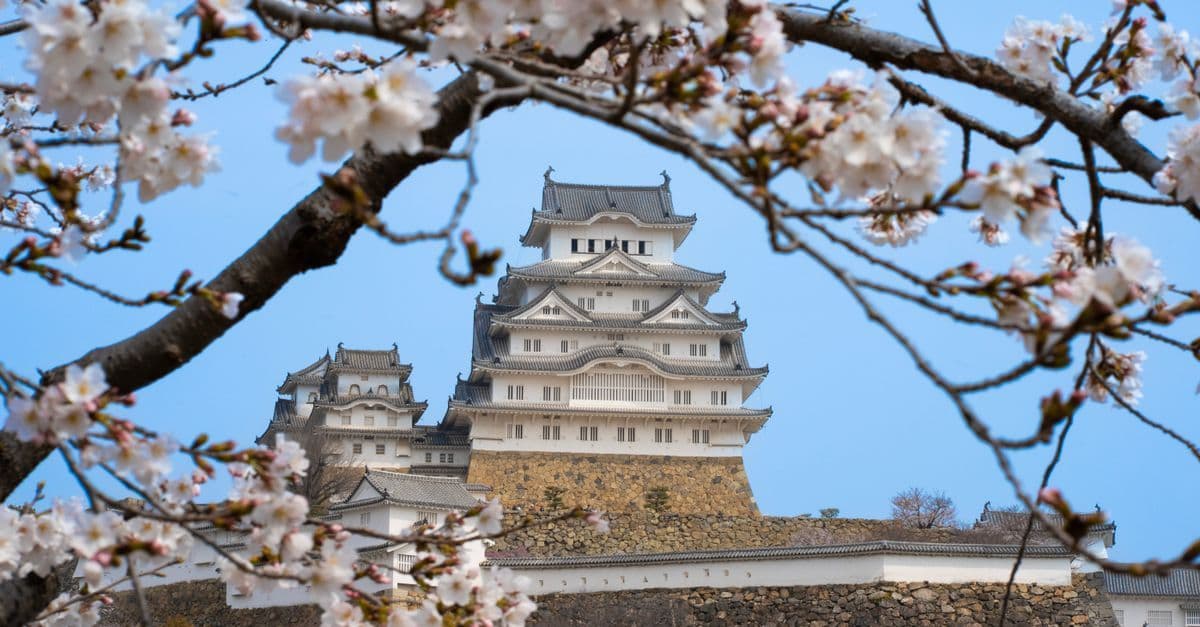
Tokyo's cherry blossoms typically peak between late March and early April. Kyoto follows three to five days behind, which is actually useful: a single itinerary can catch peak bloom in both cities without doubling back. Osaka tracks close to Kyoto. Hokkaido doesn't bloom until late April or early May, extending the season for anyone who misses the southern rush.
The detail most guides gloss over: bloom timing is shifting. Climate change has been nudging Japan's sakura window roughly one to two days earlier per decade. It's a modest drift, but enough to make the Japan Meteorological Corporation (JMC) forecast the only reliable planning tool. JMC and Weathernews publish their annual bloom predictions in January or February, and Tokyo accommodation books out within days of each release.
Queues at Ueno Park on a peak weekend run two hours.
That's not an outlier. Shinjuku Gyoen sees the same. Both parks charge entry during sakura season, and domestic Japanese travellers crowd these spots as heavily as international visitors. Spectacular, and relentlessly busy. Book accommodation in central Tokyo or Kyoto six to twelve months ahead. Anything shorter and you're either paying rates well above baseline or sleeping further from the city centre than planned.
Late April in Sapporo offers a different calculation entirely. Hokkaido's blossoms arrive after the southern crowds have thinned, accommodation is cheaper, and the pace is noticeably calmer. For Australians with some flexibility on dates, finishing a Japan trip in Hokkaido during its cherry blossom window is a sharp move.
The JMC forecast lands in January. Watch for it, lock in dates within a week, and treat your itinerary as fixed. Trying to adjust after those forecasts publish is roughly equivalent to chasing unreserved seats on the Shinkansen during Golden Week: technically possible, expensive, and stressful.
Autumn rivals spring for spectacle, and often wins on comfort.
Japan's Best Travel Months: What Each Season Actually Brings
Japan's four seasons are sharply distinct, not gradual shifts. Temperatures, crowds, and costs swing significantly between them. Choosing the right window means knowing what each one actually delivers on the ground.
Spring: March to May
Temperatures run 10 to 22°C across Honshu, comfortable territory for most Australians stepping off a 9-to-10-hour flight from Sydney or Melbourne. Cherry blossom season drives the year's highest accommodation rates and thickest crowds. Golden Week (late April through 5 May) layers domestic Japanese travel on top of the international influx, turning popular sights into genuine crowd management exercises. Brilliant conditions; expensive and busy in equal measure.
Summer: June to August
Tokyo sits at 24 to 31°C in July. Kyoto runs hotter. Humidity makes both feel heavier than the numbers suggest, and typhoon risk climbs from August through September.
Flights from Sydney and Melbourne are cheapest in June and early July. That's not a coincidence.
June also contains tsuyu (Japan's rainy season, running roughly mid-June through mid-July), which most travellers skip. They shouldn't. Museums are emptier, prices drop, and the rain arrives in bursts rather than grinding all day. It's one of the most underrated windows in Japan's travel calendar.
Autumn: September to November
Temperatures ease from around 22°C in September to 12°C by November. Foliage tracks south: Hokkaido peaks in late September and October, colour moves through Nikko and Tohoku, reaches Tokyo in late November, then Kyoto and Osaka through mid-to-late November. The air sharpens, hiking conditions are excellent, and while central Kyoto in November draws real crowds, the overall experience is less frenetic than spring.
Winter: December to February
Tokyo dips to 2°C at the low end. Sapporo drops well below zero. Tourist numbers hit their annual low outside the first week of January's New Year celebrations. Budget travellers and skiers claim this window, and Hokkaido's ski season runs December through February with Niseko and Furano delivering conditions that draw Australian skiers year after year.
No season is a wrong answer for Japan. Each one asks what you're willing to trade.
Compare those seasons side by side on what actually matters.
How Japan's Seasons Compare: Crowds, Costs and Climate
Spring and autumn carry Japan's heaviest visitor numbers and the highest accommodation costs. Summer sits mid-range on price but adds genuine physical difficulty: heat, high humidity, and typhoon risk from July. Winter delivers the cheapest rooms of the year and the shortest temple queues, outside ski resort towns.
Japan Tourism Agency data put 2024 inbound arrivals at 36.87 million, a record that broke 2019's previous high by a substantial margin.
Those visitors didn't spread evenly across the calendar.
Compare eSIM plans for Japan — See 2026 pricing →
Key fact: Japan received 36.87 million international visitors in 2024, a record high per Japan Tourism Agency data, with arrivals concentrated primarily in the spring cherry blossom and autumn foliage windows.
Golden Week runs from 29 April to 5 May. Domestic travel surges simultaneously across the country. Popular ryokan in Hakone, Nikko, and Kyoto fill up to 12 months in advance. The practical choice for international visitors is either book a full year out or pick different dates entirely.
Obon in mid-August creates a second major domestic travel wave as families return to their home regions. Major city attractions stay manageable for international tourists, but Shinkansen capacity and budget accommodation in smaller regional towns become genuinely scarce.
The shoulder months earn their reputation. June, September, and early October deliver lower accommodation rates, thinner crowds, and weather that remains workable. Early October is particularly sharp value: autumn colours are starting in Hokkaido and Tohoku while prices haven't yet risen to reflect November demand.
Kyoto's foliage peaks between mid-November and early December. Arashiyama and Tofukuji draw serious crowd numbers in that window; accommodation costs across Kyoto price accordingly.
January and February are Japan's quietest months outside ski resorts. Hotels in Tokyo, Kyoto, and Osaka sit at their annual price lows, and queues at major shrines and temples are close to non-existent.
Getting the season right is only half the picture.
Staying Connected in Japan: eSIM, SIM Cards and WiFi Options
Japan's 4G LTE network covers all major Shinkansen routes, city centres, and tourist corridors without gaps that matter for most itineraries. KDDI/au and NTT docomo carry 5G across the larger cities. For Australians stepping off a 10-plus-hour flight from Sydney, or closer to 13 hours from Perth, having data running the moment you clear customs isn't a luxury.
Three practical options compete for your phone's data line.
Pocket WiFi rental: Useful for groups sharing one connection. Daily rental costs compound over two weeks, and most providers require you to post the device back or drop it at an airport counter on checkout day. Not what you want at 5 am before a morning flight.
Local SIM card: Available at arrival halls at Narita, Haneda, and Kansai Airport. Needs a physical swap, meaning your Australian number goes dark temporarily. Bank OTPs and calls from family won't come through until you swap back.
eSIM: No swap, no kiosk queue, no return deadline. Your Telstra, Optus, or Vodafone AU SIM stays physically active for calls and messages while the eSIM handles Japanese data. Keeping your Australian number live while routing data through a local eSIM is the setup most frequent flyers on this route settle on.
Three steps to land connected
- Confirm eSIM support. Most iPhones from 2018 onwards qualify; Settings > Mobile > Add eSIM confirms it in seconds.
- Buy and install the eSIM profile at home on Wi-Fi before departure.
- Set the eSIM as your data SIM. Your Australian SIM handles voice calls automatically.
HelloRoam's Japan plans run on KDDI/au's 5G network. A 5GB, 30-day plan costs ~A$14.71, right for a standard two-week itinerary with maps, messaging, and streaming. Pick up an eSIM for Japan before boarding and connectivity is sorted well before Narita arrivals.
Key fact: HelloRoam Japan eSIM plans run on KDDI/au's 5G network, with a 5GB, 30-day option at ~A$14.71.
Free WiFi at 7-Eleven and Lawson convenience stores covers casual browsing without touching your data allocation. Most mid-range hotels include it as standard throughout Japan.
One last question most Australians ask before booking Japan.
What Is the Best Season to Visit Japan for Value?
January and February are the cheapest months to visit Japan, no contest. Hotel prices across Tokyo, Kyoto, and Osaka fall to their annual lows, temple queues are short, and the country isn't absorbing a domestic travel surge. The trade-off is winter temperatures, but Japan's cities operate normally in the cold and the Shinkansen runs regardless of what the sky does.
The AUD/JPY exchange rate has stayed favourable for Australian travellers through 2024 and into 2026, which stretches the budget-season advantage further.
The clearest decision framework:
Book January or February for the lowest room rates of the year, short queues at major sites, and access to ski resorts in Hokkaido and the Japanese Alps. The Sapporo Snow Festival in February draws visitors but enhances the trip rather than creating the overtourism pressure that hits Kyoto in April or November.
Book late June or September for shoulder pricing with weather you can actually work with. June brings rain across Honshu but stays mild. September sees the summer heat break, early autumn colours appear in Hokkaido, and room rates haven't yet jumped to reflect October demand.
Avoid for budget travel: cherry blossom peak in late March to early April, Golden Week from 29 April to 5 May, and Obon in mid-August. These windows push prices sharply higher and reduce availability across the board.
Late September is the clearest pick for value-conscious Australian travellers who want decent weather alongside reasonable prices. The heat has cleared, foliage is building in the north, and rates sit well below what November brings. It's the window where Japan is most itself without requiring your trip to bend around peak-season logistics.
Japan rewards the traveller who plans one step ahead of the crowd. The best time to visit Japan is almost always just outside the windows everyone else has already circled.
Reviewed by HelloRoam's editorial team. Last updated: 03 July 2026.
Get Connected Before You Go

Frequently Asked Questions
Tokyo's cherry blossoms typically peak between late March and early April. Kyoto follows three to five days later, allowing a single itinerary to catch peak bloom in both cities.
Late March to early April is peak sakura season across Honshu. Hokkaido blooms in late April to early May, extending the season for travellers who miss the southern rush.
January and February are Japan's cheapest months, with hotel prices at annual lows in Tokyo, Kyoto, and Osaka and short queues at major temples and shrines.
Golden Week runs 29 April to 5 May and triggers a major domestic travel surge. Popular ryokan and hotels book out up to 12 months ahead, so book very early or choose different dates.
Tokyo reaches 24-31°C in July with high humidity, and typhoon risk rises from August. Flights from Australia are cheapest in June, and tsuyu rainy season keeps museums emptier.
Tsuyu is Japan's rainy season, running roughly mid-June through mid-July. Rain arrives in bursts rather than all day, and attractions are less crowded with lower accommodation prices.
Foliage peaks in Hokkaido in late September and October, moves through Nikko and Tohoku, reaches Tokyo in late November, then Kyoto and Osaka from mid-to-late November.
Winter (December to February) offers Japan's lowest tourist numbers outside New Year week, cheapest accommodation, and short temple queues. Hokkaido's ski season also runs this window.
Hokkaido's ski season runs December through February. Niseko and Furano deliver conditions that attract Australian skiers annually, though accommodation near resorts fills quickly.
Obon in mid-August is a major domestic travel period when families return to home regions. Shinkansen capacity and budget accommodation in regional towns become genuinely scarce.
Late September offers the best balance of value and weather: summer heat has cleared, early autumn foliage appears in Hokkaido, and rates sit well below November peak pricing.
Japan received 36.87 million international visitors in 2024, a record high per Japan Tourism Agency data, with arrivals concentrated in the spring and autumn windows.
Options include pocket WiFi rental, a local SIM card, or an eSIM. eSIMs are popular because they keep your Australian number active for calls while providing local Japanese data.
An eSIM is a digital SIM that installs without a physical swap. It lets you keep your Australian number active for calls and messages while a Japanese data plan handles local connectivity.
Japan eSIM plans for Australians typically start around A$5-6 for 1GB over 7 days, rising to around A$35 for 20GB over 30 days, running on 5G networks such as KDDI/au.
Japan's major networks include KDDI/au and NTT docomo, both offering 5G in major cities. 4G LTE covers all main Shinkansen routes, city centres, and key tourist corridors.
Most iPhones from 2018 onwards support eSIM. Confirm compatibility under Settings > Mobile > Add eSIM before departure, and install your Japan eSIM profile at home on Wi-Fi.
Free WiFi is available at 7-Eleven and Lawson convenience stores across Japan for casual browsing. Most mid-range hotels also include WiFi as standard throughout the country.
Book central Tokyo or Kyoto accommodation six to twelve months ahead for cherry blossom season. Hotels fill within days of the Japan Meteorological Corporation releasing bloom forecasts in January.
Early October is strong value: autumn colours are beginning in Hokkaido and Tohoku, prices have not yet risen to reflect November demand, and weather remains comfortable for sightseeing.