

HelloRoam is a global eSIM provider offering instant mobile data in 185+ countries. Buy prepaid travel eSIM plans with no extra fees, no contracts, and instant activation on any eSIM-compatible device.

Best Time to Visit Bali: a Month-by-month Guide for Australian Travellers

Sophie Callahan
Written by: Sophie Callahan
Published date
Updated:
Reading time

17 min read

Best Time to Visit Bali: A Month-by-Month Guide for Australian Travellers

![Aerial view of Kelingking Beach Bali with turquoise waters and dramatic cliffs — best time to visit Bali

Quick Answer: best time to visit bali

Get your eSIM for Indonesia before you travel.

![Aerial view of Kelingking Beach Bali with turquoise waters and dramatic cliffs — best time to visit Bali

According to [virginaustralia.com, the best time to visit Bali for most Australians is May, June, September or October. Dry weather, crowds that haven't hit July and August levels, and prices that still have room to move make those four months the standout choice.

July and August are peak season proper: the most expensive flights, the fullest villas, the longest queues at Ubud's main sites. The wet season (November to March) is perfectly manageable if keeping costs down is the priority.

One thing most Bali timing guides skip: Nyepi, Bali's Day of Silence, closes the island for 24 hours each year (airport included, and mobile internet goes dark). In 2026, it falls on 19 March. HelloRoam offers [eSIM for Indonesia that activate before your flight, so you land with data running rather than hunting a SIM kiosk at Ngurah Rai. Travellers with dates near Nyepi should also check their airline's rebooking options. Getting connectivity sorted before departure removes one variable from the trip.

When is the best time to visit Bali?

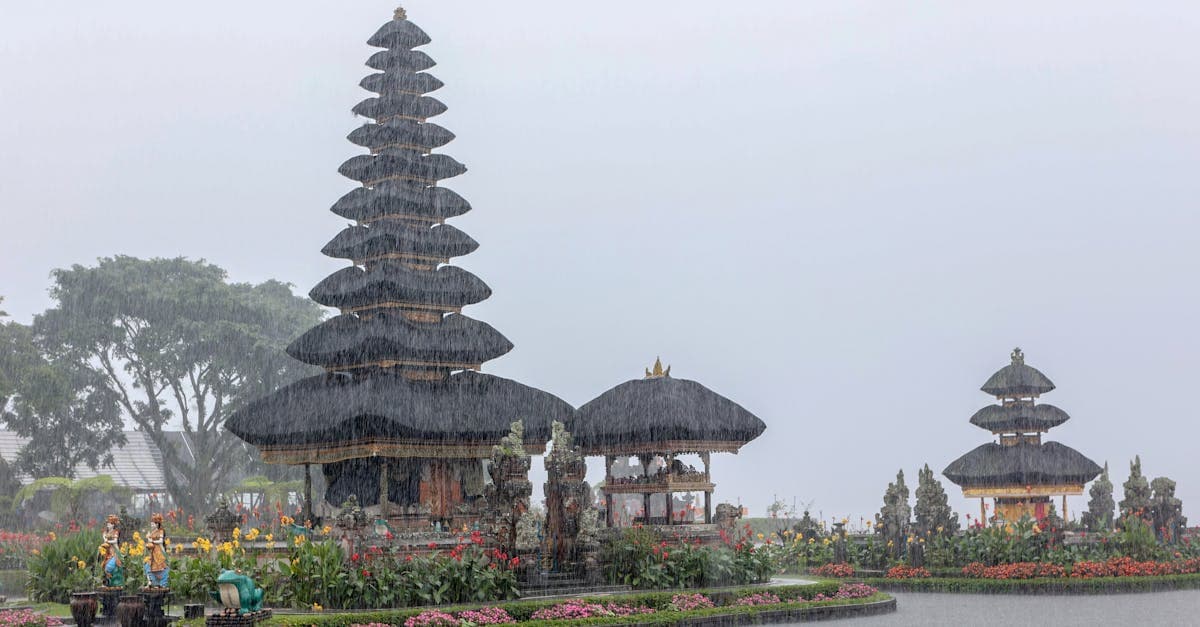
![Pura Ulun Danu Bratan temple and garden in Bali, a top sight to see at the best time to visit

May, June, September and October offer the best balance of dry weather, manageable crowd numbers and competitive pricing for Australian travellers [intrepidtravel.com. July and August are peak season with the highest prices and crowds, while January to March suits budget travellers who can handle afternoon rain.

The calendar splits into two clear seasons. According to [bali.com, dry season runs April to October; wet season covers November to March, with peak rainfall landing in January and February. Most timing decisions flow from that division.

Getting to Bali from Australia's east coast is one of the shorter international flights. Direct services from Sydney and Melbourne take roughly 5 to 6 hours, with minimal time zone shift, so the first day doesn't disappear to jet lag. Perth travellers are looking at closer to 4 hours.

Visas stay simple. Australian passport holders receive a visa on arrival valid for 30 days, extendable to 60, at around A$35. A full 60-day option started rolling out for eligible travellers from 2025, making longer stays and slower itineraries more practical without additional paperwork.

For quick orientation:

  • Peak season (July, August, December): highest prices, most tourists, monthly arrivals in July and August reaching 620,000 to 700,000
  • Shoulder season (May, June, September, October): the sweet spot, arrivals sitting between 450,000 and 560,000, weather solid and prices reasonable
  • Wet season (November to March): budget-friendly, quieter outside January school holidays, afternoon rain predictable

September 2026 carries a specific bonus for those timing it carefully. Galungan, one of Bali's most significant Hindu festivals, falls on 9 September, squarely inside the shoulder-season window. The island fills with penjor bamboo offerings and ceremonies running through to Kuningan on 19 September, while crowd levels stay well below August. Witnessing Galungan adds a genuine cultural layer to what's already a strong travel window.

The months to approach with clear eyes: July, August and the week between Christmas and New Year are Bali at its most crowded and expensive. If those periods are unavoidable (school holidays being the usual culprit), book flights and accommodation well ahead and go in knowing the roads to Seminyak will move slowly.

Bali's climate: dry season, wet season and the months in between

![Lush green rice terraces in the Balinese highlands during the dry season, the best time to visit Bali

As [bali.com reports, Bali's temperature barely moves. Daytime highs sit between 29 and 31°C throughout the year, and the sea holds at 27 to 29°C in every month lonelyplanet.com, so snorkelling at Nusa Penida and diving at Amed remain viable year-round. Boat access in the wet season can be the limiting factor, not water temperature.

Humidity is where you feel the seasons more than temperature. In July and August it drops to around 72 per cent [bali.com, making the heat genuinely comfortable (almost fresh in the evenings at Ubud's elevation). January and February push to 85 per cent; combined with regular heavy rain, that's what makes those months harder to recommend to first-timers.

Monthly weather at a glance

MonthJanuary
Avg High30°C
Avg Low24°C
Rainfall300-350mm
Rainy Days18-20
Humidity85%
MonthFebruary
Avg High30°C
Avg Low24°C
Rainfall280-320mm
Rainy Days17-19
Humidity85%
MonthMarch
Avg High30°C
Avg Low24°C
Rainfall180-220mm
Rainy Days14-16
Humidity83%
MonthApril
Avg High31°C
Avg Low24°C
Rainfall80-100mm
Rainy Days8-10
Humidity80%
MonthMay
Avg High31°C
Avg Low23°C
Rainfall80-100mm
Rainy Days7-9
Humidity78%
MonthJune
Avg High30°C
Avg Low22°C
Rainfall50-70mm
Rainy Days5-6
Humidity74%
MonthJuly
Avg High29°C
Avg Low21°C
Rainfall40-60mm
Rainy Days4-5
Humidity72%
MonthAugust
Avg High29°C
Avg Low21°C
Rainfall30-50mm
Rainy Days4-5
Humidity72%
MonthSeptember
Avg High30°C
Avg Low22°C
Rainfall50-70mm
Rainy Days5-6
Humidity74%
MonthOctober
Avg High31°C
Avg Low23°C
Rainfall80-100mm
Rainy Days7-8
Humidity77%
MonthNovember
Avg High31°C
Avg Low24°C
Rainfall140-180mm
Rainy Days11-13
Humidity81%
MonthDecember
Avg High30°C
Avg Low24°C
Rainfall250-300mm
Rainy Days16-18
Humidity84%

Sea temperature holds at 27-29°C year-round.

The rainy-days column is the one most weather guides leave out. January's 300 to 350mm sounds heavy, but that rain falls across 18 to 20 concentrated afternoon downpours, not continuous drizzle. Mornings are often clear and usable.

Dry season also brings offshore winds that define the surf. From June through September, swells at Uluwatu and Padang clean up as the wind blows offshore, producing reliable conditions for intermediate and above. Outside that window, onshore winds make the breaks messier, though surf remains active year-round at quieter reef spots.

Transitional months sit at either end of the table. April sees rainfall drop sharply from March's 14 to 16 rainy days to 8 to 10, but early April can still carry wet-season showers. Climate patterns have shifted the end of the wet season slightly later in recent years, occasionally overlapping with what Australians book as the start of a 'dry Bali trip'. November reverses this: rainfall climbs fast, and the island feels noticeably different by mid-month.

For beach and cultural travel, April through October all work well. As [clubmed.com.au notes, June to August deliver the most consistently dry conditions; May, September and October offer similar weather with fewer tourists and lower prices.

What is the rainy season in Bali?

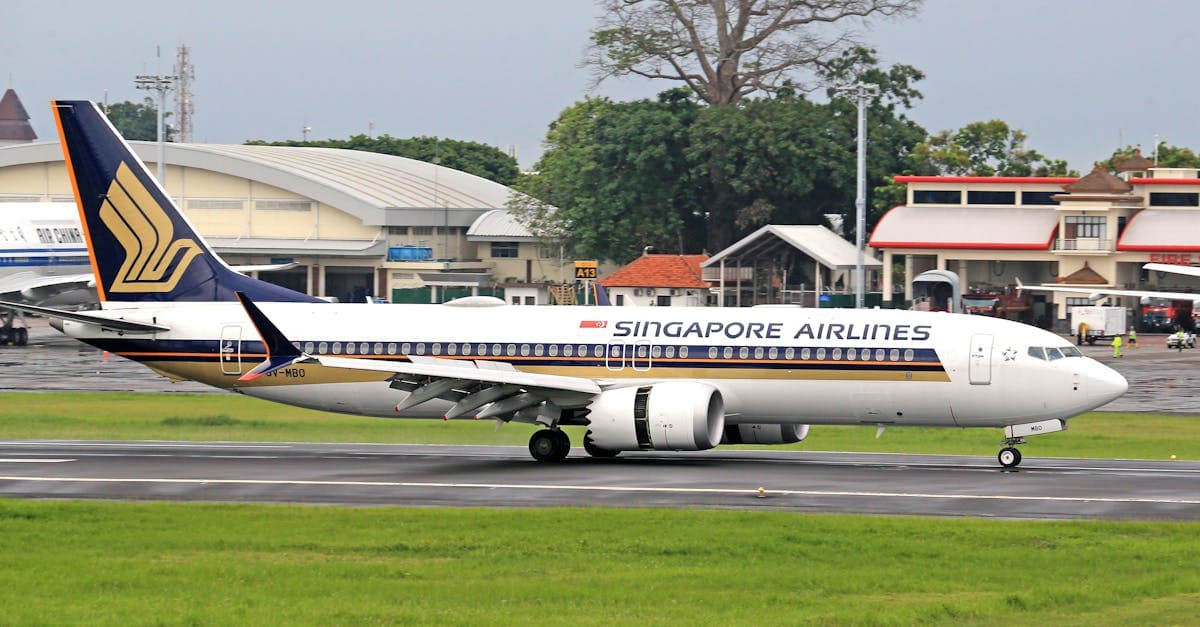
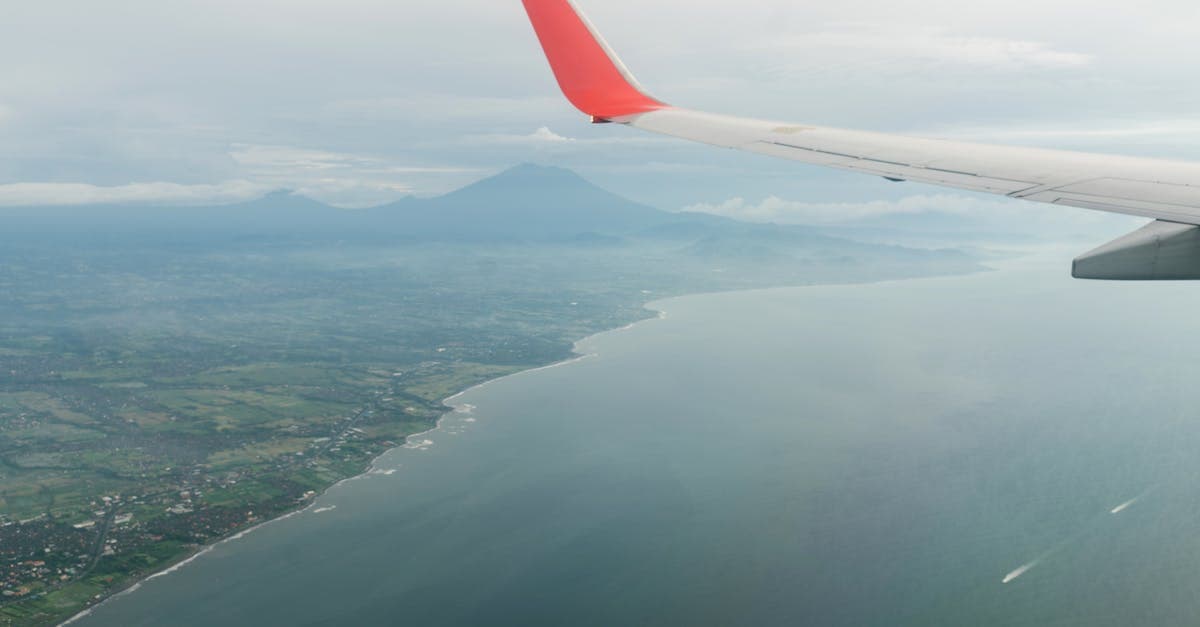
![Aircraft on a wet airport tarmac during Bali's rainy season, showing typical wet-season travel conditions

According to [bali.com, November to March is Bali's rainy season. January is the wettest month overall, as the weather table above shows, and February follows closely. Neither month shuts the island down.

Rain arrives as afternoon tropical downpours, typically lasting one to two hours, rather than all-day grey drizzle. Mornings are usually clear, which means beach time, temple visits and rice terrace walks remain entirely possible if you work around the afternoon window rather than against it.

February draws roughly 280,000 to 310,000 tourist arrivals, the lowest figure of the year. Flights and accommodation from Australia reflect that reduced demand. For travellers who weigh space and cost above guaranteed sunshine, February is the single strongest month on the calendar for those priorities.

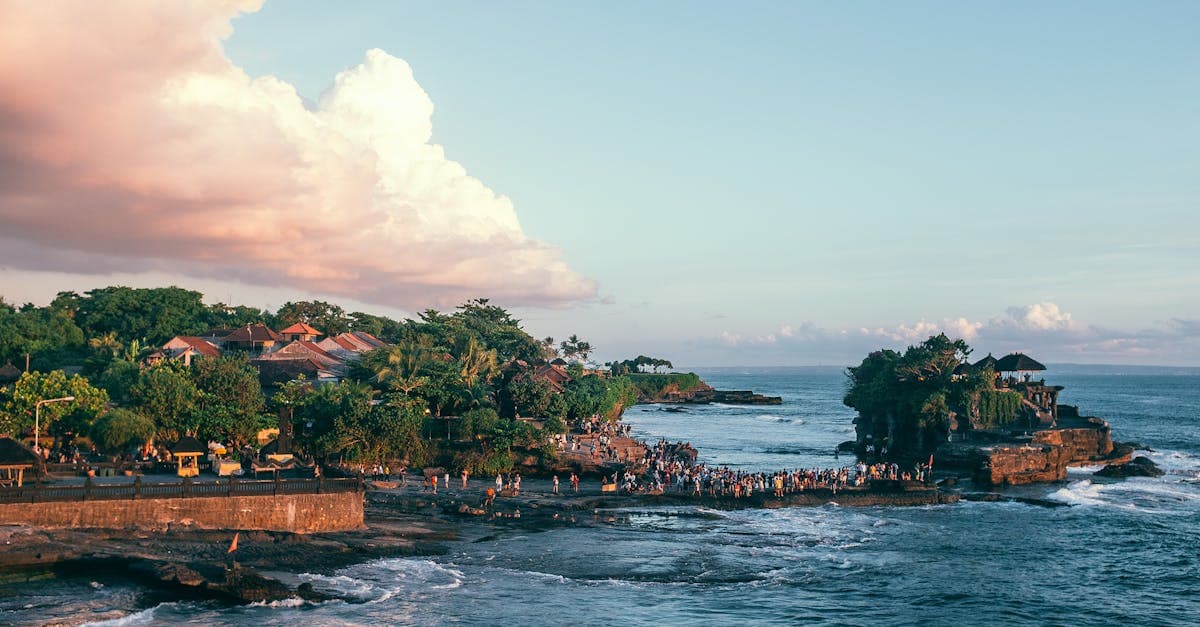
Wet season doesn't close Bali down. Rice paddies turn vivid green (the landscape genuinely looks different from the dry season), Hindu ceremonies continue on schedule, and cultural attractions including Tanah Lot and Ubud's Monkey Forest stay fully open year-round. In 2026, Galungan falls on 11 February and Kuningan on 21 February, adding a major festival window to the quietest month of the calendar.

January carries the heaviest rainfall, with high humidity to match. February is marginally drier and consistently records the lowest visitor numbers. Both months offer something August simply can't: room to breathe, shorter queues and accommodation at rates that reflect actual demand rather than peak-season leverage.

The rainy season runs November to March. January is the wettest month; February is the quietest for crowds and the most affordable for flights and accommodation from Australia. Wet-season Bali is consistently underrated by Australians who've only visited in July.

Month-by-month breakdown: crowds, conditions and what to expect

![Hand marking a calendar date to plan the best time to visit Bali, avoiding peak crowds and wet season

The crowd numbers tell the story plainly. Monthly arrivals swing from 280,000 to 310,000 in February to 650,000 to 700,000 in August. That's more than double the visitors on the same roads, beaches and restaurants. Where you land on that spectrum shapes the trip entirely.

January through March is wet season territory. January brings 330,000 to 360,000 arrivals and reliable afternoon downpours, but prices are low and the island isn't jammed. February is the quietest month of the year: 280,000 to 310,000 arrivals, cheapest flights and accommodation, mornings often clear before the rain rolls in around 2 pm. March sees conditions improving in the second half and arrivals rising to 380,000 to 420,000 as the shoulder season approaches. Check the Nyepi date carefully for any March bookings (Section 6 covers the specifics).

April through June marks the transition into the sweet spot. April's Easter school holidays push arrivals to 450,000 to 480,000, with late April drier than the first fortnight. May holds a similar range (450,000 to 490,000) as the dry season takes hold: humidity drops, offshore winds arrive at the south coast breaks and villa prices haven't yet reached peak. June brings full dry season conditions with 500,000 to 540,000 arrivals. Uluwatu, Padang and Bingin are producing consistent 1.5 to 3 metre swell with offshore winds. Prices are climbing, but haven't hit July levels.

July and August are peak. Full stop [clubmed.com.au. Arrivals jump to 620,000 to 680,000 in July and 650,000 to 700,000 in August. July is largely an Australian experience: families on school holidays filling Kuta, Seminyak and Nusa Dua. You can still have a good trip in July, go in knowing the roads, prices and crowds come with it. October Bali and July Bali are almost different destinations in terms of atmosphere. Best surf conditions at the Bukit Peninsula breaks if that's your priority.

September and October are the quiet achievers. September's 530,000 to 560,000 arrivals fall sharply as school holidays end, dry season holds, and in 2026, Galungan falls on 9 September, meaning the island's most visually striking festival runs squarely at shoulder prices. October (490,000 to 530,000) is underrated: dry conditions for most of the month, prices down from peak and Canggu operating at something approaching human scale.

November and December split the difference. November brings wet season pricing and 400,000 to 440,000 arrivals while the heaviest rain is still weeks ahead. December starts quietly at similar arrival levels, then surges to 550,000 to 600,000 as Seminyak and Canggu properties fill from 20 December for Christmas and New Year.

On surf geography: Uluwatu, Padang and Bingin peak from June to September; Canggu and Medewi work year-round with best form April to October; Keramas on the east coast suits the wet season for experienced surfers wanting an uncrowded line-up. For a base, Ubud works in every season and runs a couple of degrees cooler than the coast. Amed and Nusa Penida are practical dry-season destinations when the roads and sea crossing cooperate.

Solo female travellers generally find the shoulder months the most practical window: the full range of activities and transport is operating, crowd density is manageable and you're not navigating December's chaos alone. Wet season offers genuine quiet, which some find liberating and others isolating.

The Balinese calendar: Nyepi, Galungan and the dates worth knowing

![Balinese locals in traditional dress participating in an outdoor prayer ceremony during the Galungan festival

If you have a flight into or out of Bali today, 19 March 2026: Ngurah Rai Airport is closed. Nyepi, the Balinese Day of Silence, runs midnight to midnight and the closure is total, with no airline or hotel exceptions. Travellers with Nyepi-day bookings must reroute via Lombok or wait until midnight tonight.

Nyepi is unique globally. For 24 hours, the entire island suspends: no vehicle movement, no artificial light visible outdoors, no noise. Hotels keep guests on property, which is manageable enough, but the airport closure is absolute. Internet access and mobile data are cut island-wide by government directive. This applies to all providers without exception. HelloRoam covers 190-plus destinations, but every SIM and eSIM on the island goes dark when Nyepi begins. Pre-download offline maps, entertainment and any files needed for remote work before the day starts.

For future planning: the 2025 Nyepi date was 29 March. The 2027 date had not been confirmed at time of publication. Always verify the current year's date before booking any March flights to Bali.

Galungan is a different experience entirely. Held twice yearly on the Balinese Pawukon calendar, it's when streets fill with penjor (tall decorated bamboo poles curved at the top), temples hold ceremonies and offerings appear on every doorstep. Respectful, quiet observation is welcome. In 2026, Galungan falls on 11 February and 9 September, with the closing ceremony Kuningan following 10 days later on 21 February and 19 September 2026.

September 2026 Galungan lands squarely in the shoulder season sweet spot. Dry weather, reasonable pricing and the most visually striking week in the Balinese ceremonial year. For travellers with flexibility around that fortnight, the alignment is genuinely worth targeting.

What are the best and worst months to go to Bali?

![Man with arms outstretched at Pura Lempuyang temple gateway, ideal to photograph at the best time to visit Bali

For most Australian travellers, May, June, September and October represent the best months on offer [virginaustralia.com: dry season conditions, arrivals well below peak and pricing that reflects the difference. July and August are the worst months for value, with the highest crowd numbers and prices of the year.

Surfing gives its own answer. Uluwatu, Padang and Bingin peak from June to September with offshore winds and consistent south swells. Keramas on the east coast suits wet season months for experienced surfers who want less competition in the water and don't mind the east-coast drive from Seminyak.

Budget travellers should look at January, February and March. Flights and accommodation run 30 to 40 percent below July peak rates, with February as the cheapest single month. The island is genuinely uncrowded.

Australian families tied to school holiday schedules land on July and August, accepting peak pricing and crowd density as the trade-off. April aligns with the Easter break and late shoulder season conditions, which is a better deal on both counts.

July and August are the worst months for value. Mid-range properties fill weeks in advance, prices peak and roads from Kuta to Canggu see gridlock from mid-morning. Weather is actually fine in those months; the crowds and cost are the problem.

January and February have the worst weather: peak wet season, the highest humidity and the most rainy days per month. The silver lining is they're also the cheapest months, covered in detail below.

The single biggest lever for improving a Bali trip is choosing to travel outside Australian school holidays. October Bali and July Bali are almost different destinations in terms of atmosphere. That's not hedging; it's just what the numbers show.

What is the cheapest time to go to Bali?

![Traditional Balinese temple with thatched roofs and intricate stone carvings, best visited during shoulder season for lower costs

The wet season is cheap. February is cheapest of all. That's consistent across flights, accommodation and most tour operators, whether you're departing Sydney, Melbourne or Perth.

A mid-range private villa costs around A$180 per night in July. In February, an equivalent property runs A$100 to A$110. Budget guesthouses hold steady at A$20 to A$30 per night year-round; the biggest seasonal variance hits the mid-range and upper-mid-range brackets. In shoulder season (May, June, September, October), mid-range private villas run A$80 to A$120 per night. Peak season pulls that to A$140 to A$180 at popular Seminyak and Canggu properties.

November is the best value month for most travellers. Wet season pricing applies from the first week, but the heaviest rain is still weeks away. Arrivals sit around 400,000 to 440,000, which means restaurants, tours and transport operate without the availability squeeze you get in peak. The case for November over February is simple: similar savings, considerably less rain.

A question travellers ask regularly: is A$1,000 enough for a week in Bali? In the wet season, yes, with money to spare at mid-range. Budget guesthouses, local warung meals and scooter hire can bring daily costs well under A$80. In July, that same A$1,000 covers accommodation and not much else at a decent property. The month you choose reshapes the entire financial equation.

Budget flights from Sydney and Melbourne are typically cheapest for wet season departures booked 8 to 12 weeks ahead. Jetstar, AirAsia and Scoot operate the most competitive routes to Denpasar. Last-minute fares appear more frequently in January and February than at any other time of year, which suits flexible travellers, though it's not a strategy to plan around.

Shoulder season is also the sweet spot for remote workers and digital nomads. Coworking spaces in Canggu operate at comfortable capacity through May, June, September and October; during peak season they fill quickly and booking ahead becomes necessary. Connectivity is more reliable outside July and August when the infrastructure is under less load. Local SIM cards from Telkomsel or XL Axiata cost around A$10 to A$15 for a week of data at the airport; eSIM options activated before departure skip the arrivals queue, which is a genuine time saving when the July and August halls are at full stretch.

The discount noted in the previous section narrows in shoulder months compared to deep wet season, but you're still paying meaningfully less than July while arriving in full dry season conditions. November into mid-December offers the best overlap of low pricing, acceptable weather and a fully functioning island calendar.

Is A$1,000 enough for a week in Bali?

![Aerial view of Pura Ulun Danu Bratan temple on a Bali highland lake, iconic sight for budget travellers

Yes, comfortably, if you're not travelling in peak season. That budget holds well in shoulder and wet months. In July or August, it's achievable but leaves little margin.

Accommodation at a clean guesthouse or basic villa runs A$40 to A$60 a night. Meals split between warungs and the occasional sit-down cost A$15 to A$25 a day. Transport (scooter hire or Grab rides) adds A$10 to A$15. Activities (temple entry, a snorkel trip) run A$25 to A$35. The daily total for a solo traveller in shoulder season lands between A$90 and A$130, clearing the per-day allowance with room to spare.

That surplus covers a day trip to Nusa Penida, ferry and snorkelling guide included.

In July or August, accommodation climbs quickly. A guesthouse room at A$45 in October may list at A$65 to A$75 in high season. Stay at budget properties and eat almost exclusively at warungs and the week stays on track. Add one mid-range dinner or a spa afternoon and it doesn't.

Couples sharing accommodation get considerably better value. A two-bedroom villa at A$130 to A$150 a night, split two ways, brings the per-person cost under A$75 and frees up real budget for activities.

Connectivity is a real but minor line item. A local SIM with 10 to 20GB costs A$8 to A$15 at arrivals. A 7-day eSIM plan runs around A$15 to A$25 and activates before you land, meaning you're navigating before you clear customs.

Staying connected in Bali: local SIMs, eSIMs and the Nyepi internet blackout

![SIM cards and ejector tool arranged on white surface for staying connected with a travel eSIM in Bali

Two networks dominate Bali: Telkomsel and XL Axiata. Both deliver reliable 4G LTE across the main tourist belt, covering Seminyak, Canggu, Kuta, Nusa Dua and most of Ubud. Outside that corridor, the story changes.

The east coast of Nusa Penida, Munduk's hill villages, the Amed dive strip and Kintamani's crater rim all see regular drops to 3G or patchy 2G. If you're staying in those areas, don't count on mobile data for navigation. Download offline maps before you leave your main base.

Getting a local SIM is straightforward at Ngurah Rai arrivals. Telkomsel and XL counters sell standard tourist SIM cards at roughly the price range noted in the previous section. The catch: queues run 20 to 30 minutes in peak season, and some counters require an Indonesian phone number during registration, which arriving travellers clearly won't have. An eSIM activated before departure sidesteps all of that. Land with data running; the arrivals queue is someone else's problem.

Canggu's coworking spaces (Dojo and Outpost) and Ubud's equivalents run on 50 to 100Mbps fibre year-round. Connectivity quality doesn't shift by season, though some spaces reduce hours around Nyepi and major Galungan ceremony days.

Nyepi, the Balinese Day of Silence, falls on 19 March in 2026. The Indonesian government cuts all mobile data and internet across the island for 24 hours, midnight to midnight. No provider can override this, full stop. Pre-download offline maps, entertainment and any remote work files the day before. Free Wi-Fi at budget guesthouses is unreliable year-round regardless of season, which makes a local data plan worth buying on day one rather than treating as optional.

  • Esim Cape Town
  • Esim Atlanta
  • Esim Hawaii

Get Connected Before You Go

Sophie Callahan, Travel Writer at HelloRoam
Sophie Callahan is a travel writer at HelloRoam covering travel tech and data plans for international visitors. She explains how to set up an eSIM before landing so readers arrive already connected. Sophie focuses on budget-friendly advice for backpackers and working holiday makers who need reliable data without overpaying.

Frequently Asked Questions

The best months to visit Bali are May, June, September and October, offering dry weather, manageable crowd numbers and competitive pricing. The worst months are July and August for peak crowds and prices, and January and February for the heaviest rainfall, highest humidity and most unpredictable afternoons.

February is the cheapest month to visit Bali, recording the lowest visitor numbers of the year at 280,000 to 310,000 arrivals and the most affordable flights and accommodation from Australia. The wet season broadly (November to March) offers budget-friendly prices compared to peak season, with November a strong option for travellers who want low rates before the heaviest rain arrives.

The article does not specify a per-person weekly budget in USD, but it notes that the visa on arrival for Australian passport holders costs around A$35, and that wet-season months like February offer the lowest accommodation and flight prices of the year. Travelling during shoulder months such as May, September or October also keeps costs well below peak-season rates without sacrificing weather quality.

Bali's rainy season runs from November to March. January is the wettest month, with 300 to 350mm of rainfall spread across 18 to 20 rainy days, and February follows closely. Rain typically arrives as afternoon tropical downpours lasting one to two hours rather than all-day drizzle, so mornings are often clear and usable for sightseeing and beach activities.

Bali's dry season runs from April to October. June, July and August offer the most consistently dry conditions, with humidity dropping to around 72 per cent and rainfall as low as 30 to 60mm per month. May, September and October sit at the edges of the dry season with similar weather but lower crowds and more competitive prices.

Peak season in Bali is July, August and the week between Christmas and New Year. Monthly arrivals in July and August reach 620,000 to 700,000, the highest figures of the year. Flights, villas and popular restaurants are at their most expensive during these periods, and roads to areas like Seminyak move slowly.

The shoulder months are May, June, September and October. Arrivals during these months sit between 450,000 and 560,000, well below July and August peaks. Weather remains dry, prices are competitive and popular sites are noticeably less crowded, making this window the preferred choice for most travellers.

June through September offers the best surf conditions at Bali's main breaks. Offshore winds during these months clean up the swells at Uluwatu, Padang Padang and Bingin, producing reliable 1.5 to 3 metre conditions suited to intermediate and advanced surfers. Canggu and Medewi work year-round, with best form from April to October, while Keramas on the east coast suits experienced surfers during the wet season.

Nyepi is Bali's Day of Silence, a Hindu new year observance during which the entire island suspends for 24 hours: no vehicle movement, no visible artificial light and no noise. Ngurah Rai Airport closes completely for the full day with no airline exceptions, and mobile internet is cut island-wide by government directive. In 2026 Nyepi falls on 19 March. Travellers should check their booking dates carefully and pre-download offline maps and entertainment before the day begins.

Galungan is one of Bali's most significant Hindu festivals, during which the island fills with penjor bamboo offerings and ceremonies. In 2026 it falls on 9 September, with Kuningan closing the festival period on 19 September. This places Galungan squarely inside the shoulder season window, offering the chance to witness the island's most visually striking festival while crowd levels remain well below August peaks. A second Galungan date in the wet season falls on 11 February, with Kuningan on 21 February.

Yes, wet-season Bali is consistently underrated. February is the quietest and most affordable month of the year, with arrivals at their lowest and accommodation and flight prices reflecting reduced demand. Mornings are typically clear, Hindu ceremonies and cultural attractions remain fully open, rice paddies turn vivid green, and the island offers space and pace that July simply cannot match.

Bali's temperature is remarkably stable year-round. Daytime highs sit between 29 and 31 degrees Celsius in every month, and sea temperature holds at 27 to 29 degrees Celsius regardless of season. The main seasonal difference is humidity, which drops to around 72 per cent in July and August and rises to 85 per cent in January and February.

Monthly tourist arrivals range from 280,000 to 310,000 in February, the quietest month, up to 650,000 to 700,000 in August, the busiest. Shoulder months like May, September and October see 450,000 to 560,000 arrivals, roughly half the August figure. The difference between peak and off-peak months has a direct impact on road congestion, accommodation availability and atmosphere.

Australian passport holders receive a visa on arrival valid for 30 days, extendable to 60 days, at a cost of around A$35. A full 60-day visa option began rolling out for eligible travellers from 2025, making longer stays and slower itineraries more practical without additional paperwork.

Direct flights from Sydney and Melbourne to Bali take approximately 5 to 6 hours, with a minimal time zone shift so the first day is not lost to jet lag. Travellers from Perth are looking at closer to 4 hours. Bali is one of the shorter international flights available from Australia's east coast.

Ubud works as a base in every season and runs a couple of degrees cooler than the coast due to its elevation. Amed and Nusa Penida are best suited to the dry season when roads and the sea crossing to Nusa Penida are most cooperative. Canggu and Seminyak are accessible year-round but reach their most crowded and expensive in July, August and late December.

Sources

  1. Best time to visit Bali intrepidtravel.com
  2. lonelyplanet.com lonelyplanet.com
  3. Best Time to Travel to Bali bali.com
  4. Best time to visit Bali virginaustralia.com
  5. Best Time to Visit Bali for the Perfect Holiday clubmed.com.au

Related Articles

Stay Connected with Travel Data
View all destinations
United States travel destination
United States flag
United States
United Kingdom travel destination
United Kingdom flag
United Kingdom
United Arab Emirates travel destination
United Arab Emirates flag
United Arab Emirates