

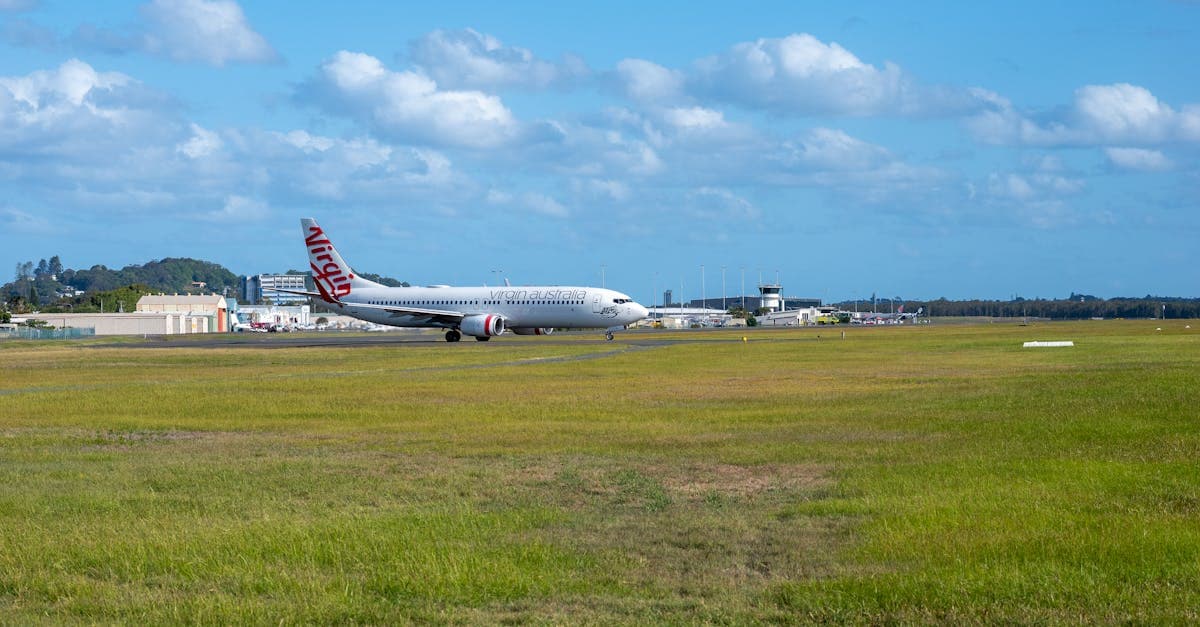
Quick Answer: Flight Connections for Australian Travellers
A flight connection is two or more flights booked as a single itinerary, with a stop at an intermediate airport before reaching your final destination. Whether the airline covers you if you miss the second flight depends entirely on how you booked. Protected connections come with airline liability built in. Self-transfers don't.
Sydney Airport's free WiFi cuts out at 30 minutes, then bills A$9.99/hour. On a 20-plus-hour journey out of Australia, a multi-hour layover burns through that allowance before you've found your gate. Browse All eSIM Plans to sort data before you fly. The booking type you pick, protected or self-transfer, determines who carries the cost if something goes sideways mid-journey.
The full picture starts below.
What Are Flight Connections?
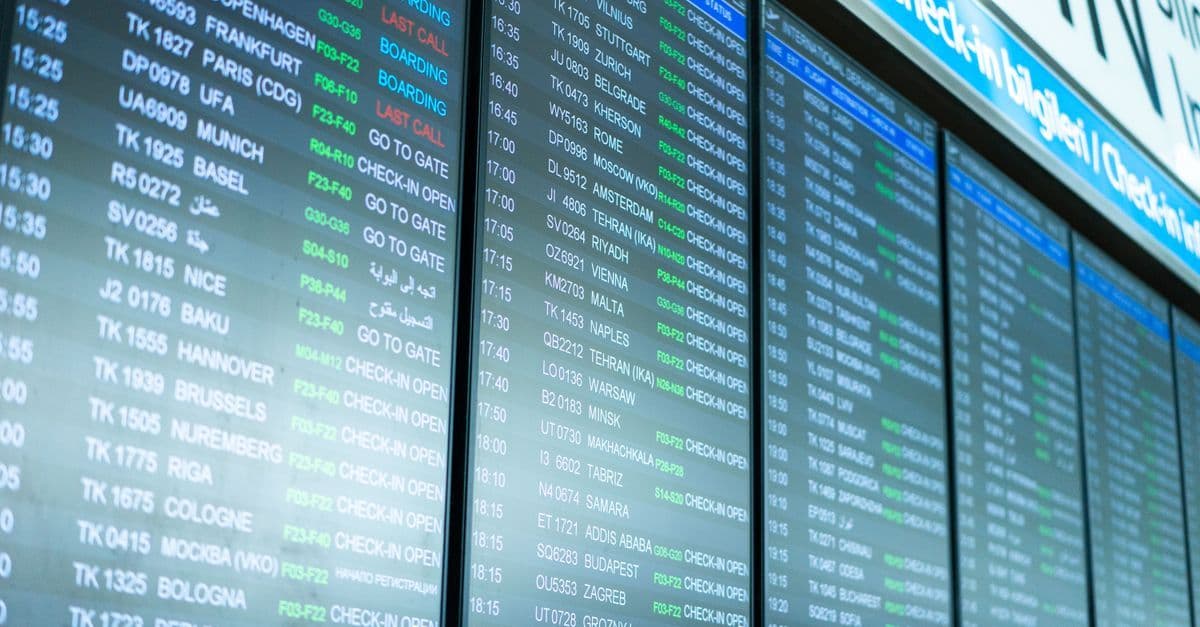
A flight connection is an intermediate stop on a multi-leg journey, where all flights sit on the same booking reference. You fly Sydney to London via Singapore, for example: that stop in Singapore is a connection, not a separate trip.
Two terms travellers confuse constantly: layover and stopover. A layover is a short connection, usually under 24 hours, where you stay airside or in the transit zone. A stopover is longer, often intentional, and lets you leave the airport and explore the city for a night or two.
Here's where it gets interesting.
A protected connection means all flights were booked together on one itinerary. If the first leg runs late and you miss the next, the airline is obligated to rebook you at no cost. Self-transfer, where you've bought separate tickets, transfers that obligation entirely onto you. No delay compensation, no automatic rebooking, and no carrier obligation to get you there.
Interline agreements (formal arrangements between carriers allowing through-checked baggage across multiple airlines) make multi-carrier connections considerably smoother. Without one in place, you collect bags at the intermediate airport and recheck them yourself, eating directly into your connection window.
FlightConnections.com, which maps available routes across more than 900 airlines, is a practical tool for checking whether a specific connection actually exists before you commit to a booking flightconnections.com.
Definition sorted. Now the practical reality at Aussie airports.
Minimum Connection Times at Australian Airports
Minimum connection time, or MCT (the shortest gap an airline considers viable between two flights at a given airport), varies sharply across Australian terminals. Sydney's three-terminal layout makes it the most punishing for tight connections. Melbourne's single integrated building is far more forgiving.
Sydney is the problem airport. Three separate terminals: T1 handles international flights, T2 covers Virgin Australia and Rex domestically, T3 is Qantas domestic. Getting between T1 and either domestic terminal requires a shuttle bus that alone takes 10 to 20 minutes.
Factor in customs, immigration, baggage reclaim, and the re-check-in queue, and the process compounds fast. Airlines sometimes list the international-to-domestic MCT at Sydney as 60 minutes. Experienced travellers call that figure optimistic by a wide margin.
The real-world recommendation: allow 120 to 180 minutes for any international-to-domestic transfer at SYD.
Melbourne operates differently. Single integrated building, international and domestic piers linked under one roof. International-to-domestic connections run considerably faster, with 90 to 120 minutes a workable buffer for most travellers.
Brisbane sits between the two. International and domestic terminals connect via a short pedestrian walkway, roughly 5 to 10 minutes on foot, making connections there far less stressful than Sydney. Budget around 90 minutes to stay comfortable.
Perth opened its integrated terminal in 2016, replacing a fragmented layout that caused regular connection headaches. Transfers there are now efficient, with domestic-to-domestic connections manageable once you're inside the single building.
For domestic-to-domestic connections at any of these airports, 45 to 60 minutes is the standard published minimum. Factoring in gate distances and boarding queues, 60 minutes is the sensible floor.
Published MCTs are often set to the minimum the booking system allows, not the minimum that actually works. At Sydney in particular, give yourself more runway than the itinerary builder suggests.
Times tell half the story. Process tells the rest.
International to Domestic: Clearing Customs on a Connecting Flight
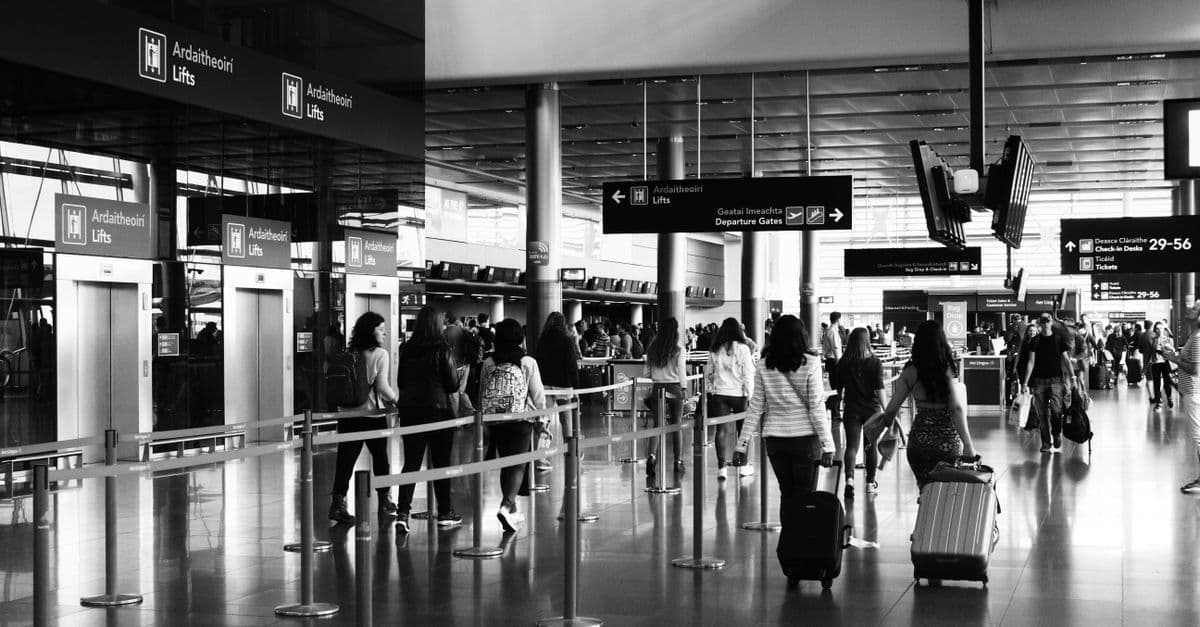
Every international arrival in Australia clears Border Force before any domestic connection continues. That means bags collected at the international terminal, immigration cleared, customs cleared, and luggage re-checked for the domestic leg. There is no airside path around this sequence. It applies at every Australian port of entry, regardless of how the itinerary was booked.
Your airline's booking may show a connected journey. Australian border procedures don't distinguish between a through-ticket and two separate fares.
At Sydney Airport, this process runs through Terminal 1. Domestic services for Virgin Australia and Rex depart from Terminal 2; Qantas operates from Terminal 3. Neither terminal connects to T1 on foot, so the shuttle bus is a mandatory step. Factor in the wait for that bus and the domestic check-in queue at the other end, and the transfer sequence is considerably longer than most booking confirmations suggest.
Melbourne handles this more smoothly. Tullamarine's international and domestic piers sit under one roof, so the walk from customs to domestic check-in is direct rather than a separate transit exercise.
When Your International and Domestic Legs Are on Different Airlines
If the international flight is on one carrier's aircraft and the domestic leg is on another, don't assume bags transfer automatically. Codeshare bookings appear unified on paper, but ground teams don't always coordinate re-check assistance across different airlines. Confirm before departure whether luggage moves automatically or whether you'll collect and re-check it yourself at the counter.
If Border Force holds a bag for additional inspection, the domestic departure won't wait. That outcome counts as a missed connection regardless of how the original booking was structured.
Through customs. Now your phone needs the same attention.
Staying Connected During Flight Connections: WiFi vs eSIM
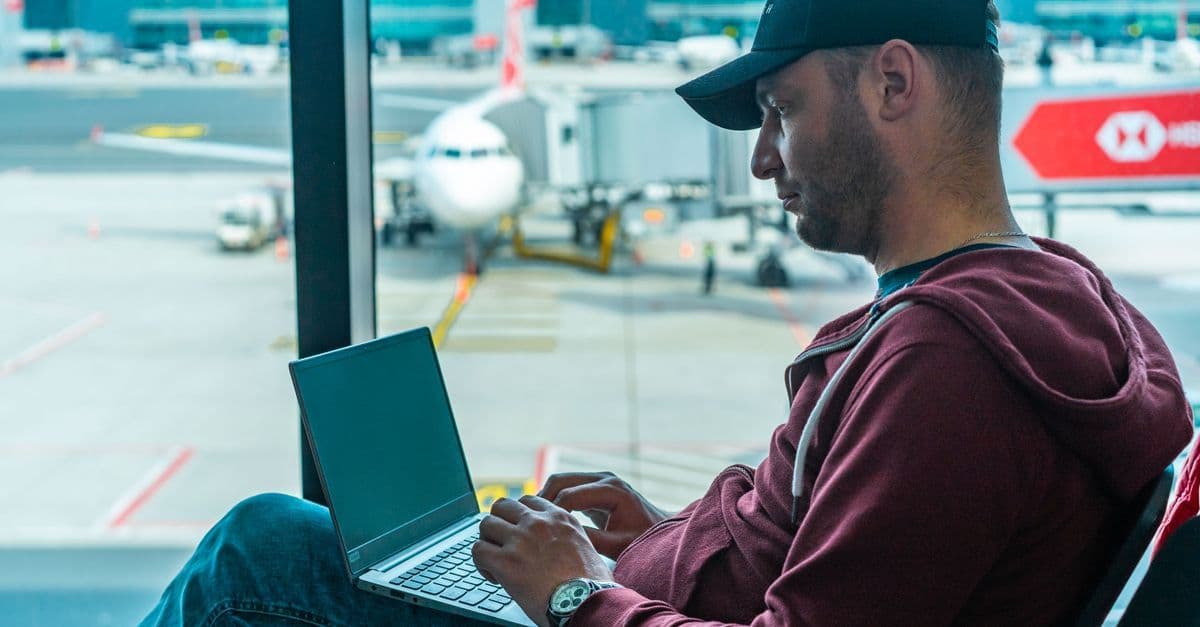
An eSIM (a digital SIM profile built into your device and activated by scanning a QR code) is the more practical option for staying connected across a flight connection. Free WiFi is available at Sydney, Melbourne, and Brisbane airports, but the practical ceiling on each network is lower than most travellers expect.
Sydney Airport's free WiFi has a strict time cap before the paid tier kicks in. Melbourne Airport offers unlimited time at no charge but congests badly during peak arrival windows, dropping to around 3 to 8 Mbps when multiple wide-body services land in close succession. That's workable for checking messages. It's not reliable for video calls, file transfers, or anything requiring a stable connection on a public network.
Carrier roaming isn't a cheap fallback, either. A traveller on active carrier roaming at Sydney Airport during a 4-hour layover can spend between A$15 and A$40 on basic connectivity, based on standard international rates from US, UK, and Asian providers.
The practical case for an eSIM on a connecting flight comes down to one thing: activation timing.
Scan the QR code before you leave home. The profile sits dormant in your device until it detects a compatible network. Land at Singapore Changi or Dubai International on a transit stop, and data switches on without any additional steps. No kiosk queue, no tourist-markup SIM counter at the arrivals hall, no digging out a paperclip.
Multi-country plans cover the transit hubs most Australian long-haul itineraries pass through: Singapore, Dubai, London Heathrow. HelloRoam activates via QR code and covers over 190 destinations, so a Gulf hub layover and the final destination typically sit within the same plan.
A fixed-price data plan sidesteps the roaming cost problem for the whole trip. That matters considerably more after a 20-hour overnight flight than it sounds on departure day.
Coverage sorted. How much time do you actually have though?
How Long Should I Allow for a Flight Connection at Sydney Airport?
For an international-to-domestic flight connection at Sydney Airport, allow a minimum of 2 to 3 hours. For domestic-to-domestic at the same airport, 60 minutes is the airline minimum, but 90 gives you a more realistic buffer.
Airlines set minimum connection times based on smooth conditions. At Sydney, peak arrival windows can push Border Force queues around 20 to 40 minutes above the standard wait, particularly when several wide-body services land in close succession. The airline MCT is the threshold at which they'll rebook you if something goes wrong. It is not a recommendation for how tightly you should book the connection.
A Practical Framework by Transfer Type
- International to domestic (SYD): 2 to 3 hours. Border Force, baggage reclaim, customs, shuttle bus to T2 or T3, and domestic check-in all run sequentially, and each step carries its own wait potential.
- Domestic to domestic (SYD): 60 minutes is the floor. 90 minutes gives you real cushion if either flight has a history of running late.
- Early morning and late-night arrivals: Fewer competing services at both ends of the day mean shorter queues through immigration.
- Peak morning cluster (roughly 6 am to 9 am at SYD): Multiple long-haul arrivals land in quick succession. Every step of the process reflects that.
If your timing looks borderline, the FlightConnections route mapping tool lets you explore alternative intermediate stops on the same city pair. A routing through Melbourne, with its single integrated terminal, sometimes opens up a more comfortable connection window than Sydney's three-terminal layout allows.
The airline's MCT is their minimum. Yours needs to be higher.
Bank the time. Then plan for when things go sideways.
What Happens to My Luggage on a Connecting Flight?
On a protected itinerary (one booking, one airline or ticketing partners), checked bags are typically tagged through to your final destination. You don't touch them at the intermediate stop. On a self-transfer, where you've booked two separate tickets, you reclaim bags at every airport and re-check them yourself. That takes time and costs check-in fees you weren't counting on.
Your bags won't automatically follow you. That's the myth.
Wait. There's a catch even on protected bookings.
Interline agreements (formal arrangements that allow airlines to share baggage handling) aren't universal. Two airlines listed on one booking don't automatically share bag-transfer arrangements. Check whether an interline agreement exists before assuming your bag will travel without you.
Australian international arrivals add a fixed complication regardless of booking type. Every bag entering Australia clears Border Force at the first port of entry. You always reclaim, you always go through customs, you always re-check. No exceptions. Sydney, Melbourne, Brisbane: same rule at every port.
The rights question matters when things go wrong on a flight connection. On a protected booking, the operating carrier is liable for delayed or lost bags end-to-end. On a self-transfer, if the first airline runs late and you miss your second flight, the second airline owes you nothing. Your bag and your problem are yours alone.
Book protected itineraries where missing connections means missing bags.
Reviewed by HelloRoam's editorial team. Last updated: 13 July 2026.
Get Connected Before You Go





Frequently Asked Questions
A flight connection is two or more flights booked as a single itinerary, with a stop at an intermediate airport before reaching your final destination. All flights share one booking reference.
A layover is a short connection under 24 hours where you stay airside or in the transit zone. A stopover is longer, often intentional, and lets you leave the airport to explore the transit city.
A protected connection books all flights on one itinerary, so the airline rebooks you at no cost if you miss a leg. A self-transfer uses separate tickets, putting all rebooking costs entirely on you.
Allow a minimum of 2 to 3 hours for an international-to-domestic connection at Sydney Airport. You must clear Border Force, collect bags, clear customs, take a shuttle bus, and recheck luggage.
Yes. Every international arrival in Australia must clear Border Force before continuing to a domestic flight. This means collecting bags, clearing immigration and customs, then rechecking luggage for the next leg.
On a protected itinerary, bags are typically tagged through to your final destination. On a self-transfer, you must reclaim and recheck bags yourself at every airport, adding time and potential extra costs.
MCT is the shortest gap an airline considers viable between two flights at a given airport. Published MCTs are often the booking system minimum, not what actually works comfortably in practice.
Sydney's T1 international terminal is not connected on foot to T2 or T3 domestic terminals. A shuttle bus is required, taking 10 to 20 minutes, which adds significantly to your overall transfer time.
Melbourne Airport is the easiest, with international and domestic piers linked under one integrated roof. Brisbane is also manageable with a short 5 to 10 minute pedestrian walkway between terminals.
If you miss a self-transfer connection, the second airline owes you nothing. You must pay for a new ticket yourself, with no automatic rebooking and no compensation from either carrier involved.
The airline minimum for domestic-to-domestic connections at Sydney is 60 minutes, but 90 minutes is a more realistic buffer given potential gate distances and boarding queues at the airport.
The peak morning window between 6 am and 9 am at Sydney sees multiple long-haul arrivals land in quick succession, causing longer queues through immigration, customs, and every subsequent transfer step.
An eSIM is more reliable than airport WiFi for layovers. Airport WiFi at major Australian hubs has time caps or heavy congestion during peak arrivals, dropping speeds and limiting usability significantly.
A traveller using carrier roaming during a 4-hour layover at Sydney Airport can spend between A$15 and A$40 on basic connectivity, based on standard international rates from major providers.
An interline agreement is a formal arrangement allowing airlines to share baggage handling across carriers. Without one, bags won't transfer automatically even if both airlines appear on the same booking.
Codeshare bookings appear unified but ground teams don't always coordinate bag transfers across different airlines. Confirm before departure whether your luggage moves automatically or needs manual rechecking.
Melbourne Airport's integrated single building makes connections faster than Sydney. Allow 90 to 120 minutes for an international-to-domestic transfer, and 45 to 60 minutes for domestic-to-domestic connections.
Yes. Multi-country eSIM plans can cover transit hubs like Singapore, Dubai, and London alongside your final destination. Scan the QR code before departure and data connects automatically when you land.
Sources
- FlightConnections — apps.apple.com
- FlightConnections — play.google.com
- FlightConnections: All flights worldwide on a map! — flightconnections.com
- FlightConnections — instagram.com
- Flight routes and connecting flights worldwide — flightroutes.com
- How to find the best routes with Flight Connections — youtube.com