

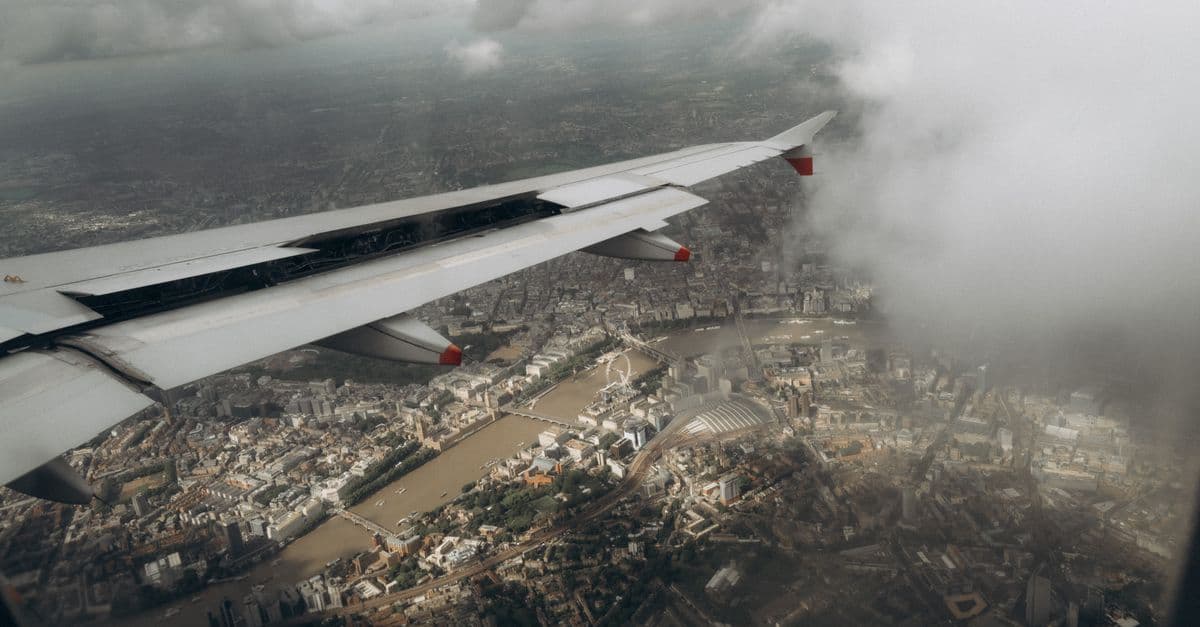
Quick answer: Sydney to London flights at a glance
Sydney to London has no nonstop service. Total travel time runs 21 to 25 hours with a single stopover, and economy return fares sit between around A$1,200 and A$2,800 depending on the carrier and how far ahead you book.
Key Takeaways - No nonstop Sydney to London service operates as of mid-2026. - Six airlines serve the route; economy return fares start around A$1,200. - Total travel time is 21 to 25 hours with one layover included. - Australians need a UK ETA (digital entry pre-approval) costing A$10, mandatory since 2025. - HelloRoam UK eSIM starts at ~A$4.40 for 1GB over 7 days on O2 and Three.
Qatar typically prices its economy fares several hundred dollars below the major Australian carriers on the same travel dates. Shopping across airlines before you commit makes a real difference.
Key fact: HelloRoam's eSIM for United Kingdom runs on O2, T-Mobile UK, and Three networks, with plans from ~A$4.40 for 1GB over 7 days to ~A$15.70 for 5GB over 30 days.
Now the full flight picture, in detail.
How long is a flight from Sydney to London?

Flight time from Sydney to London runs 21 to 22 hours via Singapore, the shortest routing available qantas.com. Via Dubai or Doha it stretches to 23 to 25 hours. The hub you connect through accounts for most of that difference; layovers at major airports typically run 2 to 4 hours each direction.
Break it down by routing:
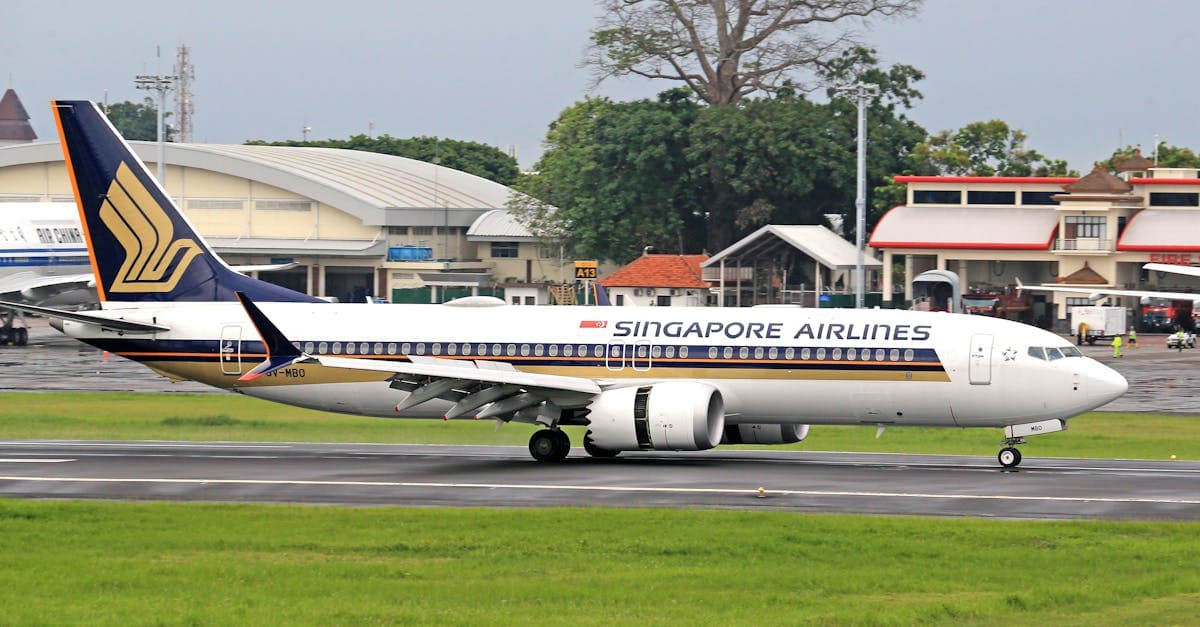
- Via Singapore (Qantas or Singapore Airlines): Around 21 to 22 hours total. SYD to SIN runs roughly 7 hours 40 minutes; SIN to LHR adds around 13 hours 20 minutes.
- Via Doha (Qatar Airways): Around 22 to 24 hours total. SYD to DOH is roughly 14 hours, then DOH to LHR around 7 hours 30 minutes.
- Via Dubai (Emirates): Around 23 to 25 hours. SYD to DXB runs roughly 14 hours; DXB to LHR is around 7 hours.
- Via Hong Kong (Cathay Pacific): Around 22 to 24 hours.
- Via Abu Dhabi (Etihad): Around 23 to 25 hours.
Qantas has been developing Project Sunrise, a nonstop Sydney to London service aboard the Airbus A350-1000ULR. As of mid-2026, no commercial nonstop SYD to LHR service is operating. Double-check the current Qantas schedule before assuming that's changed.
That makes the stopover choice meaningful, not just a logistical footnote. The airport you transit through shapes your experience as much as the airline you're on.
Duration mapped. Now compare every airline flying it.
How many flights operate weekly between Sydney and London?
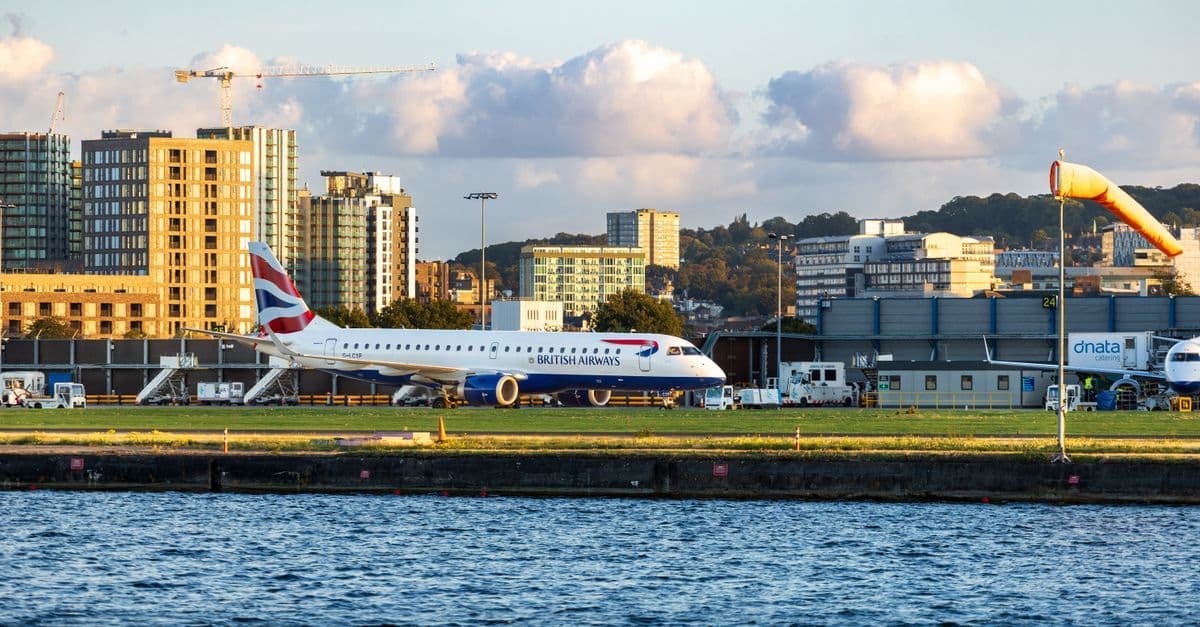
Near-daily departures are available from Sydney across the combined schedules of six carriers. You won't struggle to find a seat on your preferred travel day.
No single airline runs its own daily Sydney to London frequency. Between Qatar Airways, Emirates, Singapore Airlines, Qantas, Cathay Pacific, and Etihad though, departure options cover most days of the week from Sydney Airport (SYD).
Frequency peaks from June through August. Northern summer demand lifts schedules across all carriers, which means more day-of-week choice and, predictably, higher prices. Book outside that window if your dates have any flexibility.
Eastbound routing through Singapore and Hong Kong handles the majority of departures from Australia. The Gulf corridor via Dubai and Doha handles most of the rest.
Frequency covered. Now pick the right airline.
Airlines and routes for Sydney to London flights
All six airlines routing via Gulf or Asian hubs arrive at London Heathrow (LHR). Almost every Sydney to London service comes into Terminals 2, 3, or 5. Gatwick handles occasional charter traffic but sits outside the regular airline schedules for this route.
British Airways sells seats on this route. It doesn't operate its own Sydney flights, though. Its fares are codeshare tickets on partner airlines, priced in line with the equivalent carrier's own seat.
Qatar consistently lands at the cheapest end. Cathay and Etihad offer the sensible middle ground. Qantas and Singapore Airlines command a premium, largely because frequent flyer earners from Australia drive demand for both.
The decision usually narrows to two questions: how much you're willing to spend, and how much those loyalty points matter. Once the airline is sorted, the next practical question is which London terminal you actually want to land at.
Which London airport do Sydney flights arrive at?
Heathrow (LHR) handles every regular Sydney-to-London service. Qantas, Emirates, Singapore Airlines, Qatar Airways, Cathay Pacific, and Etihad all arrive at Heathrow. If your ticket says London, it almost certainly means LHR.
Gatwick (LGW) handles some seasonal charter flights, but not the mainline Sydney routes from major carriers.
Stansted, Luton, and London City don't factor in. They're European short-haul airports.
Getting into central London
Heathrow has the better connections. The Elizabeth line connects Heathrow terminals to Paddington in around 40 minutes. The Heathrow Express does it in 15 minutes but costs more. After 22-plus hours in the air, the time difference is worth knowing before you queue for an Oyster card.
Gatwick to Victoria runs 30 to 55 minutes by train, depending on the service. Workable, but Heathrow sits closer to where most visitors want to be.
The airport question rarely trips up Aussie travellers. The airline one, however, often does.
Do British Airways fly direct from Sydney to London?
No. British Airways doesn't operate any direct Sydney-to-London flight. The confusion makes sense: BA is a familiar name for a London-bound Aussie traveller, but the airline runs no long-haul service from Australia itself.
What BA does instead is codeshare. Arrangements with Qantas and other Oneworld partners let BA sell tickets on flights physically operated by a partner airline. Book a BA-coded fare and you might find yourself on a Qantas-operated aircraft from Sydney to Singapore, then connecting to London on another leg.
Compare eSIM plans for United Kingdom — See 2026 pricing →
The bit most guides skip: Oneworld partners on this route include Qantas, Cathay Pacific, and Finnair. If your itinerary shows a BA flight number, check who's actually operating the aircraft. "Operated by Qantas" means exactly what it says.
This distinction matters. Lounge access, baggage policies, and seat selection all depend on who's running the plane, not whose code is printed on your boarding pass.
That's sorted. The bigger question now is when to actually buy the ticket.
What is the cheapest month to fly Sydney to London?
February through April offers the most reliable low fares on this route, marking the softest demand period of the year skyscanner.com.au. The post-Christmas surge has cleared, UK summer holidays are months away, and airlines price accordingly. Economy returns sit noticeably lower than what you'd pay at peak times.
September and October are the second window worth targeting. Northern summer is done, school holidays have wrapped up, and fares often soften meaningfully. Not as sharp as the February trough, but considerably better than July.
The months to avoid: June through August. UK school holidays, European summer tourism, and Aussie winter break travel all converge, pushing economy fares up sharply.
When to actually book
Three to six months ahead is the sweet spot for a competitive price. Book further out for June-to-August travel, since seats on the better-value carriers fill quickly in peak season.
Flash sales from major carriers, including Qantas Red e-Deals and periodic Emirates promotions, typically appear eight to twelve weeks before departure. These can deliver real savings, but the timing is unpredictable. Useful if your dates flex. Not much use if they don't.
Low season economy returns, particularly February through April and October, commonly sit below A$1,500 for a return fare momondo.com.au. The simple play: target those off-peak windows, lock in the fare three to six months out, and set a price alert for flash sales if your schedule allows.
With the booking timed, there's one entry requirement that trips up more UK-bound Aussies than you'd expect.
Entry requirements and travel prep for UK-bound Australians
Australian passport holders need a UK Electronic Travel Authorisation (ETA) before boarding any flight to the United Kingdom. Airlines check for ETA approval at check-in: no approval, no boarding. This became a requirement for Australian citizens in 2025 and catches first-time UK visitors by surprise more often than it should.
The ETA fee, noted in the quick summary above, covers two years and unlimited entries. Apply through the official UK government website or the UK ETA app. Processing typically completes within a few minutes to a few hours, though some applications are flagged for additional review and take longer. Don't leave it until departure day.
Three things to sort before you fly
Travel insurance. A journey of this length, with one or two stopovers along the way, creates multiple points where delays, missed connections, or lost luggage can escalate. Comprehensive cover for medical expenses, delays, and cancellation isn't overkill for this route.
Bank notification. UK card transactions can trigger fraud blocks if your bank hasn't been told you're abroad. A quick in-app notification or brief phone call before you leave prevents a blocked card at a London checkout. This catches more travellers than it should.
Transit customs for medication. If your route goes through Dubai, Doha, or Singapore, check the customs rules for any prescription medications you're carrying. Some transit points in the Middle East apply strict rules to certain substances.
What you actually need to do: sort the ETA well in advance, book travel insurance when you lock in the fare, and ping the bank a few days before departure. None of these takes long. All three matter.
Data access in the UK is the last piece of the puzzle, and it's worth sorting before you board.
Staying connected on your Sydney to London trip
Australian carrier day passes for the UK typically run AUD 10 to 15 per day. Stretch that across a fortnight and data costs alone become a meaningful travel expense. An eSIM sidesteps that entirely. Activate your UK eSIM before leaving Sydney and you skip the connection scramble at Heathrow.
Key fact: HelloRoam UK plans start at ~A$4.32 per day for an unlimited plan with a 2 GB high-speed allowance, with coverage on O2 and T-Mobile UK networks. A 10 GB, 30-day plan costs ~A$24.69, covering a two-week stay without needing a top-up.
The activation is straightforward. Scan the QR code before boarding and the eSIM profile installs in under two minutes. On flights with inflight Wi-Fi (Emirates, Qantas and Qatar Airways all offer it on this route), you can finish the setup at cruising altitude. At Dubai Airport, Singapore Changi and Doha Hamad International, free terminal Wi-Fi handles the layover.
UK 4G coverage is reliable across major cities. 5G is expanding through London and Manchester, though rural areas are patchier. For most Aussie itineraries centred on London, the Cotswolds and Edinburgh, 4G covers navigation and messaging without a problem.
Dual-SIM handsets give you the tidiest arrangement. Run the UK eSIM for data, keep your Australian number live for bank OTPs (one-time login codes) and calls home. No missed authentication codes, no awkward conversation with your bank about why your card is suddenly swiping at Covent Garden.
For anything longer than three days in the UK, a 30-day data plan undercuts a daily carrier pass on price every time.
Grab an eSIM for United Kingdom before you board, and data is running by the time your bags arrive.
One final question about this route comes up regularly, and it deserves a straight answer.
Can you fly non-stop from London to Sydney?
No nonstop London to Sydney service is scheduled on any airline's network. Every return journey includes at least one stopover, just as the outbound does. The assumption that the return leg runs differently catches more travellers off guard than you'd expect.
The programme Australians are tracking most closely is Qantas Project Sunrise. It targets the A350-1000ULR (Ultra Long Range), an extended-range aircraft designed to reach Sydney from London without refuelling. Qantas's projected journey time sits at 19 to 20 hours, which would rank it as the world's longest scheduled commercial flight by distance. Qantas plans to open the Perth to London route before Sydney service follows. As of mid-2026, no Project Sunrise commercial service between Sydney and London is operating.
If the service launches, it cuts total travel time by several hours compared with the fastest current option. Whether a near-20-hour unbroken flight is more comfortable than a layover in Dubai or Singapore is a live debate among frequent flyers. For some travellers, no stopover means no transfer stress, no connection anxiety, no bags missed in the change. For others, a mid-journey break at Changi is something they'd genuinely miss.
Until then, the route requires a hub. That's the honest position.
Reviewed by HelloRoam's editorial team. Last updated: 12 July 2026.
Get Connected Before You Go


Frequently Asked Questions
Sydney to London takes 21 to 22 hours via Singapore, the shortest routing available. Via Dubai or Doha it stretches to 23 to 25 hours. All routings include at least one stopover.
February through April offers the lowest fares, with economy returns often below A$1,500. September and October are also good value, while June to August is the most expensive period.
No. British Airways operates no Sydney flights of its own. BA sells codeshare tickets on partner airlines such as Qantas, so a BA-coded fare may be operated by a different carrier.
No nonstop London to Sydney service operates as of mid-2026. Every journey includes at least one stopover. Qantas Project Sunrise aims to launch this route, but no commercial flights have started yet.
Six airlines serve Sydney to London: Qatar Airways, Emirates, Singapore Airlines, Qantas, Cathay Pacific, and Etihad. All route via Asian or Gulf hubs and arrive at London Heathrow.
All regular Sydney to London services arrive at London Heathrow (LHR). Gatwick handles some seasonal charters but not the mainline routes operated by major carriers.
Economy return fares range from around A$1,200 to A$2,800 depending on airline and booking timing. Budget carriers typically price at the lower end, while premium Australian carriers sit higher.
Australians need a UK Electronic Travel Authorisation (ETA) before boarding. It costs around A$10, covers two years and unlimited entries, and has been required since 2025. Apply well before departure.
Qatar Airways consistently offers the lowest economy fares on this route, with returns often starting around A$1,200. Cathay Pacific and Etihad provide competitive mid-range options.
The Singapore routing is fastest at around 21 to 22 hours total. Gulf routings via Dubai or Doha typically add two to three extra hours compared to the Singapore connection.
Three to six months ahead is the sweet spot for competitive fares. For June to August travel, book earlier as seats on better-value carriers fill quickly during peak season.
Qantas Project Sunrise plans a nonstop Sydney to London flight using the Airbus A350-1000ULR, with a projected time of 19 to 20 hours. As of mid-2026, no commercial service is yet operating.
The Elizabeth line connects Heathrow to Paddington in around 40 minutes. The Heathrow Express does it in 15 minutes but costs more. Both are practical options after a 22-plus hour journey.
Yes. Activating a UK eSIM before departure means you have data running the moment you land. Budget eSIM plans for the UK start well under A$10 and cost far less than Australian carrier day passes at A$10 to A$15 per day.
Sources
- Cheap Flights from Sydney (SYD) to London (LOND) — skyscanner.com.au
- Flights from Sydney (SYD) to London (LHR) — qantas.com
- Flights from Sydney to London — singaporeair.com
- Cheap Flights from Sydney to London — united.com
- Cheap flights from Sydney to London from ... - momondo — momondo.com.au