

Quick answer: Sydney to Singapore flights at a glance
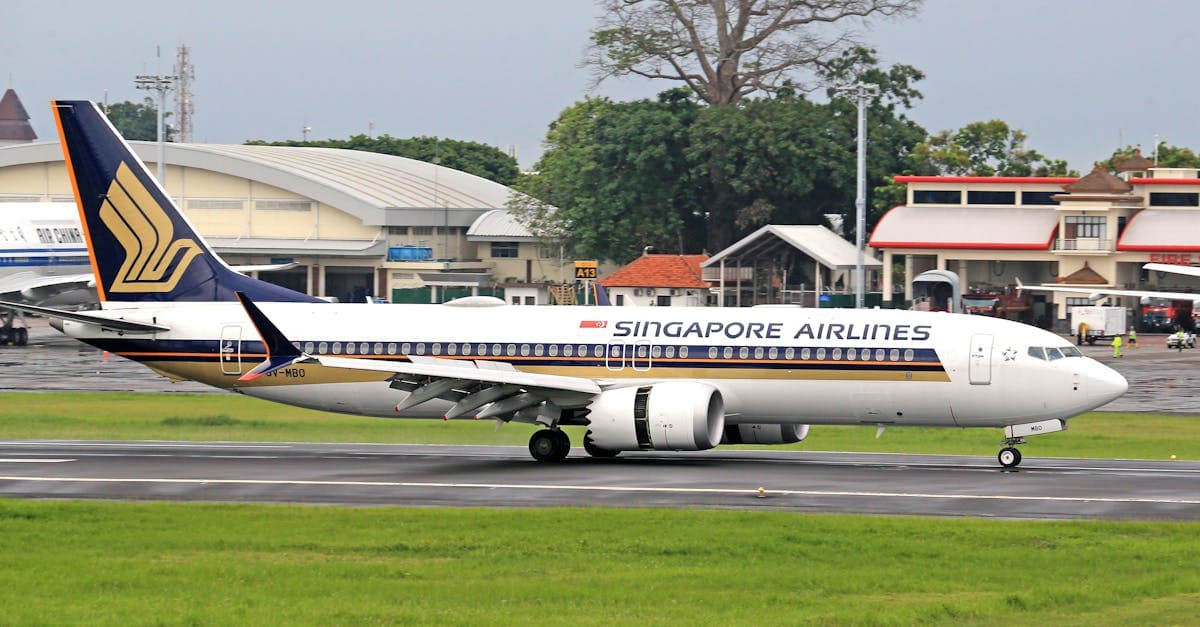
The Sydney to Singapore flight takes around 8 hours direct. Singapore Airlines and Qantas both run daily non-stop services, departing from Sydney Airport's Terminal 1 International and landing at Singapore Changi Airport.
- Flight time: ~8 hours direct (westbound)
- Airlines: Singapore Airlines, Qantas (daily direct); Scoot (budget direct); Jetstar, Malaysia Airlines (budget or via Kuala Lumpur)
- Return economy fares: ~A$400 to ~A$1,200
- Departs from: Sydney Airport Terminal 1 (International)
- Arrives at: Singapore Changi Airport
The ~A$400 to ~A$1,200 spread is wide for a single route. Budget carriers anchor the lower end, with checked bags and meals priced as add-ons that push the real cost up at checkout. Full-service fares are a more considered purchase: inclusions built in, and on a journey this length, that distinction registers.
Eight hours is long enough to notice.
One practical item before you board: Telstra, Optus, and Vodafone AU roaming add-ons all work in Singapore but charge by the day. An eSIM for Singapore activated at home is typically a leaner alternative and runs the moment you clear customs at Changi.
Route confirmed. The fine detail follows.
How long is the Sydney to Singapore flight?
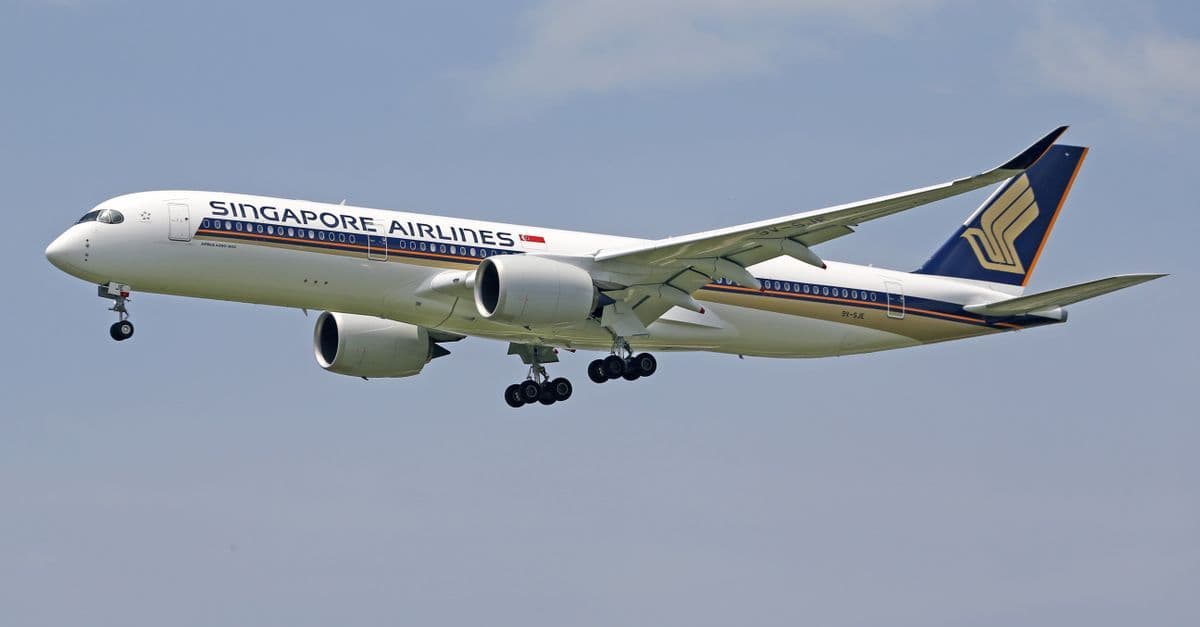
The direct westbound flight from Sydney to Singapore takes approximately 7 hours and 50 minutes. The return leg flies eastbound against prevailing headwinds over the Indian Ocean and typically runs a little longer. Both figures are for non-stop services only. Factor in a stopover and the total travel time changes considerably.
One-stop routes through Kuala Lumpur can add anywhere from 3 hours to 12 hours to the journey, depending on the connection window. Malaysia Airlines typically uses this routing; budget services occasionally do as well. A tight connection gets you to Singapore faster; a longer layover in Kuala Lumpur sometimes unlocks a lower fare. If time is the priority, the direct is hard to argue with.
A stopover is not always a compromise.
Some travellers build a deliberate multi-hour Kuala Lumpur connection into the trip: stretch the legs, eat a proper meal at the airport, and arrive in Singapore rested rather than shuffled through a 75-minute transit. It's a more layered calculation than simply grabbing the cheapest available option.
Most direct Sydney departures cluster around the 9 pm window. You land at Changi in the early hours of the Singapore morning, and the airport handles those quiet-hour arrivals well.
All services, direct and one-stop alike, arrive at Changi. Singapore Airlines typically uses Terminal 3; Qantas operates from Terminal 1. The two terminals are connected by the airport's internal Skytrain, but they're far enough apart that checking your booking confirmation before clearing immigration saves an unnecessary detour at the end of a long flight.
Duration clear. Airlines are the next decision.
Which airlines fly Sydney to Singapore?
Five airlines currently serve the Sydney to Singapore route, ranging from daily full-service directs to budget carriers with varying inclusions and one-stop options through Kuala Lumpur.
Singapore Airlines is the route's anchor. Daily direct flights, Star Alliance membership, and consistent on-time performance make it the natural starting point for many Australian travellers on this corridor. For those earning KrisFlyer points or travelling on a Star Alliance partner redemption, it's the obvious pick.
Qantas matches it on frequency. The practical differentiator is Oneworld membership, which matters for Qantas Frequent Flyer members planning to earn or redeem points on a regular Singapore service.
Scoot surprises.
The Singapore Airlines budget offshoot runs direct services at fares that meaningfully undercut both full-service carriers. Bags, meals, and seat pitch all come in at reduced levels. For travellers packing light with pre-booked plans, the savings are real. For everyone else, it requires a more nuanced read of what you're actually paying for.
Jetstar's schedule varies between direct and connecting services; check availability at booking. Malaysia Airlines routes via Kuala Lumpur and suits travellers open to a longer journey in exchange for a potentially lower fare.
Airlines mapped. Direct versus stopover is next.
Full-service vs budget carriers: what actually changes
The practical difference between full-service and budget carriers on this route comes down to four variables: checked baggage, seat pitch, meals, and frequent flyer earning.
Full-service carriers on the Sydney to Singapore route typically include 23 kg of checked baggage and a meal service in the base fare. Budget carriers price both as add-ons. Once those extras stack up at checkout, the gap to a full-service ticket often narrows more than the initial fares suggest.
The seat pitch gap is real.
Budget economy averages around 5 cm less legroom than full-service economy. On a sub-8-hour flight, that reads like a rounding error. By hour five, it doesn't.
Frequent flyer earning requires a careful look. Qantas and Singapore Airlines both tier earn rates by fare class, with the cheapest economy buckets earning at reduced rates compared to standard economy. Scoot and Jetstar generally don't earn on external loyalty programs at all, which shifts the effective cost calculation for regular points collectors.
Carrier type settled. Whether a direct flight justifies a price premium over a stopover is the next calculation.
Is a direct Sydney to Singapore flight worth the premium?
For trips of five days or fewer, the case for a direct Sydney to Singapore flight is clear. The time saving alone justifies the cost on a short itinerary, and the fare gap is usually modest enough to make the decision straightforward.
A one-stop routing via Kuala Lumpur typically adds three to five hours to the total journey. Connections through less convenient hubs can push that considerably higher. Against a fare premium of roughly A$100 to A$300 over the cheapest connecting option, a direct ticket on a brief trip prices itself into value territory quickly once you factor in your time honestly.
Flip it for longer stays.
Two weeks or more in Singapore? A deliberate KL stopover becomes worth thinking through. A night there breaks the long haul into two manageable legs, and travellers arriving that way often find they're sharper for it. The fare difference between a direct ticket and a thoughtfully timed connection can narrow considerably over a longer booking window.
Business travellers and anyone who finds time-zone shifts hard are a different case. Arriving functional on a four-day work trip is worth considerably more than recovering the fare difference. Twelve hours of combined transit time is a real cost that doesn't appear on any flight search results page.
A workable decision framework:
- Under 5 days in Singapore: choose direct. Every lost hour is a real cost.
- 5 to 14 days, fare gap above A$250: a KL stopover is reasonable.
- Business travel, jetlag-sensitive travellers, or flying with children: direct, regardless of the premium.
One point worth stating plainly: this framework assumes the typical A$100 to A$300 gap. A much larger differential shifts the arithmetic, and the numbers are worth checking for your specific dates before you commit.
Route choice made. Timing the booking is next.
Best time to book Sydney to Singapore flights
The best economy fares on this route surface six to ten weeks before departure. Book inside that window and you're working with competitive pricing; leave it to two weeks out and you're absorbing last-minute inventory rates that rarely work in your favour.
Australian school holidays are the single biggest fare driver on the Sydney to Singapore route. July school holiday departures, the Christmas-to-January period, and Easter long weekend flights typically run 30 to 50 per cent above comparable off-peak dates. Mid-February through late March and the October shoulder period consistently deliver better value for those with flexible timing.
The September caveat is worth flagging.
The Formula 1 Singapore Grand Prix compresses both flight and accommodation availability hard across the two weeks surrounding race weekend. Prices run noticeably higher than equivalent September departures outside that window. If your trip has no connection to the Grand Prix, that entire period is best sidestepped.
January and February stand out as the most price-friendly months on this route. Singapore is warm and humid year-round, so there's no meaningful climate argument for booking peak-period travel if cost is the priority.
Mid-week departures, particularly Tuesday and Wednesday, tend to undercut weekend flights by a solid margin. On a return booking, that difference compounds.
The practical move: set fare alerts through a flight comparison tool for your target travel window, then let the pricing come to you. Active price-chasing rarely outperforms patient monitoring across a six-to-ten-week lead time.
Booked. Now prepare for Singapore arrival.
Staying connected in Singapore: eSIM, SIM and mobile data
Singapore has island-wide 4G LTE coverage across all populated areas, with 5G available in central business and commercial districts. For Australian travellers, connectivity in Singapore is never the problem. Cost is.
Carrier roaming packs from Telstra, Optus, and Vodafone AU activate automatically when your handset connects to a Singapore network. Convenient, yes. But daily roaming charges accumulate quickly across a typical trip, and those bills land after you're home.
An eSIM (a digital SIM profile installed via QR code, no physical card required) sidesteps that entirely. You install the profile at home before departure, data activates the moment you step off the plane at Changi, and your Australian number stays reachable for calls and messages on the same device. HelloRoam offers Singapore eSIM plans for short stays and longer visits, with hotspot tethering included so you can connect a laptop or share data with travel companions.
Physical tourist SIMs are available at Changi arrivals kiosks at competitive rates, priced roughly between S$10 and S$25 depending on the data allowance. A functional option if your handset doesn't support eSIM, or if you simply prefer something tangible. The queue at arrival counters after an eight-hour flight is a real consideration, though.
Changi's free Wi-Fi covers all terminals and performs well. For a brief layover or a one-night transit with a reliable accommodation base, it's a workable fallback.
For most five-to-fourteen-day itineraries, an eSIM removes the queue, the guesswork, and the bill surprise at checkout. Connectivity covered. One last question Aussies ask.
eSIM vs local SIM for Singapore: quick comparison
Choosing between an eSIM, a tourist SIM, and carrier roaming comes down largely to how long you're staying and how much airport friction you're willing to absorb.
eSIM suits most Sydney to Singapore itineraries. No queue at Changi, no physical card swap, and your Australian number stays active on the same handset throughout.
For extended stays, a tourist SIM often delivers sharper per-gigabyte value. For anything under three days, carrier roaming is the convenient option, though it's sensible to confirm the daily rate before departure.
eSIM for Singapore activates before you board, with data running by the time you clear customs at Changi.
Can I use my Australian phone plan in Singapore?
Yes, and it works without any setup. Telstra, Optus, and Vodafone AU all roam in Singapore on 4G networks. Telstra's International Day Pass is priced at ~A$5 per day on eligible plans. You land, your phone connects, and nothing needs touching.
The catch sits in the maths, not the technology.
A two-week stay totals around A$70 in roaming charges on the Telstra Day Pass. That figure is manageable for a fortnight if you know it's coming. Plenty of travellers don't, and the charge appears on the next billing cycle as a quiet surprise. A dedicated eSIM plan for the same period typically costs considerably less.
For a three-day stopover or a long weekend, carrier roaming is a reasonable call. The cost is predictable, there's nothing to configure, and Singapore's 4G coverage means the connection is reliable throughout the island. Short stays don't justify the friction of switching.
Longer trips tell a different story. Past five days, dedicated data plans typically undercut the accumulated daily charges by a noticeable margin.
One practical consideration: dual SIM. Most modern iPhones and flagship Android devices support running a physical Telstra, Optus, or Vodafone SIM alongside a separate eSIM for data. That keeps your Australian number live for bank OTPs and two-factor authentication texts, while routing general data through a cheaper local plan. Many frequent flyers arrive at this setup after their first unexpected roaming bill, and Singapore's networks handle the split without issue.
Roaming speed on most Australian carrier plans in Singapore sits at 4G, which covers navigation, messaging, and video calls without trouble. Speed is rarely the concern on this corridor.
The bill is.
Get Connected Before You Go


Frequently Asked Questions
The direct westbound flight takes approximately 7 hours and 50 minutes. The return eastbound leg runs slightly longer due to prevailing headwinds over the Indian Ocean.
Singapore Airlines, Qantas, and Scoot all operate non-stop services. Full-service carriers include baggage and meals in the fare; the budget direct option prices these as add-ons.
Return economy fares typically range from around A$400 to A$1,200. Budget carriers anchor the lower end, but checked bags and meals added at checkout can push the real cost significantly higher.
For trips under five days, a direct flight is usually worth it. The time saving justifies the cost, and the fare gap over connecting options is typically only A$100 to A$300.
A one-stop routing via Kuala Lumpur typically adds three to five hours to the total travel time. Connections through less convenient hubs can push that figure considerably higher.
The best economy fares surface six to ten weeks before departure. January, February, mid-February to late March, and October consistently deliver better value than school holiday periods.
Australian school holidays, Christmas to January, and Easter typically push fares 30 to 50 per cent above off-peak rates. The Formula 1 Singapore Grand Prix in September also compresses availability and raises prices significantly.
Sydney to Singapore flights depart from Terminal 1 International at Sydney Airport. At Changi, Singapore Airlines uses Terminal 3 and Qantas operates from Terminal 1, connected by the internal Skytrain.
Full-service carriers include 23 kg of checked baggage and meals in the base fare. Budget carriers price both as add-ons, and once extras stack up at checkout the gap to a full-service ticket often narrows considerably.
Yes, major Australian carriers roam in Singapore on 4G networks and activate automatically on arrival. However, daily charges accumulate quickly, so compare costs against a dedicated eSIM plan for stays longer than three days.
Telstra's International Day Pass costs around A$5 per day on eligible plans. A two-week stay totals approximately A$70, which is typically more expensive than a dedicated eSIM plan for the same period.
An eSIM is a digital SIM profile installed via QR code before departure, with no physical card required. Data activates the moment you clear customs at Changi, and your Australian number stays reachable on the same device.
An eSIM suits most five to fourteen day stays: no airport queue, no card swap, and your Australian number stays active. Tourist SIMs from Changi arrivals kiosks often offer better per-gigabyte value for longer visits.
Physical tourist SIMs are available at Changi arrivals kiosks priced roughly between S$10 and S$25 depending on the data allowance. They are a practical option if your handset does not support eSIM.
Singapore has island-wide 4G LTE coverage across all populated areas, with 5G available in central business and commercial districts. Connectivity is consistently reliable throughout the island.
Yes, Changi Airport provides free Wi-Fi across all terminals and it performs well. For a brief layover or one-night transit with reliable accommodation, the airport Wi-Fi is a workable fallback without a local SIM.
Most modern iPhones and Android devices support dual SIM, letting you run an Australian physical SIM alongside a Singapore eSIM. This keeps your number live for bank OTPs and two-factor texts while routing data through a cheaper local plan.
January and February are consistently the most price-friendly months on the Sydney to Singapore route. Singapore is warm and humid year-round, so there is no meaningful climate reason to avoid these lower-cost travel windows.
Sources
- Cheap Flights from Sydney (SYD) to Singapore (SIN) — skyscanner.com.au
- Flights from Sydney to Singapore $871^ — flightcentre.com.au
- flightaware.com — flightaware.com
- Flights from Sydney to Singapore — singaporeair.com
- Flights from Sydney (SYD) to Singapore (SIN) — qantas.com
- Flight Status — singaporeair.com
- Flights from Sydney (SYD) to Singapore (SG) | Where we fly — emirates.com