

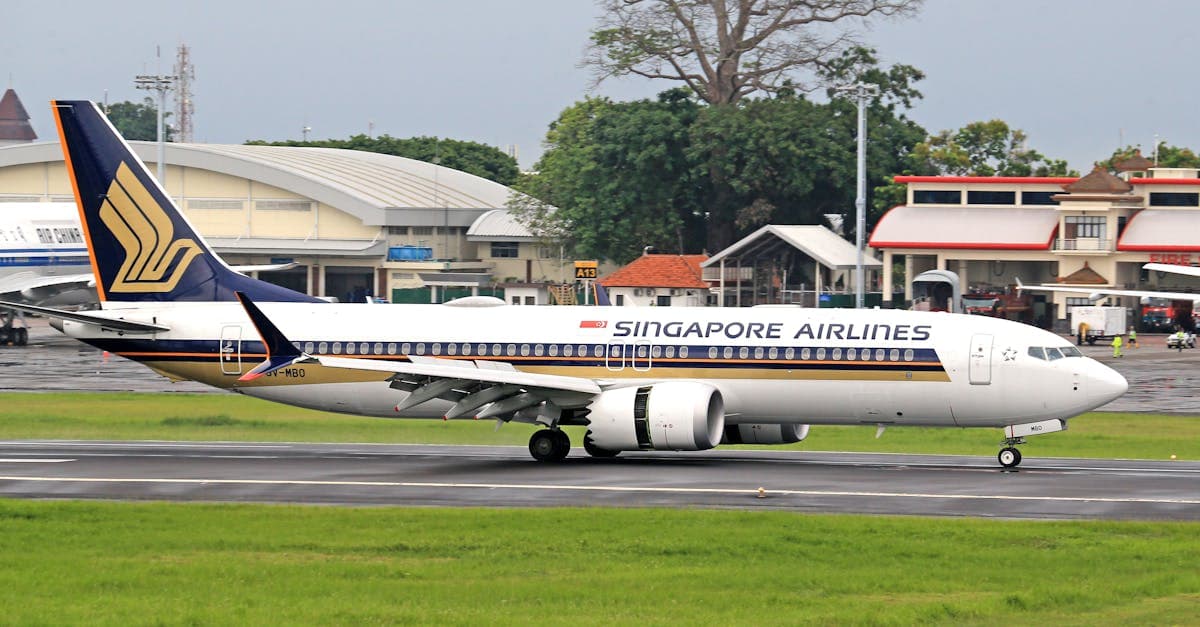
Sydney to Singapore Flights at a Glance
Sydney to Singapore nonstop takes approximately 8.5 hours westbound, placing it at the shorter end of Australia's long-haul international routes. Three carriers run the trip year-round: Singapore Airlines, Qantas, and Scoot, with 3 to 5 daily departures from Sydney Airport combined flightaware.com. Return economy fares start from around A$479 skyscanner.com.au.
February, March, September, and October are the cheapest months to book. Those windows sit between Australian school holidays and Singapore's peak event calendar. Avoid July, December, and January if budget matters; Chinese New Year departures carry a premium too.
Key fact: HelloRoam's Singapore eSIM plans run on StarHub's 5G network, with options starting at ~A$3.86 per day.
Sorting connectivity before departure pays off. An eSIM for Singapore activated before you board means you land at Changi with data already live. Carrier roaming from Telstra and Optus remains an option, but the daily cost compounds quickly on anything beyond a short weekend.
Which carrier fits your travel style and budget? That's where the real decision starts.
How Long Does It Take to Fly Direct from Sydney to Singapore?
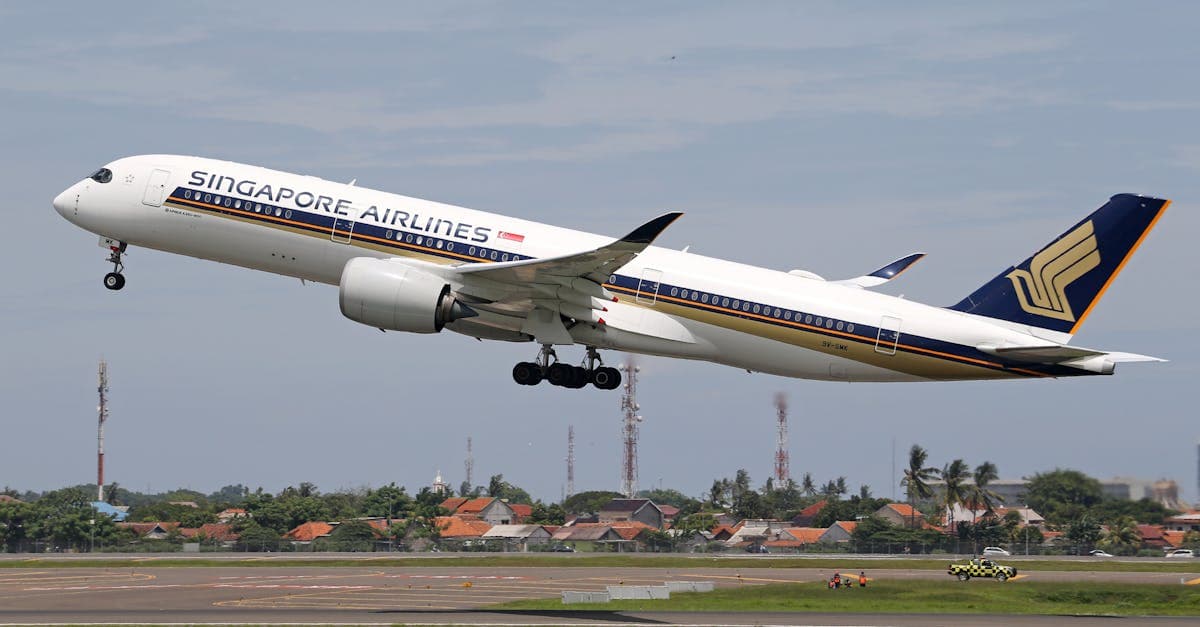
Eight hours 25 minutes. That's the direct westbound flight time from Sydney to Singapore qantas.com. The return leg runs longer: 8 hours 45 minutes to 9 hours 15 minutes eastbound, shaped by prevailing high-altitude winds pushing against the aircraft heading south-east.
The route spans approximately 6,310 km in a direct great-circle line. That puts it firmly in long-haul territory, though at the more manageable end compared with Australian departures to the Middle East or Europe. Most travellers arrive tired but functional, not wrecked.
The time zone shift is gentle by international standards. Singapore sits 2 hours behind Sydney AEST (3 hours behind during daylight saving). That's a far smaller adjustment than crossing to the Americas or flying to London. Most people find they're operating normally by day two.
Multiple daily departures give real scheduling flexibility. An early morning Sydney departure typically delivers you into Singapore mid-afternoon, leaving the rest of the day usable. An evening flight arrives the following morning, which suits travellers wanting an immediate hotel check-in. Pick the departure that matches your rhythm.
Routing via Kuala Lumpur or Bangkok adds 3 to 10 hours to the journey, depending on layover length. That turns a manageable single-day trip into a multi-segment slog.
For most travellers, the nonstop is the obvious pick.
Duration sorted. Who flies the route and what the tickets cost comes next.
Which Airlines Fly the Sydney to Singapore Route?
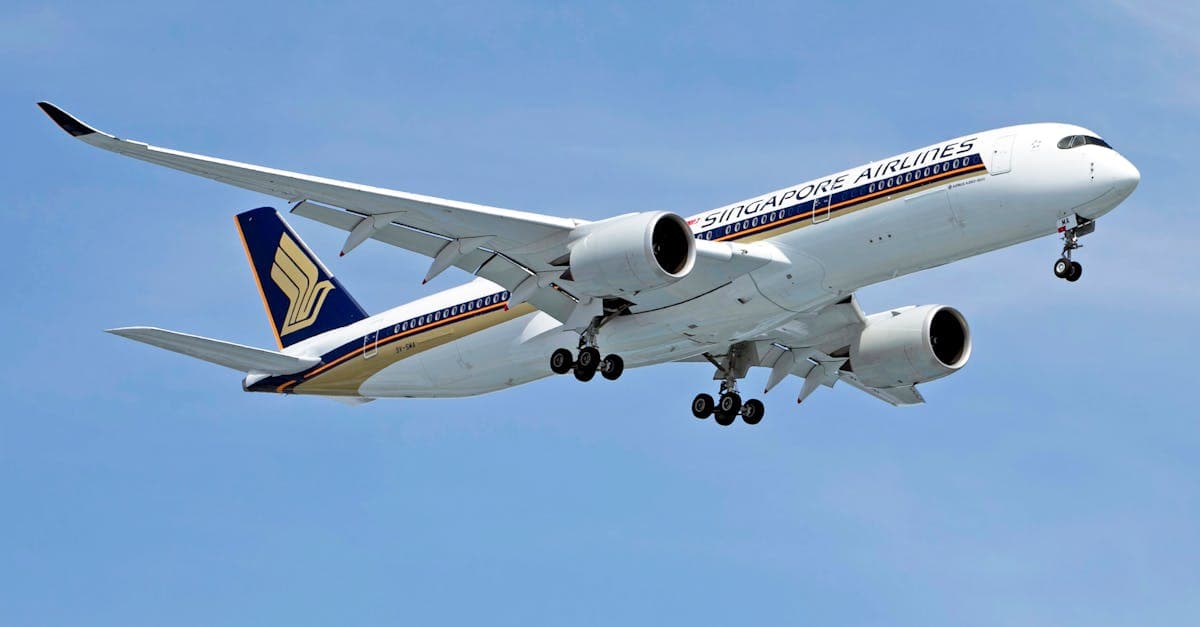
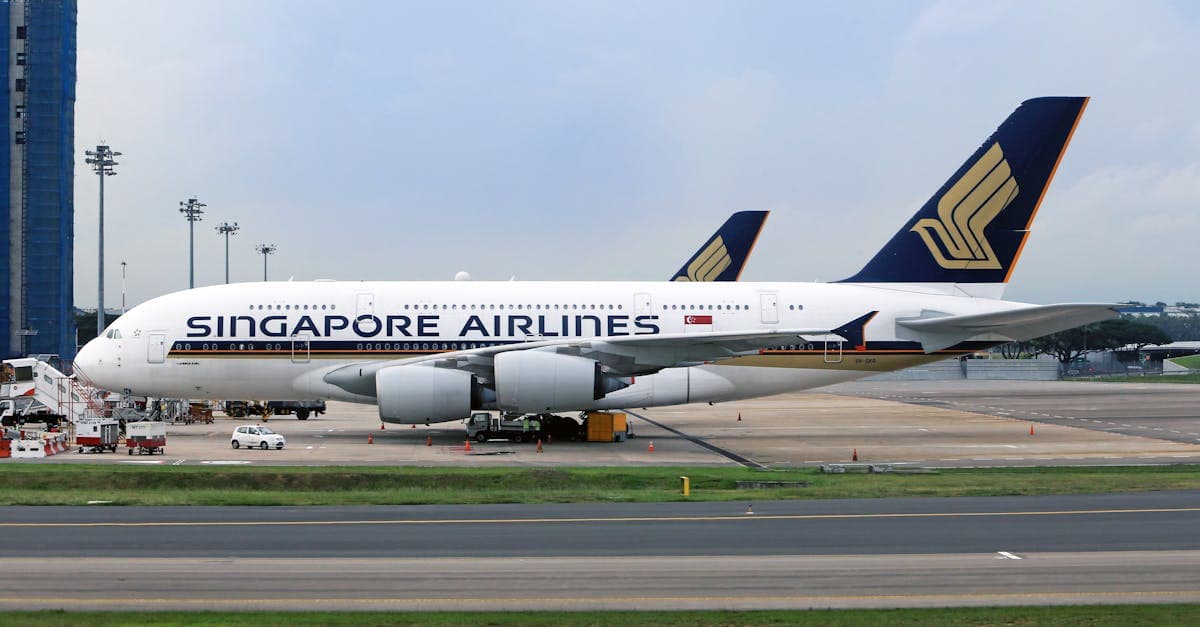
Singapore Airlines, Qantas, and Scoot all operate nonstop services between Sydney and Singapore year-round. Frequency, fare structure, and loyalty programs differ meaningfully between the three. Singapore Airlines leads on departures; Scoot leads on headline price.
The Scoot base fare is legitimately attractive. Checkout rarely matches it. Baggage fees, a seat selection charge, and a meal package can materially close the gap with full-service fares, more than most travellers anticipate. That's the budget carrier model: pay only for what you use, nothing else. For a carry-on-only trip to Singapore, Scoot competes well on total cost. Once you add a checked bag, run the full checkout comparison before committing.
Eight and a half hours is a long time to be in a seat. On a full-service carrier, the meal arrives without asking, the drinks keep coming, and the overhead bin is yours by default. On Scoot, that overhead bin costs nothing extra, but the meal doesn't appear unless you've pre-ordered it, and the quiet during service hours can feel sparse on a flight this length. Worth knowing before price alone settles the decision.
Qantas earns and burns QFF points on this route, which is a concrete drawcard for Australians already accumulating points through everyday spending and domestic flights qantas.com. Business class redemptions are available too, and for cashed-up points balances, this route is a solid place to spend them.
Key fact: Business class award redemptions on the Sydney to Singapore route start at around 54,000 QFF points one-way, rising to around 90,000 depending on season and availability.
KrisFlyer miles also unlock Singapore Airlines business class on this route. With up to 2 daily nonstop departures from Sydney, Singapore Airlines offers the widest scheduling choice of the three carriers singaporeair.com, and award availability outside peak windows tends to be workable for members with a decent balance.
Carrier settled. Now the question turns to what actually comes with the ticket.
What's Included on a Sydney to Singapore Economy Flight?
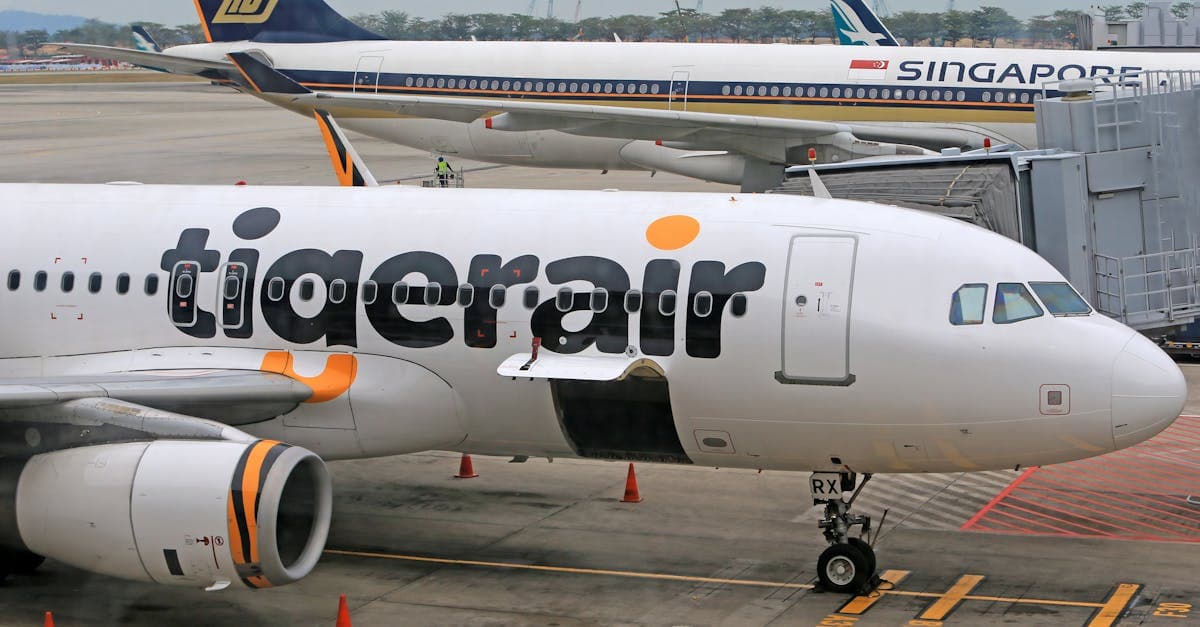
Singapore Airlines includes complimentary beverages throughout economy class on international flights: alcohol, soft drinks, tea, and coffee. The meal service is in the fare too. No separate charge for either.
That catches some travellers off guard, particularly those used to budget carriers where everything carries a price tag.
Scoot runs differently. Drinks and meals are purchased onboard or pre-ordered before departure. Neither is included in the base fare, so factor that into any direct price comparison.
Qantas economy matches Singapore Airlines on the core inclusions: complimentary drinks and a full meal on this route. All three nonstop carriers do provide a meal. The distinction is in what arrives without a surcharge alongside it.
Onboard sorted. Next up: timing the booking to land the sharpest fare.
Which Month Is the Cheapest to Fly to Singapore from Sydney?
February, March, September, and October deliver the lowest economy fares on the Sydney to Singapore route skyscanner.com.au. These four months sit outside NSW and Queensland school holiday windows and clear the two biggest demand spikes: the December-to-January summer rush and Chinese New Year. The price compression affects all three nonstop carriers, not just the budget end.
Scoot off-peak economy returns top out around ~A$350 in these windows, a real step down from mid-season pricing. Singapore Airlines off-peak fares sit closer to ~A$750 at the ceiling, which still represents a meaningful discount on what peak periods extract from travellers. The spread between carriers in these months is wide enough to shift the booking decision for fare-conscious passengers.
Booking timing matters as much as the departure month.
Six to ten weeks before departure is the pricing sweet spot across all three carriers on this route. Book earlier and the best-priced inventory has often already moved; introductory fares clear faster than most people expect. Book later and prices start climbing as capacity fills toward departure.
Mid-week departures carry a tangible price advantage. Tuesday and Wednesday flights tend to track lower than Friday and Sunday services, which attract business travellers and weekend passengers willing to pay a premium for convenient timing. If the schedule bends, shifting the departure day is a more reliable lever than trying to shift the month.
In practice: a Wednesday departure in late September, booked roughly eight weeks out on Scoot, puts you close to the price floor noted in the opening section of this guide. Run the same exercise on a mid-week Singapore Airlines departure in February and the result is a different price point, but the same directional logic holds.
Cheap windows identified. Next: the dates worth actively avoiding on this route.
When to Avoid Flying Sydney to Singapore
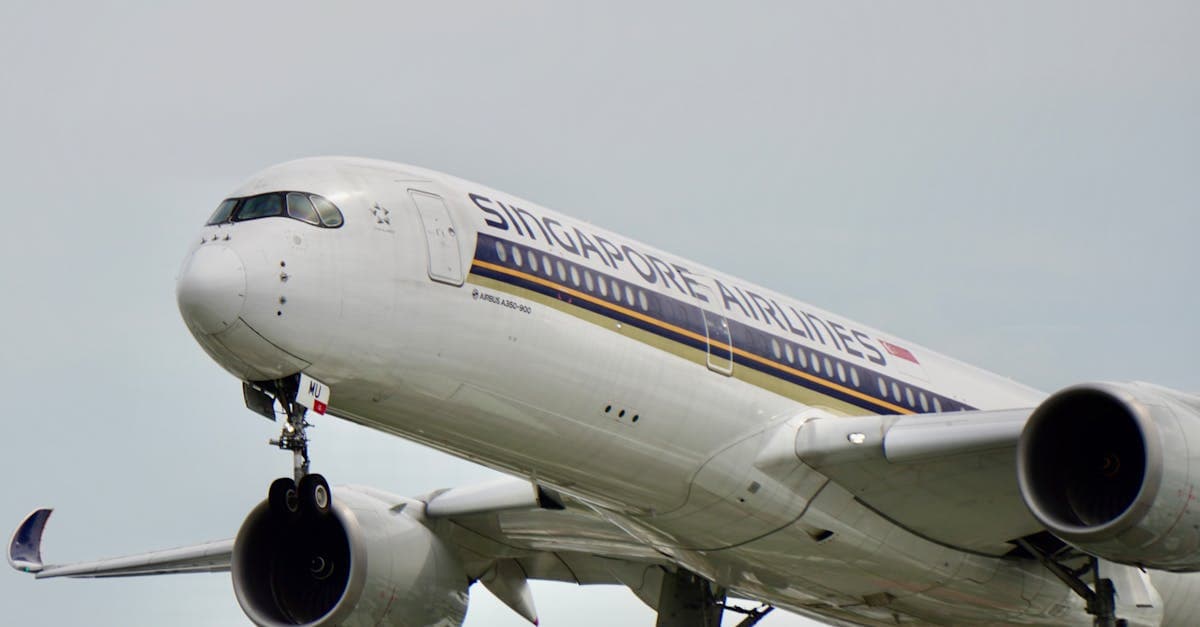
July school holidays hit the Sydney to Singapore route harder than any other period. NSW and Queensland term breaks overlap closely, filling Singapore Airlines and Qantas nonstop seats weeks before departure. Economy fares in July push firmly into premium territory across all carriers.
Chinese New Year is the second pressure point. Dates shift year to year, but the demand spike is reliable. If travel falls anywhere near the lunar new year window, book months ahead or pay the difference.
The third crunch: 20 December to 10 January. Last-minute seat availability on Singapore Airlines and Qantas dries up fast. Fares reflect the scarcity.
No workable nonstop seat during these periods? Connecting flights may change the economics entirely.
Alternative Routes from Sydney to Singapore
Connecting flights on the Sydney to Singapore route break into two practical categories: shorter Southeast Asian hops through Kuala Lumpur or Bangkok, and longer Middle Eastern routings via Dubai, Abu Dhabi, or Doha.
Sydney to Singapore via Southeast Asia
Malaysia Airlines via Kuala Lumpur International Airport adds two to four hours to total journey time. Thai Airways via Bangkok's Suvarnabhumi adds three to five. Both airports handle transit passengers without drama: KLIA's satellite terminal is airy and unhurried, while Suvarnabhumi runs at higher volume and shows it, but neither will derail a connection. The layover is a known quantity rather than an unknown risk.
The economics can work. Off-peak connecting fares on these routes sometimes undercut Qantas nonstop pricing. That comparison shifts once you add the layover hours; four hours at KLIA plus a connecting leg is a different proposition from eight-and-a-half hours direct. Factor total journey time before the sticker price decides it for you.
Middle Eastern Routings
Emirates via Dubai, Etihad via Abu Dhabi, and Qatar Airways via Doha all route this way emirates.com. Total journey time: 16 to 20 hours. These are long travel days. The hub airports are world-class facilities, which softens the wait, but the routing flies northwest before doubling back east. That only makes sense if the fare gap or cabin class difference is substantial.
Promotional pricing on Middle Eastern carriers can be competitive, particularly for premium cabins. Check total hours, connection time, and the actual fare difference versus a comparable nonstop. That tells you whether the routing earns the extra hours.
Flight booked. Now sort connectivity before you land at Changi.
Staying Connected on Your Sydney to Singapore Flight: eSIM, Roaming and SIM Options

Singapore has island-wide 4G and 5G coverage. Signal holds from Changi Airport across the MRT network, through Orchard Road and the CBD, and out to Sentosa. Connectivity quality is not the question on this trip. Cost is.
Carrier Roaming: The Familiar Default
Telstra and Optus international day passes cover Singapore at roughly A$10 to A$15 per day. For a two-night stay with hotel Wi-Fi, that's a passable option. For a week-long trip, the daily charges accumulate into a line item that makes pre-purchasing a dedicated data plan the more sensible approach.
One billing quirk that catches people out: day passes run on Singapore time, midnight to midnight. Land at 11 pm, check one message, and you've consumed a full day's charge.
eSIM: Sort It Before the Flight
HelloRoam offers Singapore eSIM plans on StarHub's 5G network. The daily plan provides unlimited data with a 2GB high-speed cap. Longer-validity options include ~A$8.51 for 1GB across seven days and ~A$13.16 for 3GB over 30 days.
Scan the QR code during the descent into Changi and the phone connects to StarHub as you walk through the aerobridge. No kiosk. No queue. No tourist markup from the arrivals hall counter.
Changi's arrivals terminal moves differently from most international hubs: wide corridors, calm signage, and the MRT Changi Airport station a short escalator ride below the terminal building. The humidity only hits once you step through the exit doors onto the taxi rank; inside, it's all cool air and quiet efficiency. That first MRT ride into the city, phone already live on a local data connection, is a decent way to start a Singapore trip.
Dual SIM and App Prep
Current iPhones and most Android flagship models support dual SIM. Keep the Australian number active for bank OTPs and incoming calls; push all mobile data through the Singapore eSIM. That split setup is what most Sydney-based frequent flyers heading to Singapore land on.
Free Wi-Fi covers Changi Airport, MRT stations, and major shopping centres throughout Singapore, though quality varies in crowded locations. Before boarding in Sydney, download offline Google Maps for Singapore, install Grab for ride-hailing, and add the TransitLink Go card app for public transport. Those three handle most practical navigation and transport needs without burning data.
For a trip longer than a weekend, sorting eSIM for Singapore before departure is the cleaner call.
What Is the Cheapest Month for a Sydney to Singapore Flight on Singapore Airlines?
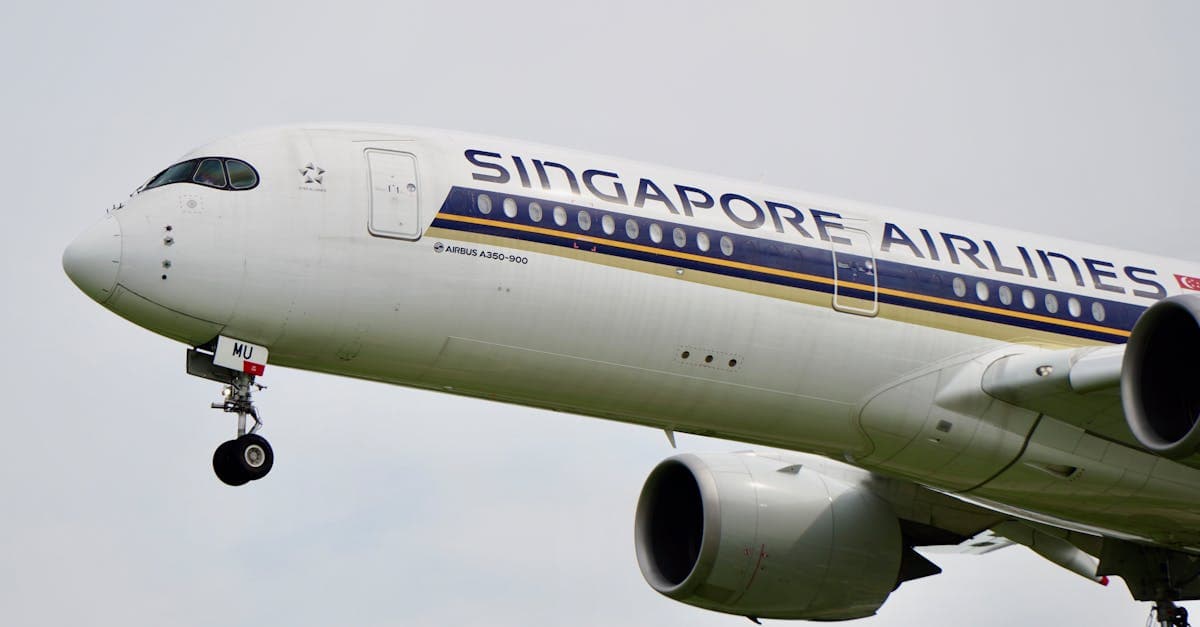
February and September are the cheapest months for Singapore Airlines flights from Sydney, on both cash fares and KrisFlyer award bookings singaporeair.com. Saver-tier award inventory opens when demand is lowest, and those two months consistently deliver the widest seat availability outside school holiday and conference seasons.
KrisFlyer award availability follows the same seasonal logic as cash pricing. Check the KrisFlyer award calendar directly rather than relying on third-party aggregators, which often show phantom availability that disappears at checkout.
Mid-week departures sharpen that picture further. Tuesdays and Wednesdays regularly show lower fares than Friday evening or Sunday flights, which attract the weekend-getaway crowd willing to pay for convenience. If your schedule has any flexibility at all, shifting departure by two days can shave a meaningful amount off the fare.
July and December are the months to avoid on Singapore Airlines economy. School holidays and the summer surge push fares to their highest point of the year. Award seat availability contracts at the same time, with fewer saver seats and higher points requirements for any remaining inventory.
One tactic frequent flyers use: set a fare alert in late January for February travel, and again in August for September departures. Prices don't always drop further by waiting, but alerts mean you catch the floor rather than chase it.
The route is short enough, and Singapore compelling enough, that the planning pays off.
Reviewed by HelloRoam's editorial team. Last updated: 20 April 2026.
Get Connected Before You Go


Frequently Asked Questions
A direct westbound flight from Sydney to Singapore takes approximately 8 hours and 25 minutes. The return leg is slightly longer at 8 hours 45 minutes to 9 hours 15 minutes due to prevailing high-altitude winds. The route covers approximately 6,310 km.
February, March, September, and October offer the lowest economy fares on the Sydney to Singapore route. These months fall outside NSW and Queensland school holiday windows and avoid the December-to-January summer rush and Chinese New Year demand spikes, which compress prices across all three nonstop carriers.
Yes, Singapore Airlines includes complimentary beverages throughout economy class on international flights, including alcohol, soft drinks, tea, and coffee. The meal service is also included in the fare at no additional charge.
February, March, September, and October are the cheapest months to fly Singapore Airlines on the Sydney to Singapore route. Off-peak Singapore Airlines fares in these windows sit closer to around A$750 at the ceiling, representing a meaningful discount compared to peak period pricing.
Three carriers operate nonstop services between Sydney and Singapore year-round: Singapore Airlines, Qantas, and Scoot. Combined, they offer 3 to 5 daily departures from Sydney Airport. Singapore Airlines leads on frequency with up to 2 daily nonstop flights.
Return economy fares start from around A$479. Budget carrier options can start from approximately A$250, while full-service carrier fares typically begin from around A$500 to A$550. Note that budget fares often exclude baggage and meals, which can narrow the price gap significantly.
On Singapore Airlines and Qantas, meals are included in the economy fare at no extra charge. Scoot operates differently — meals must be pre-ordered or purchased onboard, as they are not included in the base fare. Factor this into any price comparison between full-service and budget carriers.
Avoid July school holidays, when NSW and Queensland term breaks overlap and push fares into premium territory across all carriers. Other high-demand periods include Chinese New Year (dates shift annually) and 20 December to 10 January, when last-minute seat availability dries up quickly and fares reflect the scarcity.
The pricing sweet spot is six to ten weeks before departure across all three nonstop carriers. Booking earlier risks missing introductory fares that clear faster than expected, while booking later sees prices climb as capacity fills toward departure.
Yes, connecting flights route through Southeast Asian hubs like Kuala Lumpur or Bangkok, adding two to five hours to total journey time, or through Middle Eastern hubs like Dubai, Abu Dhabi, or Doha, adding 16 to 20 hours total. Off-peak connecting fares can sometimes undercut nonstop pricing, but factor total journey time before deciding.
Singapore sits 2 hours behind Sydney AEST, or 3 hours behind during Australian daylight saving time. This is a relatively gentle time zone adjustment compared to long-haul routes to Europe or the Americas, and most travellers find they are operating normally by day two.
Australian carrier roaming plans from providers like Telstra and Optus cover Singapore at roughly A$10 to A$15 per day. This is workable for very short stays with hotel Wi-Fi available, but daily charges accumulate significantly on trips of a week or more, making a pre-purchased data plan more cost-effective.
Activating a Singapore eSIM before departure means your phone connects to a local network as soon as you land at Changi, with no need to visit a SIM kiosk or queue at the arrivals hall. Singapore has island-wide 4G and 5G coverage, so an eSIM activated mid-flight or during descent will be live as you walk through the aerobridge.
Singapore eSIM plans for Australian travellers typically start from around A$3.86 per day on 5G networks. Longer-validity data options are available, such as approximately A$8.51 for 1GB over seven days or A$13.16 for 3GB over 30 days, making them significantly more cost-effective than daily carrier roaming charges.
Scoot's base fares can be genuinely attractive, starting from around A$250 return, but the final checkout price rises with baggage fees, seat selection, and meal packages. For a carry-on-only trip, Scoot competes well on total cost. Once a checked bag is added, comparing the full checkout price against a full-service fare is essential before committing.
Yes, both Singapore Airlines and Qantas earn points on this route. Qantas Frequent Flyer points accrue on Qantas services, and KrisFlyer miles accrue on Singapore Airlines. Business class award redemptions on Singapore Airlines start at around 54,000 QFF points one-way on the Qantas equivalent, with KrisFlyer miles also unlocking Singapore Airlines business class.
Singapore has island-wide 4G and 5G coverage. Signal is reliable from Changi Airport across the MRT network, through Orchard Road and the CBD, and out to Sentosa. Connectivity quality is not a concern for visitors; the main consideration is data cost rather than coverage availability.
Sources
- Cheap Flights from Sydney (SYD) to Singapore (SIN) — skyscanner.com.au
- Flights from Sydney to Singapore $871^ — flightcentre.com.au
- flightaware.com — flightaware.com
- Flights from Sydney to Singapore — singaporeair.com
- Flights from Sydney (SYD) to Singapore (SIN) — qantas.com
- Flight Status — singaporeair.com
- Flights from Sydney (SYD) to Singapore (SG) | Where we fly — emirates.com