

Flights to Japan from Australia: Quick Facts
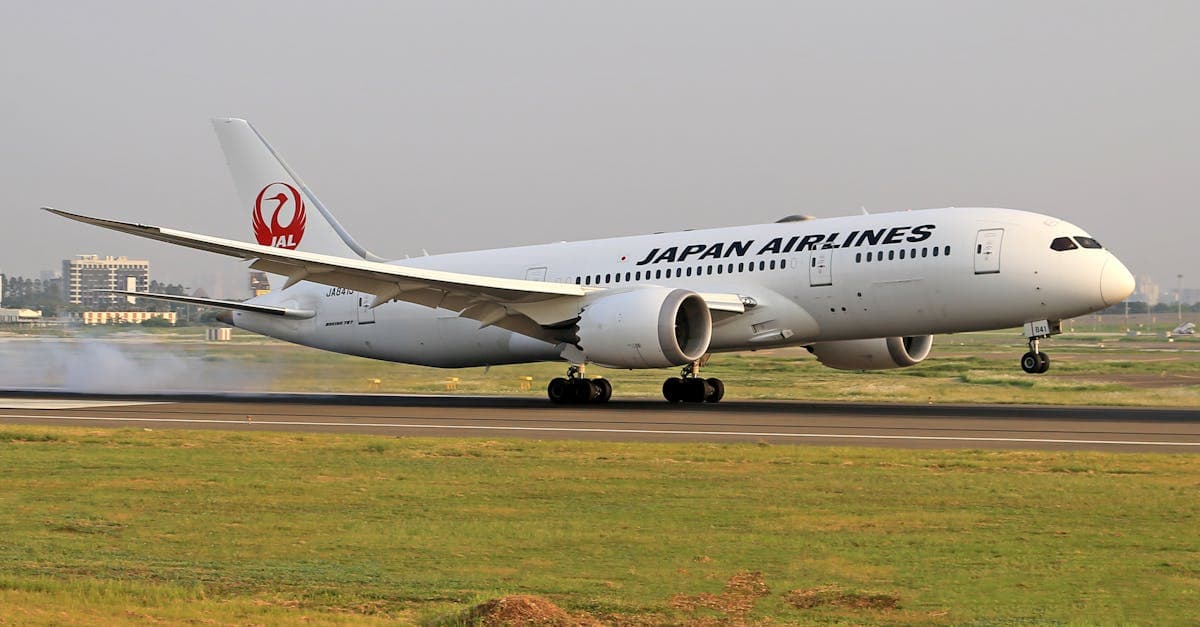
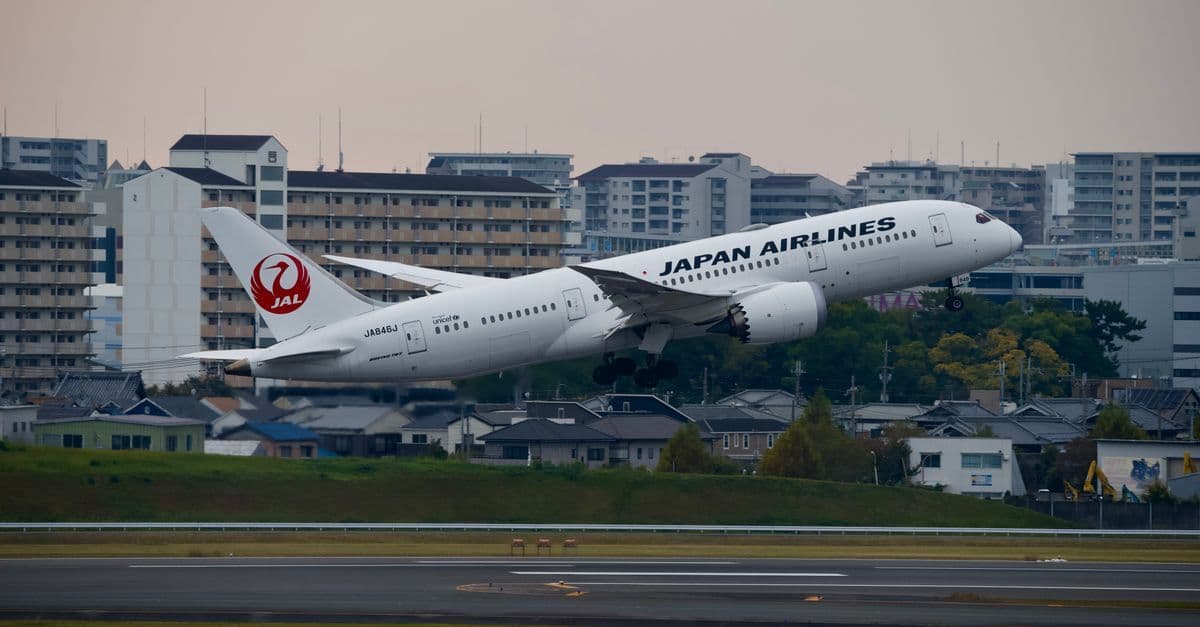
Qantas, Japan Airlines, and ANA operate direct services from Sydney to Tokyo, covering the full-service end of the market. Budget options and indirect routes widen the choice for travellers departing Melbourne, Brisbane, and other Australian cities.
Qantas and JAL both credit flights to their respective programs, Qantas Points and JAL Mileage Bank, making them the natural default for frequent flyers accumulating on either scheme. ANA carries a solid reputation for premium economy on Pacific services.
Three direct carriers. Same route, different loyalty schemes.
Jetstar offers the sharpest budget entry point, particularly for Osaka-focused itineraries. Base fares run lower, though a stopover is typically part of the deal. Check layover lengths before booking.
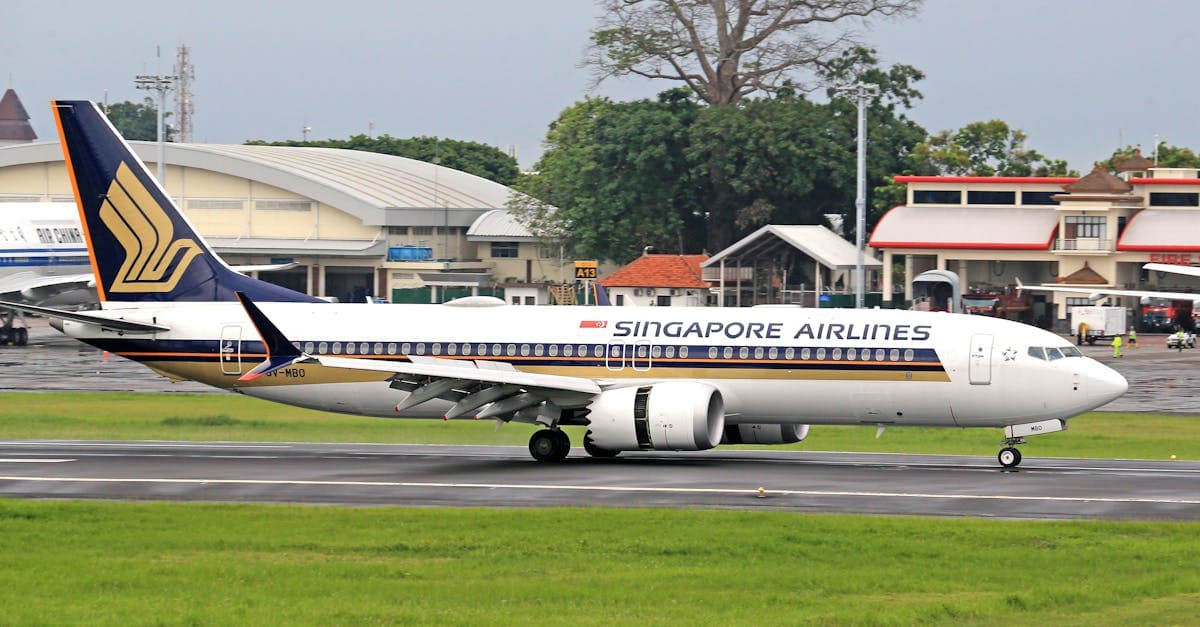
Indirect carriers through Singapore, Kuala Lumpur, and Hong Kong cover the Australia-Japan corridor reliably. Singapore Airlines, Malaysia Airlines, and Cathay Pacific all run established products on these routes, and their fares frequently undercut direct equivalents.
Key fact: HelloRoam's Japan 5GB 30-day eSIM costs ~A$14.71 on KDDI/au's 5G network.
Flights locked in. Now the thing most Australians leave too late.
What Is the Cheapest Time to Fly to Japan from Australia?
Japan's shoulder season is the period between peak tourist rushes, typically February and June, when flights from Australia drop to their annual lows skyscanner.com.au.
Step into Sydney Airport's international departure hall in late February and the difference is visible: the Japan gates aren't crowded, overhead bins aren't contested, and the fares priced into those seats reflect exactly that calm. That changes fast.
Cherry blossom season begins in late March, and demand builds with it. Fares from Sydney and Melbourne climb sharply through April. Golden Week follows: the late April to early May Japanese public holiday cluster extends peak pricing into May. Back-to-back pricey windows mean cheap flights to Japan simply don't exist across that stretch.
When Australian School Holidays Work Against You
Australian school holiday calendars align poorly with Japan's cheapest windows. The Easter break lands squarely in cherry blossom peak. July school holidays overlap Japanese summer travel. December-January school holidays fall during another surge of domestic Japanese travel and Aussie summer demand simultaneously.
February and June sidestep most of these collisions. Solid value for money, both months, without the crowds. June's window narrows once Japanese summer heat builds in late July, so the first half of the month is the sweet spot.
The Midweek Departure Advantage
Departure day moves fares more than most travellers expect. Tuesdays and Wednesdays out of Melbourne, Sydney, or Brisbane regularly undercut Friday and Sunday fares on the same routes. Weekend departures carry a premium because they suit both leisure travellers and those wrapping up a work week skyscanner.com.au.
Combining a February or June travel window with a midweek departure hands you two of the three biggest price levers. The third is booking lead time, which varies by route and airline.
How to Save Money on Flights to Japan
Booking 3 to 6 months before departure returns the strongest round-trip fares from Australian cities skyscanner.com.au. Miss that window and you're largely at the airline's mercy.
Flexible date search is the tool most travellers overlook. Browse the monthly calendar view on any major booking platform and the cheapest windows surface fast. The lowest fares don't land on obvious days; midweek departures typically undercut weekend flights on the same route. Sliding across a full month before committing takes two minutes and often reveals travel windows you'd never have thought to check skyscanner.com.au.
Routing matters as much as timing. One-stop itineraries via Singapore or Kuala Lumpur regularly undercut direct services from Sydney and Melbourne. The connection at Changi or KLIA typically runs a few hours, and the fare difference on the right dates can be meaningful.
Frequent flyer points are underused on this route. Japan long-haul redemptions are a sweet spot for Qantas, Velocity, and KrisFlyer members. Award availability tends to open earlier during the shoulder-season windows discussed above, so the two strategies complement each other neatly.
Check the final total at checkout, not the headline fare. Booking sites display fares that exclude an Online Booking Fee and a Merchant Fee, per Flight Centre's Japan flight listings. What looks competitive at first glance lands higher once those charges are added.
That gap catches more travellers than it should.
Locking in a good airfare is the biggest single lever in keeping a Japan trip affordable. The on-the-ground costs, from accommodation to JR rail passes, are the next variable worth examining.
Which Airlines Fly from Australia to Japan?
Qantas, Japan Airlines (JAL), and ANA give you three full-service direct options from Sydney to Tokyo Narita. Jetstar serves Osaka on a budget, though its fares almost always include a stopover. Depart from any city other than Sydney and at least one connection is unavoidable.
Most travellers reach for the direct option first. Understandable. A non-stop cuts out the connection stress, the terminal transfer, and the risk of a missed second leg. But it carries a price premium worth questioning, especially when searching flights to Japan from Melbourne, Brisbane, or Perth, where a connection is unavoidable regardless of airline.
Indirect routings through Singapore Changi, Kuala Lumpur, or Hong Kong regularly undercut direct fares. The price gap varies by season and lead time, but travellers willing to sit through a transit often find the better overall deal. The stopover city matters too: Singapore Changi and Hong Kong International both connect smoothly onward to Tokyo.
No carrier runs a non-stop from Australia to Osaka. Kansai International Airport receives no direct Australian services, which makes the layover city more relevant than the airline name on the ticket. Singapore and Hong Kong both connect efficiently to Japan's second city, and a well-chosen layover airport can trim the transit time considerably on longer trips from Melbourne or Perth.
Staying Connected in Japan: eSIM, SIM Cards and Wi-Fi Options
An eSIM (a digital SIM profile installed by scanning a QR code) is the most practical connectivity option for most Australians heading to Japan. No airport queue. No tiny plastic card to lose after nine hours in the air.
Four options are on the table, and they're not equal.
Australian carrier roaming from Telstra, Optus, and Vodafone AU is painless to set up. For a three-day trip where you're mostly on hotel Wi-Fi, that's a reasonable call. Two weeks across Tokyo, Kyoto, and Hiroshima? That daily rate adds up fast.
eSIMs sidestep all of that. HelloRoam Japan plans start from ~A$5.41 for 1GB on KDDI/au, with data tiers running to 20GB for longer trips. Browse eSIM for Japan plans before you board.
Scan the QR code at the departure gate; your phone connects to KDDI/au's network the moment you land.
Key fact: HelloRoam Japan eSIM plans start from ~A$5.41 for 1GB over 7 days on KDDI/au's 4G/5G network.
One thing to check before buying any eSIM: your handset must be network-unlocked and eSIM-compatible. Most iPhones from the 12 series onwards qualify. Android compatibility varies by model.
Still got questions? The most common ones are right below.
Frequently Asked Questions About Flights to Japan
How much does a two-week Japan trip cost from Australia?
A two-week Japan trip from Australia costs roughly A$3,000 to A$4,500 per person on a budget, or A$5,000 to A$8,000 mid-range with business hotels and a JR Pass. Flights typically account for A$800 to A$1,500 of that total, with accommodation and transport making up the remainder.
Budget travellers staying in capsule hotels or guesthouses, eating at convenience stores and standing ramen counters, and using IC transit cards (pre-loaded contactless cards accepted across metro networks in Tokyo, Osaka, and Kyoto) can keep daily costs modest. Mid-range travellers factoring in business hotels and a Japan Rail Pass (JR Pass) for shinkansen bullet train travel between cities spend considerably more.
Flights, as this guide covers, are typically the largest single expense for Australian travellers. After that, accommodation and a JR Pass are the two biggest levers. Tokyo's Suica card handles metro and bus fares without per-journey tickets, cutting friction on a busy itinerary.
One genuine surprise for first-timers: Japan's reputation as an expensive destination undersells how good the low-end eating options are. Convenience store onigiri, standing noodle bars, and neighbourhood ramen shops deliver real quality. Credit cards now work across most Tokyo and Osaka venues; regional and rural Japan still runs largely on cash.
Two more questions answered directly below.
What is the cheapest month to fly to Japan?
Mid-September is the pick most Japan flight guides overlook. February and June remain the lowest-fare months from Australia skyscanner.com.au, as this guide covers earlier, but autumn foliage season lifts both airfares and accommodation sharply from October through November. Booking for mid-September gets you milder temperatures than the summer humidity peak, thinner crowds, and fares that track closer to the shoulder season range. April and May (cherry blossom and Golden Week) are the most expensive periods, with November not far behind skyscanner.com.au. If your dates can flex at all, mid-September delivers the atmosphere of autumn in Japan without the peak-season pricing.
Do Australians need a visa for Japan in 2026?
No. Australian passport holders qualify for visa-free entry to Japan, with tourist stays permitted for up to 90 days per visit. No consulate appointment, no application fee, no pre-departure form. You clear immigration on arrival with a valid passport and a return or onward ticket.
Japan does not require Australians to apply for a pre-travel authorisation equivalent to the EU's ETIAS (Europe's upcoming travel pre-authorisation scheme). Entry conditions can change, so confirm current requirements with the Japanese Embassy in Australia or the Japan National Tourism Organization before you travel, particularly if your stay approaches 90 days or your purpose extends beyond standard tourism.
How much would a 2 week trip to Japan cost in AUD?
Budget ~A$3,000 to A$4,500 per person for a lean two weeks, or ~A$5,000 to A$8,000 mid-range with decent hotels and a JR Pass. Flights to Japan from Australia account for ~A$800 to A$1,500 of that total. The rest hinges on three decisions that shift the final number far more than most travellers anticipate.
Most first-timers get the JR Pass calculation wrong.
A 14-day JR Pass covers unlimited Shinkansen travel across the main islands, which sounds like an obvious win until you plot your actual route. Travellers spending most of their time between Tokyo and Kyoto often find point-to-point Shinkansen tickets cheaper. Run that comparison before purchasing; the difference can shift your total by several hundred dollars either way.
The ~A$3,000 floor is real. Konbini breakfasts, capsule hotels, and using your feet over taxis will get you there.
Reviewed by HelloRoam's editorial team. Last updated: 12 July 2026.
Get Connected Before You Go


Frequently Asked Questions
February and June are the lowest-fare months for flights from Australia to Japan. Mid-September also offers good value before autumn foliage demand pushes October and November prices higher.
No. Australian passport holders qualify for visa-free entry to Japan for tourist stays up to 90 days. No fee or pre-departure form is required; you clear immigration on arrival with a valid passport and return ticket.
Budget around A$3,000 to A$4,500 per person for a lean two weeks, or A$5,000 to A$8,000 mid-range with business hotels and a JR Pass. Flights typically account for A$800 to A$1,500 of that total.
February and June are the cheapest months from Australian cities. Combining these windows with a midweek departure and booking 3 to 6 months ahead delivers the strongest combination of fare savings.
Qantas, Japan Airlines, and ANA all operate direct flights from Sydney to Tokyo Narita. No airline runs a direct service from Australia to Osaka; that route always requires a stopover.
Booking 3 to 6 months before departure consistently returns the best round-trip fares from Australian cities. Waiting until closer to departure leaves you largely at the airline's mercy on price.
Often yes. One-stop flights via Singapore, Kuala Lumpur, or Hong Kong regularly undercut direct services from Sydney and Melbourne, with the fare gap varying by season and booking lead time.
April and May are the priciest months due to cherry blossom season and Golden Week. November also sees elevated fares from autumn foliage demand, and December to January is another expensive period.
Yes. Easter holidays coincide with cherry blossom peak, July holidays overlap Japanese summer travel, and December to January holidays create simultaneous high demand from both Australia and Japan.
An eSIM is the most practical option for most trips. It requires no airport queue or physical card and can be activated before boarding. Budget Japan eSIM plans start from around A$5.41 for 1GB.
Australian carrier roaming in Japan typically costs A$10 to A$20 per day. It suits short trips with mostly hotel Wi-Fi use but adds up quickly over a two-week itinerary across multiple cities.
It depends on your route. A 14-day JR Pass covers unlimited Shinkansen travel but may cost more than point-to-point tickets if you stay mainly in Tokyo and Kyoto. Compare fares before purchasing.
Most iPhones from the iPhone 12 series onwards support eSIM. Your handset must also be network-unlocked. Android eSIM compatibility varies by model, so check your specific device before buying.
Tuesday and Wednesday departures from Australian cities consistently offer lower fares than Friday or Sunday on the same routes. Weekend flights carry a premium driven by leisure and end-of-week demand.
Japan suits a wide range of budgets. Convenience store meals, capsule hotels, and standing noodle bars offer genuine quality at low cost, while mid-range travellers with sit-down restaurants and business hotels spend considerably more.
Sources
- Cheap flights to Japan — flightcentre.com.au
- Cheap Flights to Japan — skyscanner.com.au