

Sydney to Singapore Flights: At a Glance
The Sydney to Singapore flight takes roughly 8 hours non-stop, making it one of the more brisk long-haul routes out of Australia. Three carriers fly it direct from SYD: Singapore Airlines, Qantas and budget operator Scoot. Every inbound flight lands at Changi Airport, Singapore's flagship hub. Economy fares run a wide range, from around ~A$400 on a well-timed budget booking to ~A$1,400-plus at peak periods. Australian passport holders don't need a visa for stays up to 30 days.
Here's the quick-reference breakdown:
- Non-stop flight time: approximately 8 hours from SYD
- Direct carriers: Singapore Airlines (Terminal 3), Qantas and Scoot
- Indirect option: Jetstar routes via an Asian hub, adding a connection
- Economy fares: ~A$400 at the budget end to ~A$1,400-plus for full-service peak travel
- Visa requirement: None for Australian passport holders, up to 30 days
Each of those figures has more nuance than the headline suggests, and the trade-offs aren't always obvious from the search results alone.
How Long Is the Flight from Sydney to Singapore?
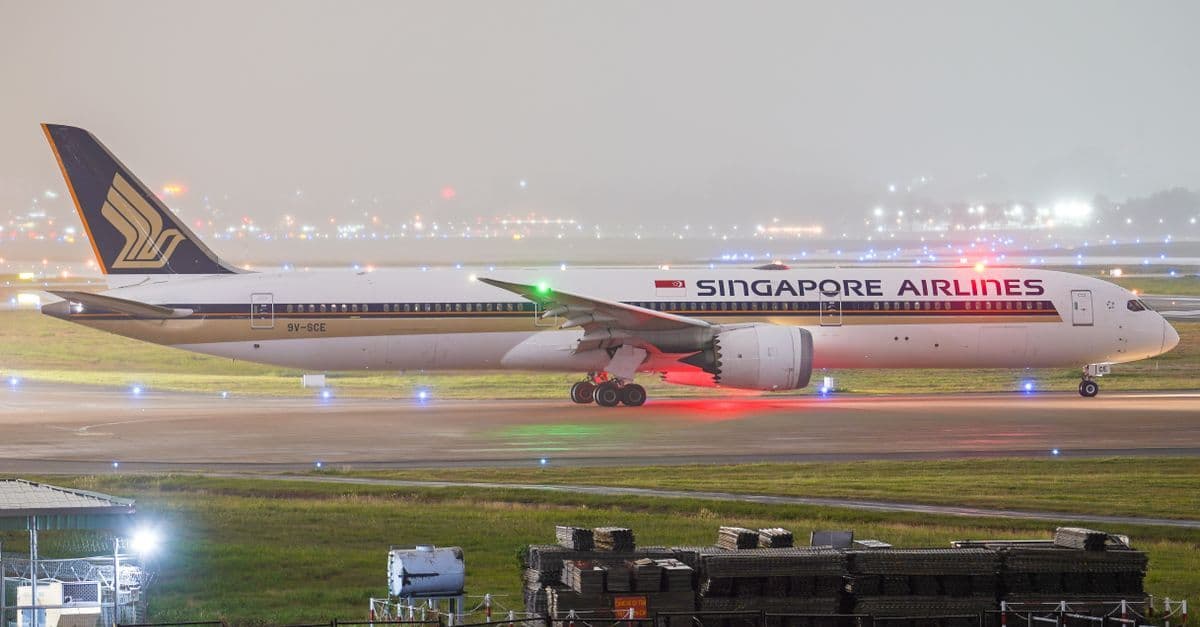
Eight hours. That's the approximate block time on a direct service westbound. Singapore Airlines, Qantas and Scoot all run non-stop flights, and their schedules cluster around that same figure. The westbound direction benefits from prevailing winds pushing the aircraft toward Southeast Asia, which keeps block times competitive.
Add a stop via Kuala Lumpur or Bangkok and the total travel time stretches to roughly 11 to 14 hours gate-to-gate, depending on your layover. The connecting option can cut the fare, but it trades time for the saving. That trade-off sits differently for a quick business trip than it does for a two-week holiday.
The time zone is worth building into your planning. Singapore operates on SGT, sitting 2 hours behind Sydney during AEST winter months. Most overnight services from SYD depart between 9 pm and midnight and land at Changi between 4 am and 6 am local time. That structure is deliberate: arrive in the morning, clear immigration efficiently and have a full first day ahead of you.
The return leg runs slightly longer. Heading east from Singapore back to Sydney means flying into the prevailing headwinds, so factor in roughly 30 to 60 minutes extra on the homeward trip compared to what the outbound took.
One detail worth confirming before you land: Changi's terminals serve different carriers. Singapore Airlines uses Terminal 3, which connects directly to Jewel Changi. Qantas operates from Terminal 1. Checking your terminal assignment before you queue at the taxi rank saves a confused shuffle between arrival gates.
Duration sorted. Which carrier actually makes the crossing worthwhile?
Airlines Flying Sydney to Singapore: A Comparison
Four carriers operate on this corridor, but they're not playing the same game.
Singapore Airlines operates its own aircraft directly to Changi Terminal 3, with economy, premium economy, business class and suites available depending on the aircraft configuration. In-seat entertainment and a meal service come included across economy. It's the premium full-service option on this route, and the product reflects that.
Qantas runs its own direct schedule and codeshares with Singapore Airlines, meaning a QF flight number can occasionally put you on an SQ aircraft. Frequent Flyer members earn points and status credits on QF-operated services. That stacks up quickly for anyone travelling this corridor more than once or twice a year. Qantas also belongs to the Oneworld alliance, which adds cross-airline earning potential for members building broader status.
Scoot cuts to the essentials: non-stop, direct and priced competitively. Meals and checked bags are bolt-ons, as is seat selection. For travellers packing light and happy to buy a meal on board, the headline fare is genuinely lean compared to full-service alternatives.
Jetstar routes indirectly via another Asian hub and can sit at the competitive end of economy pricing. The added stop shifts the travel day considerably from a Sydney departure, but it works for flexible itineraries where the fare matters more than the schedule.
The core trade-off is seat comfort and inclusions versus total ticket cost. That equation looks different for a long weekend than it does for a two-week stay.
The airline locks in the experience. What you actually pay for it shifts more with booking timing than most travellers expect.
Budget vs Full-Service: What You Actually Give Up
Budget carriers typically save roughly ~A$200 to ~A$600 per sector compared to full-service economy on the Sydney to Singapore route, but meals, checked bags and seat selection are bolt-ons that eat into that gap considerably.
The headline fare on a budget carrier looks appealing. Then you add the meal, the checked bag and the seat selection, and the gap with full-service economy narrows fast. Full-service carriers bundle meals, checked baggage and a properly pitched seat into the ticket. Qantas Frequent Flyer members earn status credits and points on every booking, with lounge access at Sydney Airport for eligible tiers before departure. Singapore Airlines' economy cabin holds up well on a route this length.
Seat pitch is the real test on an overnight crossing.
Not everyone needs full-service. Light travellers booking early and happy to buy a meal on board can make a budget fare genuinely work. The key is running the full cost tally, not just reading the headline price.
That includes your data plan. Telstra and Optus international day packs cover Singapore, but they add up quickly past a few days. An eSIM for Singapore sorted before departure typically sits lower on the total trip budget for a stay of a week or longer.
The booking window is where the biggest fare shifts happen.
When Should You Book a Sydney to Singapore Flight?
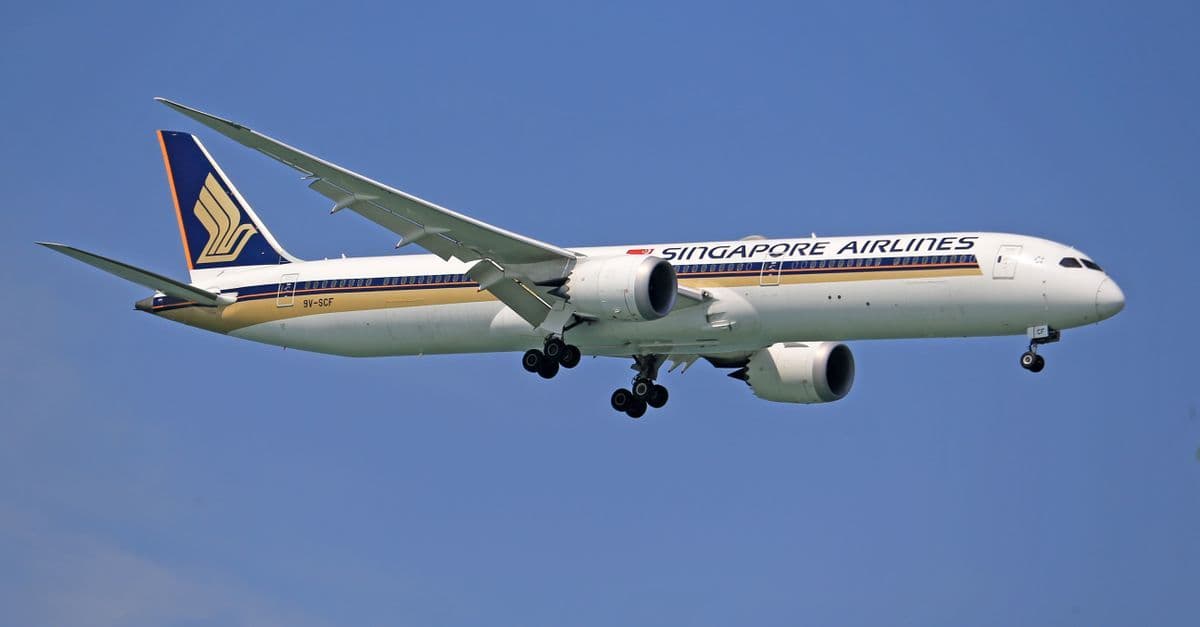
Six to eight weeks before departure is the sweet spot for economy fares on this route. Book too far ahead and prices tend to hold firm; leave it to the fortnight before and you'll pay for the urgency.
The calendar splits fairly cleanly. June and July push fares higher as school holidays drive demand on every Qantas and Singapore Airlines departure out of Sydney. January and February run the opposite way: demand drops sharply after the summer rush clears, and these two months consistently offer the lowest average fares of the year.
Last-minute flexibility rarely pays off here.
This isn't a quiet backpacker corridor where carriers quietly discount unsold seats as departure approaches. It's one of the busiest Australia-Asia runs, and airlines price accordingly. Holding out for a late drop in the final two weeks is a gamble that almost never comes through.
Flexible date tools on major booking platforms are worth a look. Shifting by a day or two around school holiday periods often surfaces meaningfully cheaper options, and on a return booking that difference across both sectors adds up. Travellers who flex dates by even three days at peak periods sometimes shave A$100 or more per sector off the total. The tool takes thirty seconds to check.
One practical note: connecting through Kuala Lumpur or Bangkok can shift the fare considerably, particularly on Malaysia Airlines or Thai Airways. The trade-off is a substantially longer travel day, and on a route you can fly direct in around eight hours, that's a meaningful ask.
Once the ticket's confirmed, what you do the moment you land matters just as much as the flight itself.
Staying Connected in Singapore: eSIM, SIM and Wi-Fi
Singapore delivers near-complete 4G and 5G coverage across the urban core, Changi Airport included. The decision here isn't whether you'll have signal. It's which path to data is fastest once you clear the arrivals hall.
Three options come up consistently:
Airport Wi-Fi at Changi is free and genuinely functional for a quick message home or grabbing directions to the taxi rank. It's not designed for sustained use: sessions time out, reconnection requires navigating a landing page, and it drops off across the immigration and baggage claim stretch where you need it most.
Local SIM cards from Singtel, StarHub and M1 are available at counters in the arrivals halls across Changi T1, T2 and T3. Rates are competitive, tourist SIM options typically include voice and data, and coverage across Singapore's networks is spirited. The catch is the counter visit itself. After the Sydney to Singapore flight and a full immigration queue, joining another line to swap a physical card is low on most travellers' priority lists.
eSIM sidesteps the queue entirely. Activate a profile before you board and data connects automatically when the plane touches down at Changi. HelloRoam offers Singapore eSIM plans for Australian travellers, with the profile installed before departure so there's nothing to sort on arrival.
Telstra and Optus both offer international day passes covering Singapore. For a two-night stopover where the hotel provides decent Wi-Fi and you're mostly in meetings, a carrier add-on can be a perfectly reasonable call. Stretch to a week of active use and the per-day cost makes a dedicated Singapore plan the sharper option.
Changi's free Wi-Fi covers the quick check-in. For the rest of the trip, getting properly connected is a decision best made before you board.
eSIM vs Local SIM in Singapore: Which Makes More Sense?
For most trips up to two weeks, an eSIM wins on convenience. Activate a profile at home, and your phone connects to Singapore's networks the moment you land. No counters, no swapping a physical card, no gap between clearing customs and having maps running.
Local SIMs from Singtel, StarHub or M1 offer competitive rates, particularly for longer stays with heavier data use. The Changi counter visit isn't painful when queues are short. It's just a variable, and after a long-haul flight, it's friction most travellers prefer to skip.
A quick decision guide:
If you're visiting for up to two weeks, an eSIM installed before takeoff means you land with data already running and Google Maps open before your bags hit the carousel.
If you're a frequent visitor or staying longer than a month, a local SIM is worth comparing. All three major operators run tourist prepaid options that include data, voice and a Singapore number.
If your handset is carrier-locked (restricted to a single network operator), check eSIM compatibility first. Settings > Cellular on iPhone shows whether your device accepts third-party profiles. If not, a physical SIM at Changi is the practical fallback.
Getting this right takes five minutes at home. That's five minutes versus whatever the SIM counter queue looks like at 9 pm on a Tuesday.
Connectivity covered. Visas are a simpler story.
Do Australian Passport Holders Need a Visa for Singapore?
No application required. As of 2026, Australian passport holders enter Singapore visa-free for stays up to 30 days. No pre-registration, no e-visa form, nothing to print or submit before you fly.
The confusion persists because Singapore has adjusted entry requirements for some nationalities in recent years. For Australians, the process is: land, clear immigration, collect bags. That's it.
Three things that do deserve attention:
- Passport validity. Your passport must be valid for at least six months beyond your planned departure date from Singapore. Check-in staff at Sydney Airport verify this before boarding. If you're cutting it close, renew before booking.
- Onward or return ticket. Singapore immigration can request proof you intend to leave. Having your return booking accessible on your phone is standard preparation, and Sydney check-in typically asks for it regardless.
- Customs rules. Singapore's customs regime is strict and actively enforced. Restrictions apply to food items, certain prescription medications and e-cigarettes, with the last category carrying genuine penalties. Check the Singapore Customs website before packing anything you're unsure about.
The visa question is the easy one. Where travellers consistently get caught out is on the customs side, not at immigration.
What Is the Cheapest Month to Fly Sydney to Singapore?
January and February consistently deliver the lowest average fares on this route. The post-holiday demand drop is reliable: prices fall once the Christmas travel crush clears and don't climb again until the June school break drives another surge. April rounds out the three cheapest windows, though it rarely gets the attention it deserves.
That oversight costs travellers money.
April sits in a brief gap between the Easter spike and the June school holiday rush. Demand settles fast after Easter weekend, seats stay available, and fares frequently track close to the January-February lows. It's a spirited option for anyone with flexible dates and a preference for avoiding peak-season crowds.
The December numbers are a different story. Fares in that month run 40 to 60 percent above the annual average, driven by year-end demand peaking simultaneously on both sides of the route. March and October offer a more measured proposition: not the cheapest months on the calendar, but reliable shoulder savings without the scheduling gymnastics that school holiday bookings require.
The practical play is brisk and simple: set price alerts at least eight weeks before your intended Sydney to Singapore departure. Fares shift quickly when Australian and Singaporean school holiday calendars align, and the difference between an early alert and a late search can be sharp.
Destination hotel rates follow the same seasonal curve, so saving on the flight tends to compound.
Reviewed by HelloRoam's editorial team. Last updated: 17 July 2026.
Get Connected Before You Go


Frequently Asked Questions
Direct flights from Sydney to Singapore take approximately 8 hours. The return leg runs 30-60 minutes longer due to headwinds flying east back to Australia.
Three carriers operate non-stop services: Singapore Airlines, Qantas, and Scoot. Jetstar also flies the route but connects via another Asian hub, adding several hours to total travel time.
Economy fares range from around A$400 on a well-timed budget booking to A$1,400 or more during peak periods such as June school holidays and December.
Book six to eight weeks before departure for the best economy fares. Leaving it to the final fortnight typically results in higher prices due to strong demand on this route.
January and February consistently offer the lowest fares, followed by April. December is the most expensive month, with fares running 40-60% above the annual average.
No. Australian passport holders enter Singapore visa-free for stays up to 30 days. No pre-registration or e-visa form is required before you fly.
Your passport must be valid for at least six months beyond your planned departure date from Singapore. Check-in staff at Sydney Airport verify this before boarding.
Singapore immigration can request proof of onward travel. Have your return booking accessible on your phone, as Sydney check-in staff typically ask to see it before boarding.
Singapore Airlines operates from Terminal 3, which connects directly to Jewel Changi. Qantas uses Terminal 1. Confirm your terminal assignment before joining the taxi queue on arrival.
Singapore (SGT) sits 2 hours behind Sydney during Australian Eastern Standard Time. Most overnight departures from Sydney land at Changi between 4am and 6am local time.
For trips up to two weeks, an eSIM is the most convenient option. Activate a profile before boarding and data connects automatically when you land at Changi, skipping counter queues entirely.
You can use Changi's free airport Wi-Fi for quick messages, buy a local SIM at arrivals counters, or activate an eSIM before departure. An eSIM connects automatically on landing with no queuing required.
For stays of a week or longer, a dedicated Singapore eSIM plan is typically cheaper than carrier international day packs. For a short two-night stopover with hotel Wi-Fi, a carrier add-on can be sufficient.
Changi's free Wi-Fi handles quick messages but sessions time out and coverage drops through immigration and baggage claim. It is best suited for transit use, not sustained connectivity throughout your trip.
Budget carriers typically save A$200-A$600 per sector versus full-service economy, but meals, checked bags, and seat selection are extras that can significantly narrow that gap.
Yes, indirect options route via hubs such as Kuala Lumpur or Bangkok and can offer lower fares. However, they add 3-6 hours to total travel time compared to the 8-hour direct flight.
Singapore enforces strict customs rules on food items, certain prescription medications, and e-cigarettes. Penalties are actively applied, so check the Singapore Customs website before you pack.
Yes, the eastbound leg back to Sydney takes roughly 30-60 minutes longer than the outbound flight because the aircraft flies against prevailing headwinds across the Indian Ocean.
Sources
- Cheap Flights from Sydney (SYD) to Singapore (SIN) — skyscanner.com.au
- Flights from Sydney to Singapore $871^ — flightcentre.com.au
- flightaware.com — flightaware.com
- Flights from Sydney to Singapore — singaporeair.com
- Flights from Sydney (SYD) to Singapore (SIN) — qantas.com
- Flight Status — singaporeair.com
- Flights from Sydney (SYD) to Singapore (SG) | Where we fly — emirates.com