Best Travel SIM Card for Australia in 2026: eSIM Vs Physical SIM Compared

Liam O'Brien
Written by: Liam O'Brien
Published date
Updated:
Reading time

11 min read

Best Travel SIM Card for Australia in 2026: eSIM vs Physical SIM Compared

Best Travel SIM Card for Australia 2026

![Close-up of multiple travel sim cards and an ejector tool arranged neatly on a white background

What is a travel SIM card and how does it work in Australia?

Get your Browse All eSIM Plans before you travel.

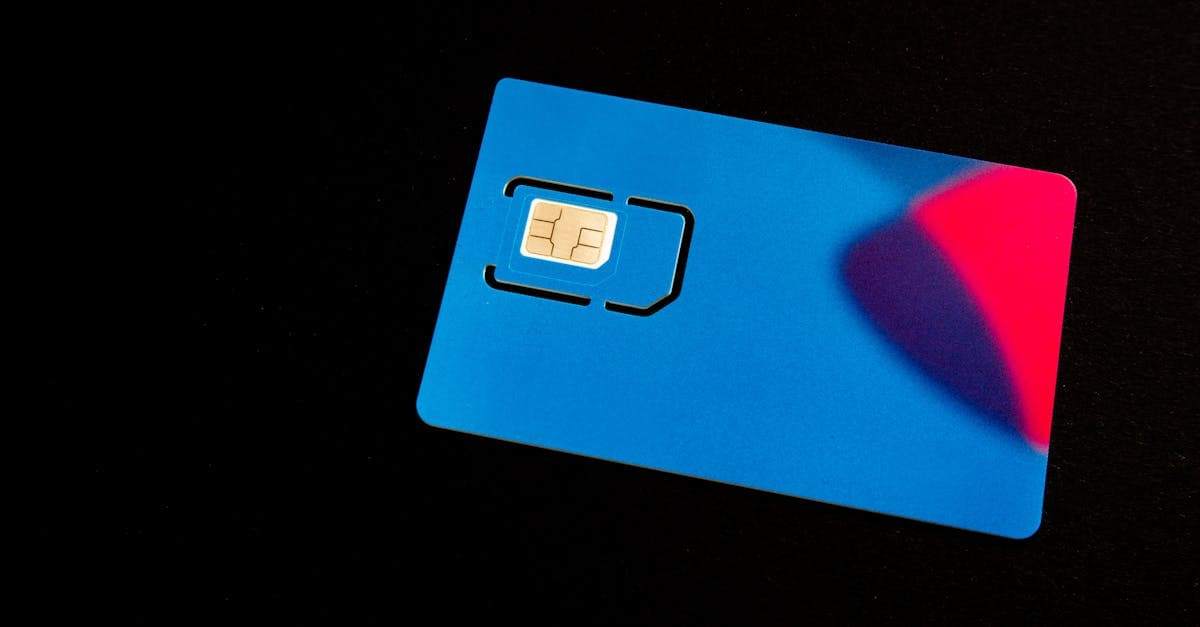
A travel SIM card is a prepaid mobile plan designed for short-term use in a destination country, giving visitors access to local data and calls at local rates rather than home carrier roaming charges. In Australia, two formats are available: a physical SIM card inserted into the SIM tray, or an eSIM, a digital profile activated via QR code without a physical card.

![Close-up of multiple travel sim cards and an ejector tool arranged neatly on a white background

eSIM vs physical SIM card: which suits Australia better?

Physical or digital, the choice comes down to your phone and how much you want to fuss around on arrival.

An eSIM is an embedded chip activated by scanning a QR code or following an in-app prompt. No SIM tray, no risk of losing a tiny piece of plastic somewhere between check-in and baggage claim. The standout advantage for Australia travel: activate your plan before boarding, land in Sydney with data already running, and walk straight to the taxi rank. Around 45% of smartphones sold in Australia in 2024 were eSIM-capable (GSMA, 2024). Unsure whether your handset qualifies? HelloRoam's [eSIM compatibility guide covers supported devices and activation steps in plain language.

A physical SIM suits older handsets, budget phones, and any device without eSIM support. Insert it into the SIM tray, follow the setup prompts, and you're on the local network. Buy one online before you fly, or collect it from an airport kiosk on arrival.

Dual-SIM is an underrated option. Most modern flagship phones let you run a home number on one slot and an Australian data plan on the other. Useful for two-factor authentication and staying reachable on your regular number. Either SIM type requires a carrier-unlocked phone to work on an Australian network. Bought on contract? Carrier unlocking is step one.

Choosing by trip type and duration

![Smartphone with a travel sim card and memory card, helping travellers choose the right plan duration

The right travel SIM for a weekend in Melbourne looks nothing like what you'd need crossing the Nullarbor.

Short city stays under a week favour eSIM on pure convenience. Activate before departure, data usage stays manageable, and you're sorted without leftover hardware or a carrier store visit on arrival.

East coast road trips across two to three weeks put network coverage ahead of price. The Pacific Highway corridor from Brisbane to Sydney is covered well by both Telstra and Optus. Telstra is the safer default if the exact itinerary isn't locked in, but either network handles the coastal strip reliably.

Remote and outback routes change the calculation. The Stuart Highway, the Gibb River Road, and the Nullarbor Plain fall in Telstra-only territory. On these roads, a physical Telstra Visitor SIM is more reliable than an MVNO (mobile virtual network operator) eSIM plan where the underlying network isn't clearly identified on the plan page.

Longer stays of three months or more reach a tipping point. Renewing prepaid plans repeatedly costs more than a postpaid contract from Optus or Vodafone, and removes the monthly renewal effort.

Older handsets without eSIM support default to physical SIM regardless of trip length. For multi-country circuits covering Australia, New Zealand, and Bali, a single multi-destination eSIM removes the need to manage separate plans at each stop.

Best travel SIM cards for Australia in 2026

![SIM card tray on a bold red background representing the best travel sim card options for Australia

Four options cover most visitors to Australia in 2026, each suited to a different type of trip. Skip the airport kiosks — prices at Melbourne, Sydney, and Brisbane arrivals typically run 40–60% above what you'd pay buying online before departure from providers such as [travelsim.com or [travelkon.com.au.

HelloRoam delivers an eSIM instantly, with transparent pricing and no daily data caps. Multi-country coverage on a single eSIM suits anyone doing a broader Asia-Pacific circuit through New Zealand, Bali, or Japan.

Airalo offers a wide marketplace for comparing plans, earning five stars for overall satisfaction, network coverage and value for money from [canstar.com.au. It's data-only, and the network you land on varies by plan — check the network specifications before buying if the itinerary includes regional travel.

Telstra Prepaid Visitor SIM is the pick for anyone leaving the coast. ~A$30 gets you 30GB over 28 days, hotspot included. Available online before departure or through Telstra retail stores.

Optus Tourist SIM is solid value in the cities. Choose ~A$30 for 15GB or ~A$40 for 40GB, valid 28–42 days. Coverage thins noticeably once you're off the main highway corridors.

For tourists deciding between plans, the most relevant criteria are network coverage beyond capital cities, clearly stated plan expiry dates, hotspot access, and English-language customer support. Broad coverage wins over cheap data.

Comparing costs, data allowances, and network coverage

![Person holding a long shopping receipt illustrating cost comparison of travel sim card plans and data allowances

Price doesn't tell the full story. Hotspot access and validity period often determine whether a plan actually suits the trip.

ProviderAiralo Australia
SIM TypeeSIM
Starting price (AUD)~A$7
DataFrom 1GB
NetworkVariable (plan-dependent)
HotspotSelected plans only
Validity30 days
ProviderTelstra Visitor SIM
SIM TypePhysical
Starting price (AUD)~A$30
Data30GB
NetworkTelstra
HotspotIncluded
Validity28 days
ProviderOptus Tourist SIM
SIM TypePhysical or eSIM
Starting price (AUD)~A$30
Data15GB–40GB
NetworkOptus
HotspotVaries by plan tier
Validity28 to 42 days

Airalo's entry-level plans are data-only with no call or SMS function. That suits most travellers using messaging apps, but tethering is restricted on the cheaper tiers. If you need to hotspot a laptop or tablet, confirm the specific plan permits it before purchasing. The Telstra Visitor SIM includes hotspot across all tiers, which matters on a road trip with multiple devices running.

Validity catches people out. A 28-day plan is tight if the return flight is on day 30. Optus's extended option suits anyone whose departure date is flexible or whose overland journey is slow.

Multi-country eSIMs are worth factoring in if Australia is one leg of a longer circuit. An eSIM covering Australia, New Zealand, Bali, and Japan removes the need to source a new card at each border. Check whether a given provider's plan includes all destinations before departure, not on arrival.

How much does mobile data cost in Australia?

![Detailed road map of south-eastern Australia highlighting routes and regions for mobile data coverage planning

Roaming on a US carrier costs around USD $10-15 per day in Australia. Run a fortnight on those rates and you're looking at roughly ~A$180-210 in data charges before any calls. UK carriers bill around AUD 5-8 per day. Some bundle plans nominally include Australia, but speeds are typically capped once the included data runs out. EU travellers have no special arrangement: Australia sits outside the EU roaming regulation, and standard international rates apply regardless of your home country's in-bundle entitlements.

A local prepaid plan changes the arithmetic. The options noted above work out to roughly A$1-2 per gigabyte across the full validity period. Travel eSIMs begin at the entry-level prices listed in the comparison above, with larger data options available for heavier users.

Switching from home carrier roaming to a local or travel SIM typically saves 80-95% on equivalent data usage (GSMA, 2024). On a two-week trip that gap runs to several hundred dollars.

Wi-Fi isn't the reliable fallback many travellers assume. Sydney and Melbourne airports cap complimentary connections at 30 minutes per session. Outside the capital CBDs, café and hotel Wi-Fi becomes increasingly variable. In national parks and outback routes, public hotspots are essentially absent. A dedicated mobile data plan is the only reliable option once you leave the east coast corridor.

How to set up a travel SIM before you land

![Young man at an airport terminal ready to activate his travel sim card before landing in Australia

Buy before you board. eSIM setup needs an internet connection, and doing it at home beats scrambling at the arrival gate or joining the kiosk queue in the terminal.

On iPhone (iOS 16 and later): Settings > Cellular > Add eSIM > Use QR Code. Scan the provider's QR code and set the new plan as the primary data line. The whole process takes a few minutes on a stable home Wi-Fi connection.

On Android, the path varies by manufacturer. Samsung: Settings > Connections > SIM Manager > Add eSIM. [Google Pixel: Settings > Network and internet > SIMs > Add a SIM. OnePlus follows a similar menu structure. The logic is identical; only the labels differ.

Most providers let you schedule the eSIM to activate on arrival, or you can toggle it manually once the plane is on the tarmac. Either way avoids accidental data use during the flight.

Physical SIM swap is straightforward on an unlocked phone. Insert the SIM, restart the device, and the connection usually configures automatically. If not, the carrier's APN (access point name) settings can be entered manually from their support page.

Three issues worth knowing before you travel. A carrier-locked phone will reject any new SIM or eSIM profile outright. Most iPhones store up to eight eSIM profiles, so a heavily used device may have already reached that limit. And if you've held off activation until mid-flight, most routes have no in-flight Wi-Fi for first-time setup.

Download offline maps before leaving home. Google Maps offline areas and Maps.me both work without a live data connection, which extends your navigation capability when coverage drops in regional areas.

What is the best SIM card for travelling?

![Yellow smartphone with SIM tray and travel sim card laid out on a neutral grey background

An eSIM from a reputable provider is the most practical option for most visitors to Australia, provided the handset supports it. No physical card to misplace. Sort the connection before the flight boards.

The network question splits the decision. Urban itineraries covering Sydney, Melbourne, Brisbane, and Perth are well served by Optus-backed or Vodafone-backed plans, which offer competitive data at lower price points than Telstra. The Telstra network advantage in cities is modest. It becomes significant the moment you leave them.

Past the coastal corridor, only Telstra or a Telstra MVNO (mobile virtual network operator) provides reliable signal. The Stuart Highway between Alice Springs and Darwin, the Gibb River Road through the Kimberley, and the roads approaching Uluru are Telstra-only zones. A city-optimised SIM is of no use at a remote campsite or fuel stop 400 kilometres from the nearest Optus tower.

Multi-country circuits add a further consideration. Sourcing and activating separate SIMs across Australia, New Zealand, Bali, and Japan is manageable but fiddly. A single eSIM with confirmed coverage across the full itinerary simplifies that before departure.

For travellers deciding between plans, the factors that matter most are which network the SIM runs on in Australia, whether hotspot tethering is included, how the validity period aligns with the actual trip length, and whether pricing is clearly stated before purchase rather than buried in the fine print.

What are the disadvantages of using an eSIM?

![Red LED display showing No Signal in a dark setting, illustrating a common travel eSIM disadvantage

Not every phone supports eSIM. Older iPhones (pre-2018), many budget Android handsets, and some international variants bought outside Australia simply don't have the embedded chip. Check manufacturer specs before assuming eSIM is an option for your device.

Profile limits are a quieter frustration. Most smartphones store somewhere between eight and twenty eSIM profiles. Frequent travellers who've accumulated eSIMs across multiple countries may hit that ceiling and need to delete old profiles before a new one can be added.

Losing or damaging your phone creates a different problem altogether. A physical SIM moves to a replacement handset in seconds. An eSIM profile has to be re-downloaded from the provider, which needs an active internet connection. No data access means no profile restoration until you find Wi-Fi or a temporary connection somewhere.

Some rural Australian carriers and regional MVNOs (mobile virtual network operators) issue physical SIMs only. The eSIM selection in outback-adjacent coverage zones is noticeably thinner than in capital cities.

Standard Australian prepaid SIMs stop working the moment you cross into New Zealand, Bali, or Japan. They're built for domestic use only. If the itinerary continues beyond Australia, a separate plan or a multi-country eSIM covers the next leg, otherwise you're back to roaming rates.

For most modern smartphones, these are minor inconveniences rather than blockers. A physical SIM remains the sensible fallback for older devices, carrier-locked handsets, or routes where picking a specific underlying network is critical.

  • Esim Cape Town
  • Esim Atlanta
  • Esim Hawaii

Get Connected Before You Go

Liam O'Brien, Travel Writer at HelloRoam
Liam O'Brien is a travel writer at HelloRoam who covers eSIM options and mobile data tips for travelers visiting diverse destinations. He tests network coverage on long drives, in remote natural areas, and across busy city centers. Liam helps readers understand which data plans suit short holidays and extended stays, with honest advice on coverage gaps and rural signal quality.

Frequently Asked Questions

An eSIM from a reputable provider is the most practical option for most travelers to Australia, provided the handset supports it. For urban itineraries, Optus-backed or Vodafone-backed plans offer competitive data at lower prices than Telstra. If your trip includes remote or outback routes, choose a Telstra SIM or Telstra MVNO for reliable coverage beyond the coastal corridor.

For tourists visiting Australia in 2026, the top options are Hello Roam eSIM for multi-country coverage, Airalo for plan comparison and value, the Telstra Prepaid Visitor SIM for remote travel, and the Optus Tourist SIM for city stays. The most important criteria are network coverage beyond capital cities, clearly stated expiry dates, hotspot access, and English-language customer support.

Key disadvantages of eSIM include limited device compatibility — older iPhones (pre-2018) and many budget Android handsets do not support it. Most smartphones can only store 8–20 eSIM profiles, so frequent travelers may need to delete old profiles before adding new ones. If your phone is lost or damaged, restoring an eSIM profile requires an internet connection, unlike a physical SIM which transfers instantly to a replacement device.

Standard Australian prepaid SIMs are built for domestic use only and stop working the moment you cross into another country such as New Zealand, Bali, or Japan. If your itinerary continues beyond Australia, you will need a separate local plan for each destination or a multi-country eSIM that confirms coverage across your full route before departure.

A travel SIM card is a prepaid mobile plan designed for short-term use, giving visitors access to local data and calls at local rates rather than home carrier roaming charges. In Australia, two formats are available: a physical SIM inserted into the SIM tray, or an eSIM activated via QR code without a physical card.

An eSIM is an embedded chip activated by scanning a QR code, allowing you to set up your plan before boarding and arrive in Australia with data already running. A physical SIM suits older handsets and budget phones without eSIM support and can be purchased online or collected at an airport kiosk on arrival. Both require a carrier-unlocked phone to work on an Australian network.

Roaming on a US carrier costs around USD $10–15 per day in Australia, which can reach roughly A$180–210 for a two-week trip. A local prepaid travel SIM works out to roughly A$1–2 per gigabyte across its validity period. Switching from home carrier roaming to a local or travel SIM typically saves 80–95% on equivalent data usage.

Buy online before you fly. Prices at Melbourne, Sydney, and Brisbane airport kiosks typically run 40–60% above what you'd pay purchasing online before departure. Buying in advance also lets you set up an eSIM at home on a stable Wi-Fi connection rather than scrambling at the arrival gate.

Telstra is the only reliable network for remote and outback routes in Australia. The Stuart Highway, the Gibb River Road through the Kimberley, the Nullarbor Plain, and roads approaching Uluru are Telstra-only zones. For these routes, choose a Telstra Prepaid Visitor SIM or a Telstra MVNO plan rather than an Optus or Vodafone-backed product.

On iPhone (iOS 16 and later), go to Settings > Cellular > Add eSIM > Use QR Code, then scan the provider's QR code and set the new plan as your primary data line. The process takes a few minutes on a stable home Wi-Fi connection. You can schedule the eSIM to activate on arrival in Australia or toggle it manually once you land.

On Samsung, go to Settings > Connections > SIM Manager > Add eSIM. On Google Pixel, go to Settings > Network and internet > SIMs > Add a SIM. OnePlus follows a similar menu structure. The logic is identical across Android devices; only the menu labels differ. Set it up at home on Wi-Fi before your flight.

Yes, the Telstra Prepaid Visitor SIM includes hotspot access across all plan tiers. At approximately A$30 for 30GB over 28 days, it is particularly well suited to road trips where multiple devices need to share a connection. Always confirm hotspot inclusion when comparing travel SIM plans, as some entry-level eSIM plans restrict tethering.

Wi-Fi is not a reliable fallback in Australia. Sydney and Melbourne airports cap complimentary connections at 30 minutes per session, and café and hotel Wi-Fi becomes increasingly variable outside capital CBDs. In national parks and outback routes, public hotspots are essentially absent. A dedicated mobile data plan is the only reliable option once you leave the east coast corridor.

Yes. Most modern flagship phones let you run your home number on one slot and an Australian data plan on the other simultaneously. This is useful for two-factor authentication and staying reachable on your regular number while using local data rates. Both SIM formats require a carrier-unlocked phone to function on an Australian network.

Check your phone's manufacturer specifications for eSIM support. Around 45% of smartphones sold in Australia in 2024 were eSIM-capable. Older iPhones (pre-2018), many budget Android handsets, and some international variants purchased outside Australia do not have the embedded chip. If you are unsure, consult your device manufacturer or a compatibility guide before purchasing an eSIM plan.

Yes, even for short city stays under a week, a travel eSIM is worth it on convenience and cost grounds. Roaming on a home carrier costs around USD $10–15 or AUD $5–8 per day, while a local prepaid plan works out to roughly A$1–2 per gigabyte. An eSIM can be activated before departure so you arrive with data already running.

The most important criteria are which network the SIM runs on in Australia, whether hotspot tethering is included, how the validity period aligns with your actual trip length, and whether pricing is clearly stated before purchase. For remote travel, network coverage beyond capital cities should take priority over price per gigabyte.

Related Articles

Stay Connected with Travel Data
View all destinations
United States travel destination
United States flag
United States
United Kingdom travel destination
United Kingdom flag
United Kingdom
United Arab Emirates travel destination
United Arab Emirates flag
United Arab Emirates